Matsu

A 10-course all-vegetable tasting menu with a Japanese sensibility, served overlooking the Pacific in Oceanside. Chef William Eick's omakase-style format brings ingredient-driven precision to San Diego's North County, pairing each course with sake under the guidance of an on-site sommelier. One of Southern California's more quietly serious tasting-room experiences.
Pearl is the En Primeur Club membership app — saves, bookings, and concierge access live there. Same editors, same standards.
- Address
- 626 S Tremont St, Oceanside, CA 92054
- Phone
- (760) 681-6152
- Website
- eatatmatsu.com
- Directions
- Get directions
 Saves & bookings on Pearl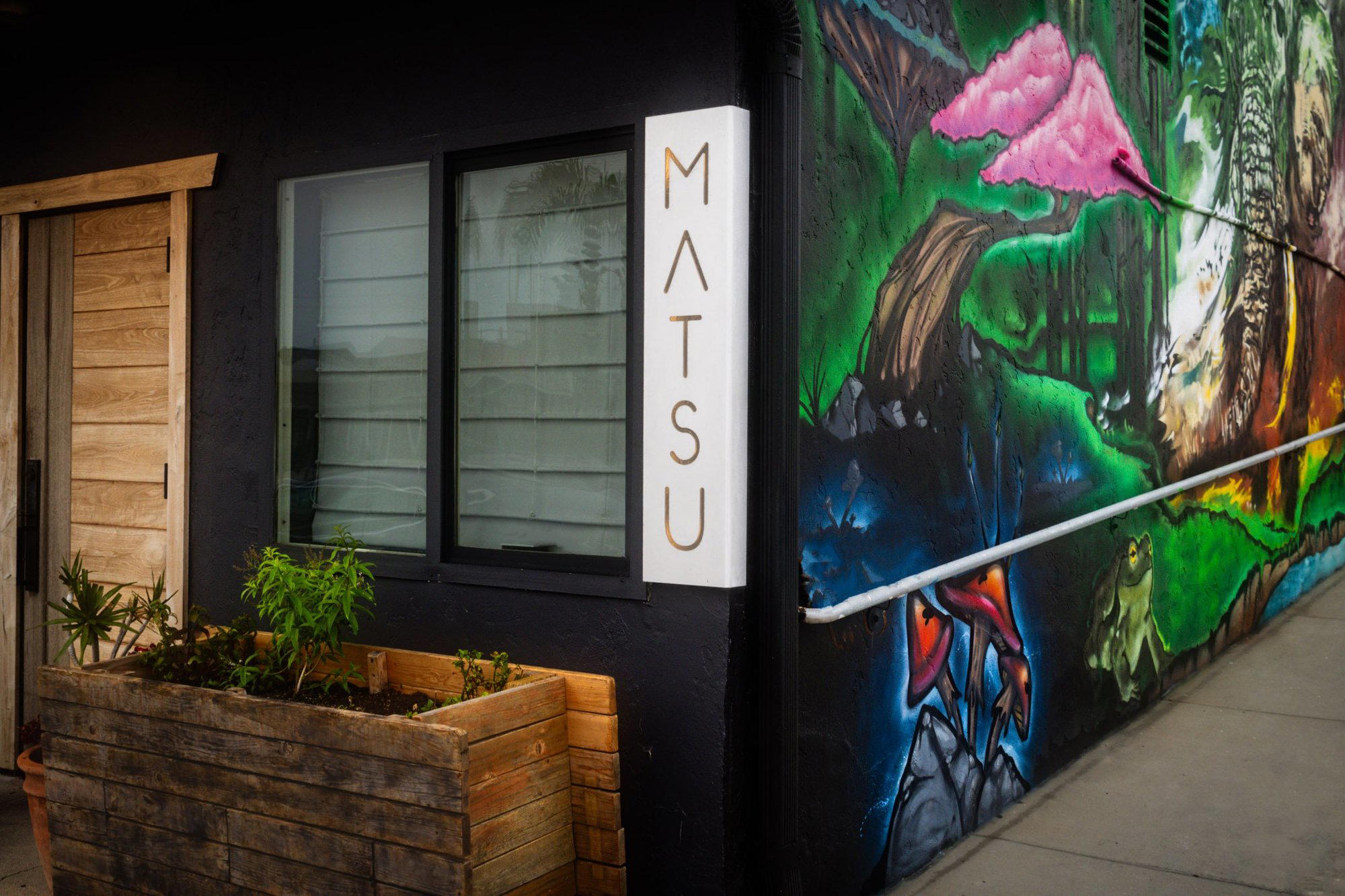
Where the Pacific Meets the Plate
Oceanside has spent the better part of a decade outgrowing its reputation as a surf town with serviceable tacos. The dining scene that has taken shape along its coastline now includes some of San Diego County's more considered cooking, and nowhere is that shift more apparent than at the corner of South Tremont Street. At Matsu, the dining room faces the ocean, and that orientation is more than aesthetic: the Pacific shapes the mood and the light. Walking in, the scene reads closer to a contemplative Japanese kappo counter than anything this stretch of Southern California coastline might have suggested ten years ago.
The Logic of a Vegetable-Only Tasting Menu
Tasting menus structured entirely around vegetables remain a distinct minority in American fine dining. The format asks a kitchen to deliver both technical fluency and genuine flavor intensity without the scaffolding of meat or fish, and most menus that attempt it lean too hard on umami substitutes or rich dairy to compensate. The more demanding path is to let the ingredients carry the structure outright, which is the approach that defines Matsu's 10-course format under Chef William Eick.
Eick's frame of reference is Japanese taste culture, a tradition that has long treated the vegetable as a primary subject rather than a supporting player. In kaiseki and shojin ryori, the kitchen's skill is measured by how precisely it handles texture, temperature, and restraint across a sequence of small preparations. That discipline runs through Matsu's menu architecture, where each course is designed to land with what observers describe as a distinct flavor concentration, not through complexity for its own sake, but through clarity of source and preparation.
Matsu operates at a much smaller scale than those restaurants, but the intellectual framework is comparable: the vegetable is the argument, not the garnish. Matsu operates at a much smaller scale than any of those, but the intellectual framework is comparable: the vegetable is the argument, not the garnish.
Sourcing as the Editorial Point
The ingredient-sourcing logic behind a Japanese-inflected vegetable menu in coastal Southern California is not incidental. Oceanside and the surrounding North County corridor sit within reach of some of California's most productive small-farm agriculture, from the inland valleys of Fallbrook and Escondido to the organic operations that supply restaurants across San Diego. A kitchen committed to Japanese taste culture and a zero-compromise vegetable program is, in this geography, in the right place to execute it.
Japanese culinary tradition places particular weight on what is called shun, the idea that each ingredient has an optimal moment in its seasonal arc, and that the cook's first obligation is to recognize and respect that moment rather than override it with technique. Applied to a California sourcing context, this creates a menu that should shift meaningfully across seasons, with each of the 10 courses reflecting what the current growing cycle actually provides rather than a fixed menu printed once and repeated indefinitely. The distinction matters because it changes the nature of repeat visits.
Sake at the Table
The presence of a sake sommelier is a meaningful structural choice for a tasting menu of this format. Sake pairing with a vegetable-driven Japanese progression is not a novelty add-on; it is closer to the correct answer. The range of sake styles, from the delicate ginjo class to the earthier, more textured junmai expressions, maps well to the flavor arc of a 10-course vegetable sequence in ways that wine pairing sometimes struggles to replicate. A dedicated sommelier indicates that the pairing program has been designed with the same intentionality as the kitchen, which is what separates a genuine sake list from a short selection offered as an afterthought.
Sake programs at Japanese tasting experiences often anchor the meal's structure in a way that wine lists at non-Japanese tasting venues rarely do. Matsu's format, combining an ocean-facing setting, a vegetable omakase structure, and sake guidance, positions it closer to that specialist tier than to the general tasting-menu category in Southern California.
Where Matsu Sits in Oceanside's Dining Scene
Oceanside's restaurant scene has diversified considerably. Valle represents the Baja-California culinary bridge that has become one of the region's most compelling dining identities. Dija Mara brings Indonesian cooking to a town that has historically defaulted to Mexican and American formats. 24 Suns works contemporary Chinese cuisine into the mix. For something more casual, Tanner's Prime Burgers and The Privateer Coal Fire Pizza anchor the accessible end. Matsu occupies a different tier from all of them, structured as a full tasting-menu commitment rather than a la carte dining. The 10-course format, the sake program, and the ocean-view room suggest an evening designed around the meal rather than one that accommodates it.
In the broader Southern California fine-dining context, Matsu occupies a niche as a format-committed destination where the meal is the event. The scale is smaller and the geography less trafficked, but the ambition of the proposition is not.
Planning a Visit
Matsu is located at 626 S Tremont St, Oceanside, CA 92054, close enough to the water that the view registers as part of the experience rather than incidental to it. Given the tasting-menu format, an evening at Matsu requires a reservation and a block of time. The sake pairing is the recommended approach for the full experience.
- Melon and Bluefin Tuna Pudding
- Charred Cabbage with Caviar
- Shrimp Tempura with Dynamite Sauce
- Oak-Grilled Sablefish
- Koji Duck
- Pork Jowl with Rosehip and Pork Fat Caramel
Fast Comparison
Comparable venues nearby, for context on price, style, and recognition.
| Venue | Cuisine | Price | Awards | Notes |
|---|---|---|---|---|
| MatsuThis venue — the venue you are viewing | Modern Japanese Omakase | $$$$ | Not listed | Not listed |
| Harney Sushi | Sustainable Japanese Sushi Fusion | $$ | Not listed | Oceanside Townsite |
| Wrench & Rodent Seabasstropub | Sustainable Sushi & Seabasstropub | $$ | Not listed | South Oceanside |
| The Privateer Coal Fire Pizza | Coal-Fired Neapolitan Pizza | $$ | Not listed | South Oceanside |
| 24 Suns | Modern Chinese Contemporary | $$$ | Michelin Plate | Mission Ave |
| The Plot | Plant-Based Farm-to-Table | $$ | Not listed | South Oceanside |
Recognition history
Dated appearances from independent guides and award organizations, with the underlying list record or original source where available.
We're Smart World 4 Radishes
We're Smart World
Continue exploring
More in Oceanside
Restaurants in Oceanside
Browse all →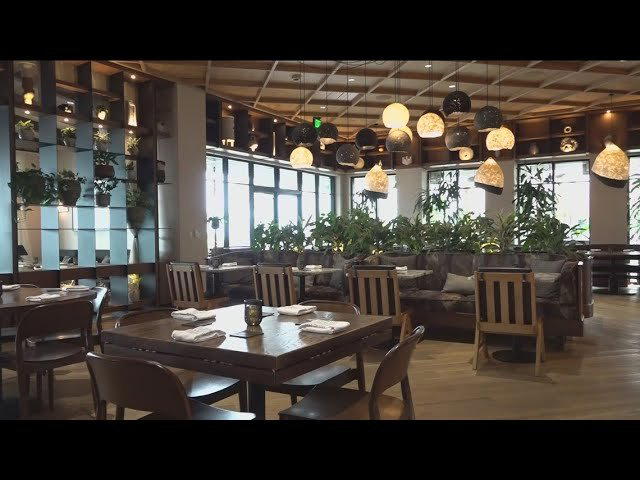
Bars in Oceanside
Browse all →
Hotels in Oceanside
Browse all →
Wineries in Oceanside
Browse all →
At a Glance
- Minimalist
- Intimate
- Elegant
- Modern
- Quiet
- Special Occasion
- Date Night
- Celebration
- Chefs Counter
- Open Kitchen
- Design Destination
- Craft Cocktails
- Sake Program
- Sommelier Led
- Local Sourcing
- Sustainable Seafood
Current opening hours
- Monday
- 4–10 PM
- Tuesday
- 5–9 PM
- Wednesday
- 5–9 PM
- Thursday
- 4–10 PM
- Friday
- 4–10 PM
- Saturday
- 4–10 PM
- Sunday
- 4–10 PM
Hours can change for holidays and private events. Last verified .
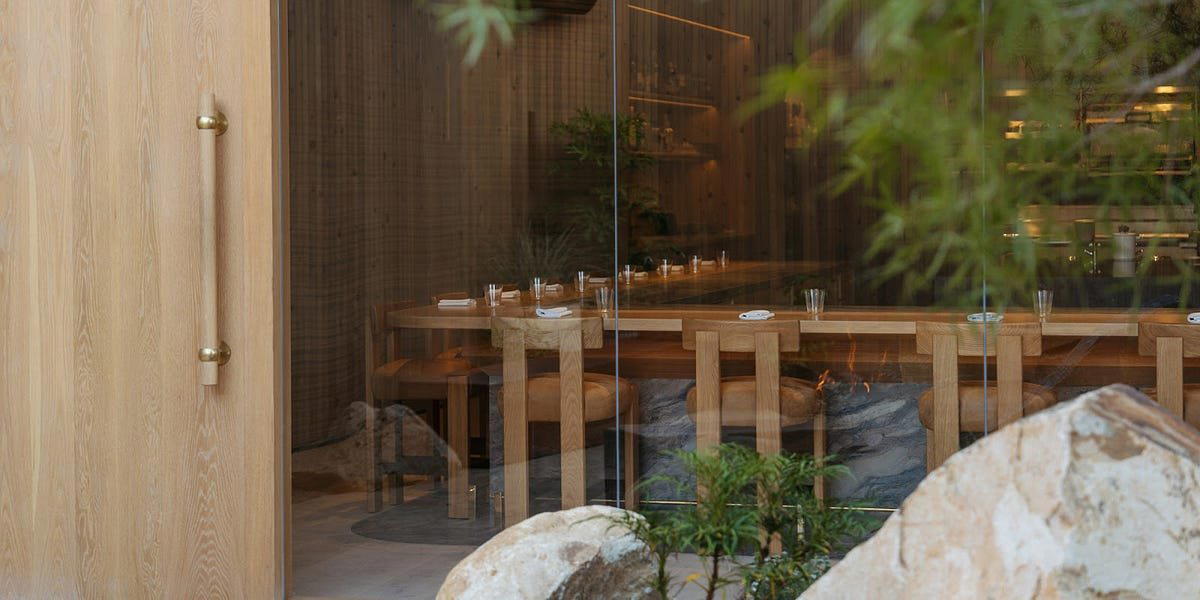
Minimalist, calming space with dim lighting, soft curated music, and thoughtful tableware that emphasizes the food; austere yet electric atmosphere with refined, intimate setting.