Maràngels


Michelin Plate · Guía Repsol 1 Sol
Our verdict
Set inside a 17th-century farmhouse on the outskirts of Sant Gregori, Maràngels occupies a category that has largely disappeared from the Spanish dining scene: the rural mas converted into a serious kitchen without sacrificing its agricultural character. The menu draws on updated traditional Catalan cuisine across several set formats, priced at the accessible €€ tier.

Pearl is the En Primeur Club membership app — saves, bookings, and concierge access live there. Same editors, same standards.
- Address
- S-N, Paraje Sant Gregori, 0, 17150 Sant Gregori, Girona, Spain
- Phone
- +34 972 42 91 59
- Hours
- Mon 1–3:30 PMTue ClosedWed–Thu 1–3:30 PMFri–Sat 1–3:30 PM, 8:15–11 PMSun 1–3:30 PM
- Website
- marangels.com
- Directions
- Get directions
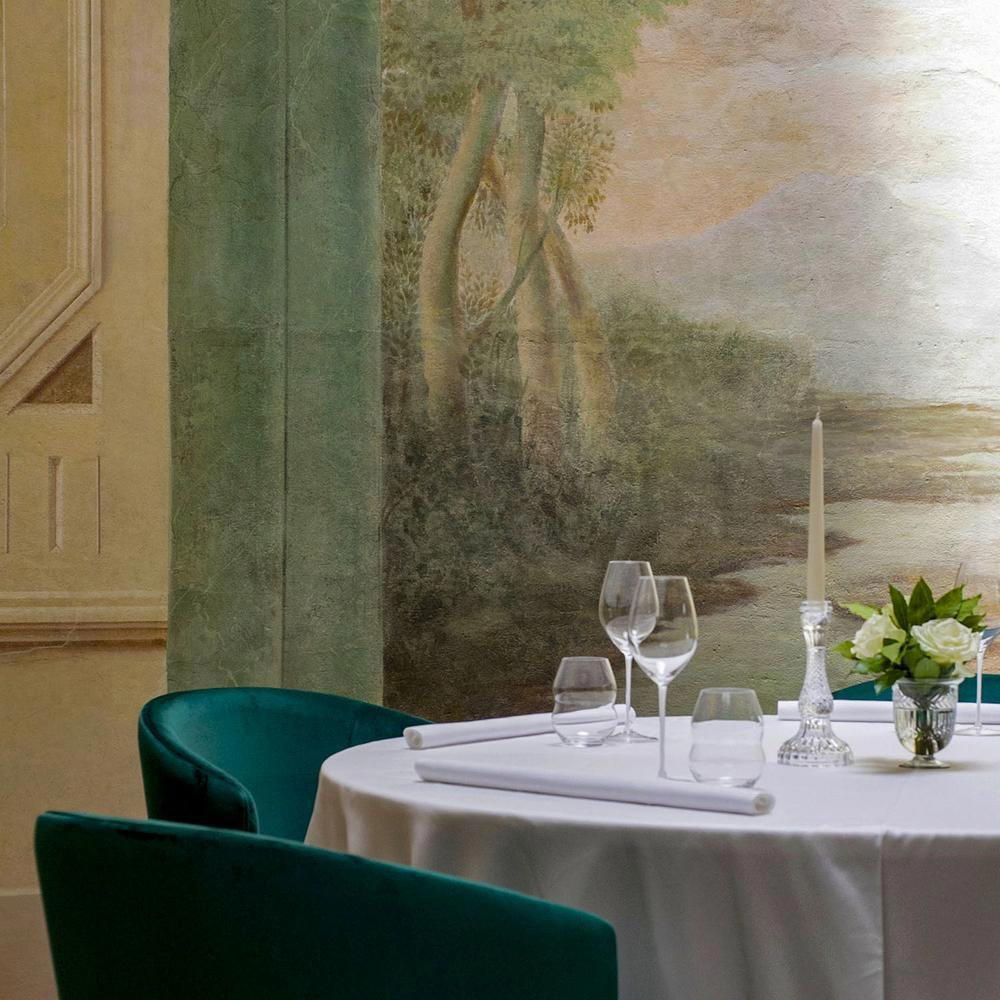
Stone, Garden, and the Logic of the Catalan Mas
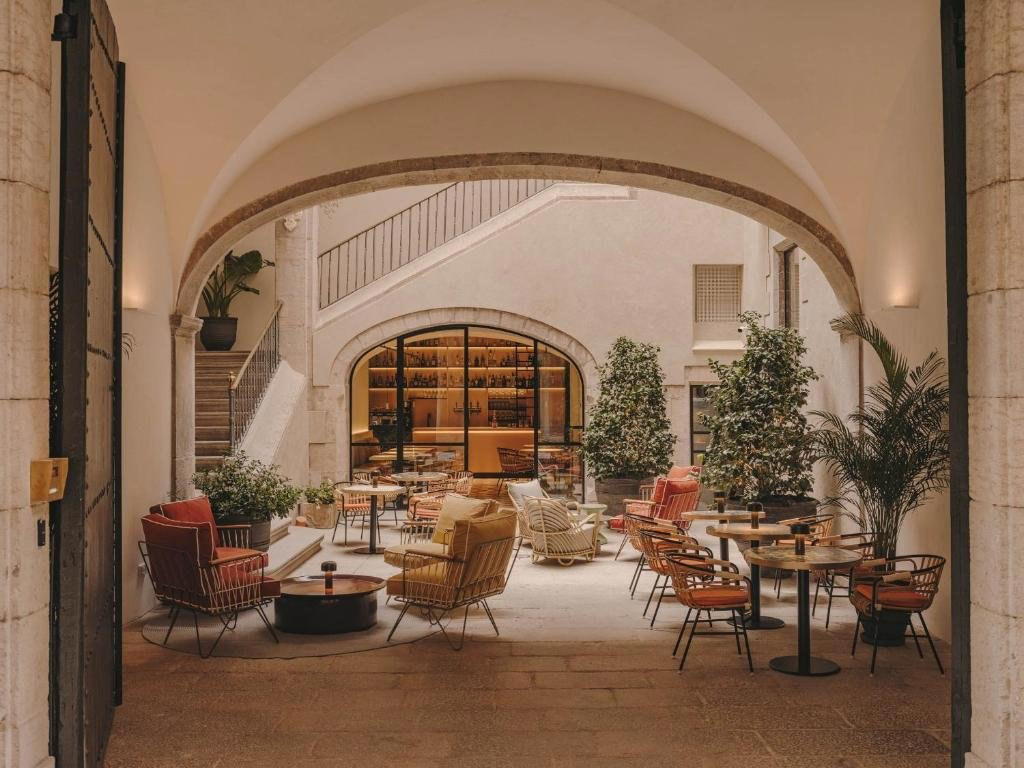
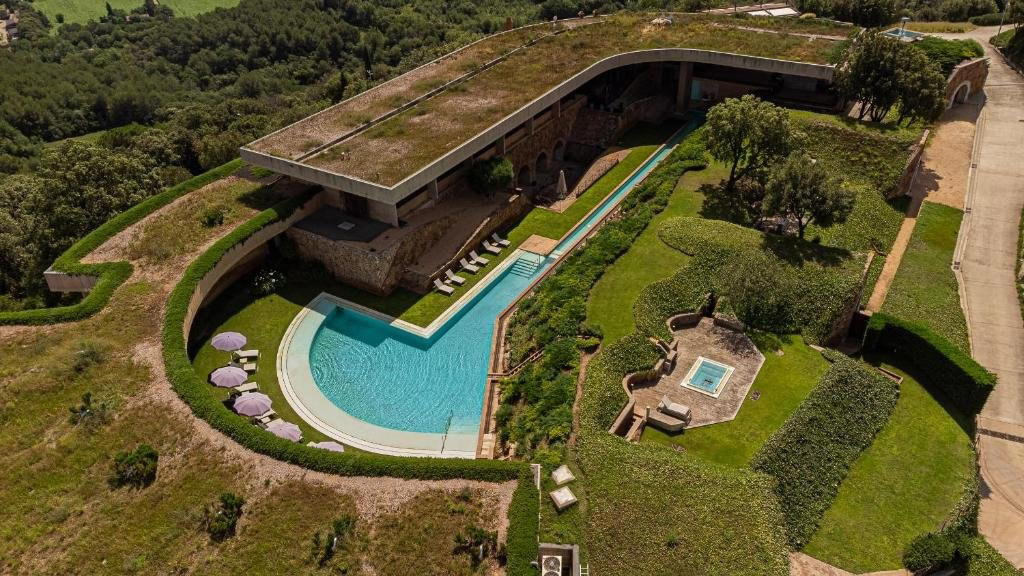
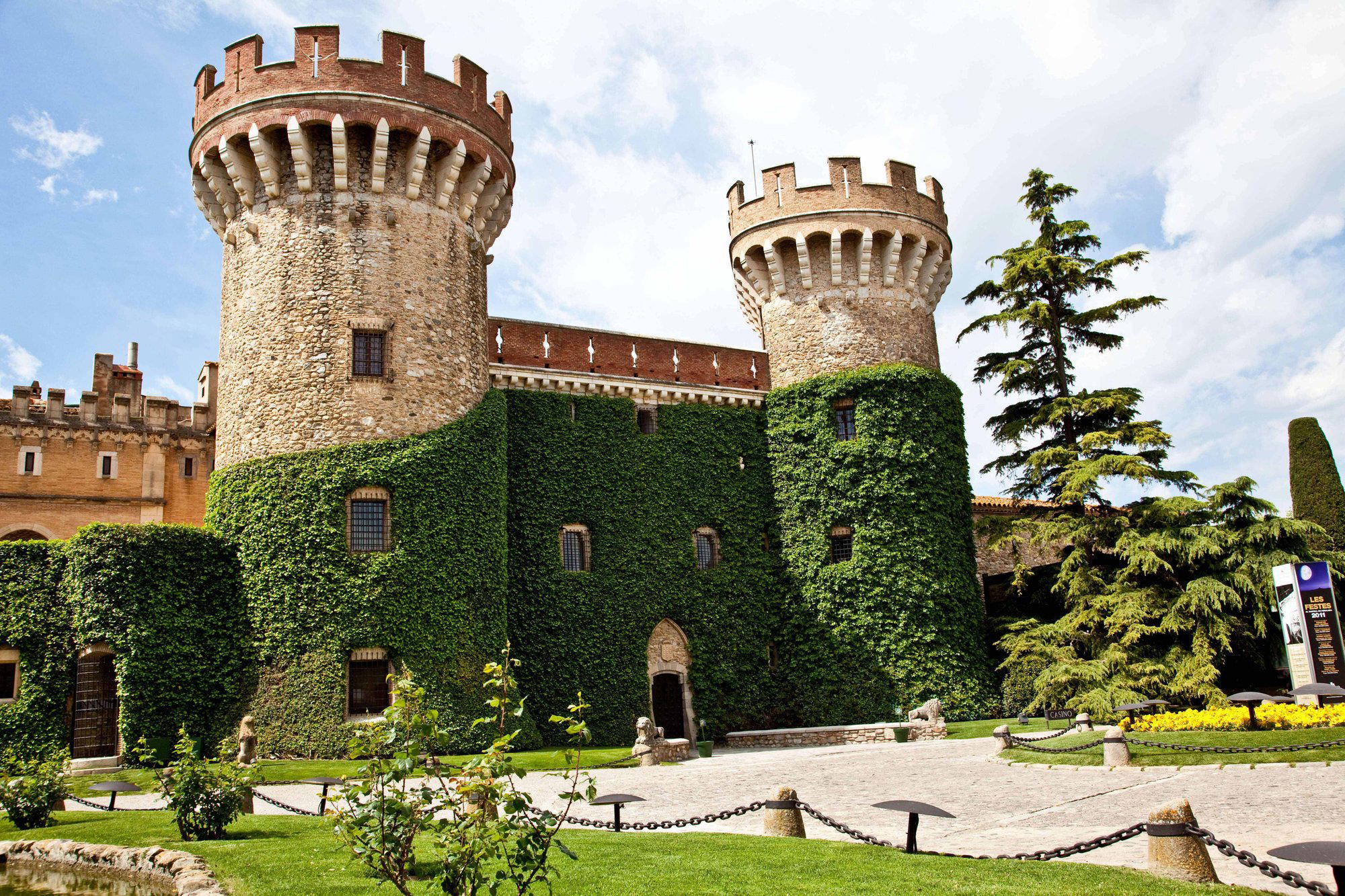
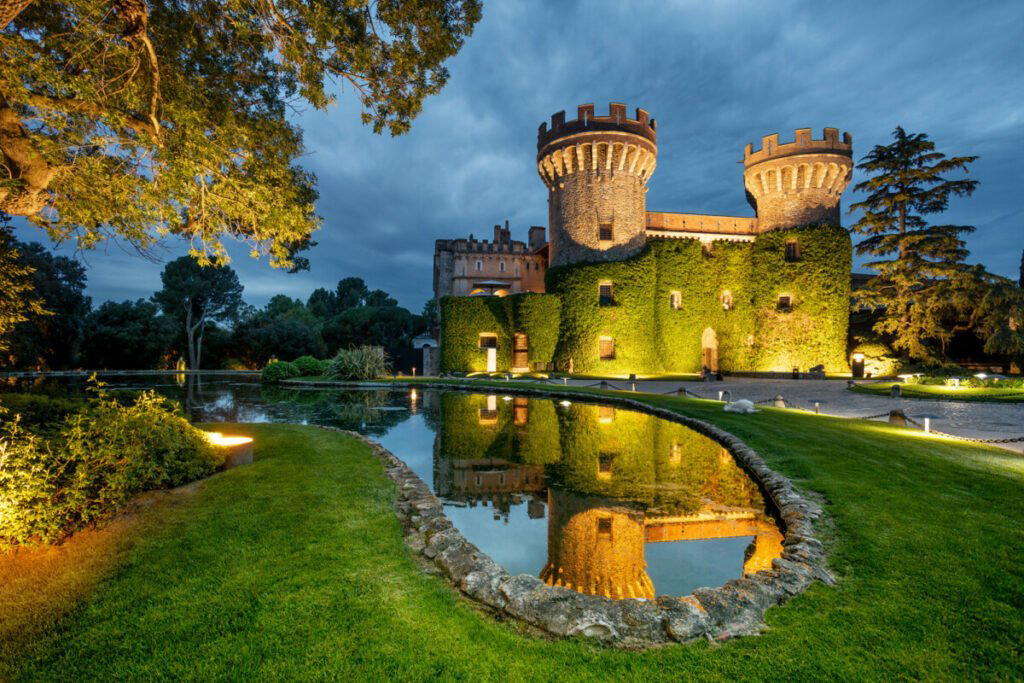
The approach to Maràngels sets the terms before you reach the door. The building is a 17th-century farmhouse on the Paraje Sant Gregori, a rural pocket of Girona province where the landscape is defined by fields, cork oak, and stone construction rather than the coastal tourism that shapes so much of the region's hospitality identity. Arriving here, the garden is the first thing you register: a functioning green buffer between the road and the dining room, the kind of outdoor space that earns its place rather than decorating a terrace for effect.
This physical setting is not incidental to what the kitchen does. The Catalan mas tradition, the farmhouse as both productive and social centre, runs directly through how updated traditional cuisine functions at this price point in the province of Girona. The food made sense here for centuries because the ingredients were produced here, and the restaurants that have kept this connection most coherent tend to sit in the countryside rather than the city centre. Maràngels operates within that lineage.
What "Updated Traditional Cuisine" Actually Means in Girona Province
Girona sits at a fork in Spanish fine dining. The province is home to El Celler de Can Roca in Girona, one of the most discussed creative restaurants in Europe, and proximity to that level of technical ambition has a way of pressuring every local kitchen to either match it or define itself clearly against it. The restaurants that answer that pressure most coherently are those rooted in the pre-creative, pre-deconstructed Catalan tradition: escudella, fricandó, slow-braised game, local mushrooms from the Montseny foothills, and the accumulated weight of a cuisine that solved its problems through patience and local knowledge rather than laboratory technique.
"Updated traditional" in this context means something specific. It does not mean modernised in the way that the three-Michelin-star tier of Spanish cooking modernises, applying liquid nitrogen or spherification to regional flavour codes. It means the inherited recipes are treated with enough respect to stay recognisable, while sourcing, plating, and format are brought up to the expectations of a contemporary dining room. The set menu format, which Maràngels uses across several options, is itself a traditional Catalan hospitality structure, and here it functions as an organising principle rather than a marketing format.
The broader category of traditional cuisine restaurants in Catalonia has thinned considerably over the past two decades. Urban pressure and the gravitational pull of tasting-menu culture have concentrated investment at the avant-garde end, leaving the middle of the tradition in a complicated position. The rural mas format has proven more durable than its urban equivalent, partly because the lower cost base allows for honest pricing, and partly because the setting itself validates the culinary claim in a way a city restaurant cannot. At the €€ price tier, Maràngels sits in the accessible end of the serious-restaurant bracket for the province.
Ingredient Sourcing as the Structural Argument
The case for cooking at this address rests on what Girona province can supply within a short radius. The region's agricultural production is notably varied: the Empordà plain to the northeast supplies cereals and legumes; the Pyrenean foothills produce excellent game, dairy, and cold-weather mushrooms including the rovell (saffron milk cap) that defines autumn cooking across the province; and the coastal proximity allows for fish and shellfish from the Costa Brava ports, even at inland addresses.
For a restaurant working in updated traditional Catalan cooking, these supply lines are not a marketing angle but a structural requirement. The cuisine was built on what the territory produced, and the kitchens that stay closest to that production geography tend to produce the most coherent versions of the tradition. A farmhouse address on the outskirts of Sant Gregori, fifteen or so kilometres from Girona city, places the kitchen inside rather than adjacent to that production zone.
This matters in comparison to the higher-profile end of the Spanish dining scene. Creative destination restaurants from Disfrutar in Barcelona to Mugaritz in Errenteria draw on similar regional sourcing but process it through an entirely different interpretive lens. The comparison is not a competitive one: these are different categories of experience aimed at different decisions. But it illustrates where traditional-format restaurants fit in the broader Spanish dining conversation, and why they remain a distinct and coherent option rather than simply the budget version of the more ambitious tier.
Traditional cuisine formats operating at the €€ price point in rural Catalonia share certain structural advantages: set menus allow the kitchen to manage waste and sourcing tightly, garden or farmhouse settings reduce the distance between production and plate, and the cuisine's reliance on slow techniques rather than rare ingredients keeps quality consistent without requiring exceptional procurement budgets. You find comparable logic at work at Auberge Grand'Maison in Mûr-de-Bretagne in Brittany and at Auga in Gijón, both operating within the same tradition-first framework at similar price positions.
The Setting in Practice
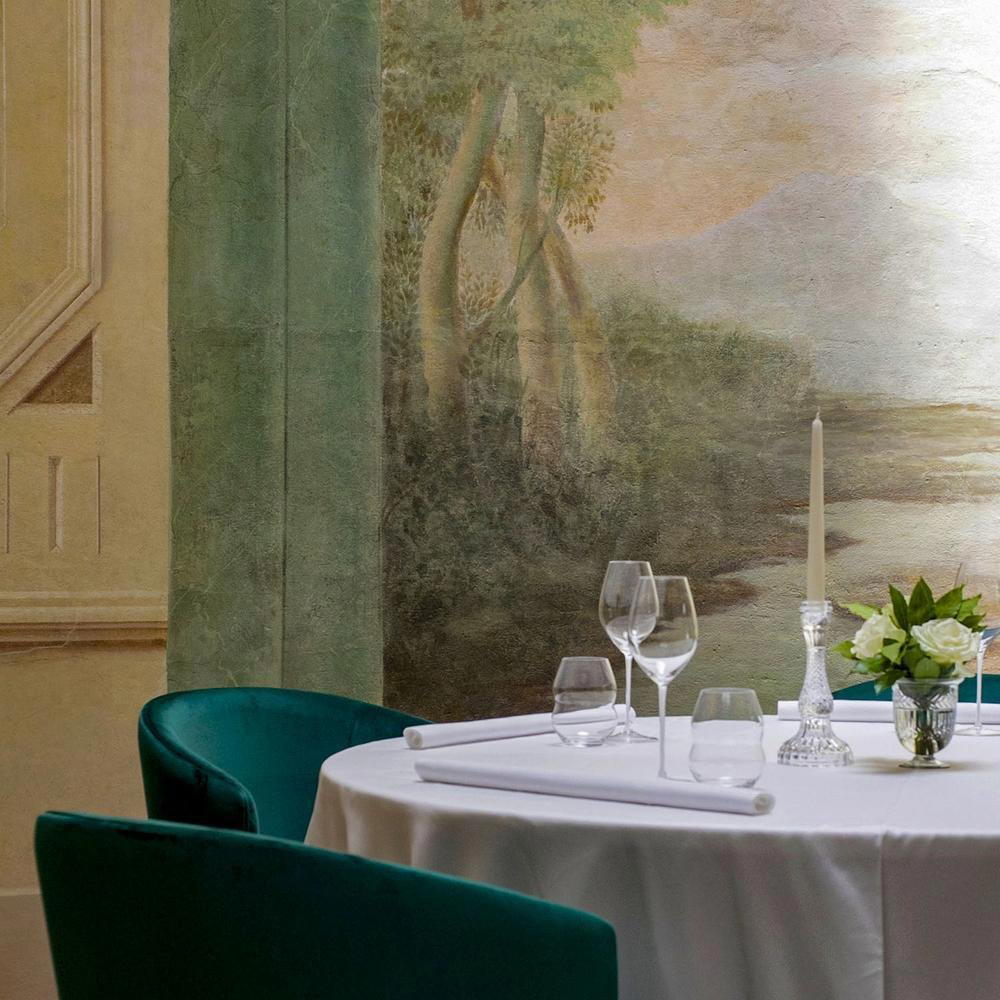
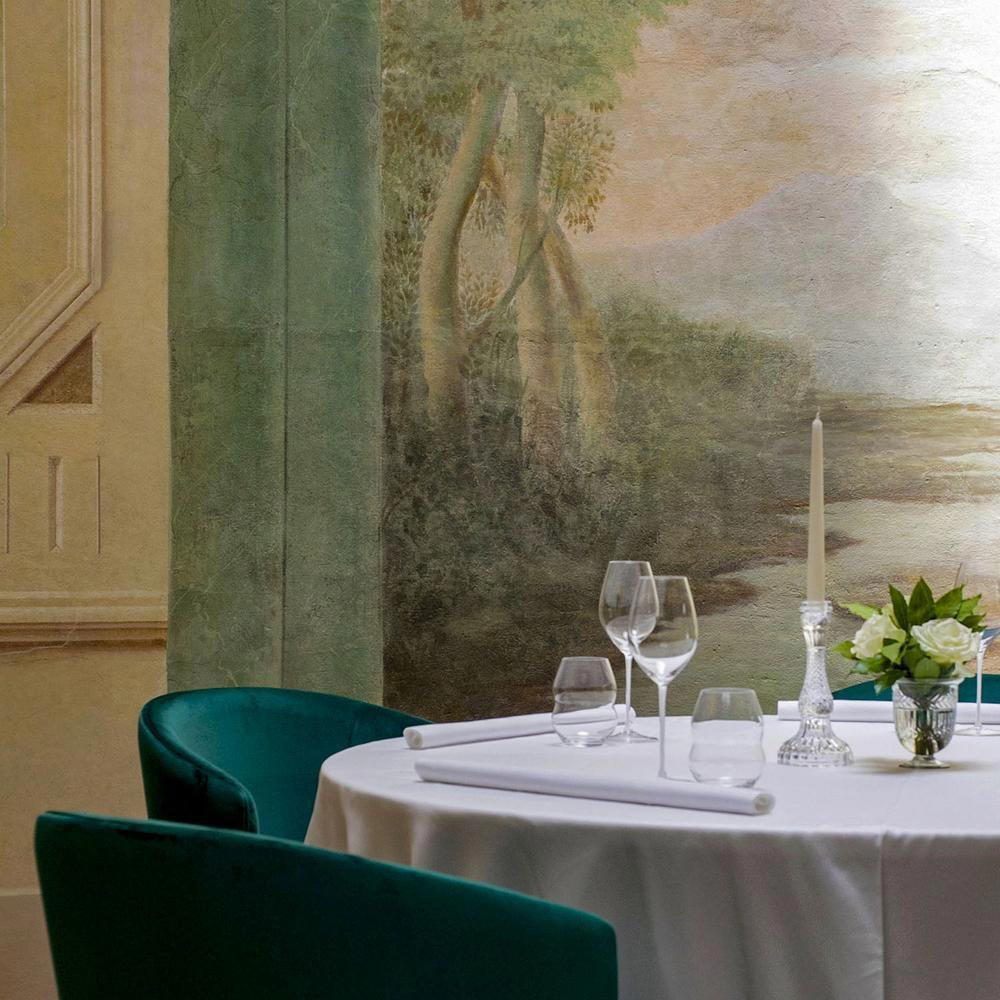
The garden framing the 17th-century stone building is not purely decorative. In warmer months, it extends the usable dining space outward and anchors the meal in the kind of immediate natural context that differentiates a rural mas from an urban restaurant that merely describes itself as rooted in the land.
For visitors planning around the wider province, Maràngels fits naturally into a programme that also takes in Girona city itself, either through the old town's considerable restaurant density or through day trips to the coast. The practical combination of a farmhouse lunch at the €€ level and an evening in Girona keeps the budget rational while covering the two distinct registers the province offers. For those with appetite for the creative dining conversation, the province's position as home to El Celler de Can Roca and its proximity to Barcelona, where restaurants including Disfrutar represent the avant-garde tier, means the choice of register is always available. What Maràngels offers is the coherent traditional alternative, not a lesser version of those experiences but a structurally different one.
See our full Sant Gregori restaurants guide for further options in the area. For accommodation, our Sant Gregori hotels guide covers the local field. Visitors wanting to extend the day into drinks or wine can consult our bars guide, our wineries guide, and our experiences guide for the wider Sant Gregori area.
Frequently asked questions
How much does it cost to eat at Maràngels?
Pricing at Maràngels is listed as €€.
What part of town is Maràngels in?
Maràngels is located at S-N, Paraje Sant Gregori, 0, 17150 Sant Gregori, Girona, Spain, Sant Gregori.
Comparable Spots, Quickly
| Venue | Cuisine | Awards |
|---|---|---|
| MaràngelsThis venue — the venue you are viewing | Modern Catalan Mediterranean | Michelin Plate · Guía Repsol 1 Sol |
| Aponiente | Progressive - Seafood, Creative | Michelin 3 Star |
| Arzak | Modern Basque, Creative | Michelin 3 Star |
| DiverXO | Progressive - Asian, Creative | Michelin 3 Star |
| El Celler de Can Roca | Progressive Spanish, Creative | Michelin 3 Star |
| Quique Dacosta | Creative | Michelin 3 Star |
Recognition history
Dated appearances from independent guides and award organizations, with the underlying list record or original source where available.
Michelin Plate
Michelin
Guía Repsol 1 Sol
Guía Repsol
Full recognition history (4 entries)
Michelin Plate
Michelin
Michelin Plate
Michelin
Continue exploring
More in Sant Gregori
Restaurants in Sant Gregori
Browse all →
Bars in Sant Gregori
Browse all →
Hotels in Sant Gregori
Browse all →

Details
- Rustic
- Cozy
- Elegant
- Scenic
- Date Night
- Special Occasion
- Garden
- Extensive Wine List
- Garden
- Set Menu
- Vegetarian Friendly
- Gluten Free Options
- Vegan Options
Current opening hours
- Monday
- 1–3:30 PM
- Tuesday
- Closed
- Wednesday
- 1–3:30 PM
- Thursday
- 1–3:30 PM
- Friday
- 1–3:30 PM, 8:15–11 PM
- Saturday
- 1–3:30 PM, 8:15–11 PM
- Sunday
- 1–3:30 PM
Hours can change for holidays and private events. Last verified .
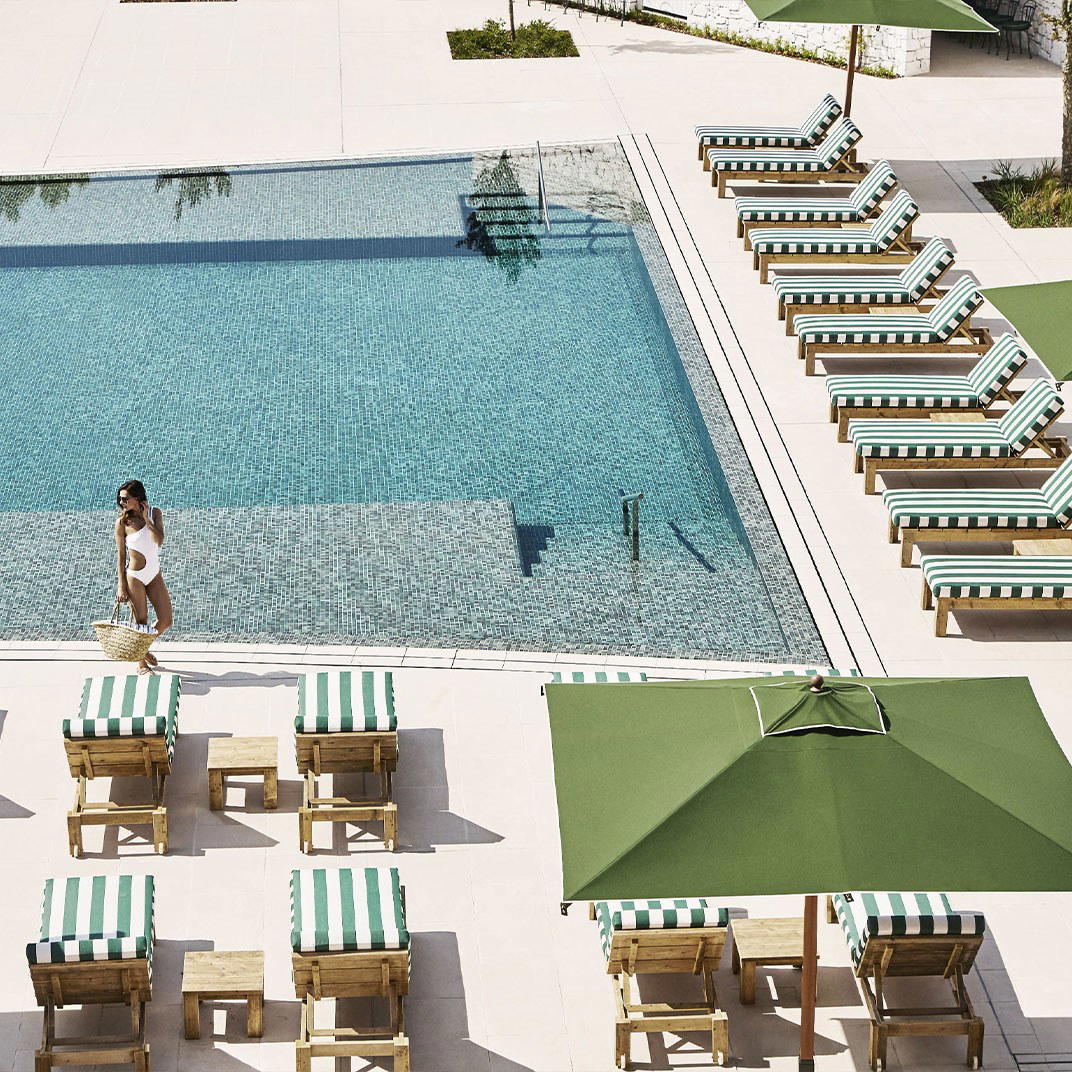
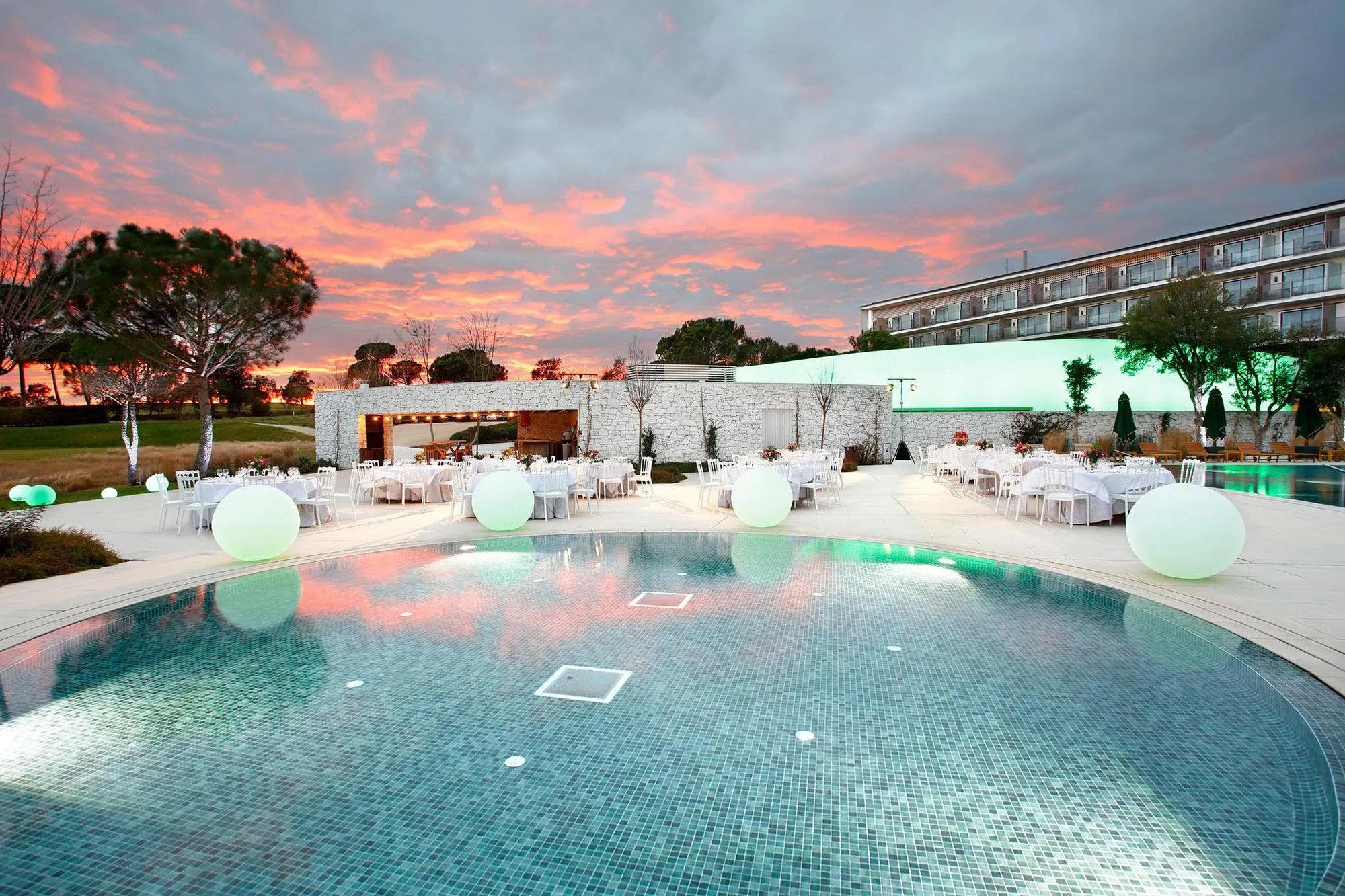
Rustic yet contemporary atmosphere with cozy farmhouse charm, immaculately manicured grounds, and a serene, tranquil setting.