Market
Market occupies a central position on St. Helena's Main Street, where the Napa Valley's agricultural depth translates directly into a menu built around what local farms produce each season. The cooking here prioritises proximity over prestige, placing it in a different register from the valley's tasting-menu circuit while drawing from the same extraordinary raw-material base.
Pearl is the En Primeur Club membership app — saves, bookings, and concierge access live there. Same editors, same standards.
- Address
- 1347 Main St, St Helena, CA 94574
- Phone
- +17079633799
- Website
- marketsthelena.com
- Directions
- Get directions
 Saves & bookings on Pearl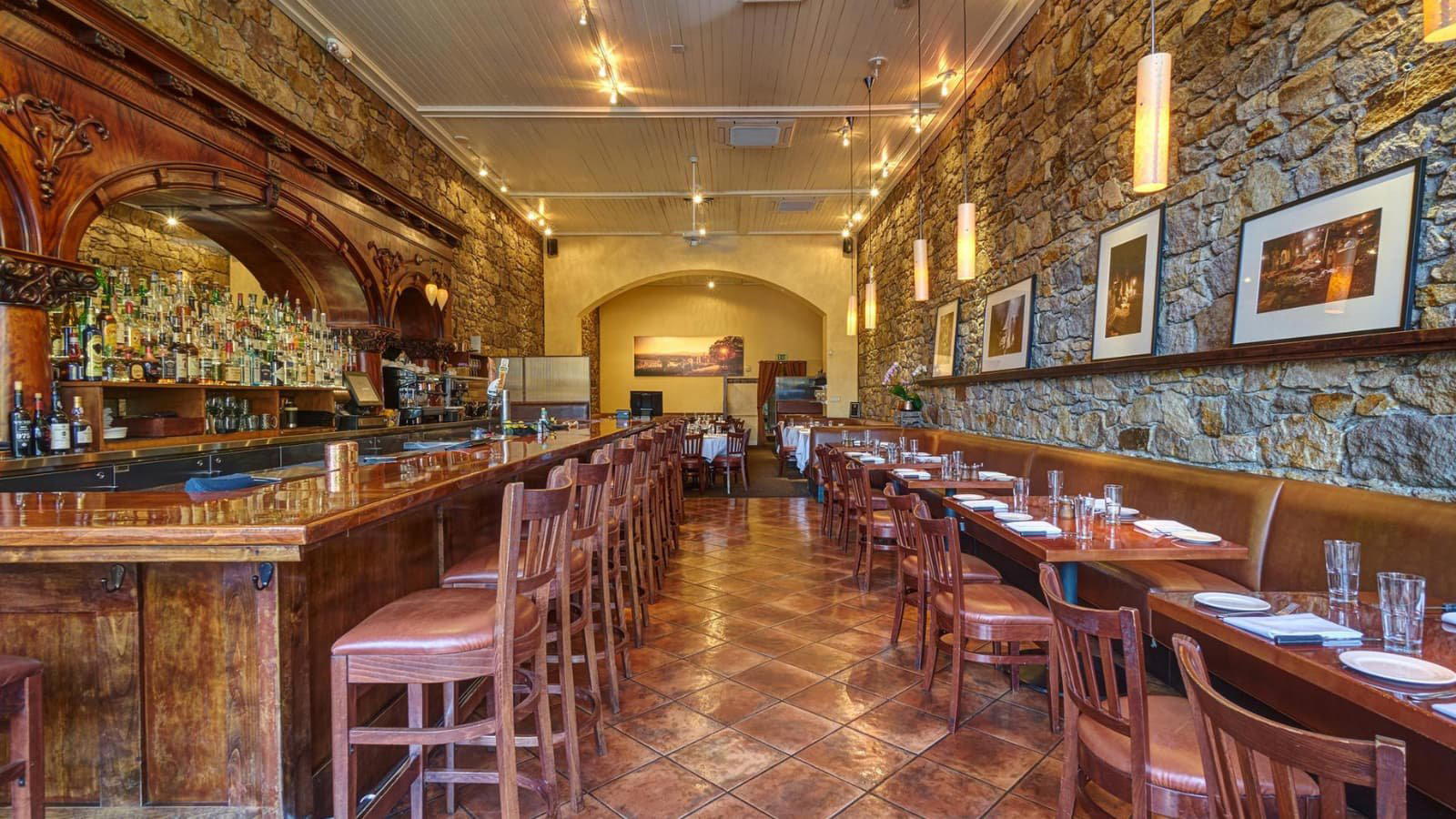
Main Street, Farm Country
St. Helena's Main Street moves at a pace that resists the tasting-room rush happening a few blocks in either direction. The town sits at the agricultural core of Napa Valley, surrounded by some of California's most closely farmed land, and the restaurants here have always had a different relationship with ingredients than their counterparts in the city. Where Lazy Bear in San Francisco or Alinea in Chicago build elaborate technical frameworks around sourced produce, St. Helena kitchens often let the sourcing itself carry the argument. Market sits in that tradition: a Main Street address, a room that reads as genuinely local rather than destination-polished, and a menu philosophy grounded in what the surrounding valley grows and raises.
Market is a restaurant in St. The physical setting does not announce itself. Main Street in St. Helena is a working small-town corridor, not a hospitality district designed for out-of-towners, and Market fits the grain of the street rather than interrupting it. That positioning places it alongside neighbours such as Giugnis Deli and Cindy's Backstreet Kitchen in a cluster of spots that serve both the valley's working population and the visitors who want something grounded after a morning of wine tasting. The contrast with St. Helena's higher-register options is clear: Press Restaurant ($$$$ · Modern Cuisine) operates at the formal end of the spectrum, as does Archetype, while Market occupies a more casual middle tier.
The Agricultural Argument
Napa Valley's restaurants have an advantage that almost no other American dining region can match at scale: they sit inside one of the country's most intensively farmed premium-produce areas, where the same soil conditions that push Cabernet Sauvignon to extraordinary concentration also reward vegetable farming, stone-fruit orchards, and livestock operations that prioritise pasture quality. The question for any kitchen in the valley is how directly it connects to that supply chain.
The farm-to-table model has been so thoroughly marketed across American dining that the phrase has largely lost meaning. What distinguishes the kitchens that actually operate on short supply lines from those that use the language as branding is specificity: the ability to adjust a menu mid-week because a farm delivered something unexpected, to feature a variety that doesn't appear in wholesale catalogues, or to serve a cut that only makes sense when the animal was raised within driving distance. Napa-based restaurants operating at Market's scale and positioning are well-placed to work that way, with direct farm relationships that restaurants in metropolitan centres have to work considerably harder to maintain. For context, operations like Blue Hill at Stone Barns in Tarrytown and Single Thread Farm in Healdsburg have made farm integration their central editorial identity at the high end of American dining. Market works in the same regional tradition but at a register that makes the produce the story rather than the theatrical frame around it.
Where Market Sits in the St. Helena Picture
St. Helena's dining options distribute across a fairly wide range. At the upper tier, The French Laundry in Napa sets the structural reference point for the entire valley, a multi-course, reservation-months-ahead institution that other high-end valley kitchens are inevitably measured against. Closer to St. Helena, Press and Archetype anchor the formal end, while spots like C29 occupy the casual-contemporary slot. Market's position in that range leans toward approachable rather than occasion-dining, which means it draws a different use-case: the visitor who wants valley-quality ingredients without the choreography of a tasting menu, or the local who wants a reliable weeknight option that still reflects where they live.
That positioning has equivalents in other American food cities. The mid-tier neighbourhood restaurant with genuine sourcing credentials and no performance overhead is a format that works in any market with a strong agricultural hinterland. It's what separates a restaurant from a meal-delivery platform with a dining room, and it's the format that tends to produce particularly consistent return visits. The bigger-name operations, from Le Bernardin in New York City to Providence in Los Angeles to Addison in San Diego, serve a specific kind of occasion. Market serves a different kind of need.
Planning a Visit
St. Helena sits in the middle of the Napa Valley corridor, roughly midway between Napa city to the south and Calistoga to the north, making it a logical stop during a valley day rather than a destination that requires its own trip. The town is compact enough to walk between its main dining options, and the concentration of wineries within a short drive means that lunch or dinner at Market slots naturally into a broader valley itinerary. Visitors coming from San Francisco typically enter the valley via Highway 29 or the Silverado Trail, with St. Helena accessible from both routes.
As with most well-regarded valley restaurants, demand during harvest season, roughly September through November, and during peak summer weekends tends to outrun availability. The valley's shoulder seasons, late winter and early spring, offer easier access and often more interesting produce windows as spring vegetables come into the market. Anyone with specific dietary requirements should contact the restaurant directly before visiting.
At-a-Glance Comparison
Comparable venues nearby, for context on price, style, and recognition.
| Venue | Cuisine | Price | Notes |
|---|---|---|---|
| MarketThis venue — the venue you are viewing | American Classics with Seasonal Farm-to-Table Approach | $$ | Not listed |
| Gott's St. Helena | California Roadside Burgers | $$ | Main Street |
| Giugnis Deli | Classic American Deli Sandwiches | $$ | Main Street |
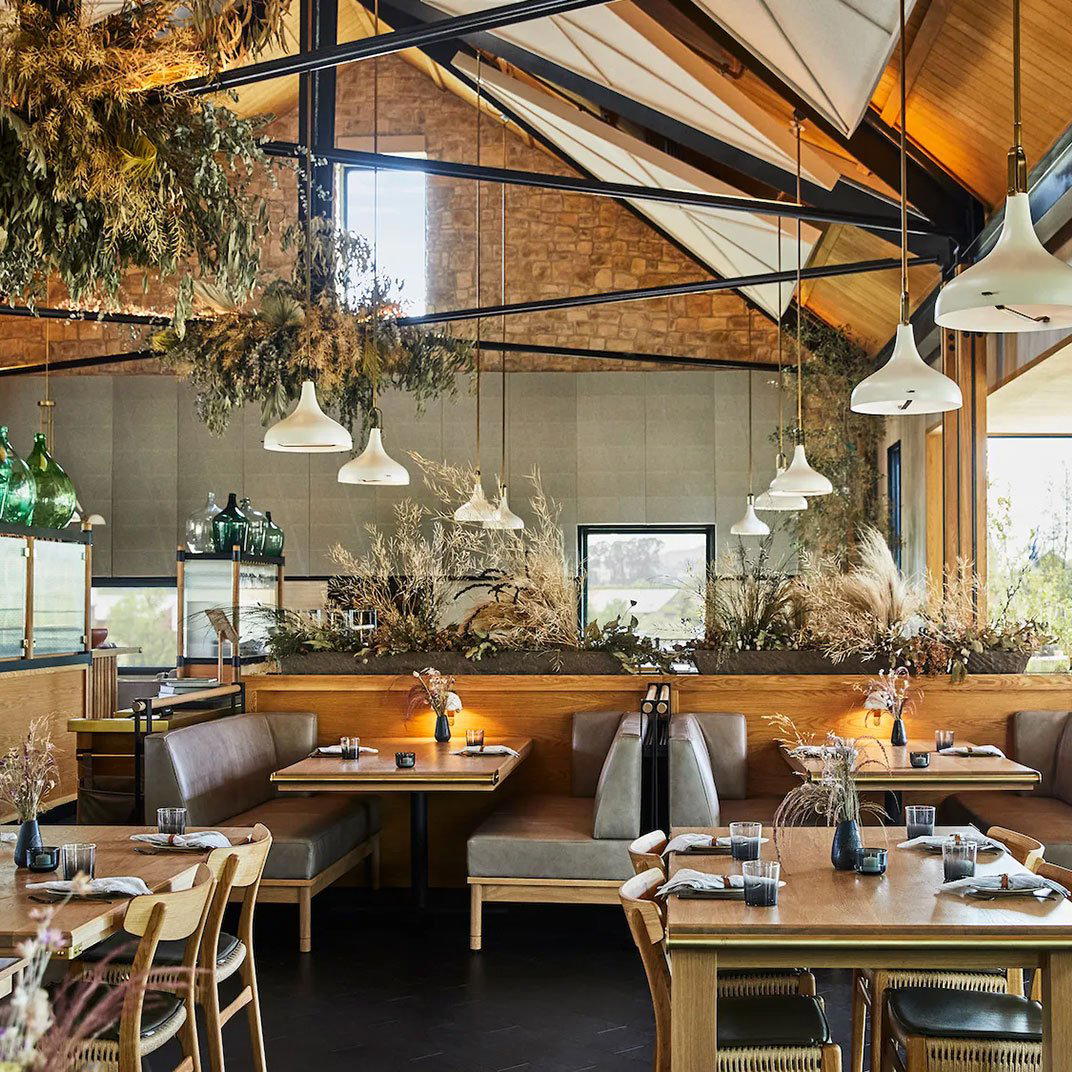
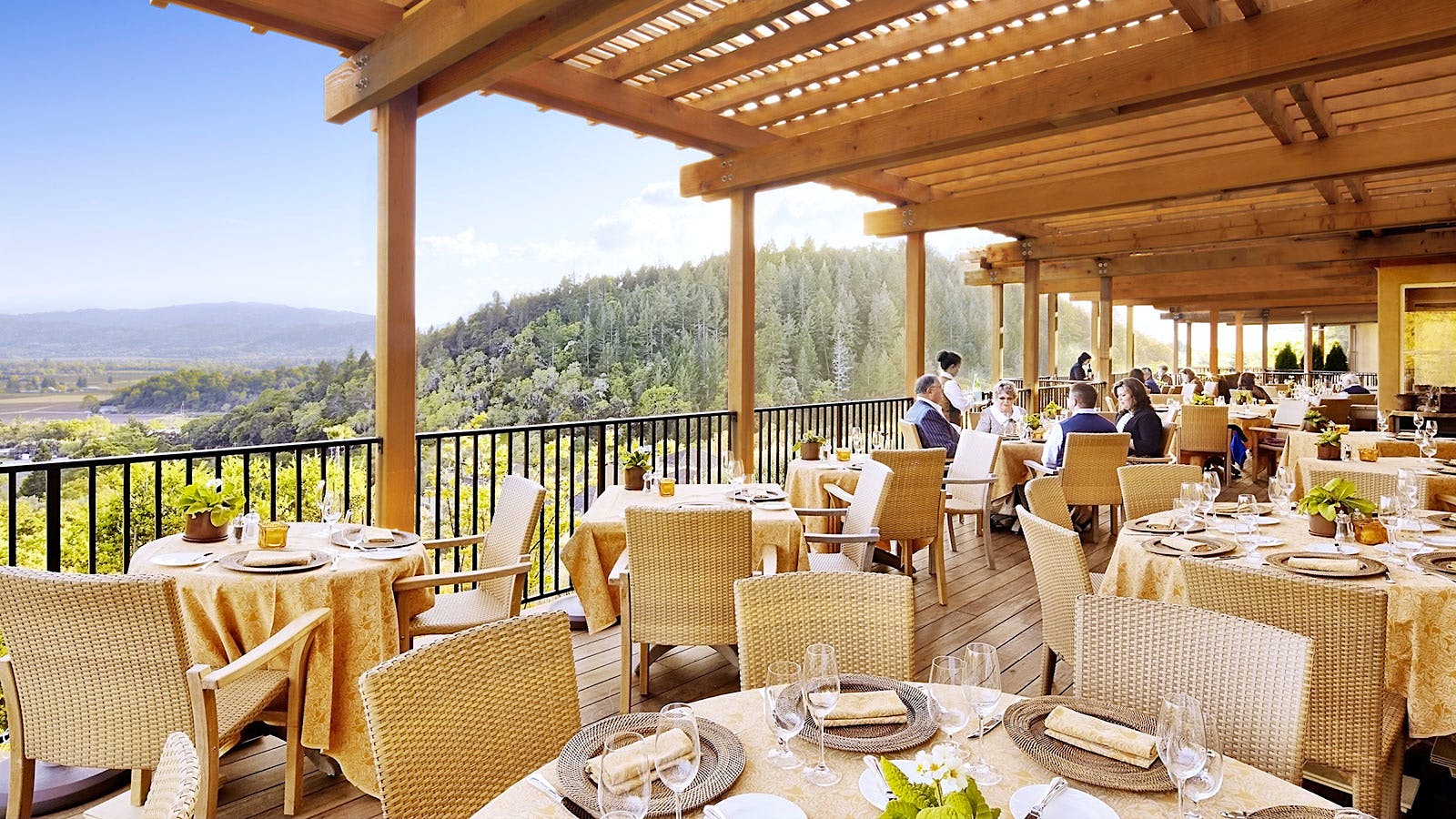
| Salvia Terrace & Bar | California Farm-to-Table | $$$ | St. Helena |
| Harvest Table | Farm-to-Table California | $$$ | St. Helena |
| The Restaurant | American-Italian Bistro | $$ | Main Street |
Continue exploring
More in St. Helena
Restaurants in St. Helena
Browse all →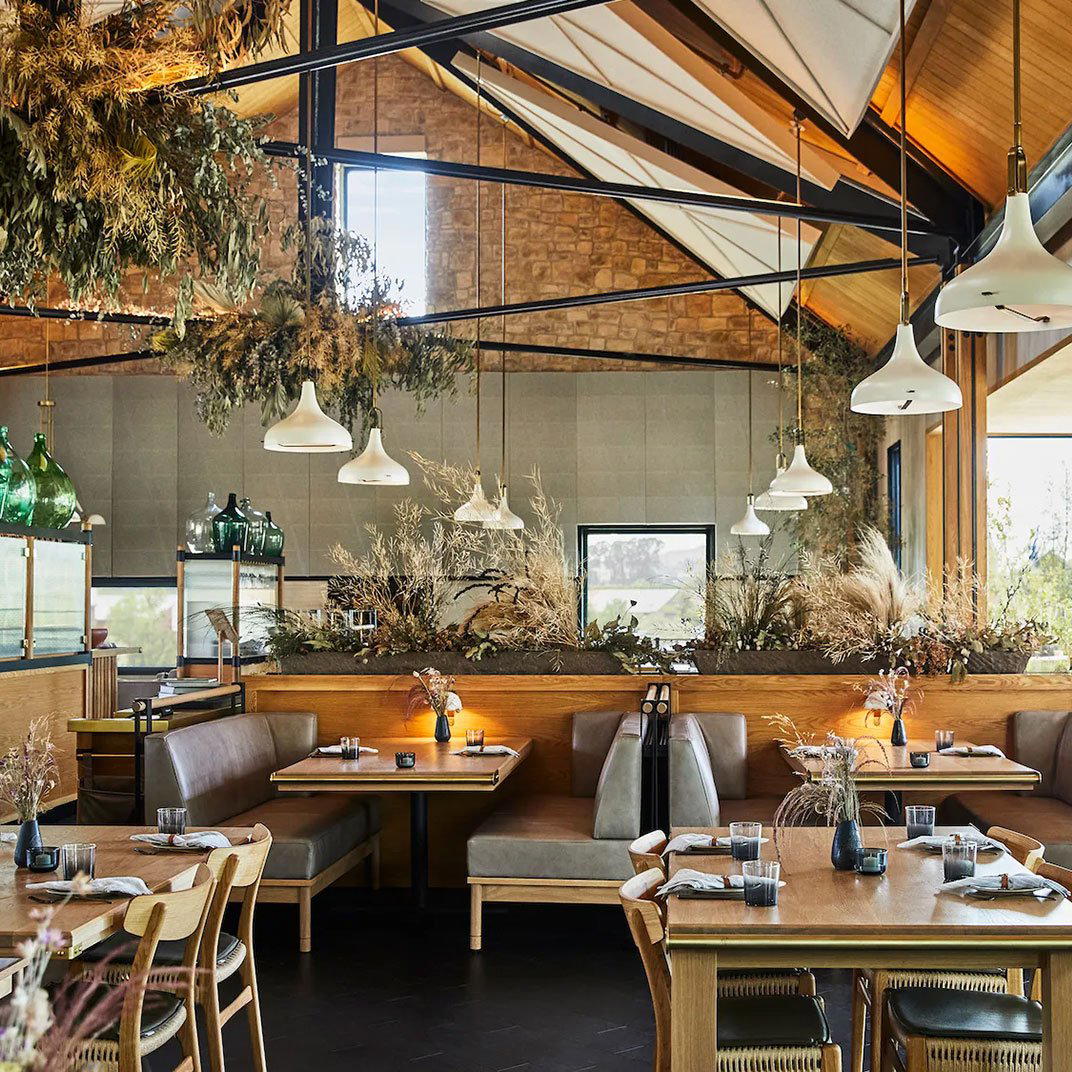
Bars in St. Helena
Browse all →
Hotels in St. Helena
Browse all →

At a Glance
- Elegant
- Cozy
- Rustic
- Date Night
- Special Occasion
- Standalone
- Extensive Wine List
- Farm To Table
- Local Sourcing
- Organic
Current opening hours
- Monday
- 12 AM–9 PM
- Tuesday
- 12 AM–9 PM
- Wednesday
- 12 AM–9 PM
- Thursday
- 12 AM–9 PM
- Friday
- 12 AM–9 PM
- Saturday
- 12 AM–9 PM
- Sunday
- Closed
Hours can change for holidays and private events. Last verified .
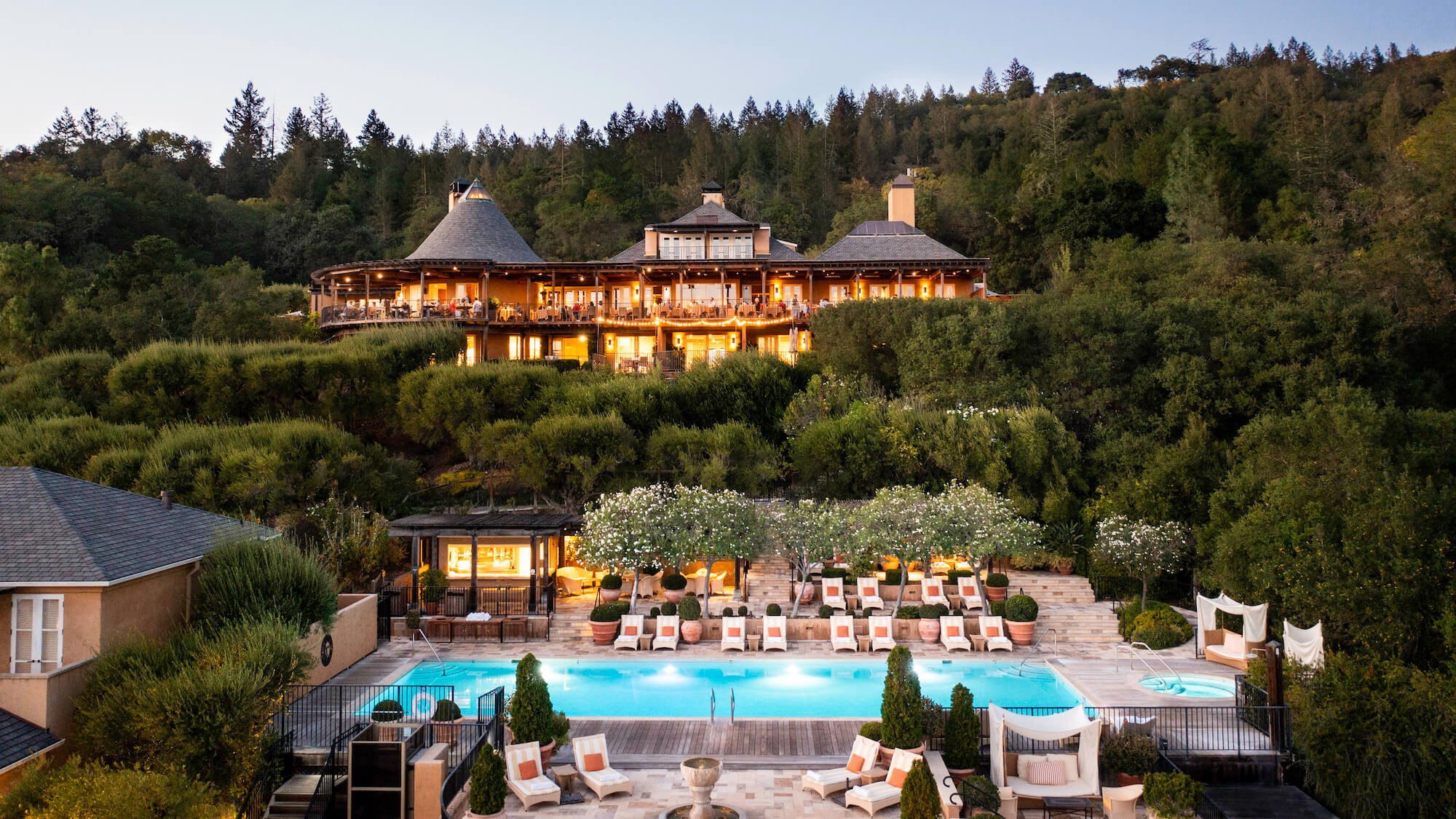
Refined atmosphere with elegant yet comfortable dining, warm genuine service, and focus on fresh seasonal ingredients.