Mariscos El Moreno
Our verdict
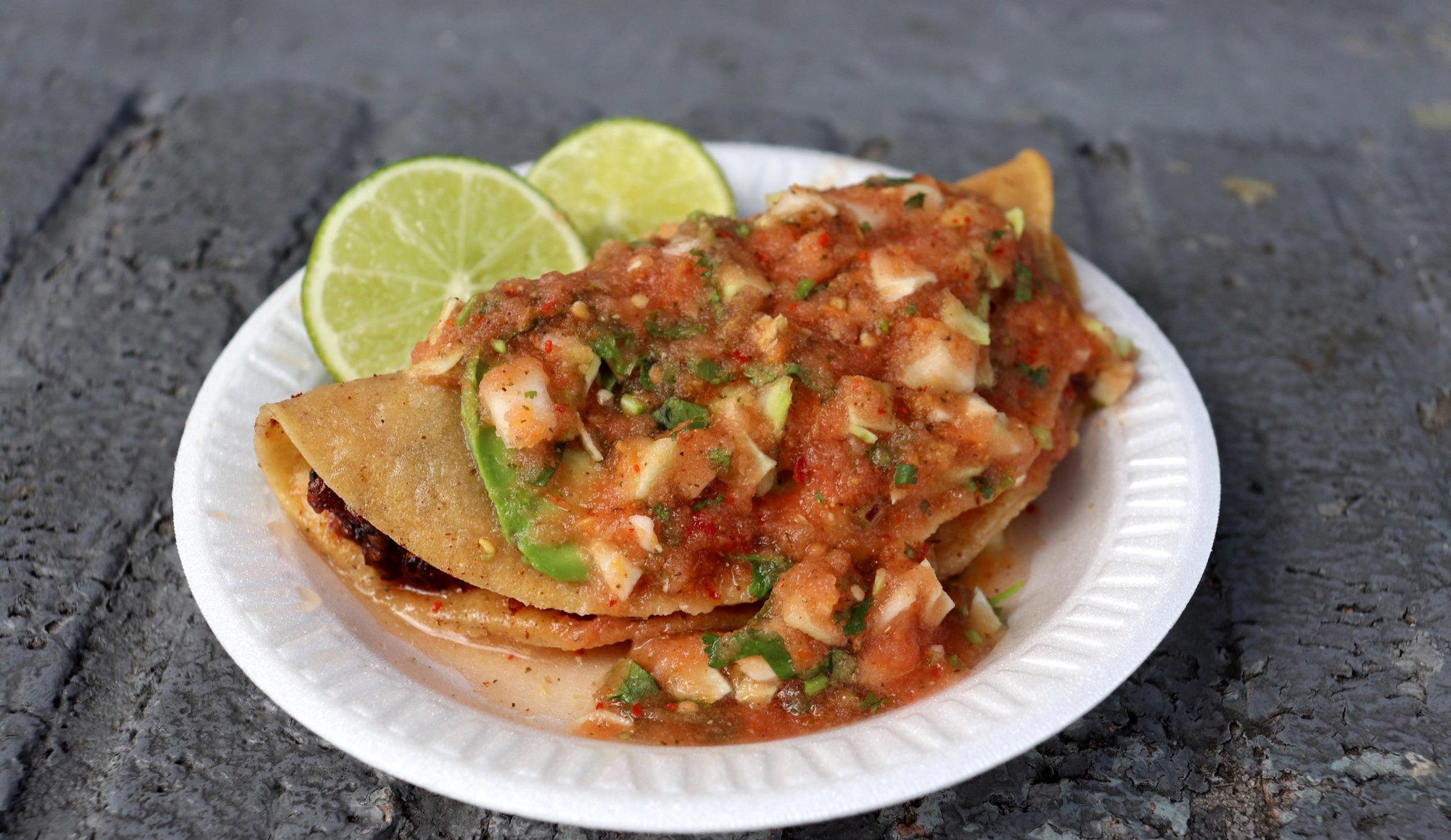
On East Valley Boulevard in La Puente, Mariscos El Moreno represents a category of Mexican seafood cooking that the San Gabriel Valley does quietly and seriously: coastal-style mariscos served fast, without fanfare, at prices that reward regulars. The cooking tradition draws from Pacific Mexico's fishing ports, where freshness is the baseline expectation rather than a selling point.

Pearl is the En Primeur Club membership app, where members save venues, book tables and use the concierge.
East Valley Boulevard and the Mariscos Tradition
The stretch of East Valley Boulevard running through La Puente carries a particular kind of culinary density that most regional food writing overlooks. Strip-mall frontages house operations that have served tightly defined communities for decades, and the mariscos category, Mexican seafood cooking rooted in the coastal states of Sinaloa, Nayarit, and Jalisco, occupies a specific and well-worn lane within that corridor. Mariscos El Moreno, at 17371 E Valley Blvd, belongs to this tradition: a walk-in format where the cooking is the point and the room exists to deliver it.
This part of the eastern San Gabriel Valley draws comparisons to the broader Los Angeles mariscos scene, but the La Puente version tends toward the utilitarian end of the spectrum. The dining context here is not the polished Westside seafood restaurant with a sourcing narrative printed on the menu. It sits closer to the Pacific port originals it descends from, where the fish arrives, it gets prepared, and the conversation about provenance happens in the sourcing rather than on the wall. For a contrasting register of seafood ambition in the American context, Le Bernardin in New York City operates at the formal extreme of the same category, where classical French technique and prix-fixe structure define the experience. Mariscos El Moreno operates at the informal extreme, where proximity to ingredient and speed of service define the value.
Where the Food Comes From and Why That Matters
Mexican coastal seafood cooking, at its structural core, is an ingredient-first cuisine. The classic preparations of the Sinaloan and Nayarit traditions, ceviches, aguachiles, cockteles, and tostadas de marlin, depend on material quality in a way that long-cooked meat dishes simply do not. A ceviche is essentially a transparency: what the seafood tastes like before cooking, acidulated and seasoned, is what arrives in the bowl. There is no braising liquid to compensate, no smoke or char to add complexity. The ingredient is the dish.
This structural dependency on sourcing places mariscos restaurants in a more demanding category than their casual presentation suggests. The San Gabriel Valley has geographic advantages here. Proximity to the Los Angeles wholesale seafood market, one of the larger distribution points on the West Coast, means that suppliers in this corridor have access to Pacific shrimp, Baja ceviche-grade fish, and Gulf product on daily or near-daily cycles. Operations that maintain tight supplier relationships and short holding times can produce seafood cookery that competes on quality with establishments charging multiples of the price. The gap between a well-sourced mariscos counter and a poorly sourced one is not subtle; it is the entire dish.
The broader California seafood sourcing picture has become more complex in the last decade. Regulatory changes around Pacific rockfish, seasonal shifts affecting shrimp availability, and increased competition for quality Baja product have tightened margins for operators who take sourcing seriously. Spots that have maintained consistent quality through this period have done so through supplier loyalty and volume discipline rather than menu diversification. That pattern is characteristic of the mariscos category across the eastern SGV. For a very different approach to sourcing discipline, Single Thread Farm in Healdsburg builds its entire tasting menu structure around a controlled farm-to-table sourcing chain; the methodology differs entirely, but the underlying logic, that the quality of what you start with determines the ceiling of what you produce, runs through both.
The La Puente Dining Context
La Puente sits within a cluster of eastern San Gabriel Valley cities, alongside West Covina, Baldwin Park, and Industry, that function as working-class residential communities with strong Mexican and Central American populations. The dining culture in this corridor reflects that demographic directly: taquizas, birria operations, mariscos counters, and panaderías are the dominant forms, and they serve communities that eat in these formats regularly rather than occasionally. That regularity produces a different kind of quality pressure than the destination-dining economy of central Los Angeles. A restaurant that serves the same 200 customers on rotation cannot survive on novelty; it survives on consistency and value.
This is the competitive environment Mariscos El Moreno operates within. Locally, the dining picture in La Puente includes operations like Tacquizas Gilberto and Manohar's Delhi Palace, both of which reflect the same community-serving logic: defined cuisine, consistent execution, value pricing. Our full La Puente restaurants guide maps this scene more completely.
For context on how progressive American restaurants at the other end of the formality spectrum approach sourcing and community, Blue Hill at Stone Barns in Tarrytown has built its entire identity around agricultural provenance. The contrast with a community mariscos counter is instructive: both take sourcing seriously, but one turns sourcing into editorial content and the other treats it as operational baseline.
Planning a Visit
Mariscos El Moreno operates at 17371 E Valley Blvd in La Puente, in the format typical of the SGV mariscos category: walk-in, counter-service or table-service depending on the operation, no reservation infrastructure required. The La Puente corridor is accessible via the 60 freeway, and street and lot parking on East Valley Blvd is standard for the area.
Pricing in the SGV mariscos category runs significantly below the formal seafood restaurant tier. Ceviche, cockteles, and tostada preparations at operations like this typically fall well below the price points of destination seafood restaurants. For comparison, dinner at The French Laundry in Napa or Alinea in Chicago operates in a different economic category entirely, as does contemporary fine dining in formats like Lazy Bear in San Francisco or Atomix in New York City. The mariscos counter format is structured around accessibility, and the value ratio at well-run operations is among the stronger arguments for this style of eating in any American city. Other ambitious sourcing-focused restaurants across the country worth knowing include Emeril's in New Orleans, Bacchanalia in Atlanta, Brutø in Denver, Causa in Washington, D.C., and The Inn at Little Washington, each representing a different approach to the question of where ingredients come from and what they cost.
Frequently asked questions
Would Mariscos El Moreno be comfortable with kids?
The counter-service format at 17371 E Valley Blvd suits families well. There is no formal dining structure to worry about, and the walk-in setup means no long waits for seating. Mariscos spots along this East Valley Boulevard corridor are generally oriented toward neighborhood regulars, which tends to include families.
Is Mariscos El Moreno formal or casual?
Mariscos El Moreno operates in the walk-in, counter-service format standard to the SGV mariscos category. Come in street clothes. The focus at this La Puente address is on the food, not the formality.
What seafood tradition does Mariscos El Moreno cook from, and how does that differ from Tex-Mex or Baja-style seafood?
Mariscos El Moreno draws from the Sinaloan and Nayarit coastal tradition, a cuisine built around raw and cured preparations like aguachile and ceviche alongside cooked shrimp dishes, rather than the fried or grilled formats more common in Baja or Tex-Mex contexts. That tradition prioritizes fresh shellfish and acidic cures over heavy sauces. It places Mariscos El Moreno in a specific culinary lineage well represented in the eastern San Gabriel Valley, including the La Puente area.
What's the best thing to order at Mariscos El Moreno?
Mariscos El Moreno follows the Sinaloan and Nayarit coastal seafood tradition, where preparations like aguachile, ceviche, and shrimp-based dishes form the structural core of the menu.
Where do I go for Mariscos El Moreno?
Mariscos El Moreno is located at 17371 E Valley Blvd, La Puente, CA 91744, La Puente.
How far ahead should I plan for Mariscos El Moreno?
Counter-service mariscos spots in the San Gabriel Valley generally operate on a walk-in basis, and Mariscos El Moreno at 17371 E Valley Blvd fits that model. Peak weekend lunch hours on East Valley Boulevard tend to draw the densest crowds at venues in this category, so arriving early in the service window is practical. No reservation system is documented for this location.
What do critics highlight about Mariscos El Moreno?
That said, the East Valley Boulevard corridor in La Puente represents a stretch of Mexican coastal seafood density that regional food writing has largely passed over, which means quality at spots like this often travels by word of mouth rather than press coverage.
Comparable Venues
Comparable venues nearby, for context on price, style, and recognition.
| Venue | Cuisine | Price | Awards | Notes |
|---|---|---|---|---|
| Mariscos El MorenoThis venue (the venue you are viewing) | Authentic Sinaloa Seafood | $10–20 | Not listed | Not listed |
| Tacquizas Gilberto | Hidalgo-style Birria Taqueria | $10–20 | Not listed | La Puente |
| Manohar’s Delhi Palace | Punjabi North Indian | $20–30 | Michelin Plate | La Puente |
| Luminarias Restaurant & Special Events | New American with Latin influence | $20–30 | Not listed | Monterey Park |
| solita Tacos & Margaritas | Wood-Grilled Mexican Tacos & Margaritas | $20–30 | Not listed | Bella Terra |
| Tempo Cantina | Latin-Asian Fusion Mexican | $20–30 | Not listed | Brea |
Continue exploring
More in La Puente
Restaurants in La Puente
All restaurants in La Puente →
Bars in La Puente
Browse all →
Hotels in La Puente
Browse all →

Wineries in La Puente
Browse all →
Details
- Casual
- Rustic
- Casual Hangout
- Family
- Group Dining
- Local Sourcing
- Sustainable Seafood
- A La Carte
- Pescatarian Friendly
Current opening hours
- Monday
- 9 AM–7 PM
- Tuesday
- 9 AM–7 PM
- Wednesday
- 9 AM–7 PM
- Thursday
- 9 AM–7 PM
- Friday
- 9 AM–8 PM
- Saturday
- 9 AM–8 PM
- Sunday
- 9 AM–8 PM
Hours can change for holidays and private events. Hours as of .
Casual, lively atmosphere with moderate noise levels reflecting a lively neighborhood dining experience.