Margot Cafe & Bar
Our verdict
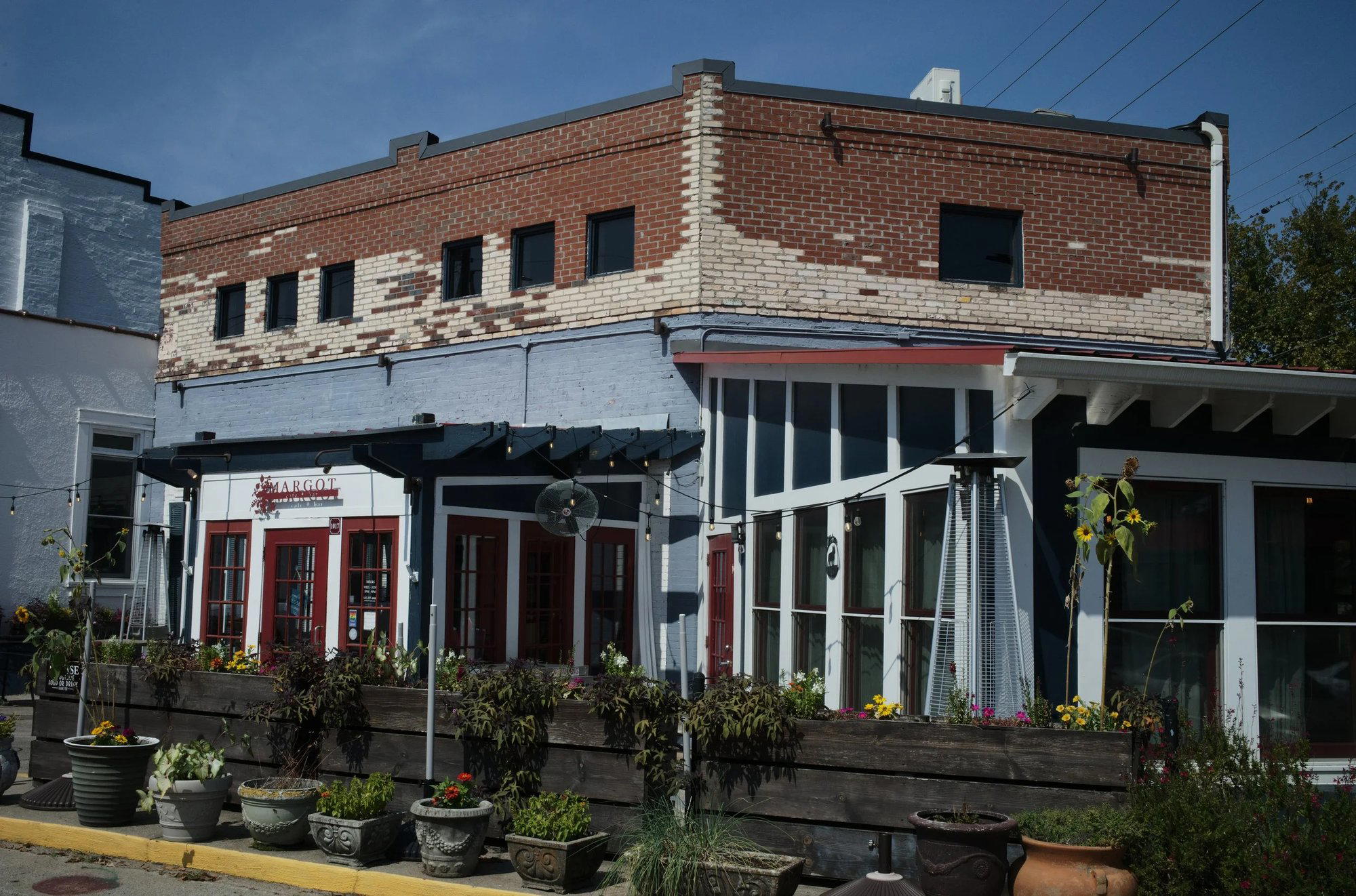
On Woodland Street in East Nashville, Margot Cafe & Bar occupies a corner of the city's dining scene that prizes neighborhood intimacy over spectacle. The cafe format places it in a category apart from Nashville's tasting-menu circuit, drawing a crowd that returns for the room as much as the plate. A reliable address in a neighborhood that has absorbed significant culinary ambition over the past decade.

Pearl is the En Primeur Club membership app — saves, bookings, and concierge access live there. Same editors, same standards.
- Address
- 1017 Woodland St, Nashville, TN 37206
- Phone
- (615) 227-4668
- Hours
- Mon–Tue ClosedWed–Fri 9 AM–2 PM, 5–9 PMSat–Sun 5–9 PM
- Website
- margotcafe.com
- Directions
- Get directions
- Booking
- Book on Resy
East Nashville's Quieter Register
There is a particular kind of restaurant that a city needs more than it usually gets: the one that does not announce itself. On Woodland Street in East Nashville, Margot Cafe & Bar occupies that register. The neighborhood has shifted considerably over the past fifteen years, absorbing wine bars, chef-driven kitchens, and the kind of casual-serious dining that signals a district in transition. Margot predates much of that wave, which gives it a different texture from the addresses that arrived in its wake.
East Nashville, across the Cumberland River from downtown, has developed its own dining character distinct from the Broadway corridor or the 12South strip. Where those areas lean into volume and visibility, Woodland Street trades in the kind of quiet consistency that builds a local following rather than a tourist itinerary. That positioning matters: in a city increasingly shaped by short-stay visitors, a neighborhood cafe that reads as genuinely local is its own kind of credential. For a broader picture of where this fits within Nashville's dining geography, the full Nashville restaurants guide maps the city's distinct culinary zones.
The Room and What It Signals
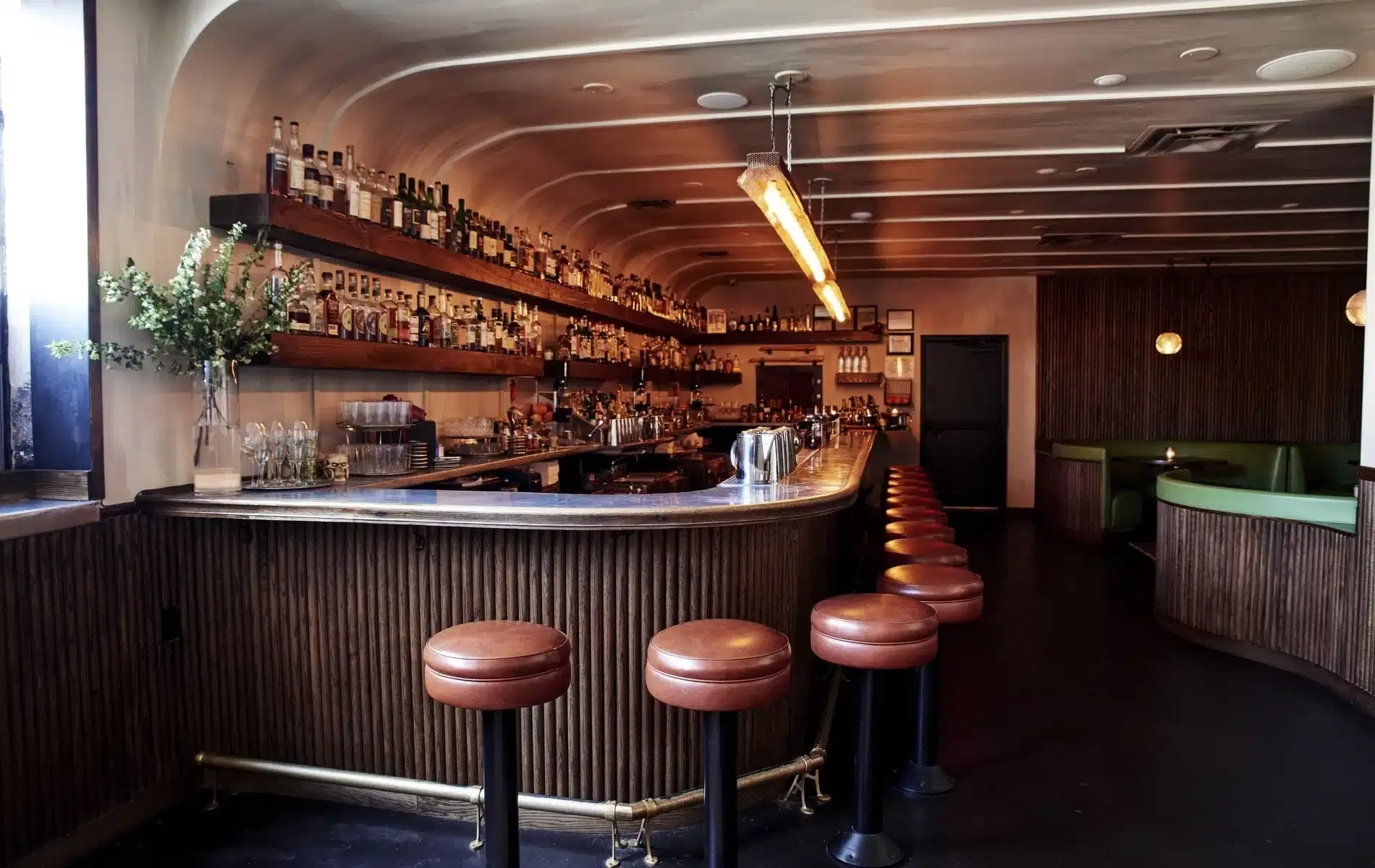
The cafe-and-bar format, common in European cities and less reflexively adopted in the American South, carries specific implications for how a space feels. It suggests a room designed for duration rather than turnover, where the bar anchors one end and the dining tables allow for the kind of meal that does not arrive with a clock running. Nashville has produced some genuinely ambitious tasting-menu operations in recent years. The Catbird Seat runs a format built around counter theater and chef-driven progression. Bastion operates in the contemporary four-dollar bracket with a menu that shifts. Locust sits in the progressive tier. Margot's positioning is deliberately elsewhere: the cafe format implies choice, informality, and the ability to arrive for a glass and stay for dinner.
The address at 1017 Woodland Street places it within walking range of East Nashville's residential core, which shapes its audience. A restaurant embedded in a neighborhood rather than a commercial strip tends to attract a different ratio of regulars to first-timers. That ratio in turn shapes the room's atmosphere, the way the staff read tables, and the tolerance for a guest who arrives without a plan.
Where Margot Sits in Nashville's Culinary Conversation
Nashville's dining scene in the 2020s has split into at least three recognizable tiers. At one end, the high-investment contemporary kitchens pursue tasting formats and national critical attention. At the other, the city's Southern vernacular traditions, preserved at addresses like Arnold's Country Kitchen, anchor an older identity. In the middle sits a growing category of European-inflected neighborhood restaurants that draw on bistro and trattoria models without wholesale transplanting them. Margot belongs to that middle register, operating in a space that feels informed by the cafe traditions of Southern France or Northern Italy without performing either.
That positioning has parallels elsewhere in American dining. Smyth in Chicago operates at the progressive end of a similar neighborhood-embedded model. Lazy Bear in San Francisco takes the communal dinner format further toward theater. Peninsula in Nashville works the Southern American lane with its own distinct vocabulary. What distinguishes the cafe-and-bar model from all of these is the deliberate absence of a single governing format: the menu, the occasion, and the pace are left more open to the guest.
The comparison also illuminates what Margot is not. It is not competing with Le Bernardin in New York City, The French Laundry in Napa, or Blue Hill at Stone Barns in Tarrytown for the same customer or the same occasion. Those rooms demand a certain kind of commitment from a diner, temporal, financial, and experiential. Margot's proposition is that commitment should be optional rather than required. That is a meaningful editorial position for a restaurant to hold, and relatively rare in a city that has leaned heavily into the high-production end of the dining spectrum.
The Sensory Architecture of a Neighborhood Cafe
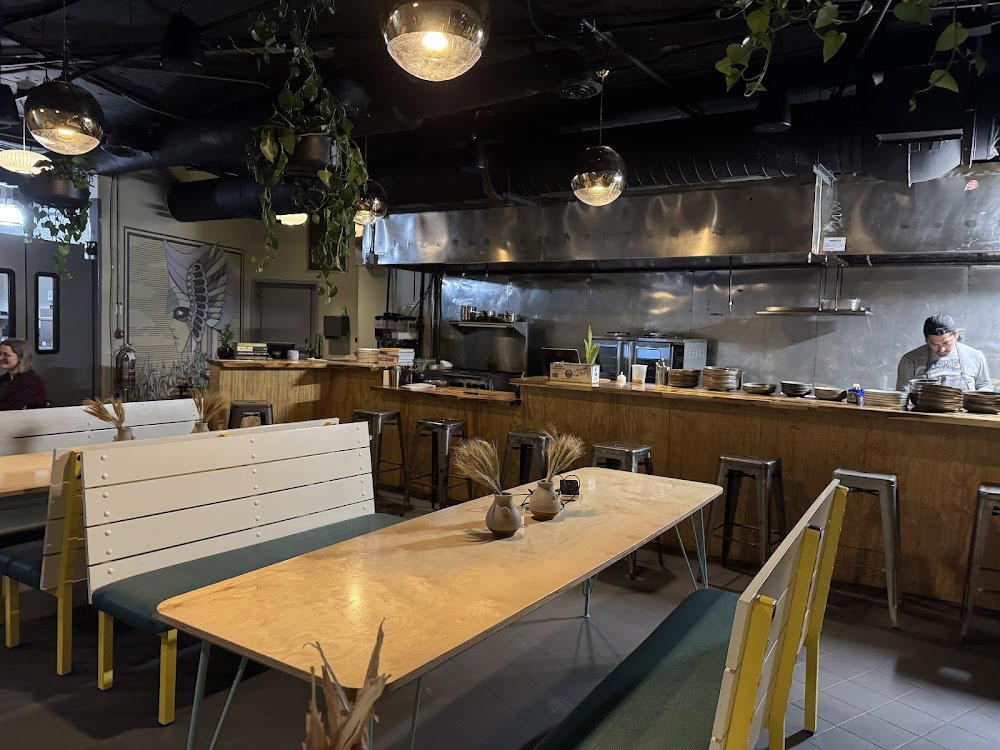
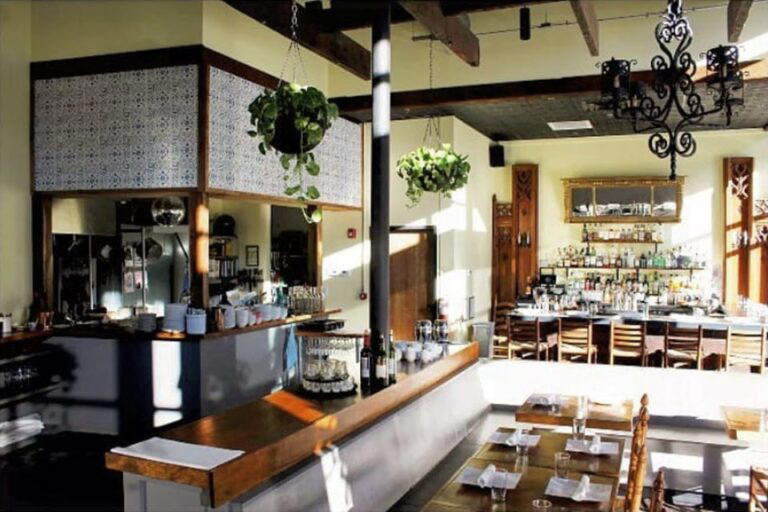
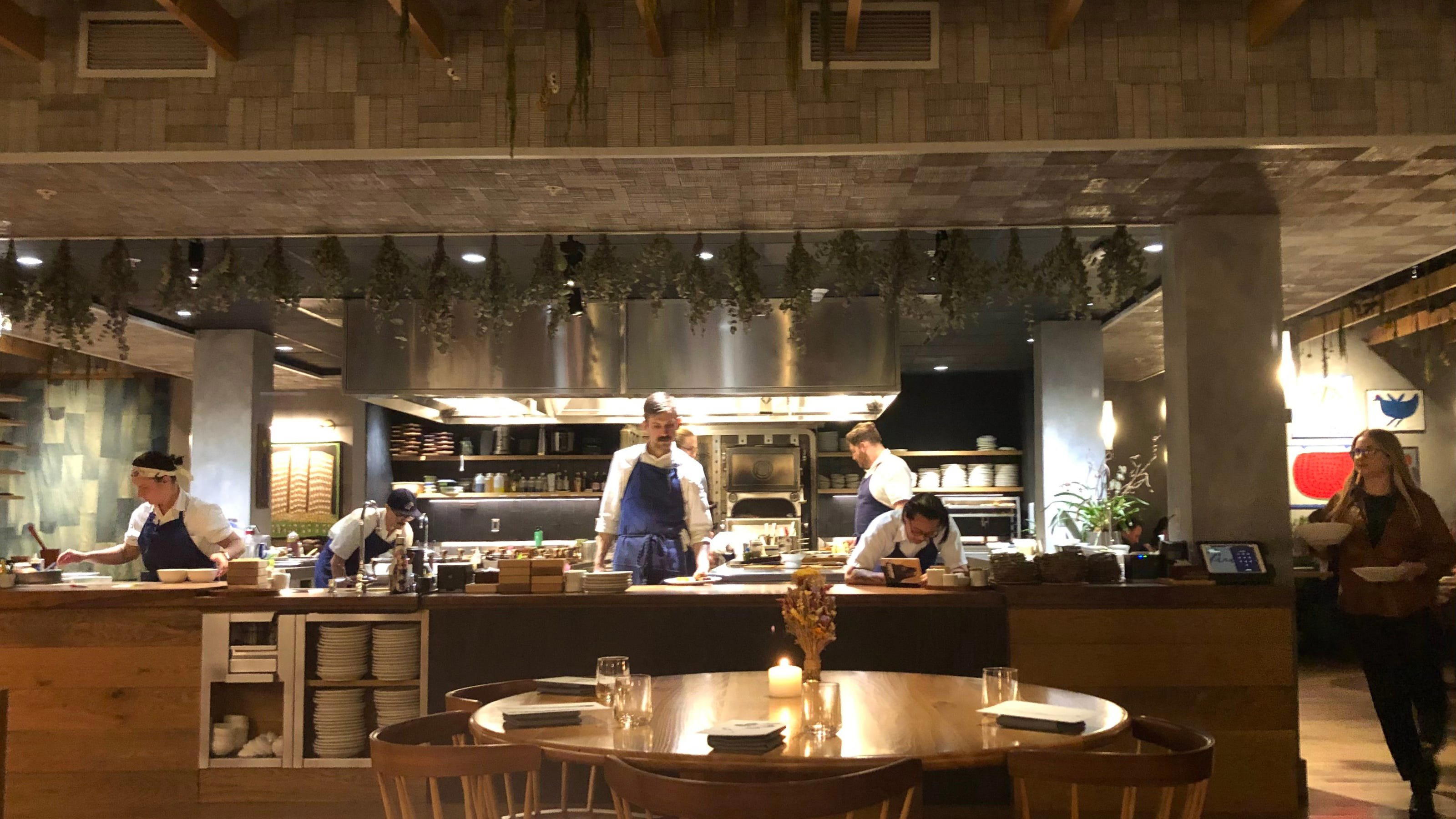
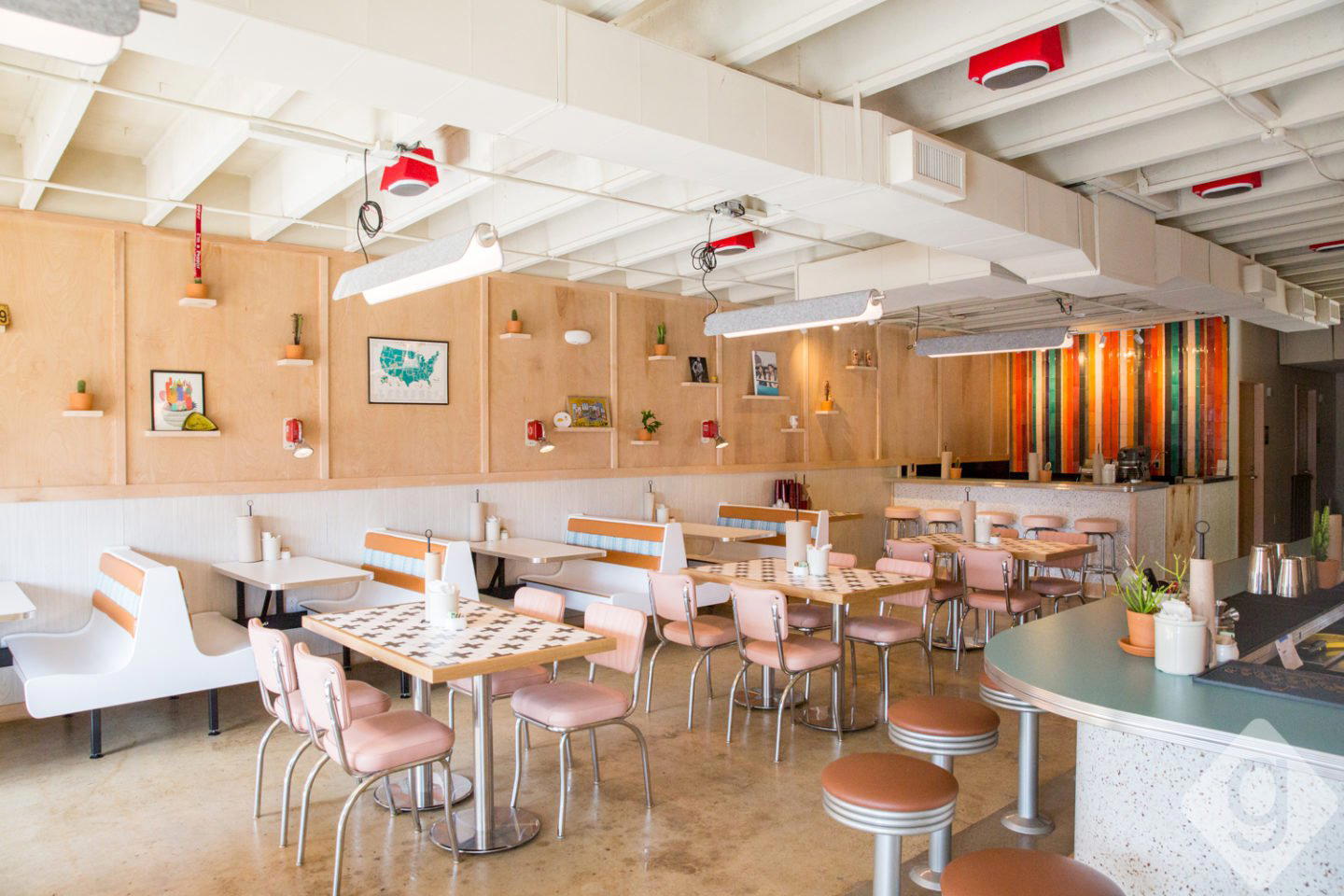
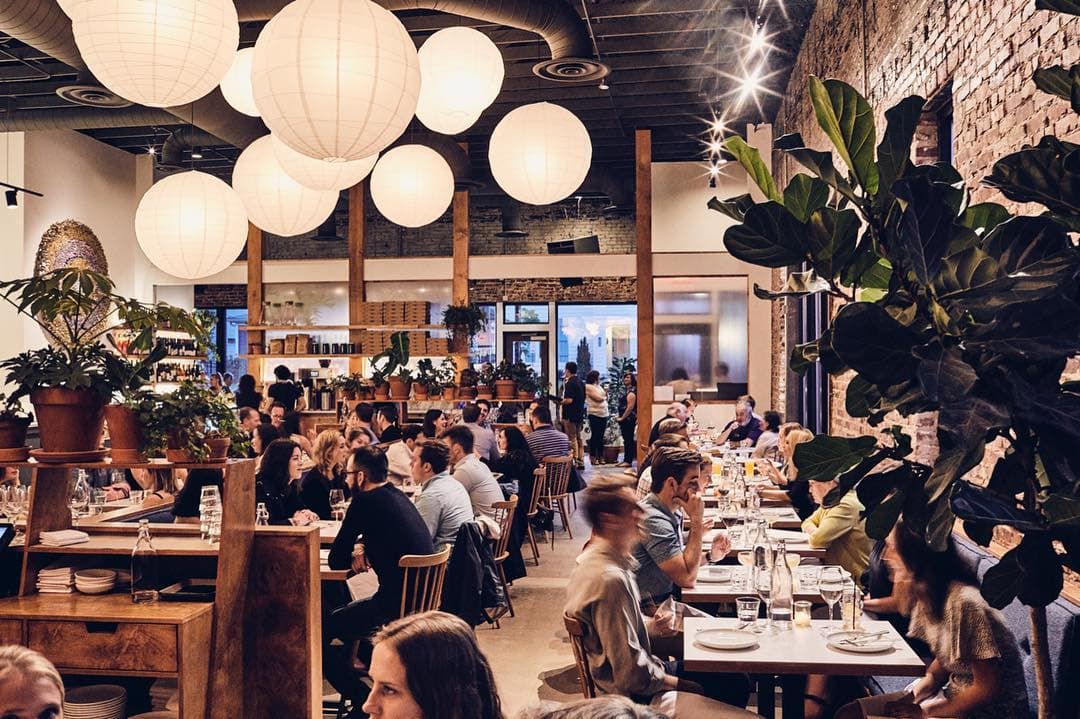
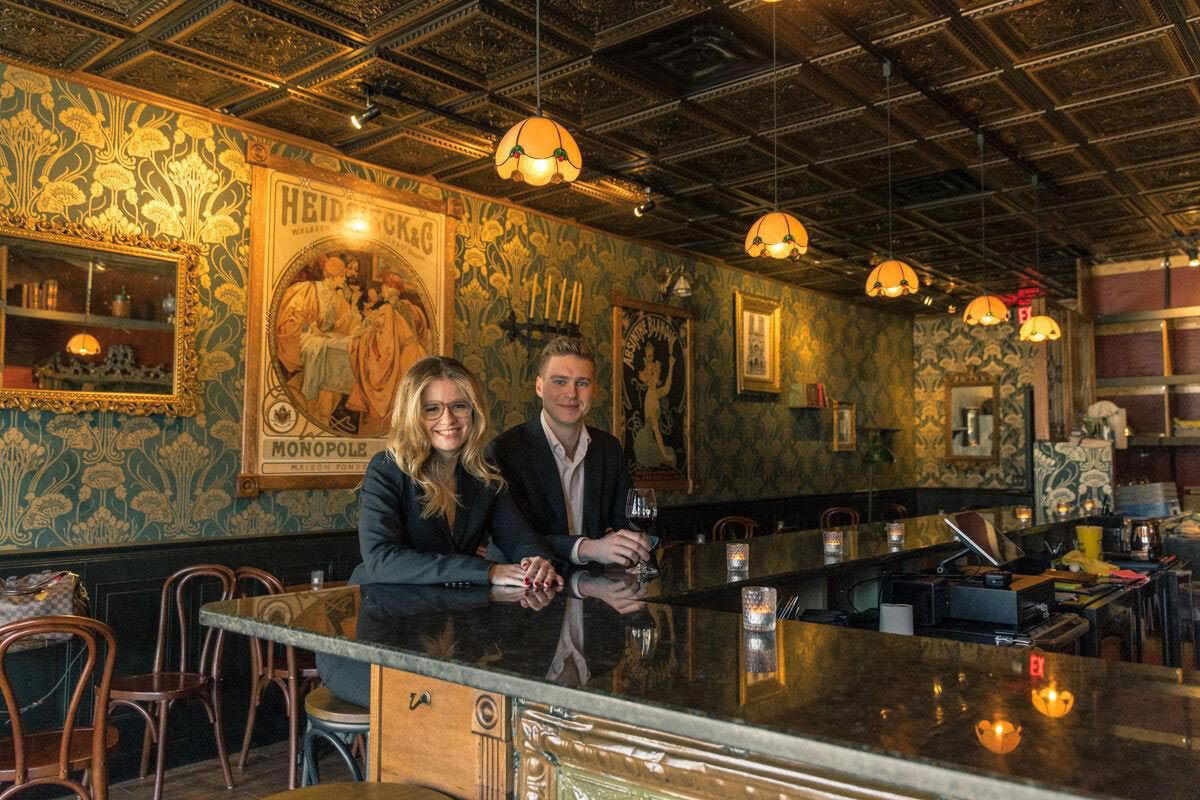
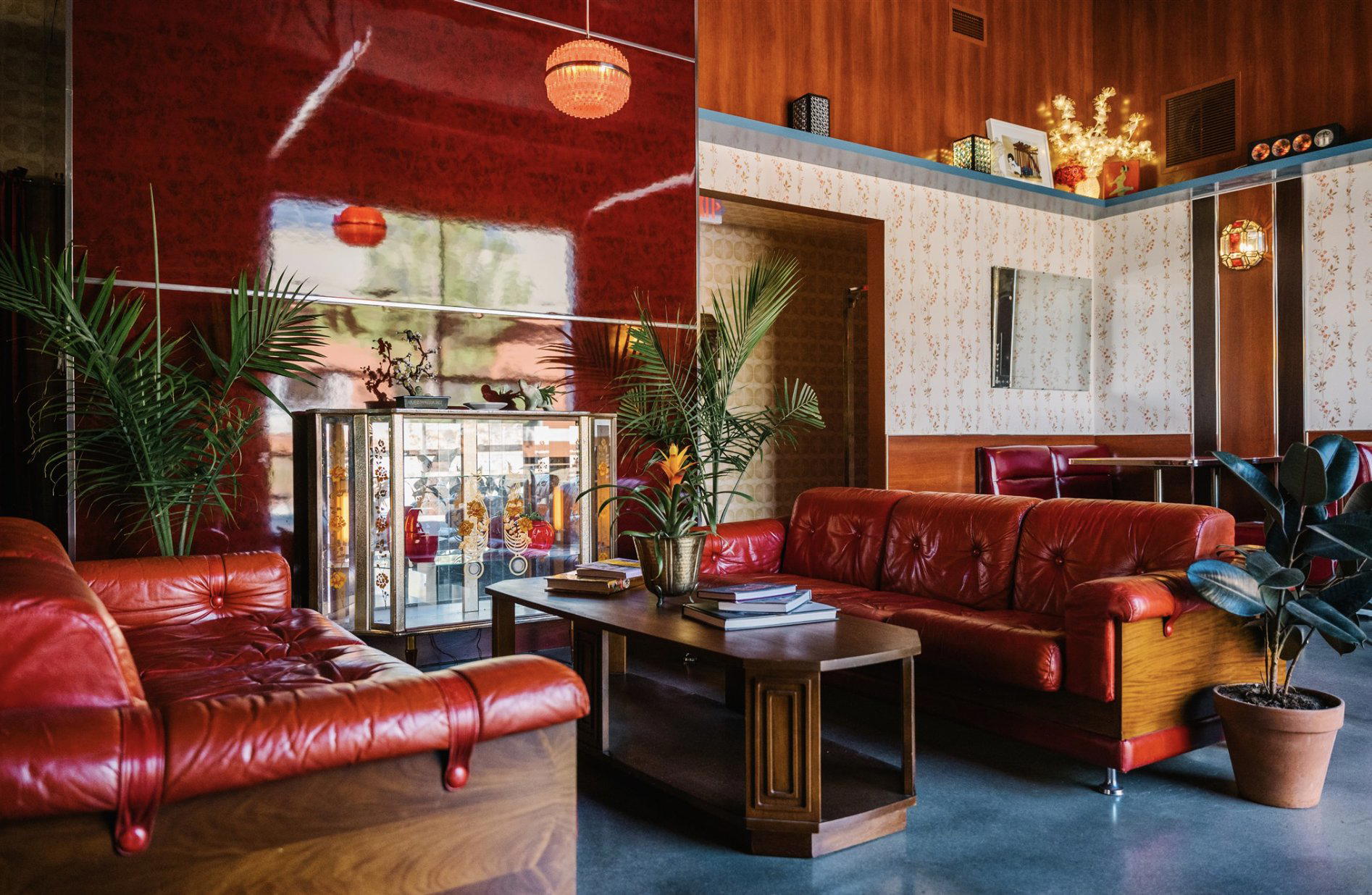
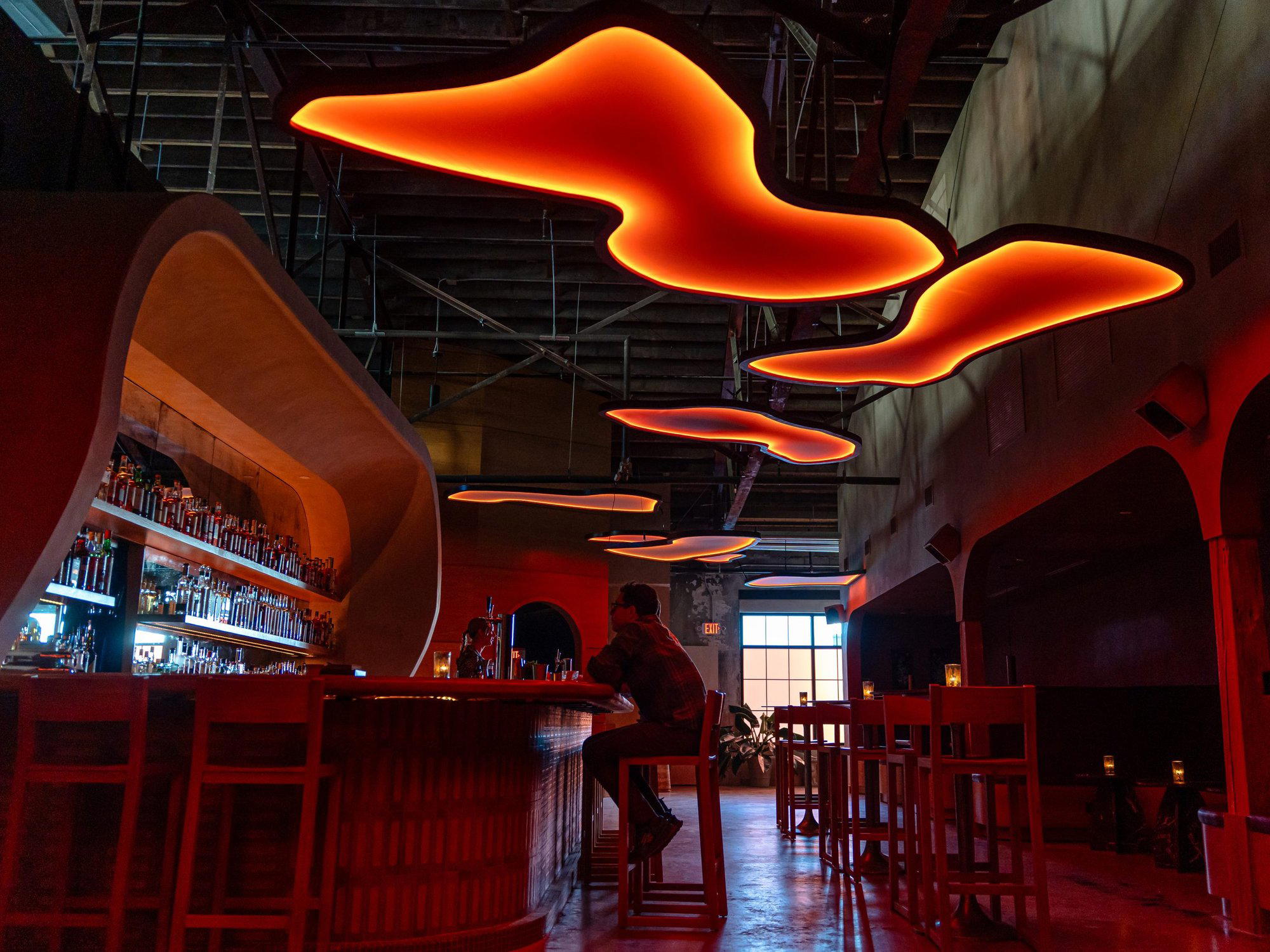
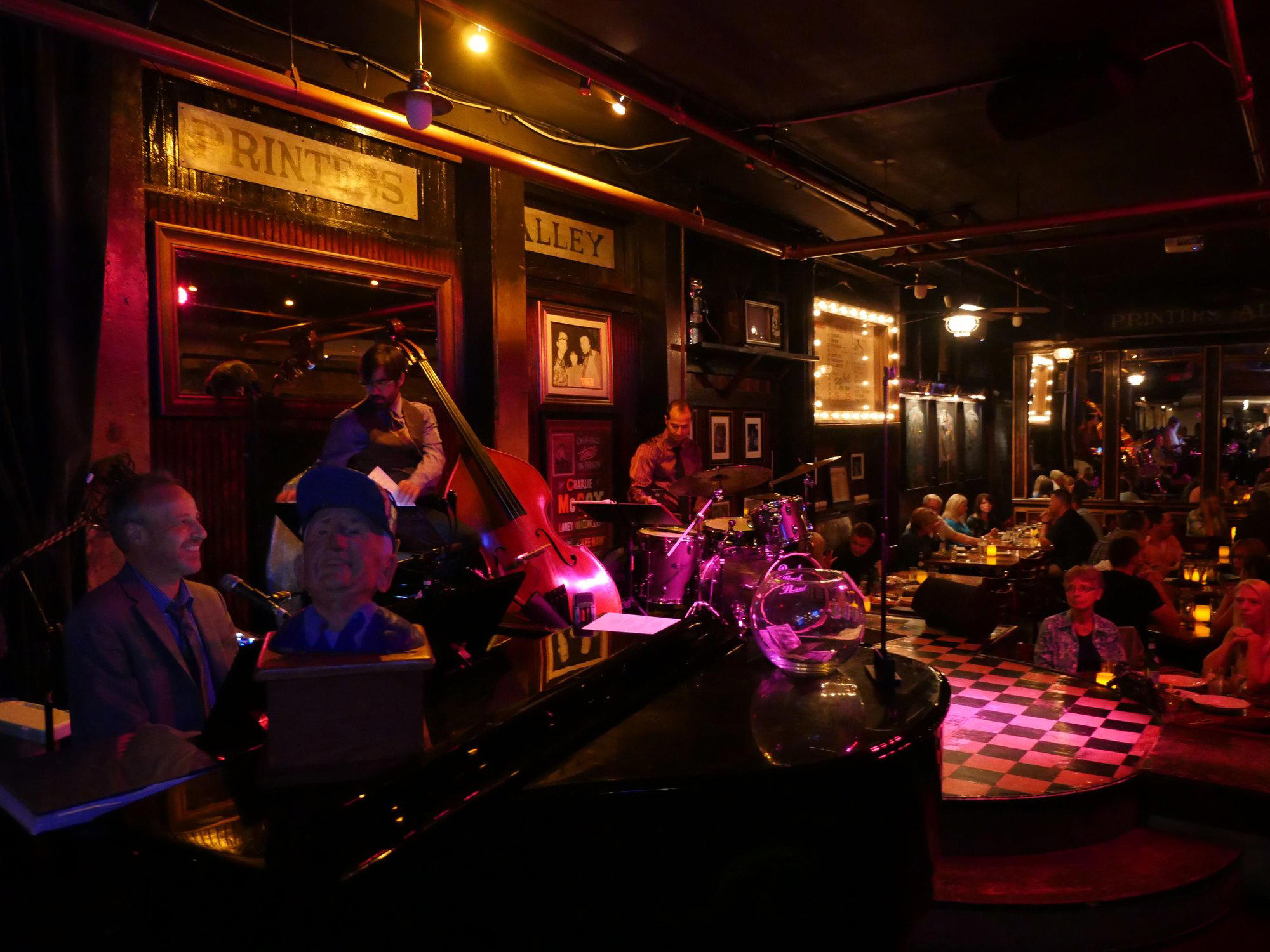
Cafes of this type tend to succeed or fail on atmosphere more than any single menu decision. The sounds of a well-run cafe-bar, the background register of a room that is occupied but not overwhelmed, the specific light level that permits both reading a menu and reading a companion's face, the way a bar visible from the dining room changes the energy of both spaces: these are engineering problems that get solved through years of iteration rather than through a single design brief. Margot has had time to iterate. Its presence on Woodland Street predates Nashville's most recent phase of culinary acceleration, which means the room has been shaped by actual use rather than projected concept.
Seasonal rhythm plays into this too. East Nashville's street-level culture shifts between warm and cold months in ways that affect how a neighborhood restaurant like this reads. A covered dining room that works in February needs different calibration than a space in late spring when the neighborhood moves outside. Restaurants embedded in residential districts absorb those seasonal shifts differently from high-foot-traffic venues that rely on visitor volume year-round.
Planning a Visit
Margot Cafe & Bar sits at 1017 Woodland St in East Nashville's 37206 zip, a short drive or rideshare from downtown Nashville across the Cumberland River. The cafe-and-bar format suggests walk-in is possible, particularly at the bar, but East Nashville's dining options have tightened in recent years and advance planning is sensible for weekend evenings. The 12 South Taproom and Grill and other neighborhood anchors in Nashville's satellite dining districts offer useful comparison points for how the city's non-downtown restaurant scene operates.
For travelers building a broader itinerary, it is worth noting that Margot pairs naturally with East Nashville's bar and coffee culture rather than with the Broadway-adjacent venues that dominate many visitor lists. The neighborhood rewards a slower pace: arrive early, eat at the bar, and let the evening develop rather than arrive with a rigid program. That approach fits the cafe format better than treating it as a destination requiring military logistics.
Frequently asked questions
What's the address for Margot Cafe & Bar?
Margot Cafe & Bar is located at 1017 Woodland St, Nashville, TN 37206, Nashville.
How does Margot Cafe & Bar fit into East Nashville's dining scene compared to downtown Nashville options?
Margot Cafe & Bar sits on Woodland Street in the 37206 zip, a short distance from downtown Nashville across the Cumberland River, putting it in the East Nashville corridor that has developed its own distinct restaurant identity separate from the honky-tonk-adjacent dining of Lower Broadway. Where downtown venues often orient toward tourists, a cafe-and-bar format on Woodland Street serves a more residential crowd and a different pace — closer to the European neighborhood-restaurant model than to the high-investment tasting-menu tier that has grown elsewhere in the city.
What's the signature dish at Margot Cafe & Bar?
Is Margot Cafe & Bar reservation-only?
Given its position as a neighborhood cafe-and-bar on Woodland Street in East Nashville, walk-ins are plausible for many seatings, though contacting the venue ahead of a visit is advisable for weekend evenings.
What's the standout thing about Margot Cafe & Bar?
Margot occupies a format that East Nashville does not have in abundance: a cafe-and-bar hybrid that operates at a lower pitch than the high-investment contemporary kitchens that dominate Nashville's dining conversation. Its address at 1017 Woodland St places it in a walkable pocket of the 37206 zip, giving it a neighborhood utility that many destination restaurants in the city do not have.
Where the Accolades Land
Comparable venues nearby, for context on price, style, and recognition.
| Venue | Cuisine | Price | Awards | Notes |
|---|---|---|---|---|
| Margot Cafe & BarThis venue — the venue you are viewing | French-inspired with Southern influences | $50–100 | Not listed | Not listed |
| Miel | French-inspired Farm-to-Table Bistro | $50–100 | Not listed | Richland-West End |
| Authentique | Authentic French Wine Bar & Crêperie | $50–100 | Wine Spectator Award of Excellence · World's Best Wine Lists Awards WBWL 3-Star | East Nashville |
| Trattoria Il Mulino | Casual-Chic Italian Trattoria | $50–100 | Wine Spectator Award of Excellence | Downtown |
| The Optimist | Modern Seafood | $50–100 | Not listed | East Germantown |
| Bungalow 10 | Globally Inspired Soul Food | Not listed | Not listed | Edgehill |