Manong
Our verdict
Manong brings Filipino-American cooking to Fairmount, one of Philadelphia's more residential corners, where the cuisine's layered acidity and fermented depth find a natural home alongside the city's appetite for serious immigrant-rooted kitchens. The address — 1833 Fairmount Ave — places it within walking distance of the Barnes Foundation and Fairmount Park, which shapes both the neighbourhood crowd and the pacing of the room.

Pearl is the En Primeur Club membership app — saves, bookings, and concierge access live there. Same editors, same standards.
- Address
- 1833 Fairmount Ave, Philadelphia, PA 19130
- Phone
- (445) 223-2141
- Hours
- Mon–Tue ClosedWed–Sun 8 AM–2 PM, 5–11 PM
- Website
- manongphilly.com
- Directions
- Get directions
The menu
What to order
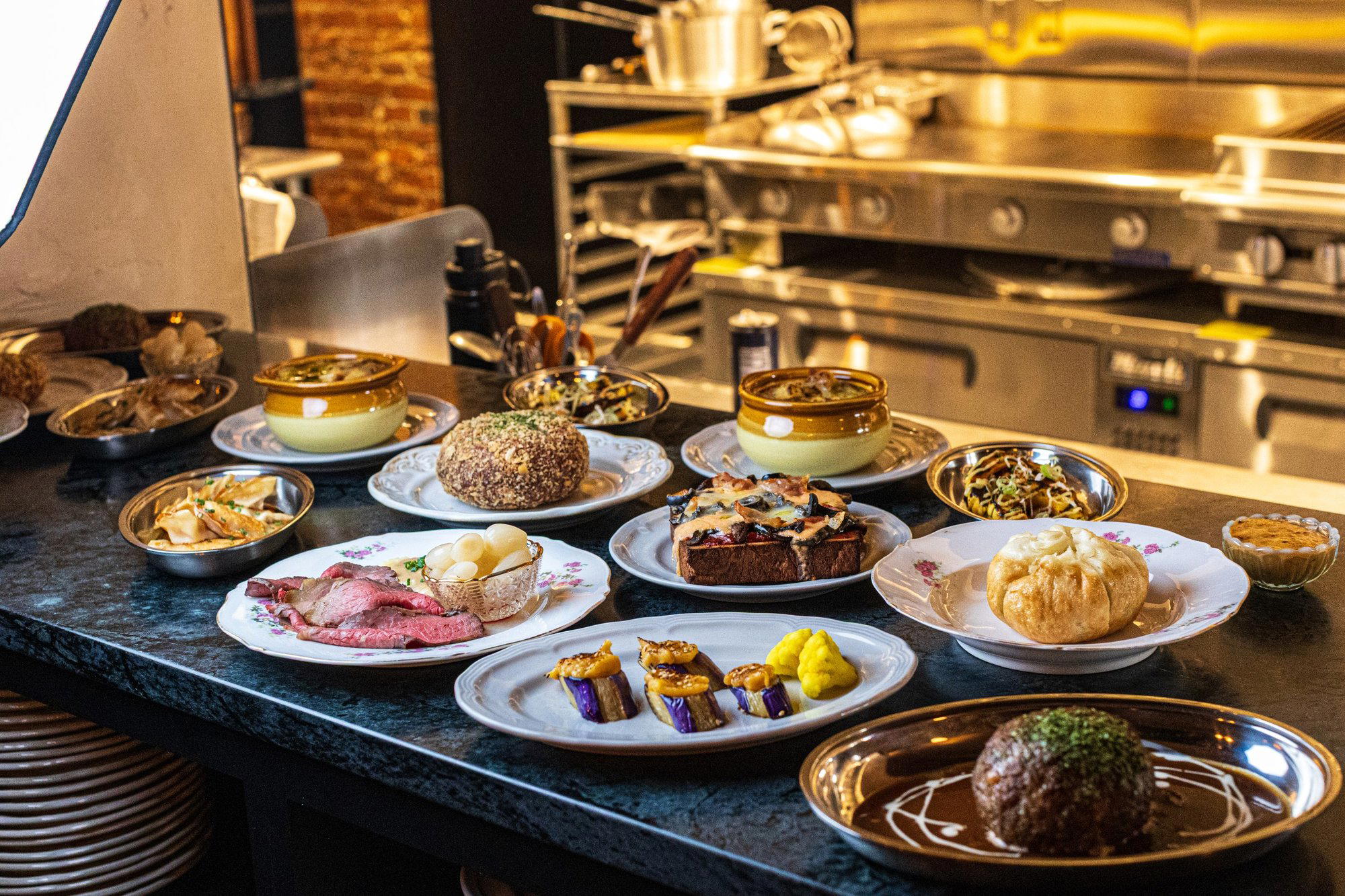
- Bloom Shroom
- Dynamite lumpia
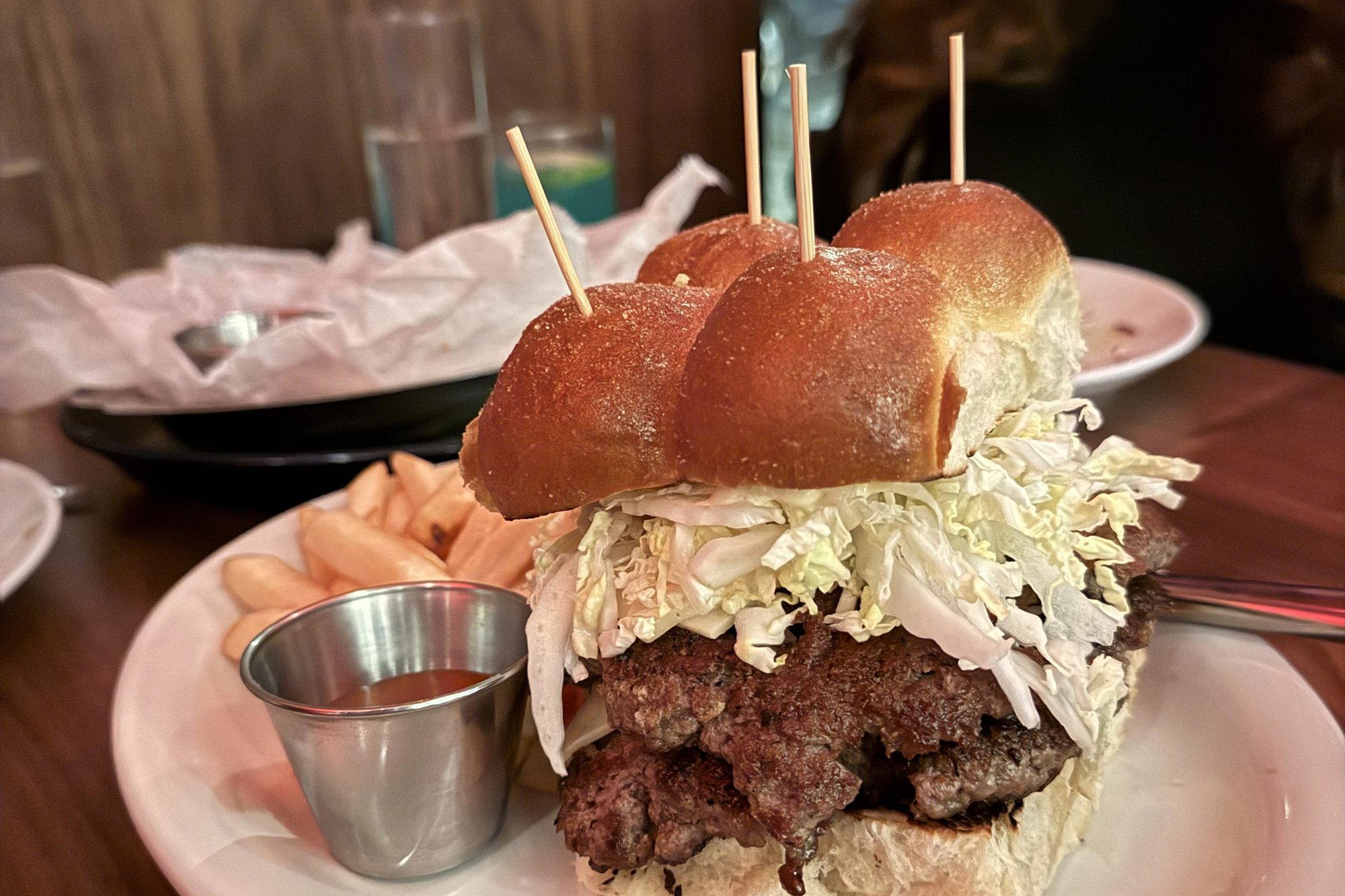
- Balong burger
- Pork & beans
- Lechon liempo
- Beef stick tagalog skewer
Fairmount and the Filipino-American Kitchen
Philadelphia's dining scene has spent the last decade working through a productive tension: the city's most interesting cooking increasingly comes from chefs and kitchens rooted in immigrant food traditions, while the critical apparatus built around New American fine dining — the Michelin inspectors, the national press cycles — has been slower to follow. Fork and Friday Saturday Sunday represent the polished New American pole of that spectrum. Manong, at 1833 Fairmount Ave, operates somewhere more interesting: a Filipino-American kitchen in a walkable residential neighbourhood, making a case for a cuisine that American dining culture has been consistently late to recognise.
Filipino food is structurally built for the kind of bar-adjacent, casual-serious dining that American cities have been gravitating toward. Vinegar, fermented shrimp paste, and long-cooked pork fat are not subtle ingredients, they function more like a bartender's bitters than a chef's garnish, lending backbone and contrast rather than filling the foreground. That structural quality makes Filipino-American cooking a natural companion to cocktail programs, and it shapes how Manong fits into the broader Fairmount neighbourhood. The area draws a mix of museum visitors, park runners, and residents who have already found their way past the tourist-facing blocks of Old City, a crowd that tends to arrive knowing what it wants.
The Drink Programme in Context
American cocktail culture has matured well past the speakeasy revival. The current moment favours programmes that read as an extension of the kitchen rather than a separate performance, drinks that mirror the food's acidity, funk, or spice rather than competing with it. In cities like Philadelphia, that shift has been driven partly by a generation of bartenders who trained under serious culinary influence, and partly by cuisines that demand it. Filipino flavours, cane vinegar, tamarind, calamansi, toasted coconut, map cleanly onto the lexicon of craft spirits and fermented mixers that define contemporary American bar work.
A bar programme built around Filipino-American food has a ready toolkit: sour formats that mirror the adobo's acidity, smoky mezcal pairings that echo charred pork, citrus-forward builds that riff on calamansi. Across the country, the restaurants doing the most interesting work with non-Western cuisines, from Korean tasting menus at Atomix in New York to the produce-driven California ethos at Single Thread Farm in Healdsburg, have made their drink programmes a genuine point of differentiation rather than an afterthought. At Manong's price point and neighbourhood, that ambition translates into something more accessible but no less considered.
Philadelphia's bar scene has its own distinct character: less sceney than New York, less reputation-obsessed than San Francisco, and increasingly focused on substance over spectacle. Venues in Fairmount and the adjacent Art Museum district tend to attract regulars who return on the merits of what's in the glass. For a Filipino-American kitchen, that audience is well-matched, adventurous enough to appreciate fermented and funky flavour profiles, local enough to become the repeat business that sustains a neighbourhood room.
Filipino-American Cooking and the Philadelphia Moment
Filipino cuisine sits in an interesting position within Philadelphia's immigrant food culture. The city's South Asian, Mexican, and Southeast Asian kitchens are well-documented; the Filipino presence has been quieter but persistent. Mawn's Cambodian-pan-Asian kitchen and South Philly Barbacoa's Mexican street-food rigour suggest the city has an appetite for cuisines that don't sand down their edges for a broader audience. Manong operates in that same register.
The cuisine itself resists easy categorisation. It draws on Malay, Spanish colonial, Chinese, and American influences, a layering that predates the current vogue for fusion and reflects actual historical pressure rather than culinary concept. Dishes built around vinegar braises, fermented sauces, and whole-animal techniques carry a logic that is simultaneously ancient and, in the current American food conversation, surprisingly contemporary. The fermenting and long-cooking traditions that define Filipino home cooking align naturally with the whole-animal and preservation-focused ethos that serious American restaurants have been building toward for years.
Within Philadelphia's competitive set, Manong occupies a position that has few direct peers. The city's Filipino-American dining options remain limited relative to the cuisine's footprint in cities like Los Angeles, San Francisco, and New York, where restaurants like Lazy Bear's communal format have demonstrated how narrative-driven tasting experiences can build loyal audiences for non-mainstream cuisines. In Philadelphia, the room for a kitchen doing serious Filipino-American work with a strong bar programme is genuinely open.
Getting There and Planning Your Visit
Manong is at 1833 Fairmount Ave in the Fairmount neighbourhood, a short walk from the Barnes Foundation and the Philadelphia Museum of Art. The location places it in a residential stretch rather than a high-foot-traffic dining corridor, which tends to shape the pace and noise level of the room, expect a neighbourhood cadence rather than a packed-house energy on most nights. The surrounding blocks have parking, and the venue is reachable from Center City on foot or by a short Uber. For visitors staying in Philadelphia, hotel options near the Art Museum district put Fairmount within comfortable walking range. Booking specifics, hours, and current menu format are best confirmed directly with the venue, as those details were not available at time of writing.
For visitors building a broader evening around the neighbourhood, Philadelphia's bar programme is covered in our full Philadelphia bars guide, and the wider dining scene, including New American options with more established critical profiles, is mapped in our full Philadelphia restaurants guide. Those planning a longer trip with an interest in wine and regional producers should also check our Philadelphia wineries guide and our Philadelphia experiences guide for context beyond the plate.
On a national scale, the conversation around immigrant-rooted fine and casual dining has shifted considerably, the level of culinary ambition at recognised venues like Le Bernardin in New York or Alinea in Chicago has raised the baseline expectation for what serious cooking looks like at any price point. Emeril's in New Orleans and Alain Ducasse at Louis XV in Monte Carlo represent the formal end of that ambition. Manong, at a Fairmount neighbourhood address, is playing a different game, but the underlying seriousness of purpose that Filipino-American cooking demands, when done well, belongs in the same broader conversation about what constitutes culinary rigour in American dining today. My Loup, Philadelphia's French-inspired entry in the serious neighbourhood-restaurant category, makes a useful comparison point for understanding the tier Manong is operating within. The French Laundry in Napa remains the reference point for American fine dining ambition, but the more relevant benchmark for Manong is closer to home: whether Philadelphia's dining public is ready to engage with Filipino-American cooking on its own terms rather than as a novelty.
Frequently asked questions
Is Manong good for families?
Manong's Fairmount neighbourhood setting on 1833 Fairmount Ave places it close to the Philadelphia Museum of Art and the Barnes Foundation, making it a practical stop for families already in the area. Filipino-American cooking tends toward communal formats with shared plates, which suits groups eating together.
What should I expect atmosphere-wise at Manong?
Manong sits in Fairmount, a residential Philadelphia neighbourhood that runs quieter than Center City, and the room reflects that register: this is neighbourhood dining rather than a destination-event space. Filipino-American kitchens in this category typically run informal and counter-forward rather than white-tablecloth. Expect a setting where the food carries the evening rather than the décor.
How does Manong fit into Philadelphia's broader Filipino dining scene?
Filipino cuisine occupies a smaller footprint in Philadelphia than the city's South Asian or Mexican dining corridors, which makes Manong's presence on Fairmount Ave a meaningful data point for where that cuisine is landing. The Filipino-American format it works in, combining traditional techniques with American ingredient sourcing, is the same approach driving national attention to the cuisine from New York to Los Angeles. For Philadelphia diners tracking immigrant-led kitchens, Fairmount is an area worth monitoring.
What do people recommend at Manong?
Manong operates in the Filipino-American genre, a cooking tradition that draws on vinegar-braised proteins, fermented condiments, and rice-forward plates adapted for an American dining context. Without a published static menu, the standout dishes shift with the kitchen's direction, which is common in this category. Checking recent social posts or calling the Fairmount Ave location directly will give the clearest picture of what is running at any given time.
Reputation First
Comparable venues nearby, for context on price, style, and recognition.
| Venue | Cuisine | Price | Notes |
|---|---|---|---|
| ManongThis venue — the venue you are viewing | Filipino-American Fusion Grill | $50–100 | Not listed |
| Luk Fu Philly | Asian Fusion with Korean & Chinese | $30–50 | Stadium District |
| Banshee | Modern Fusion Bistro | $50–100 | Graduate Hospital |
| SET NoLibs | Asian Fusion Sports Bar | Not listed | Northern Liberties |
| Zorba's Tavern | Authentic Greek | $20–30 | Spring Garden |
| Down Home Diner | Classic American Diner | $10–20 | Center City East |
Continue exploring
More in Philadelphia
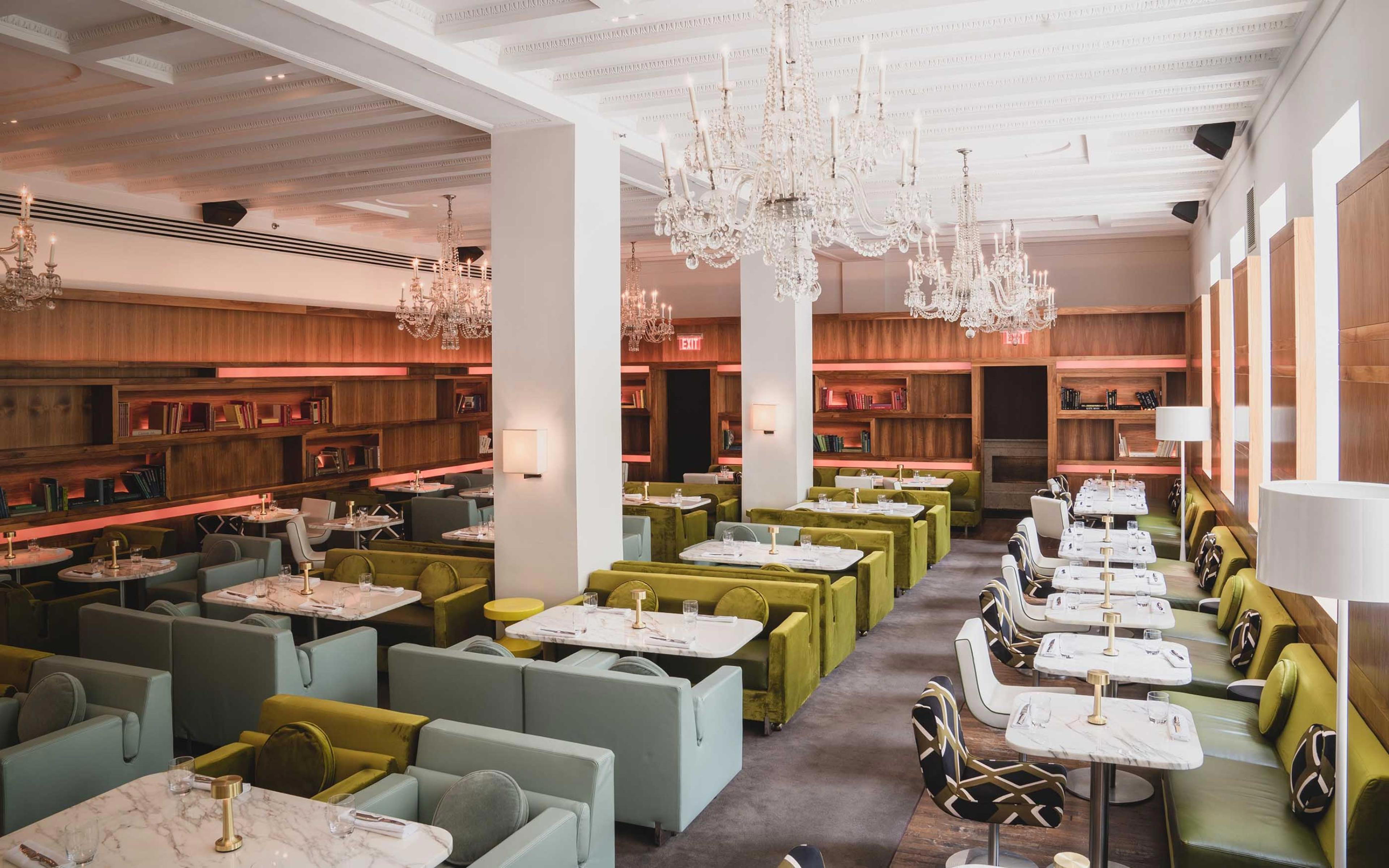
Restaurants in Philadelphia
Browse all →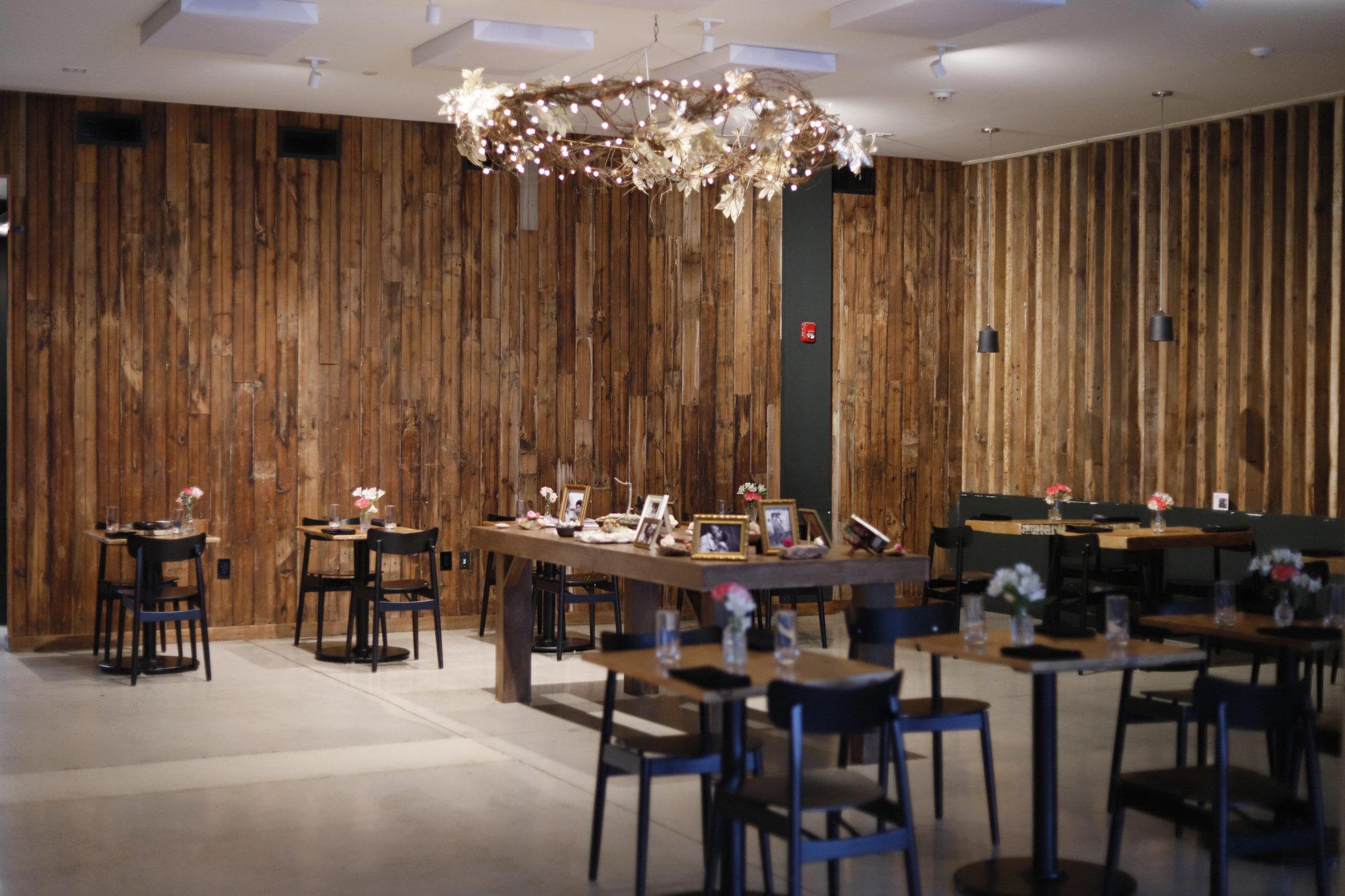
Bars in Philadelphia
Browse all →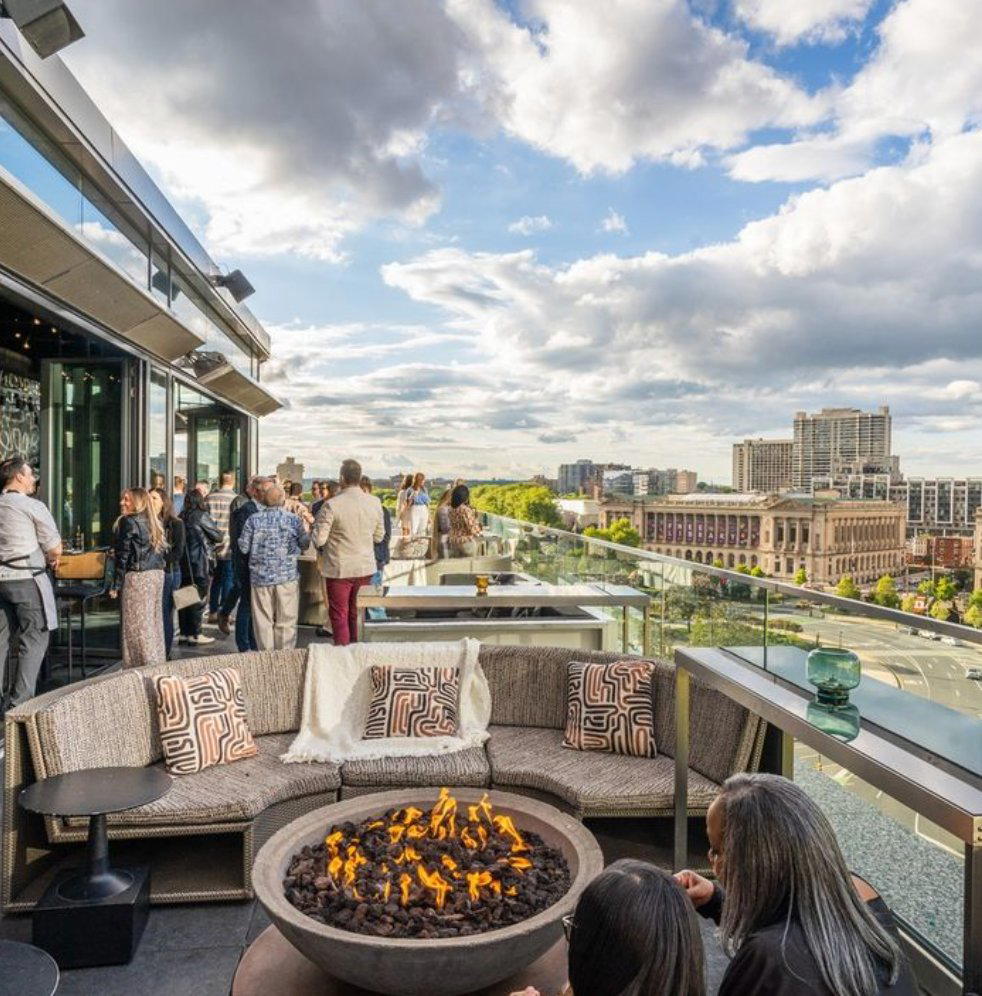
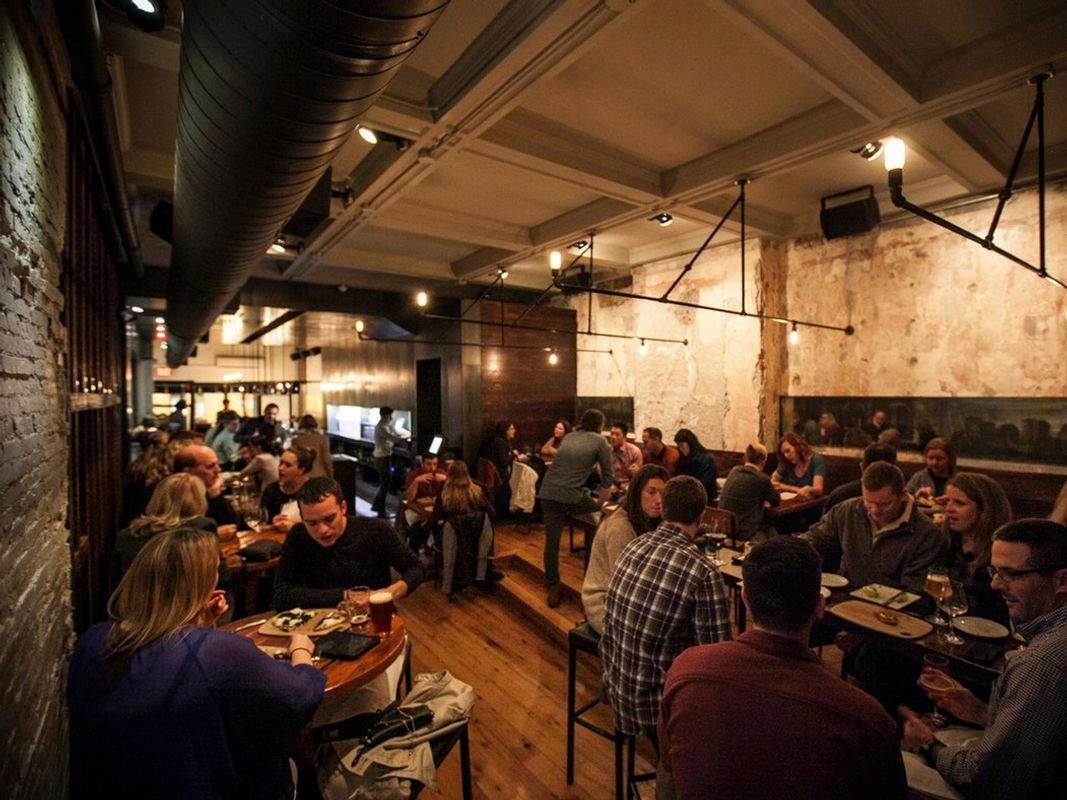
Details
- Lively
- Whimsical
- Cozy
- Energetic
- Group Dining
- Celebration
- Casual Hangout
- Family
- Open Kitchen
- Standalone
- Craft Cocktails
- Beer Program
- Natural Wine
- A La Carte
- Small Plates
- Craft Cocktails
- Filipino Beer Imports
- Natural Wines
- Vegetarian Friendly
- Vegan Options
- Gluten Free Options
- Allergy Accommodating
Current opening hours
- Monday
- Closed
- Tuesday
- Closed
- Wednesday
- 8 AM–2 PM, 5–11 PM
- Thursday
- 8 AM–2 PM, 5–11 PM
- Friday
- 8 AM–2 PM, 5–11 PM
- Saturday
- 8 AM–2 PM, 5–11 PM
- Sunday
- 8 AM–2 PM, 5–11 PM
Hours can change for holidays and private events. Last verified .
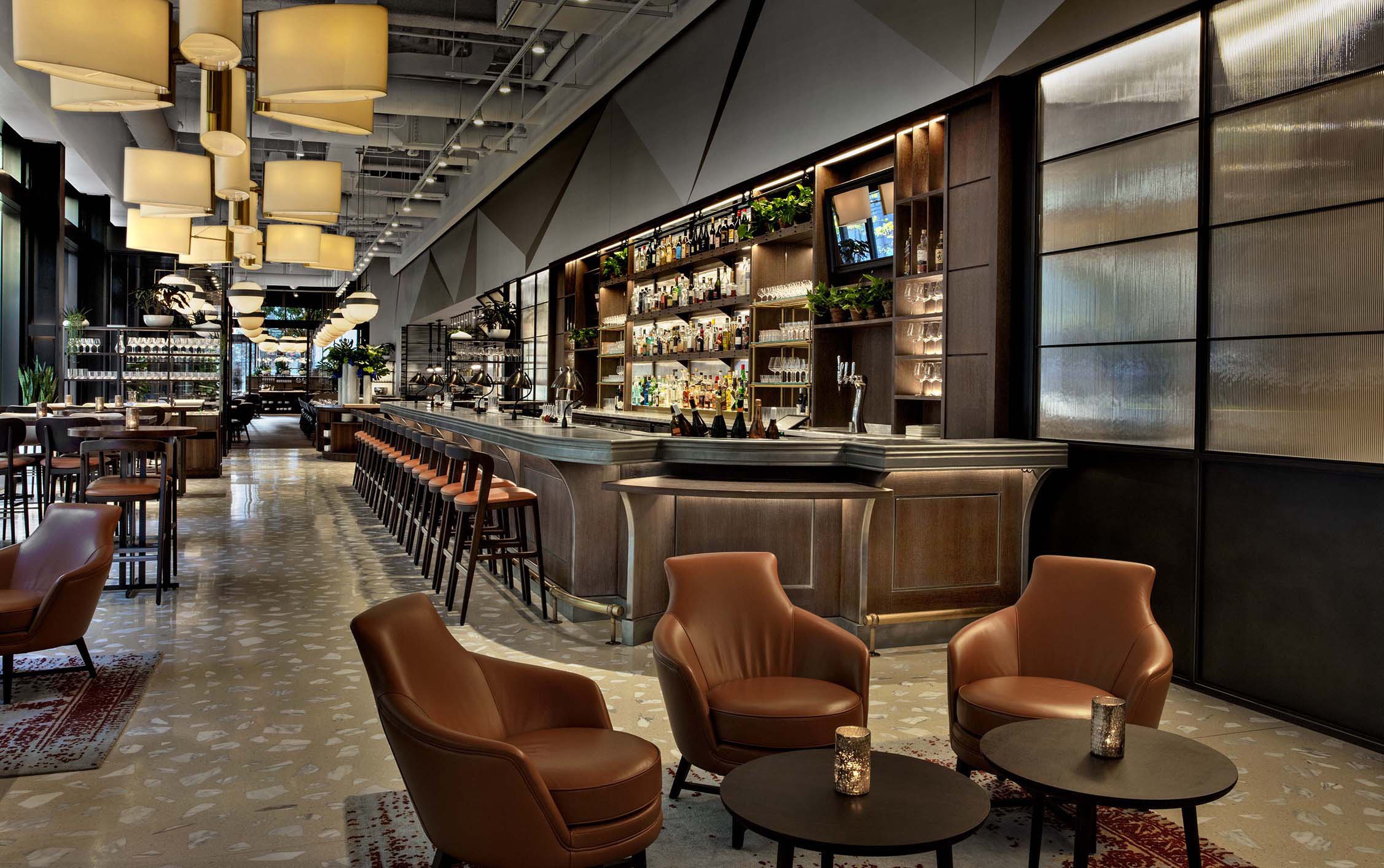
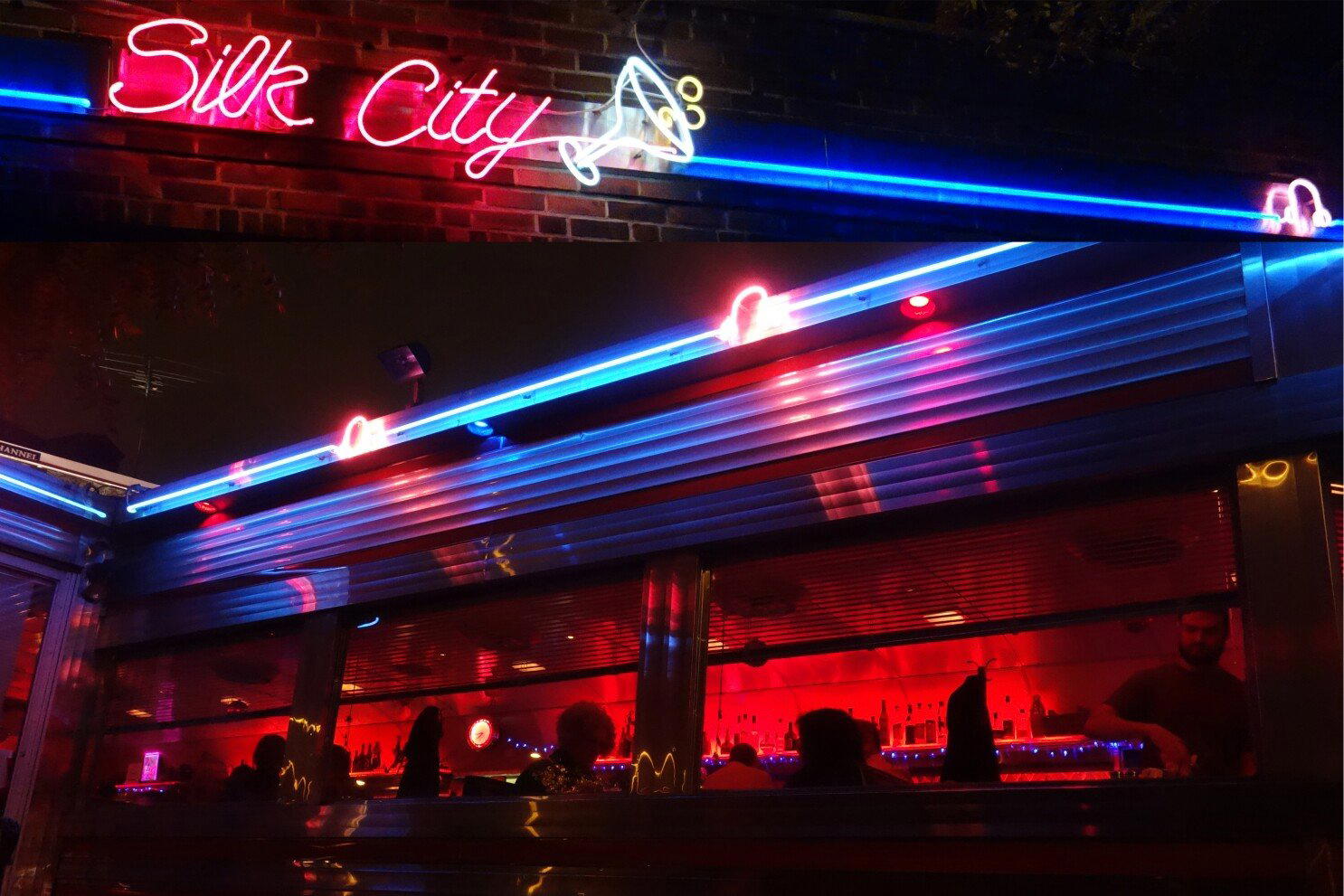
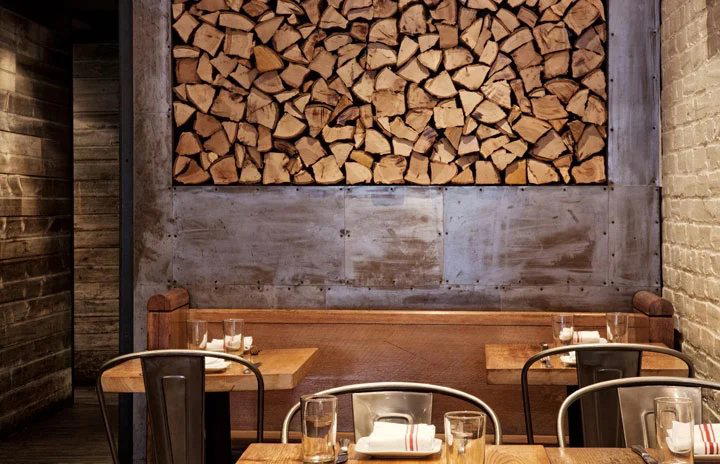
Sunny, high-ceilinged corner space with rustic walnut accents, convivial booth seating, vintage truck grill with illuminated headlights, and neon signs from Applebee's and Outback; festive and joyful but notably loud.