Mandalay
Mandalay on the Edgware Road sits at the meeting point of London's Burmese dining tradition and the area's long-established South and Southeast Asian food corridor. The address places it within walking distance of Little Venice and the broader Paddington arc, making it a practical and considered choice for occasion meals away from the West End's more formal dining rooms.
 Discover on Pearl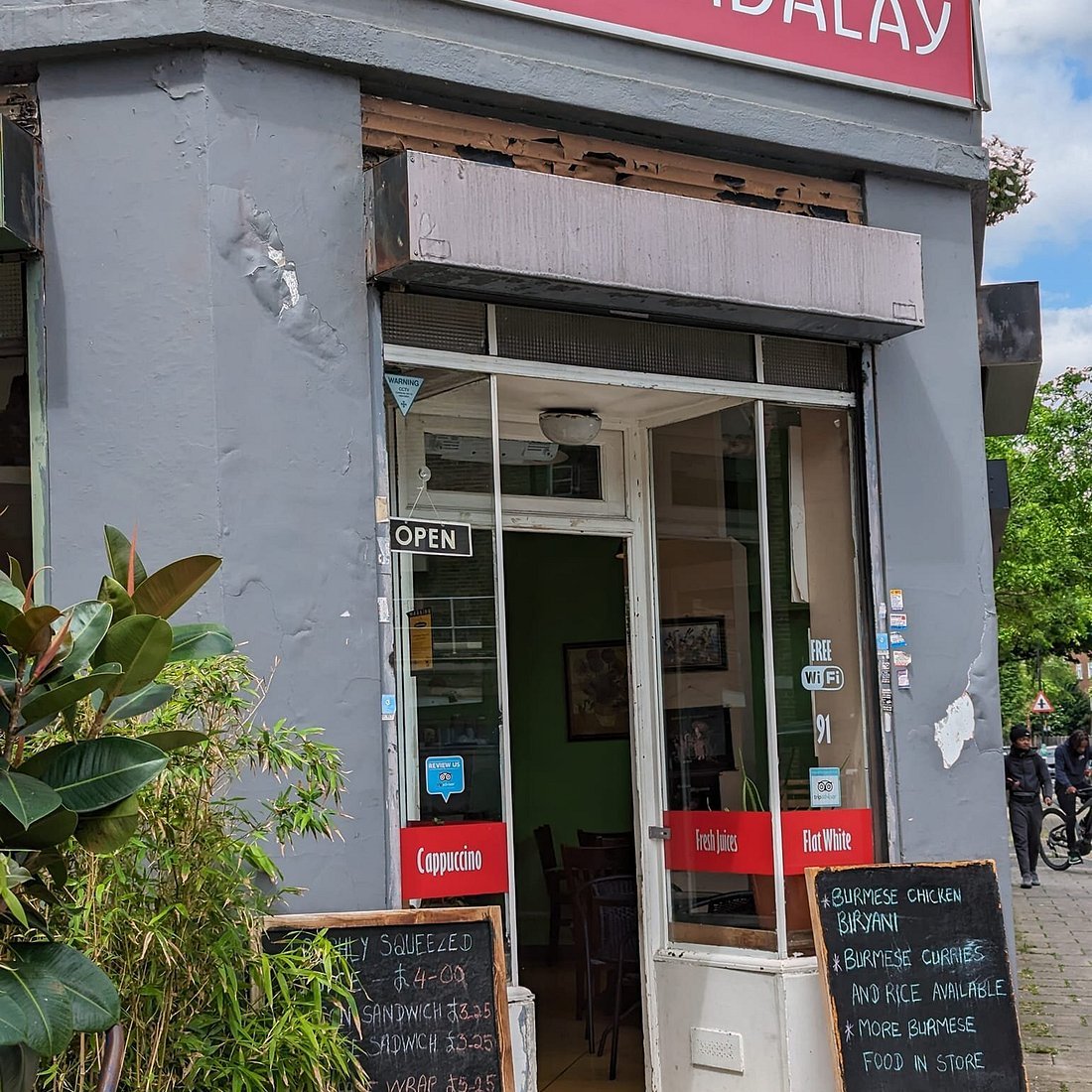
The Edgware Road Corridor and What It Means for Special Occasions
London's occasion dining conversation tends to orbit a tight cluster of postcodes: Mayfair, Chelsea, and the City. The Edgware Road corridor rarely enters that conversation, which is precisely what makes it worth considering when the goal is a meaningful meal rather than a performative one. The stretch running north from Marble Arch through W2 has operated as one of the city's most consistent hubs for Middle Eastern and Southeast Asian food for decades, with a dining character shaped by resident communities rather than restaurant developers. Within that context, Burmese cooking occupies a niche that remains relatively underexplored in London compared to its Southeast Asian neighbours, and Mandalay at 444 Edgware Road has held a place in that niche for years.
For anyone choosing a restaurant for a milestone meal, the question of neighbourhood matters. The Edgware Road offers something that West End rooms rarely do: a sense that the food is rooted somewhere specific, that the surrounding streets have a relationship with the cuisine being served. That grounding changes the character of a dinner, shifting the weight from spectacle to substance.
The shortlist, unlocked.
Hard-to-book tables, cellar releases, and concierge-planned trips.
Get Exclusive Access →Burmese Cooking in London: The Category Context
Burmese cuisine sits in an unusual position within London's restaurant map. It draws on geographic neighbours, including India, China, and Thailand, but operates according to its own logic: fermented tea leaf salads, mohinga fish noodle soup, and slow-cooked curries that carry a different weight and acidity profile from their South Asian counterparts. The cuisine never achieved the mainstream London penetration of Thai or Indian food, which means the restaurants that have sustained themselves in this category have done so on the strength of a loyal returning audience rather than tourist footfall.
That dynamic matters for occasion dining. Restaurants with a core of regulars tend to handle celebratory tables differently from high-turnover rooms. The expectation of return visits creates a different service relationship. When comparing Mandalay to the ££££ tier of London dining, represented by rooms like CORE by Clare Smyth, Sketch, The Lecture Room and Library, or The Ledbury, Mandalay operates in a different register entirely, one defined by accessibility and specificity rather than tasting-menu formality. That difference is not a deficit; it is the point.
Occasion Dining Beyond the Tasting Menu Format
The tasting menu has become the default format for celebration dinners in London, structuring the evening through a set sequence and a fixed price point. Rooms like Dinner by Heston Blumenthal and Restaurant Gordon Ramsay have built their occasion credentials around that format, and for certain milestones it remains the appropriate choice. But not every celebration is suited to two hours of pre-determined courses. Some mark occasions that call for a shared table, passing dishes, and a meal shaped by the people eating it rather than the kitchen's preferred sequence.
Burmese dining, with its emphasis on communal sharing and a range of textures and temperatures across the table, fits that second category well. The format encourages conversation in a way that a linear tasting progression sometimes does not. For a birthday dinner, an anniversary where the couple wants to talk rather than be narrated at, or a gathering of people who want to share a cuisine new to most of them, the Mandalay model has distinct advantages over a formal progression menu.
For those whose occasion dining preferences extend to countryside alternatives, destinations like L'Enclume in Cartmel, Moor Hall in Aughton, or Le Manoir aux Quat' Saisons represent the formal end of the occasion spectrum. Mandalay represents something different: an occasion defined by the food's character rather than the room's ambition.
Planning a Visit: What to Know
Mandalay sits at 444 Edgware Road, W2 1EG, accessible from Edgware Road tube station on the Circle, District, and Hammersmith & City lines, making it direct to reach from most of central London. The surrounding area has a strong concentration of Lebanese and Egyptian cafés and restaurants, so arriving early to walk the strip before a booking is a reasonable way to spend the approach to a meal.
Given the limited number of Burmese restaurants operating in London at any consistent quality level, Mandalay draws from a loyal and geographically spread audience. For occasion meals, particularly weekend dinners, booking ahead is the prudent approach, though the lead time required is unlikely to match the months-in-advance planning that characterises London's tasting-menu rooms. Contact the restaurant directly to confirm current availability and any specific requirements for the evening.
Those building a broader London visit around the meal can find context for the wider dining scene in our full London restaurants guide, with additional coverage across hotels, bars, experiences, and wineries.
How Mandalay Sits Within a Broader UK Dining Picture
London's fine dining establishment has strong international comparators in rooms like Le Bernardin in New York City and Atomix, both of which define their respective categories at the leading of the price tier. Closer to home, The Fat Duck in Bray, Gidleigh Park in Chagford, and Hand and Flowers in Marlow represent the shaped-experience end of UK occasion dining. Mandalay does not compete in that tier and does not need to. The more relevant comparison is with London's other long-standing specialist restaurants in underrepresented cuisines, where longevity and community connection carry their own authority.
The Edgware Road address itself functions as a kind of editorial stance: a restaurant in this location is not positioned for tourism or critic cycles. It is positioned for the people who know what they are looking for.
Frequently Asked Questions
- What do people recommend at Mandalay?
- Mandalay is one of London's longest-standing Burmese restaurants, and the cuisine's signature preparations, including tea leaf salads, mohinga-style noodle dishes, and slow-cooked curries, are the reference points that returning diners cite most consistently. For the kitchen's credentials and current menu specifics, contact the restaurant directly, as the Burmese cooking tradition at this address has developed over time in response to its specific audience rather than external award cycles.
- How far ahead should I plan for Mandalay?
- Mandalay does not operate in the same advance-booking tier as London's tasting-menu rooms, where reservations at venues like CORE by Clare Smyth or The Ledbury can require weeks or months of lead time. That said, for weekend occasion dinners or group bookings, reaching out at least one to two weeks ahead is sensible given the restaurant's consistent local following. Confirm directly for current availability.
- What's the defining dish or idea at Mandalay?
- The defining idea at Mandalay is the cuisine itself: Burmese cooking occupies a distinct position among London's Southeast Asian restaurants, drawing on Indian, Chinese, and Thai influences while operating according to its own logic of fermentation, texture contrast, and layered seasoning. No single dish defines it as cleanly as, say, a signature tasting course at a Michelin-starred room, which is partly the point — the meal is structured around the table rather than the kitchen's preferred sequence.
- What if I have allergies at Mandalay?
- Burmese cooking frequently involves fish paste, fermented ingredients, peanuts, and shrimp-based seasonings, which means allergy considerations require direct communication with the kitchen before arrival. No website or phone number is publicly listed in EP Club's current database record, so the most reliable approach is to visit in person ahead of your booking or contact the restaurant through any current booking platform listing to confirm what accommodations can be made.
- Is Mandalay suitable for a group celebration dinner in London?
- Burmese dining is structured around sharing, which makes it a practical fit for group occasions where the emphasis is on communal eating rather than individual-course progression. Mandalay's Edgware Road address is accessible by tube on multiple lines, and the surrounding neighbourhood has enough character to build an evening around. For groups with specific dietary requirements or seating needs, direct contact ahead of arrival is the appropriate step.
Side-by-Side Snapshot
A fast peer set for context, pulled from similar venues in our database.
| Venue | Cuisine | Price | Awards | Notes |
|---|---|---|---|---|
| Mandalay | This venue | |||
| The Ledbury | Modern European, Modern Cuisine | ££££ | Michelin 3 Star | Modern European, Modern Cuisine, ££££ |
| Sketch, The Lecture Room and Library | Modern French | ££££ | Michelin 3 Star | Modern French, ££££ |
| CORE by Clare Smyth | Modern British | ££££ | Michelin 3 Star | Modern British, ££££ |
| Restaurant Gordon Ramsay | Contemporary European, French | ££££ | Michelin 3 Star | Contemporary European, French, ££££ |
| Dinner by Heston Blumenthal | Modern British, Traditional British | ££££ | Michelin 2 Star | Modern British, Traditional British, ££££ |
Need a table?
Our members enjoy priority alerts and concierge-led booking support for the world's most difficult tables.
Get Exclusive AccessThe shortlist, unlocked.
Hard-to-book tables, cellar releases, and concierge-planned trips.
Get Exclusive Access →