Malt House
Malt House occupies a converted industrial space on Marshgate Trading Estate in Stratford, East London, a neighbourhood where brewing heritage and post-industrial reinvention sit side by side. The address alone signals an editorial choice: proximity to local produce networks and a deliberate distance from the West End dining circuit. For visitors tracking where London's dining energy is moving, it belongs on the itinerary alongside the capital's wider east-side shift.
Pearl is the En Primeur Club membership app — saves, bookings, and concierge access live there. Same editors, same standards.
- Address
- ❒ Marshgate Trading Estate, 1 Barley Ln, London E15 2SR, United Kingdom
- Phone
- 020 7385 3593
- Directions
- Get directions
 Saves & bookings on Pearl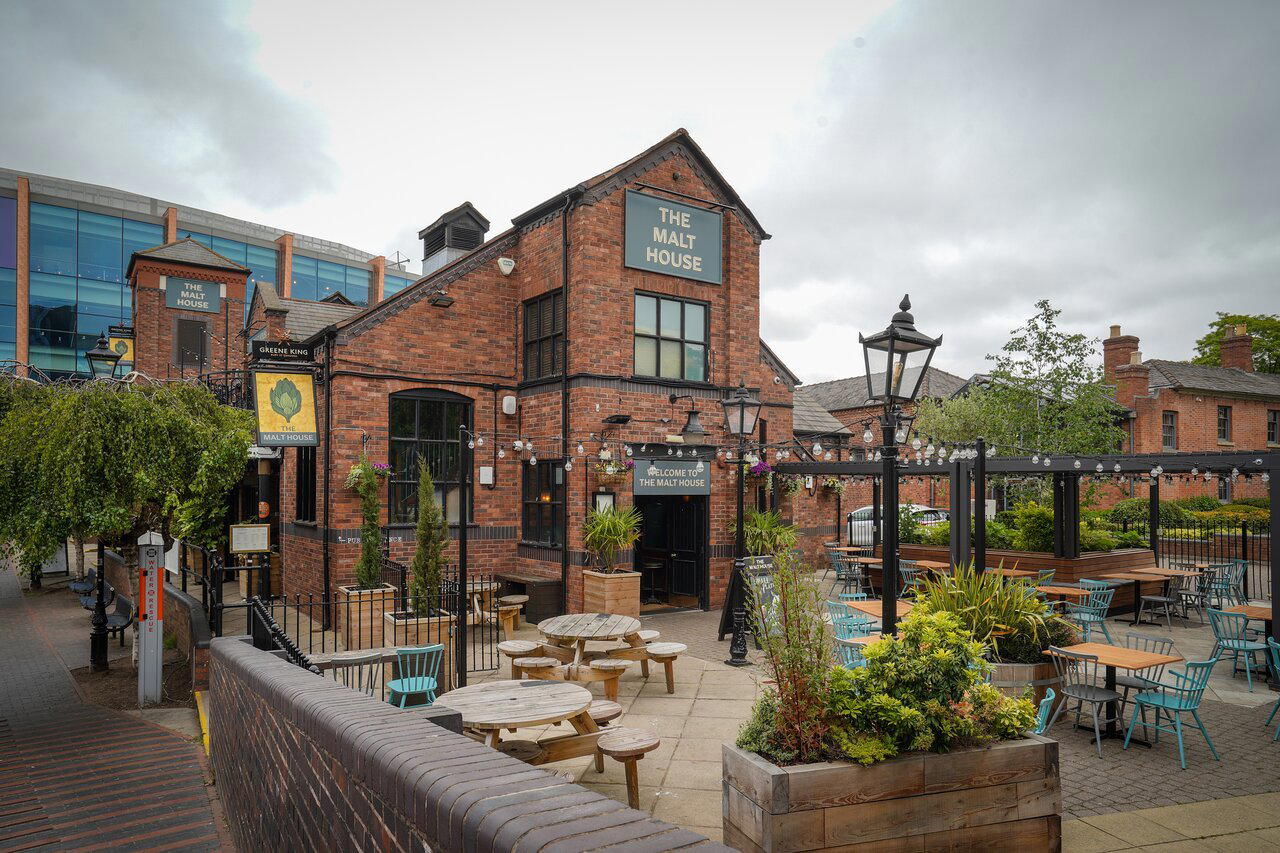
East London's Industrial Belt and the Venues Taking It Seriously
Malt House is a Modern British Gastropub in Stratford E15, with an approximate price of about $50 per person. The concentrated Michelin corridor running through Mayfair, Chelsea, and Notting Hill, home to counters like CORE by Clare Smyth, Sketch's Lecture Room and Library, and Restaurant Gordon Ramsay, remains the formal benchmark. But the more interesting question in 2024 is where the next tier of serious cooking is choosing to locate itself. Stratford and the Lower Lea Valley answer that question with increasing confidence. The area's trading estates and converted warehouses have absorbed breweries, roasteries, and now kitchen operations that would have settled in Shoreditch a decade ago. Malt House, sitting at 1 Barley Lane on Marshgate Trading Estate, E15, is one of those choices made visible by its address.
What the Location Signals About the Cooking
Industrial addresses in East London are not neutral. For a venue operating in a district historically shaped by the malting and brewing trades, the street name is not incidental, the territory carries its own material logic. Venues that set up in post-industrial zones tend to operate with a different relationship to provenance than their West End peers: shorter supply chains, closer proximity to the market networks of New Spitalfields and the east London food manufacturing corridor, and a kitchen culture that treats raw ingredient quality as the primary variable rather than room design or service theatre.
This is the context in which the intersection of local sourcing and imported technique becomes most legible. Across British cooking at this level, think of what L'Enclume in Cartmel has demonstrated with Cumbrian produce, or what Moor Hall in Aughton has done with Lancashire's agricultural belt, the strongest editorial argument is made not by the technique alone but by the specificity of the ingredients it is applied to. When kitchens in former industrial buildings source from the grain and hop heritage of their immediate geography and apply contemporary methods to that material, the result reads as coherent rather than borrowed. The malt reference embedded in this venue's name points directly at that logic.
The Broader Shift: Technique as a Tool, Not the Point
British cooking has spent three decades in a productive argument with French technique. The generation that trained under classical European frameworks, in kitchens shaped by the traditions that Le Manoir aux Quat' Saisons represents at its most disciplined, produced a counter-reaction: chefs who retained the technical vocabulary but pointed it at indigenous British ingredients and fermentation traditions rather than Continental ones. Dinner by Heston Blumenthal made this argument in a luxury hotel context; The Fat Duck in Bray made it through culinary archaeology. The next expression of that argument is more grounded, less theatrical, and increasingly located in addresses like Marshgate Trading Estate.
Globally, the pattern is consistent. Le Bernardin in New York built its reputation on applying rigorous French classical technique to North Atlantic seafood with a precision that neither ingredient nor method could achieve alone. Atomix in New York applies Korean fermentation and ingredient logic inside a format that reads as contemporary fine dining. The common thread is not the cuisine category but the discipline of letting local material lead while imported method amplifies rather than overrides it. Venues in East London's current phase are working through the same logic with British grain culture, seasonal allotment networks, and the capital's post-industrial food production infrastructure.
Where Malt House Sits in the East London Dining Picture
London's east dining circuit now covers substantial ground: from the Michelin-tracked addresses of Shoreditch and Hackney down through the Olympic quarter and into the Stratford hinterland. The venues that have earned sustained attention in this zone tend to share a set of characteristics: transparent supply chains, formats that do not depend on destination-dining theatre, and a pricing architecture that reflects ingredient cost rather than room prestige. This positions them differently from the ££££ tier occupied by The Ledbury in Notting Hill or the formal European lineages of Gidleigh Park and Hand and Flowers outside the capital, but not in competition with them. They represent a different proposition entirely: serious cooking in industrial settings, priced and formatted for a local audience that has moved past novelty.
The restaurant's Marshgate address fits that pattern. The trading estate context suggests a kitchen operating with low overhead and high ingredient spend, the allocation decision that defines which East London venues develop a following versus which ones cycle through. Whether the format leans toward a fixed menu or a more informal service structure, the location makes a clear statement about priorities.
Where the Accolades Land
Comparable venues nearby, for context on price, style, and recognition.
| Venue | Cuisine | Price | Notes |
|---|---|---|---|
| Malt HouseThis venue — the venue you are viewing | Modern British Gastropub | $$ | Not listed |
| Botanist Broadgate Circle | Modern British with Asian Influence | $$ | Shoreditch |
| Annie's | British Brasserie | $$ | River Thames |
| The Empress | British Gastropub | $$ | South Hackney |
| Smokehouse | British Gastropub with Smoked Meats | $$ | Canonbury |
| Commander | British Gastropub with Seafood | $$ | Westbourne |
Continue exploring
More in London
Restaurants in London
Browse all →
Bars in London
Browse all →
Hotels in London
Browse all →



At a Glance
- Classic
- Cozy
- Rustic
- Date Night
- Business Dinner
- Casual Hangout
- Historic Building
- Beer Program