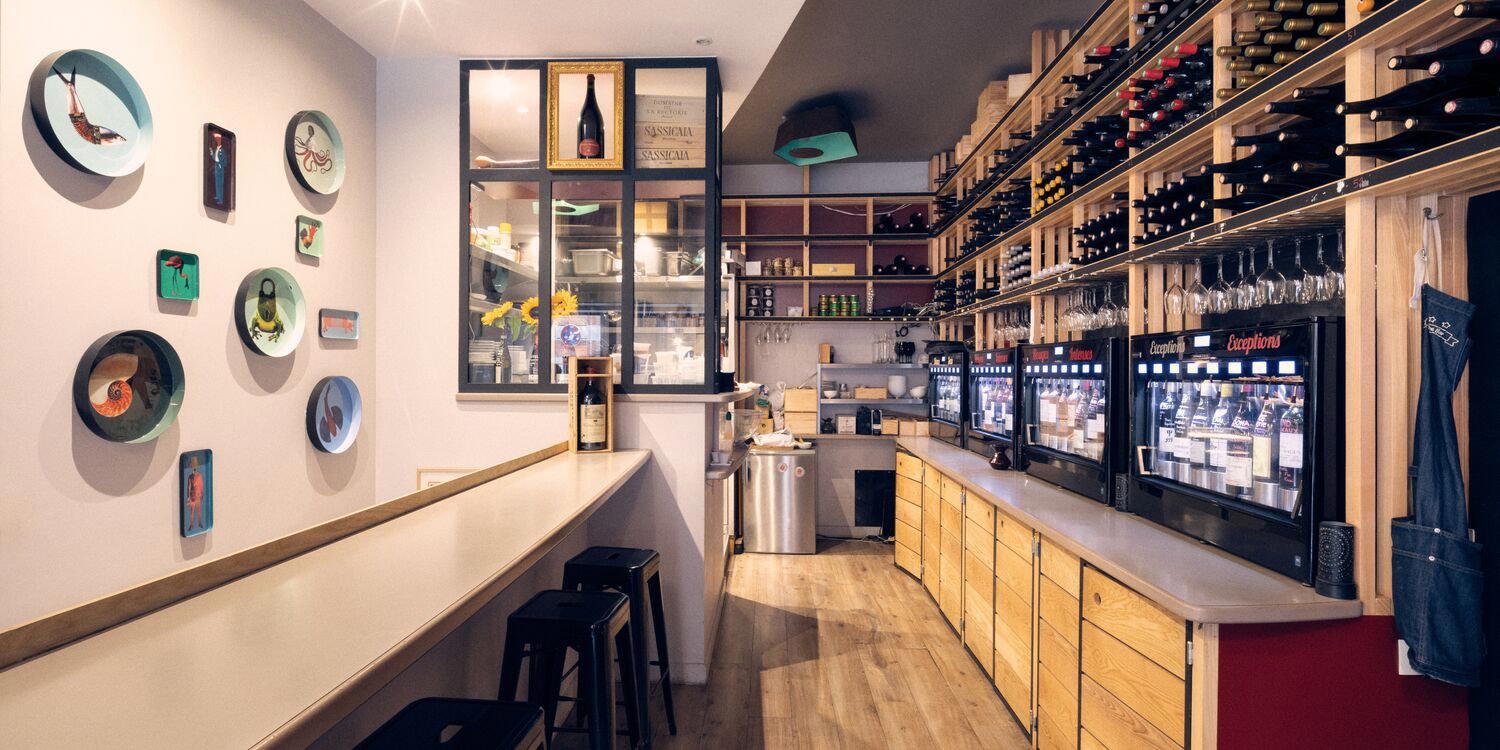
Wine bar and restaurant owned by Toulouse wine merchant Julian Pallaruelo, focused on artisan wines and seasonal food.
Pearl is the En Primeur Club membership app — saves, bookings, and concierge access live there. Same editors, same standards.
- Address
- 5 rue Perchepinte, 31000 Toulouse, France
- Phone
- +33 5 62 17 95 48
- Website
- magnum-toulouse.com
- Directions
- Get directions
 Saves & bookings on Pearl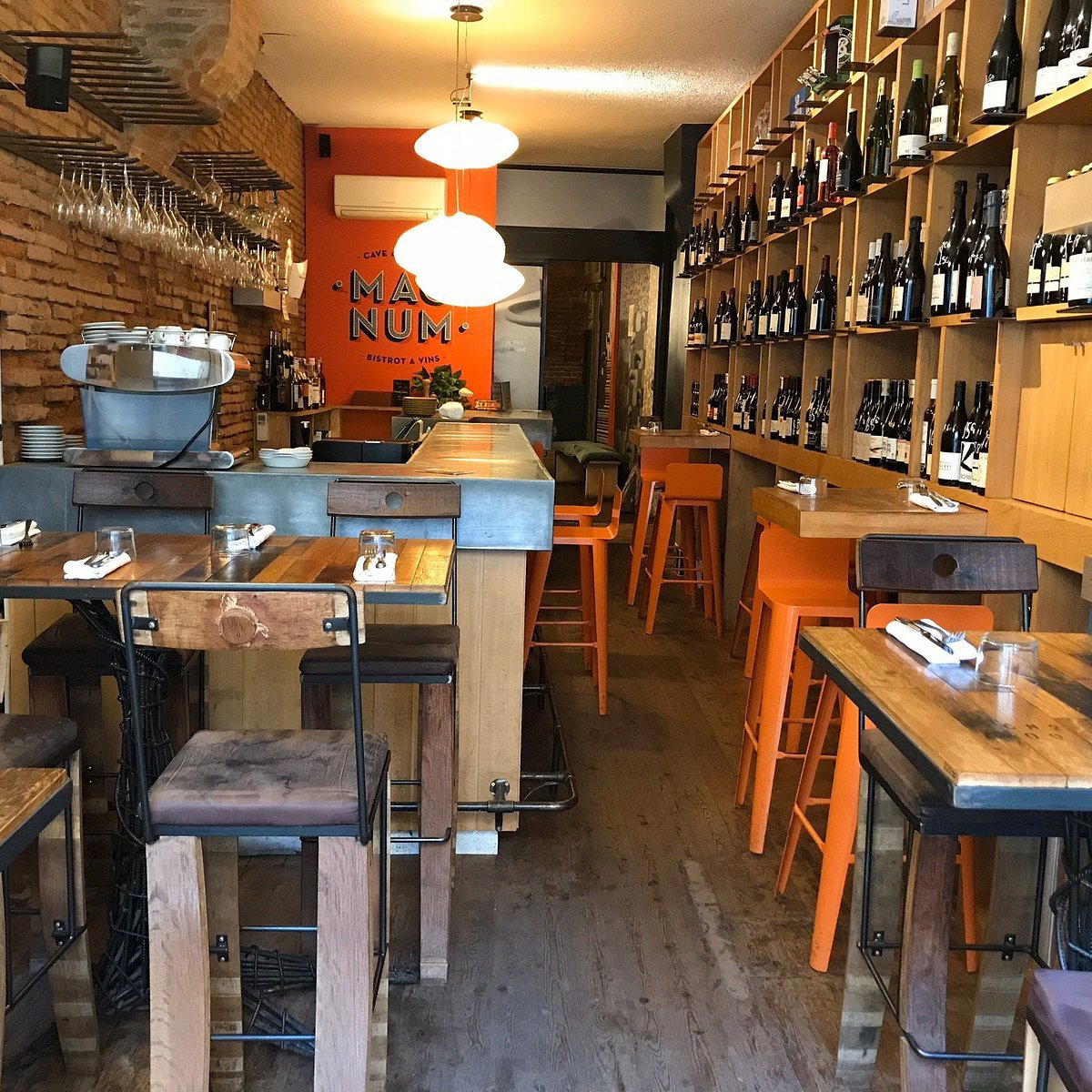
A Street in the Carmes Quarter That Rewards the Unhurried
Magnum is owned by Julian Pallaruelo, a Toulouse wine merchant and founder of Des Bouchons. A Maître Caviste and finalist in France’s Best Wine Merchant competition in 2024 and 2026, Pallaruelo took over the establishment more than a year ago. Magnum remains a wine bar and restaurant focused on artisan wines and seasonal food.
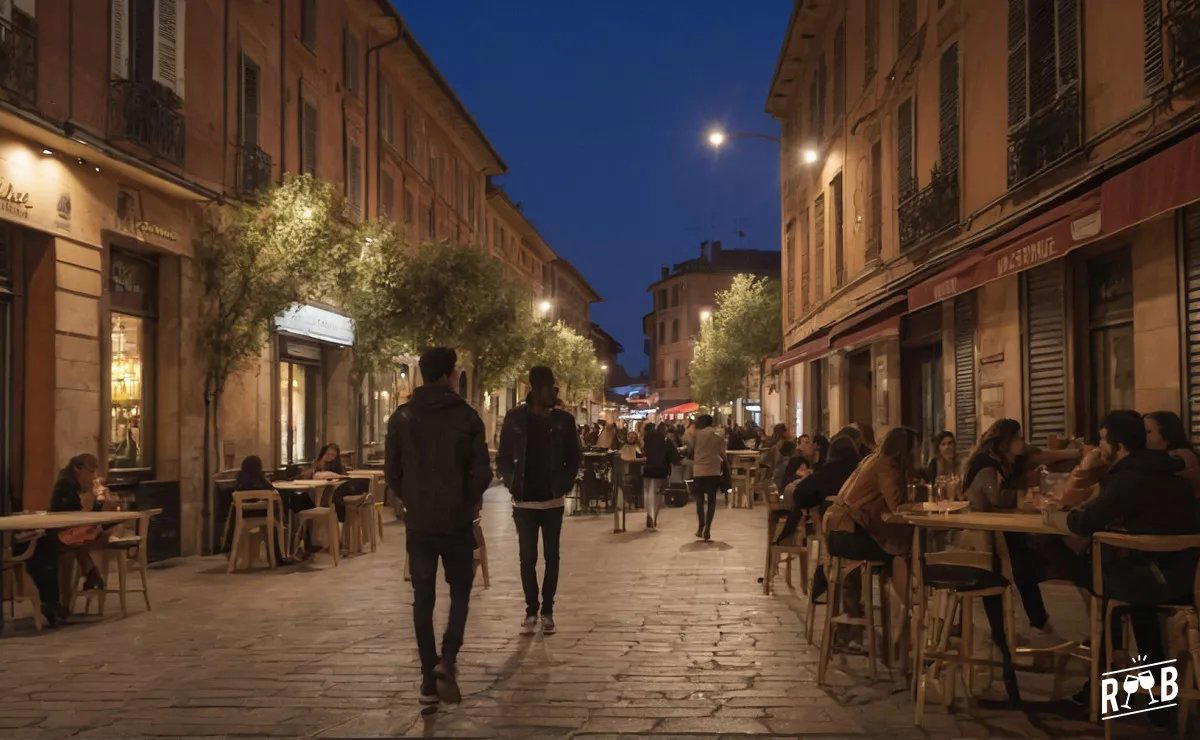
Rue Perchepinte runs through one of Toulouse's oldest and most textile-heavy neighbourhoods, the Carmes, where medieval tanneries and cloth merchants gave way over centuries to wine merchants, then to a denser weave of independent restaurants, natural wine bars, and the kind of address that locals keep close. Walking it in the early evening, the pink brick softens to something closer to copper in the fading light, and the street narrows enough that you hear the next table before you see the sign. MAGNUM, at number 5, arrives in that context: an address that belongs to the neighbourhood's rhythm before it announces itself as a destination.
In France's provincial restaurant culture, the name a wine vessel gives to a dining room is rarely accidental. The magnum format, twice a standard bottle, is associated with cellaring potential and table generosity, with the idea that a meal is worth extending. That framing matters in a city where Toulouse's serious restaurant tier has historically been overshadowed by the celebrity radius of nearby Michelin-decorated tables: the gastronomic weight of Michel Sarran, the technical ambition of Py-r, or the modern precision of Acte 2 Yannick Delpech. MAGNUM sits below that decorated tier but operates in the same city where those restaurants have trained diners to expect more than cassoulet conservatism.
The Ritual of the Table in Southwest France
Dining in Toulouse follows a pacing that most northern French cities have largely abandoned. The midday meal retains social weight here, and evening services tend to run long, with courses arriving at intervals that invite conversation rather than filling gaps. That tradition of the unhurried table is the context in which MAGNUM should be understood. In a neighbourhood where aperitivo culture bleeds into dinner and wine lists read as editorial statements, the act of sitting down for a full service carries more ceremonial weight than it does in a brasserie-heavy city.
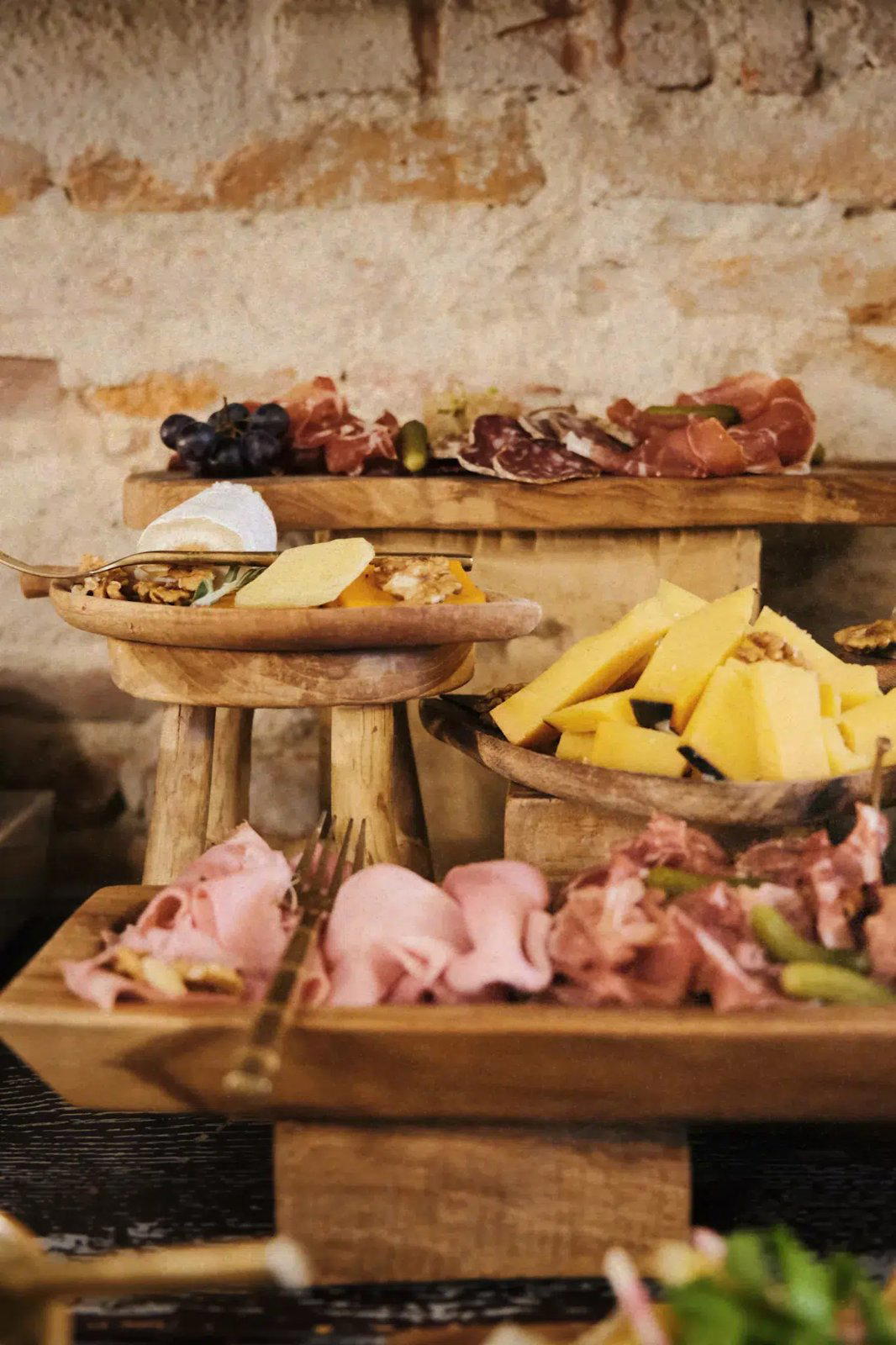
The southwest French table ritual typically anchors itself around a few structural commitments: a confident opening act of charcuterie or preserved product, a protein course that acknowledges the region's duck and lamb heritage, and a wine selection that tracks the Gascony and Languedoc appellations with some seriousness. Restaurants in the Carmes quarter have increasingly taken that template and tested its edges, incorporating influences from Spain's Basque border and from the Loire and Rhone styles that natural wine culture has reintroduced to younger kitchens. The Toulouse dining scene mapped by venues like SEPT and Agapes is one in which the meal-as-ritual is being updated without being discarded.
Where Magnum Fits the City's Middle Register
Toulouse's fine dining stratification is relatively clear. At the leading, Michelin-starred addresses compete on the same terms as their counterparts in Lyon or Bordeaux, and their wine programs often reference producers that appear on lists at Flocons de Sel in Megève or Mirazur in Menton. Below them sits a tier of independently operated rooms, often in the older quartiers, that maintain serious kitchens without the awards infrastructure. This is the tier that defines most diners' experience of a city's actual character.
MAGNUM's position at 5 Rue Perchepinte places it in that middle register, a part of the Toulouse restaurant ecosystem that is harder to read from the outside but more representative of how the city eats day to day. That register has its own internal hierarchy: the wine-led rooms that anchor the list as the menu's real narrative, the kitchen-led rooms where the glass selection is competent but secondary, and the increasingly common hybrid where both are taken seriously. Under Julian Pallaruelo, Magnum remains a wine bar and restaurant focused on artisan wines and seasonal food.
For reference, the formal upper tier of French regional dining, tables like Troisgros - Le Bois sans Feuilles in Ouches, Auberge de l'Ill in Illhaeusern, or Bras in Laguiole, sets a standard against which regional kitchens are increasingly assessed even if they do not court comparison directly. In Toulouse, the more relevant pressure points are local: the tested credibility of Michel Sarran and the design-forward ambitions of Py-r establish what a serious Toulouse meal looks like in the decorated bracket. MAGNUM plays a different game, but it plays it in full awareness of that context.
The Carmes as a Dining Quarter
The Carmes neighbourhood has emerged in the last decade as Toulouse's most coherent restaurant district for independent operators. Unlike the Saint-Cyprien area across the Garonne, which attracts a younger, more experimental crowd, or the Capitole surroundings, which run toward tourist-facing brasseries, the Carmes sustains a clientele of working professionals and serious food-interested locals who return regularly and book ahead. That repeat-visitor culture shapes how kitchens in this pocket operate: menus change frequently, wine selections rotate to hold regulars' attention, and the room typically knows its audience by the third visit.
Rue Perchepinte sits at the quieter end of that activity, which is part of its character. The street does not draw foot traffic the way the market square does on weekday mornings; it draws the kind of visitor who already has a destination in mind.
Planning a Visit
MAGNUM is located at 5 rue Perchepinte, 31000 Toulouse, France, in the Carmes quarter, a short walk from Carmes metro station. It is open Tuesday and Wednesday from 7:00 PM to 10:30 PM; Thursday, Friday and Saturday from 12:00 PM to 2:00 PM and 7:00 PM to 10:30 PM; and closed Sunday and Monday. Contact the restaurant at +33 5 62 17 95 48 or magnum.toulouse@gmail.com, and visit https://magnum-toulouse.com/ for current information.
Toulouse is best approached for dining between September and November, when the autumn market produce, including cep mushrooms, duck confit season, and the first serious red wine releases from Fronton and Cahors, aligns with the kitchen calendar. Spring, when lamb and asparagus anchor the southwest table, is the secondary peak. Summer in the city can be warm enough to shift focus toward terrace dining, though the Carmes streets hold heat less aggressively than the open squares near the Capitole.
How MAGNUM Toulouse compares with similar nearby venues.
| Venue | Cuisine | Price |
|---|---|---|
| Les Volets Rouges | Modern Cuisine | €€ |
Continue exploring
More in Toulouse
Restaurants in Toulouse
Browse all →
Bars in Toulouse
Browse all →
Hotels in Toulouse
Browse all →
Wineries in Toulouse
Browse all →

At a Glance
- Intimate
- Trendy
- Modern
- Cozy
- Casual Hangout
- After Work
- Group Dining
- Standalone
- Natural Wine
- Extensive Wine List
- Sommelier Led
- Natural Wine
- Local Sourcing
Current opening hours
- Monday
- Closed
- Tuesday
- Closed
- Wednesday
- 12–2 PM, 7–10:30 PM
- Thursday
- 12–2 PM, 7–10:30 PM
- Friday
- 12–2 PM, 7–10:30 PM
- Saturday
- 12–2 PM, 7–10:30 PM
- Sunday
- Closed
Hours can change for holidays and private events. Last verified .
Know Before You Go
- Owner
- Julian Pallaruelo
- Focus
- Artisan wines and seasonal food
- Phone
- +33 5 62 17 95 48
- magnum.toulouse@gmail.com
- Website
- https://magnum-toulouse.com/
- Getting there
- 5 rue Perchepinte, 31000 Toulouse, France