Madeleine
Our verdict
Madeleine sits in Marnach, a village in Luxembourg's Clerve valley where the Ardennes plateau shapes both the pace of life and the logic of local cooking. The address places it in the northern reaches of a country that has quietly developed one of Europe's most concentrated fine-dining scenes relative to its size. For travellers passing through the Our and Clerve river corridors, it anchors the area's dining options in Luxembourg's rural north.

Pearl is the En Primeur Club membership app — saves, bookings, and concierge access live there. Same editors, same standards.
The menu
What to order
- Homemade croquettes
- Sweet madeleines
- Savoury madeleines
Luxembourg's Rural North and the Sourcing Imperative
In the villages that thread through Luxembourg's northern Ardennes, the distance between kitchen and field is rarely more than a short drive. That geography is not incidental to how restaurants here operate. The Clerve valley, where Marnach sits at the junction of routes connecting Wiltz, Clervaux, and the Belgian border, has long functioned as agricultural land, its plateau farms producing game, dairy, and root vegetables that define the region's seasonal rhythms. Restaurants in this corridor do not have the supply-chain depth of the capital, which means the sourcing conversation is often simpler and more direct. What grows nearby, or what can be reliably brought in from across the border, determines what ends up on the plate.
This matters as context for understanding Madeleine at 2 Marbuergerstrooss in Marbourg-Maarnech. The address places it in a part of Luxembourg that attracts visitors following the river valleys and the Ardennes ridgelines rather than the financial district crowd that fills Luxembourg City's leading tables. A restaurant in this setting operates on different assumptions than a city venue. The sourcing radius is shorter. The clientele is more mixed, ranging from local families to cross-border travellers using the N7 corridor. The seasonal calendar is more visible in the menu because there is less infrastructure to obscure it.
Where Marnach Sits in Luxembourg's Dining Geography
Luxembourg's restaurant culture is more layered than its size suggests. The capital houses the country's highest-concentration fine-dining addresses, including properties at the level of Léa Linster and the creative formats documented in our full Marnach restaurants guide. Outside the capital, the dining scene fragments into two recognisable patterns. The Moselle wine corridor to the southeast, with addresses like Le Bistrot Gourmand in Remerschen and Domaine La Forêt in Remich, connects food to viticulture and cross-border tourism in a specific way. The northern Ardennes corridor is different: more land-oriented, less wine-driven, with a cooking logic tied to the seasons of the forest and the farm.
Marnach occupies a node on that northern route. Travellers coming from Clervaux or heading toward the Our valley pass through here. The village's scale means that a restaurant like Madeleine functions partly as a community anchor and partly as a stopping point for visitors, a dual role that shapes what a kitchen here needs to do well. Comparison venues in the wider northern region, such as Beim Bertchen in Wahlhausen and Der Napf in Wilwerdange, operate under similar geographic logic. The Ardennes corridor has its own dining character, distinct from both the capital's formality and the Moselle's wine-tourism framework.
The Sourcing Logic of Northern Luxembourg Kitchens
Across the Ardennes plateau, the dominant sourcing pattern for kitchens of any ambition runs along predictable lines. Game from the surrounding forests, most visibly venison and wild boar, anchors autumn and winter menus. Dairy products, particularly butter and fresh cheeses, come from farms on the Belgian and Luxembourgish sides of the border. River fish, where sourced locally, reflect the Our and Clerve systems. Spring brings asparagus and young greens from small producers. The seasonal arc is compressed and legible in a way that capital-city restaurants, with access to global supply chains, rarely need to follow as closely.
This sourcing framework is not purely romantic. It is also practical. Northern Luxembourg kitchens that rely on proximity sourcing operate with shorter delivery chains and more direct relationships with producers, which affects both ingredient quality at its peak and menu flexibility when supply changes. The approach places these venues closer to the organic and land-first cooking philosophy seen at addresses like Archibald De Prince elsewhere in Luxembourg, even when the format is more casual. For travellers who follow ingredient provenance as a marker of kitchen intent, the Ardennes corridor offers a more direct version of that story than the capital's more cosmopolitan supply lines.
Atmosphere and the Marnach Setting
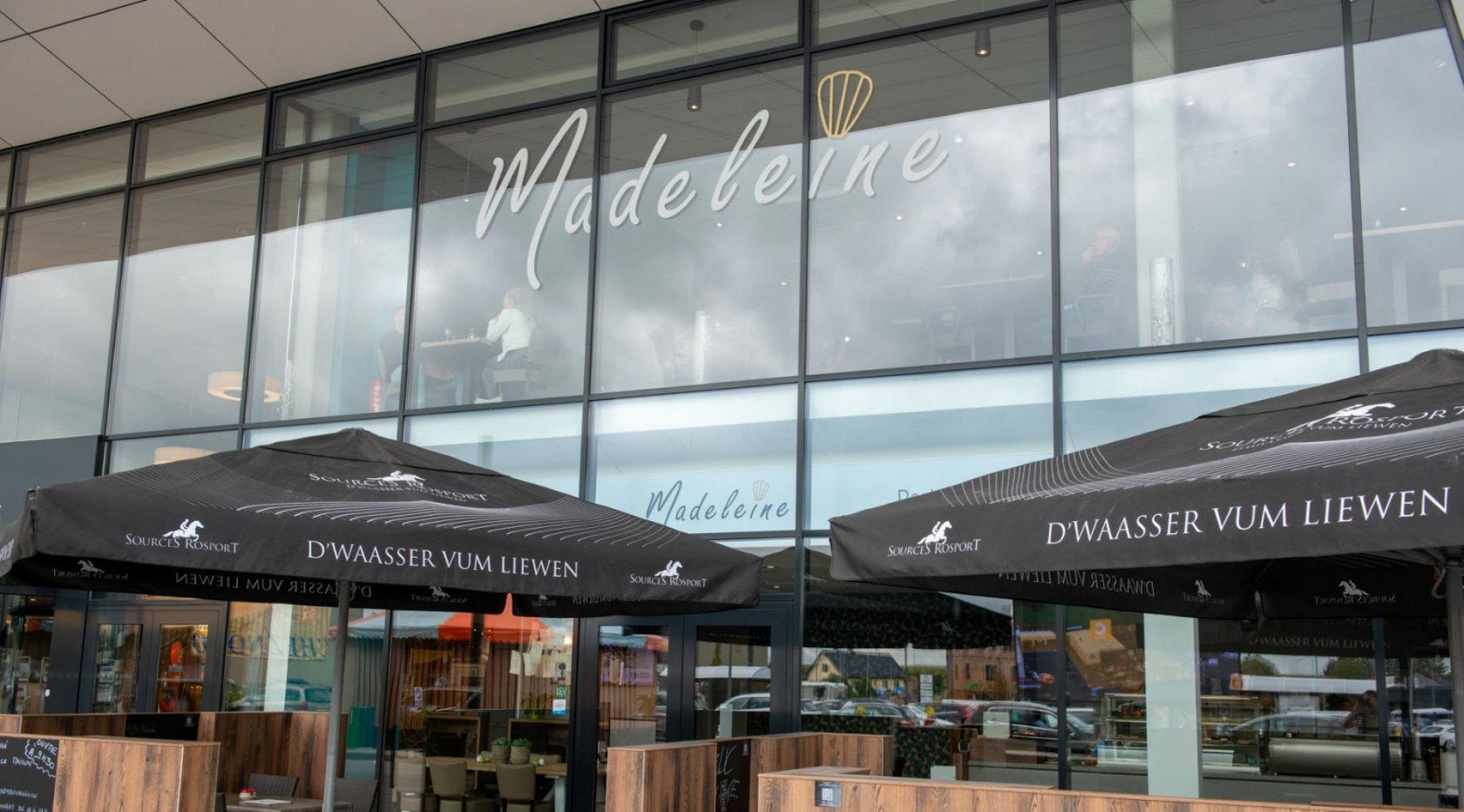
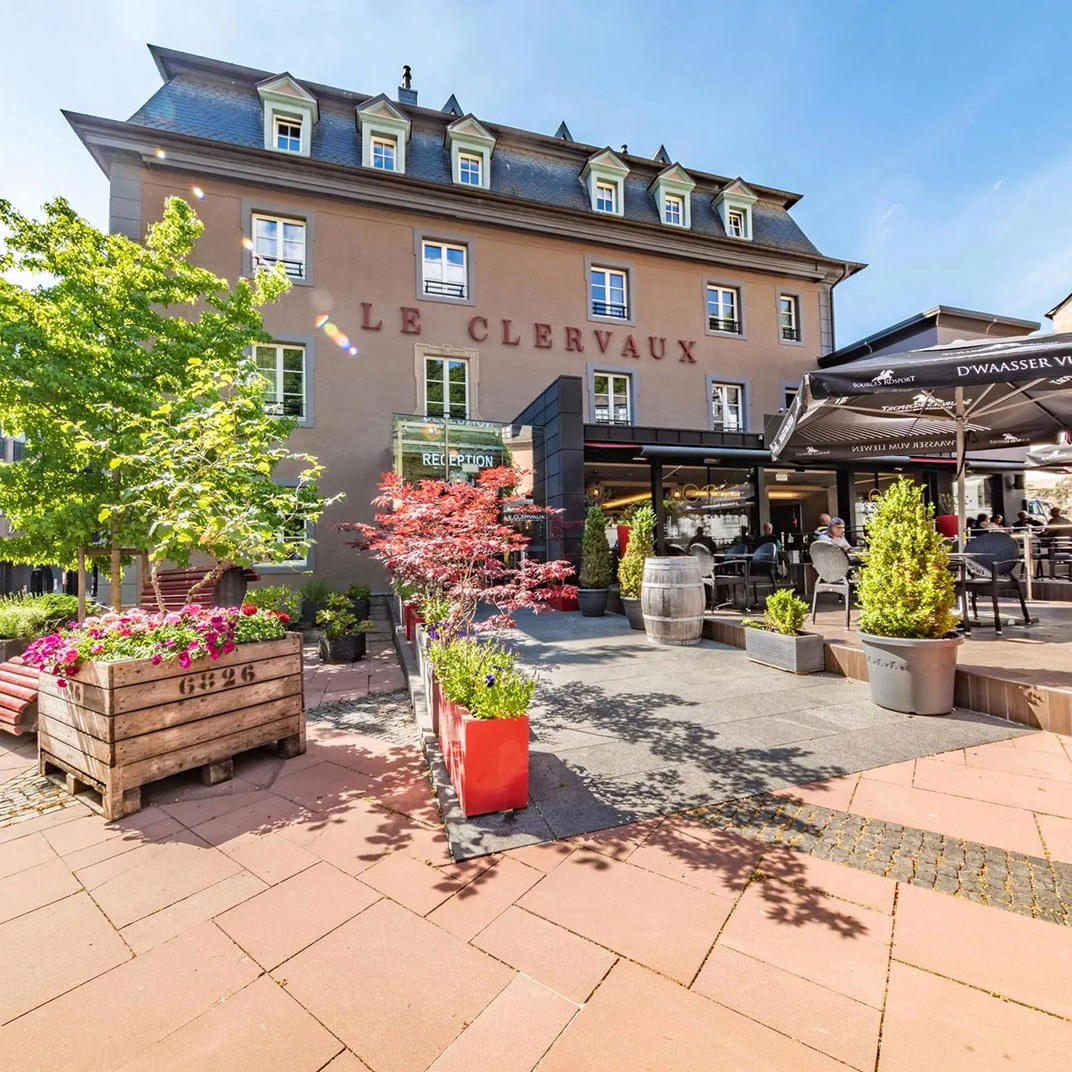
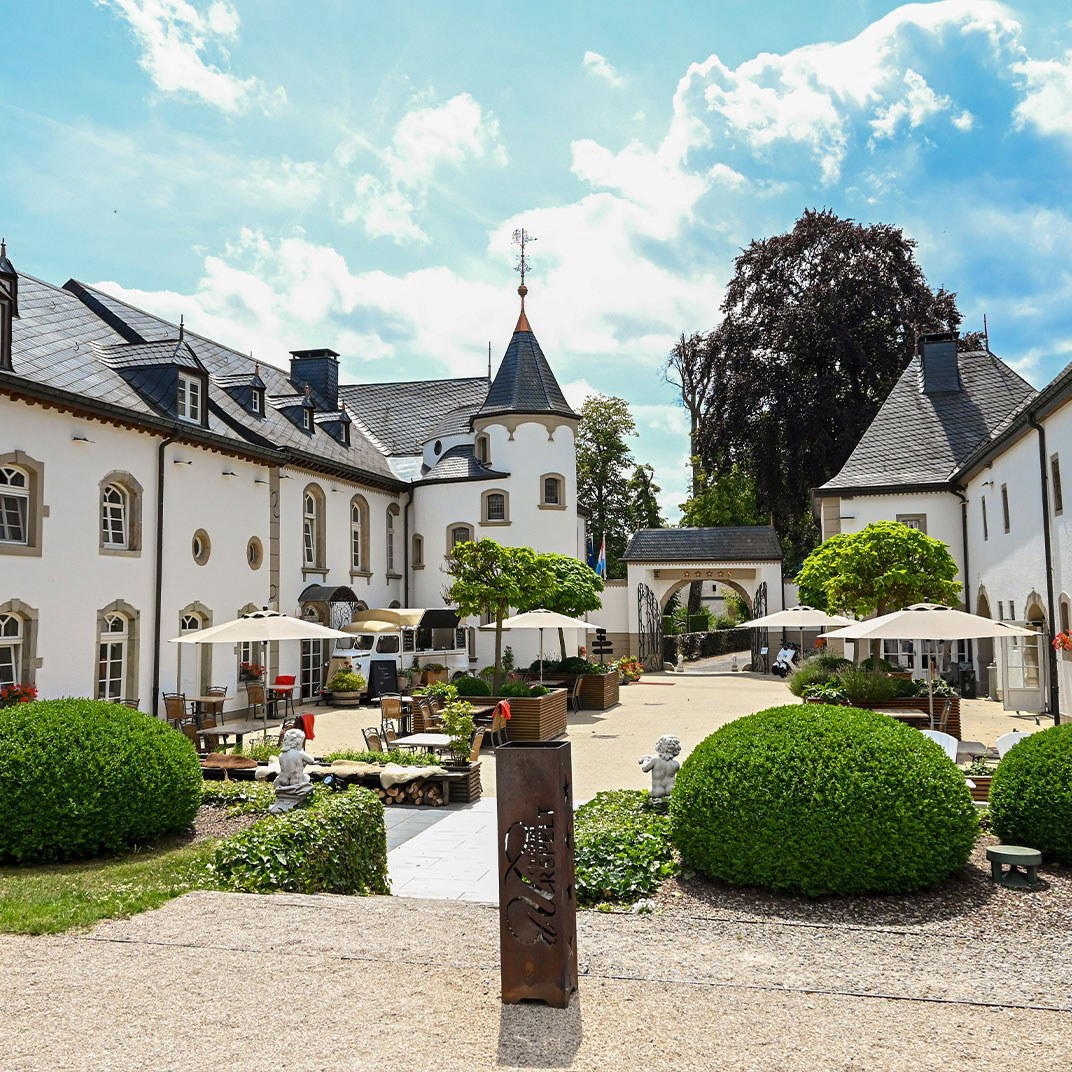
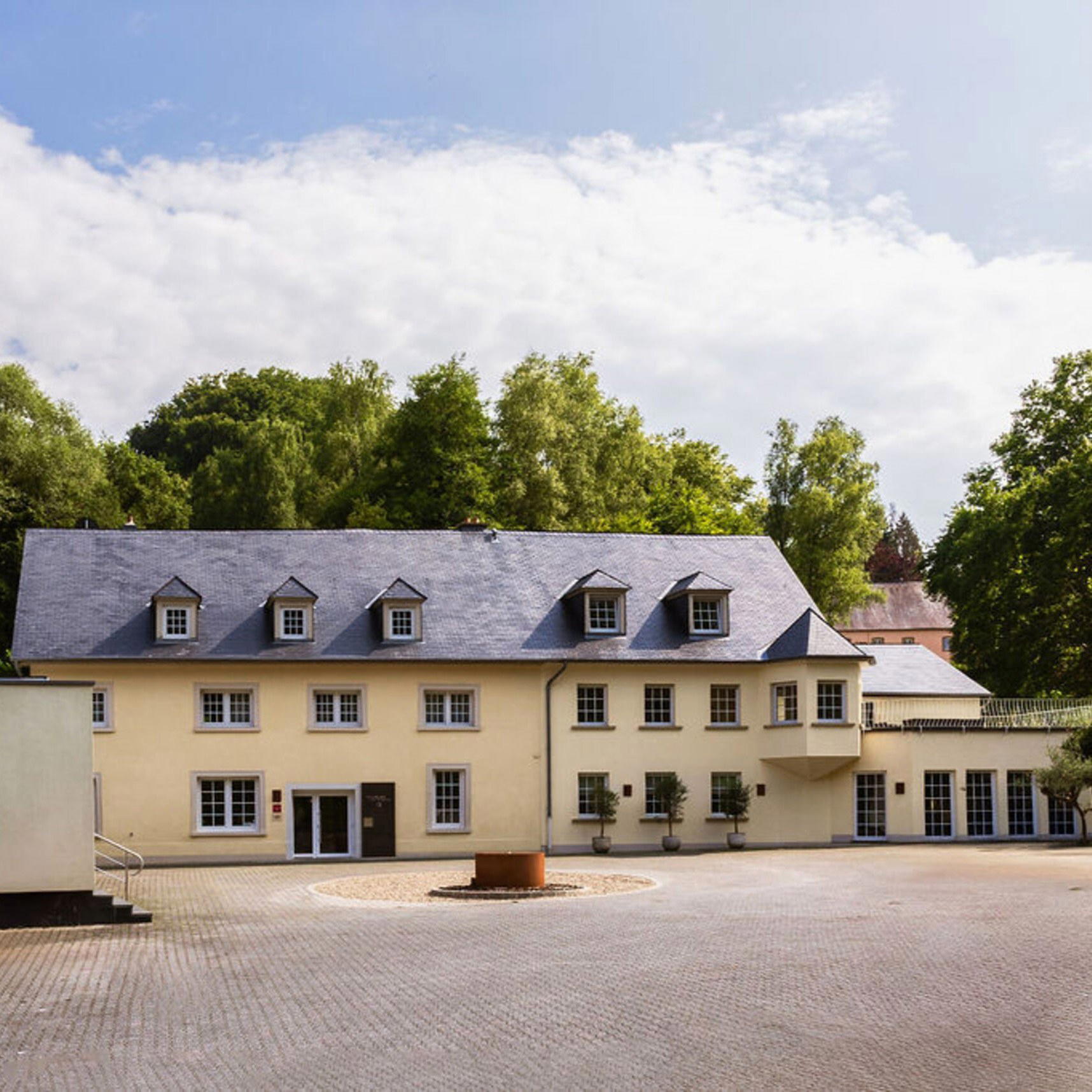
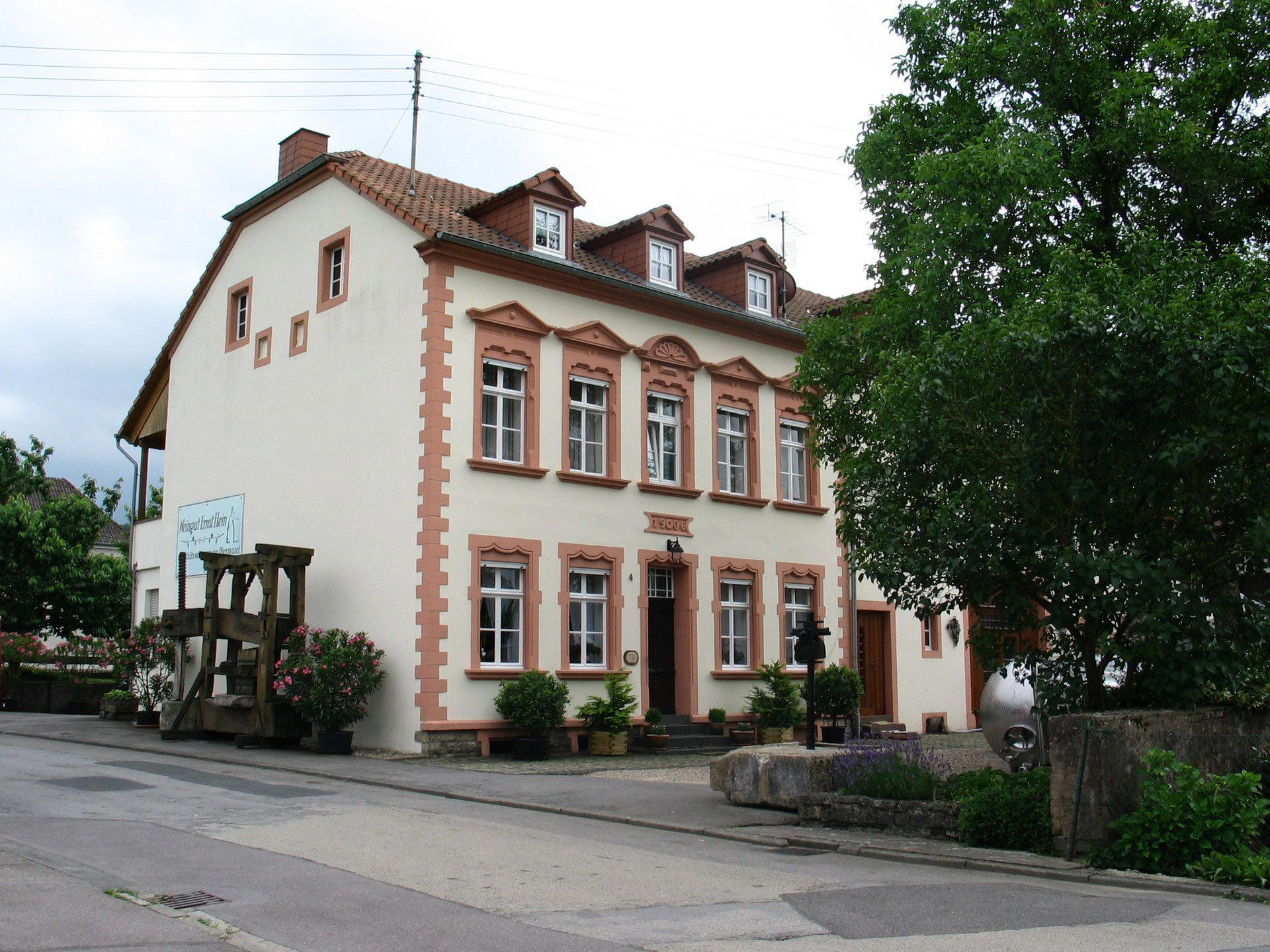
Approaching Marnach from the Clervaux direction, the village announces itself through the standard markers of northern Luxembourg: stone-faced buildings, a road that follows the valley contour, agricultural land visible on the ridgelines. The Marbuergerstrooss address places Madeleine within the village's built fabric rather than on its periphery, which gives it the character of a place embedded in its community rather than positioned for passing traffic alone. In northern Ardennes villages of this scale, the interior of a restaurant of this type typically reads warmer than its exterior, with the domestic scale of the architecture giving way to a room that functions as both neighbourhood gathering point and traveller destination.
The atmosphere in venues like this across the northern corridor tends toward the convivial rather than the formal. It is a register that suits the region's visitor profile: walkers and cyclists following the river routes, families on weekend drives, and locals who treat the place as an extension of ordinary life rather than an occasion. That informality does not preclude serious cooking; some of the most ingredient-focused kitchens in rural Europe operate in rooms that look nothing like a Michelin-starred dining room.
Planning a Visit
Marnach is most accessible by car, which is the default mode of travel across rural northern Luxembourg. The village sits on routes connecting Clervaux, approximately seven kilometres to the west, with the Our valley to the east. For visitors combining a meal here with time in the broader Ardennes region, the northern Luxembourg circuit pairs well with nearby addresses: Beim Schlass in Wiltz is another rural northern option worth considering for a multi-day itinerary. Booking ahead is advisable for any rural Luxembourg restaurant, particularly at weekends, when local and visitor demand converges. Contact details and current hours are not published in verified form at time of writing; direct verification with the venue is recommended before travel.
For those building a broader Luxembourg dining itinerary, the contrast between northern Ardennes kitchens and the capital's more formal scene is worth experiencing. The capital's top tier, represented by addresses at the level of Kore in Steinfort, B13 in Bertrange, and Beefbar Smets in Strassen, operates on different premises than the northern villages. Each has its place in a country whose dining geography rewards travellers who move through it rather than treating the capital as its only destination. Further afield, options like Victoria vum Berdorfer Eck in Berdorf and La table du curé in Lasauvage extend the rural Luxembourg dining map in different directions.
Frequently asked questions
Does Madeleine work for a family meal?
Marnach is a small northern Luxembourg village, and restaurants in settings like this typically draw a local, mixed-age clientele rather than a strictly adult fine-dining crowd. That said, the suitability for children depends on the specific format and hours of service, which are worth confirming directly before booking. The address at 2 Marbuergerstrooss places it within easy reach for families driving through the Clervaux corridor.
What is the atmosphere like at Madeleine?
Marnach sits in the stone-village character of Luxembourg's northern Ardennes, and restaurants here tend to reflect that setting: quieter, closer to the land, and less performative than the capital's dining rooms. Arriving from the Clervaux direction, the village reads as a working rural community rather than a tourist destination, which shapes the register of any meal taken there. Expect a pace and tone that fits the surrounding plateau rather than city-centre energy.
Is Madeleine in Marnach worth a detour from Clervaux?
Marnach sits on the routes connecting Clervaux to the wider northern Ardennes, making it a natural stop rather than a significant deviation for anyone already travelling that corridor. The village is under ten kilometres from Clervaux by road, so the case for stopping is logistical as much as culinary. For travellers exploring Luxembourg's rural north by car, Marnach is on the way rather than out of it.
What do regulars order at Madeleine?
The sourcing patterns common to ambitious northern Luxembourg kitchens run toward Ardennes game, regional produce from the plateau, and preparations that follow the season rather than a fixed year-round menu. In this part of Luxembourg, the answer changes with the forest and the farms nearby.
Where exactly is Madeleine?
Madeleine is located at 2 Marbuergerstrooss, 9764 Marbourg Maarnech Klierf, Luxembourg, Marnach.
Fast Comparison
| Venue | Cuisine | Price | Awards | Notes |
|---|---|---|---|---|
| MadeleineThis venue — the venue you are viewing | French, Italian & Luxembourgish Specialties | Not listed | Not listed | Not listed |
| Ma Langue Sourit | Modern French Fine Dining | $150–200 | 2 Michelin Stars · La Liste Top Restaurants | Contemporary French, Modern Cuisine |
| Léa Linster | Modern French Fine Dining | $150–200 | 2 Michelin Stars · La Liste Top Restaurants | Modern French |
| Apdikt | French Contemporary Fine Dining | $150–200 | 1 Michelin Star · We're Smart World 2 Radishes | Creative |
| Archibald De Prince | Creative French Fine Dining | $100–150 | 1 Michelin Star · We're Smart World 4 Radishes | Organic |
| Fani | Modern Italian Fine Dining | $50–100 | 1 Michelin Star · We're Smart World 4 Radishes | Italian |
Continue exploring
More in Marnach
Restaurants in Marnach
All restaurants in Marnach →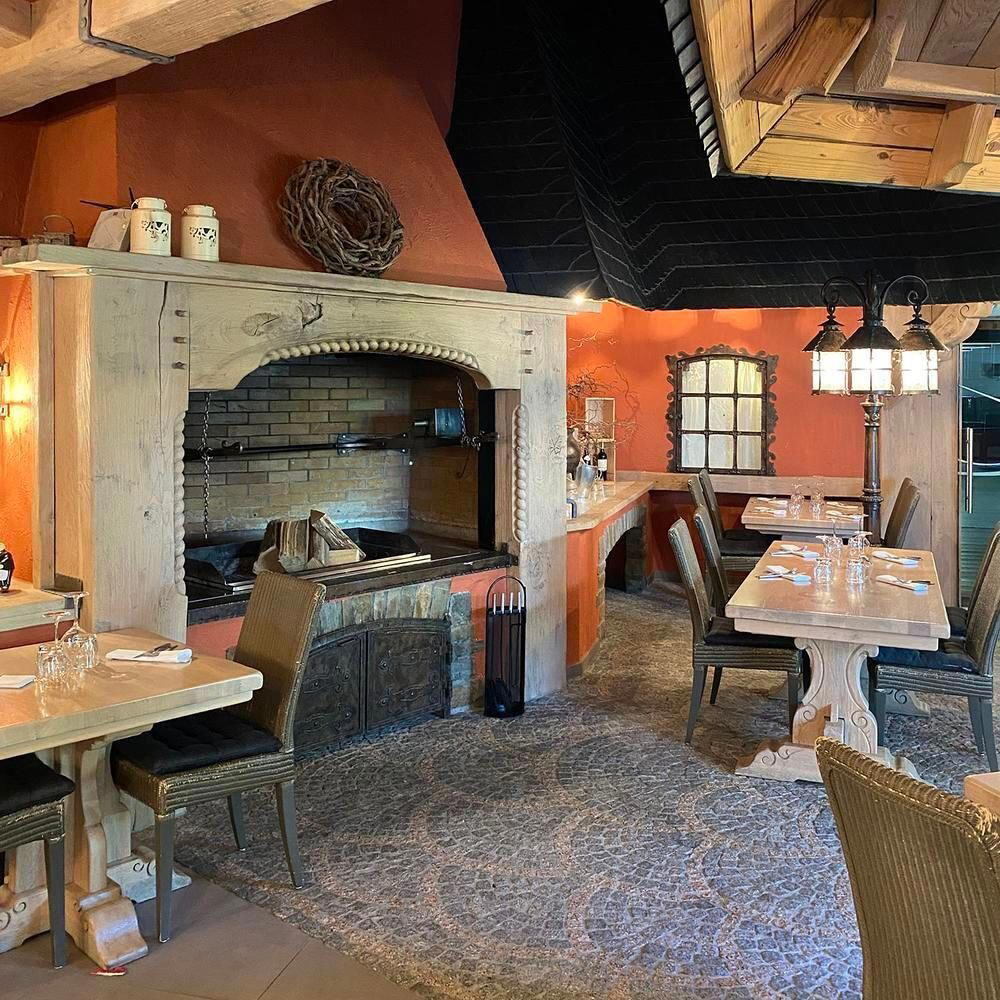
Bars in Marnach
Browse all →
Details
- Scenic
- Cozy
- Classic
- Business Dinner
- Date Night
- Casual Hangout
- Panoramic View
- Standalone
- Local Sourcing
- Mountain
- A La Carte
- Tasting Menu
Current opening hours
- Monday
- 12–2 PM
- Tuesday
- 12–2 PM
- Wednesday
- 12–2 PM
- Thursday
- 12–2 PM
- Friday
- 12–2 PM
- Saturday
- Closed
- Sunday
- 12–2 PM
Hours can change for holidays and private events. Last verified .
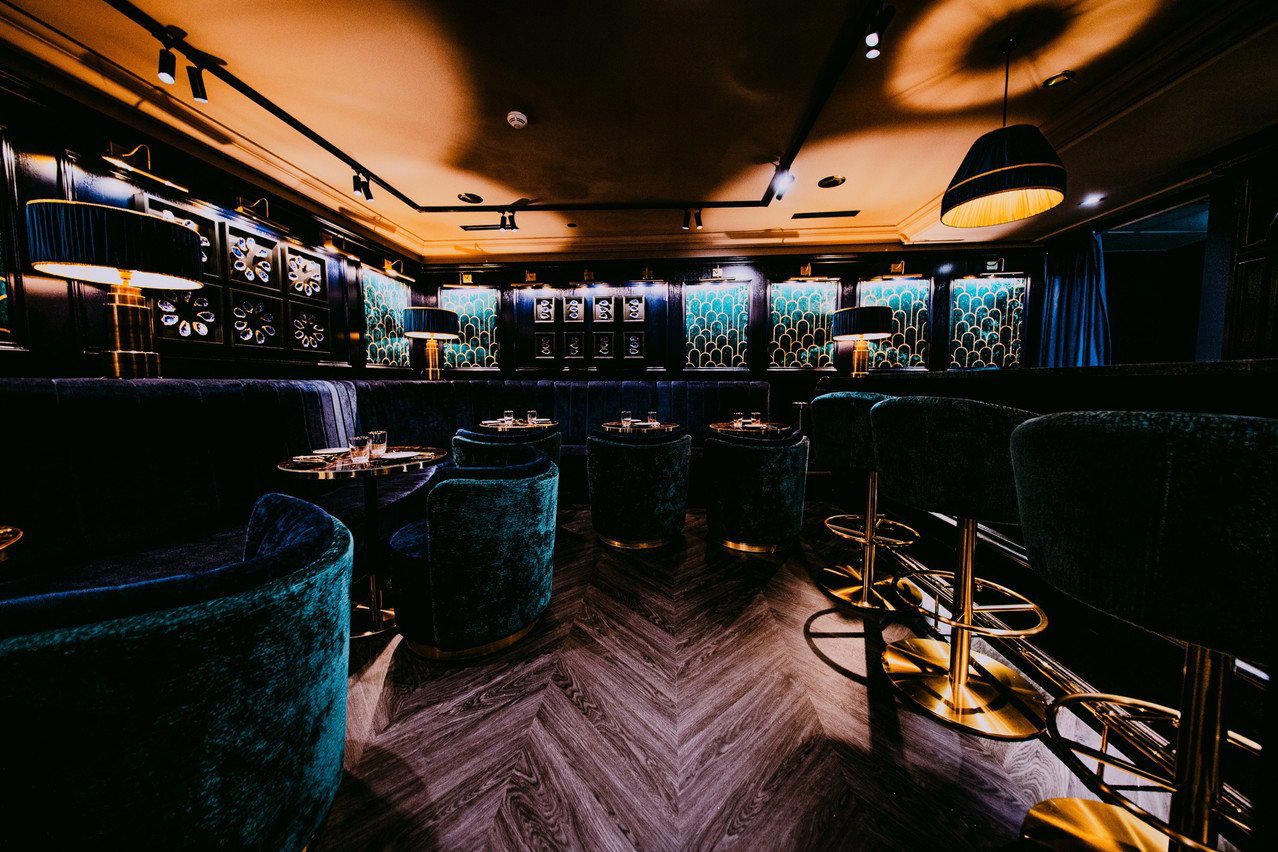
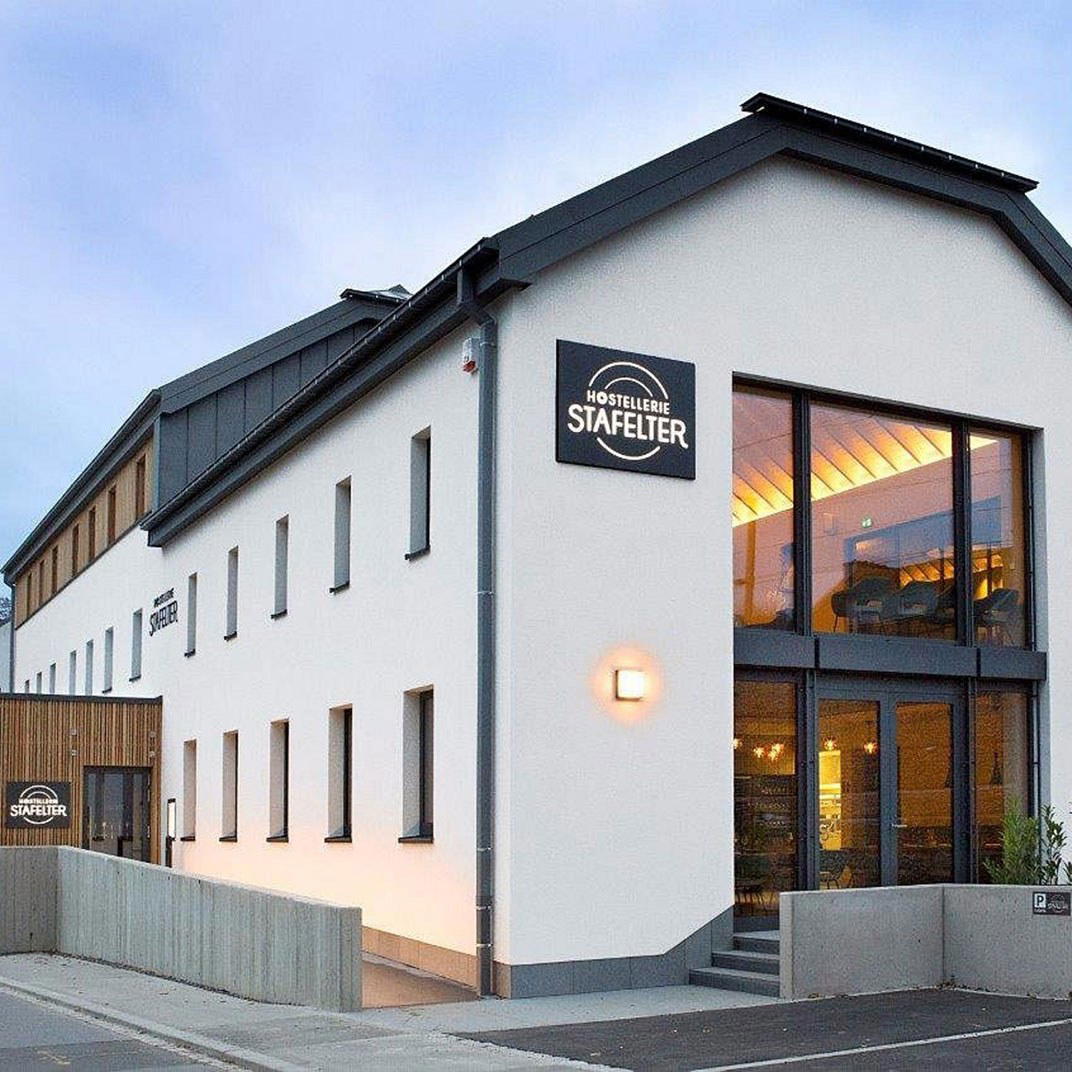
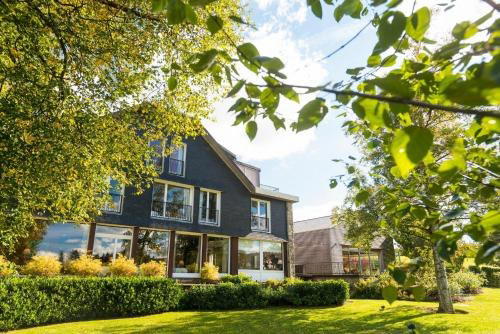
Described as having a distinctive atmosphere across two floors, with a calm, conversational setting and scenic views of Marnach and the surrounding Éislek landscape.