
Falstaff Winery - Listed
A small fourth-generation Mosel estate in Temmels, Weingut Ernst Hein is strongest when read through farming continuity rather than hospitality theatre. Certified organic production, Elbling, Riesling, Spätburgunder, still wines, sparkling wines, and Crémant make it a low-key address for travelers interested in the working side of German wine culture.

Pearl is the En Primeur Club membership app — saves, bookings, and concierge access live there. Same editors, same standards.
- Address
- Temmels, Moselle, Rhineland-Palatinate, Deutschland
- Directions
- Get directions
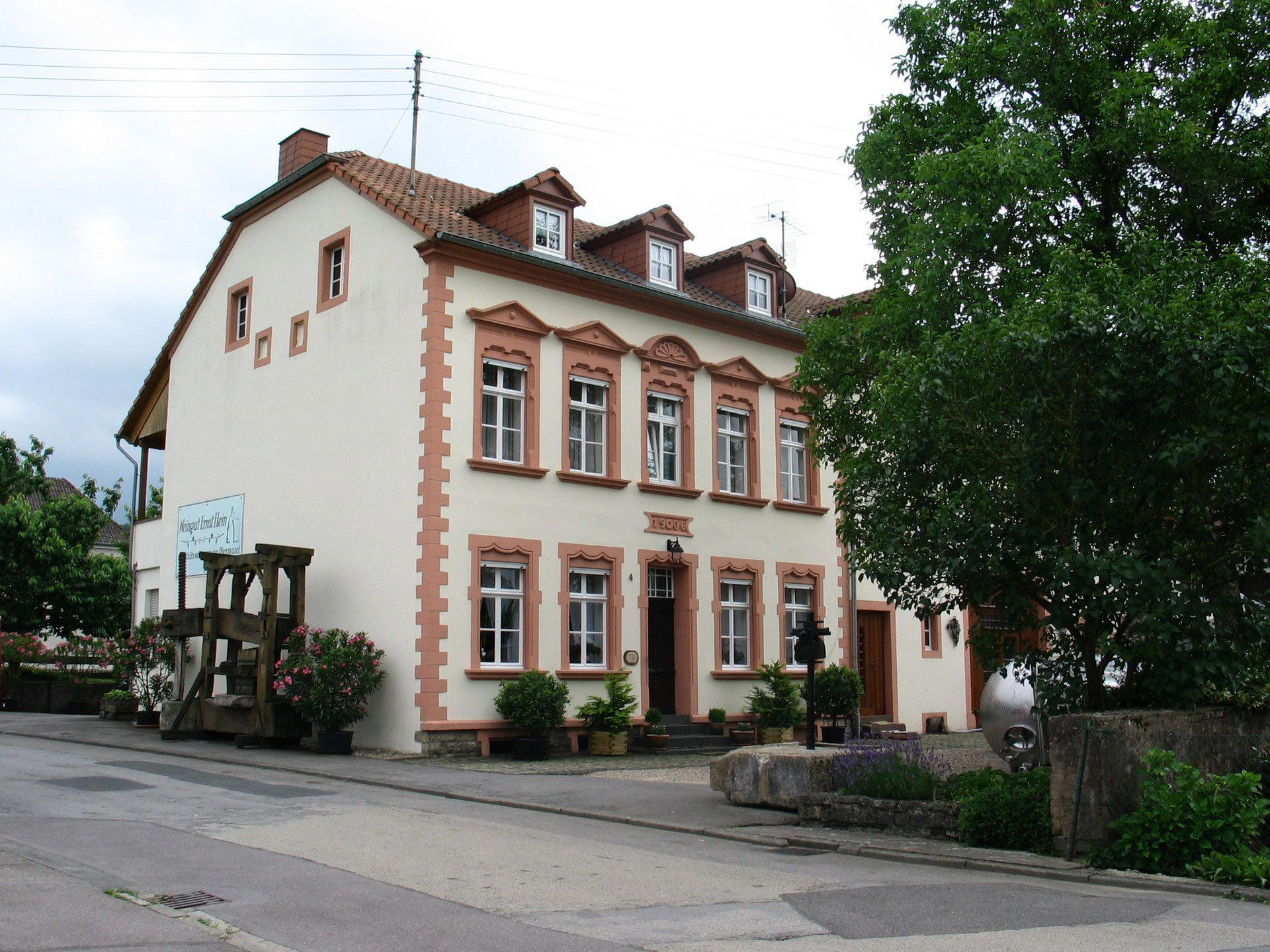
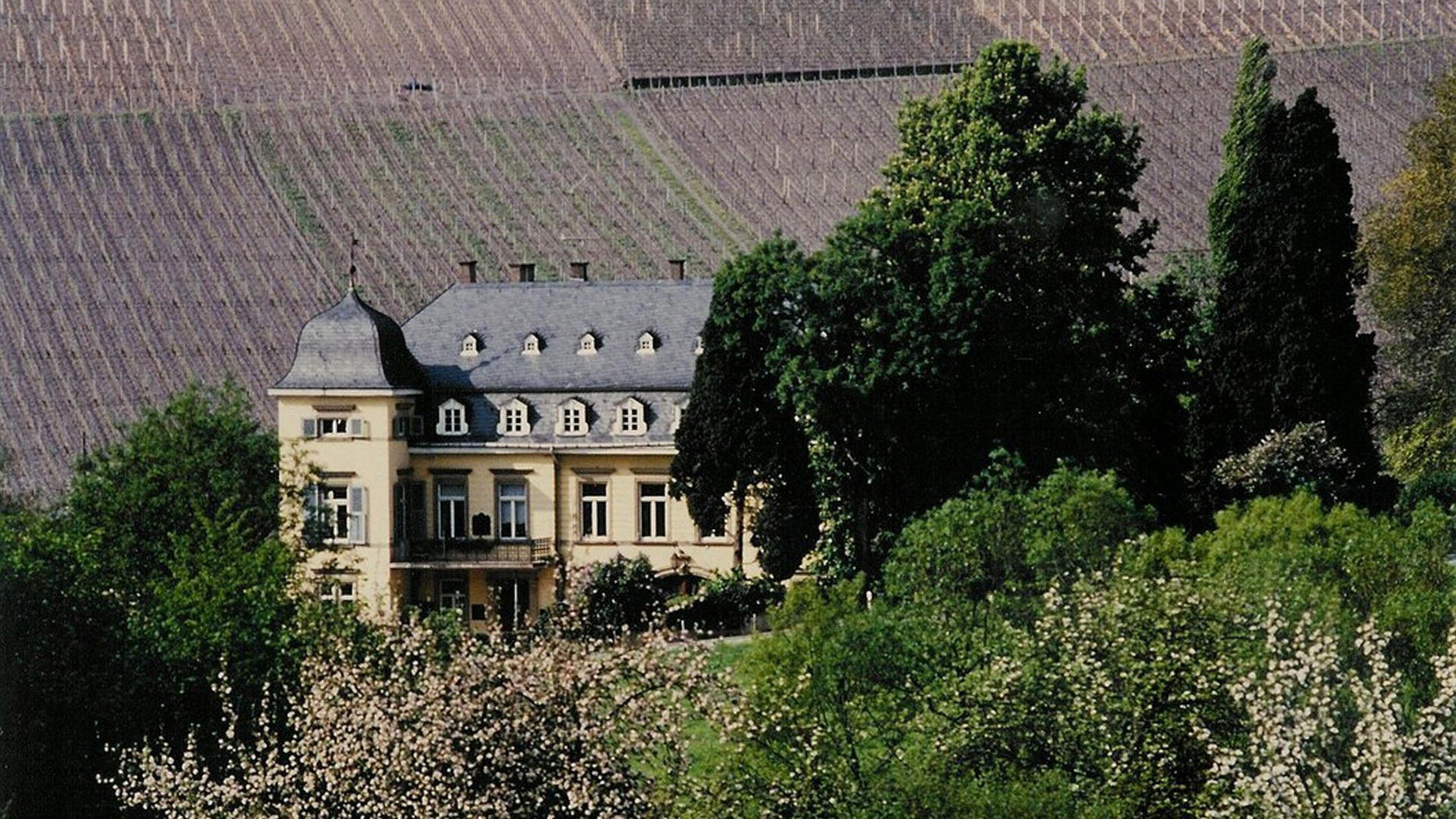
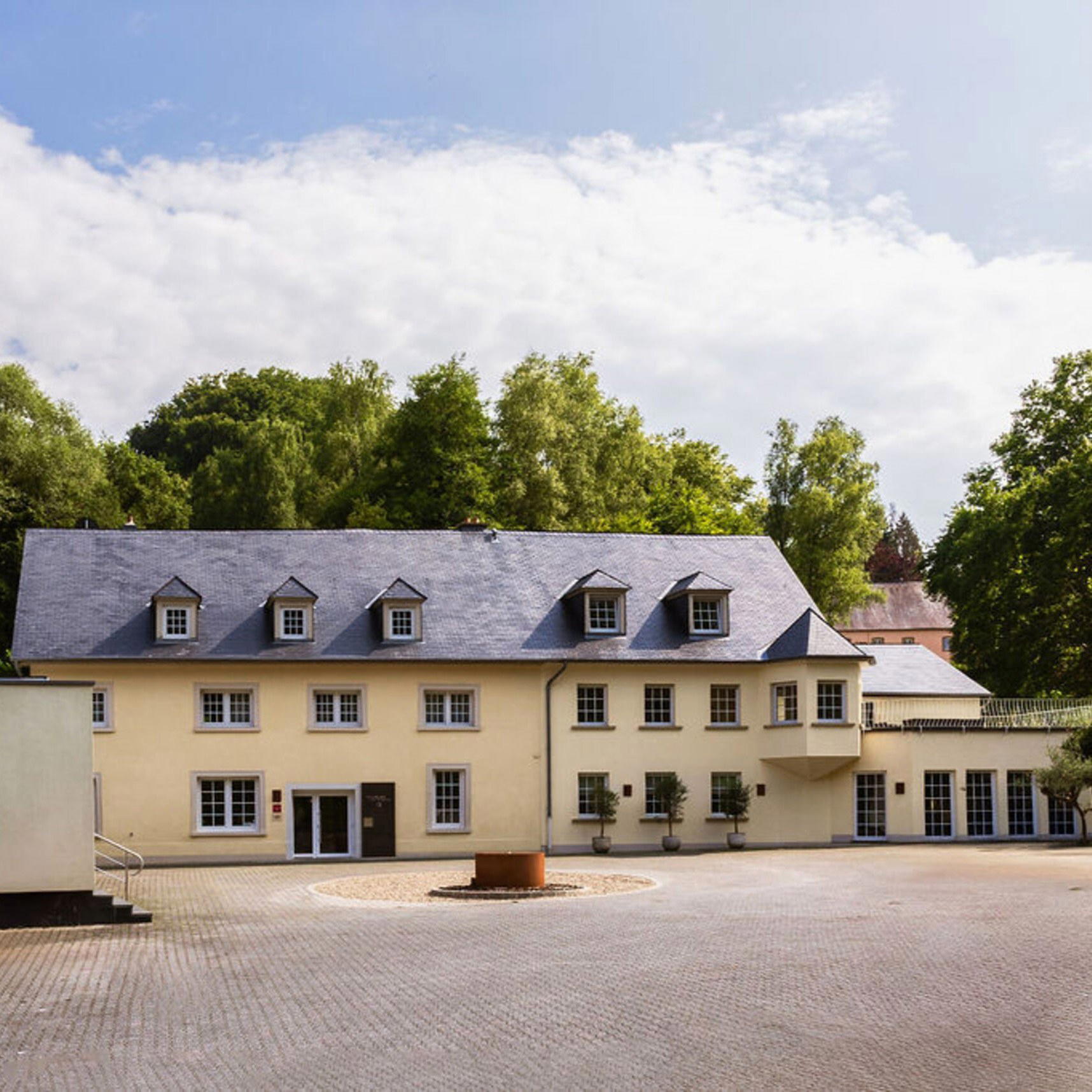
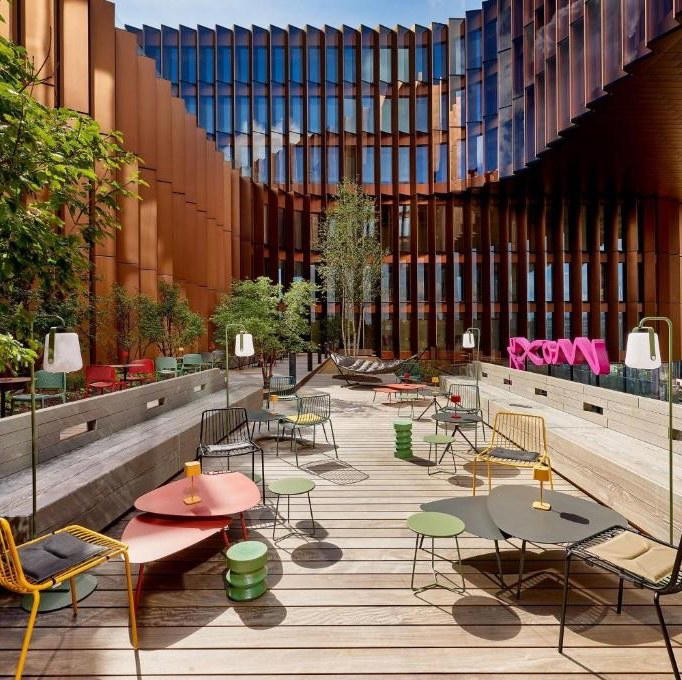
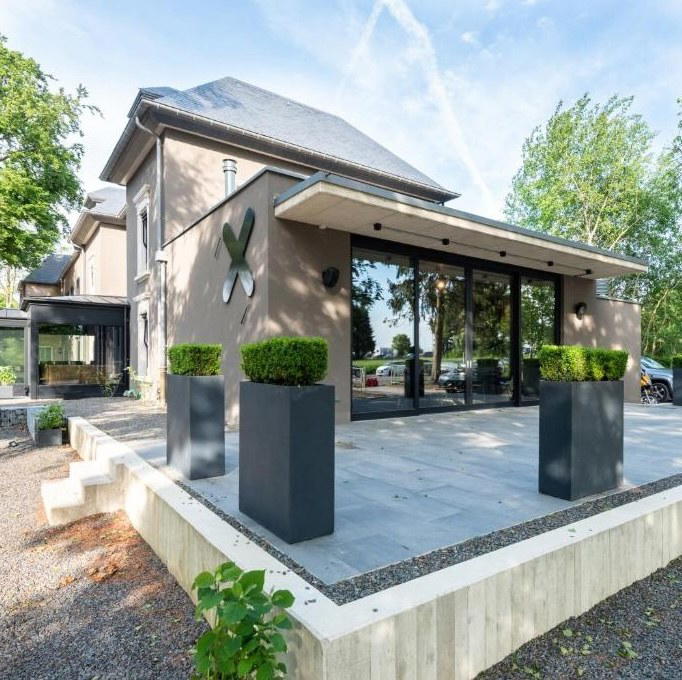
Temmels wine country does not need spectacle to make its point. For Weingut Ernst Hein, the picture is deliberately simple: a family-run organic winery with a traditional, working-estate atmosphere. The focus is on wines, sparkling wines, and Crémant, so the most reliable way to understand the venue is as a quiet agricultural address rather than as a polished hospitality concept built around elaborate extras.
That restraint is important. The available facts do not support a detailed claim about grape varieties, founding dates, named winemakers, tasting formats, awards, seat counts, or a food program. What is confirmed is still enough to set expectations: this is a cozy, rustic, classic winery in Temmels, with a refined but agricultural feel and a price level listed as $$.
Temmels, organic farming, and the winery's quieter register
The sharper editorial point here is terroir as labor rather than scenery. Weingut Ernst Hein is described as a family-run organic winery, which places the emphasis on farming, cellar work, and the rhythm of a working estate. The right expectation is not a grand resort-style wine destination. It is a traditional estate atmosphere where the wines, sparkling wines, and Crémant are the center of attention.
There is no confirmed public detail here about specific grape varieties, vintage ranges, production volume, cellar techniques, or named staff. The useful takeaway is broader and more dependable: the venue presents itself through organic winery identity, family operation, and a quiet rural character rather than through a large hospitality script.
Sparkling wine and Crémant do deserve mention because they are part of the confirmed focus. That does not mean the page should invent a technical method, a cellar program, or a tasting structure. It simply means that visitors interested in a winery where sparkling styles sit alongside wines have a clear reason to look closely at Weingut Ernst Hein. The appeal is grounded in the estate’s stated focus, not in claims about awards or production credentials.
What the portfolio says before the glass is poured
The confirmed portfolio language is broad: wines, sparkling wines, and Crémant. That breadth gives the estate more range than a single-category stop, while still keeping the description honest. Without detail on grapes, cuvées, sweetness levels, vintages, or bottle prices, the best approach is to treat the range as a general winery offering rather than a catalog of specific styles.
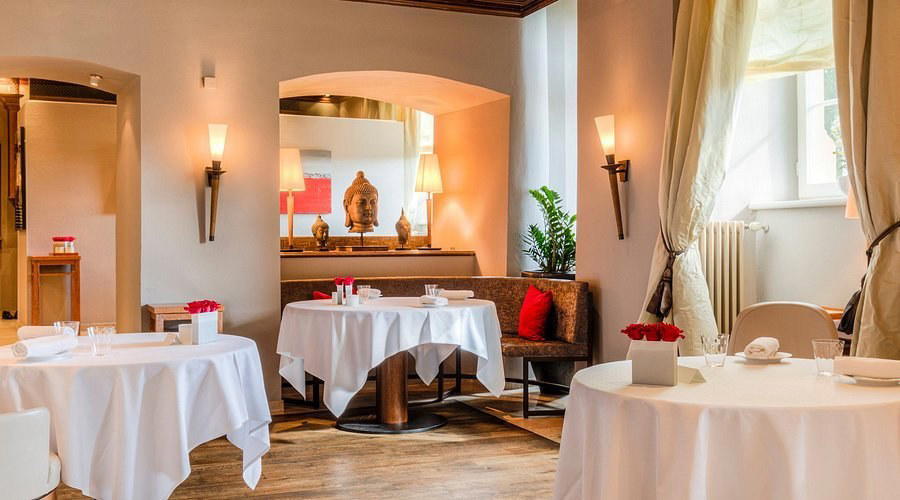
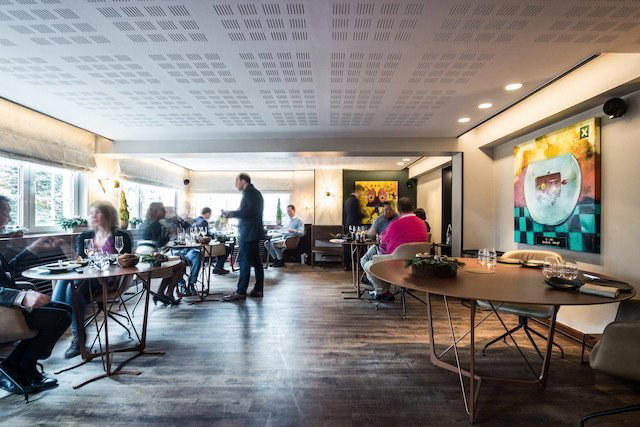
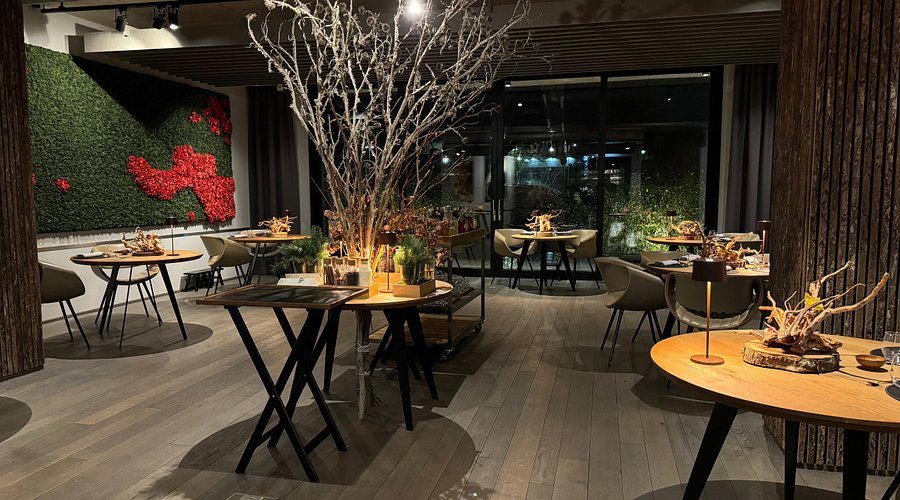
The setting also shapes the likely mood. Weingut Ernst Hein is best described as quiet, classic, cozy, rustic, and somewhat hidden-gem in character. Those descriptors point toward a traditional working-estate visit rather than a loud or high-design venue. For travelers who prefer a low-key wine stop, that can be the main attraction.
Dress-code guidance follows the same logic. There is no need to frame the estate as formal, but it is not described as a purely casual bar either. A refined but agricultural setting suggests practical, neat clothing that fits a winery environment. The emphasis should remain on comfort, respect for the working-estate context, and the fact that this is a family-run organic producer rather than a nightclub or fine-dining room.
How to place it in a Temmels wine itinerary
A smart itinerary treats it as a focused winery stop: go in with interest in organic production, family-run estate culture, wines, sparkling wines, and Crémant. Avoid building plans around unsupported assumptions such as lunch service, a restaurant component, a fixed tasting menu, or a guaranteed appointment format unless those details are confirmed directly before visiting.
For broader planning in town, keep the comparison generic. Other dining or drinking options in Temmels may help round out a trip, but they should not be used to define this estate. Weingut Ernst Hein’s own identity is clear enough: a quiet, rustic, classic winery setting with a working agricultural feel and a $$ price level.
The editorial reason to pay attention is restraint. Many venue pages try to turn a winery into a fully documented experience with named grapes, scores, historic dates, service rituals, and award language. What remains is a more modest but useful profile: Weingut Ernst Hein in Temmels is a family-run organic winery focused on wines, sparkling wines, and Crémant, with a cozy, hidden-gem atmosphere that suits travelers who value a traditional estate setting.
Recognition history
Dated appearances from independent guides and award organizations, with the underlying list record or original source where available.
Falstaff Winery - Listed
Falstaff
Continue exploring
More in Temmels
Wineries in Temmels
Browse all →
Bars in Temmels
Browse all →
Restaurants in Temmels
Browse all →


Details
- Quiet
- Classic
- Cozy
- Rustic
- Wine Education
- Solo Exploration
- Special Occasion
- Historic Building
- Private Tasting
- Organic
- Vineyard
- Elbling
- Riesling
- Spätburgunder
- Still White
- Still Red
- Sparkling
- Private Tasting
A family-run organic winery with a traditional, working-estate atmosphere; the focus on wines, sparkling wines, and Crémant suggests a refined but agricultural setting.