
Machado is a rustic Maia address built around northern Portuguese comfort cooking, generous portions and a house speciality of vitela assada ao estilo de Lafões. The appeal is not tasting-menu theatre, but the older village-restaurant grammar: separate dining rooms, simple service, local detail on the walls and plates designed to leave nobody hungry.
Pearl is the En Primeur Club membership app — saves, bookings, and concierge access live there. Same editors, same standards.
- Address
- Rua Doutor António José de Almeida 467, Maia, Porto, 4475-456, PRT
- Phone
- +351 22 941 0839
- Website
- guide.michelin.com
- Directions
- Get directions
 Saves & bookings on Pearl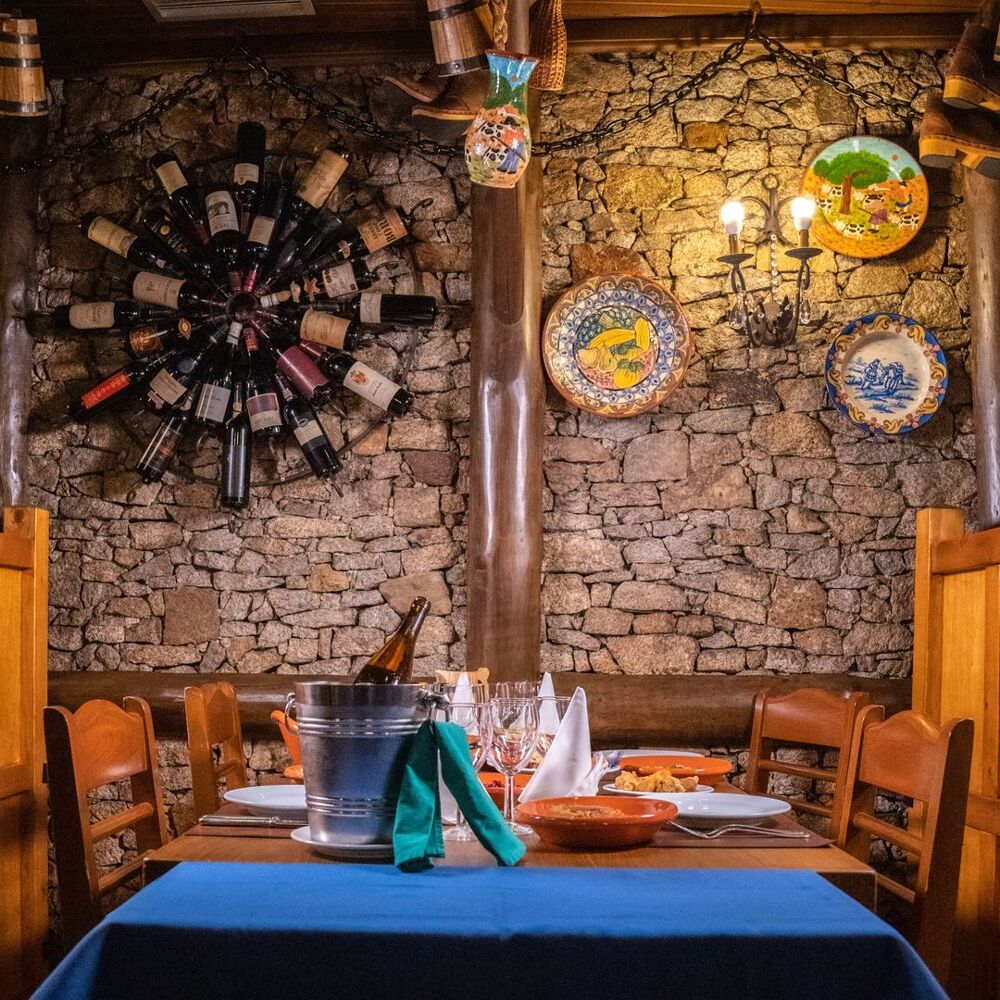
The first signal at Machado is architectural rather than culinary: an old house in a small village near Maia, divided into several independent rooms with a similar rustic setup. That format matters in northern Portugal. It places the meal closer to the family-lunch tradition than to the polished city dining room, with simple table service, typical objects on the walls and a rhythm built around abundance rather than choreography.
Maia sits just outside Porto’s denser restaurant circuit, and its more convincing dining rooms often work from a different playbook: less tasting-menu compression, more reliance on dishes that travel through households, festas and regional Sunday tables. Machado fits that pattern. The cooking is described in terms of quantity, quality, traditional touch and home-style flavour, which is a specific promise in this part of the country. It means the kitchen is judged less by novelty than by whether familiar dishes arrive with enough generosity and clarity to justify the trip.
Roast veal and the northern Portuguese logic of abundance
The dish that defines the address is vitela assada ao estilo de Lafões, roast veal in the Lafões style. Lafões, associated with the interior north between the Dão and Vouga worlds, carries a reputation for veal cookery built on slow roasting, soft texture and the comfort of a table set for sharing. Without needing a long menu narrative, that single speciality explains the restaurant’s centre of gravity: meat, heat, patience and portions sized for appetite rather than sampling.
This is where ingredient sourcing becomes more than a fashionable claim. In Portuguese regional restaurants, the credibility of a dish such as roast veal depends on animal quality, seasoning restraint and kitchen timing. The point is not to disguise the ingredient. The point is to make a familiar cut feel complete: browned, tender, served with the kind of sides and sauces that turn a plate into a meal. Machado’s public reputation leans heavily on the assurance that diners do not leave hungry, an old-fashioned metric but a useful one for this category.
For travellers using Maia as more than an airport-adjacent stop, that matters. The city is not selling the same proposition as central Porto’s more design-forward dining rooms. It rewards diners who understand that some of the region’s strongest food culture lives in restaurants where the room is modest, the service is direct and the kitchen’s confidence comes from repetition. For a nearby Maia comparison, Restaurante O Fernando gives another local reference point, while our full Maia restaurants guide maps the broader category.
A rustic room, not a performance room
The old-house setting gives the meal a practical advantage: separate rooms soften the scale. Rather than one large dining hall, the experience is broken into smaller spaces with similar rustic mounting. That suits the cooking. Roast veal, generous portions and home-style flavour need a room where conversation can stretch and plates can sit in the centre of the table without feeling out of place.
Portugal’s premium dining conversation has moved sharply toward chef-led tasting formats in Lisbon, Porto and the Algarve, but the counterweight remains powerful: regional restaurants that preserve a grammar of plenty. The comparison is useful, not hierarchical. A diner looking at 100 Maneiras in Lisbon, 1638 Restaurant & Wine Bar in Porto or 1638 Restaurant by Nacho Manzano in Vila Nova de Gaia is reading a different kind of Portuguese restaurant language from the one spoken in a village house near Maia. Machado belongs to the latter camp: older, heavier, more rural in its cues.
That does not make it casual in the careless sense. Restaurants built around regional abundance are often unforgiving to inconsistency because the dishes are so legible. There is little room to hide behind plating or concept. If the veal is the draw, then sourcing, roasting and portioning carry the entire argument. The restaurant’s stated strength, generous traditional cooking with assured quantity and quality, is exactly the standard by which it should be judged.
How to place it in a Portugal itinerary
Machado is a sharper choice for diners who want the Porto region’s domestic food culture rather than another urban tasting menu. It belongs in an itinerary that also makes room for regional addresses across the country: 16Legoas in Peso da Régua for Douro context, 3 Pipos in Tonda for inland cooking, A Carvalheira in Ponte de Lima for Minho reference points, and A Bolota in Terrugem for another view of Portuguese regional dining.
The wider Portuguese map is useful because it shows how varied the country’s restaurant identity remains. Seafood-led southern dining at 2 Passos in Almancil or A Costa in Porches sits far from the roast-meat logic of Maia. Northern city dining at 34 in Guimaraes offers another register again. Even non-Portuguese references such as Jōdo Saké Bar in Los Angeles and Onigiri Time in Pasadena underline the distinction: Machado is not about compact specialization or bar-format precision, but the durability of a regional table.
For planning around Maia, the useful move is to treat the meal as a full lunch or dinner rather than a quick stop. The address sits in the Maia area, outside Porto’s central restaurant cluster, so the value is strongest when the itinerary already points north of the city or toward the municipality. Travellers building a wider stay can pair the restaurant research with our full Maia hotels guide, our full Maia bars guide, our full Maia wineries guide and our full Maia experiences guide.
How It Stacks Up
Comparable venues by cuisine and price in the same metro.
| Venue | Cuisine | Price | Awards |
|---|---|---|---|
| Machado | Tanto a quantidade como a qualidade estão asseguradas neste restaurante, instalado numa casa antiga, numa pequena aldeia perto da Maia. Conta com várias salas independentes, mas de montagem semelhante, todas com um ar rústico, com um serviço de mesa simples e inúmeros pormenores típicos pendurados nas paredes. Aqui é absolutamente impossível sair com fome, uma vez que oferecem um menu de toque tradicional e sabor caseiro com porções generosas. Não duvide em experimentar a vitela assada ao estilo de Lafões, a grande especialidade da casa! | This venue | Not listed |
| O Paparico | Portugese | Portugese | Not listed |
| Gastro by Elemento | Contemporary | €€€ | Contemporary, €€€ |
Recognition history
Dated appearances from independent guides and award organizations, with the underlying list record or original source where available.
Michelin Bib Gourmand
Michelin
Continue exploring
More in Maia
Restaurants in Maia
Browse all →
Bars in Maia
Browse all →
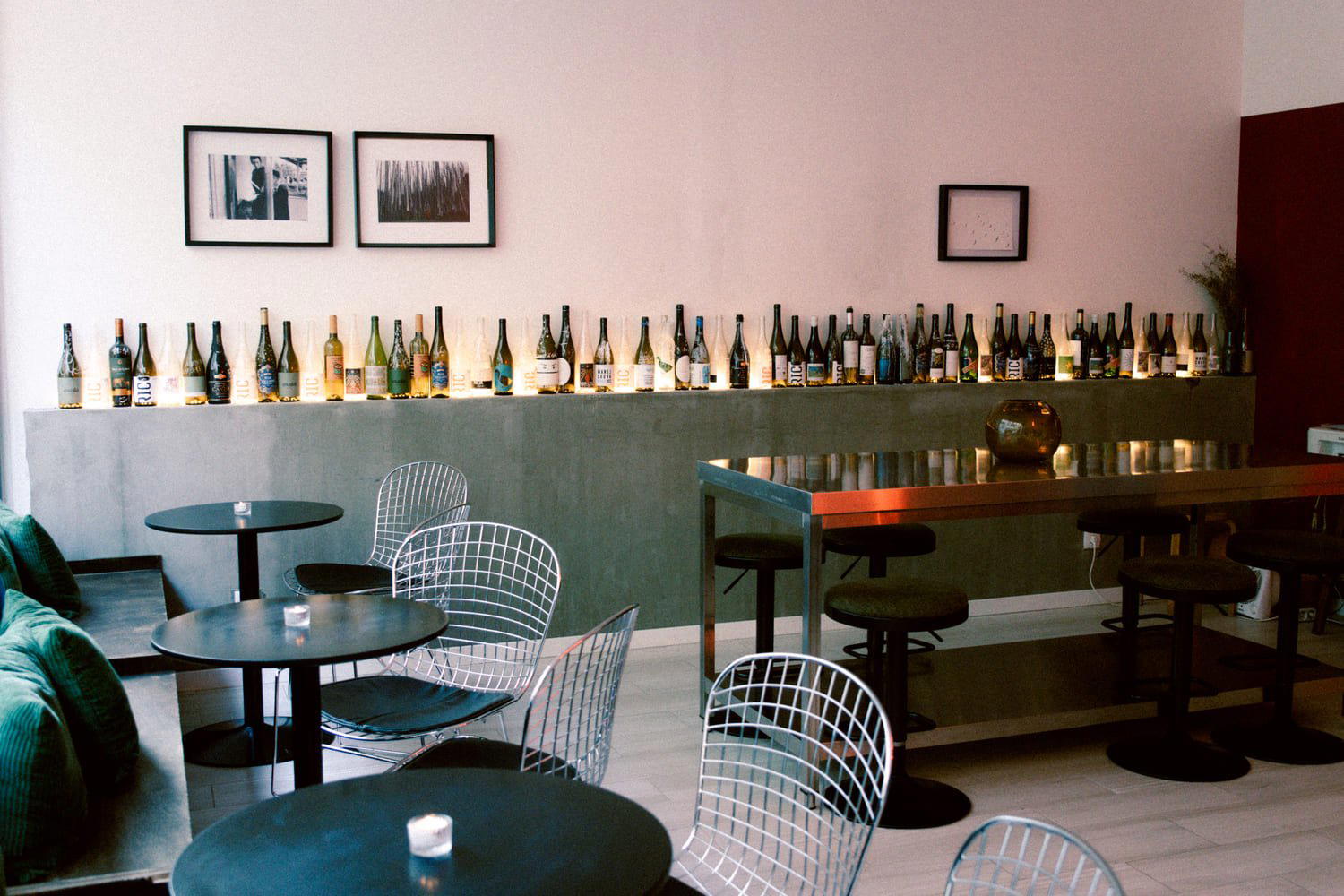
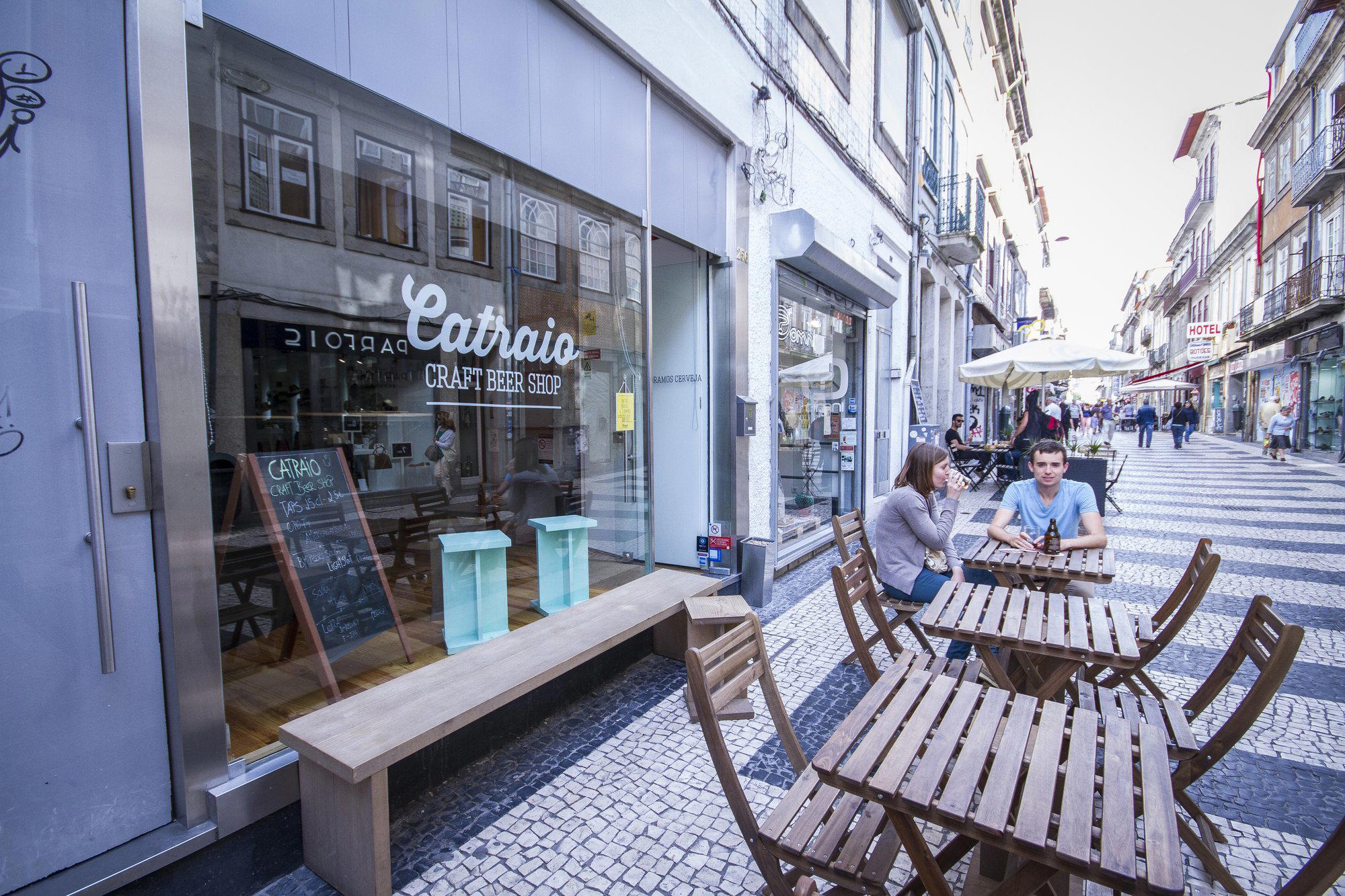

Hotels in Maia
Browse all →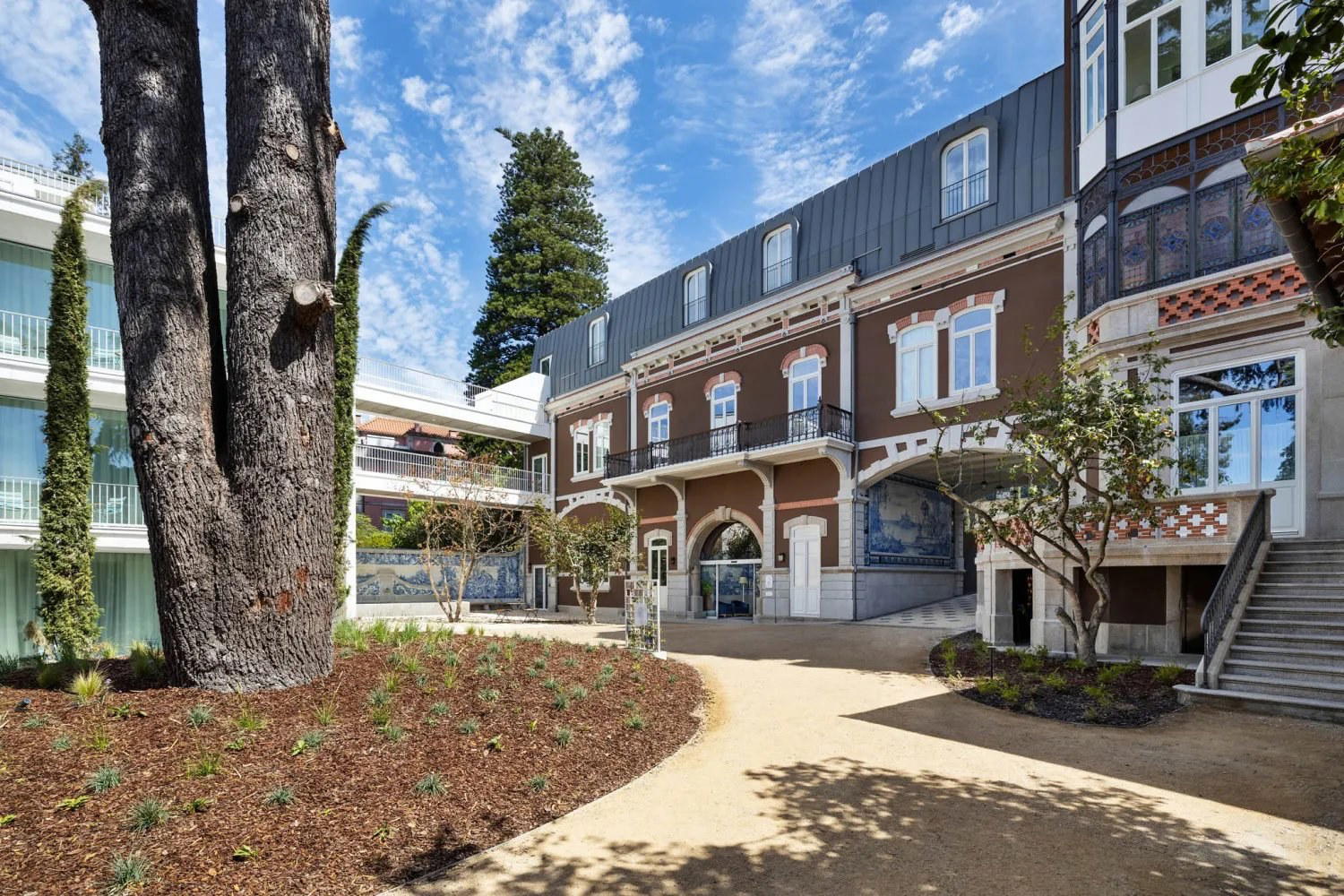
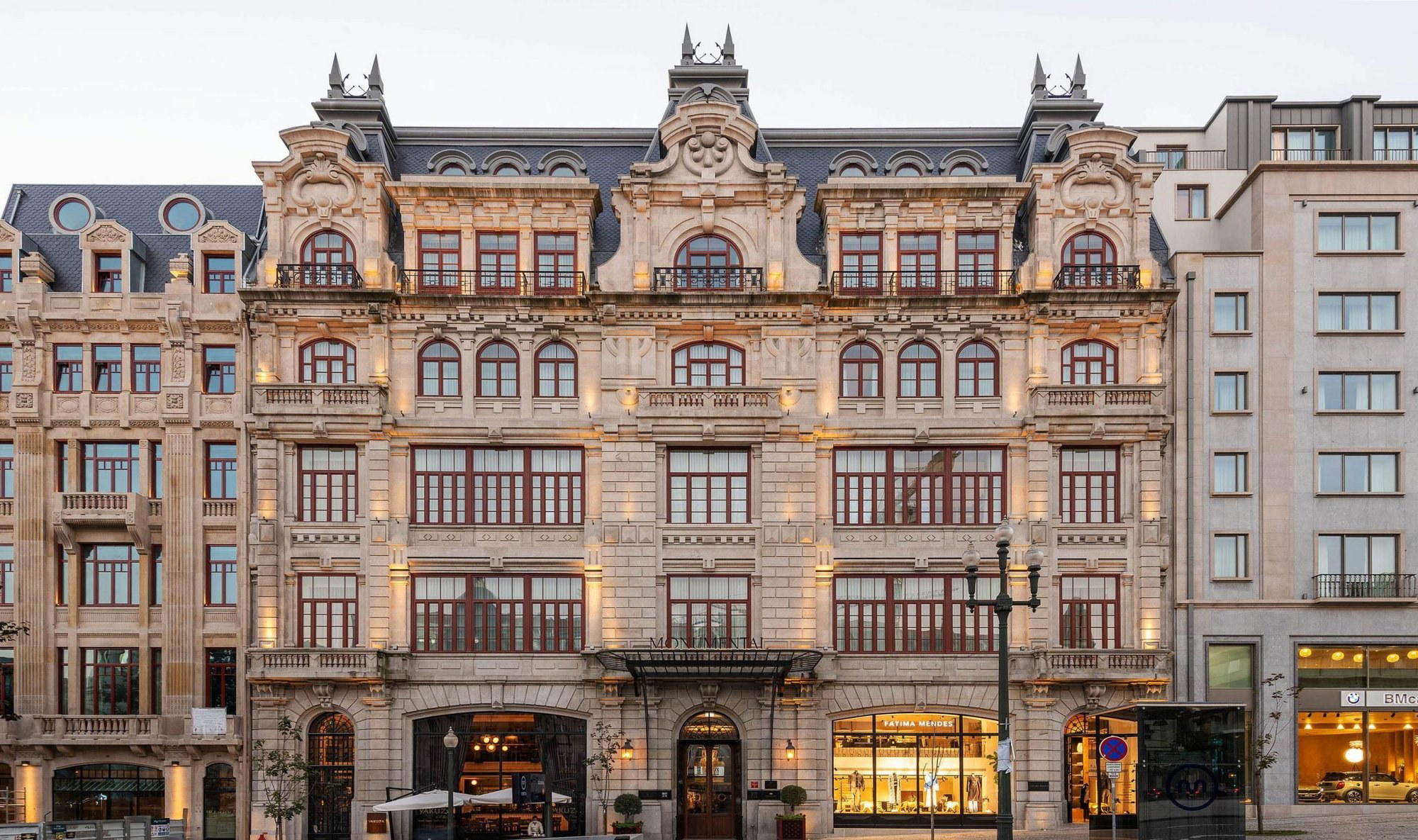

At a Glance
- Rustic
- Cozy
- Classic
- Lively
- Family
- Group Dining
- Celebration
- Date Night
- Special Occasion
- Standalone
- Design Destination
- Extensive Wine List
- Local Sourcing
Warm and rustic with simple decor, bustling dining rooms, and a homely, convivial atmosphere focused on generous portions and relaxed, family-style meals.