
In the Doutre quarter of Angers, Ancestral works from a simple premise: local producers, seasonal rhythm, and a set menu that changes with what the Loire Valley offers. The exposed stone interior is small and deliberate, and the kitchen's commitment to regional sourcing gives the cooking a specificity that generic French bistro menus rarely achieve. Worth knowing before you go.
Pearl is the En Primeur Club membership app — saves, bookings, and concierge access live there. Same editors, same standards.
- Address
- 9 rue Beaurepaire
- Phone
- +33 2 41 86 87 88
- Website
- restaurant-ancestral.fr
- Directions
- Get directions
 Saves & bookings on Pearl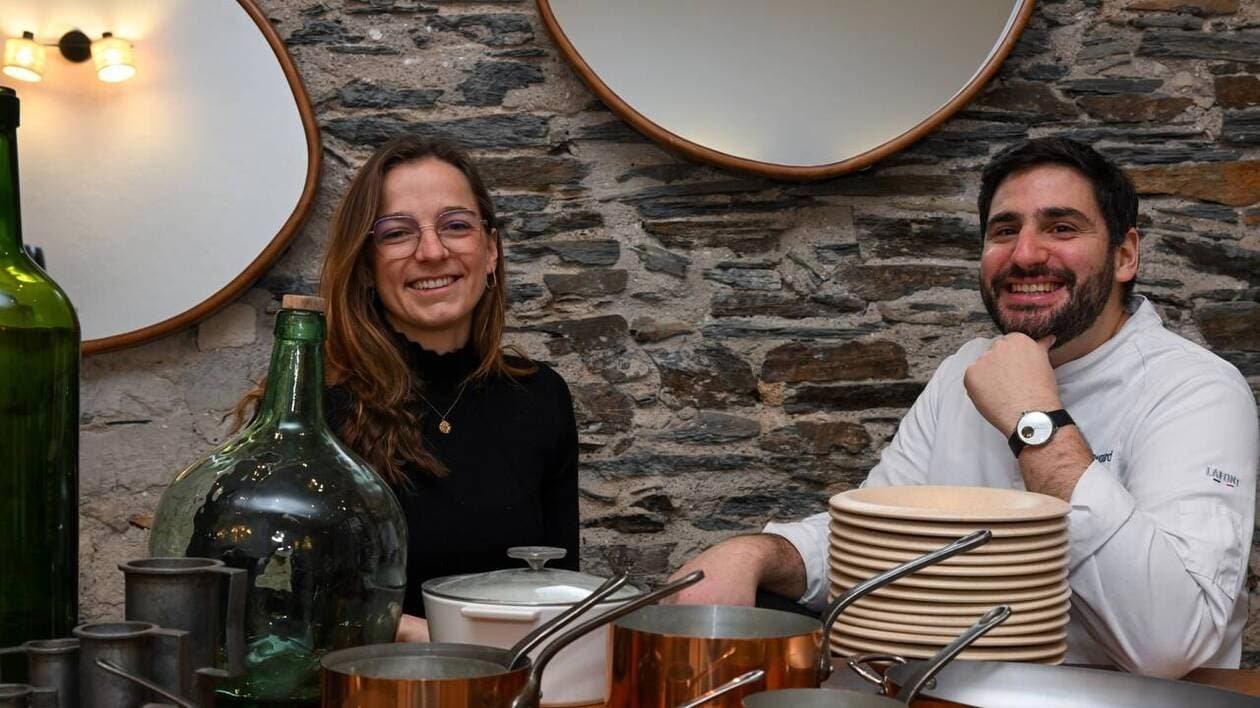
Stone Walls and a Single Menu: Dining in Angers' Doutre Quarter
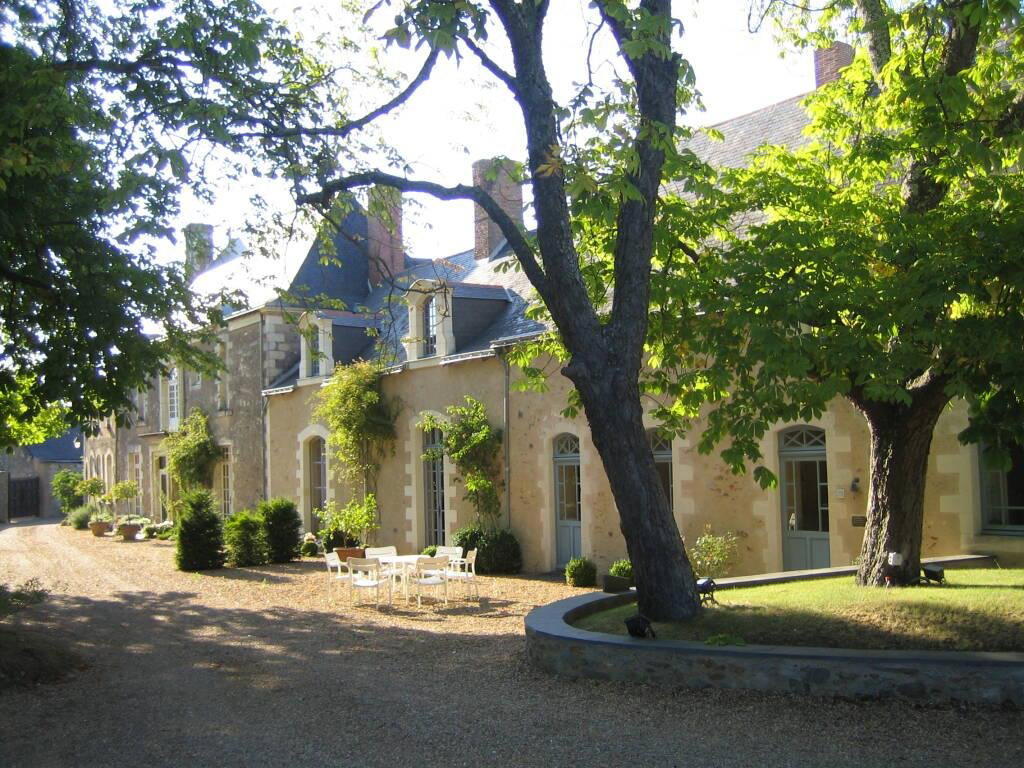
The Doutre quarter sits on the left bank of the Maine, one of Angers' oldest residential neighbourhoods, where medieval lanes give way to low limestone buildings and small restaurants that survive on local custom rather than tourist traffic. The approach to Ancestral, at 9 rue Beaurepaire, offers little advance notice of what's inside. The façade is unremarkable by design or default, which in a neighbourhood this old is almost a form of camouflage. Step through, and the interior resolves into something more considered: exposed stone walls, wooden furnishings, a space that stays deliberately small. The open kitchen is visible from the dining room, which in French provincial restaurants of this scale tends to signal a chef comfortable with proximity to the guest.
This kind of restaurant, small, sourcing-focused, operating a single set menu in the evening, has become a common format across provincial France. It trades the flexibility of à la carte for a tighter editorial control over the plate. What you eat depends on what the producer brought in, not what was pre-ordered from a central supplier three weeks ago. In the Loire Valley, that logic has particular force: the region's market gardens, river fisheries, and small farms have sustained some of France's most distinctive regional cooking for centuries, and chefs who work directly with them tend to cook with a specificity that menus of broader ambition rarely match.
The Sourcing Logic Behind the Menu
Ancestral's kitchen is run by chef Kévin Bougard, originally from the Sarthe department, the area of the Pays de la Loire directly north of Angers. That geographic proximity matters: the Sarthe and Maine-et-Loire share a tradition of market cooking that draws on similar producers, and a chef formed in that culinary culture arrives with existing relationships to the regional supply chain. The menu reflects it. White asparagus velouté and lamb shank confit with spring vegetables are the kind of dishes that only work when the sourcing is right: white asparagus is fiercely seasonal, typically available for six to eight weeks in spring across the Loire Valley, and a velouté built around it lives or dies on the quality of what came in that morning.
The French tradition of the set menu (menu distinctive, menu dégustation, or simply the single formula of the evening) is older than the current fashion for it. At the regional level, it was always a practical device: the chef markets at dawn, builds the menu around what was available and priced well, and offers that to every guest that evening. The logic is economic as much as philosophical. What distinguishes the current generation of practitioners is the degree to which the sourcing story is made visible, either on the menu itself or through the way dishes are described at the table. At a restaurant like Ancestral, working in an intimate room where the kitchen is open, that transparency comes naturally.
Compared to Angers' broader dining offer, Ancestral occupies a distinct position. Autour d'un Cep and Lait Thym Sel both operate at the creative end of the city's restaurant spectrum, the latter at the €€€€ tier, with menus that reflect a more technically ambitious approach to the same regional ingredients. Bouillon Baron and Chez Rémi anchor the traditional end, where value and volume matter more than sourcing transparency. Ancestral sits somewhere in the middle of that range, closer to the sourcing-led bistro model than to high-technique gastronomy, and more focused on ingredient provenance than the classic brasserie format.
Where Ancestral Fits in French Provincial Dining
Across France, the restaurants that generate sustained local reputation in mid-sized cities tend to be built on a similar set of commitments: a chef with regional roots or regional training, a menu that moves with the seasons, a room small enough that every guest can be handled by the same kitchen. This is a different tradition from the one celebrated by Michelin stars and global rankings. The restaurants that feature on those lists, from Mirazur in Menton to Troisgros in Ouches or Bras in Laguiole, operate with larger teams, deeper tasting menus, and a price point that reflects both the cooking and the infrastructure behind it. The provincial sourcing-led bistro is a parallel tradition, less documented internationally but more representative of how France actually eats at its considered leading.
What that tradition requires of the diner is a willingness to eat what the season and the producer allow, rather than what individual preference might otherwise dictate. The set menu format asks for a degree of trust: trust in the chef's selection, in the quality of the supply chain, and in the kitchen's ability to make those seasonal constraints feel like abundance rather than limitation. When it works, you leave having eaten spring in the Loire Valley rather than a restaurant's version of European cuisine. That specificity of place is what distinguishes this kind of cooking from the category-generic French bistro food found in most cities.
For readers who want to explore Angers' eating and drinking scene more broadly, Gribiche offers another angle on the city's traditional dining, while our full Angers restaurants guide maps the wider picture. The city's wine culture, anchored by Anjou and Saumur appellations, is worth exploring through our Angers wineries guide. For everything else, hotels, bars, and experiences guides cover the full city.
Planning Your Visit
Ancestral is at 9 rue Beaurepaire in the Doutre quarter, a short walk from the Maine and from the main pedestrian core of Angers. The room is small, which means capacity is limited and reservations are advisable, particularly for evening service when the single set menu operates. Arriving without a booking, especially on weekends, carries real risk of finding no space. The format of a multi-course set menu in the evening suggests a relaxed pace; this is not a restaurant where you order quickly and leave in an hour. Lunch service, if available, may follow a different format, though the evening set menu is the proposition most clearly aligned with the kitchen's sourcing approach. Reservations are advisable, particularly for evening service.
Side-by-Side Snapshot
Comparable venues nearby, for context on price, style, and recognition.
| Venue | Cuisine | Price | Awards | Notes |
|---|---|---|---|---|
| AncestralThis venue — the venue you are viewing | Modern French Bistro | $$$ | Michelin Plate | Not listed |
| Chez Rémi | French Bistronomie | $$ | Michelin Plate | Rue de Frémur |
| Autour d'un Cep | Eco-responsible French Gastronomic Bistronomy | $$$ | Michelin Plate | centre ville |
| L'Ardoise | French Bistro with Mediterranean Influences | $$$ | Bib Gourmand | La Doutre |
| Belle Rive | Modern French Fine Dining | $$$ | Not listed | bord de Maine |
| La Table de Clément Paillard | Modern French Gastronomic | $$$ | Michelin Plate | Cathédrale Saint-Maurice |
Recognition history
Dated appearances from independent guides and award organizations, with the underlying list record or original source where available.
Michelin Plate
Michelin
Continue exploring
More in Angers
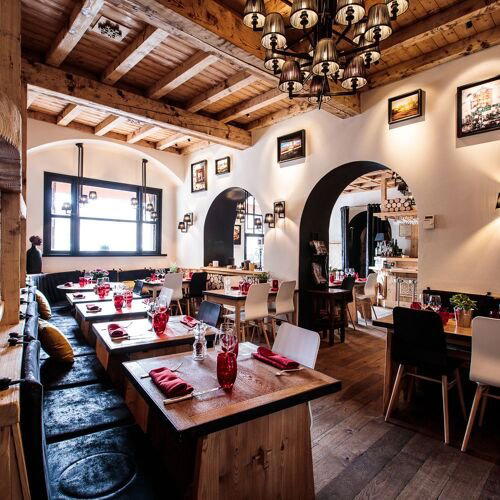
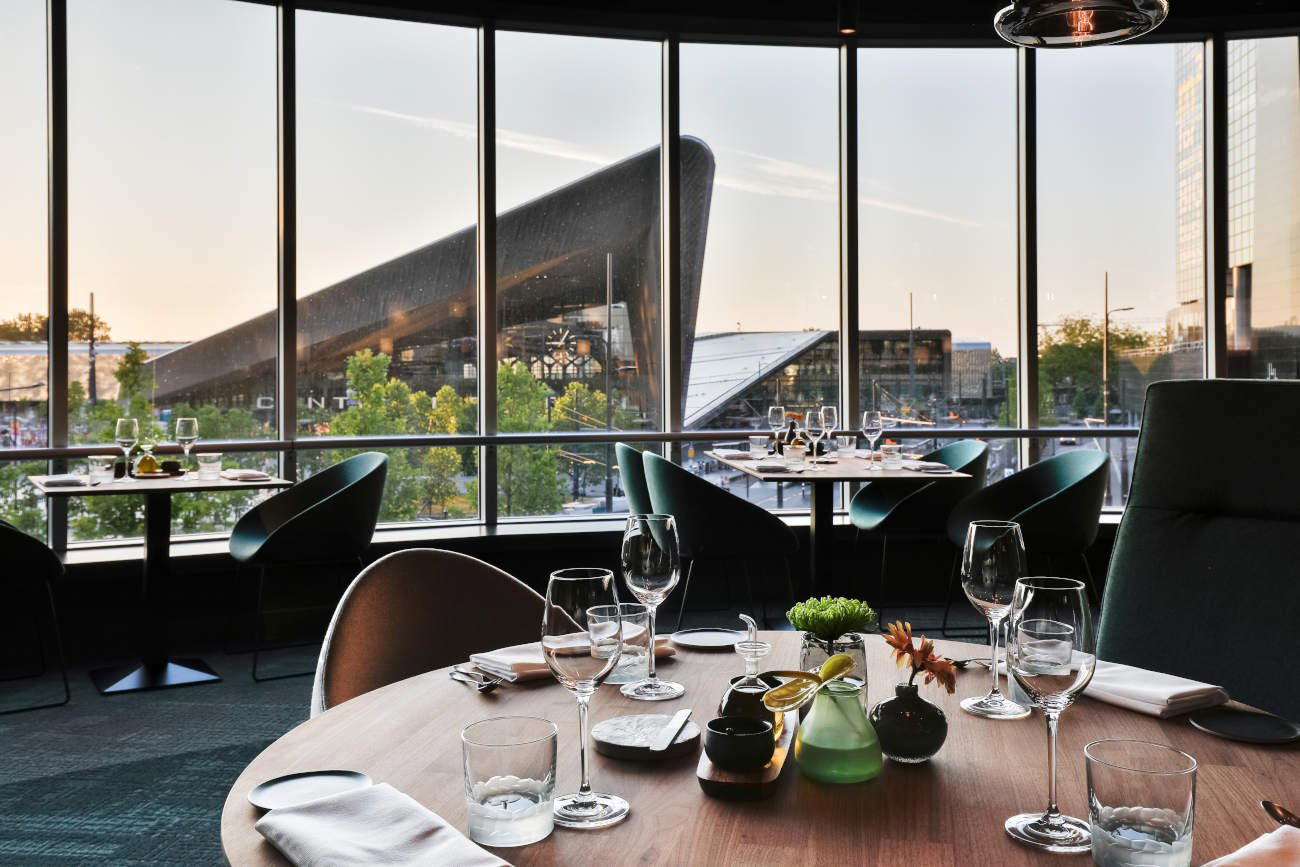
Restaurants in Angers
Browse all →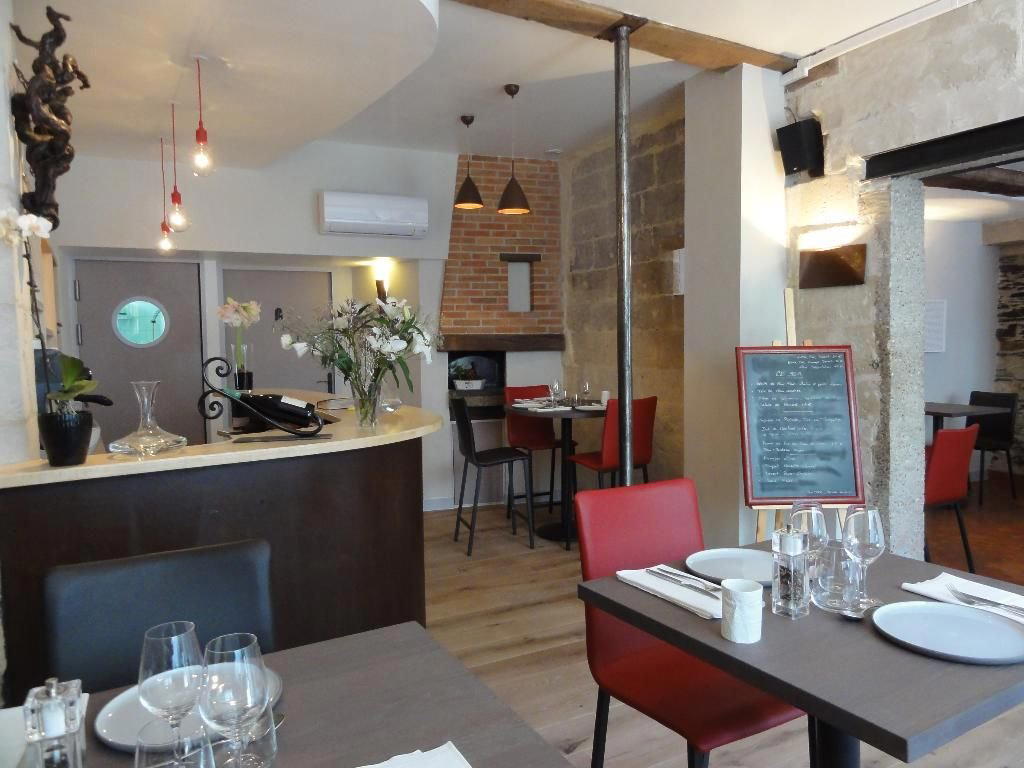
Bars in Angers
Browse all →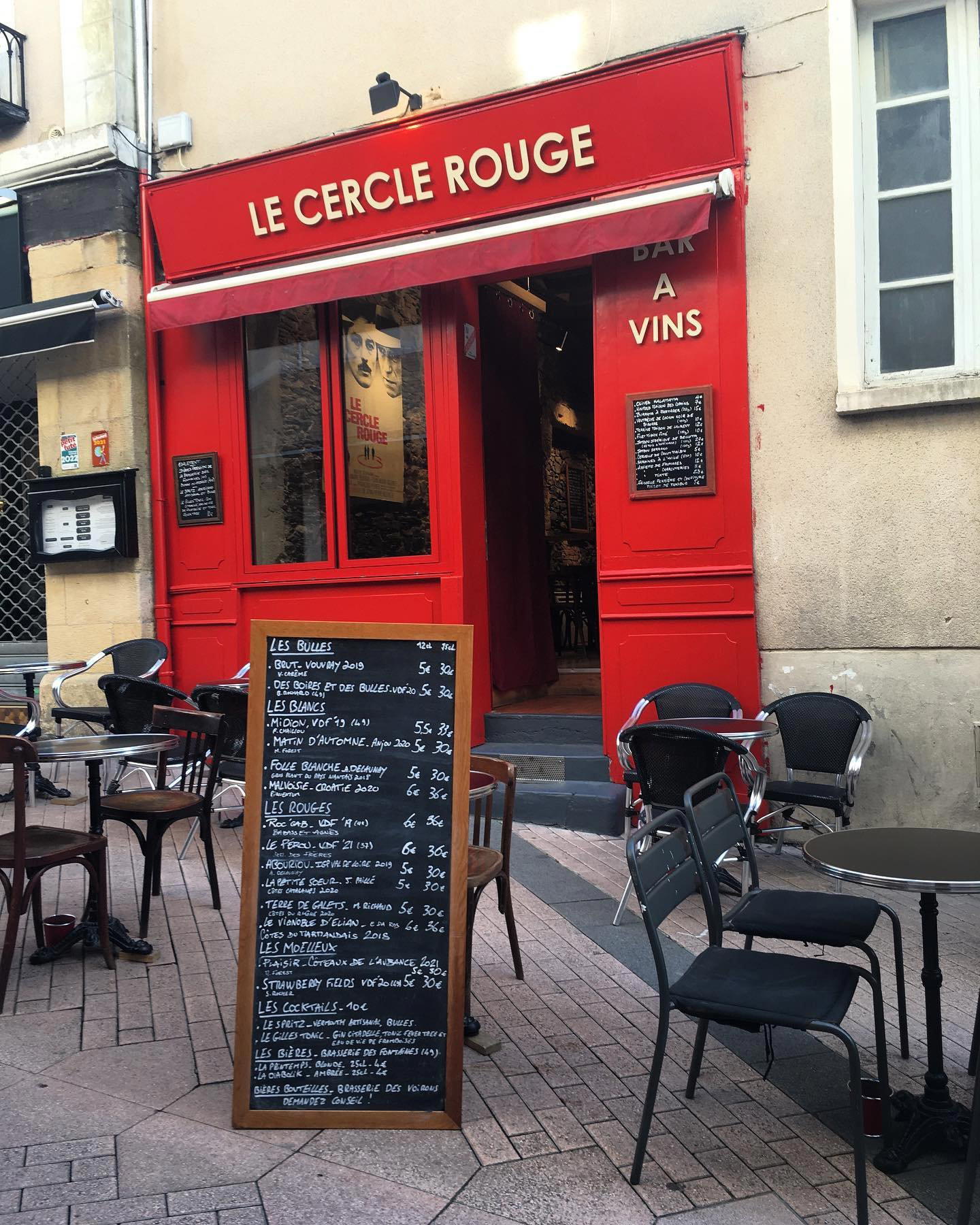
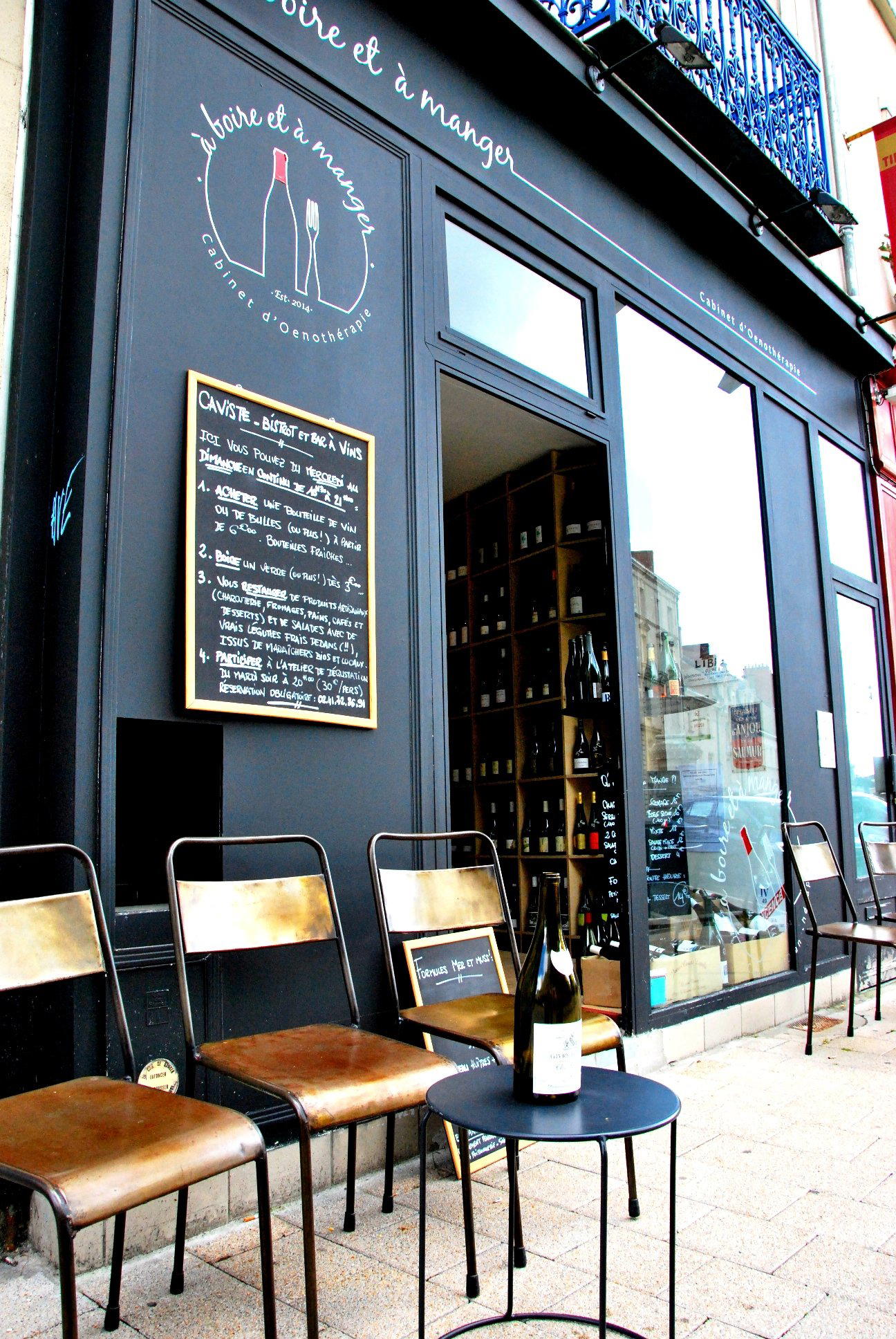
Hotels in Angers
Browse all →

At a Glance
- Modern
- Elegant
- Intimate
- Cozy
- Date Night
- Special Occasion
- Historic Building
- Local Sourcing
Current opening hours
- Monday
- 12–2 PM
- Tuesday
- 12–2 PM
- Wednesday
- 12–2 PM
- Thursday
- 12–2 PM, 7:30–9 PM
- Friday
- 12–2 PM, 7:30–9 PM
- Saturday
- Closed
- Sunday
- Closed
Hours can change for holidays and private events. Last verified .
Small modern space with exposed stone walls creating an intimate and refined atmosphere.