l'Oro di Napoli
Situated in Ealing's Quadrant development, L'Oro di Napoli brings the Neapolitan neighbourhood trattoria model to west London, a format that prizes repetition over occasion dining. Regulars return for the kind of southern Italian cooking that resists revision: direct, region-specific, and priced for weekly rather than monthly visits. For those who have found it, the question is rarely whether to return.
Pearl is the En Primeur Club membership app — saves, bookings, and concierge access live there. Same editors, same standards.
- Address
- Unit 6, The Quadrant, Little Ealing Ln, London W5 4EE, United Kingdom
- Phone
- +44 20 3632 5580
- Website
- lorodinapoli.uk
- Directions
- Get directions
 Saves & bookings on Pearl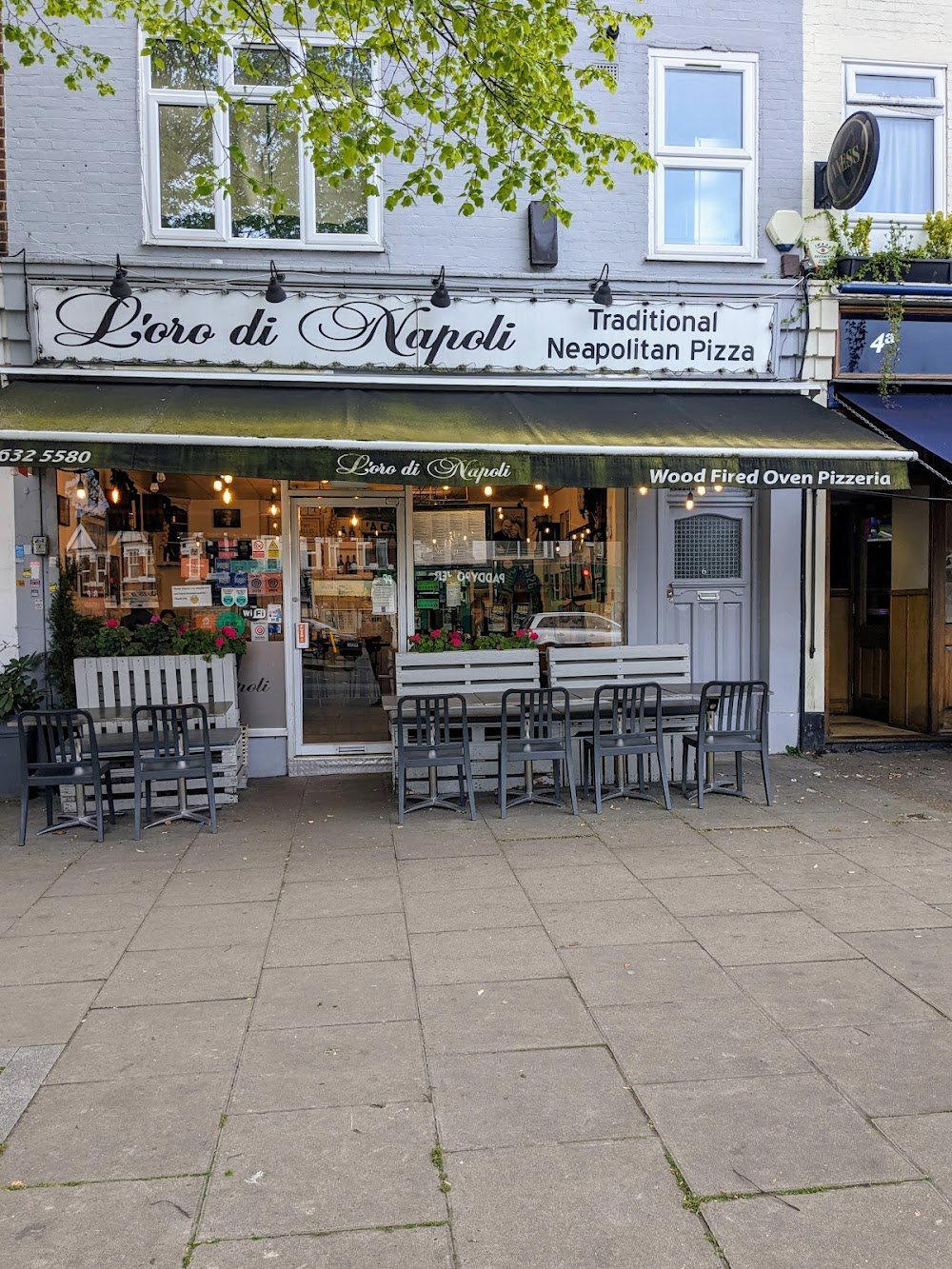
The Neighbourhood Restaurant London's West Side Keeps Returning To
The Neapolitan trattoria is among the more durable formats in European dining. Not because it chases reinvention, but precisely because it doesn't. In Naples itself, the restaurants that survive generations do so by holding a fixed repertoire against the pressure to modernise, the same dough, the same sauce ratios, the same room. When that model travels well, it tends to land in cities with dense Italian communities and enough residential density to sustain loyalty rather than tourism. West London, and Ealing in particular, has long supported that kind of Italian dining. L'Oro di Napoli, on Little Ealing Lane, sits within that tradition.
The name, 'The Gold of Naples', signals the register clearly. This is not a contemporary Italian address recalibrating the canon with fermented ingredients or tasting menus. It is a neighbourhood reference point, the kind of place where the staff know which table a family prefers and where the menu functions as a fixed framework rather than a seasonal announcement. In a city where London's fine dining tier, represented by addresses like CORE by Clare Smyth, Restaurant Gordon Ramsay, and Sketch, The Lecture Room and Library, occupies a rarefied bracket of tasting menus and three-Michelin-star ambition, L'Oro di Napoli operates in a deliberately different register: accessible, repeat-visit, rooted in the logic of the local rather than the destination.
What the Regulars Already Know
Clearest signal of a neighbourhood restaurant's quality is not the occasional visitor's verdict but the behaviour of people who live nearby. In areas like Ealing, where the Italian-origin population has remained consistent over several decades, the standard for southern Italian cooking is set by memory and expectation, not novelty. Regulars at addresses like L'Oro di Napoli are not experimenting, they are checking. They arrive knowing what they want and they leave having confirmed whether it still holds.
That form of loyalty is earned through consistency rather than spectacle. The Neapolitan kitchen, at its core, involves a narrow set of variables: dough hydration and fermentation time for pizza, the balance of acidity and sweetness in a San Marzano-based sauce, the handling of fresh pasta in southern styles. When those variables are managed reliably, the result is a restaurant that functions less like a dining occasion and more like a weekly infrastructure, something slotted into routines rather than reserved for milestones. That is what L'Oro di Napoli appears to offer its constituency in W5.
For those who find this format new, it is worth understanding what the unwritten menu actually means in practice. Regulars at neighbourhood Italian restaurants of this type typically have a standing order, a specific pizza or pasta that they have benchmarked against the restaurant's own output over time. When that dish arrives correctly, the visit is a success. The room, the service tempo, and the wine list are secondary. This is a fundamentally different set of priorities from the criteria applied at The Ledbury or Dinner by Heston Blumenthal, where the experience architecture is the point. Here, the food is the point, and the experience architecture is expected to stay out of the way.
Ealing as a Context for This Kind of Restaurant
Ealing's position in west London's dining scene is worth locating carefully. It is not a neighbourhood that has attracted the concentration of chef-driven openings visible in Notting Hill or Bayswater, and it is not a destination in the way that central London addresses position themselves. What it has is residential density, a long-established Italian community, and a dining culture that values familiarity. The Quadrant on Little Ealing Lane is a practical rather than glamorous address, a local retail and dining development that serves the surrounding streets rather than drawing visitors from across the city.
That context matters for understanding who the restaurant is for. It is not competing with London's wider restaurant field in any meaningful sense. Its comparable set is the other neighbourhood Italian and southern European restaurants within walking or short-driving distance, evaluated by whether they can hold the loyalty of people who eat there regularly. For those exploring beyond London, comparably rooted regional cooking can be found at properties like hide and fox in Saltwood or the kitchen at Gidleigh Park in Chagford, each operating within a specific local context rather than a national or international one. The international comparison points, such as Le Bernardin in New York City or Atomix in New York City, represent an entirely different tier and purpose.
Southern Italian Cooking in the London Context
The broader pattern of southern Italian restaurants in London has shifted over the past fifteen years. The first wave of Neapolitan-branded restaurants arriving in the 2010s competed heavily on pizza credentials, VPN certification, Caputo flour sourcing, named Neapolitan consultants. That wave has largely settled, and what remains visible are the operators who were doing the fundamentals correctly before the trend arrived and have continued doing so after it moved on. The restaurants that retained loyal local audiences through that cycle are the ones whose quality was never primarily trend-dependent.
The restaurant occupies that quieter position. For those who want to explore the broader UK restaurant scene at the premium end, The Fat Duck in Bray, L'Enclume in Cartmel, and Moor Hall in Aughton offer a different proposition. Hand and Flowers in Marlow sits closer in spirit to the neighbourhood-restaurant ethos, though in a pub format with Michelin recognition. These references are useful anchors for understanding where the restaurant sits: firmly in the accessible, community-facing tier, not the destination tier.
Planning Your Visit
The restaurant is located at Unit 6, The Quadrant, Little Ealing Lane, London W5 4EE. Ealing Broadway station provides direct access, served by the Elizabeth line, District line, and Great Western Railway, placing the restaurant within approximately 20 minutes of central London by rail. The Quadrant address is a short walk from the station. Given the neighbourhood format and likely regulars-heavy trade, visiting earlier in the week or at off-peak times may offer a more relaxed pace than Friday or Saturday evenings. For those also exploring London hotels, London bars, or London experiences, the EP Club London guides provide broader context for building an itinerary across the city. London's wine scene is also covered separately for those planning around a drinks-led visit.
Quick reference: the restaurant, Unit 6, The Quadrant, Little Ealing Lane, London W5 4EE. Nearest station: Ealing Broadway (Elizabeth, District lines).
Recognition, Side-by-Side
Comparable venues nearby, for context on price, style, and recognition.
| Venue | Cuisine | Price | Notes |
|---|---|---|---|
| l'Oro di NapoliThis venue — the venue you are viewing | Authentic Neapolitan Pizza | $$ | Not listed |
| Carmelina's | Italian | $$ | Markham |
| Saporitalia | Authentic Italian Pizzeria | $$ | Notting Hill |
| Prosecco Caffè | Traditional Italian Cicchetti & Prosecco | $$ | Soho |
| Il Cucciolo | Traditional Italian Trattoria | $$ | St Giles |
| Ave Mario | Modern Italian Trattoria | $$ | Covent Garden |
Continue exploring
More in London
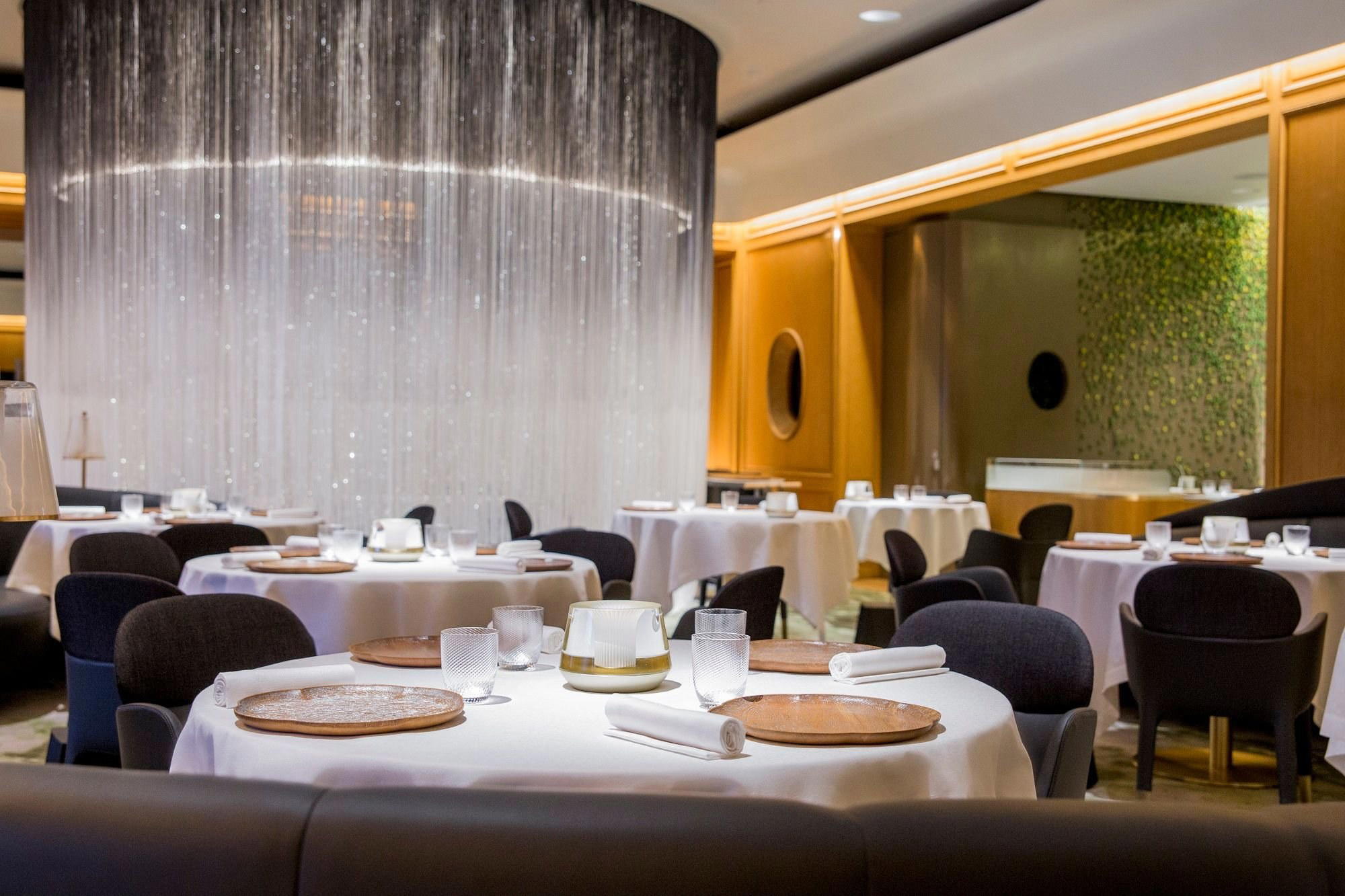
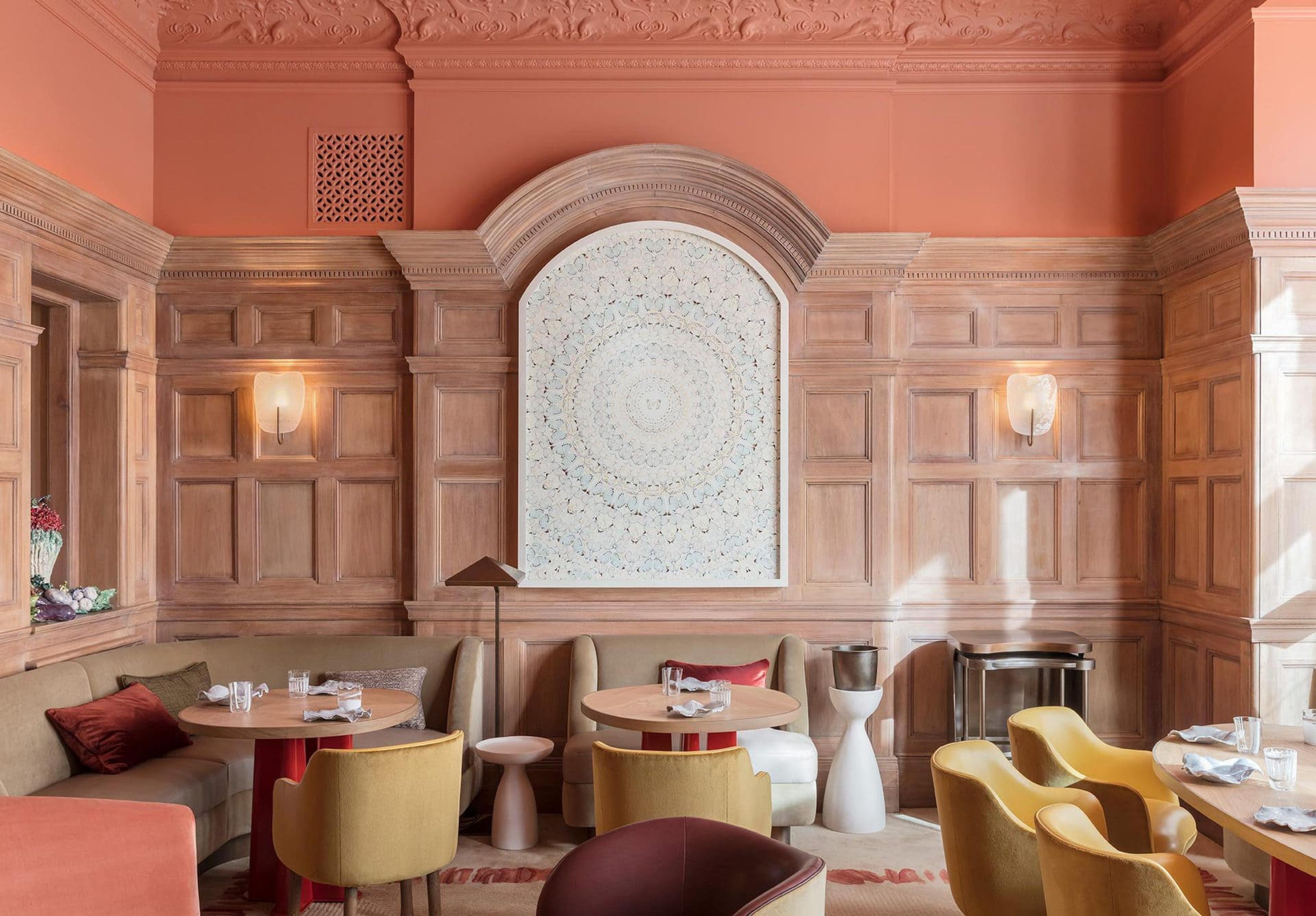
Restaurants in London
Browse all →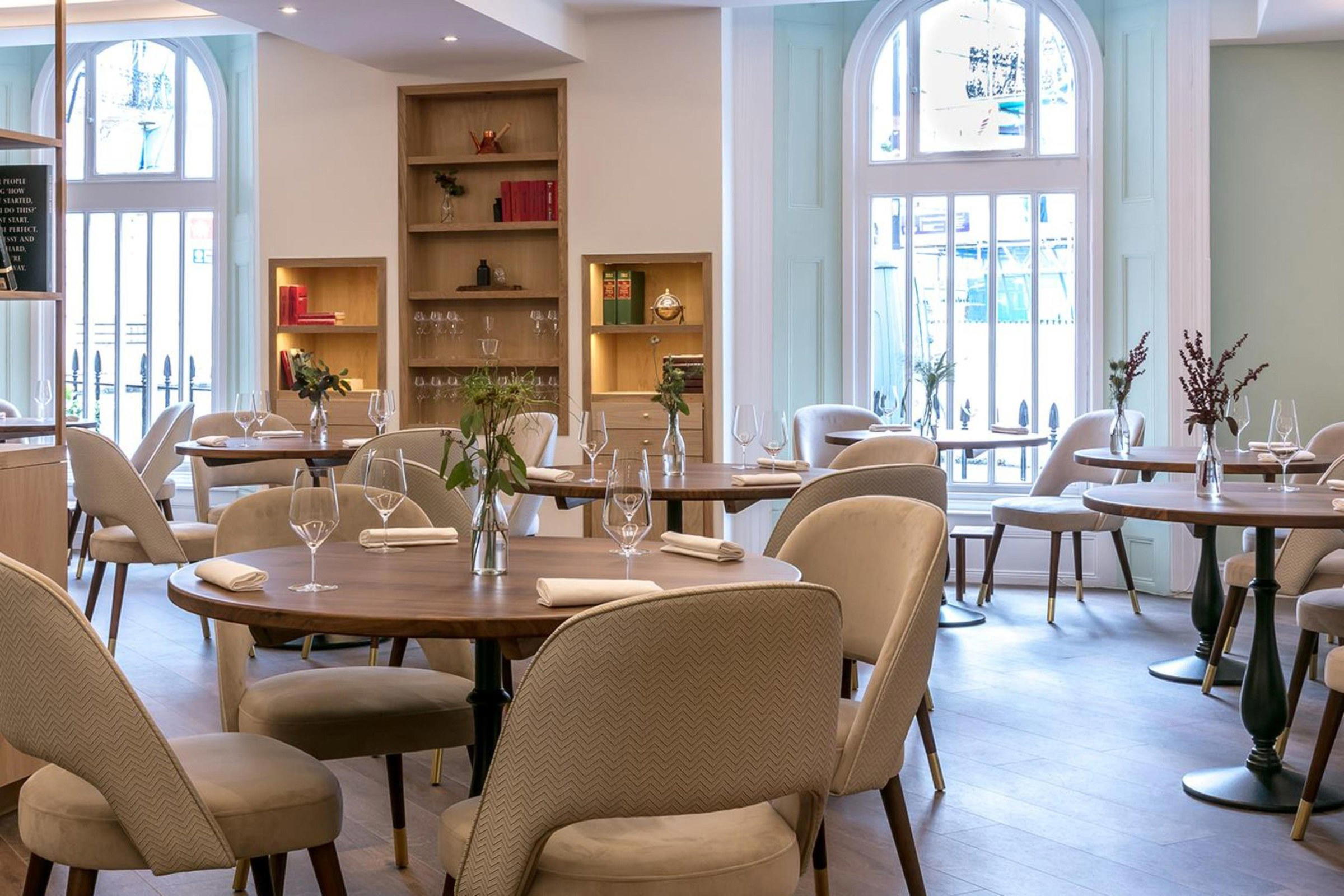
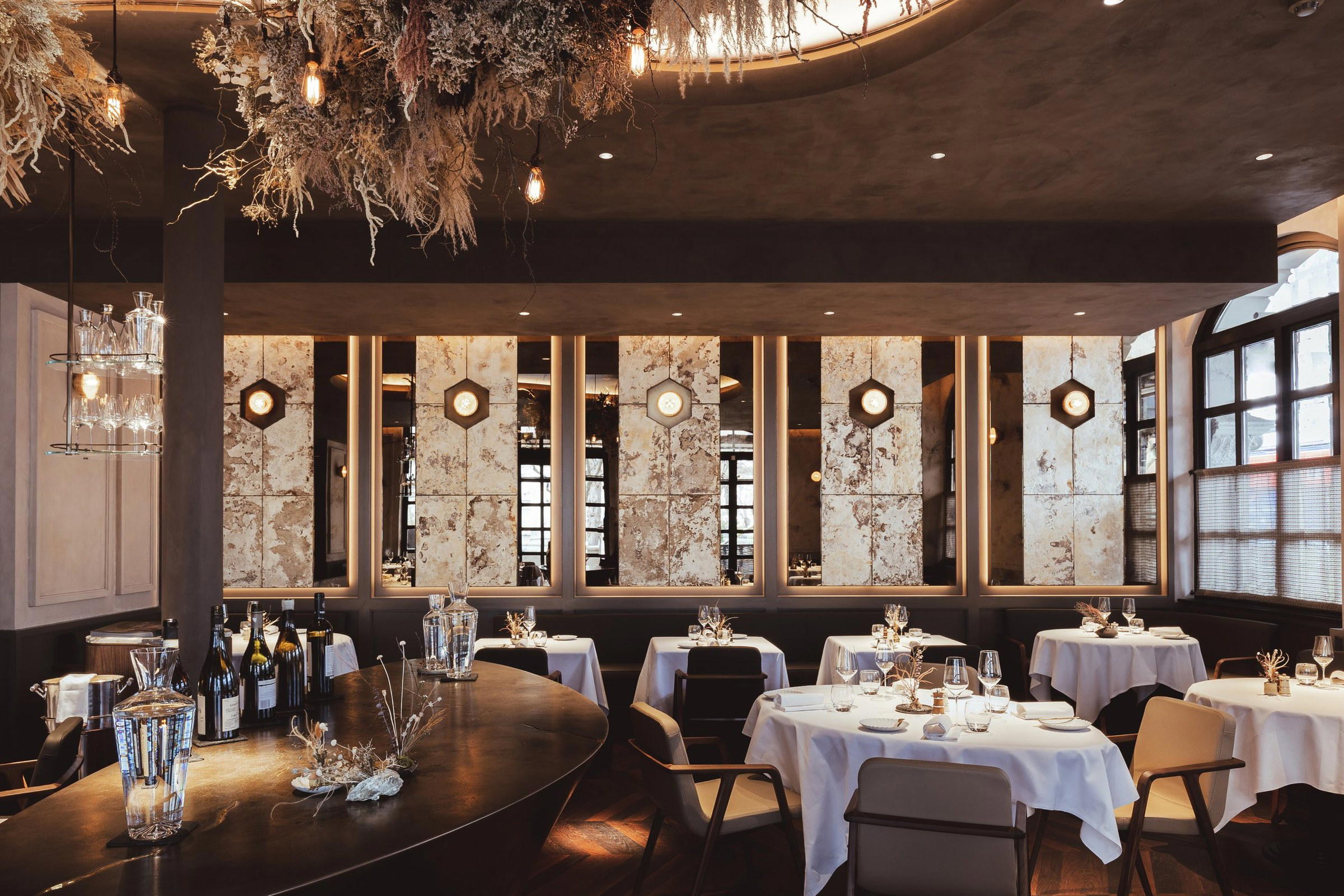
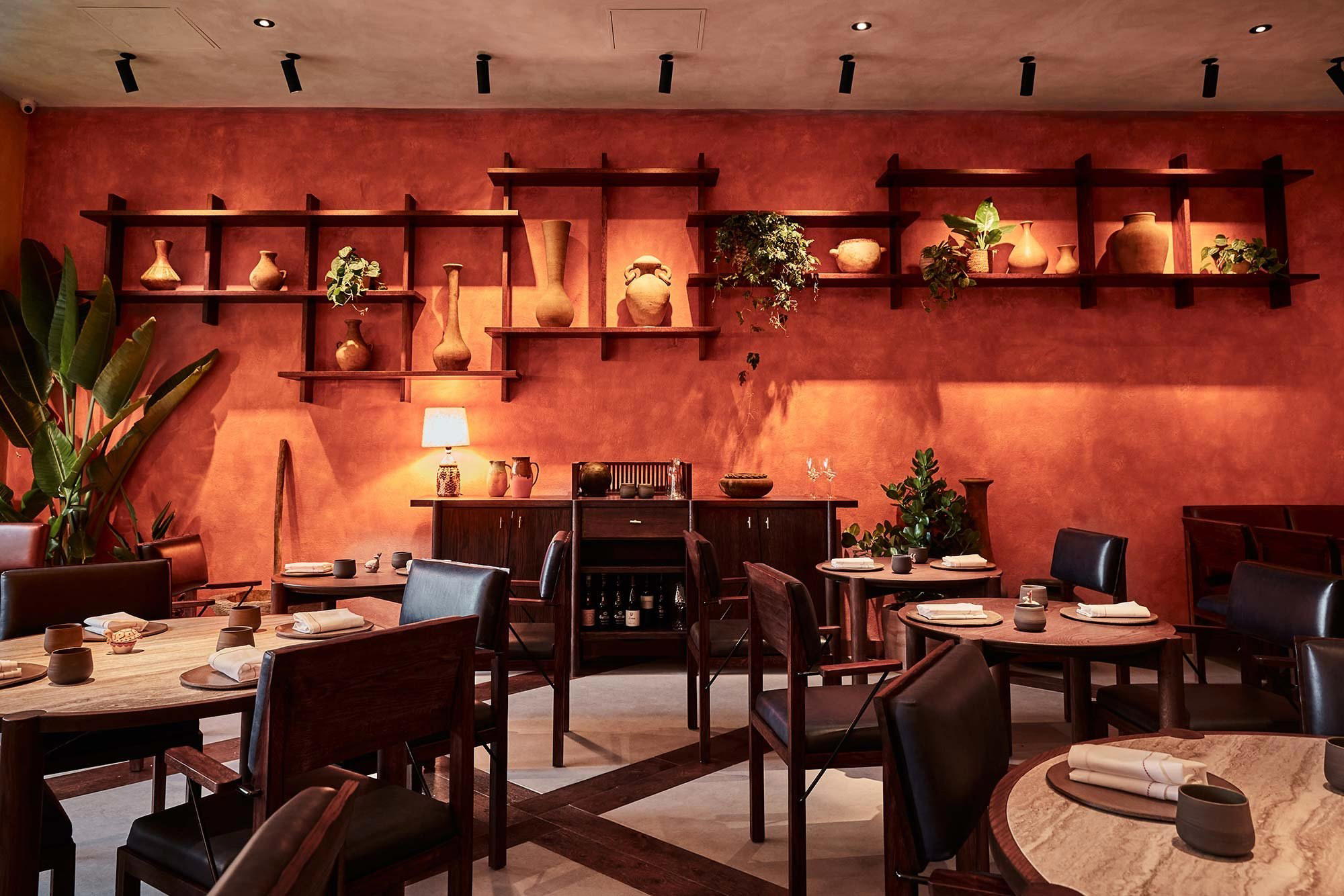
Bars in London
Browse all →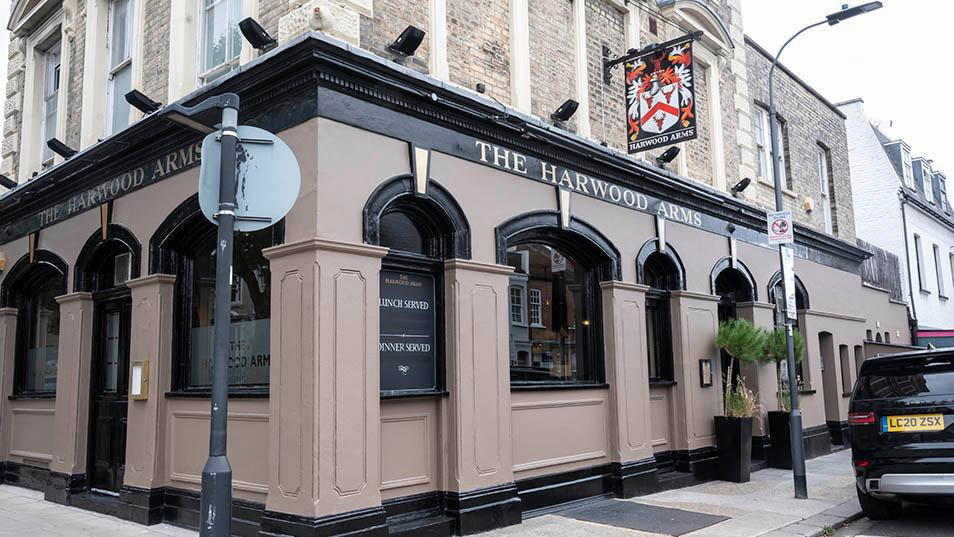
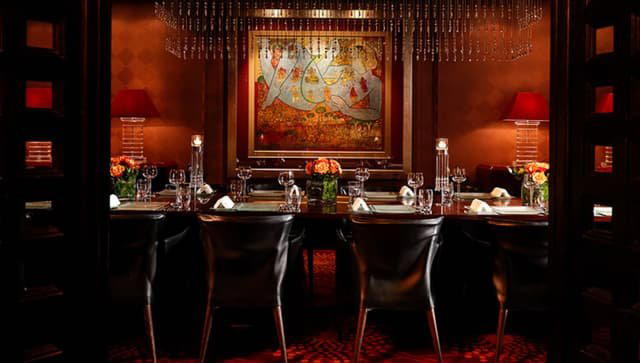
Hotels in London
Browse all →



At a Glance
- Cozy
- Rustic
- Intimate
- Classic
- Casual Hangout
- Group Dining
- Family
- Date Night
- Open Kitchen
- Standalone
- Beer Program
Current opening hours
- Monday
- 12–10 PM
- Tuesday
- 12–10 PM
- Wednesday
- 12–10 PM
- Thursday
- 12–10 PM
- Friday
- 12–10:30 PM
- Saturday
- 12–10:30 PM
- Sunday
- 12–10 PM
Hours can change for holidays and private events. Last verified .
Small, family-run dining room with basic furnishings and walls decorated with famous Neapolitan figures and local history; warm and unpretentious with a relaxed, chill atmosphere that evokes sitting in a Naples pizzeria.