L'Oratoire occupies a considered address in Blois, a city where Loire Valley produce sets the table before the kitchen even begins. Positioned within a dining scene that increasingly draws serious attention from French regional cooking circles, it represents the kind of address where the sourcing logic behind the plate matters as much as the cooking itself. Visitors planning time in the Loire should account for it early.
Pearl is the En Primeur Club membership app — saves, bookings, and concierge access live there. Same editors, same standards.
- Address
- 1 Av. du Dr Jean Laigret, 41000 Blois, France
- Phone
- +33254780536
- Website
- loratoireblois.fr
- Directions
- Get directions
 Saves & bookings on Pearl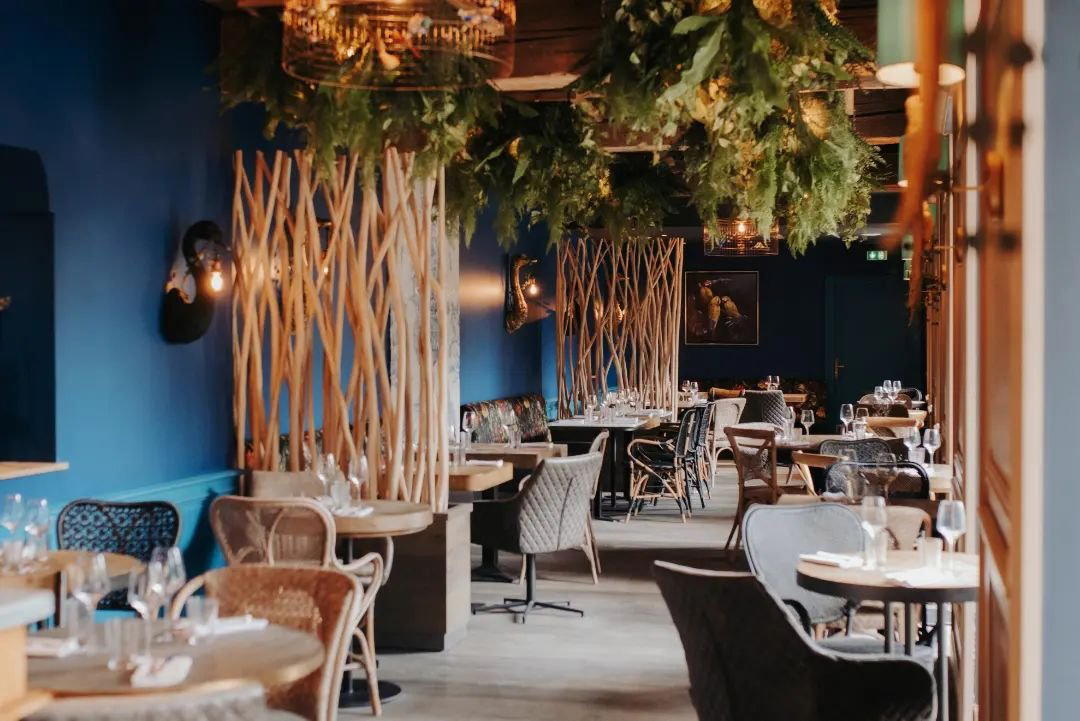
Where the Loire Valley Sets the Terms
Blois sits at a point in the Loire Valley where the agricultural abundance of the region becomes impossible to ignore. The chalky soils, the river's moderating influence on temperature, and the centuries-old market garden tradition that runs through Loir-et-Cher collectively produce one of France's most coherent ingredient stories. Restaurants here don't have to work hard to source well, the harder task is deciding which producers to prioritise and how to let what arrives in the kitchen actually speak. L'Oratoire is a restaurant in Blois, France, serving modern French bistro fusion at an approximate price of $30 per person. It operates in that specific context.
The address itself carries weight. Avenue du Docteur Jean Laigret runs close to the old town and the Château de Blois, placing the restaurant within walking distance of the civic and historical centre of the city. Arriving on foot through that part of Blois, past the limestone facades and the density of a provincial French town that still functions as one, gives the approach a particular character that quieter suburban dining rooms can't replicate. The building carries the register of the neighbourhood rather than announcing itself against it.
Ingredient Logic in a Producing Region
The Loire Valley's claim on French gastronomy runs deeper than its wine appellations, though those are substantial enough on their own. The vegetable gardens around Sologne and the Cher valley, the freshwater fish from the Loire itself, the goat's cheese tradition anchored in Cheverny and Selles-sur-Cher, and the asparagus and game that follow the agricultural calendar, these are the raw materials that define what regional cooking in this part of France can and should be. In a city like Blois, particularly serious kitchens orient themselves around this supply chain rather than importing prestige ingredients from elsewhere.
That sourcing orientation is what separates the better addresses in Blois from the merely competent ones. At the higher end of the city's dining tier, Christophe Hay - Fleur de Loire has made Loire-sourced produce the explicit foundation of a Michelin-decorated program, demonstrating that the region's ingredients can support cooking at that level of ambition. Assa approaches the same supply chain through a creative lens at the €€€€ tier. L'Oratoire operates within this same producing environment, where the question of where the food comes from is as relevant to the diner's experience as any technique applied to it.
Blois as a Dining Address
Blois doesn't carry the same immediate name recognition as Tours or Angers in Loire Valley dining conversations, but its restaurant scene has been quietly deepening. The city's compact size means the serious addresses are close together, and the quality ceiling has risen. Amour Blanc holds a position in the €€€ Modern Cuisine tier, offering a mid-range reference point, while Bro's and Au Rendez-vous des Pêcheurs each represent distinct approaches within the broader local offer.
What this competitive context means in practice is that a visitor to Blois now has genuine choices at multiple price points and culinary registers. L'Oratoire's position within that field is shaped by its location, its setting, and its relationship to the agricultural region surrounding it.
The Broader French Regional Tradition
What Blois's better kitchens are doing fits into a longer argument about French regional cooking and its relationship to place. The restaurants that have earned sustained critical attention in France's provinces, from Bras in Laguiole, where Michel Bras built an entire culinary language from the Aubrac plateau, to Auberge de l'Ill in Illhaeusern, where Alsatian tradition has anchored a three-star kitchen across generations, to Troisgros - Le Bois sans Feuilles in Ouches, where a family's relationship to a specific landscape has evolved over decades, share a common logic: the surrounding territory does a significant portion of the creative work. The kitchen's job is to remain honest to it.
That regional specificity is what distinguishes serious provincial French cooking from its urban counterpart. Kitchens in Paris, including addresses like Alléno Paris au Pavillon Ledoyen, operate with access to anything from anywhere; provincial kitchens at their leading operate with a more purposeful constraint. The Loire Valley's constraints are generous, the region produces too much variety for any kitchen to exhaust, but they are still constraints, and they give the cooking a coherence that broader sourcing would dilute.
Internationally, the same principle runs through restaurants like Mirazur in Menton, where the hillside garden behind the kitchen shapes the menu in real time, or Flocons de Sel in Megève, where Alpine altitude determines what arrives at the table. At a different scale and on a different continent, the seasonal discipline at Le Bernardin in New York City or the hyper-local sourcing precision at Atomix in New York City reflect the same underlying argument: that where ingredients come from is a culinary position, not an operational detail.
Planning a Visit
The restaurant is located at 1 Avenue du Docteur Jean Laigret, Blois, within walking distance of the château and the old town centre. Blois is served by direct TGV and regional rail connections from Paris Austerlitz, putting it roughly ninety minutes from the capital, and it functions as a practical base for exploring the châteaux country, Chambord, Cheverny, and Chaumont are all within thirty kilometres. Given the restaurant's address and positioning within Blois's more considered dining tier, checking availability before arriving in the city is advisable, particularly on weekends and during the high Loire tourism season between May and September.
For visitors building a longer Loire itinerary, pairing the restaurant with other serious addresses in Blois, including those at Christophe Hay - Fleur de Loire and Assa, gives a more complete picture of what this city's kitchens are doing with the agricultural richness around them. The Loire Valley's reputation as a producing region has always outpaced its restaurant reputation; that gap has been narrowing, and Blois is part of the reason.
Quick Comparison
Comparable venues nearby, for context on price, style, and recognition.
| Venue | Cuisine | Price | Awards | Notes |
|---|---|---|---|---|
| L'OratoireThis venue — the venue you are viewing | Modern French Bistro Fusion | $$ | Not listed | Not listed |
| Le Denis Papin | French Bistro | $$ | Not listed | centre-ville |
| O'Blend | Modern French Brasserie | $$$ | Not listed | near train station |
| Amour Blanc | Modern French Gastronomic with Loire Valley Focus | $$$ | Michelin Plate | Quai Villebois-Mareuil |
| Bro's | Modern French Bistronomic | $$$ | Michelin Plate | Historic Blois |
| Les Banquettes Rouges | Traditional French Bistro | $$ | Not listed | Saint-Nicolas |
Continue exploring
More in Blois
Restaurants in Blois
Browse all →
Bars in Blois
Browse all →
Hotels in Blois
Browse all →

At a Glance
- Elegant
- Modern
- Sophisticated
- Date Night
- Special Occasion
- Terrace
- Historic Building
- Street Scene
Current opening hours
- Monday
- 12–1:45 PM, 7–9:45 PM
- Tuesday
- 12–1:45 PM, 7–9:45 PM
- Wednesday
- 12–1:45 PM, 7–9:45 PM
- Thursday
- 12–1:45 PM, 7–9:45 PM
- Friday
- 12–1:45 PM, 7–9:45 PM
- Saturday
- 12–1:45 PM, 7–9:45 PM
- Sunday
- 12–1:45 PM, 7–9:45 PM
Hours can change for holidays and private events. Last verified .
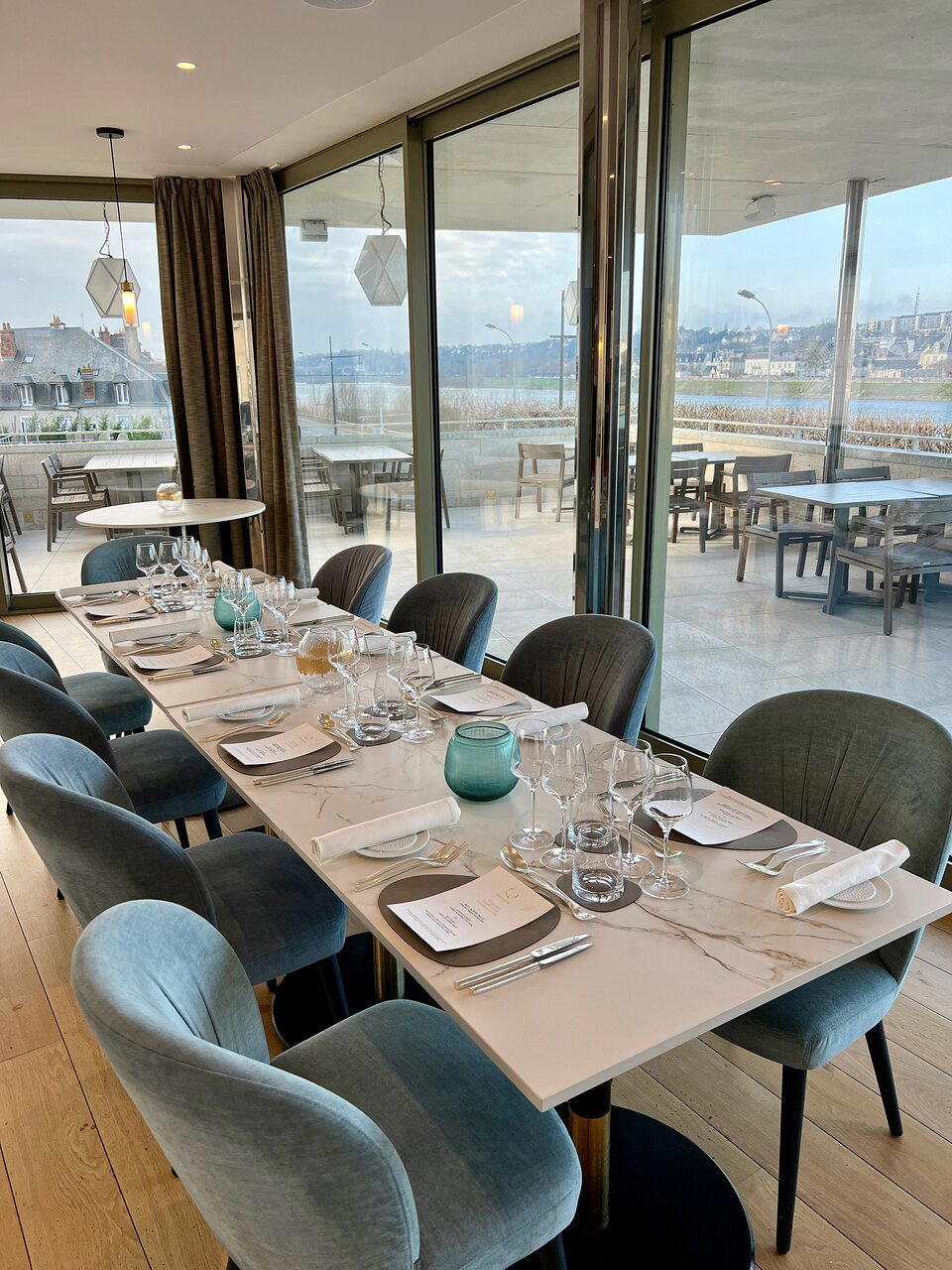
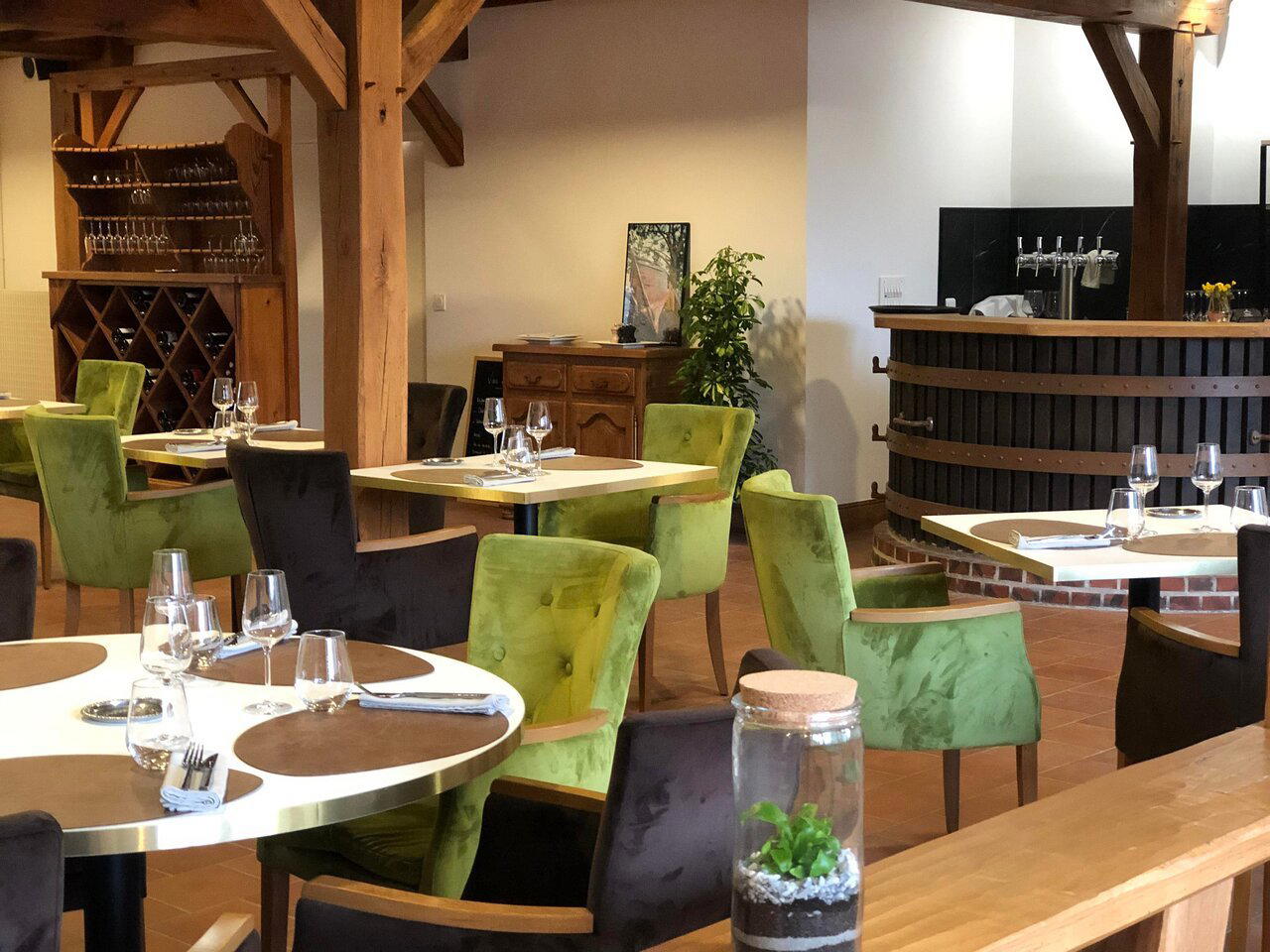
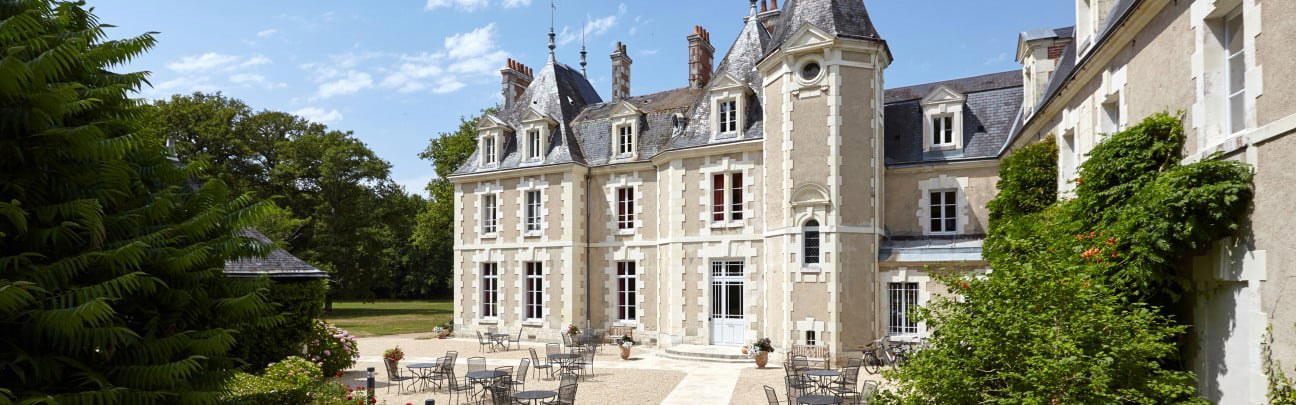
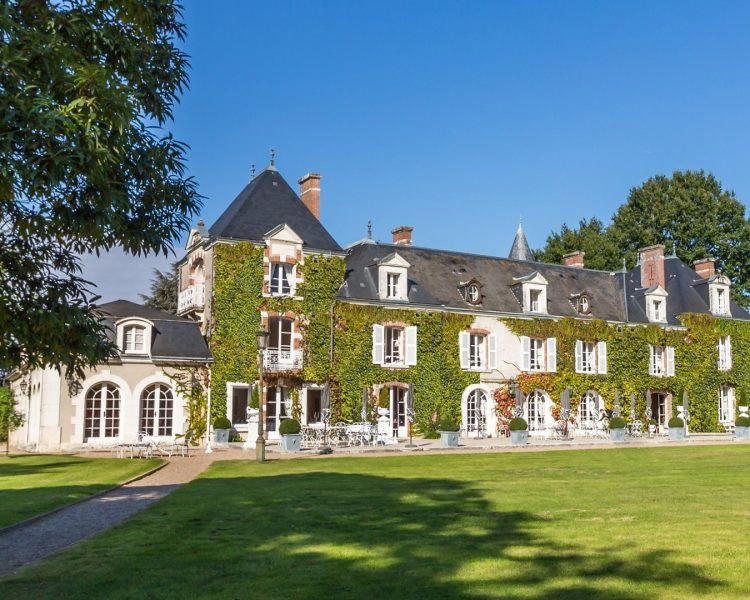
Chic industrial decor with elegant terrace overlooking historic landmarks, creating a refined yet relaxed atmosphere.