Lodge Bread Company

Our verdict
Lodge Bread Company on Washington Boulevard has been building a following in the Mar Vista area since its early years as a serious sourdough operation. Recognized on the Opinionated About Dining Cheap Eats list for North America in 2025, it represents the LA school of whole-grain, long-fermentation baking: slow, grain-forward, and rooted in a supply chain that starts well before the oven.

Pearl is the En Primeur Club membership app, where members save venues, book tables and use the concierge.
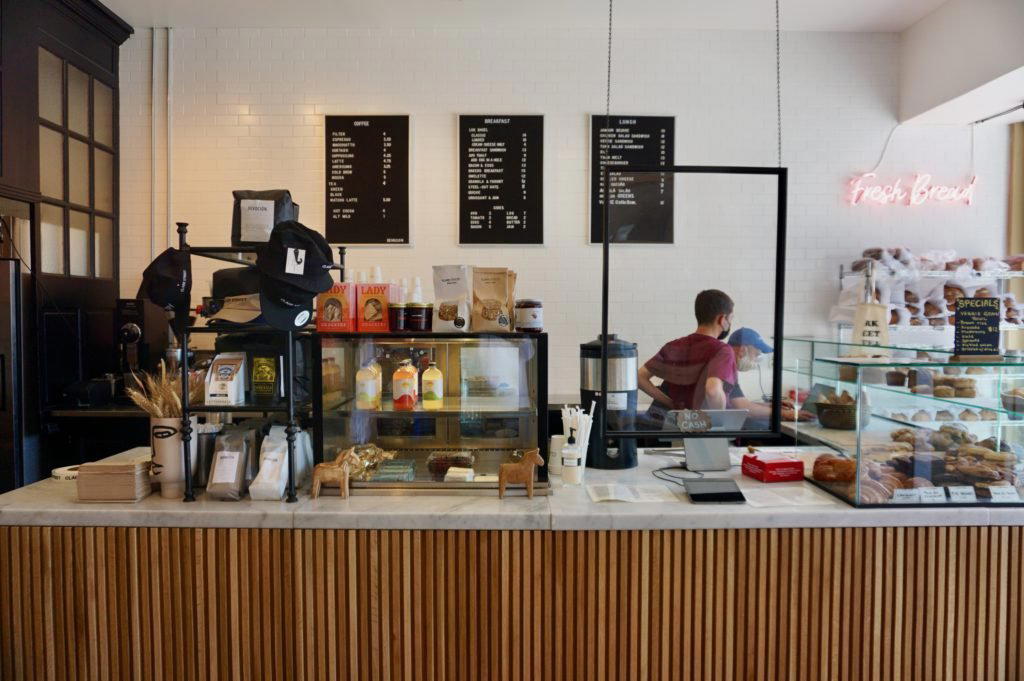
The menu
What to order
- Cinnamon Sugar Toast
- Breakfast Sammie
- Shakshuka
- Fat Pita Sandwich
Where Long-Fermentation Baking Meets West Side Los Angeles
The serious sourdough movement in Los Angeles did not arrive through fine dining. It came through neighborhood bakeries that treated grain sourcing with the same rigor that sommeliers apply to terroir, and fermentation schedules with the discipline of a professional kitchen. Lodge Bread Company, at 11918 Washington Boulevard in Mar Vista, sits at the center of that current. Founded by Or Amsalam and Alex Phaneuf, it has operated since its early years as one of the cleaner expressions of long-fermentation, whole-grain bread on the West Side, a fact that earned it a place on the Opinionated About Dining Cheap Eats in North America list for 2025, one of the more credible peer-reviewed rankings in the accessible-dining tier.
OAD Cheap Eats recognition is worth contextualizing. The list does not reward novelty or spectacle. It rewards consistency, value relative to quality, and a point of view that holds up across multiple visits. For a bakery in a city where restaurant culture tends to reward high-concept tasting menus, from Somni to Vespertine to Kato, earning that kind of recognition through bread and pastry is a different kind of achievement entirely.
The Grain-First Approach and What It Means in Practice
American artisan bakeries in the 2010s and early 2020s split broadly into two camps: those that adopted sourdough aesthetics while continuing to source commodity flour, and those that restructured their supply chains around identifiable mills and specific grain varieties. Lodge belongs to the second camp. The distinction matters because whole-grain, stone-milled flours behave differently from refined bread flour: they carry more bran, more germ, more of the compounds that make fermentation complex, and they require longer, slower development to manage that complexity rather than mask it.
That supply-chain discipline has a sustainability dimension that goes beyond marketing language. Sourcing from small mills that grow heritage or regionally adapted grain varieties supports agricultural biodiversity in a way that commodity flour purchasing does not. The carbon footprint of short-chain grain sourcing, from farm to regional mill to bakery, compares favorably with commodity grain networks that move flour across multiple distribution points. In the West Coast baking context, operations like Lodge sit alongside a broader ecosystem that includes grain farmers in California and the Pacific Northwest experimenting with emmer, einkorn, and heritage red wheats, varieties that have been largely displaced by high-yield commodity grain since the mid-twentieth century.
Bread baked from these flours also ferments differently. Long cold-retard schedules, often twelve to twenty-four hours in the refrigerator after shaping, allow the microbial activity in a sourdough culture to develop complexity that a short room-temperature ferment cannot replicate. The result is a loaf with more nuanced acidity, a more open crumb structure where the gluten development supports it, and a crust that reflects caramelization of natural sugars rather than added browning agents. This is the technical infrastructure behind what visitors to Lodge and its peer operations experience as simply good bread.
Mar Vista and the West Side Bakery Context
Washington Boulevard in Mar Vista sits at a useful remove from the more densely trafficked food corridors of Silver Lake, Echo Park, or even Santa Monica. The neighborhood is residential and lower-key, which means a bakery succeeds there on the quality of its product rather than on foot traffic from tourism or proximity to other destination restaurants. That geography gives Lodge a different character than, say, Tartine Santa Monica, which operates in a higher-visibility commercial zone and carries the weight of a San Francisco flagship brand.
The West Side has its own artisan-food density that the east side sometimes overshadows in editorial coverage of Los Angeles. Fat and Flour operates as a strong pie-focused counterpart in the same general neighborhood range. The cumulative effect is a West Side pastry and baked-goods ecosystem that rivals the east side on technical quality, even if it attracts less media attention.
Situating Lodge in the National Artisan Bakery Conversation
The artisan bread movement in the United States has developed distinct regional identities. New York's version is represented by operations like Radio Bakery, which brings a dense urban energy and fast counter culture to the format. London's interpretation, visible at places like 26 Grains, leans into a grain-forward Nordic influence and a wellness-adjacent framing. The California version, of which Lodge is a clear example, has developed its own character: informed by Bay Area sourdough culture, connected to West Coast grain farming, and embedded in a food culture that extends from farmers markets through to fine-dining kitchens. Restaurants like SingleThread Farm in Healdsburg and The French Laundry in Napa have long treated bread as a serious element of a serious meal; the artisan bakery movement takes that seriousness and makes it the entire focus.
The contrast is instructive: Lodge does not compete in that register, and does not try to. Its value proposition is precision craft at an everyday price point, which is a more demanding constraint than it might initially appear.
Planning Your Visit
Lodge Bread Company operates as a walk-in counter service operation, which means there is no reservation infrastructure to manage. The practical challenge is timing. Loaves sell out, and the most sought-after items move faster on weekend mornings than midweek. Arriving before mid-morning on a Saturday or Sunday is the practical logic if a specific loaf is the priority. The address on Washington Boulevard puts the bakery in Mar Vista, accessible from the 405 corridor and within reasonable distance of the Venice and Culver City dining clusters. For visitors working through the broader Los Angeles food scene, the EP Club guides to Los Angeles restaurants, bars, hotels, wineries, and experiences provide the full context for building an itinerary. For a city that can sustain Providence at the fine-dining end, it is worth knowing that some of its most carefully made food comes out of a bakery counter on a residential boulevard in Mar Vista.
Frequently asked questions
Is Lodge Bread Company Michelin-listed?
Lodge Bread Company has received recognition including: Opinionated About Dining Cheap Eats in North America (2025).
What's the best thing to order at Lodge Bread Company?
Lodge's sourdough loaves are the core of what earned the bakery its Opinionated About Dining Cheap Eats 2025 recognition. The program is built around a whole-grain, long-fermentation framework, so the bread itself, rather than pastries or add-ons, is the reason to visit. Arrive early, as popular loaves sell out before closing.
How do I find Lodge Bread Company?
Lodge Bread Company is located at 11918 Washington Blvd, Los Angeles, CA 90066, United States, Los Angeles.
Is there a head chef associated with Lodge Bread Company?
The chef associated with Lodge Bread Company is Or Amsalam & Alex Phaneuf.
How hard is it to get a table at Lodge Bread Company?
Lodge Bread Company runs a walk-in counter-service model at 11918 Washington Blvd in Mar Vista, so there are no reservations to secure. The practical constraint is stock: loaves move quickly on weekends, and arriving in the mid-morning window gives the widest selection.
What's the standout thing about Lodge Bread Company?
The grain-sourcing discipline is what separates Lodge from bakeries that adopt sourdough aesthetics without committing to the supply chain behind them. Co-founded by Or Amsalam and Alex Phaneuf, the operation connects the finished loaf to whole-grain sourcing in a way that's reflected in both crust and crumb. That approach, applied consistently, is what put Lodge on Opinionated About Dining's Cheap Eats North America list for 2025.
Cuisine and Awards Snapshot
Comparable venues nearby, for context on price, style, and recognition.
| Venue | Cuisine | Price | Notes |
|---|---|---|---|
| Lodge Bread CompanyThis venue (the venue you are viewing) | Artisanal Bakery Cafe | $20–30 | Not listed |
| Bludso's Bar & Que | Texas-Style BBQ | $20–30 | Fairfax |
| Dr. Hogly Wogly’s BBQ | Tyler Texas BBQ | $20–30 | Panorama City |
| Clementine | American Bakery Café | $20–30 | Century City |
| Verve Coffee Roasters | Specialty Coffee Roasters & Cafe | Not listed | Beverly Grove |
| Du-par’s | Classic American Diner | $20–30 | Farmer Market |
Recognition history
Dated appearances from independent guides and award organizations, with the underlying list record or original source where available.
Opinionated About Dining Cheap Eats in North America Ranked #143
Opinionated About Dining
Full recognition history (2 entries)
Opinionated About Dining Cheap Eats in North America
Opinionated About Dining
Continue exploring
More in Los Angeles
Restaurants in Los Angeles
All restaurants in Los Angeles →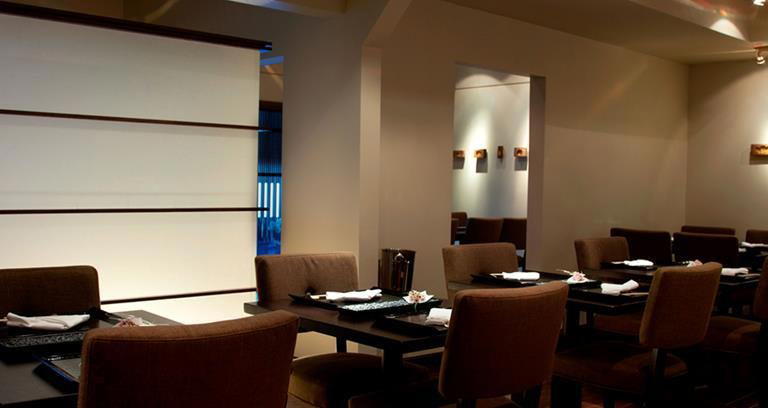
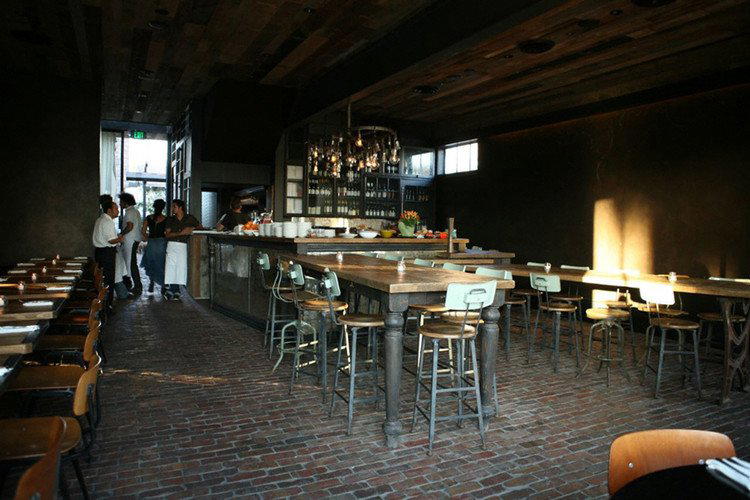
Bars in Los Angeles
All bars in Los Angeles →
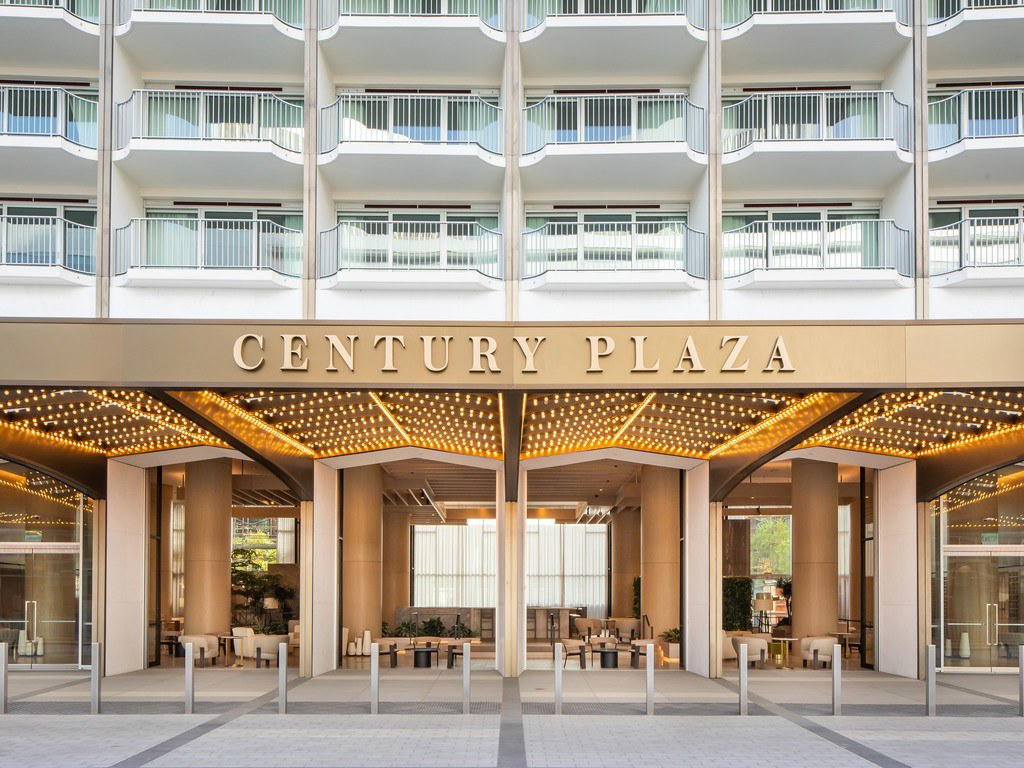
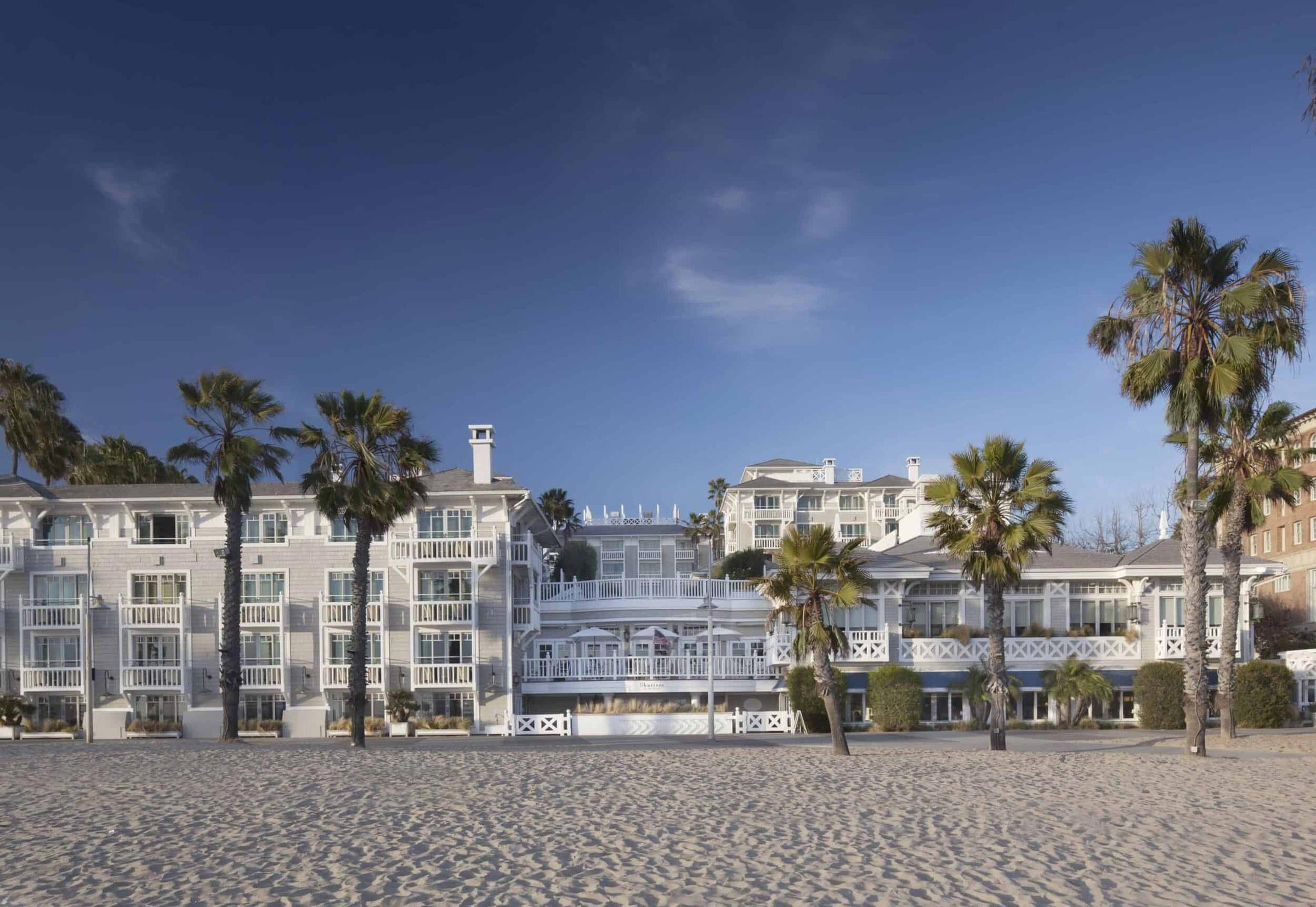
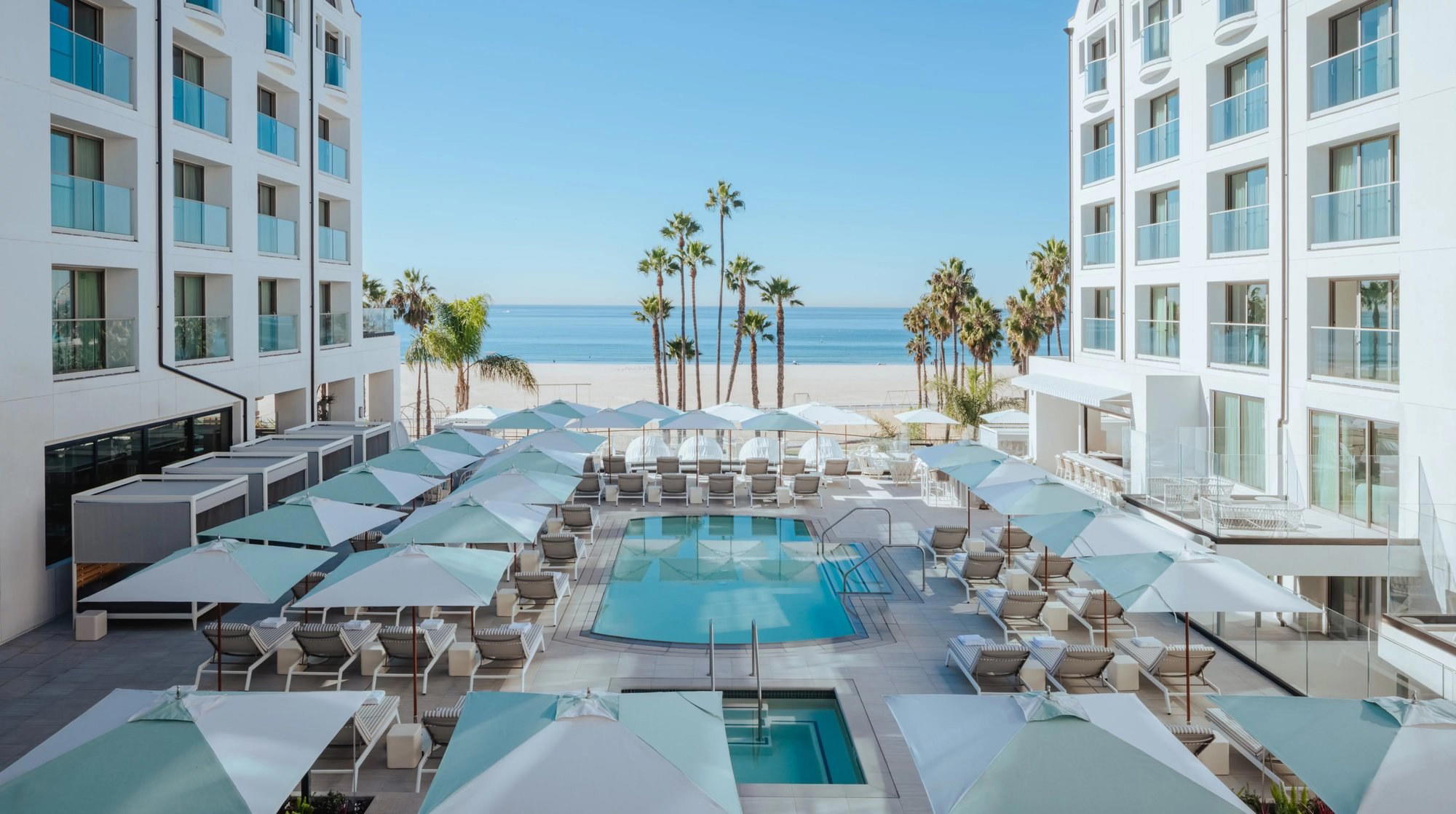
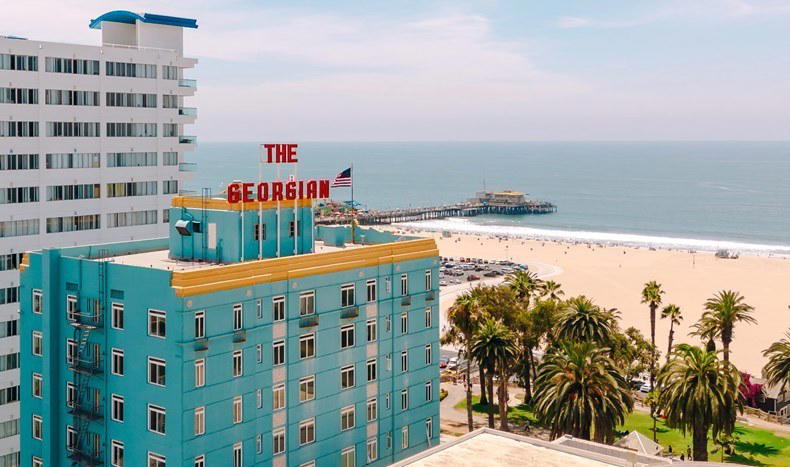
Hotels in Los Angeles
All hotels in Los Angeles →
Wineries in Los Angeles
All wineries in Los Angeles →
Details
- Cozy
- Rustic
- Casual
- Brunch
- Casual Hangout
- Family
- Open Kitchen
- Local Sourcing
- A La Carte
- Vegetarian Friendly
- Vegan Options
- Gluten Free Options
Current opening hours
- Monday
- 8 a.m.–4 p.m.
- Tuesday
- 8 a.m.–4 p.m.
- Wednesday
- 8 a.m.–4 p.m.
- Thursday
- 8 a.m.–4 p.m.
- Friday
- 8 a.m.–4 p.m.
- Saturday
- 8 a.m.–4 p.m.
- Sunday
- 8 a.m.–4 p.m.
Hours can change for holidays and private events. Hours as of .
Relaxed, homey atmosphere with an open bakery view, casual seating, and a welcoming neighborhood feel.