Little Picardy
Our verdict
Little Picardy occupies a Greenside Place address in Edinburgh's New Town fringe, positioning it within a city increasingly defined by its commitment to ethical sourcing and low-waste kitchen practice. The venue sits in a competitive bracket alongside Edinburgh's sustainability-conscious dining scene, where provenance and restraint have become credible alternatives to spectacle. Booking ahead is advisable given the neighbourhood's growing dining density.

Pearl is the En Primeur Club membership app — saves, bookings, and concierge access live there. Same editors, same standards.
- Address
- 18-22 Greenside Pl, Edinburgh EH1 3AA, United Kingdom
- Phone
- +447935354160
- Hours
- Mon–Sat 12–10 PMSun Closed
- Website
- littlepicardy.co.uk
- Directions
- Get directions
- Booking
- Book on OpenTable
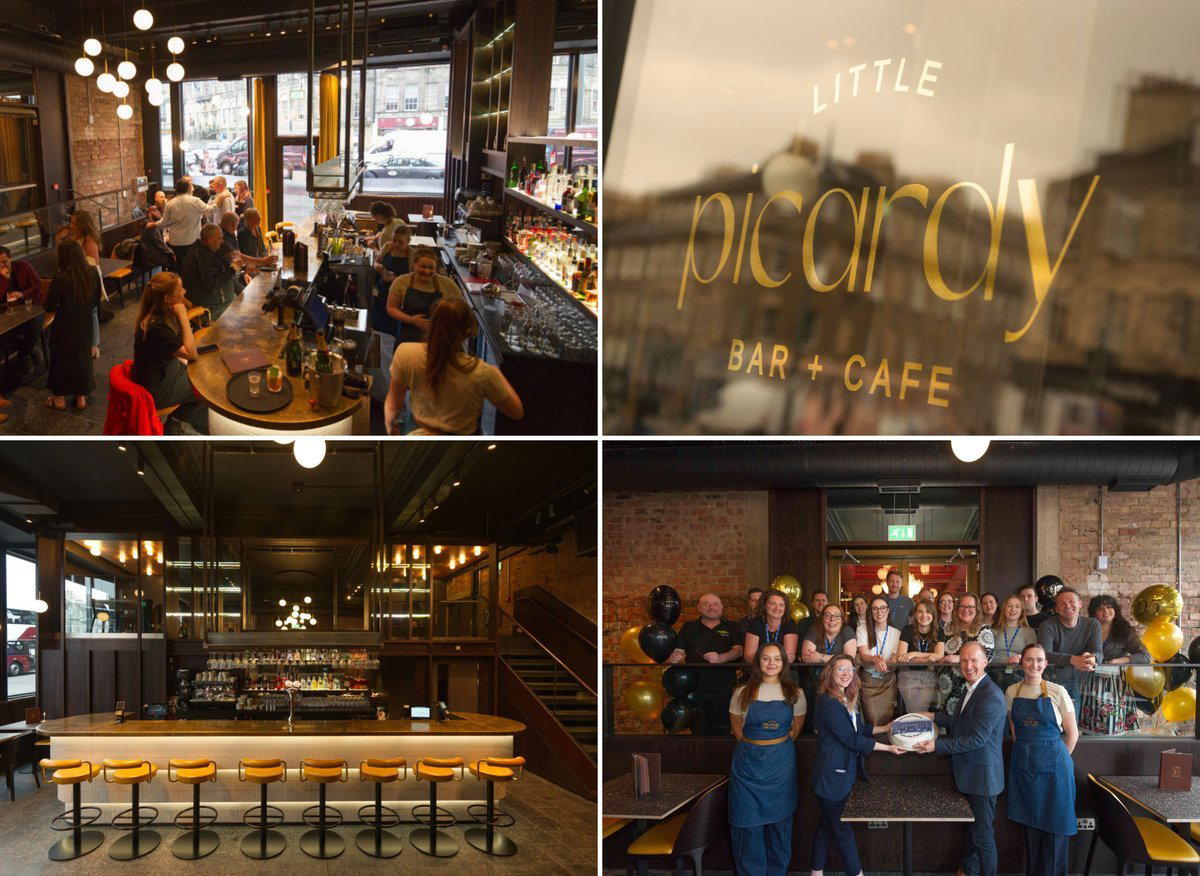
Edinburgh's Ethical Dining Shift and Where Little Picardy Sits Within It
Edinburgh's upper dining tier has, over the past decade, reorganised itself around a set of questions that go beyond what arrives on the plate. Where does it come from? How much of the animal, plant, or catch actually reaches the table? Who absorbed the environmental cost? These are no longer niche concerns confined to vegetarian cafes on Leith Walk. They have migrated into the city's serious restaurant conversation, and venues in the £££-££££ bracket are increasingly expected to have answers. Little Picardy, at 18-22 Greenside Place, operates within this context — a Greenside address that puts it close to the best of Leith Walk and at the edge of the area where Edinburgh's new-wave dining sensibility has been quietly consolidating.
The city's approach to sustainability in hospitality did not arrive fully formed. It followed a broader British pattern visible in venues like Timberyard on Lady Lawson Street, which built a reputation around Nordic-inflected sourcing discipline and whole-produce thinking long before sustainability became standard menu copy. The logic there — and the logic that now defines a cohort of Edinburgh kitchens, is that restraint at the sourcing level produces better cooking, not just cleaner credentials. Waste reduction, in this framework, is a culinary argument as much as an environmental one. Kitchens that use the whole animal, ferment the surplus, and source from a short supplier list tend to cook with more intention than those that don't.
The Greenside Place Setting
Greenside Place sits at a useful urban junction in Edinburgh. It is steps from the foot of Calton Hill, close enough to the city's main thoroughfare on Leith Street that foot traffic is consistent, but removed enough that the strip retains a neighbourhood register rather than a tourist-corridor feel. The address has historically been associated with entertainment venues, but the dining profile of the immediate area has been shifting. For a restaurant working within an ethical sourcing model, the location matters in a specific way: proximity to the city centre means access to a wide dining public, while the slightly peripheral address allows the kind of kitchen operation, dedicated delivery relationships, smaller volumes, producer-direct purchasing, that sustains a low-waste programme without the logistical pressure of a high-cover flagship site.
Arriving at Greenside Place, the character of the setting reads differently from Edinburgh's established fine dining corridors. This is not the Georgian formality of Charlotte Square, nor the post-industrial harbour conversion that frames the dining room at The Kitchin in Leith. It is a more compressed urban environment, and the dining formats that succeed here tend to reflect that compression: focused menus, tighter seat counts, a room that reads as intentional rather than grand.
Situating Little Picardy in the Edinburgh Fine Dining Tier
Edinburgh's serious dining scene operates across a recognisable competitive set. At the leading sit venues with long-standing Michelin recognition and international reference points: Martin Wishart in Leith, with its sustained modern European programme, and The Kitchin, which has embedded a Scottish-produce philosophy into its kitchen DNA since opening. Below that, a more recent cohort has emerged, defined less by trophy credentials than by editorial specificity: AVERY, with its creative format, and Condita, which operates a deliberately small, reservation-led modern cuisine programme. Little Picardy occupies ground in this second tier, a space where the argument being made is about approach and values as much as classical technique or accumulated accolades.
Across the broader UK fine dining map, the sustainability-forward positioning that defines this tier finds its most developed expression in venues like L'Enclume in Cartmel, where Simon Rogan's kitchen-garden model has become a reference point for produce-led British cooking, and Moor Hall in Aughton, which applies similar sourcing discipline within a more classical framework. In Scotland specifically, the ethical sourcing conversation connects to an unusually strong larder: Scottish seafood, highland game, and a short-supply-chain agricultural geography that gives kitchens genuine proximity to their ingredients. Edinburgh restaurants that take that larder seriously are not performing sustainability, they are simply using what is available well.
What to Eat at Little Picardy
Current menu specifics for Little Picardy are not available in verified form at time of publication. What the venue's Greenside Place positioning and Edinburgh context suggest is a kitchen likely working within the city's broader shift toward seasonally determined, low-waste menus in which the structure of the meal follows ingredient availability rather than fixed categories. In Edinburgh's ethical sourcing tier, menus of this kind tend to be short by design, changed with genuine frequency, and built around producer relationships rather than culinary category. Dish descriptions in restaurants aligned with this approach rarely centre on technique for its own sake; the argument is made through the ingredient itself. Edinburgh's dining scene at this level generally warrants a conversation rather than an online browse, the menu you find at booking and the menu that arrives at the table are often different things.
For points of international comparison that illuminate what ambitious ethical sourcing looks like at the highest level, CORE by Clare Smyth in London and Le Bernardin in New York City both demonstrate how ingredient provenance can function as a structural principle rather than a garnish on the menu description.
Planning a Visit: Timing and Practicalities
How far ahead to plan for Little Picardy depends partly on when Edinburgh's dining demand peaks. The city's restaurant pressure concentrates around the August Festival period, when visitor volumes compress the available reservation pool across the entire dining tier. Outside that window, venues in Edinburgh's second-tier bracket, those without years-long waiting lists but with a loyal local following, tend to be bookable within a two-to-four-week horizon in normal trading periods, with closer availability possible on weekday evenings. For a weekend dinner at Little Picardy, particularly through spring and autumn when the city's non-Festival dining season runs at its most consistent, allowing three to four weeks is a sensible baseline. The Greenside Place address, being close to the city centre, benefits from reasonable transport access; Edinburgh's Waverley station is within walking distance, and the area is well-served by bus routes running along Leith Street.
Across the UK, restaurants operating in the ethical-sourcing tier at venues like hide and fox in Saltwood or Midsummer House in Cambridge typically require more advance planning than their capacity alone would suggest, because the format attracts a repeat visitor base. A similar pattern is plausible at Little Picardy, though precise booking windows should be confirmed directly. Other Edinburgh venues worth considering within the same visit are profiled in our full Edinburgh restaurants guide, which covers the city's dining tier from the established Michelin addresses through to the newer reservation-led formats.
Frequently asked questions
What should I eat at Little Picardy?
Specific dish details for Little Picardy are not available in verified form at publication. In Edinburgh's current dining context, venues aligned with ethical sourcing and seasonal produce, a cohort that includes Timberyard and Condita, tend to build menus around what the Scottish larder offers at a given point in the year, with kitchen decisions made close to service. Contacting the venue directly ahead of your booking will give you the clearest picture of what to expect on the night.
How far ahead should I plan for Little Picardy?
Edinburgh's dining demand concentrates sharply in August during the Festival, when city-wide reservation pressure affects even venues outside the Michelin tier. Outside that period, Little Picardy's Greenside Place location positions it within a dining cohort that typically books two to four weeks ahead for weekends. If your visit overlaps with the Festival or other major city events, extending that window to six or eight weeks is a practical precaution. For context, similarly positioned Edinburgh restaurants like AVERY and Condita both reward early planning.
Does Little Picardy have a particular focus on sustainable or ethical sourcing?
Little Picardy operates within an Edinburgh dining moment that has made ethical sourcing and low-waste kitchen practice central to how serious restaurants distinguish themselves, a shift most visibly embodied at venues like Timberyard and echoed across the city's newer reservation-led formats. Scotland's short agricultural supply chains and exceptional seafood and game resources make producer-direct sourcing logistically achievable in ways that are harder to sustain in larger urban markets. For confirmed details about Little Picardy's specific sourcing commitments, reaching the venue directly is the appropriate step.
Cost and Credentials
Comparable venues nearby, for context on price, style, and recognition.
| Venue | Cuisine | Price | Notes |
|---|---|---|---|
| Little PicardyThis venue — the venue you are viewing | Modern Small Plates & Cocktails | $20–30 | Not listed |
| La Querencia | Authentic Argentine Parrilla | $20–30 | Pilrig, Authentic Argentine Parrilla |
| The Black Grape | Modern Small Plates | $30–50 | St. Leonard's, Modern Small Plates |
| Alby's Leith | Big Hot Sandwiches | $10–20 | Leith Docks, Big Hot Sandwiches |
| Le Bistrot | Classic French Bistro | $30–50 | Old Town, Classic French Bistro |
| Urban Angel cafe | Organic Brunch Cafe | $10–20 | New Town, Organic Brunch Cafe |
Continue exploring
More in Edinburgh
Restaurants in Edinburgh
Browse all →
Bars in Edinburgh
Browse all →

Details
- Elegant
- Cozy
- Modern
- Date Night
- After Work
- Special Occasion
- Open Kitchen
- Craft Cocktails
- Street Scene
- Small Plates
- Cocktails
Current opening hours
- Monday
- 12–10 PM
- Tuesday
- 12–10 PM
- Wednesday
- 12–10 PM
- Thursday
- 12–10 PM
- Friday
- 12–10 PM
- Saturday
- 12–10 PM
- Sunday
- Closed
Hours can change for holidays and private events. Last verified .
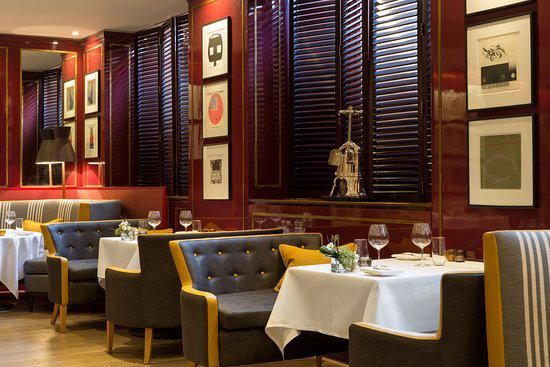
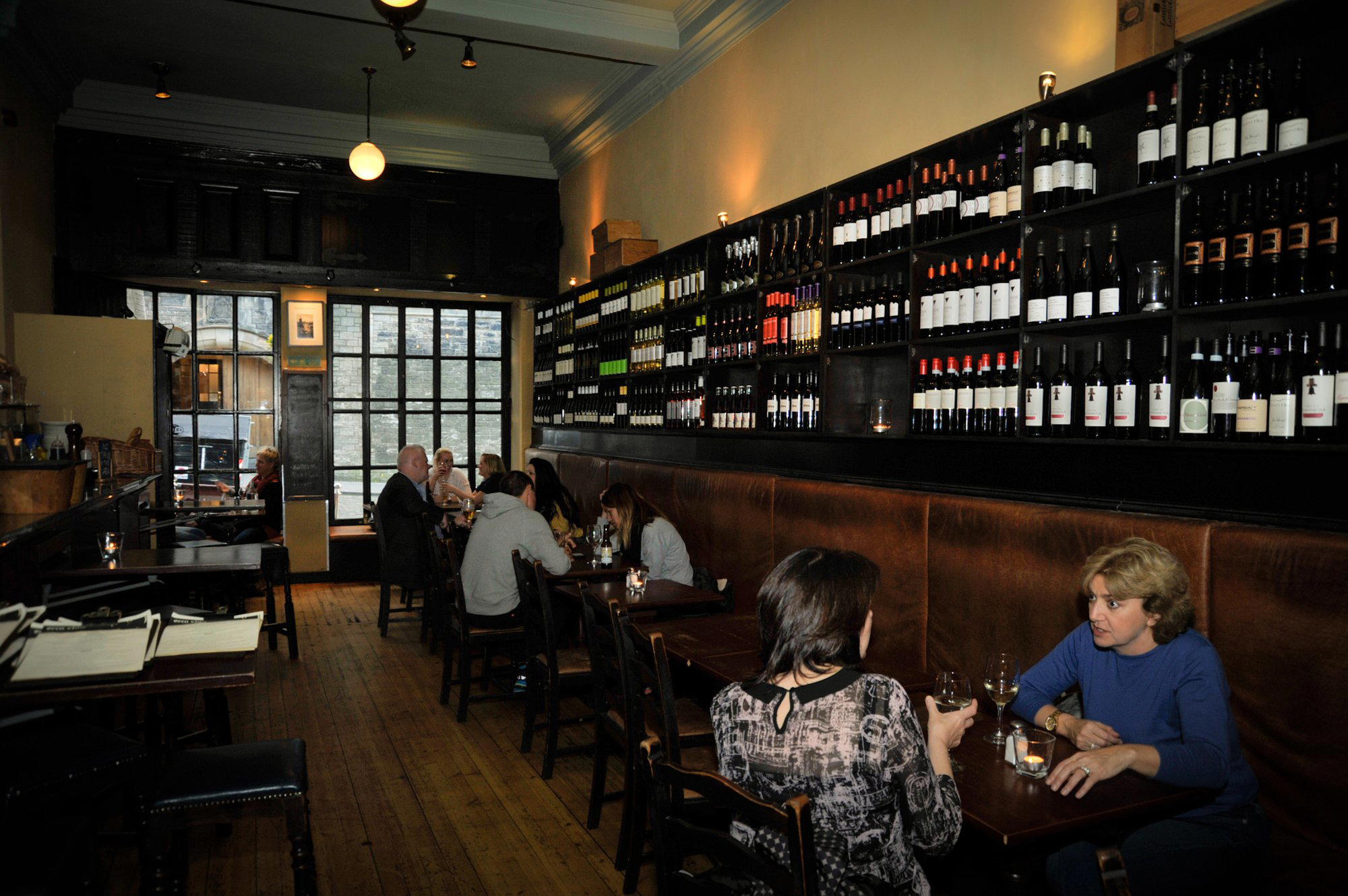
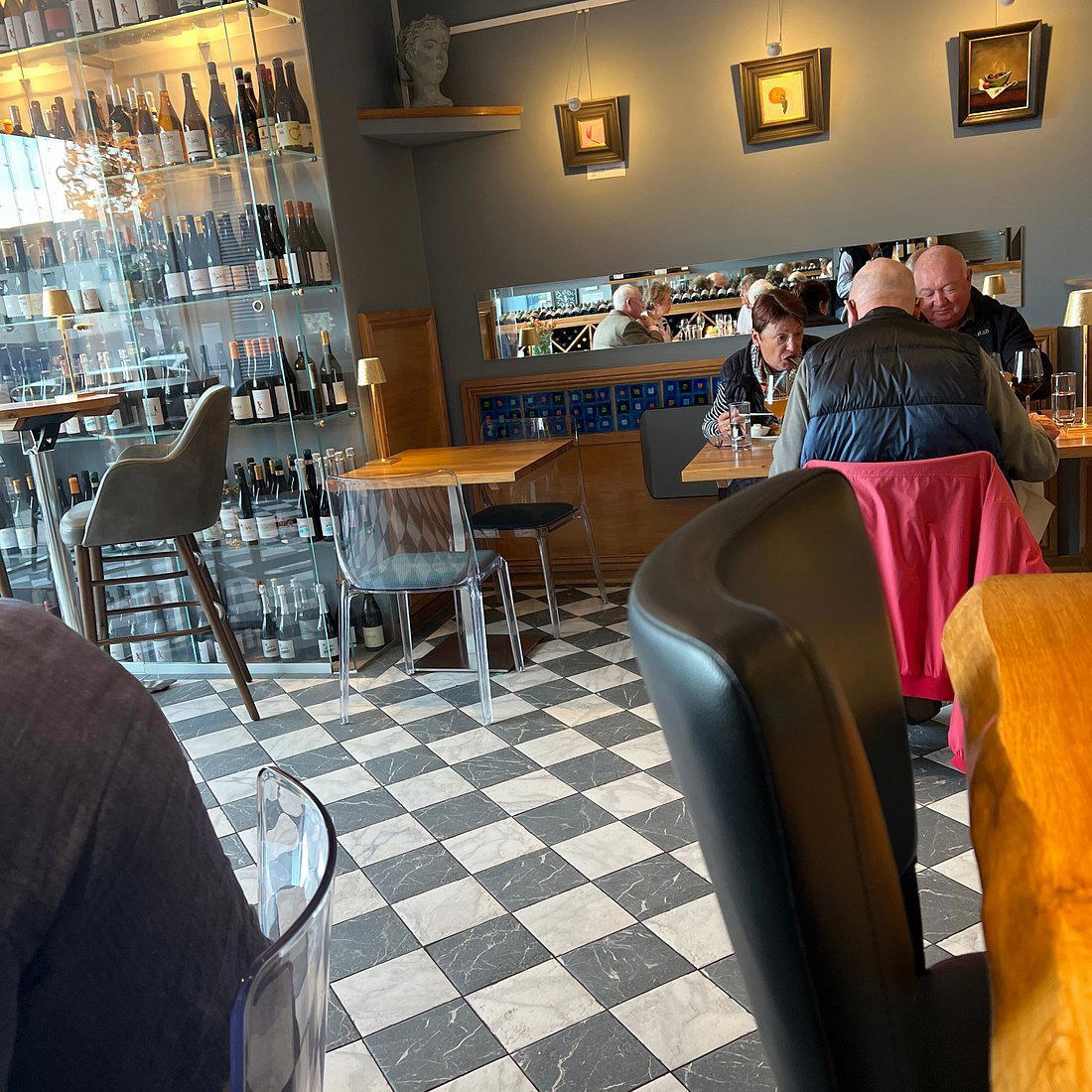
Sleek and classy interior with window tables offering street views, creating a welcoming yet elegant atmosphere.