Little Italy
Little Italy sits on North Kings Highway in Myrtle Beach, where Italian-American cooking meets a coastal resort corridor that runs on seafood and high turnover. The address places it squarely in the mid-beach stretch favored by families and returning regulars rather than the tourist-dense Boulevard. For Italian in a city built around buffets and chain seafood houses, that positioning counts for something.
Pearl is the En Primeur Club membership app — saves, bookings, and concierge access live there. Same editors, same standards.
- Address
- 3001 N Kings Hwy, Myrtle Beach, SC 29577
- Phone
- +18432131403
- Website
- littleitalymyrtlebeach.com
- Directions
- Get directions
 Saves & bookings on Pearl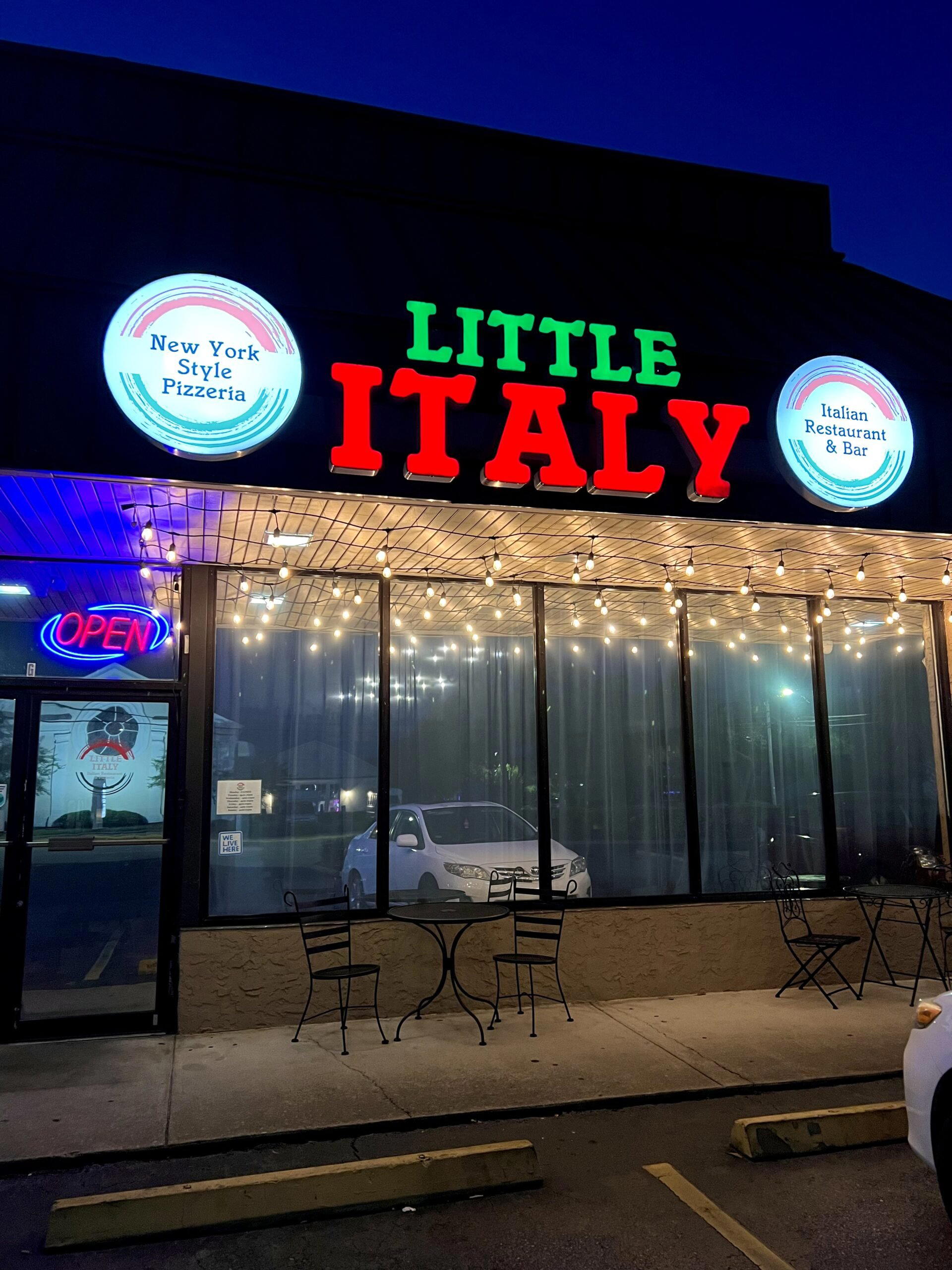
Italian-American Cooking on the Resort Strip
Myrtle Beach's North Kings Highway corridor is not the obvious address for a sit-down Italian restaurant. The stretch is defined by multi-lane traffic, motel signs, and the kind of commercial density that favors volume over specificity. Yet Italian-American cooking has always had a particular resilience in resort towns: it travels well, it feeds families without argument, and its raw material logic, pasta, tomatoes, olive oil, cured meat, is forgiving enough to survive supply chains far removed from any Italian coast. Little Italy at 3001 N Kings Hwy is a casual Italian-American restaurant in Myrtle Beach, with a recommended reservation policy and an average price of about $25 per person. Little Italy at 3001 N Kings Hwy occupies that tradition directly.
The broader pattern in American beach towns is worth naming. Where coastal destinations once defaulted entirely to local seafood houses, the last two decades have brought more Italian-American fixtures into the mix, partly because the cuisine absorbs local product efficiently. A clam sauce draws from the same Atlantic waters that supply the seafood shacks; a fra diavolo gets spicier and fresher when the shrimp are local. The question for any Italian restaurant in a seafood corridor is whether it leans into that overlap or treats itself as a separate category. The better operators in similar markets, think the Italian houses in coastal Virginia Beach or the Outer Banks, tend to bridge the gap rather than ignore it.
Sourcing in a Resort Market
The ingredient question matters more than it might appear on a highway-facing menu. South Carolina's coastal position puts Little Italy within reach of particularly productive shallow-water seafood grounds on the East Coast. The ACE Basin and the waters off the Grand Strand supply white shrimp, blue crab, and flounder to anyone willing to source regionally rather than through national broadliners. Whether a given Italian restaurant in this corridor takes that path or works from a standardized national supply chain is one of the clearest indicators of kitchen seriousness.
Italian-American cooking at its better end has always been an argument about sourcing dressed in tomato sauce. The red-sauce tradition that consolidated in mid-century American cities was built on whatever was available locally, and it shifted as local supply shifted. In a coastal South Carolina context, that means a kitchen with any ambition is working with regional shellfish, fresh herbs that grow year-round in the Lowcountry climate, and pork products from a state with a significant hog farming presence. None of that requires high-concept presentation; it requires procurement decisions made on the right side of the ledger.
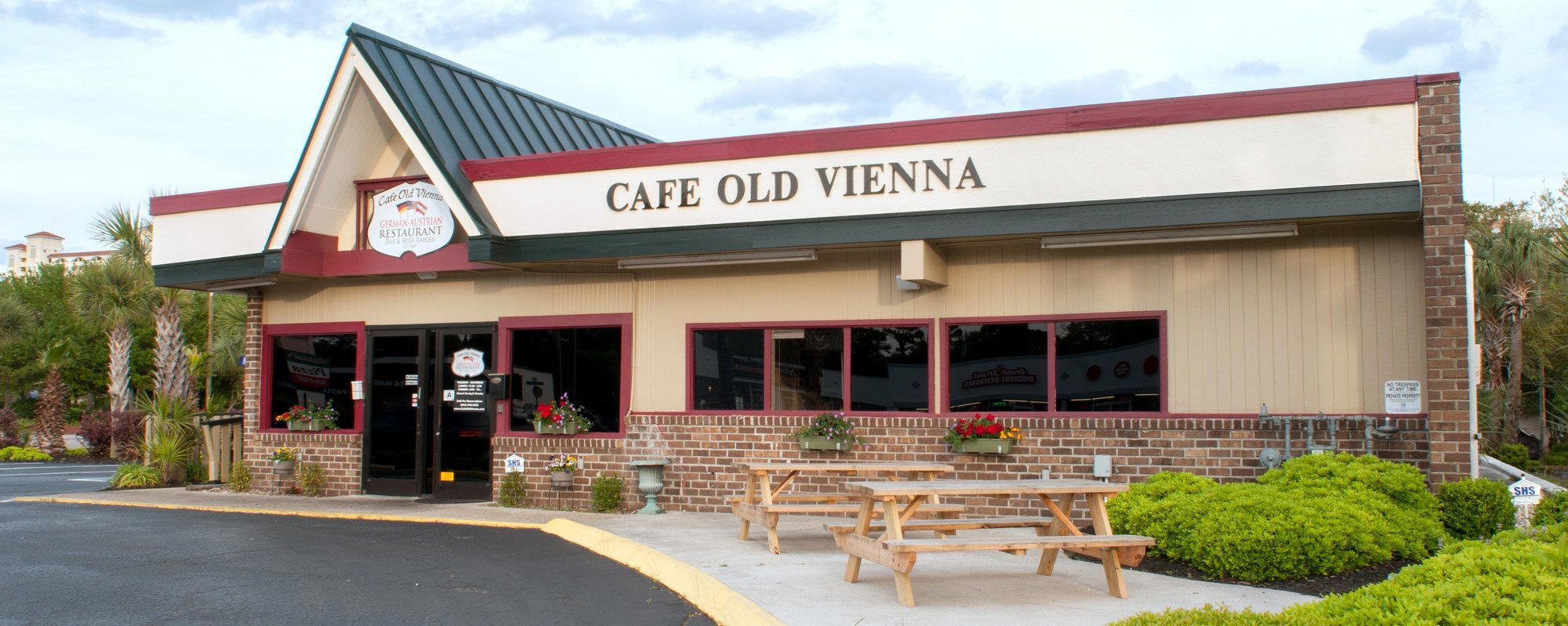
The comparison venues in the same market tell a partial story. Restaurants like Atmosphera Restaurant and Cafe Old Vienna operate at the European-influenced end of Myrtle Beach dining, while places like Black Drum anchor the local seafood side. Italian-American sits in a middle position: neither the Continental formality of the European-leaning houses nor the casual rawness of the fish shacks. That middle position can be a strength if the kitchen uses it deliberately, sourcing local product and cooking it through an Italian idiom.
Myrtle Beach's Italian-American Tier
To understand where the restaurant fits, it helps to map how Italian dining in Myrtle Beach actually stratifies. At the lower end, there are the chain operations and buffet-format Italians that serve the family vacation market at speed. A tier above that sits the independent Italian-American houses, typically family-operated, with moderate pricing, a full pasta menu, and a wine list that covers the basics without adventuring. Above that are the handful of Italian-influenced spots that operate more as contemporary American with Italian structure, where house-made pasta and a narrower menu signal kitchen investment. The restaurant's address and profile place it in that middle independent tier, competing with operators like Lombardo's Italian Restaurant for a customer base that wants something more considered than a chain but doesn't need a tasting menu experience.
For a point of reference outside the beach market, the Italian-American tradition at its most deliberate shows up in different settings: Le Bernardin in New York City represents the French end of the seafood-focused fine dining spectrum, while places like Alinea in Chicago or Lazy Bear in San Francisco show how American restaurants use tightly controlled sourcing as a central argument. Those are not peer comparisons for a resort-strip Italian house, but they illustrate the axis: kitchens that know where their ingredients come from cook differently from kitchens that don't. That principle applies at every price point.
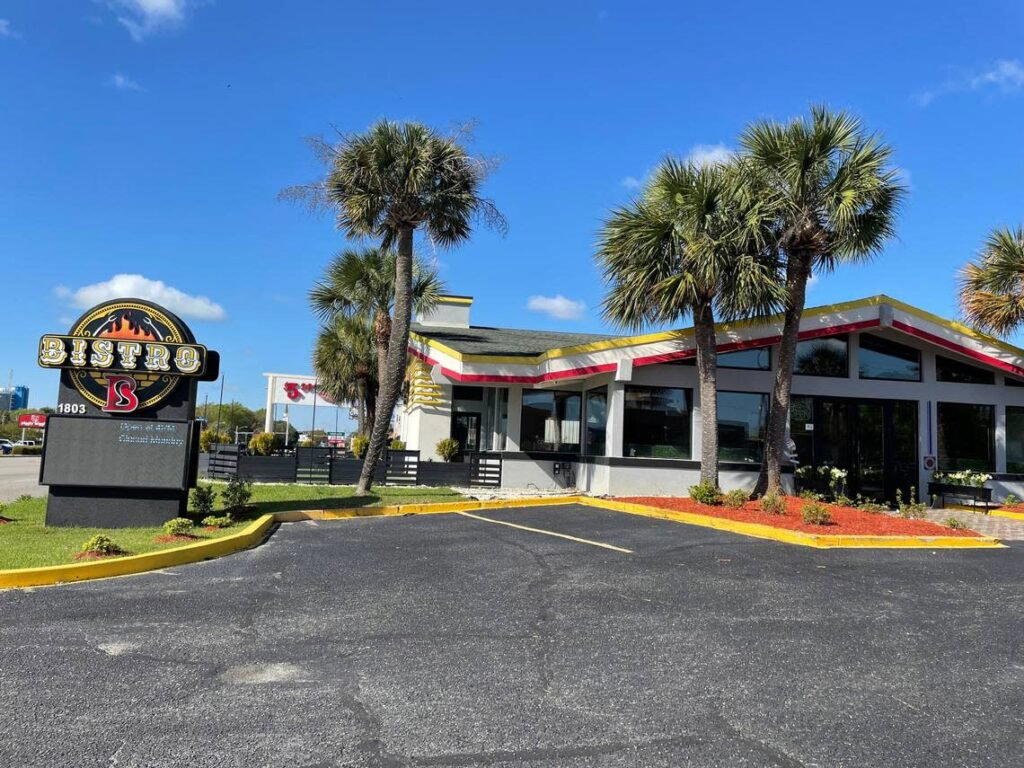
Locally, the more instructive comparisons are places like Aspen Grille and Bistro B, which operate in the mid-market independent segment and move through the same tension between resort-volume expectations and food-quality investment. The Italian-American format has one advantage over those broader American menus: its cuisine carries strong category recognition. A returning visitor who ate well at an Italian house three summers ago will actively seek it out again, which gives well-run independents a loyalty loop that broader-format restaurants have to work harder to build.
Planning Your Visit
The restaurant is located at 3001 N Kings Hwy, positioned in the mid-beach stretch of Myrtle Beach rather than the more congested areas closer to Broadway at the Beach or the Pavilion site. North Kings Highway is drivable and parking is generally available in the surrounding commercial lots, which is a practical consideration in a city where beachfront congestion can add significant time to short trips.
Side-by-Side Snapshot
Comparable venues nearby, for context on price, style, and recognition.
| Venue | Cuisine | Price | Notes |
|---|---|---|---|
| Little ItalyThis venue — the venue you are viewing | Authentic Italian Pizza & Pasta | $$ | Not listed |
| Ducatis Pizzeria & Trattoria | Italian Pizzeria & Trattoria | $$ | Myrtle Beach |
| Lombardo's Italian Restaurant | Authentic Italian Fine Dining | $$$ | Myrtle Beach |
| Luigi's Trattoria | Authentic Italian Trattoria | $$ | North Myrtle Beach |
| SOHO North | Asian Fusion Steak & Seafood Sushi | $$$ | North Myrtle Beach |
| Drift | Modern American Breakfast & Brunch | $$ | Grande Dunes |
Continue exploring
More in Myrtle Beach
At a Glance
- Cozy
- Classic
- Family
- Date Night
- Casual Hangout
- Open Kitchen
- Craft Cocktails
Current opening hours
- Monday
- 4–10 PM
- Tuesday
- Closed
- Wednesday
- 4–10 PM
- Thursday
- 4–10 PM
- Friday
- 4–10 PM
- Saturday
- 4–10 PM
- Sunday
- 4–10 PM
Hours can change for holidays and private events. Last verified .
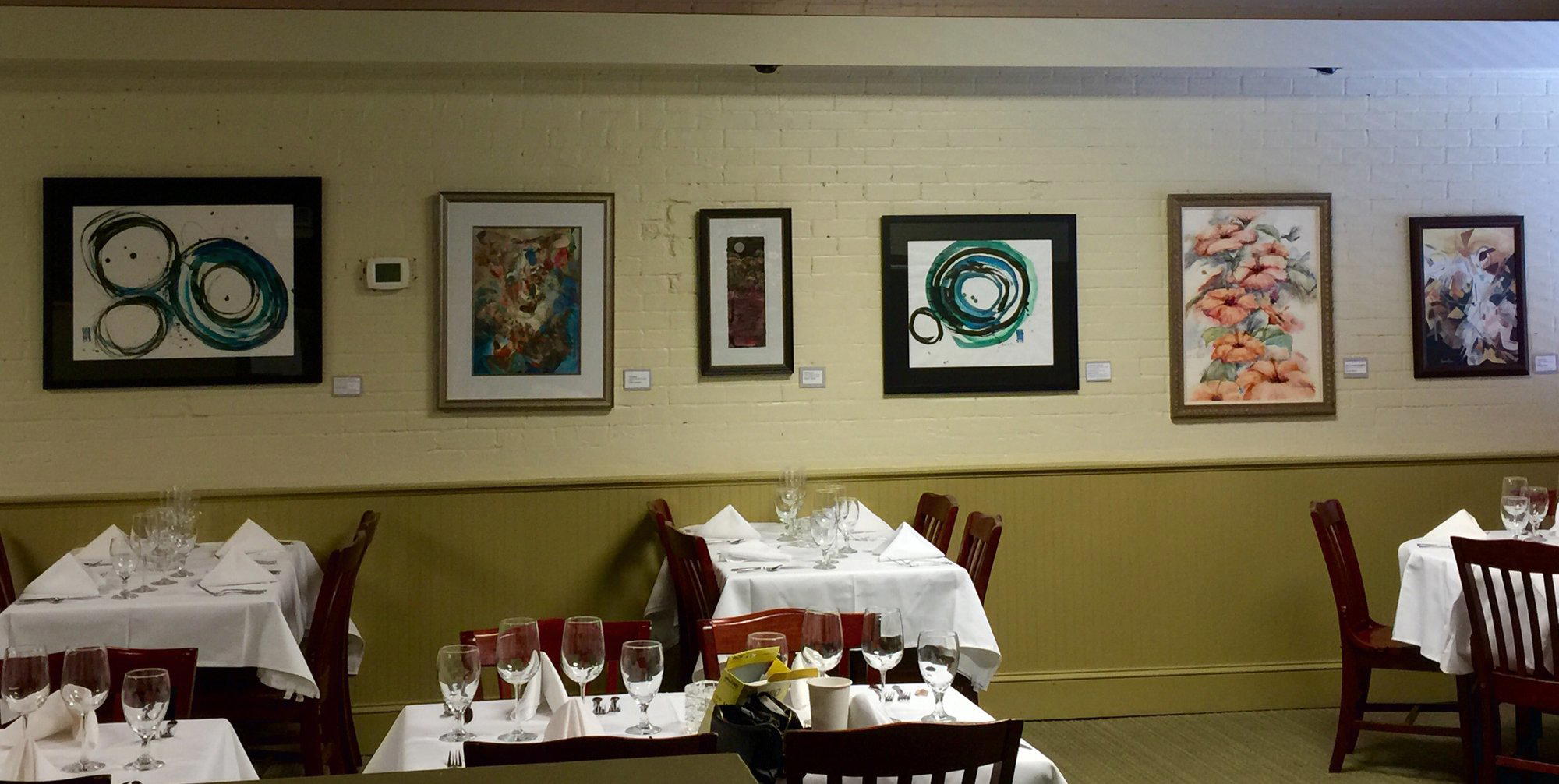
Relaxed and friendly atmosphere with moderate noise, fresh bread with dipping oil, and warm hospitality.