
Michelin Plate
Our verdict
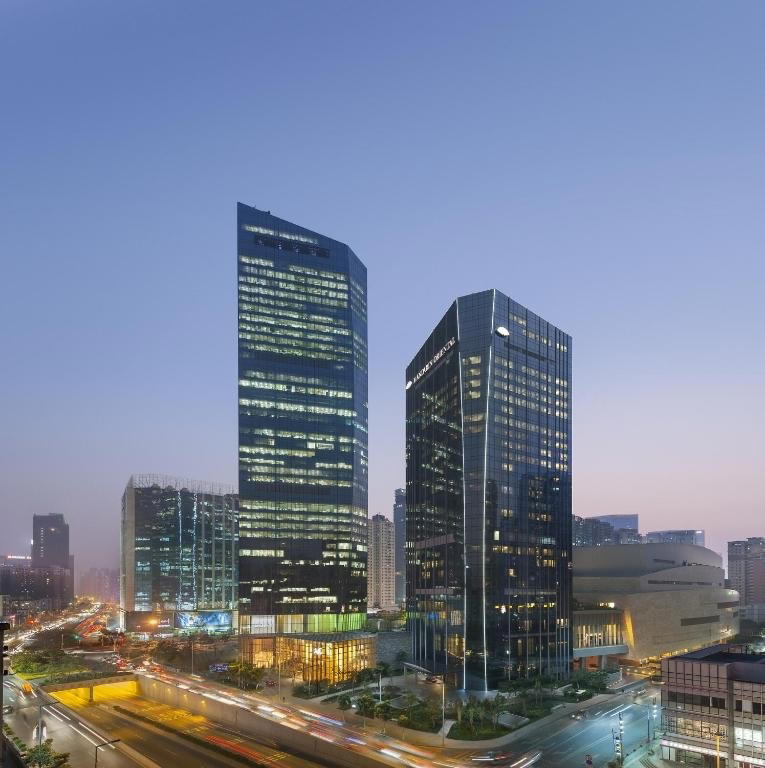
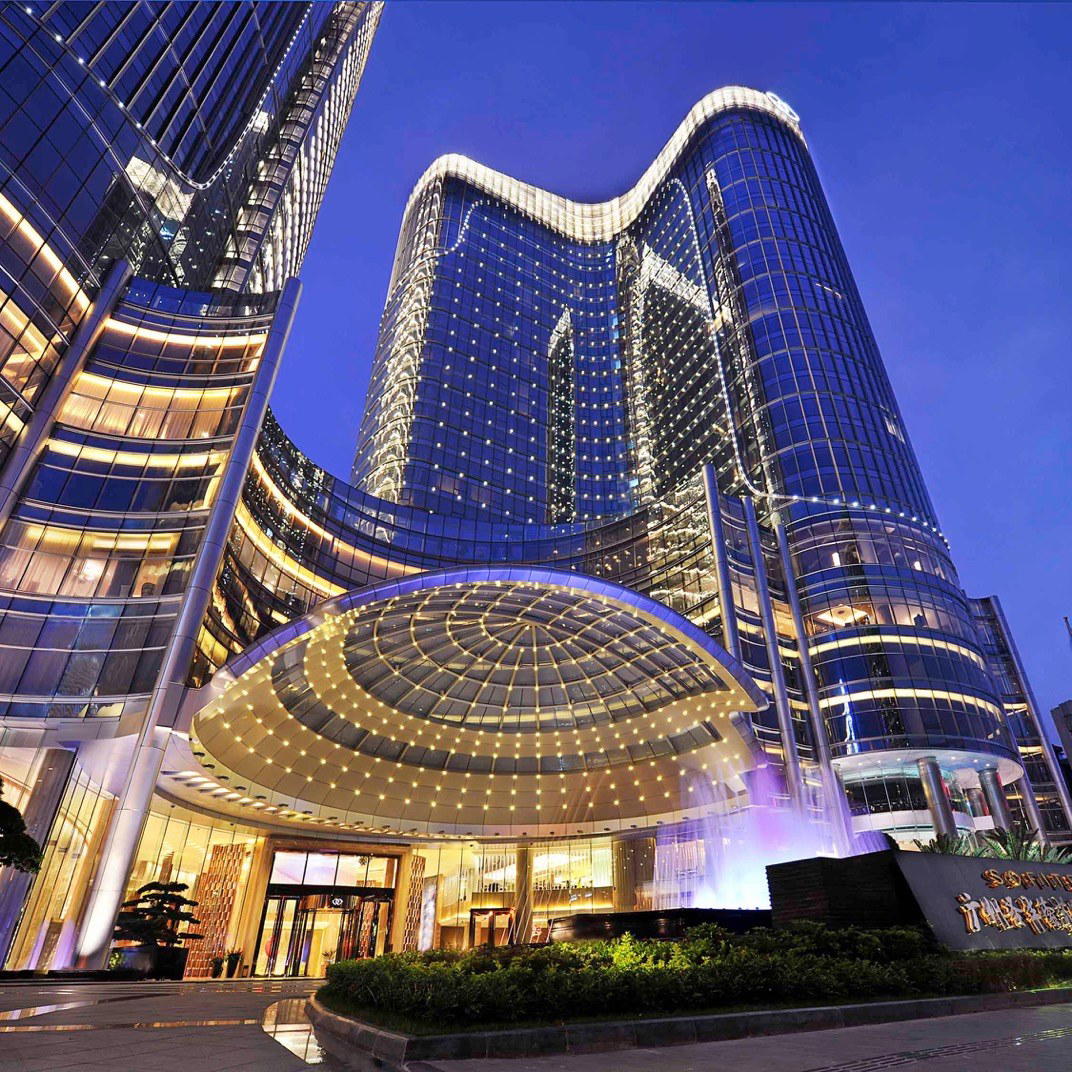
Li Château brings European dining to Guangzhou's Tianhe District from within the Marriott at Grandview Plaza, holding a Michelin Plate in both 2024 and 2025. The setting positions it among the city's mid-to-upper European options, where wine curation and classical technique carry more weight than spectacle..

Pearl is the En Primeur Club membership app — saves, bookings, and concierge access live there. Same editors, same standards.
- Address
- China, Guangdong Province, Guangzhou, Tianhe District, 天河中心广州正佳广场万豪酒店 邮政编码: 510620
- Phone
- +86 156 2625 8471
- Directions
- Get directions
The menu
What to order
- Beef_tenderloin_wellington
- Black_truffle_risotto_foie_gras
- Foie_gras_trio
European Dining in the Tianhe Commercial Core
Tianhe District's dining scene has consolidated around two poles over the past decade: the street-level Cantonese institutions that have anchored Guangzhou's food identity for generations, and the hotel-based European and international rooms that cater to the city's expanding corporate and expatriate class. Li Château occupies the second category, operating out of the Marriott at Grandview Plaza, one of the more established international hotel addresses in the district. In a city where Cantonese cooking commands near-universal attention from the Michelin Guide, a European restaurant holding a Michelin Plate in consecutive years — 2024 and 2025 — represents a specific and deliberate positioning. The guide's Plate designation signals cooking that meets a technical standard worth noting, even if it sits below the starred tier. For context, Guangzhou peers in the European and contemporary categories, such as Stiller and Aroma, operate at similar or adjacent price points, making this a genuinely competitive bracket.
The Room and the Register
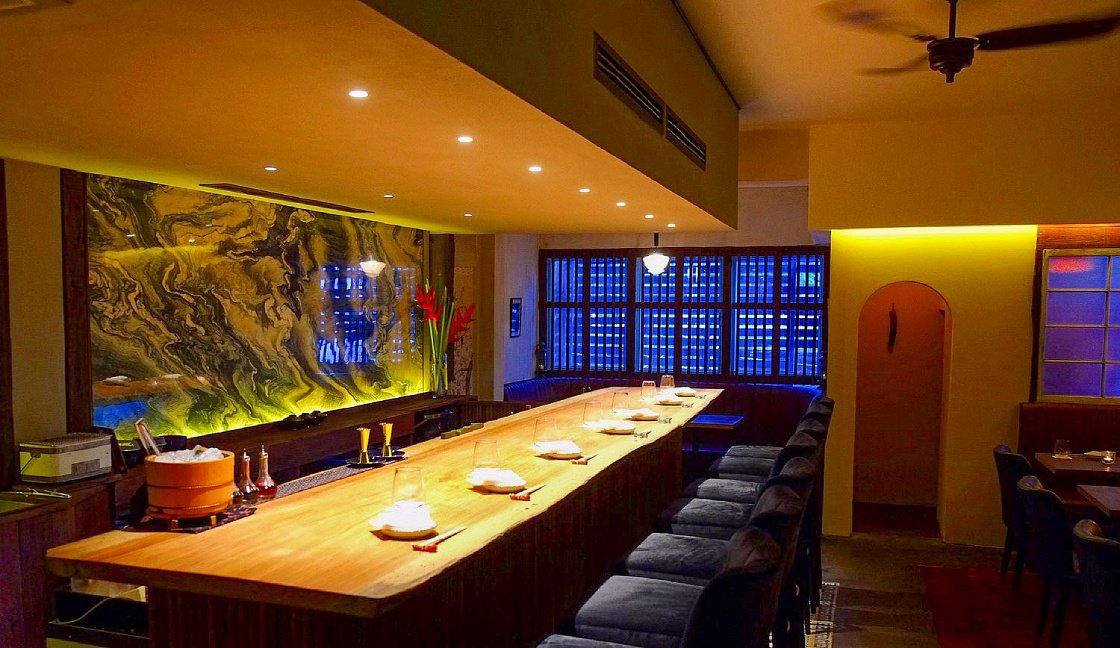
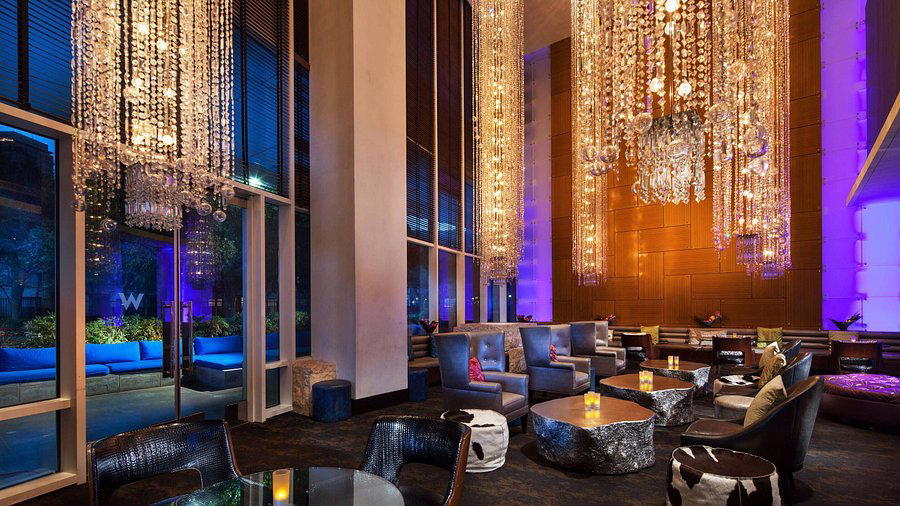
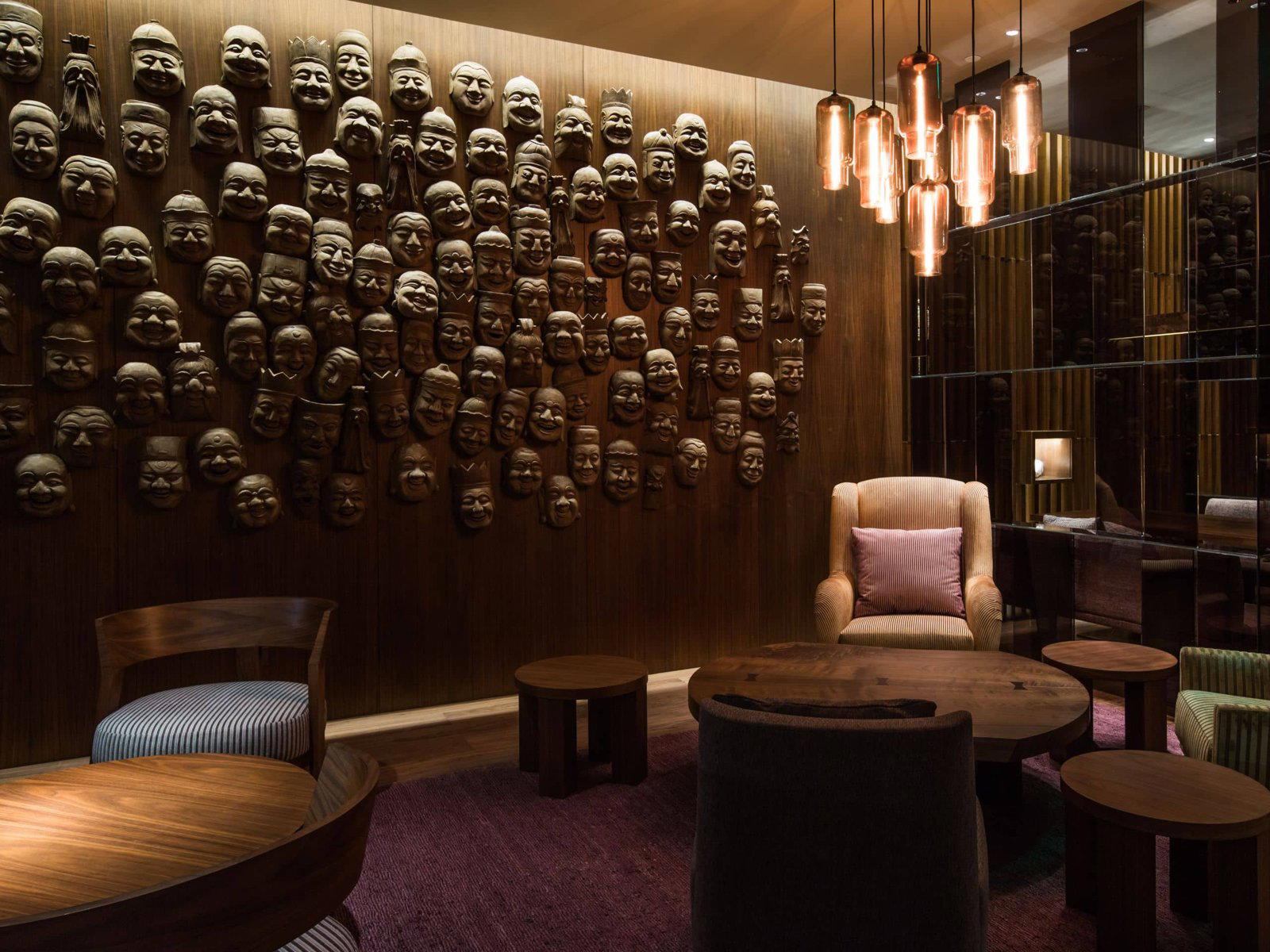
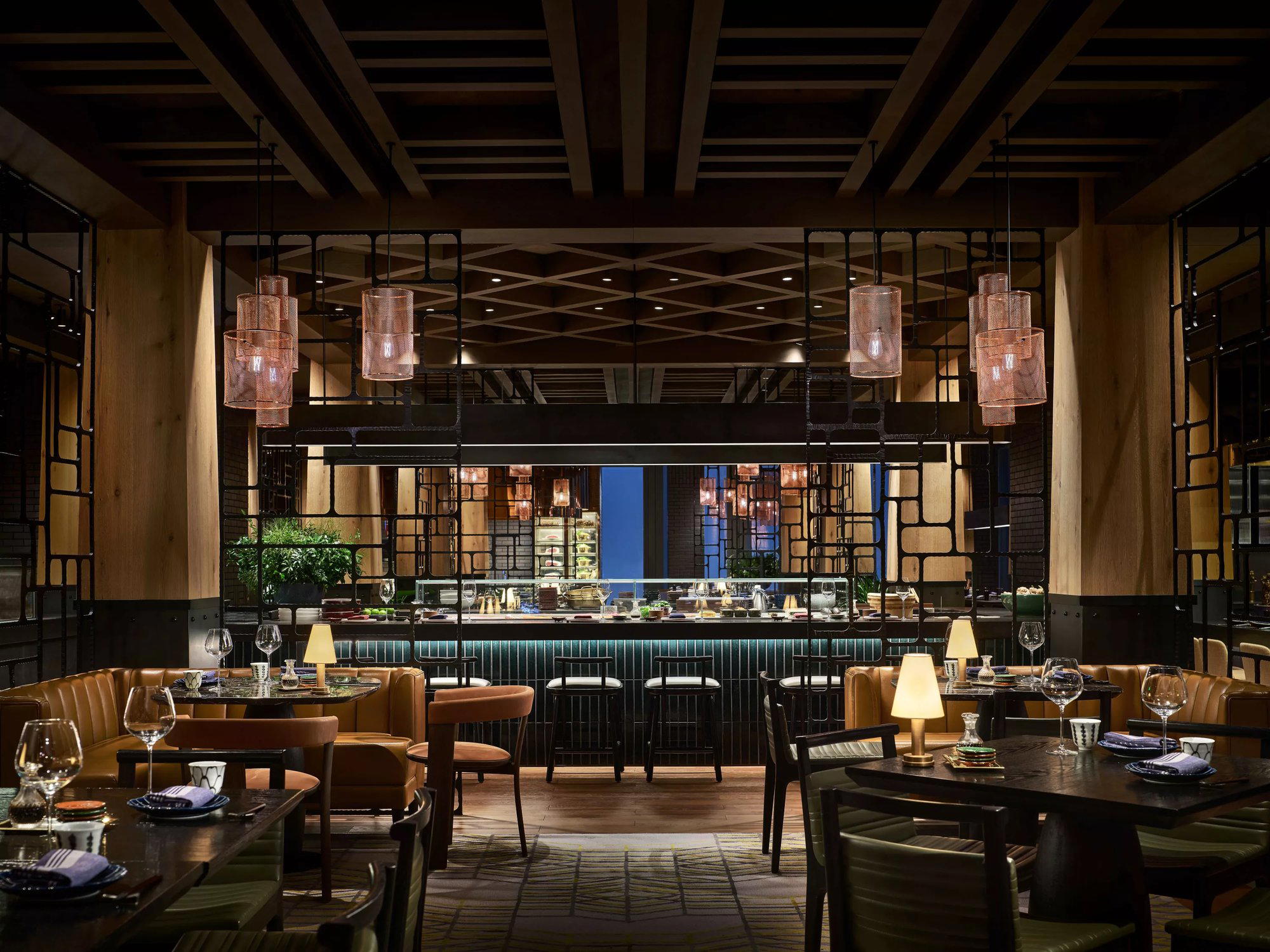
Hotel European restaurants in China's tier-one cities have spent years shaking off a reputation for anonymity: the kind of space designed to serve every guest without surprising any of them. The better examples have moved toward a clearer identity, whether through a defined regional European focus, an ambitious wine program, or a kitchen willing to commit to a narrower menu. The physical environment at Li Château, positioned within a large commercial-hotel complex, sits in this transitional category. The Grandview Plaza Marriott is a substantial property in a high-traffic retail and office zone, which means the restaurant operates with the foot traffic and visibility that comes with that address, and also with the expectations that a mid-to-luxury hotel dining room brings. The ¥¥¥ price tier places it in the same register as Ebony and the Cantonese stalwarts at Imperial Treasure Fine Chinese Cuisine, though those operate under entirely different culinary logics. At this price point, the question a diner reasonably asks is whether the kitchen is doing something with European technique that justifies the spend relative to the exceptional Cantonese cooking available at the same price around the corner.
The Wine Program as the Room's Defining Argument
In European hotel dining rooms across mainland China, the wine list has increasingly become the differentiating factor. The kitchen's ability to source premium European ingredients is structurally constrained by import logistics and cost; the wine cellar faces exactly the same pressures, but the better rooms have found ways to build lists that read as thoughtfully curated rather than generically international. The European restaurant format at Li Château's price tier, ¥¥¥, with consecutive Michelin Plate recognition, implies a cellar built to pair with classical technique: Burgundy-leaning whites for the fish courses, structured Bordeaux or Rhône reds for the mains, and enough depth by the glass to make a solo diner's evening worth having. Whether the sommelier program at Li Château has moved in that direction is something the room's Michelin acknowledgment hints at without confirming. A Plate in 2024 retained in 2025 suggests the kitchen and floor have maintained a standard, and in hotel European dining that consistency frequently owes as much to the service and beverage program as to the food itself.
For comparison, the wine-led European dining model is more explicitly developed at places like Bar Valette in London or Bar-Roque Grill in Singapore, where the cellar philosophy is articulated as part of the restaurant's identity. In mainland China, that degree of wine program transparency is rarer. Guangzhou itself sits geographically closer to Hong Kong than any other major mainland city, and that proximity has historically shaped its access to imported wine. The city's restaurant wine culture, while less prominent than Shanghai's, has developed real infrastructure in the upper-tier hotel dining rooms.
Where Li Château Sits Among Guangzhou's Broader Scene
Guangzhou's Michelin cohort tilts heavily toward Cantonese and Chao Zhou cooking. Jiang by Chef Fei represents the high end of the Cantonese bracket; the city's starred and Plate-recognized rooms in other cuisines occupy a smaller and more specialist position. Within that context, Li Château's back-to-back Plate recognitions make it one of the more consistently acknowledged European rooms in the city, operating in a category where most competitors receive no Michelin attention at all.
For readers building a broader itinerary across Chinese cities, it is worth noting how European dining performs differently in each market. 102 House in Shanghai operates in a city with a deeper European dining culture; Xin Rong Ji in Beijing and Xin Rong Ji in Chengdu anchor themselves in Chinese tradition. In Guangzhou, European rooms exist as a secondary tier, with Li Château among the few holding any external recognition. Across the wider Pearl River Delta, Chef Tam's Seasons in Macau and venues in Hangzhou and Nanjing illustrate how regional Chinese dining contexts shape what a non-Cantonese room has to do to earn notice.
Planning a Visit
Li Château sits within the Marriott at Grandview Plaza in Tianhe District, Guangzhou's commercial and retail hub. The ¥¥¥ price tier implies a mid-to-upper spend relative to the city's broader restaurant market, appropriate for a business dinner or a considered evening out rather than a casual stop. The Michelin Plate across two consecutive years provides a baseline assurance of technical standard. For readers exploring the city's wider dining and hospitality options, our full Guangzhou restaurants guide, hotels guide, bars guide, wineries guide, and experiences guide map the full picture.
Frequently asked questions
What's the must-try dish at Li Château?
The Michelin Plate recognition in both 2024 and 2025 points to a kitchen operating with European classical technique as its foundation, which typically anchors around protein-led mains and composed starters. The practical approach is to ask the sommelier or floor team what the kitchen is running well that week, in a hotel European room at this price tier, that conversation is both appropriate and usually illuminating.
Is Li Château better for a quiet night or a lively one?
A hotel European dining room at ¥¥¥ in Tianhe's commercial core is calibrated toward controlled formality rather than energy. The Grandview Plaza Marriott is a high-traffic property, but the dining room itself, within a mid-to-upper European format, will run at a register suited to business dinners and occasion meals. If you're after the louder Guangzhou evening, the city's Cantonese roast and dim sum rooms are the appropriate direction. Li Château's Michelin recognition and price tier signal a room where conversation carries without competition.
Is Li Château a family-friendly restaurant?
At the ¥¥¥ price point in a Michelin Plate-recognized hotel European room, the format leans toward adult dining occasions. Guangzhou as a city is broadly accommodating to families at restaurants across the spectrum, but a European hotel dining room in this bracket prioritises a pace and formality that younger children may find at odds with the room's tempo. For a family-oriented evening in Guangzhou, the city's Cantonese dining rooms at the same price tier offer a more natural fit.
Accolades, Compared
Comparable options at a glance, pulled from our tracked venues.
| Venue | Cuisine | Price | Awards | Notes |
|---|---|---|---|---|
| Li ChâteauThis venue — the venue you are viewing | Luxury French Fine Dining | $100–150 | Michelin Plate | Not listed |
| Imperial Treasure Fine Chinese Cuisine | Contemporary Franco-Japanese Fine Dining | $150–200 | 1 Michelin Star | Cantonese |
| Taian Table | Contemporary Franco-Japanese Fine Dining | $150–200 | 1 Michelin Star | Modern European, European Contemporary |
| Chōwa | Contemporary Franco-Japanese Fine Dining | $150–200 | 1 Michelin Star | Innovative |
| Imperial Treasure Fine Teochew Cuisine | Contemporary Franco-Japanese Fine Dining | $150–200 | 1 Michelin Star | Chao Zhou |
| Rêver | Contemporary Franco-Japanese Fine Dining | $150–200 | 1 Michelin Star | French Contemporary |
Recognition history
Dated appearances from independent guides and award organizations, with the underlying list record or original source where available.
Michelin Plate
Michelin
Full recognition history (3 entries)
Michelin Plate
Michelin
Michelin Plate
Michelin
Continue exploring
More in Guangzhou
Restaurants in Guangzhou
Browse all →
Bars in Guangzhou
Browse all →
Details
- Romantic
- Elegant
- Intimate
- Sophisticated
- Date Night
- Special Occasion
- Hotel Restaurant
- Tasting Menu
- A La Carte
- Set Menu
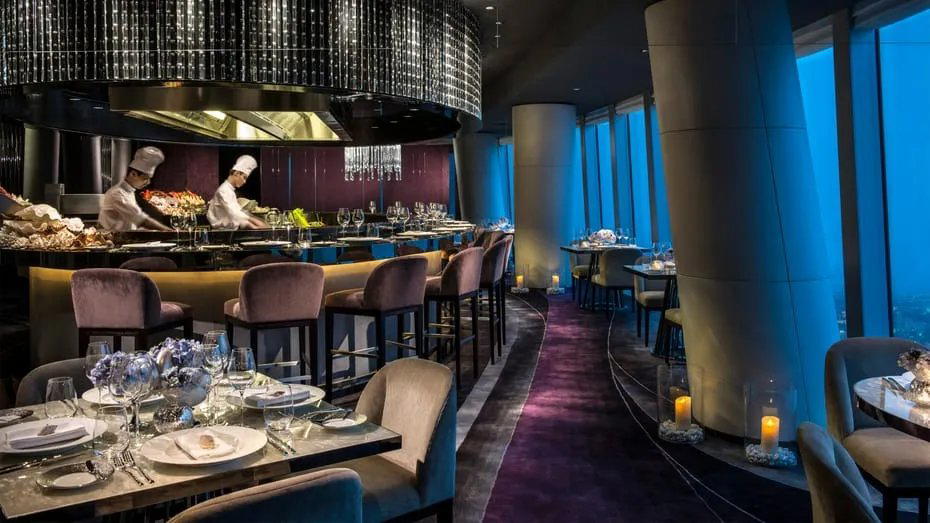
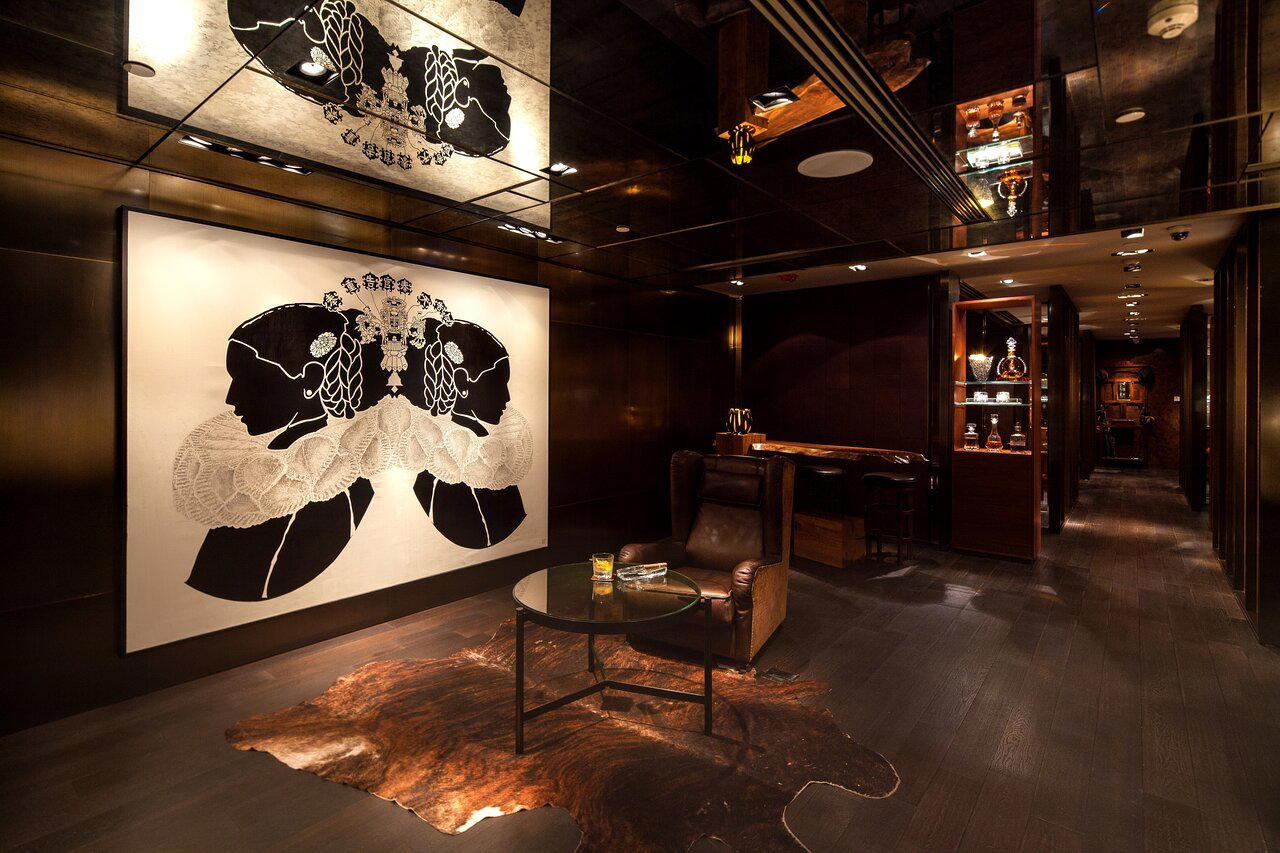
Romantic and dimly lit with a literary feel, European styling mixed with local eclectic motifs, quiet atmosphere where speaking loudly is impolite.