
A 17th-century Breton stone residence on Sarzeau's central square, Lesage takes its name from the town's most famous literary son and delivers cooking that matches the setting's seriousness: locally sourced ingredients prepared with precise attention to texture and temperature. The dining room's exposed beams, terracotta floors, and fireplace position it as one of the Presqu'île de Rhuys's most characterful addresses for regional French cooking.
Pearl is the En Primeur Club membership app — saves, bookings, and concierge access live there. Same editors, same standards.
- Address
- 3 place de la Duchesse-Anne
- Phone
- +33 2 97 41 77 29
- Website
- hotelrestaurantlesage.com
- Directions
- Get directions
 Saves & bookings on Pearl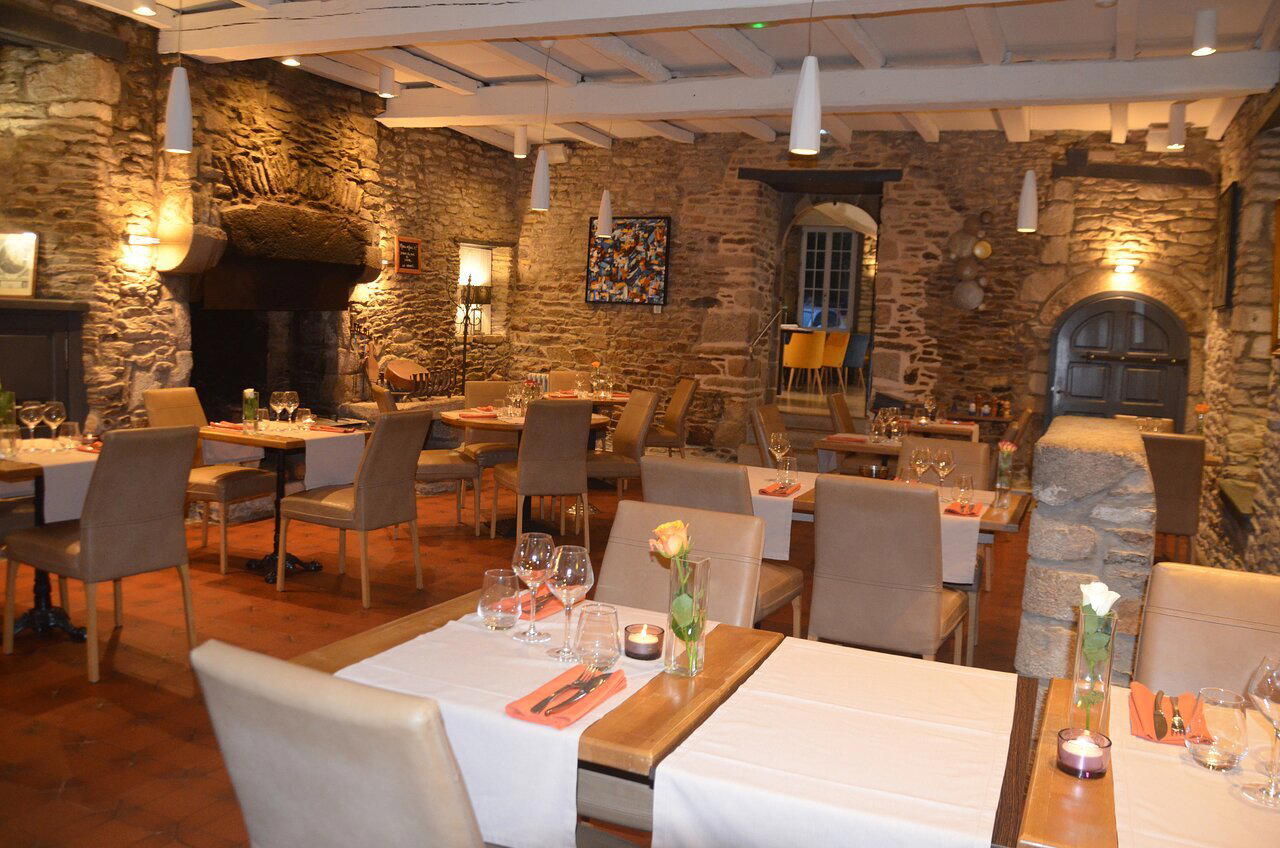
A Square, a Fireplace, and a Literary Name
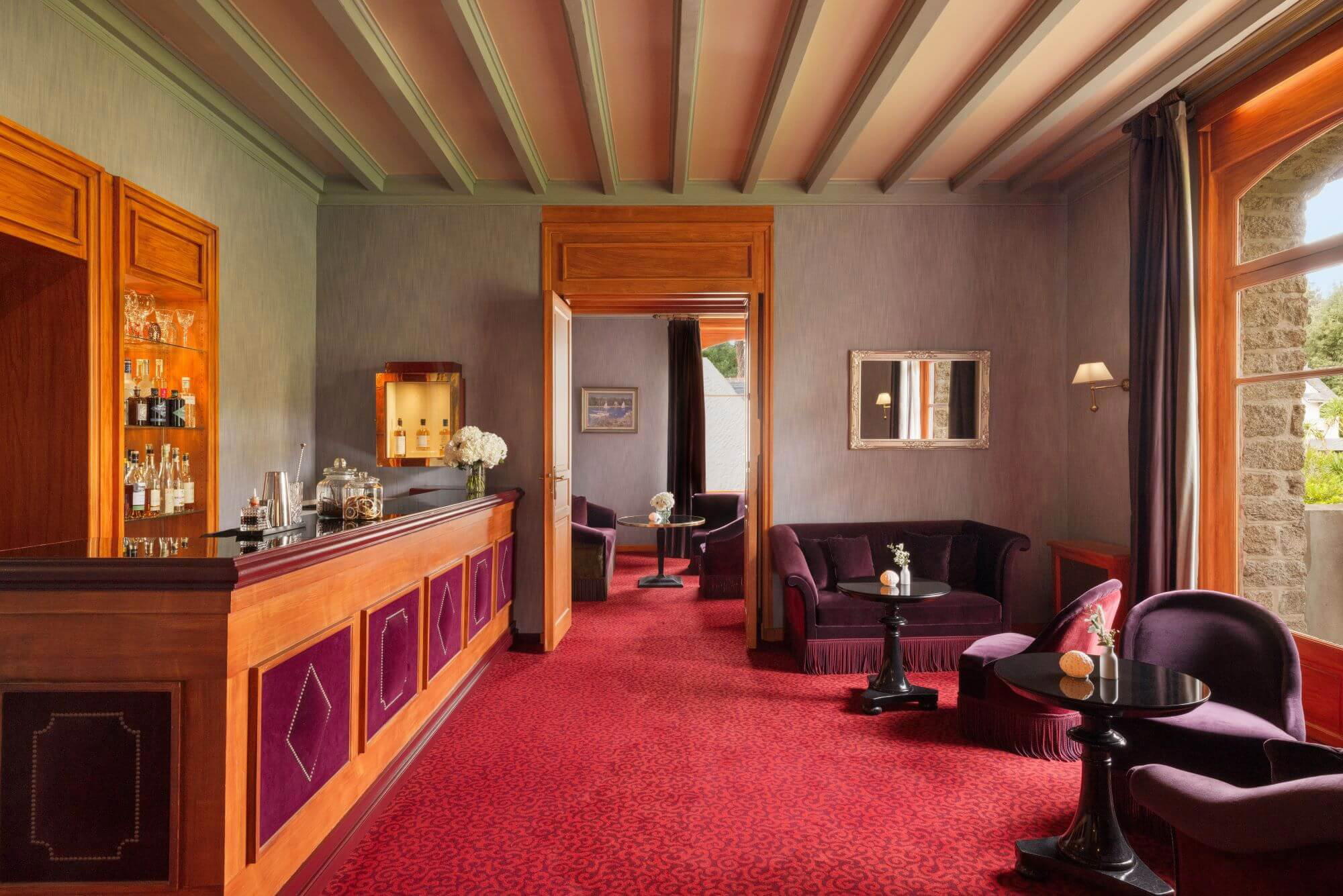
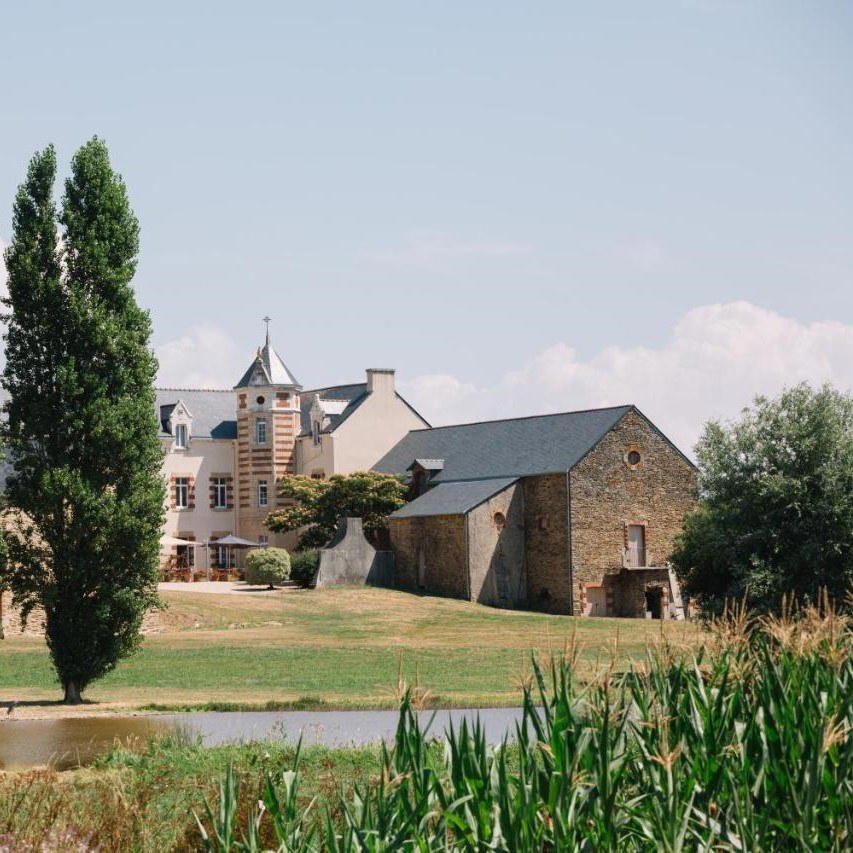
The place de la Duchesse-Anne sits at the quiet centre of Sarzeau, where the Église Saint-Saturnin anchors the old town with the unhurried gravity of a Breton parish church. Lesage occupies a stone residence on this same square, a building whose 17th-century bones show in the thickness of its walls, the worn terracotta floor tiles, and the kind of fireplace that makes a room feel genuinely old rather than deliberately rustic.
The name itself carries weight. Alain-René Lesage, born in Sarzeau in 1668, wrote Gil Blas, one of the foundational texts of the picaresque tradition in European literature. Naming a restaurant after a writer of that calibre is a statement of local pride, not decoration, and it sets expectations for a kitchen that wants to be more than a convenience stop between the Golfe du Morbihan's beaches.
What the Kitchen Draws On
Broader context for ingredient sourcing in southern Brittany is unusually strong. The Presqu'île de Rhuys sits between the open Atlantic and the sheltered Golfe du Morbihan, giving local producers access to both saltwater ecosystems. Shellfish, fin fish, and coastal vegetables with a salinity edge are all within reach. The kitchen at Lesage reflects this geography: squid, sourced from nearby waters, appears as one of the kitchen's most direct expressions of place, seared to order, finished with Espelette pepper, and served alongside corn in three preparations (creamed, raw, and popped), each bringing a different textural register to the same plate.
That corn and Espelette pepper combination points to something worth noting about how French regional cooking has evolved. Espelette, the AOC chilli from the Basque Country, has become a trusted bridge ingredient across southwestern and western French kitchens over the past two decades, adding heat without the sharpness of black pepper and without overriding the primary ingredient. Its use here alongside a Breton seafood base reflects the kind of calibrated borrowing that distinguishes a kitchen paying attention to what French producers are doing nationally, not just locally. At restaurants like Bras in Laguiole or Mirazur in Menton, the sourcing logic is hyperlocal but the culinary reference points are wide. Lesage operates on a smaller scale, but the instinct is recognisably similar.
The emphasis on balancing textures and temperatures within a single dish is a technical preoccupation that matters more than it might appear. Temperature contrast (a seared element alongside something served cool or at room temperature) creates sensory contrast that carries a dish beyond the sum of its ingredients. The corn preparation here, offering crisp raw kernels alongside soft cream, does exactly this work. For a kitchen in a smaller regional town, that level of compositional thinking signals a young chef engaging with the grammar of contemporary French cooking, not simply applying tradition by rote.
Where Lesage Sits in Sarzeau's Dining Scene
Sarzeau's restaurant scene is not large, but it is more varied than its size suggests. Le Kermer and Le Manoir de Kerbot both operate in the traditional cuisine bracket at a comparable price tier, serving the kind of direct Breton cooking that relies on ingredient quality over technical ambition. Les Jardins de Kerstéphanie sits a tier higher on both price and ambition, with a modern cuisine approach that positions it closer to destination dining. Lesage occupies a productive middle ground: the setting and sourcing philosophy suggest seriousness, while the format and price register remain accessible to the broader visitor and local audience. This is the kind of restaurant that punches above its category without losing the character that makes it worth visiting in the first place.
The paintings by local artists distributed through the dining room reinforce this positioning. They are a contemporary accent inside a historic frame, the kind of curatorial decision that says something about how the restaurant understands its own identity: rooted in Breton history and materials, but not frozen there.
Planning a Visit
Lesage is at 3 place de la Duchesse-Anne, directly adjacent to the Église Saint-Saturnin in central Sarzeau. The location is walkable from most of the town's accommodation, and the square itself provides a natural gathering point before or after a meal. For visitors building a longer itinerary around the Presqu'île de Rhuys, the Sarzeau bars guide, wineries guide, and experiences guide round out the options beyond the table.
Lesage belongs to that broader regional dining tradition: specific, ingredient-led, and grounded in a place that gives it something to say.
In Context: Similar Options
Comparable venues nearby, for context on price, style, and recognition.
| Venue | Cuisine | Price | Awards | Notes |
|---|---|---|---|---|
| LesageThis venue — the venue you are viewing | Modern French Terre & Mer | $$$ | Michelin Plate | Not listed |
| Les Jardins de Kerstéphanie | Modern French Seafood | $$$ | Michelin Plate | Sarzeau, Presqu'île de Rhuys |
| Le Kermer | Modern Breton Bistro | $$ | Michelin Plate | centre de Sarzeau |
| Le Manoir de Kerbot | Gastronomic Breton French | $$$ | Bib Gourmand | Sarzeau |
| Empreinte | Modern French Locavore | $$$ | Michelin Plate | centre-historique |
| Inseme | Modern French Bistronomic | $$$ | Michelin Plate | Ploubezre |
Recognition history
Dated appearances from independent guides and award organizations, with the underlying list record or original source where available.
Michelin Plate
Michelin
Continue exploring
More in Sarzeau
Restaurants in Sarzeau
Browse all →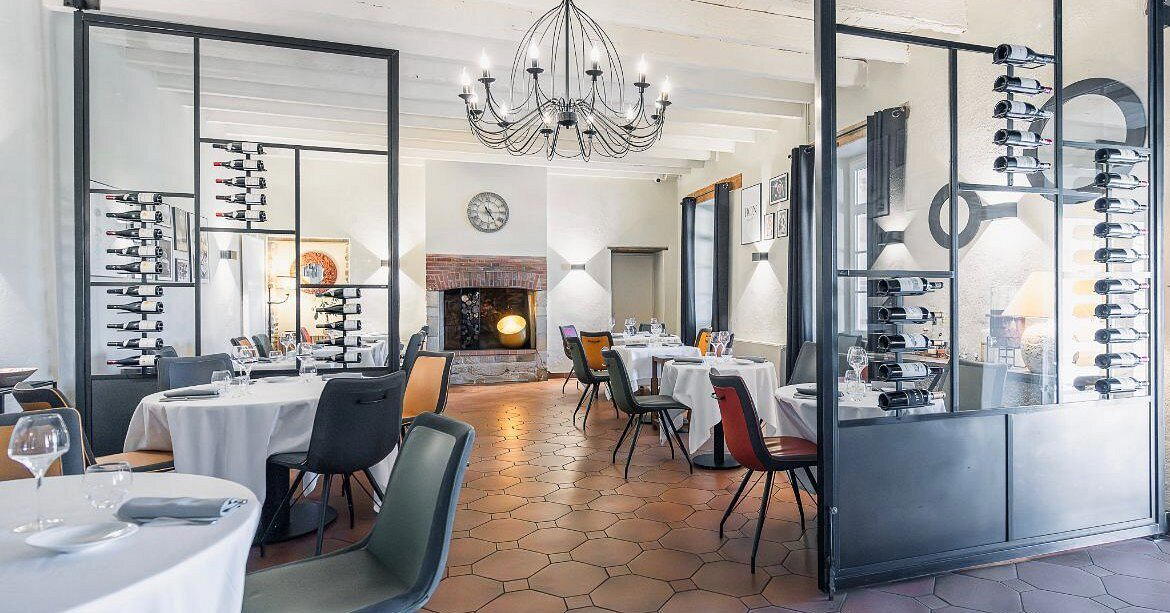
At a Glance
- Elegant
- Cozy
- Classic
- Romantic
- Sophisticated
- Date Night
- Special Occasion
- Historic Building
- Terrace
- Extensive Wine List
- Local Sourcing
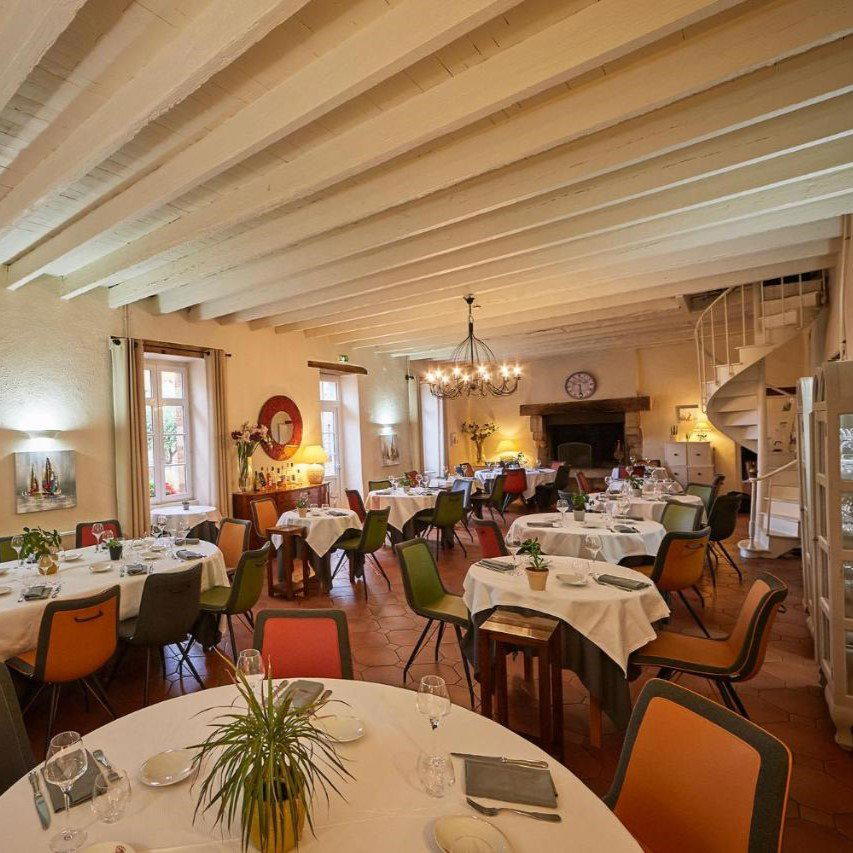
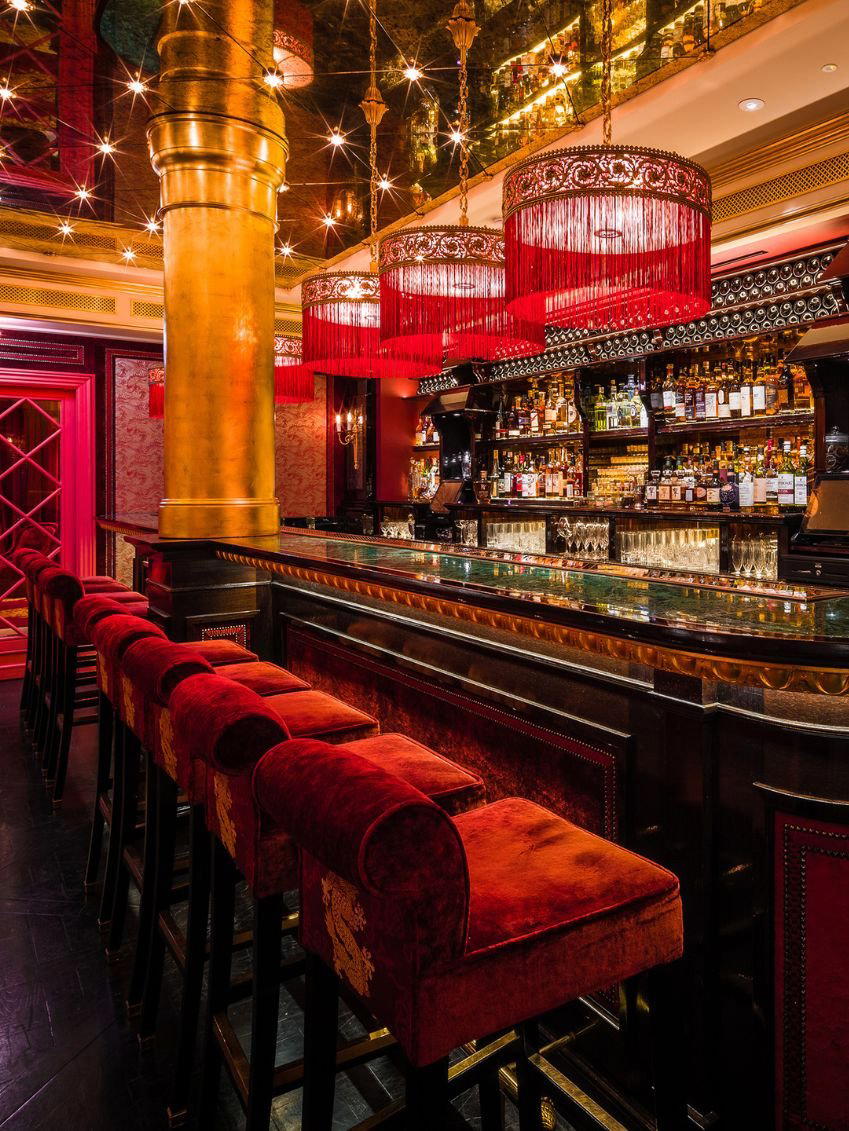
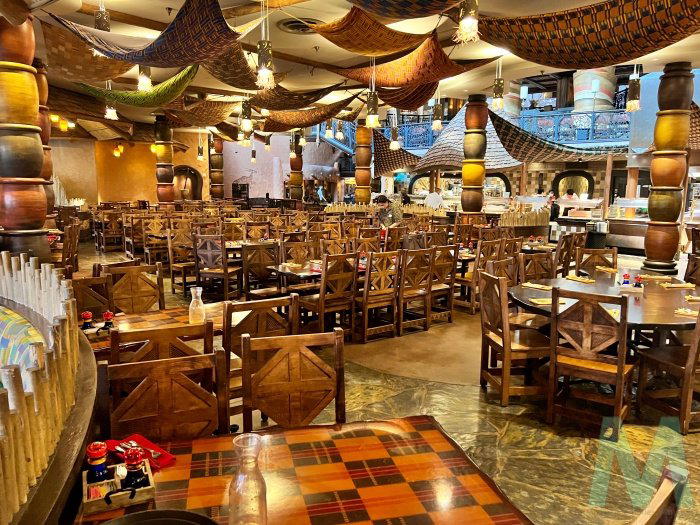
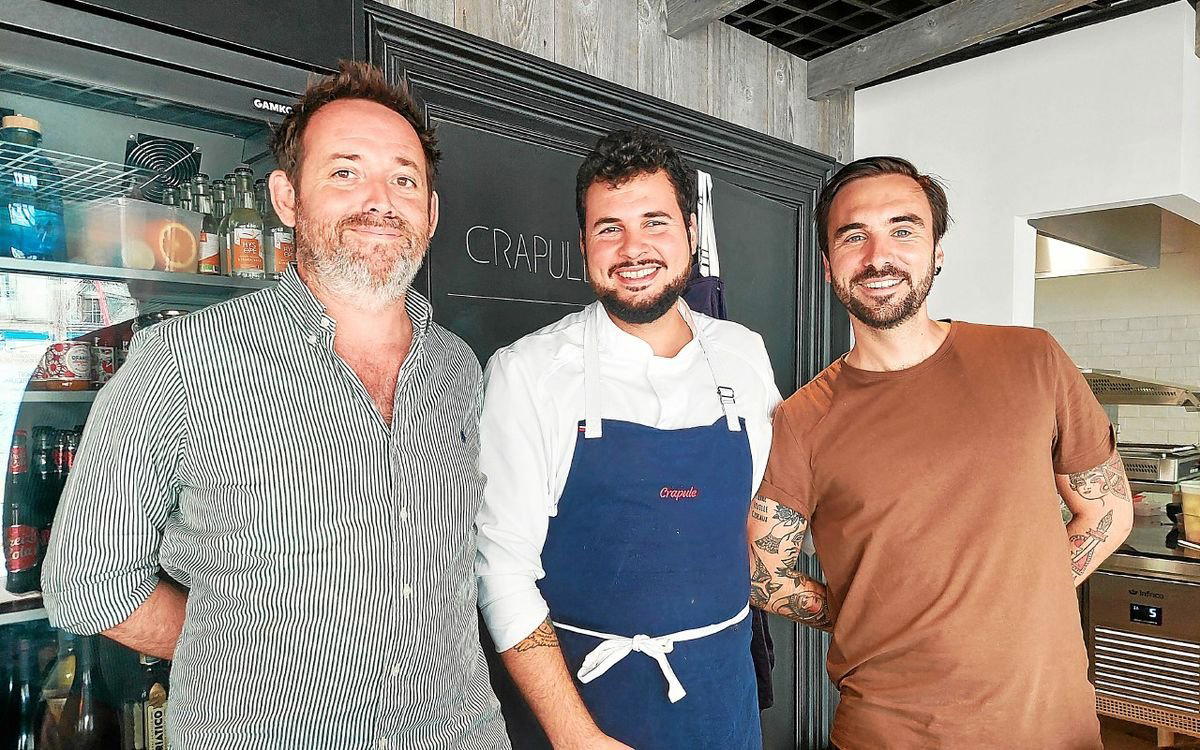
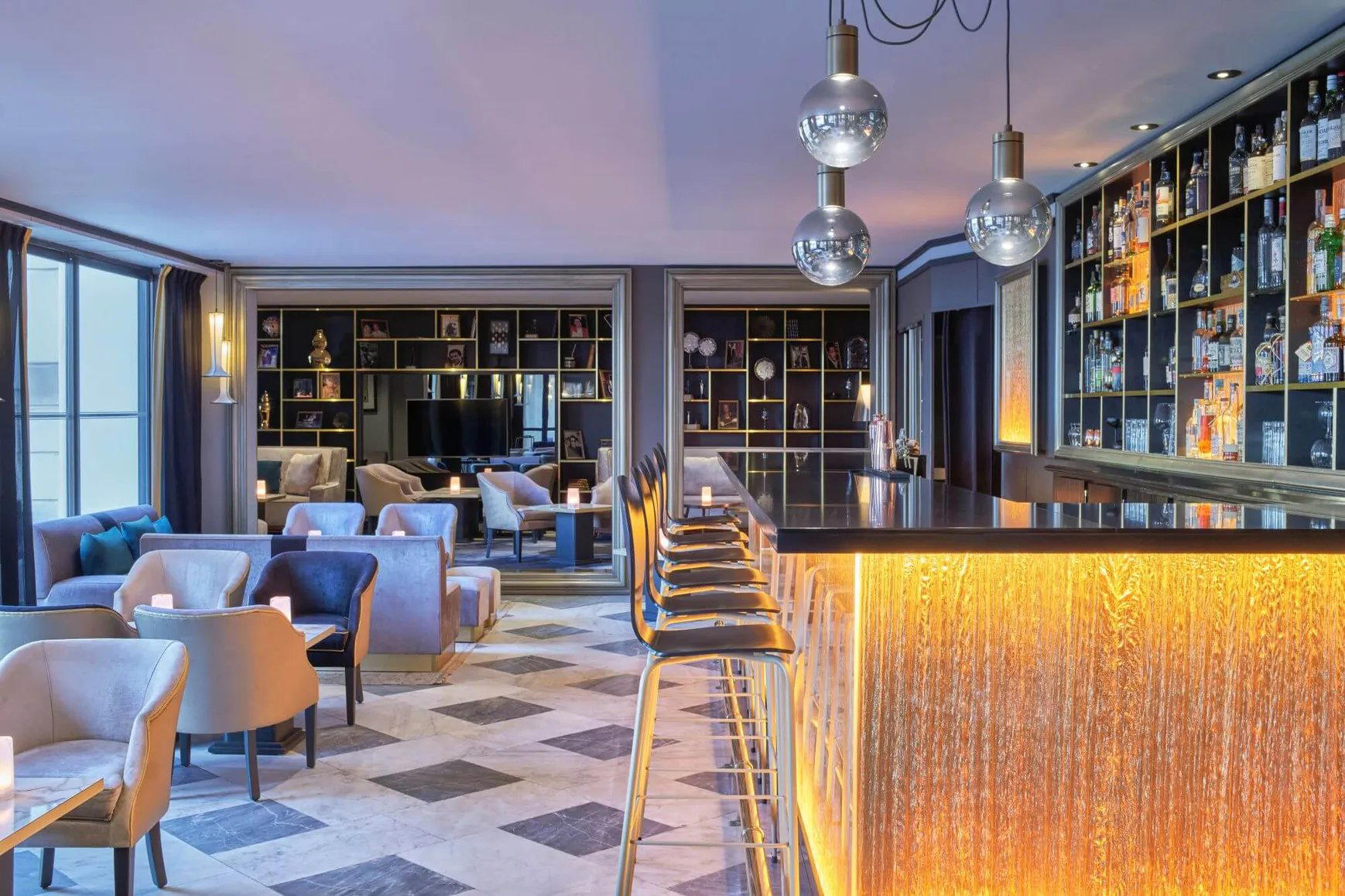
Refined dining room with exposed stone walls, old beams, terracotta floors, fireplace, and contemporary touches creating a cozy, authentic atmosphere.