
Michelin Plate
Our verdict
On a busy Toulouse shopping street near Place des Carmes, Les Têtes d'Ail earns its Michelin Plate through market-driven bistronomic cooking rooted in southwest France. The kitchen rotates with the seasons, sourcing locally and keeping prices honest, particularly at lunch.

Pearl is the En Primeur Club membership app, where members save venues, book tables and use the concierge.
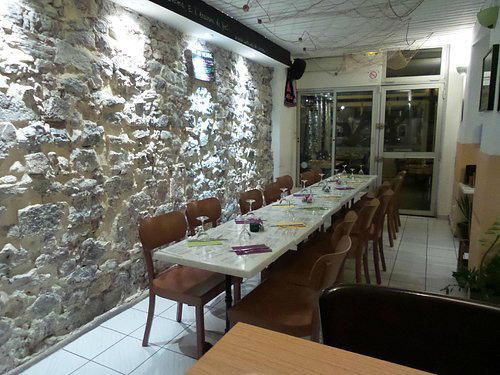
Market Logic on the Rue de la Fonderie
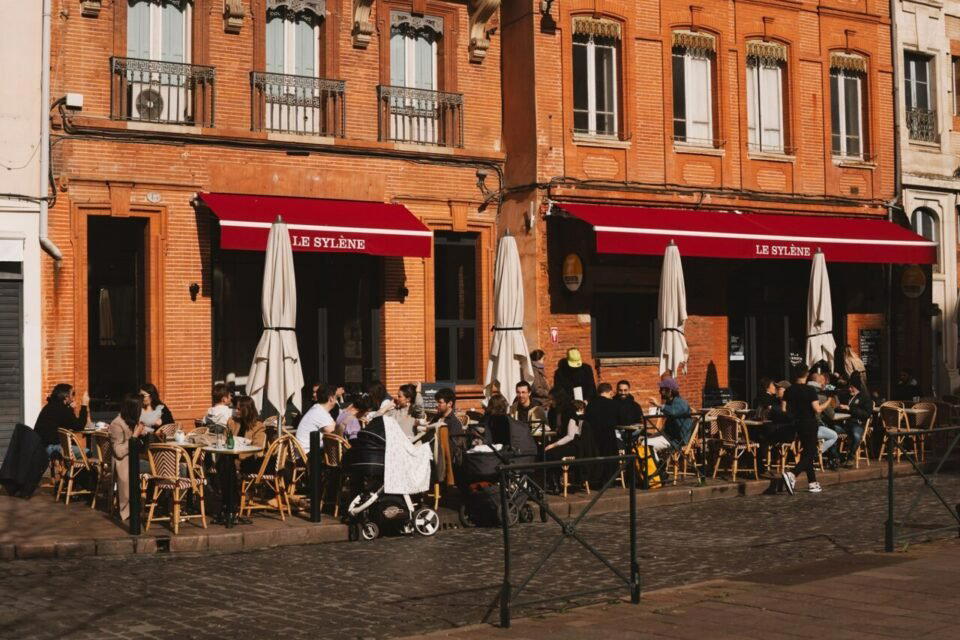
On the stretch of Rue de la Fonderie that feeds into Place des Carmes, foot traffic tends to be relentless and the dining options vary wildly in ambition. The neighbourhood sits at the edge of one of Toulouse's main produce markets, which means that the leading kitchens here don't need to manufacture a connection to local agriculture, they simply walk across the square. Les Têtes d'Ail occupies that position with clarity. The room runs at full capacity on most service days, a reliable indicator in a city where indifferent restaurants don't stay busy for long.
The Michelin Plate awarded in 2024 places it on the guide's recognition ladder without the formality or price pressure of a starred room. That distinction matters in the context of Toulouse dining: it signals cooking worth a detour, not merely a convenient stop. For the category of bistronomic cooking in the €€ range, the Plate is meaningful validation, particularly when set against the starred houses further up the price spectrum like Acte 2 Yannick Delpech or the creative kitchens at the €€€€ tier.
Bistronomie and the Sourcing Question
Southwest France has one of the most coherent regional food identities in the country. Duck confit, foie gras, black pork, Tarbais beans, Espelette pepper, the larder is deep and the traditions around it are serious. Bistronomie, the movement that took fine-dining technique into casual, affordable formats, found particularly fertile ground here precisely because the raw ingredients didn't need much persuasion. The question every bistronomy kitchen faces is how faithfully it adheres to that sourcing logic once volume and consistency pressures increase.
At Les Têtes d'Ail, the editorial description is explicit: well-selected local produce, market-fresh dishes, seasonal rotation. In the context of the sustainability argument, this is not a marketing posture, it is the operational model. Kitchens that build menus around what's available at the market each morning generate less waste by design. Seasonal cooking means the kitchen isn't importing or refrigerating produce to sustain dishes that have already passed their natural window. That approach aligns with what is now understood across the industry as responsible sourcing, though here it reads more as habit than ideology. Across France, this is simply how serious bistronomic kitchens have always operated, the ethics came later, the practice came first.
This positions Les Têtes d'Ail in an interesting part of the Toulouse dining conversation. The market-to-table commitment places it closer in spirit to a kitchen like Bras in Laguiole, where the landscape defines what lands on the plate, than to the more abstract Modern Cuisine formats seen in larger European cities. Restaurants like Frantzén in Stockholm or Mirazur in Menton have made foraging and hyper-local sourcing central to their identity at the three-star level. The principle filters down: at the bistronomy tier, it means daily market runs and short menus that turn with the calendar.
Value Architecture and the Lunch Case
The €€ price bracket in Toulouse is competitive. Several kitchens operate in this range, including Chez Loustic and Agapes, each with their own take on accessible Modern Cuisine. This is a pattern common to serious French bistronomy: the lunch formula allows kitchens to move seasonal produce efficiently while offering guests access to the cooking at a lower price point than the evening service. It rewards flexibility and midday availability.
Where This Fits in the Toulouse Picture
Toulouse's dining character is shaped by a strong regional identity, a university city's appetite for value, and a growing mid-tier bistronomic scene that punches above its informal presentation. The traditional anchor is southwest French cooking, cassoulet, duck, preserved and cured preparations, but the more interesting development in recent years has been how younger kitchens have taken that same larder and applied lighter technique, shorter cooking times, and vegetable-forward compositions without abandoning the sourcing logic that makes southwest produce worth working with in the first place.
Les Têtes d'Ail sits in that current without loudly declaring it. The Michelin Plate, the packed room, the seasonal market framing, these are signals, not slogans. For visitors building a longer Toulouse itinerary, this is the kind of address that makes sense for a working lunch or an early dinner before something more formal. Those looking to move up the price scale in the same city can reference SEPT or Au Pois Gourmand for a different register entirely. And for France-wide context at the starred level, the kitchens at Alléno Paris au Pavillon Ledoyen, Flocons de Sel in Megève, or Troisgros in Ouches illustrate the ceiling of the tradition Les Têtes d'Ail is working within, at a fraction of the formality and cost.
For further reading across Toulouse, EP Club maintains full guides to restaurants, hotels, bars, wineries, and experiences. Additional starred references include Paul Bocuse, L'Auberge du Pont de Collonges and FZN by Björn Frantzén in Dubai for the global modern cuisine conversation.
Planning Your Visit
Les Têtes d'Ail is at 6 Rue de la Fonderie, within easy walking distance of Place des Carmes and the market that gives this neighbourhood its character. The restaurant runs at capacity regularly, so arriving without a reservation on a busy service day carries real risk. Lunchtime represents the sharpest value proposition in the building, and visiting in spring or autumn, when the regional produce calendar peaks, is the way to encounter the menu at its most coherent.
Frequently asked questions
What price level is Les Têtes d'Ail?
Pricing at Les Têtes d'Ail is listed as €€.
Where do I go for Les Têtes d'Ail?
Les Têtes d'Ail is located at 6 Rue de la Fonderie, 31000 Toulouse, France, Toulouse.
Has Les Têtes d'Ail won any awards?
Les Têtes d'Ail has received recognition including: This is the place for wholesome bistronomic fare from southwest France! Market-fresh, flavoursome dishes that keep pace with the seasons, well-selected local produce, excellent value for money (particularly at lunchtime), all of which in a ….
What should I order at Les Têtes d'Ail?
The kitchen works to the market, so the menu shifts with the seasons rather than staying fixed around signature dishes. Southwest France's larder sets the frame: expect produce from that regional canon, sourced locally and handled with bistronomic restraint. The Michelin Plate recognition in 2024 signals consistent cooking quality, so following the day's specials is generally the right call.
Can I walk in to Les Têtes d'Ail?
The Michelin guide describes it as invariably packed, which reflects its position on a busy shopping street near Place des Carmes rather than any reservation mystique. Walk-ins may find a table, particularly outside peak lunch hours, but given the €€ price point and the volume this room draws, booking ahead removes the risk, especially at midday when value is sharpest.
Similar Picks
| Venue | Cuisine | Price | Awards | Notes |
|---|---|---|---|---|
| Les Têtes d'AilThis venue (the venue you are viewing) | Modern French Bistronomy | $30–50 | Michelin Plate | Not listed |
| Michel Sarran | Modern French Gastronomy with Mediterranean & Southwest Influences | $50–100 | 1 Michelin Star · Les Grandes Tables du Monde Member | French, Creative |
| Py-r | Modern French Fine Dining | $150–200 | 2 Michelin Stars · La Liste Top Restaurants | Creative |
| Acte 2 Yannick Delpech | Modern French Gastronomy | $100–150 | 1 Michelin Star · Gault & Millau Chef's Restaurant | Modern Cuisine |
| Chez Loustic | Modern French Bistro | $30–50 | Michelin Bib Gourmand | Modern Cuisine |
| L'Air de Famille | French Bistrot | $30–50 | Michelin Bib Gourmand | Traditional Cuisine |
Recognition history
Dated appearances from independent guides and award organizations, with the underlying list record or original source where available.
Michelin Plate
Michelin
Full recognition history (3 entries)
Michelin Plate
Michelin
Michelin Plate
Michelin
Continue exploring
More in Toulouse
Restaurants in Toulouse
All restaurants in Toulouse →
Bars in Toulouse
All bars in Toulouse →
Hotels in Toulouse
All hotels in Toulouse →
Wineries in Toulouse
Browse all →
Details
- Cozy
- Intimate
- Elegant
- Date Night
- Special Occasion
- Open Kitchen
- Natural Wine
- Local Sourcing
- Tasting Menu
- A La Carte
Current opening hours
- Monday
- Closed
- Tuesday
- 12–1:30 PM, 8–9:30 PM
- Wednesday
- 12–1:30 PM, 8–9:30 PM
- Thursday
- 12–1:30 PM, 8–9:30 PM
- Friday
- 12–1:30 PM, 8–9:30 PM
- Saturday
- 8–9:30 PM
- Sunday
- Closed
Hours can change for holidays and private events. Hours as of .
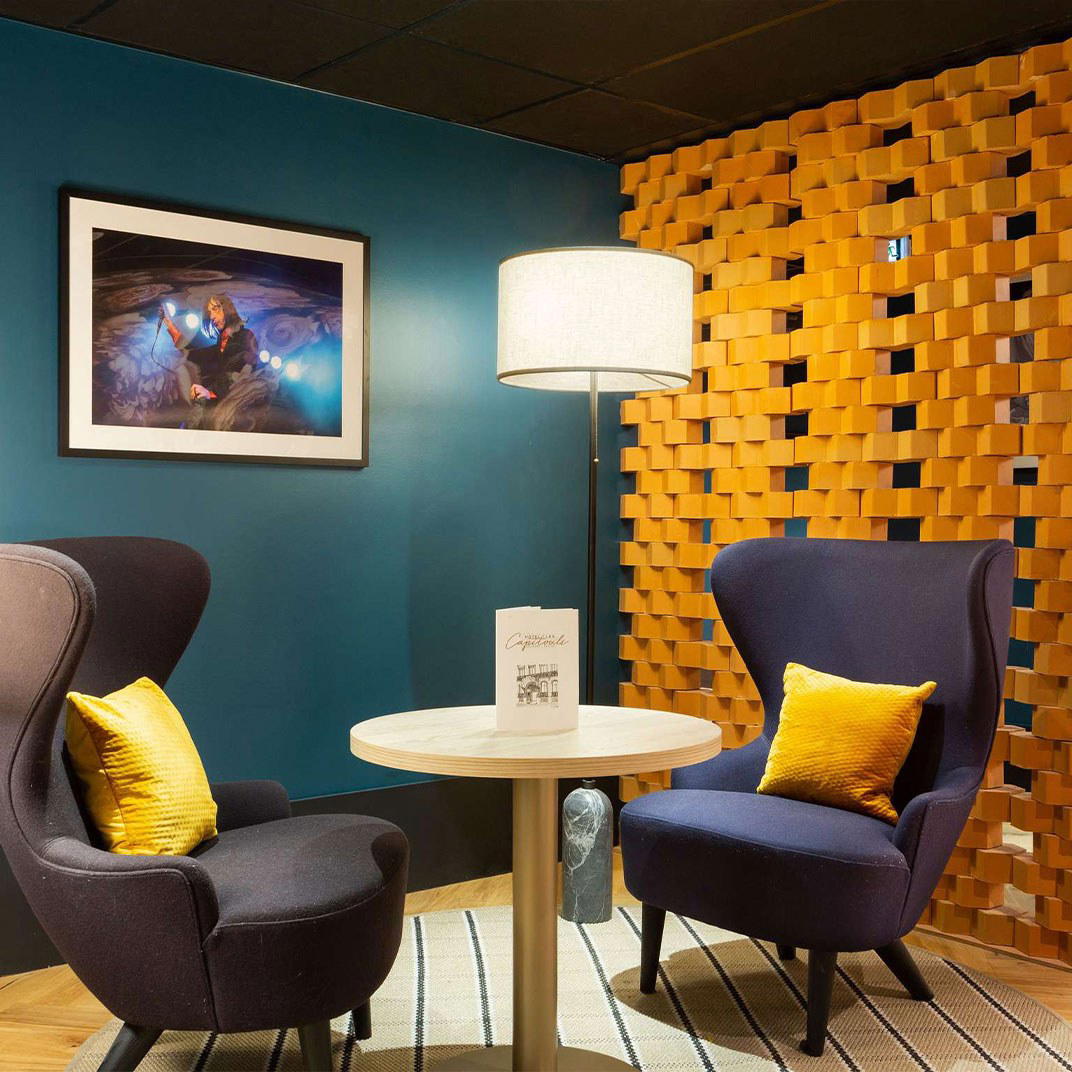
Cozy and intimate atmosphere with warm, relaxed lighting, exposed brick, copper accents, and a modern bistro feel.