

Michelin Plate · Star Wine List
Our verdict
At the corner of Rue du Château-d'Eau and Rue de Lancry in Paris's 10th arrondissement, Les Résistants operates as a two-floor neighbourhood bistro with an unusually serious wine program. Ranked number one by Star Wine List in 2024, it anchors the 10th's shift toward natural wine and producer-sourced cuisine, drawing a crowd that treats the wine list as the main event rather than an afterthought.

Pearl is the En Primeur Club membership app, where members save venues, book tables and use the concierge.

The menu
What to order
- Mullet with aniseed and grape sauce
- Oeuf parfait
- Agnolotti del plin with lamb ragout
A Corner in the 10th That Earns Its Own Category
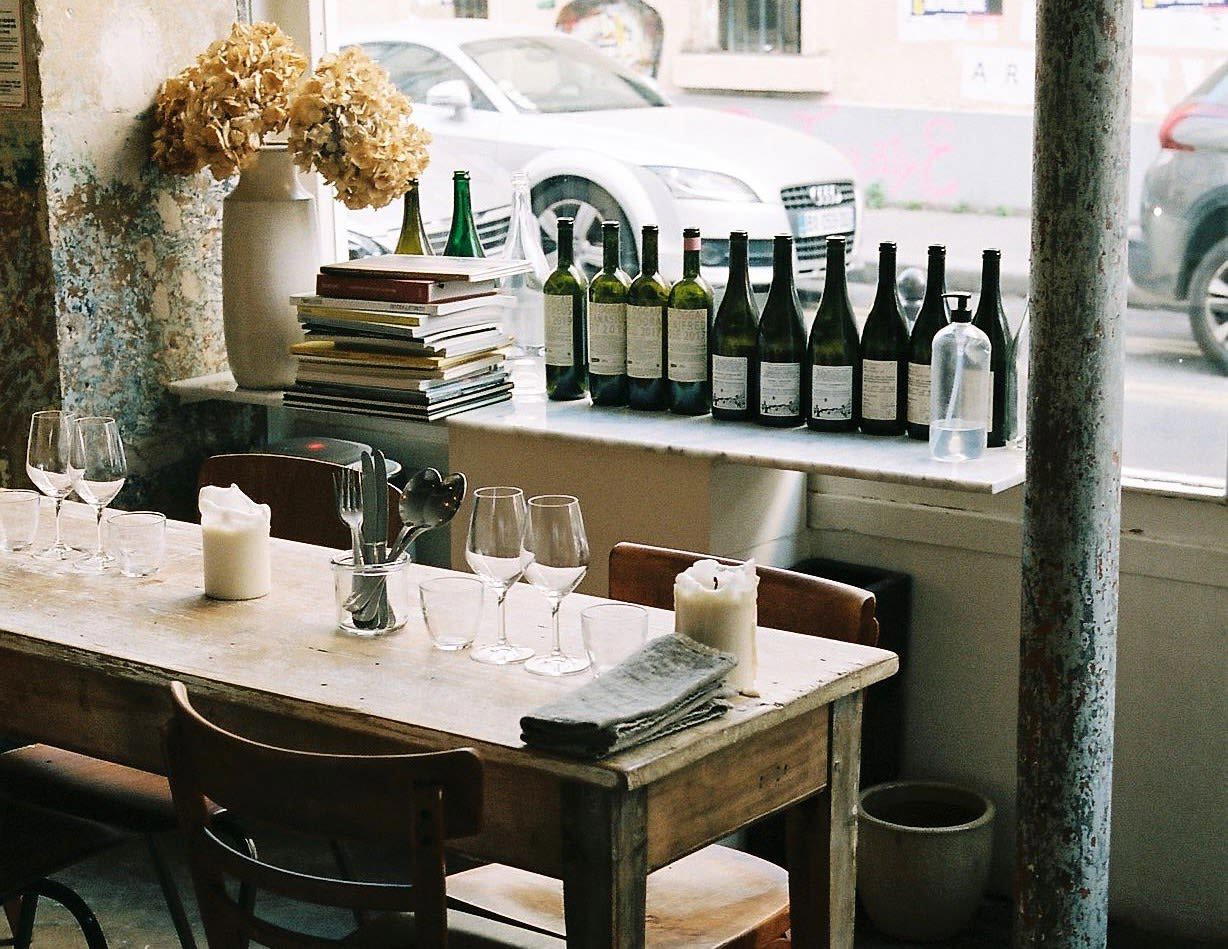
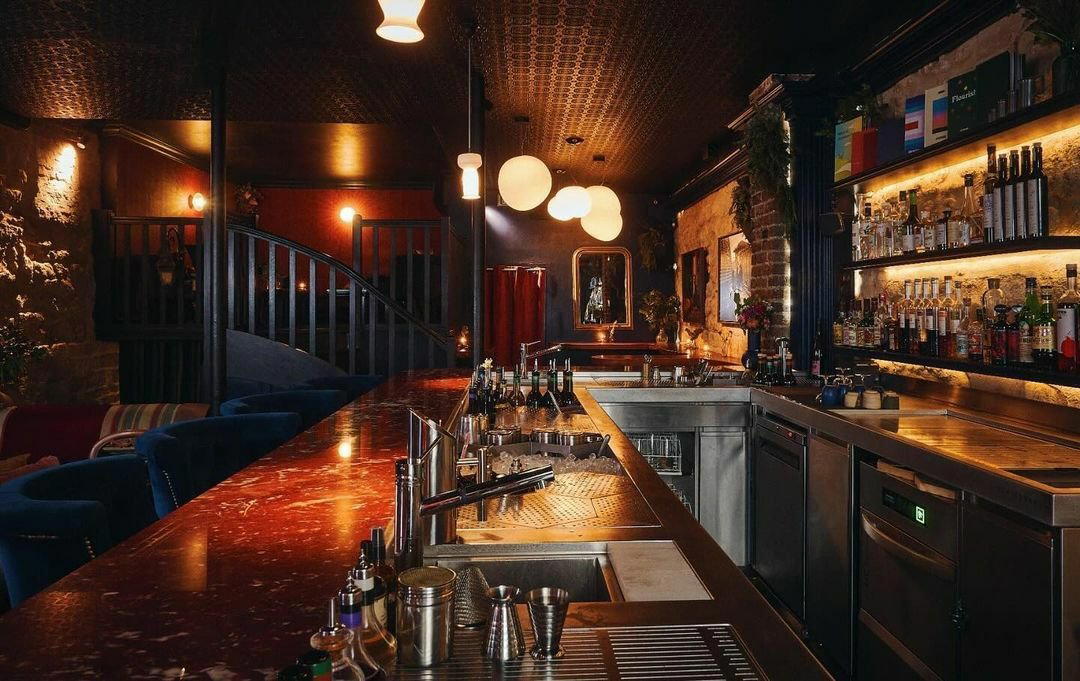
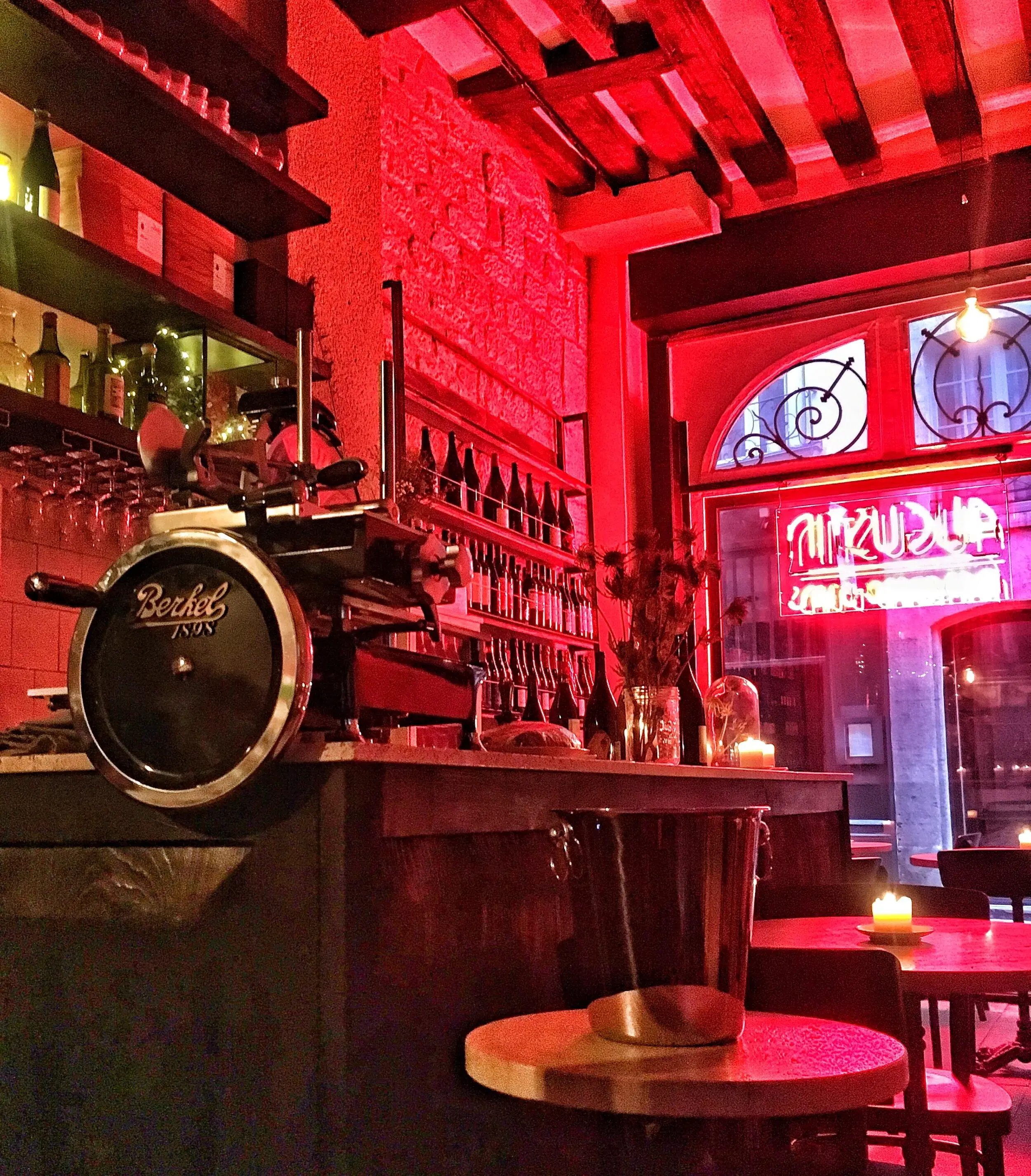
The corner of Rue du Château-d'Eau and Rue de Lancry sits in a stretch of the 10th arrondissement that has absorbed successive waves of Parisian dining energy, from neighbourhood zinc bars to the bistronomie surge of the 2010s and now to something harder to categorise. Les Résistants occupies that corner across two floors, and its atmosphere reads immediately as a place that has worked out exactly what it wants to be: close, convivial, and oriented around producers rather than performance. The room has the density and warmth of a genuine neighbourhood table rather than a designed approximation of one.
This part of Paris, between the Canal Saint-Martin and the Grands Boulevards, now sits at the centre of a movement that the French press has loosely called the bistrots de producteurs model: rooms where the sourcing logic, small farms, artisan cheesemakers, natural or low-intervention winemakers, is the organising principle of the menu rather than a marketing overlay on top of it. Les Résistants occupies that tier and is, by the evidence of Star Wine List's 2024 ranking, one of the most seriously executed examples of it in the city.
The Ritual of the Meal Here
The dining ritual at a place like this differs structurally from what you encounter at the city's formal multi-course houses. At Alléno Paris au Pavillon Ledoyen, L'Ambroisie, or Le Cinq at the Four Seasons George V, the kitchen sets the tempo: courses arrive on the house's schedule, the wine pairing follows a predetermined arc, and the room's physical arrangement keeps individual tables in their own orbits. The rhythm at Les Résistants runs differently. The two floors create overlapping sightlines and a proximity that makes neighbouring conversations audible, and the focus on producer-sourced wine means the list is a document worth reading slowly before the food order is placed. The wine functions not as an accompaniment but as a parallel agenda.
This ordering logic, wine first, food second, each chosen to complement the other rather than one subordinated to the other, reflects a broader shift in Parisian bistro culture. The generation of chefs and restaurateurs who shaped the 2000s bistronomie wave often foregrounded the kitchen's ambition; the current cohort is more likely to foreground the supply chain, letting producer credentials carry argumentative weight that technique used to carry. Sitting down at Les Résistants, the implicit invitation is to read the producers listed on the menu or wine list as you might read a cast of characters, each with a geography and a method attached.
Pacing, in this format, tends to be guest-led rather than kitchen-led. The room does not pressure the table toward a quick turn, and the two-floor layout means that noise and rhythm vary: the ground floor typically carries more energy, the upper floor a slightly more contained atmosphere. Neither is wrong; they suit different intentions for the evening.
The Wine List as the Point
Star Wine List's number-one ranking in 2024 is the clearest single credential Les Résistants carries, and it is a specific kind of accolade. Star Wine List evaluates programs on range, depth by producer and region, transparency of sourcing, and the coherence of the list as a document rather than simply its length or the prestige of its labels. A ranking at that level, in a city with competition ranging from palace hotel cellars to specialist natural wine bars in every arrondissement, signals that the list has been built with a curatorial intelligence rather than assembled from standard distributor portfolios.
That positioning places Les Résistants in a peer group that does not overlap much with the €€€€ tier occupied by Kei or Arpège. The point of comparison is more likely other producer-focused rooms in the 10th and 11th, or the handful of places in Lyon and elsewhere in France where a similarly rigorous sourcing ethos has taken root. For French regional wine benchmarks at a different scale and register, Flocons de Sel in Megève and Mirazur in Menton represent the tasting-menu end of the same broader conversation about French terroir on the plate and in the glass. Les Résistants makes that argument in a bistro format, which is a different and in some ways harder case to make.
Where This Sits in the Longer French Tradition
The name itself is a declaration of position. French restaurant culture has long been pulled between codification, the grand traditions represented by houses like Paul Bocuse's Auberge du Pont de Collonges, Troisgros, and Auberge de l'Ill, and resistance to those codes in favour of something more rooted in specific land and specific producers. Bras in Laguiole mapped that resistance onto haute cuisine; places like Les Résistants map it onto the bistro format, which has historically been the more democratic vehicle for the argument.
The choice to operate in the 10th rather than in the more internationally visible 6th or 8th is consistent with that position. The 10th has become a neighbourhood where the clientele includes both Parisian regulars for whom this is a weekly table and visitors who have done enough research to find it, a different visitor profile from those filling the rooms at Le Bernardin in New York or working through a pre-planned tasting itinerary. The room rewards the kind of diner who treats an evening as an open-ended exploration rather than a scheduled experience.
Planning Your Visit
Les Résistants is at 16 Rue du Château d'Eau, 75010 Paris, a short walk from the République or Jacques Bonsergent metro stations. Given the Star Wine List recognition and the size of the room across two compact floors, booking ahead is advisable, particularly for weekend evenings. The neighbourhood concentration of wine-focused and natural wine bars along the Canal Saint-Martin corridor makes this a logical anchor for an evening that might begin or end elsewhere in the 10th. For broader orientation across Paris's dining and drinking options, and our Paris experiences guide. Those planning a wider French trip can also find context at Emeril's in New Orleans for a transatlantic comparison in producer-driven cooking, though the register is quite different.
Frequently asked questions
What's the must-try dish at Les Résistants?
What the format reliably delivers is a tight, seasonal plate selection where the provenance of each ingredient is named on the menu. The most useful approach is to ask the room which producer or region is driving the kitchen's attention that week, the wine list's Star Wine List ranking suggests the floor team has the knowledge to answer that question well. Cross-referencing with the wine selection before ordering food will give you the meal the room is designed to provide.
How hard is it to get a table at Les Résistants?
In Paris's 10th arrondissement, the bistros with genuine critical recognition and a compact footprint consistently book faster than their profile might suggest. Les Résistants, with its 2024 Star Wine List number-one ranking drawing international attention alongside a loyal local clientele, sits in a category where weekend availability is limited and mid-week evenings are safer for last-minute plans. Booking as far in advance as your schedule allows is the practical position. The city's broader restaurant scene, including the €€€€ formal houses, operates on longer lead times still, for a full picture of booking windows across price tiers.
Cuisine Lens
| Venue | Cuisine | Price | Awards | Notes |
|---|---|---|---|---|
| Les RésistantsThis venue (the venue you are viewing) | Modern French Farm-to-Table | $30–50 | Michelin Plate · Star Wine List | Not listed |
| Alléno Paris au Pavillon Ledoyen | Modern French Fine Dining | $150–200 | 3 Michelin Stars · World's 50 Best #79 | Creative |
| Kei | Modern French with Japanese Influences | $300–500 | 3 Michelin Stars · World's 50 Best #93 | Contemporary French, Modern Cuisine |
| L'Ambroisie | Classic French Haute Cuisine | $300–500 | 2 Michelin Stars · World's 50 Best #23 | French, Classic Cuisine |
| Le Cinq - Four Seasons Hôtel George V | Modern French Fine Dining | $300–500 | 3 Michelin Stars · World's 50 Best #24 | French, Modern Cuisine |
| Pierre Gagnaire | Avant-Garde French Fine Dining | $200–300 | 3 Michelin Stars · World's 50 Best #17 | French, Creative |
Recognition history
Dated appearances from independent guides and award organizations, with the underlying list record or original source where available.
Michelin Plate
Michelin
Star Wine List
Star Wine List
Continue exploring
More in Paris
Restaurants in Paris
All restaurants in Paris →
Bars in Paris
All bars in Paris →
Les Résistants
The wine
- Wine program
- Deep wine list
- Extensive wine list
- Sommelier-led
- Natural wine
Details
- Cozy
- Rustic
- Bohemian
- Intimate
- Date Night
- Group Dining
- Casual Hangout
- Brunch
- Open Kitchen
- Standalone
- Extensive Wine List
- Natural Wine
- Sommelier Led
- Farm To Table
- Organic
- Natural Wine
- Local Sourcing
- Biodynamic
- A La Carte
- Set Menu
- Natural Wine
- Living Wines
- Vegetarian Friendly
- Vegan Options
- Organic Focus
- Allergy Accommodating
Current opening hours
- Monday
- 12–2 PM, 7–10 PM
- Tuesday
- 12–2 PM, 7–10 PM
- Wednesday
- 12–2 PM, 7–10 PM
- Thursday
- 12–2 PM, 7–10 PM
- Friday
- 12–2 PM, 7–10 PM
- Saturday
- 12–2 PM, 7–10 PM
- Sunday
- 12–2 PM, 7–10 PM
Hours can change for holidays and private events. Hours as of .
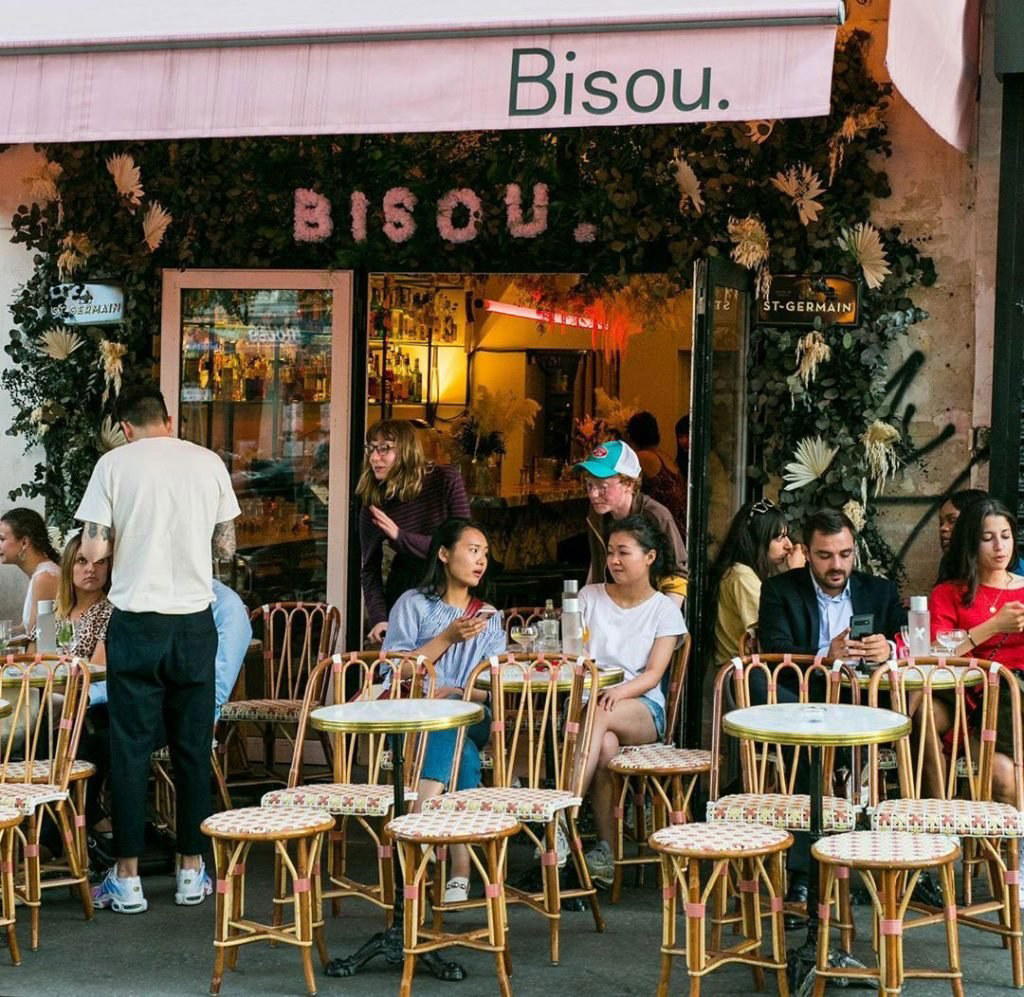
Warm, nature-inspired décor with wicker furniture, plants, and wood throughout; cozy upstairs seating with natural light; simple, understated aesthetic that emphasizes human connection and natural materials.