
Relais Chateaux Award
Our verdict
Three Michelin stars and a Green Star at a single address in Saint-Méloir-des-Ondes marks Les Maisons de Bricourt as one of Brittany's most closely watched dining destinations. Chef Hugo Roellinger leads a family-run kitchen where the Cancale coastline, spice-trade heritage, and surrounding farmland shape every decision.

Pearl is the En Primeur Club membership app — saves, bookings, and concierge access live there. Same editors, same standards.
- Address
- Le Buot, 35350 Saint-Méloir-des-Ondes, France
- Phone
- +33 2 99 89 64 76
- Website
- roellinger-bricourt.com
- Directions
- Get directions
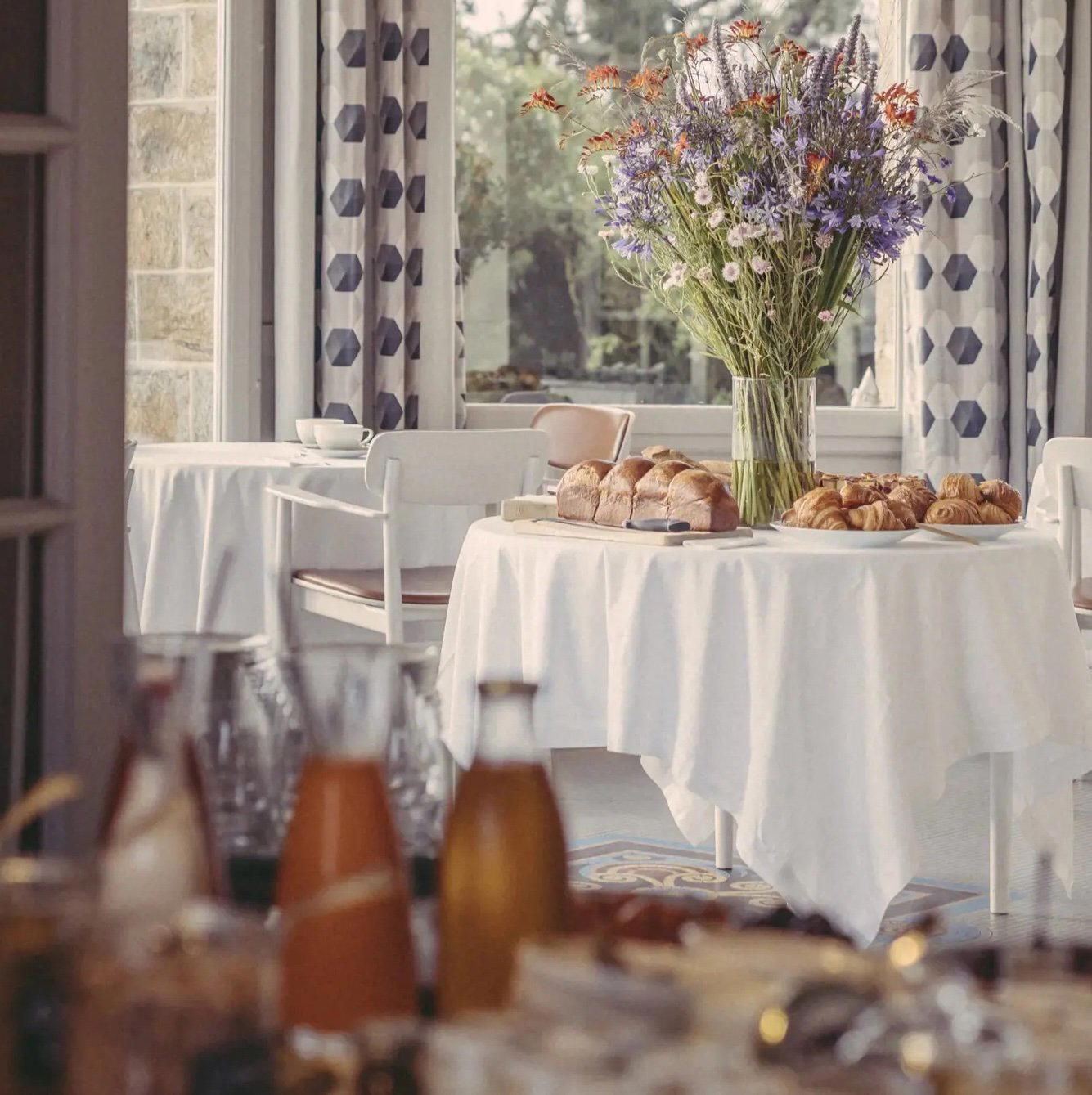
The menu
What to order
- Scallops with butter and rare pepper
- Turbot with sea fennel
- Lobster with warm spices
Where the Breton Coast Meets the Plate
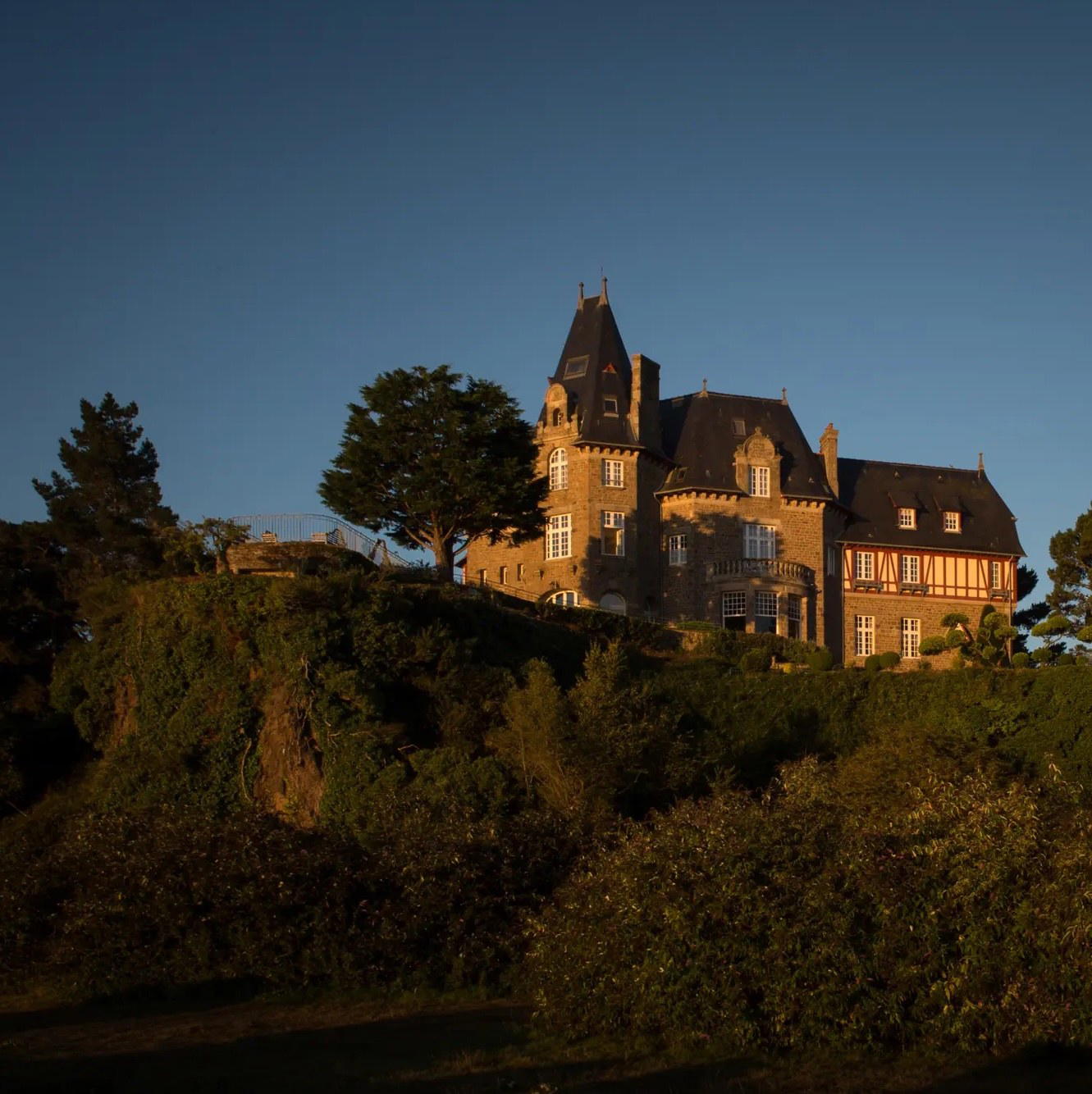
The road from Saint-Malo to Cancale flattens into open bocage before the hamlet of Le Buot appears, low and quiet against the sky. There are no roadside signs competing for attention, no car parks designed for coach parties. The approach to Les Maisons de Bricourt — a cluster of buildings in Saint-Méloir-des-Ondes, roughly 12 kilometres from Saint-Malo — reads more like arriving at a private estate than a restaurant. That physical discretion is not incidental. It sets the register for everything that follows: a kitchen whose entire argument depends on proximity, on the idea that what grows and swims within sight of this coastline is sufficient material for cooking at the highest level.
Brittany has produced serious cooking for decades, but the three-star tier has rarely been as rooted in a specific coastal ecology as it is here. The bay of Mont Saint-Michel, visible on clear days from the surrounding countryside, delivers some of the most mineral-forward shellfish in France. The tidal range, among the largest in Europe, aerates the sandflats where oysters and clams feed, concentrating flavour in ways that warmer, calmer waters cannot replicate. That is the central fact around which the kitchen at Bricourt organises itself: not a technique, not a signature style, but a geography.
Terroir at a Maritime Address
The concept of terroir in French gastronomy has been applied most fluently to wine, but it translates with equal precision to this stretch of coast. Salt-marsh lamb from the polders near Mont Saint-Michel, rock samphire, sea urchin from the Cancale beds, Breton butter from herds that graze on iodine-rich pasture, these are not decorative local references but structural ingredients. The kitchen under Hugo Roellinger treats them as a winemaker would treat a specific parcel: as material with defined character that cooking should express rather than override.
The Roellinger family's connection to spice is well-documented in the public record. The route des épices, the spice trade that historically touched Saint-Malo through its corsair economy, informs a flavour vocabulary that reaches beyond the Atlantic littoral. Pepper varieties, cumin, turmeric, cardamom: these arrive as seasoning in a way that amplifies rather than obscures the primary marine ingredients. It is a layering that distinguishes Bricourt from the cleaner, more austere coastal cooking of, say, Normandy, and from the richly classical approach you encounter at houses like Auberge de l'Ill in Illhaeusern or Au Crocodile in Strasbourg.
Green Star awarded by Michelin in 2025 alongside the three culinary stars signals something the guide now treats as a distinct credential: sustainable practices embedded in the sourcing and kitchen operation, not applied as an afterthought. Among the broader cohort of French three-star addresses, which includes urban flagships like Alléno Paris au Pavillon Ledoyen and rural destination restaurants like Bras in Laguiole and Mirazur in Menton, the dual-star combination at Bricourt places it in a small sub-tier where ecological commitment carries formal recognition.
A Family House, Not a Hotel-Restaurant
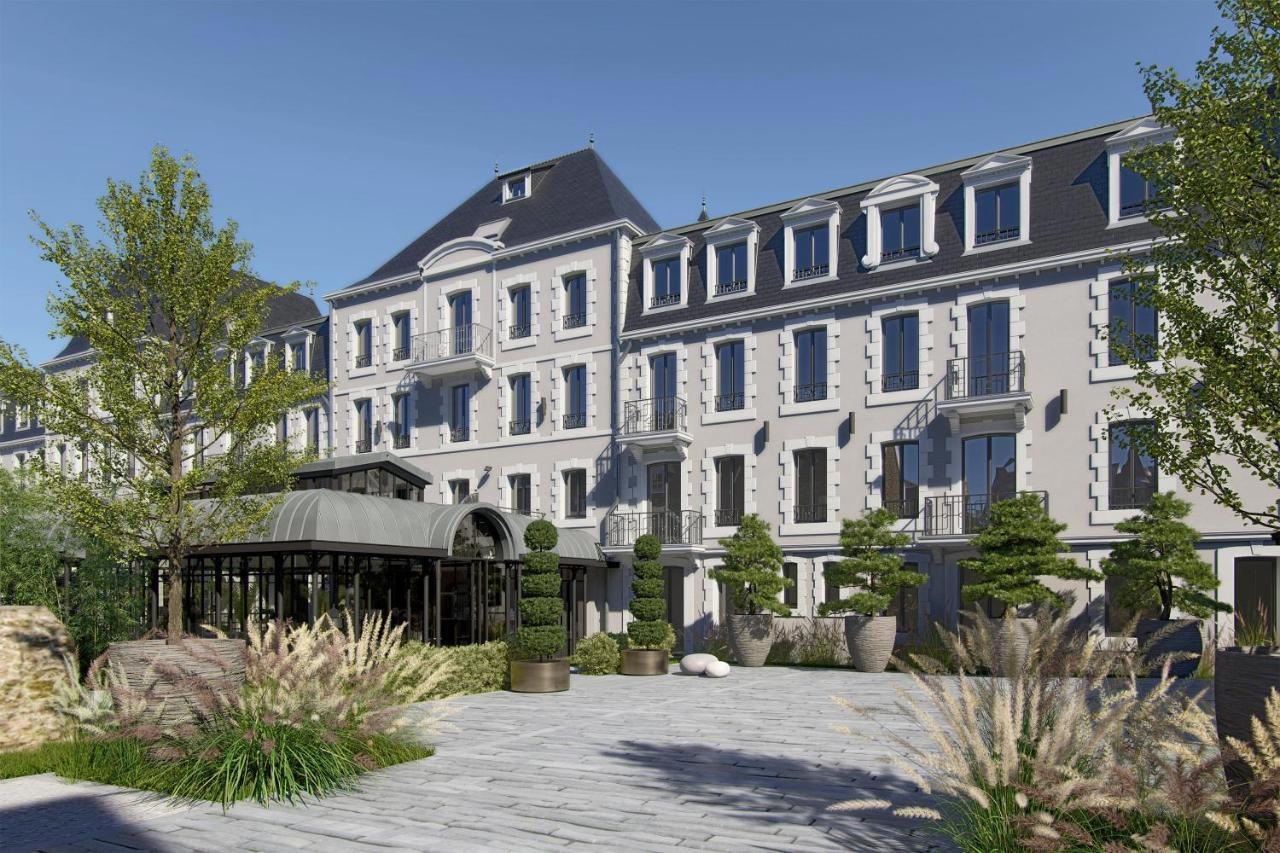
Family-run character of Bricourt is legible in the way the property functions. Unlike the large kitchen brigades and professional-services infrastructure that support urban three-star operations, or mountain destination houses like Flocons de Sel in Megève, the scale here is deliberately contained. Guests staying at the property rather than dining as day visitors enter a rhythm that is closer to a private house than a hospitality operation: slow mornings, access to surrounding gardens and views, meals that anchor rather than schedule the day.
That distinction matters when comparing Bricourt to peers like Troisgros in Ouches or Auberge du Vieux Puits in Fontjoncouse, both of which also operate as destination addresses with rooms attached. The rural French auberge model, where the kitchen and the accommodation share a logic of place, has proven more durable than the urban restaurant-hotel hybrid, partly because provenance is easier to claim and verify when the ingredients arrive from within a few kilometres. At Bricourt, the bay, the kitchen, and the house are effectively one system.
EP Club members have rated the experience 4.6/5, a figure consistent with Google's 4.7 average across 279 reviews, signal that the hospitality registers as authentic rather than ceremonial, which is the specific register that French regional cooking at this level requires.
Among French three-star addresses that draw primarily on regional identity rather than classical technique or creative abstraction, the comparison set is short. Bras in Laguiole applies similar terroir logic to the Aubrac plateau. AM par Alexandre Mazzia in Marseille uses Mediterranean proximity as its raw material. Assiette Champenoise in Reims and Le Domaine de la Klauss in Montenach represent the Alsace-Champagne axis of French regional cooking with different material and different formal registers.
What separates the Bricourt model from most of that group is the marine specificity. Coastal three-star cooking in France is rare outside Brittany and the Basque country. The combination of cold Atlantic waters, exceptional shellfish cultivation in the Cancale bay, and the salt-marsh farmland that surrounds the property creates a flavour range that is genuinely difficult to replicate elsewhere. Compare that to Le Feuillage in Colroy-la-Roche, where the Alsatian forest and river produce a completely different but equally site-specific material base.
Getting There and Planning Your Visit
Arriving by car remains the most practical approach. From Rennes, take the N137 towards Saint-Malo and branch onto the D76 towards Cancale, then the D155 towards Mont Saint-Michel and Dol de Bretagne. The GPS coordinates 48.6432, -1.8712 will deliver you to the property in Saint-Méloir-des-Ondes. By rail, Saint-Malo station is approximately 12 kilometres from the property; Rennes is 70 kilometres, with regular TGV connections from Paris. For those flying, Rennes airport handles domestic and some European routes at 70 kilometres out, while Nantes is a longer transfer at roughly 205 kilometres. Given the property's profile as a destination stay rather than a city lunch, most visitors combine a dining reservation with at least one night on-site, planning travel to arrive before evening service rather than rushing from a distant city. For the full picture of what to explore in the area, see our full Le Buot restaurants guide, our full Le Buot hotels guide, our full Le Buot bars guide, our full Le Buot wineries guide, and our full Le Buot experiences guide.
Frequently asked questions
Is Les Maisons de Bricourt child-friendly?
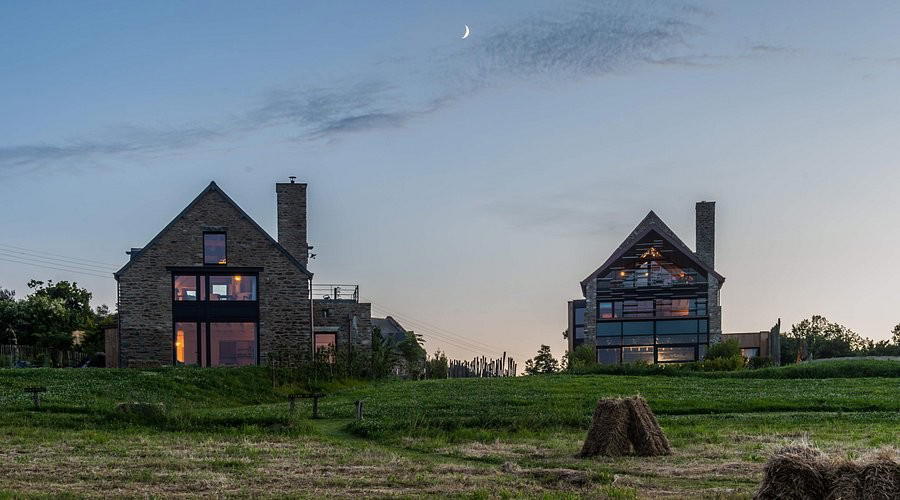
The rural setting at Le Buot, with open countryside and stone outbuildings, creates more physical space than a typical urban three-star dining room. As a family-run property, the hospitality philosophy leans toward authenticity over formality, which generally translates to a less rigid environment than comparable Michelin addresses. That said, a three-star kitchen drawing on precise regional technique sets expectations for a measured pace at the table, so younger guests should be comfortable with extended tasting formats.
What's the vibe at Les Maisons de Bricourt?
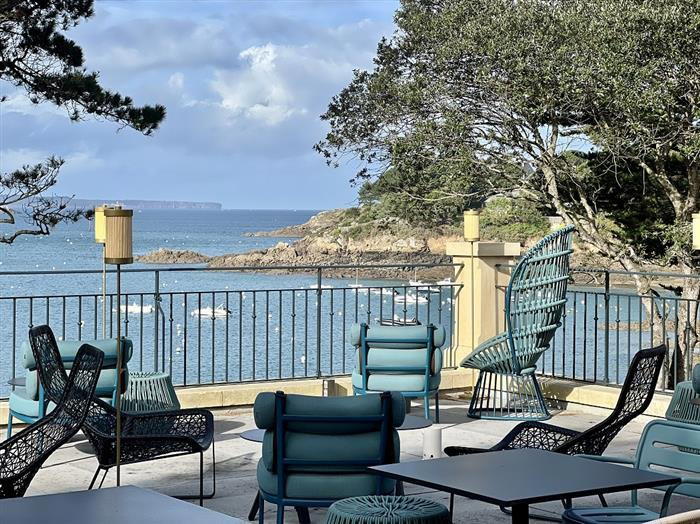
Low stone buildings, open bocage, and the bay of Mont Saint-Michel on the horizon set the physical register: rural Brittany without performance. Hugo Roellinger leads a family-run operation that the Michelin committee recognised with both three stars and a Green Star in 2025, signalling an alignment between culinary ambition and environmental responsibility that shapes the overall tone. Expect discreet, authentic hospitality rather than the choreographed service formality common at comparably rated French restaurants.
Is Les Maisons de Bricourt Michelin-listed?
Les Maisons de Bricourt has received recognition including: HIGHLIGHTS: • 3 MICHELIN STARS & 1 GREEN STAR 2025 • ICONIC SEAFOOD ESTABLISHMENT • DISCREET & AUTHENTIC HOSPITALITY • FAMILY-RUN DIRECTIONS & ACCESS: Directions By car Rennes via Saint-Malo N 137. 10 km before Saint-Malo, towards Cancale D….
What's the best thing to order at Les Maisons de Bricourt?
What the kitchen's documented identity makes clear is that this is a seafood-led, French regional address working the Breton coast's immediate larder, and the three-star rating alongside a Green Star in 2025 signals that provenance and technique are treated as inseparable. The Cancale coastline, minutes away, points to where the kitchen's sourcing priorities lie.
A Quick Peer Check
Comparable venues nearby, for context on price, style, and recognition.
| Venue | Cuisine | Price | Awards | Notes |
|---|---|---|---|---|
| Les Maisons de BricourtThis venue — the venue you are viewing | Modern Breton Seafood Fine Dining | $150–200 | Relais Chateaux Award | Not listed |
| Restaurant Marnage | Modern French Seafood | $50–100 | Star Wine List | Barneville-Carteret |
| Maison Blanche | Modern French Fine Dining | Not listed | Not listed | 8th arrondissement |
| Atelier de Candale | Seasonal French wine‑country restaurant in the vineyards | $50–100 | Not listed | Saint-Laurent-des-Combes / Saint-Émilion vineyards |
| L'Albatros | French Seafood Bistro | Not listed | Not listed | Golf de Granville |
| Méson Chalut | Modern Breton Seafood | $50–100 | Michelin Plate | Intra-Muros |
Recognition history
Dated appearances from independent guides and award organizations, with the underlying list record or original source where available.
Relais Chateaux Award
Relais Chateaux
Details
- Romantic
- Elegant
- Intimate
- Sophisticated
- Cozy
- Date Night
- Special Occasion
- Waterfront
- Garden
- Historic Building
- Hotel Restaurant
- Extensive Wine List
- Sommelier Led
- Local Sourcing
- Waterfront
- Garden
- Tasting Menu
- Wine
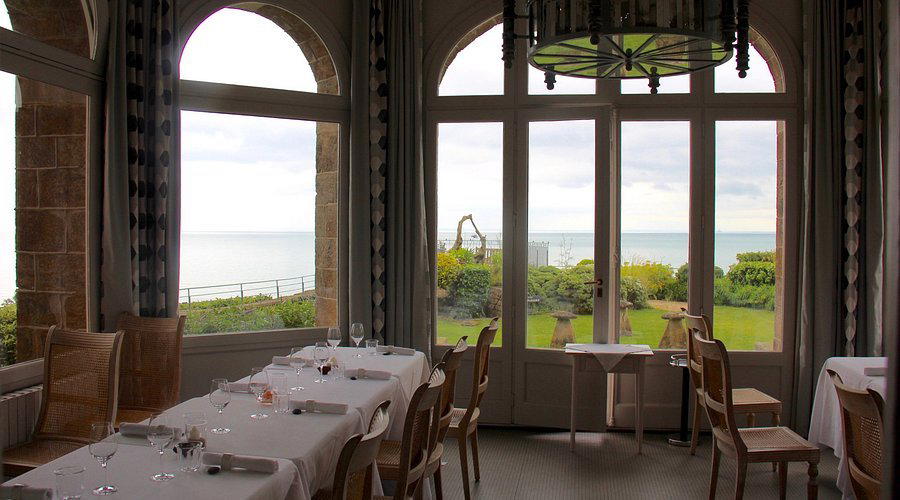
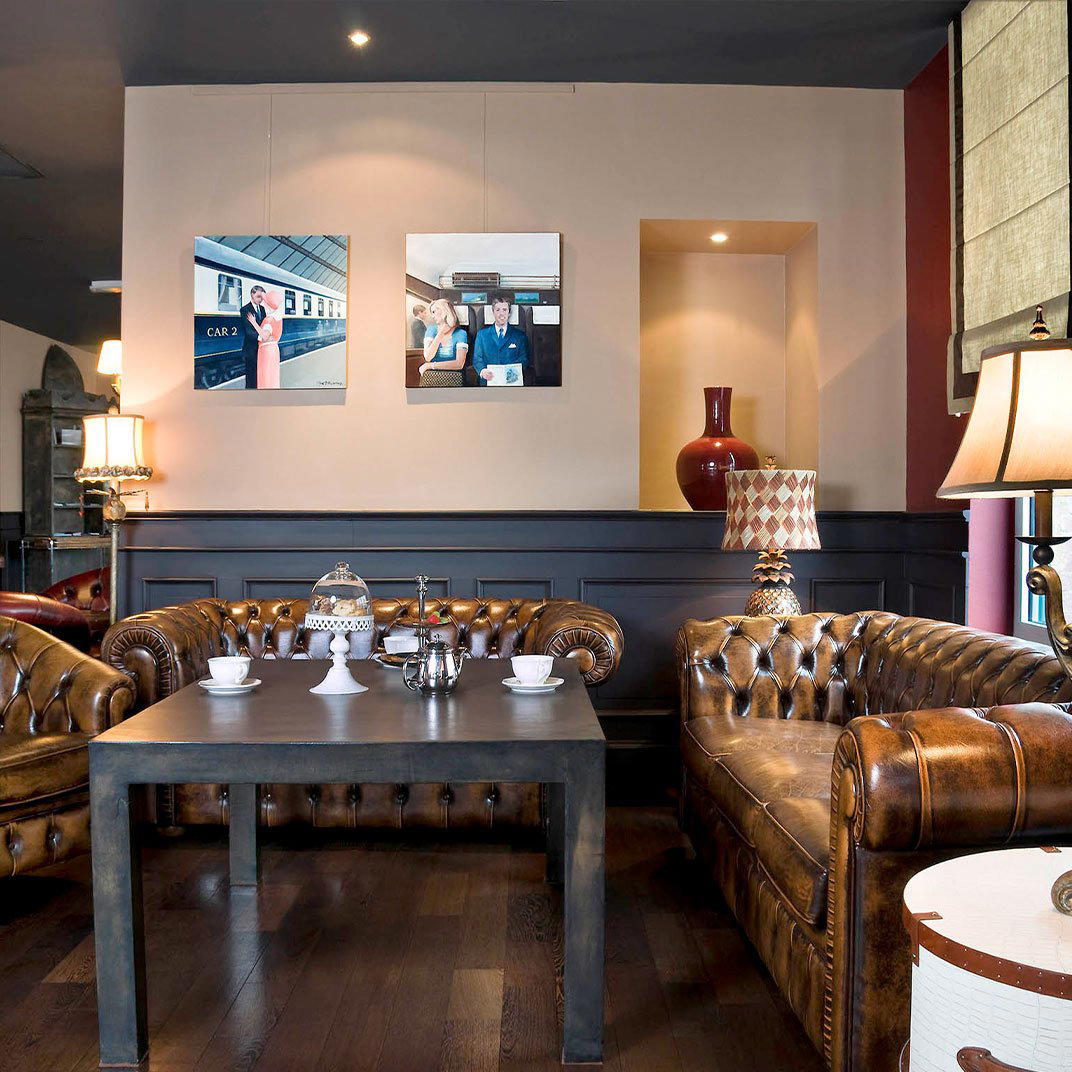
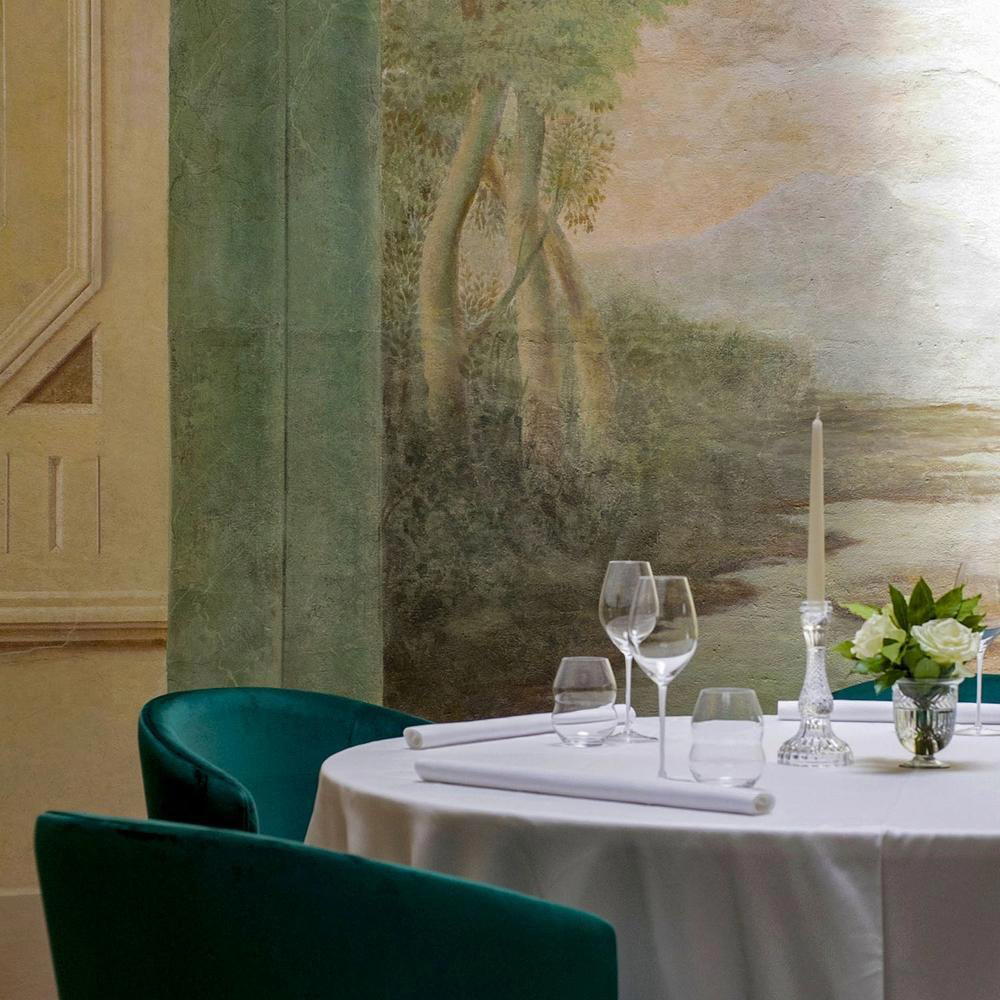
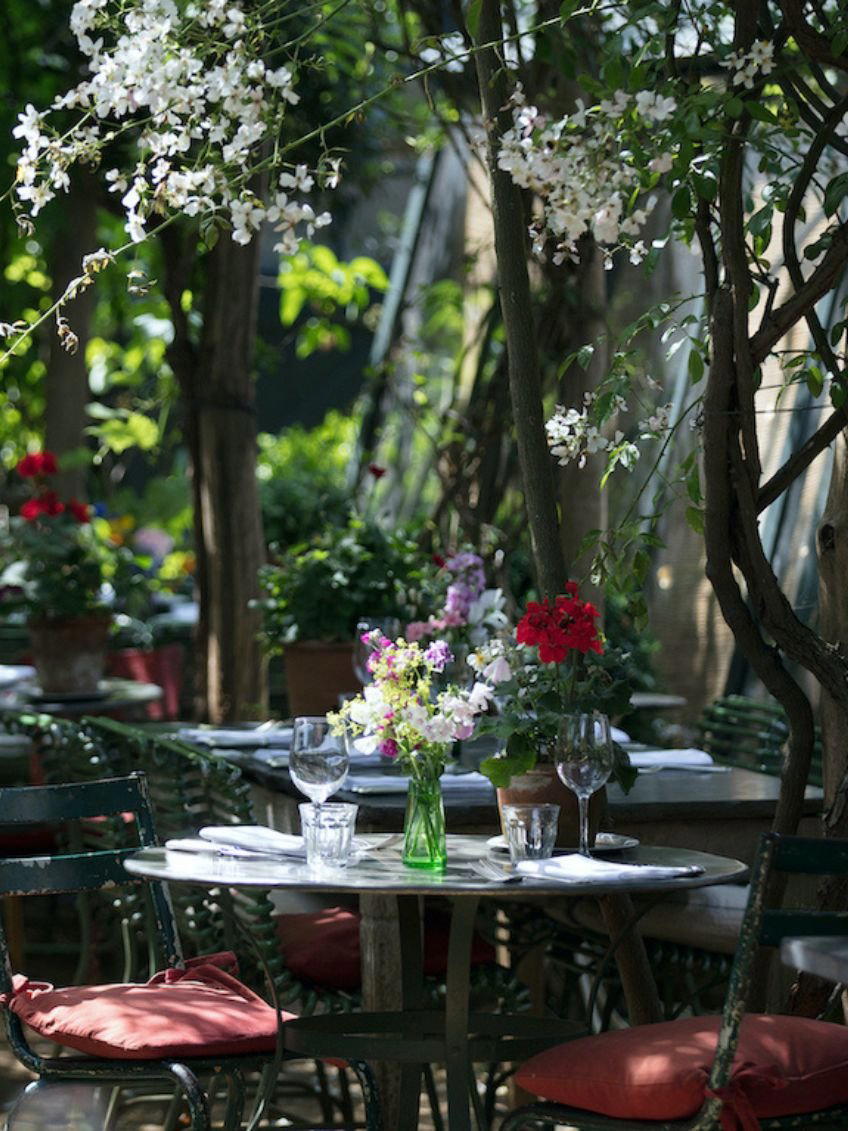
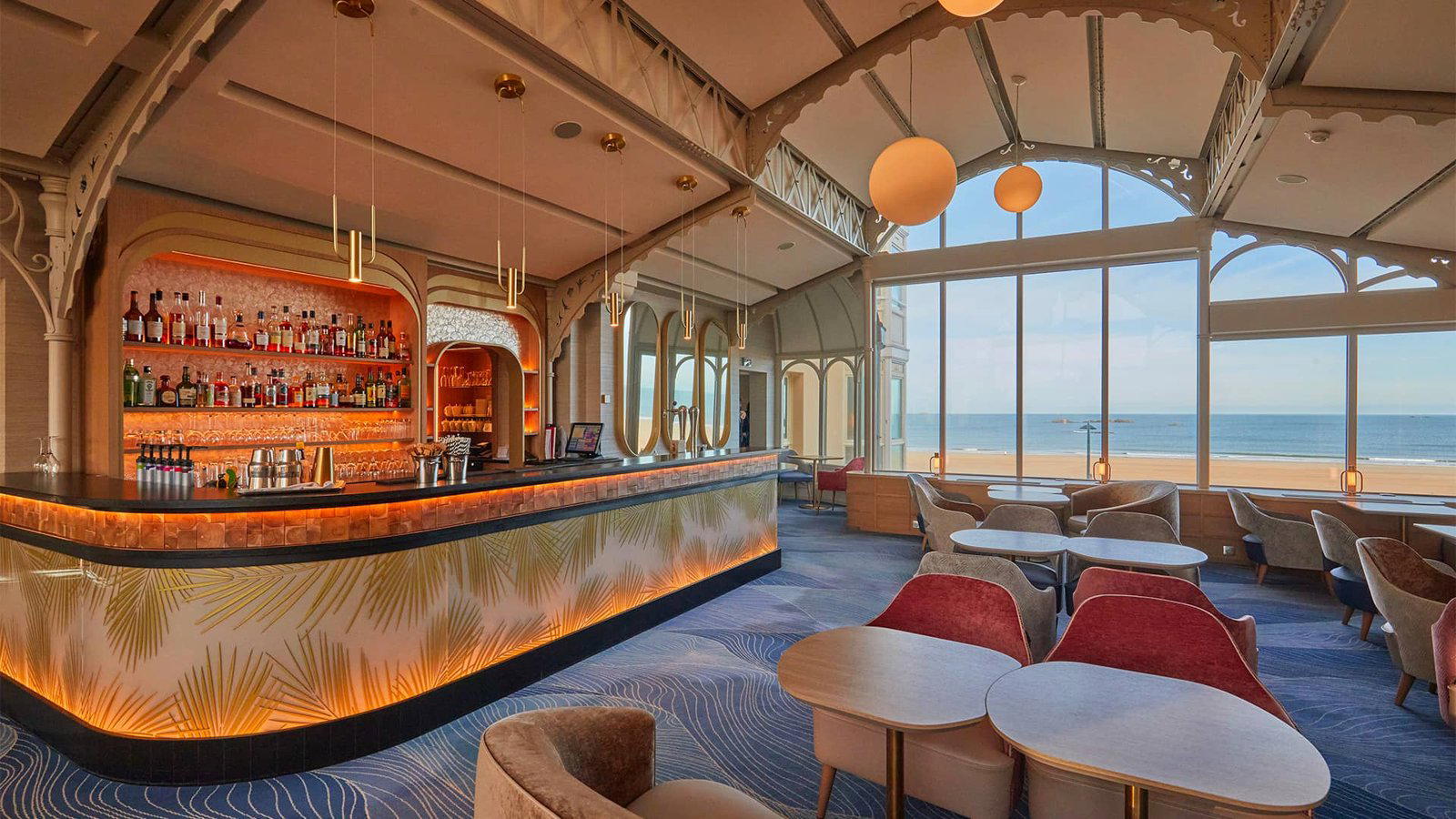
Intimate dining rooms lit softly with coastal light, polished wood, linen softened by sea breezes, and unobtrusive gracious service.