Le Village Tomohiro

A Michelin one-star address in the historic town of Marly-le-Roi, Le Village Tomohiro operates from a picturesque inn on Grande Rue, where a Franco-Japanese kitchen team produces surgically precise modern cooking. The signature gỏi cuốn of blue lobster with foie gras terrine, spring vegetables, and Aquitaine caviar signals the kitchen's ambition clearly. Service runs Tuesday through Saturday, lunch and dinner, at the €€€ price point.
Pearl is the En Primeur Club membership app — saves, bookings, and concierge access live there. Same editors, same standards.
- Address
- 3 Grande Rue, 78160 Marly-le-Roi, France
- Phone
- +33 1 39 16 28 14
- Website
- restaurant-levillage.fr
- Directions
- Get directions
 Saves & bookings on Pearl
Where a Country Lane Meets Franco-Japanese Precision
The approach to Le Village Tomohiro sets expectations that the kitchen then reframes entirely. Grande Rue in Marly-le-Roi reads as classic Île-de-France: a historic lane in a royal town, the kind of address where the built fabric has changed little in centuries. The inn's façade fits that register. What happens inside does not. This is a dining room operating in a register more often associated with central Paris than with a residential commune west of Versailles, and that productive tension between setting and ambition is part of what makes this address worth the RER A journey from the capital.
Marly-le-Roi carries considerable historical weight. Louis XIV built the Château de Marly here as a retreat from the formality of Versailles, and the surrounding forest and parkland remain intact in ways that genuinely distinguish the town from the suburban sprawl that consumes much of the western Île-de-France. For a restaurant of this calibre to take root here rather than in Paris proper reflects a pattern visible across French gastronomy: Michelin-level cooking has been decentralising steadily, appearing in market towns, village auberges, and provincial addresses far from the gravitational pull of Paris arrondissements. Restaurants like Flocons de Sel in Megève, Mirazur in Menton, and Bras in Laguiole have long demonstrated that serious cooking does not require a Paris postcode. Le Village Tomohiro belongs to that distributed tradition.
The Franco-Japanese Synthesis at the Centre of the Plate
The cultural logic at work in this kitchen deserves examination on its own terms. Franco-Japanese fusion is a category broad enough to be almost meaningless at the lower end of the market, where it often amounts to little more than miso butter on a steak. At the level where Le Village Tomohiro operates, the synthesis is a considered negotiation between two culinary traditions with genuinely different philosophies of precision, restraint, and visual composition.
Japanese cooking, at its technical core, prioritises ingredient integrity and the elimination of unnecessary intervention. French haute cuisine, particularly in its modern iterations, is a tradition built on transformation: sauces reduced, proteins manipulated, flavours layered through technique rather than left to speak alone. The kitchen navigates that tension in a way that Michelin's inspectors found coherent enough to award a star.
The signature dish encodes the kitchen's position in that cross-cultural negotiation. Gỏi cuốn, the Vietnamese fresh roll form, arrives here with blue lobster and foie gras terrine as its primary constituents, accompanied by spring vegetables confit in olive oil and Aquitaine caviar. The Vietnamese reference is worth noting: this is not purely a Japan-France dialogue. The roll format introduces a Southeast Asian structural element, while the ingredients pull from French luxury registers (foie gras, Aquitaine caviar, quality olive oil) and high-end French seafood sourcing (blue lobster). The result is a dish that refuses easy categorisation, which is precisely the point. This kind of layered cultural reference, executed with the precision the Michelin award implies, puts the kitchen in the same conversation as addresses like AM par Alexandre Mazzia in Marseille, where cultural plurality is structural rather than decorative.
Placing Le Village Tomohiro in the Parisian Region's Michelin Map
Within the broader Île-de-France dining context, the restaurant occupies a specific and somewhat unusual position. The region's Michelin-starred restaurants cluster heavily in Paris itself, where addresses like Alléno Paris au Pavillon Ledoyen and Assiette Champenoise in Reims anchor different tiers of the starred hierarchy. The suburban and exurban Île-de-France has historically produced fewer starred addresses per capita than the capital, which makes a one-star in Marly-le-Roi noteworthy on geographic grounds alone.
The price register is €€€, placing it below the €€€€ tier occupied by Paris flagships such as Auberge de l'Ill in Illhaeusern and Troisgros - Le Bois sans Feuilles in Ouches in raw prestige terms. But the cooking ambition suggested by the signature dish and the Michelin recognition positions the restaurant in a comparable set defined by quality rather than price bracket. The comparison that holds is with other starred addresses outside major urban centres, where lower overheads and a more intimate scale permit a different kind of kitchen focus than the high-volume, high-overhead model demanded by prime Paris real estate.
For context within the modern cuisine category internationally, the same synthesis-and-precision model appears in different geographies. Frantzén in Stockholm and FZN by Björn Frantzén in Dubai both demonstrate that Nordic and Japanese culinary logics can be fused at the highest level. The restaurant works a different set of source traditions but belongs to the same broader shift in how serious kitchens treat cultural reference: as ingredient rather than as decoration.
Locally, those planning a broader visit to the area can cross-reference Le Point d'Origine as another address operating in the Marly-le-Roi restaurant scene. For planning around the full visit,
Planning Your Visit
The service pattern is tightly structured: Tuesday through Saturday, with a lunch service from 12:30 to 1:30 PM and an evening service from 7:30 to 9:00 PM. The restaurant is closed Sunday and Monday. Those windows are narrow by the standards of many French restaurants, which means the kitchen is cooking at full focus across a limited number of covers per week. The address is 3 Grande Rue, 78160 Marly-le-Roi. The €€€ price point positions the meal above casual dining but meaningfully below the Paris flagship tier.
Pricing, Compared
Comparable venues nearby, for context on price, style, and recognition.
| Venue | Cuisine | Price | Awards | Notes |
|---|---|---|---|---|
| Le Village TomohiroThis venue — the venue you are viewing | vieux Marly, Franco-Japanese Fine Dining | $$$$ | Michelin 1 Star | Not listed |
| Le Point d'Origine | Marly-le-Roi, Modern French Gastronomic | $$$$ | Michelin Plate | Not listed |
| Épisodes | Monceau, Modern French Fine Dining | $$$$ | Michelin 1 Star | Not listed |
| Qui Plume la Lune | Not listed | $$$$ | Michelin 1 Star | 11e arrondissement, Modern French Gastronomic |
| Anona | Not listed | $$$$ | Michelin 1 Star | Batignolles-Monceau, Contemporary French Fine Dining |
| Le Baudelaire | Not listed | $$$$ | Michelin 1 Star | Louvre / Palais-Royal, Modern French Fine Dining with Vegetable Focus |
Recognition history
Dated appearances from independent guides and award organizations, with the underlying list record or original source where available.
Michelin Plate
Michelin
Michelin 1 Star
Michelin
Michelin 1 Star
Michelin
Continue exploring
More in Marly-le-Roi
Restaurants in Marly-le-Roi
Browse all →

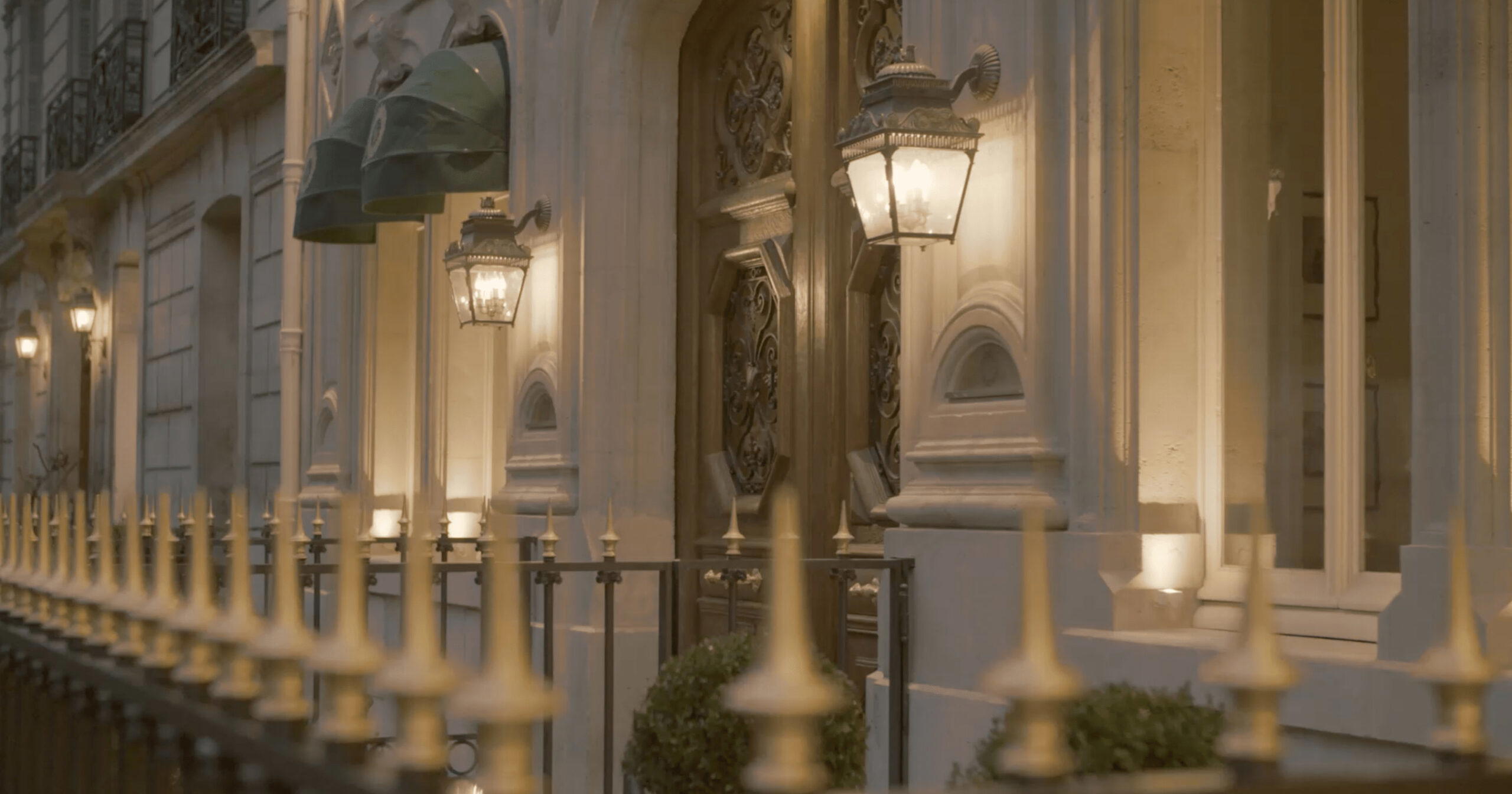
Bars in Marly-le-Roi
Browse all →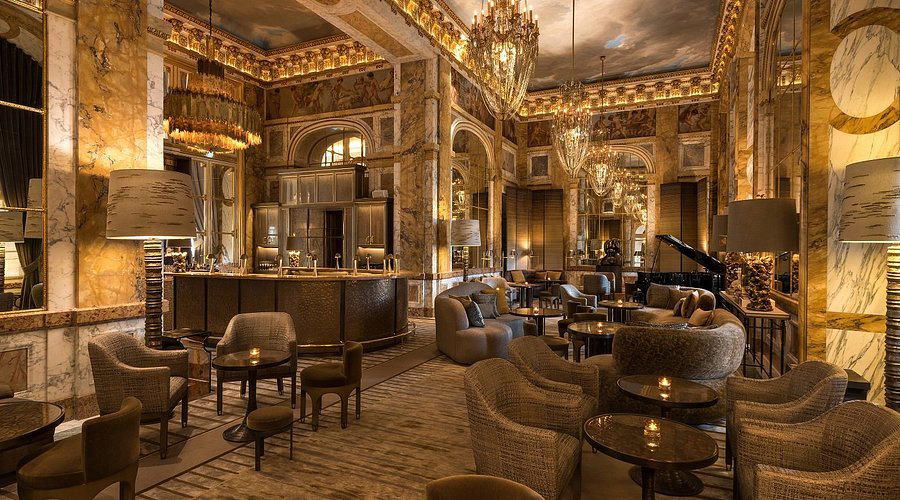
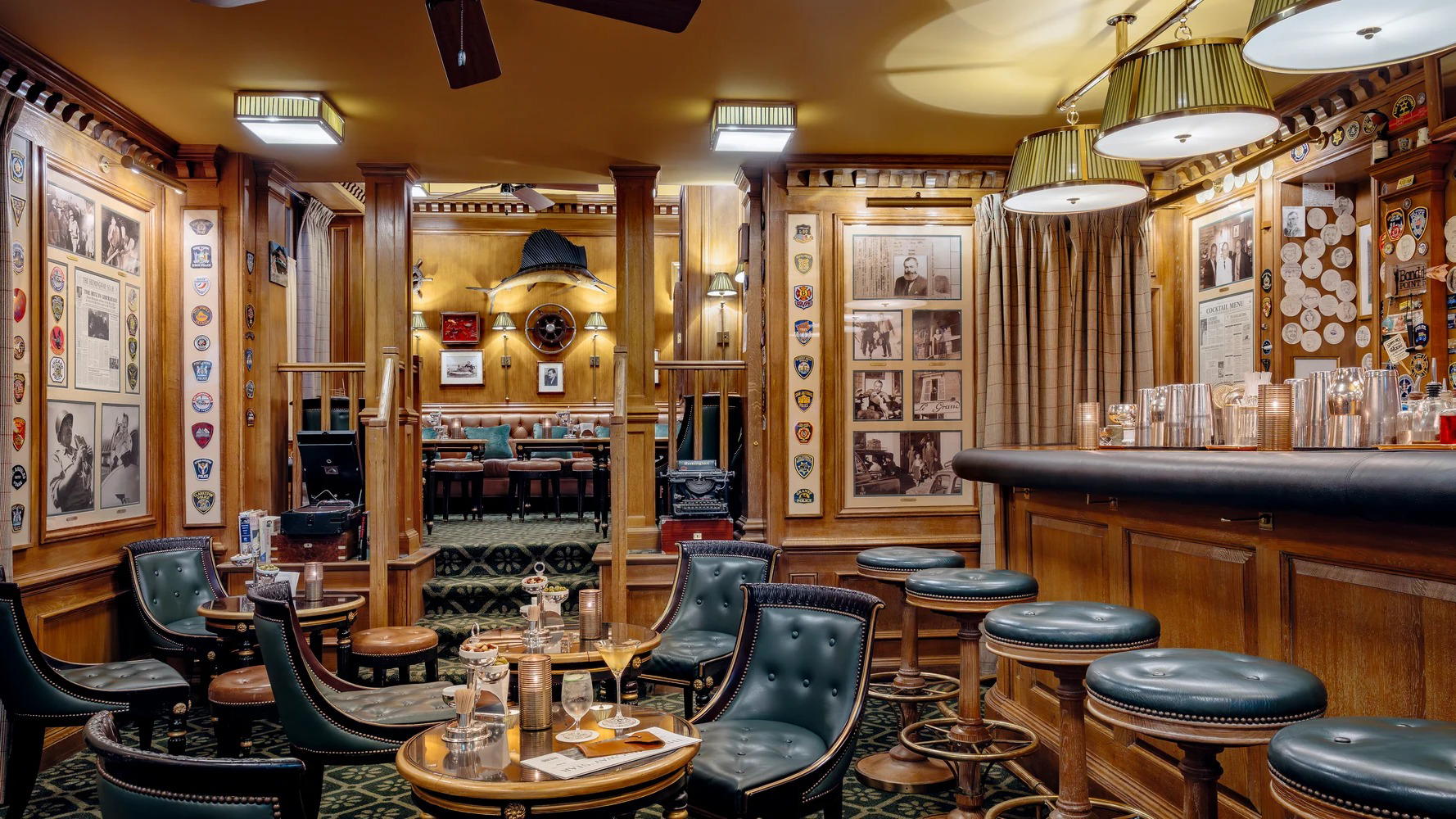
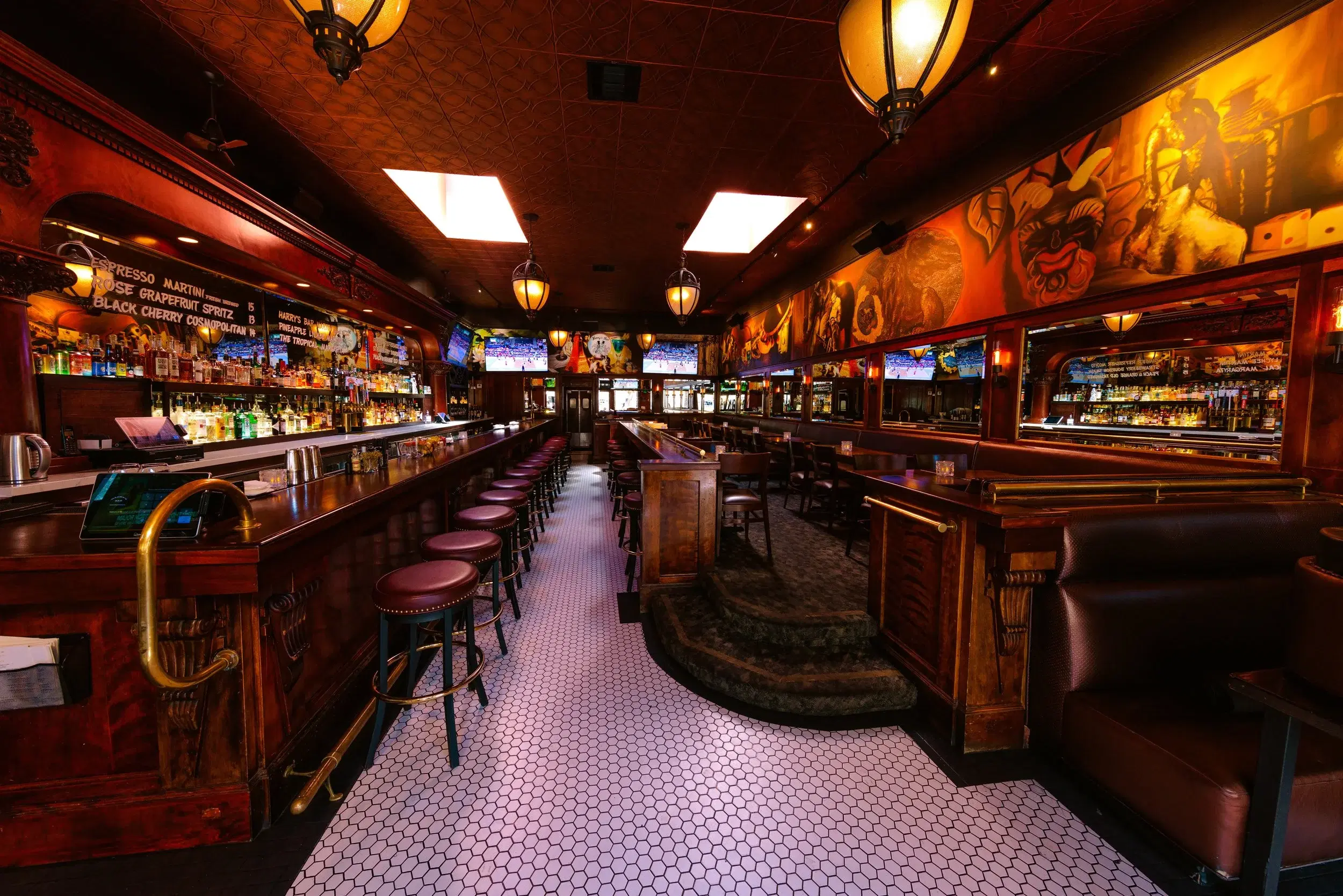
Hotels in Marly-le-Roi
Browse all →

At a Glance
- Elegant
- Intimate
- Sophisticated
- Cozy
- Date Night
- Special Occasion
- Celebration
- Open Kitchen
- Extensive Wine List
- Sake Program
- Local Sourcing
Current opening hours
- Monday
- Closed
- Tuesday
- 12:30–1:30 PM, 7:30–9 PM
- Wednesday
- 12:30–1:30 PM, 7:30–9 PM
- Thursday
- 12:30–1:30 PM, 7:30–9 PM
- Friday
- 12:30–1:30 PM, 7:30–9 PM
- Saturday
- 12:30–1:30 PM, 7:30–9 PM
- Sunday
- Closed
Hours can change for holidays and private events. Last verified .
Elegant, refined, and intimate with beautiful plate presentations in a modern, calm setting.