Le Clos - Château de Labro

Michelin Plate
Our verdict
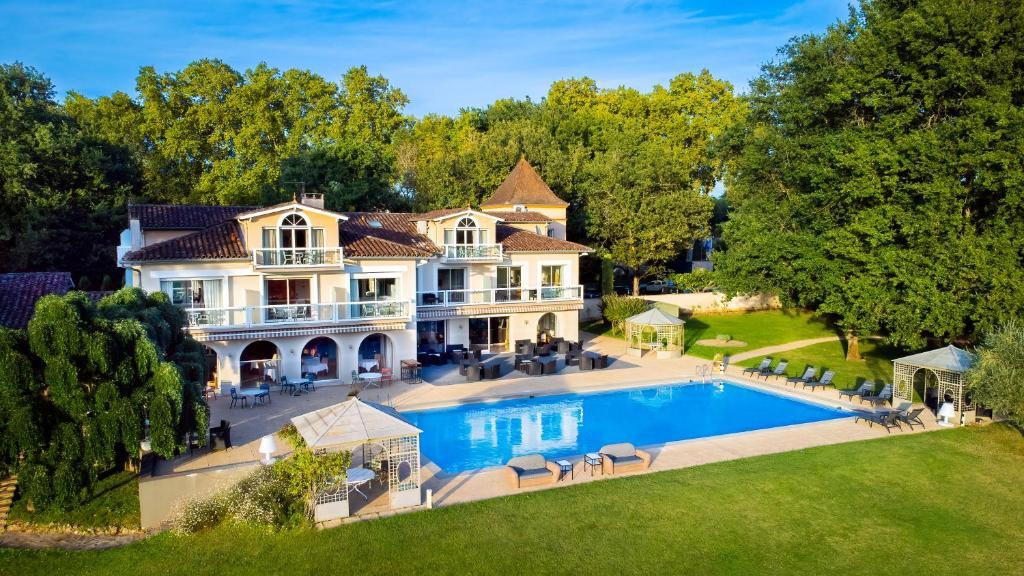
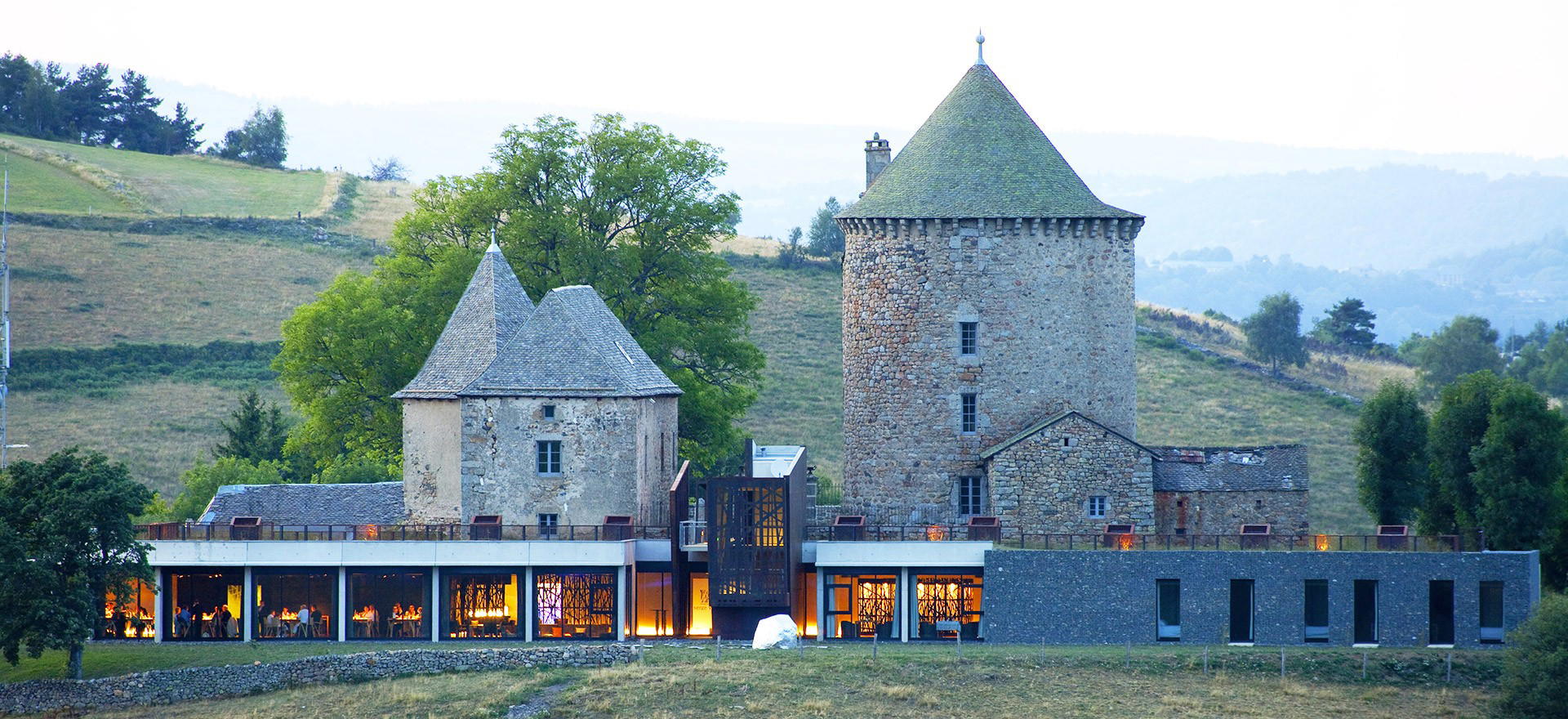
The setting, a working château in the Lot valley countryside, places it in a distinct category among the region's farm-to-table practitioners, where local sourcing is both geography and philosophy.

Pearl is the En Primeur Club membership app, where members save venues, book tables and use the concierge.
Aveyron's Countryside Table: What Le Clos at Château de Labro Represents
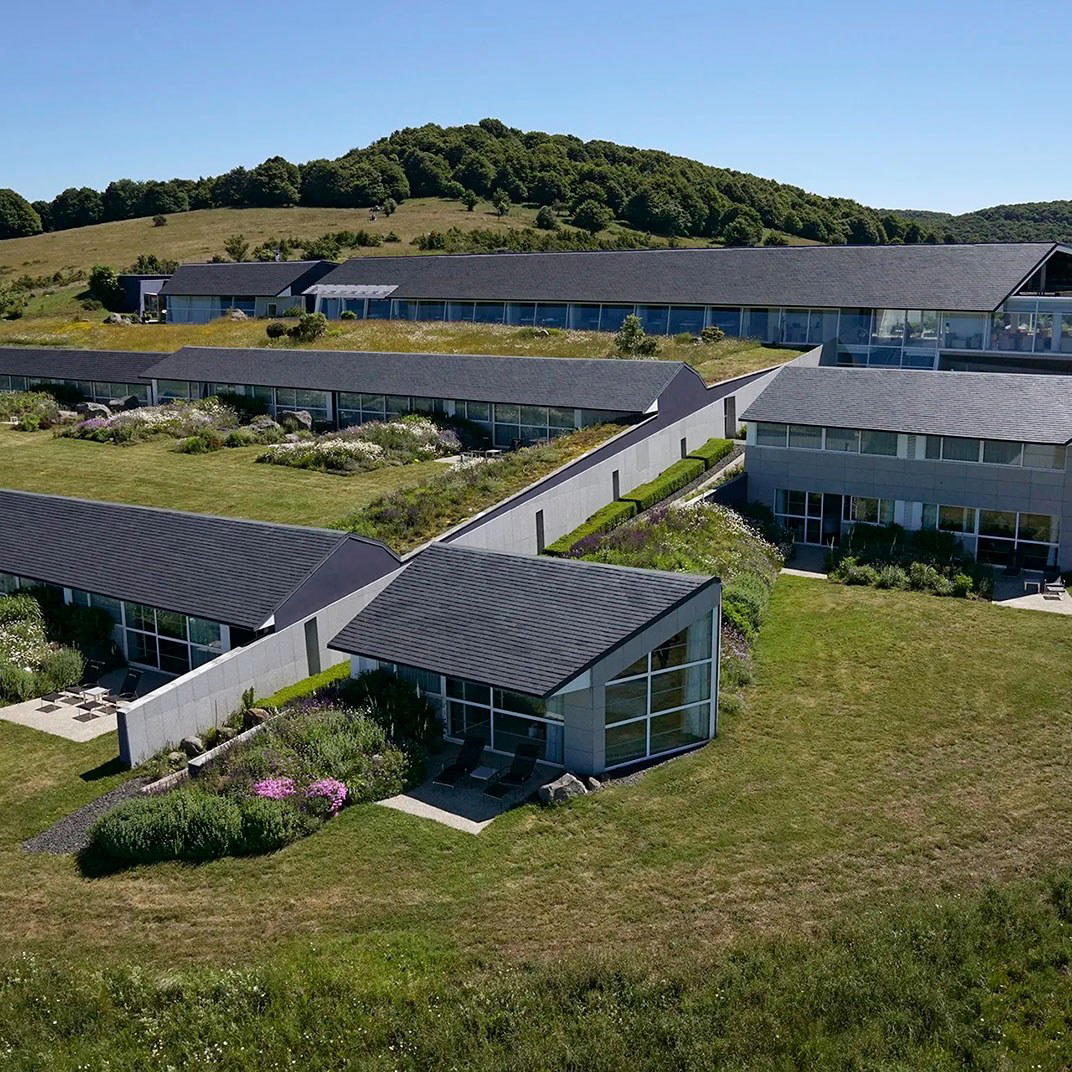
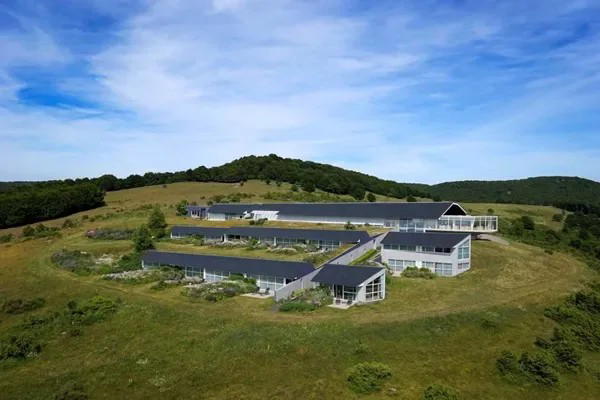
There is a particular kind of French country restaurant that resists easy categorisation, too polished for a simple auberge, too rooted in its territory to court the urban fine-dining circuit. Le Clos, set within the grounds of Château de Labro on the edge of Onet-le-Château, belongs to that category. The Lot valley countryside that surrounds the estate does real work here: it is not a backdrop but a supply chain, informing what arrives on the plate in the way that Aveyron's agricultural identity has informed its cooking culture for generations. For the region, that credential matters.
Aveyron sits at an unusual intersection in French gastronomy. It produces some of France's most respected raw ingredients, Laguiole cheese, Aubrac beef, Roquefort, and yet its restaurant scene has historically been overshadowed by the starred concentrations of the Lot, Lyon, and the Mediterranean south. What has emerged instead is a quieter, ingredients-forward dining culture, where quality of sourcing tends to outpace theatrical presentation. Le Clos operates within that tradition. The estate's château setting, with its stone architecture and rural approach roads, signals immediately that the meal will be grounded in place rather than performance. That grounding is a meaningful choice in modern cuisine terms, separating this from destination restaurants in Paris or the Alpine resort belt, such as Flocons de Sel in Megève, where the environment is as much a selling point as the kitchen.
Sourcing in the Aveyron: Why Geography Is the Menu
The Michelin Plate designation, introduced to recognise kitchens that cook with quality and care below the starred tier, carries a specific implication: the inspectors found food worth eating here. In Aveyron, that finding connects directly to the sourcing context. The department is home to a density of protected-designation producers that few French regions match per square kilometre. Aubrac cattle, raised on the volcanic plateau roughly an hour south, represent one of France's oldest and most traceable beef lineages. Roquefort, produced in the limestone caves of Combalou, sits within the same regional orbit. What a kitchen in this location does with those ingredients, how it chooses to handle, transform, or leave alone what the land produces, is the real question that a visit to Le Clos poses.
Modern cuisine, as a category, can mean anything from hyperlocal minimalism to technically complex international hybrids. At this price tier (€€ on a scale where Parisian starred counterparts like Alléno Paris au Pavillon Ledoyen operate at €€€€), the expectation is not elaborate tasting menus but considered, ingredient-led cooking at accessible price points. Elsewhere in provincial France, that mid-tier positioning has produced some of the country's more interesting meals, the kind that Auberge du Vieux Puits in Fontjoncouse demonstrated was possible when a kitchen commits fully to its terroir over decades. Le Clos operates at a different scale and with different ambitions, but the structural logic is similar: territory first, technique in service of ingredient.
Where Le Clos Fits in the French Regional Dining Picture
The broader conversation about French regional cooking has shifted considerably in the past decade. Restaurants with deep provincial roots and Michelin recognition below the starred tier have gained critical attention as an antidote to the concentration of culinary prestige in Paris and a handful of resort destinations. Bras in Laguiole, operating at three-star level a short distance from Onet-le-Château, remains the defining example of what fully committed Aveyron-rooted modern cooking looks like at its apex. Le Clos does not compete in that tier, nor does it try to.
Consistent high ratings at that sample size suggest the kitchen delivers without sharp variance, which, for mid-tier modern cuisine, is the actual challenge. The restaurant does not appear to rely on spectacle or novelty to hold its audience. For the traveller arriving from outside the region, that consistency is the relevant data point.
Those planning a broader circuit of the south-central Aveyron and Lot regions will find Le Clos a logical anchor for the Rodez side of that itinerary, with Bras in Laguiole accessible as a longer excursion. Readers building a wider French regional programme might reference Troisgros in Ouches or Mirazur in Menton for how French provincial modern cuisine operates at its most recognised, though the comparison is less about competition and more about understanding the spectrum. For bars, accommodation, and other dining options in the area, see our full Onet-le-Château Village restaurants guide, our hotels guide, our bars guide, our wineries guide, and our experiences guide.
Planning a Visit
Le Clos is located at the Château de Labro estate in Onet-le-Château, approximately five kilometres from the centre of Rodez, close enough to anchor a broader visit to the city and the Musée Soulages, which draws its own cultural traffic. The €€ price range makes this accessible for multi-course lunches or dinners without the booking pressure that applies to starred addresses. Visitors arriving by road from Rodez will follow the Lot valley corridor; the approach through agricultural land is consistent with what the kitchen represents. Booking ahead is advisable for weekend service, particularly in summer when the region draws higher visitor volumes. The estate setting lends itself to the kind of long lunch that mid-afternoon Aveyron light invites. For a more complete read on comparable French addresses in the modern cuisine register, the AM par Alexandre Mazzia in Marseille and Assiette Champenoise in Reims offer useful reference points for what Michelin-recognised modern cuisine looks like across the country's regions.
Frequently asked questions
Is Le Clos - Château de Labro more mid-range or high-end?
Pricing at Le Clos - Château de Labro is listed as €€.
How It Stacks Up
Comparable venues nearby, for context on price, style, and recognition.
| Venue | Cuisine | Price | Awards | Notes |
|---|---|---|---|---|
| Le Clos - Château de LabroThis venue (the venue you are viewing) | French Market Bistro | $50–100 | Michelin Plate | Not listed |
| Chai Alex&Co | Modern French Bistro | $20–30 | Not listed | Onet-le-Château |
| Moon | Modern French Bistro | $50–100 | Michelin Plate | Brive-la-Gaillarde |
| Le Théophile - Château d’Orfeuillette | Modern French Gastronomic | Not listed | Michelin Plate | Albaret-Sainte-Marie |
| L'Auberge du Château | Modern French Regional Bistro | $50–100 | Michelin Plate | Le Bourg |
| L'Écorce | Modern French Gastronomic | $50–100 | 1 Michelin Star | Capitole / Arnaud Bernard / Carmes |
Recognition history
Dated appearances from independent guides and award organizations, with the underlying list record or original source where available.
Michelin Plate
Michelin
Full recognition history (2 entries)
Michelin Plate
Michelin
Continue exploring
More in Onet-le-Château
Details
- Romantic
- Elegant
- Rustic
- Intimate
- Sophisticated
- Date Night
- Special Occasion
- Group Dining
- Historic Building
- Terrace
- Panoramic View
- Hotel Restaurant
- Extensive Wine List
- Local Sourcing
- Farm To Table
- Garden
- A La Carte
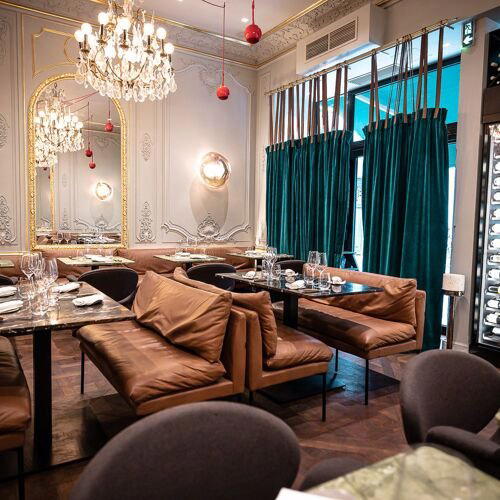
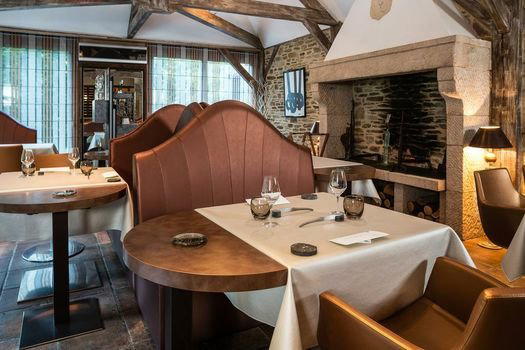
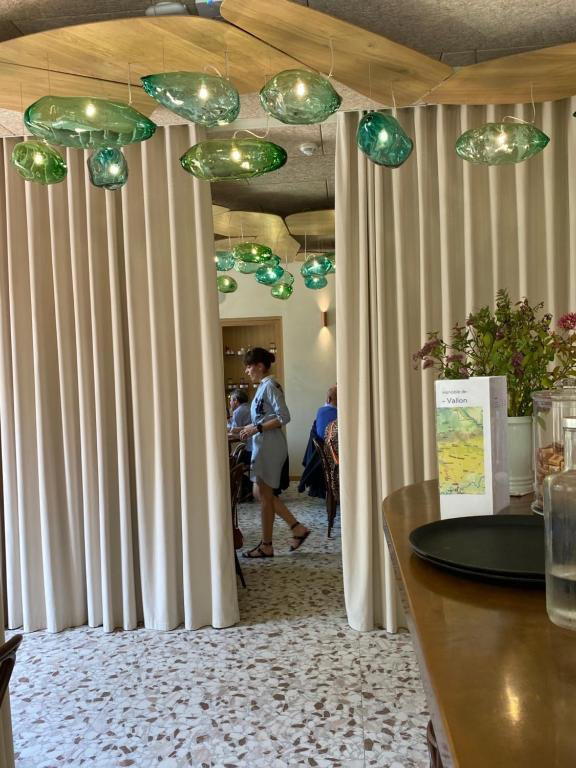
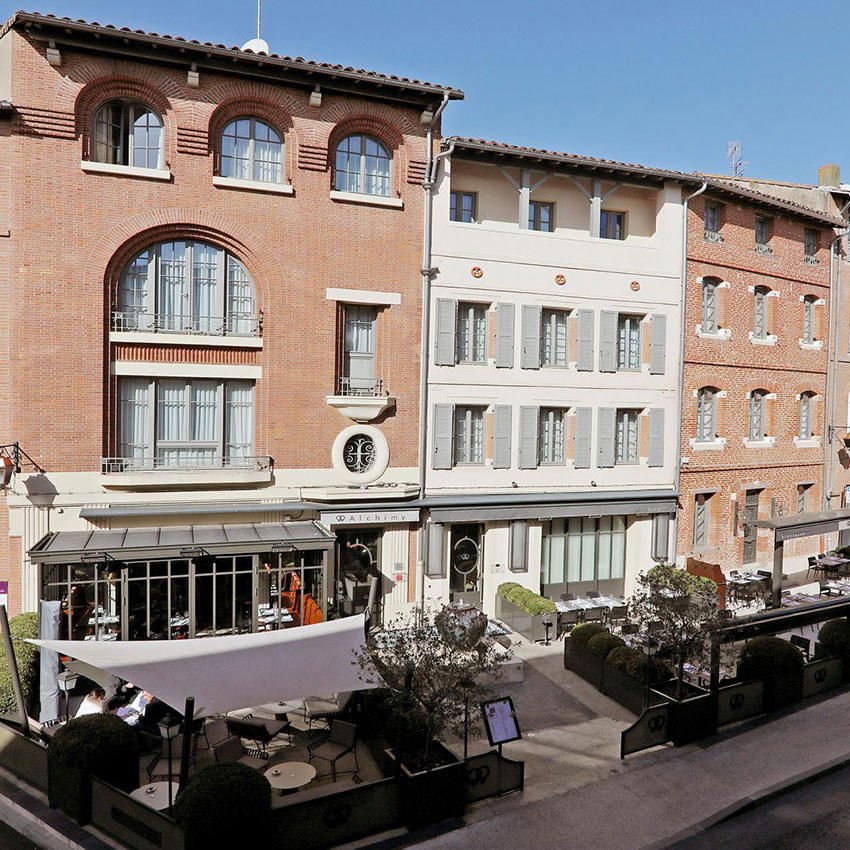
Baroque style with waxed concrete floors, vintage chairs, chandeliers, and large windows opening to serene valley and garden views, creating a warm, elegant atmosphere.