
On the left bank of the Garonne, Le Servant operates from a green-façaded address on rue des Teinturiers in Saint-Cyprien, delivering ingredient-led bistro cooking with the kind of directness Toulouse's neighbourhood dining scene does well. Concrete interiors meet wooden furnishings; the menu reads like a seasonal argument for restraint: porcini soup, crispy pork belly, white chocolate ganache with ras el hanout tuile. A carefully assembled wine list rounds out the offer.
Pearl is the En Primeur Club membership app — saves, bookings, and concierge access live there. Same editors, same standards.
- Address
- 34 rue des Teinturiers
- Phone
- +33 6 45 02 72 96
 Saves & bookings on Pearl
Saint-Cyprien and the Case for the Left Bank
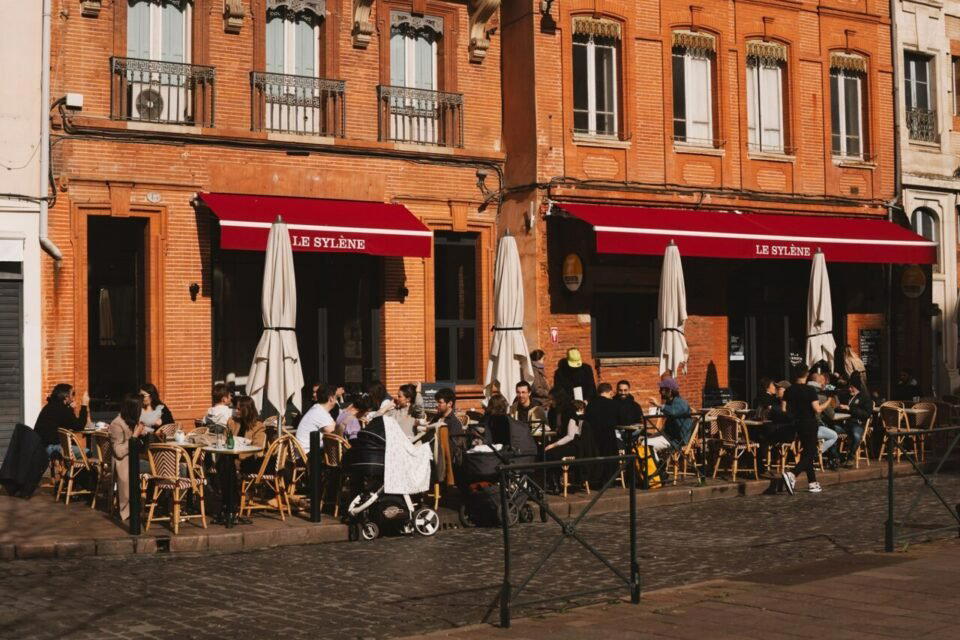
Toulouse's left bank gets most of the editorial attention: the Place du Capitole, the Carmes market, the cluster of fine-dining addresses that have made the city a reference point for serious eating in the southwest. But the left bank neighbourhood of Saint-Cyprien has been running its own, quieter argument for some time. Historically a working-class district of tanners and dyers (the name rue des Teinturiers translates literally as Dyers' Street), it has accumulated a density of independent restaurants and wine bars that operate with less ceremony and more focus than many of their higher-profile counterparts across the river. Le Servant sits on that street, behind a green façade, and functions as a reasonable emblem of what the neighbourhood does well: direct, seasonal cooking without the structural apparatus of a tasting menu or a prestige address.
This matters for how you read the food. Saint-Cyprien bistros are not in competition with the city's destination restaurants, the creative tasting-menu format at Py-r, the high-end modern cooking at Michel Sarran, or the progressive approach at Acte 2 Yannick Delpech. They operate in a different register entirely, one where the measure of quality is whether a dish tastes precisely like what it is, and whether the kitchen has made sound decisions about sourcing. By that measure, what arrives at the table at Le Servant holds up.
The Room and the Register
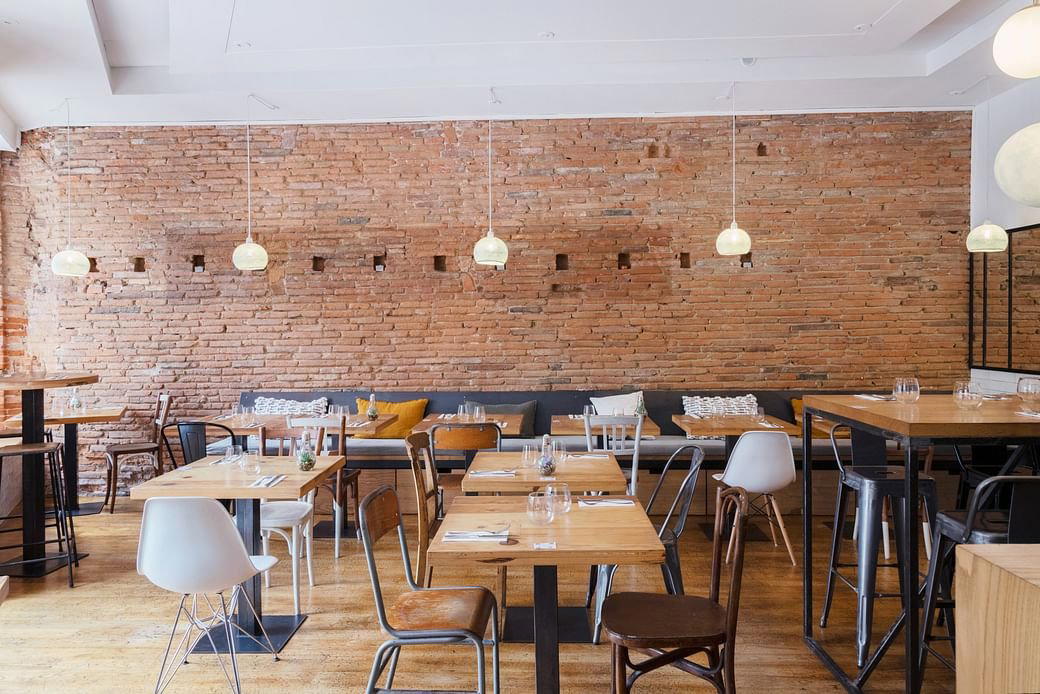
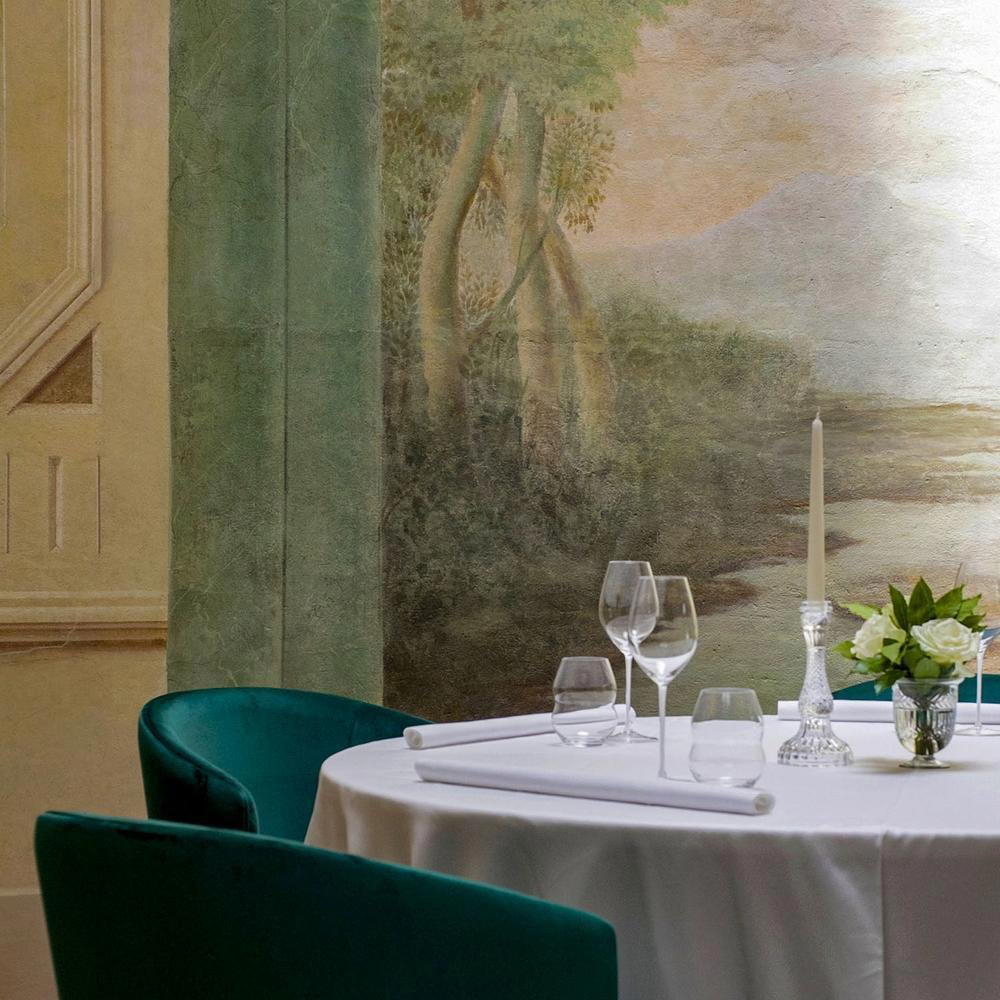
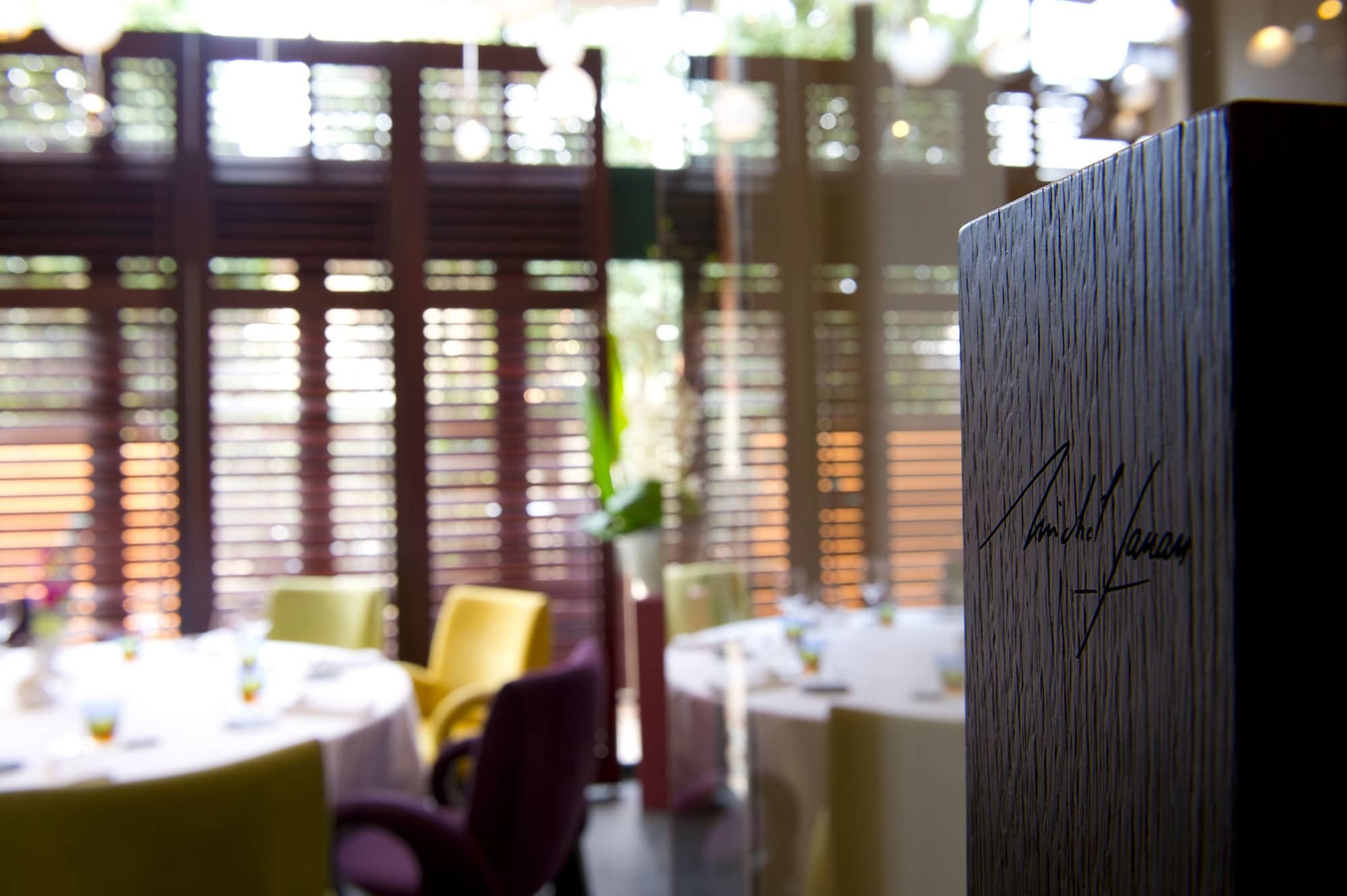
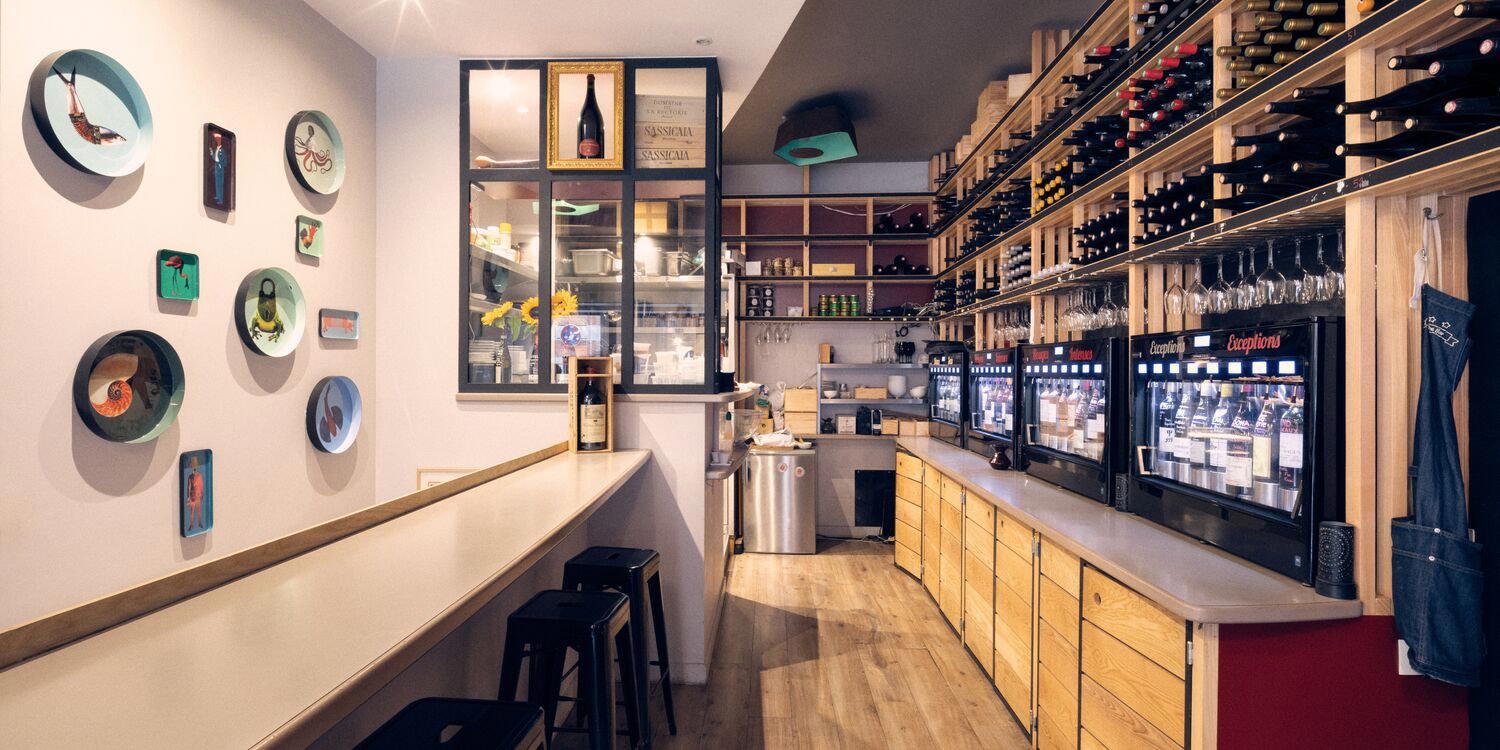
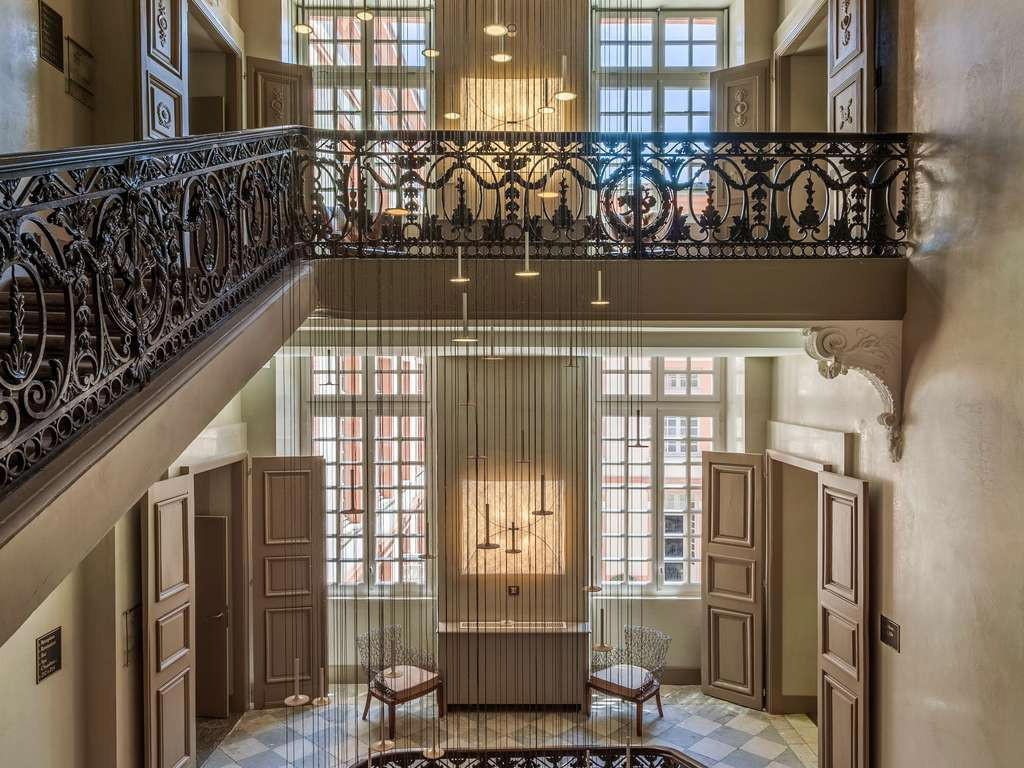
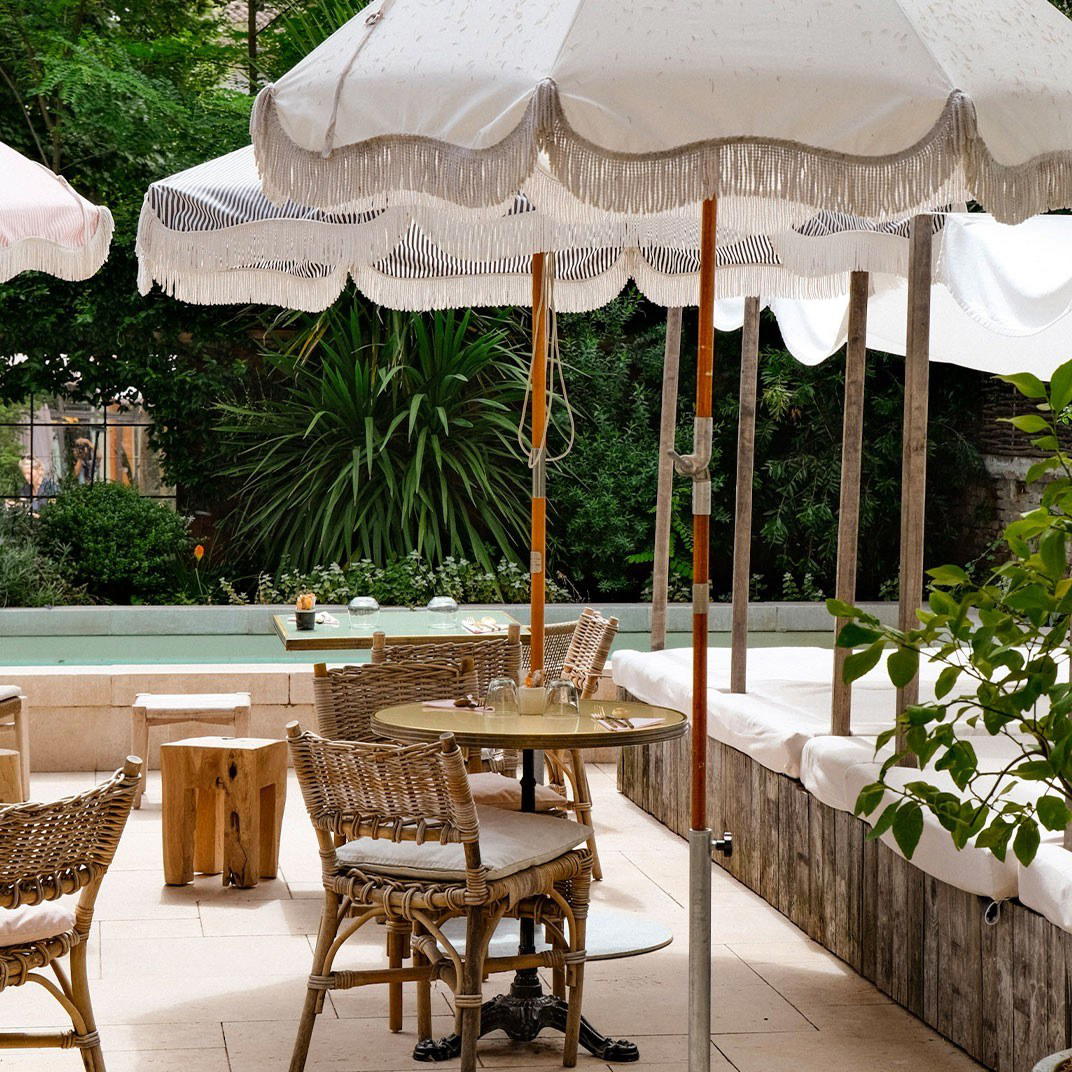
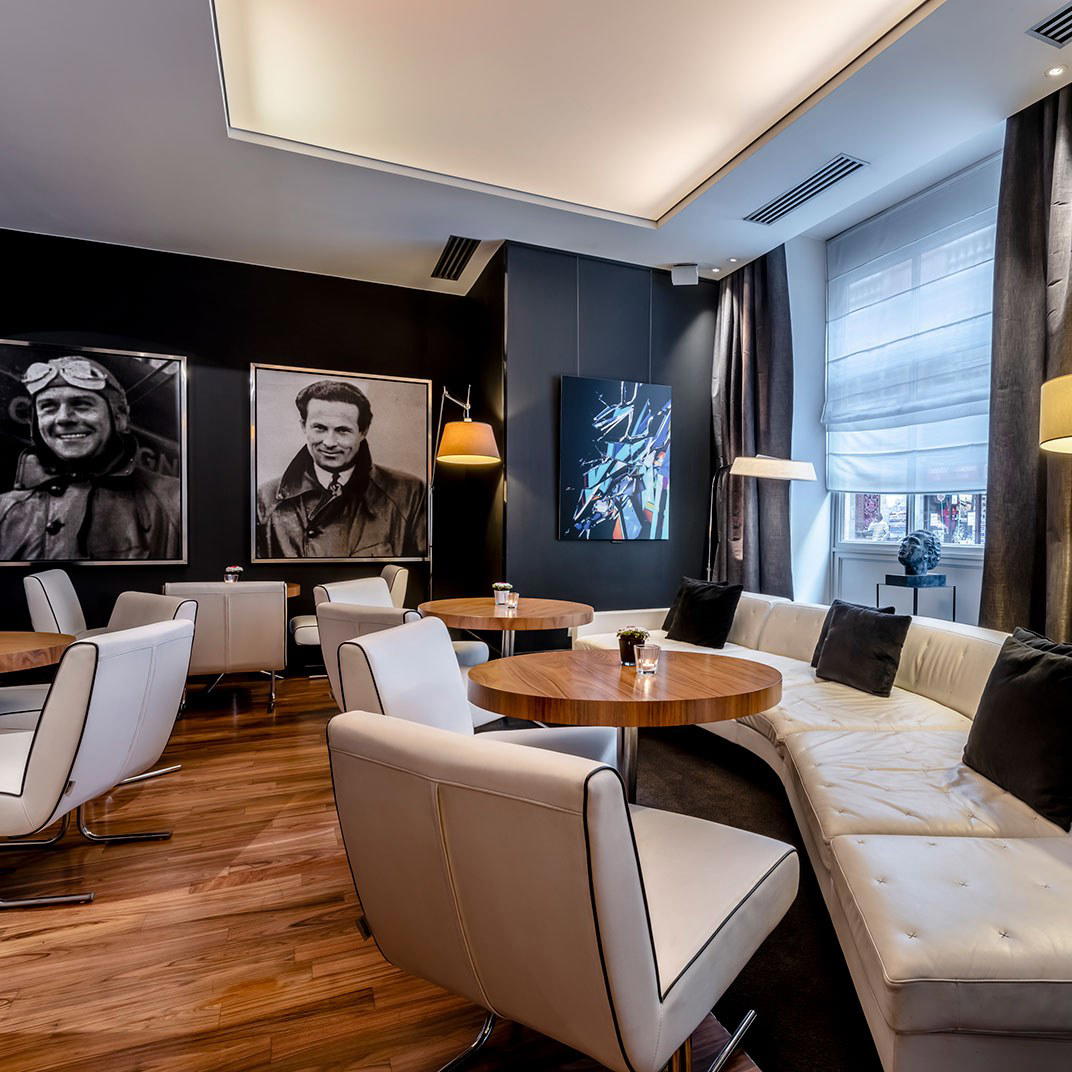
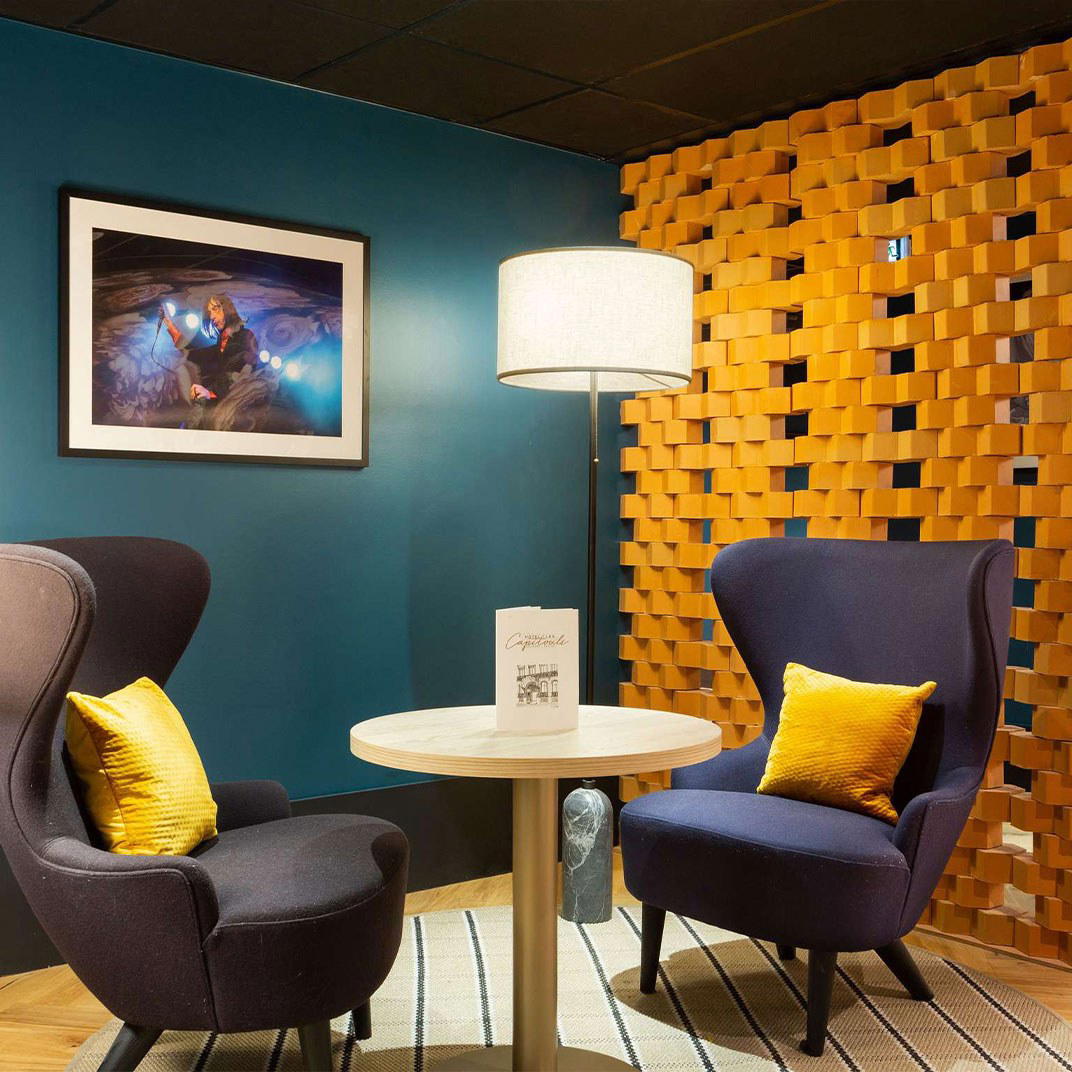
The interior at 34 rue des Teinturiers works against the kind of polished staging that has become default in contemporary restaurant design. Concrete meets wood, and neither is dressed up. The effect is a room that functions as a backdrop rather than a statement, which is the right call for a kitchen whose ambitions are ingredient-led rather than theatrical. Toulouse's bistro tier has always valued this kind of visual restraint, a tradition that runs through the city's neighbourhood eating places and distinguishes them from the more scenographic approaches you find at modern cuisine addresses like SEPT or Agapes.
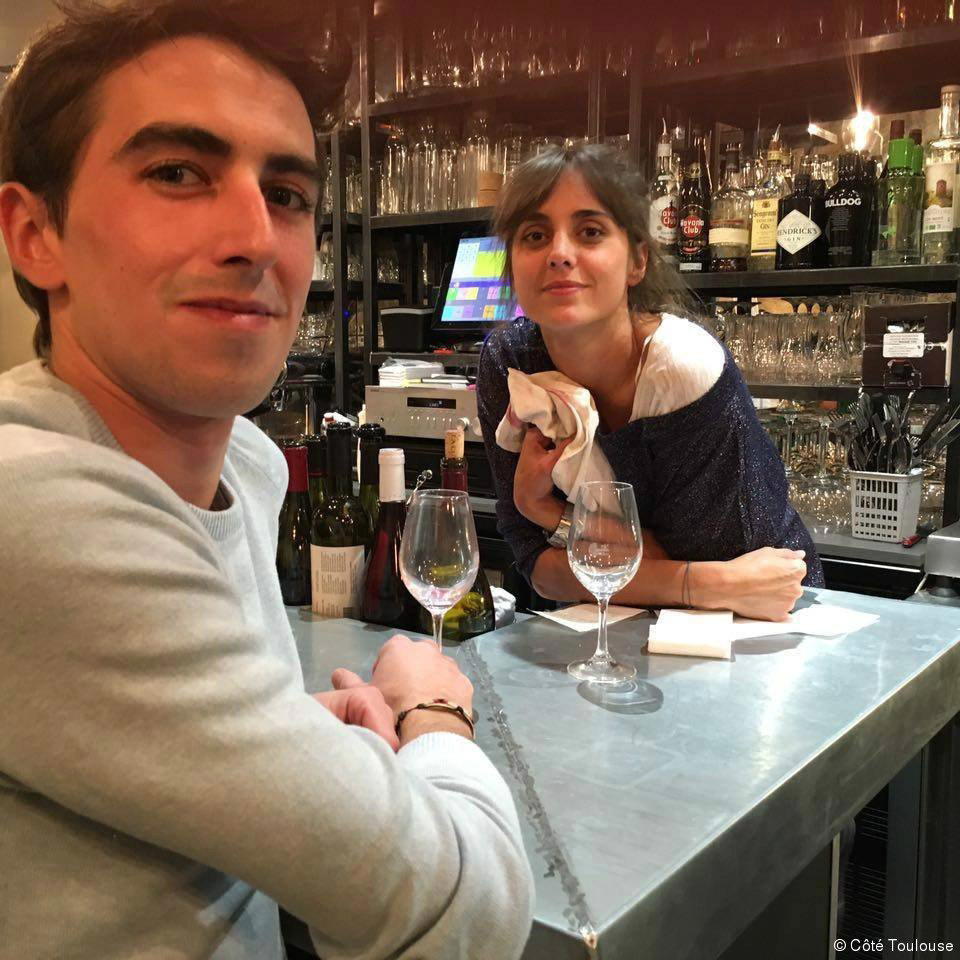
The room is run by Nicolas and Katie Servant, which gives it the operational character common to husband-and-wife bistros across provincial France: attentive without being formal, personal without being intrusive. That format tends to produce a consistency of welcome that larger operations find harder to sustain.
What the Menu Is Actually Saying
Dishes documented from Le Servant's kitchen are a useful study in how ingredient-led cooking functions at the bistro level. Cream of porcini soup with poached egg and golden croutons is a dish that gives the mushroom nowhere to hide, there is no competing protein, no acidic counterpoint to soften the depth of the broth. The composition demands that the porcini be worth eating. Crispy pork belly with creamed pumpkin and chestnut is a seasonal assembly in the southwest French mode: autumn ingredients, fat balanced by starch, texture contrast through the crackling. White chocolate ganache with quince and ras el hanout tuile closes the meal with a mildly North African note that sits naturally in a city with Toulouse's culinary geography, this close to the Pyrenees and to the former trade routes that moved spices through the Languedoc.
None of these dishes are constructed to impress a critic. They are constructed to be eaten, and that is a distinction worth making. The French regional bistro tradition, from the bouchons of Lyon to the tables d'hôtes of Gascony, has always prioritised the pleasure of eating over the mechanics of technique-demonstration. The restaurant reads as a local expression of that tradition rather than a departure from it. For context on what the tradition looks like at its most sustained and ambitious elsewhere in France, it is worth cross-referencing addresses like Bras in Laguiole or Auberge de l'Ill in Illhaeusern, both rooted in regional ingredient logic, both operating at a different scale and price point, but sharing the underlying conviction that local produce is the primary subject.
The Wine Selection
The wine list at the restaurant is carefully curated, with a selection that skews toward southwest appellations, Gaillac, Cahors, Fronton, Madiran, supplemented by bottles from further afield. The southwest French wine scene offers real value at the bistro level, with producers working in Tannat, Négrette, and Duras that rarely appear on lists in Paris or Lyon. A well-assembled list in this neighbourhood context is less about marquee labels and more about whether the kitchen's choices at table are matched by the sommelier's choices in the cellar. The combination of food directness and wine attentiveness is what separates the better left-bank addresses from the merely convenient ones.
Planning Your Visit
The restaurant is located at 34 rue des Teinturiers in the Saint-Cyprien neighbourhood, a walkable distance from the Garonne's left bank and accessible from central Toulouse via the Pont Neuf or the Pont Saint-Michel. The format, a small room run by a couple, means covers are limited and the kitchen runs at a pace set by two people. Booking ahead is advisable, particularly for Friday and Saturday evenings.
Alléno Paris au Pavillon Ledoyen, Flocons de Sel in Megève, Mirazur in Menton, and Troisgros in Ouches. For transatlantic context on what French-influenced cooking looks like beyond French borders, Le Bernardin in New York and Emeril's in New Orleans offer useful points of comparison.
A Tight Comparison
Comparable venues nearby, for context on price, style, and recognition.
| Venue | Cuisine | Price | Notes |
|---|---|---|---|
| Le ServantThis venue — the venue you are viewing | Saint-Cyprien, Traditional French Bistro | $$$ | Not listed |
| Bistrot August | Not listed | $$ | Les Chalets / Bayard / Belfort / Saint-Aubin / Dupuy, Seasonal French Bistro |
| Les Têtes d'Ail | Not listed | $$$ | Capitole / Arnaud Bernard / Carmes, Modern French Bistronomy |
| Solides | Not listed | $$ | Capitole / Arnaud Bernard / Carmes, Modern French Bistro |
| Restaurant Les P'tits Fayots | Not listed | $$$ | Capitole / Arnaud Bernard / Carmes, Modern French Bistro |
| Cécile | Not listed | $$$ | Capitole / Arnaud Bernard / Carmes, Modern French Bistro with Global Influences |
Recognition history
Dated appearances from independent guides and award organizations, with the underlying list record or original source where available.
Michelin Plate
Michelin
Continue exploring
More in Toulouse
Restaurants in Toulouse
Browse all →
At a Glance
- Cozy
- Intimate
- Classic
- Date Night
- Casual Hangout
- Historic Building
Current opening hours
- Monday
- 7:30–9:30 PM
- Tuesday
- 12–9:30 PM
- Wednesday
- 12–9:30 PM
- Thursday
- 12–9:30 PM
- Friday
- 12–9:30 PM
- Saturday
- Closed
- Sunday
- Closed
Hours can change for holidays and private events. Last verified .
Calm and homely atmosphere with tasteful decor, soft lighting, and a personal welcoming feel.