
Michelin Plate
Our verdict
Bistrot August occupies a converted wine cellar on rue Pierre-Paul-Riquet, where Ducasse-trained chef Léopold Gillen produces seasonal, technically grounded cooking at prices that sit well below Toulouse's top tier. The pâté en croûte and hay-smoked duck read as dishes with genuine craft behind them, and a wine list of around 100 labels, curated with care, gives the room something worth drinking through a long evening.

Pearl is the En Primeur Club membership app, where members save venues, book tables and use the concierge.
The menu
What to order
- Pâté en croûte with foie gras
- Hay-smoked duck with squash and juniper juice
- Shallot tarte Tatin
- Crêpe Suzette
A Wine Cellar Repurposed for Serious Cooking
Toulouse has spent the past decade sorting itself into tiers. At the leading sit addressed institutions: Michel Sarran and Py-r represent the city's €€€€ bracket, rooms where the price of a meal reflects years of reputation-building and kitchen staffing at scale. A step below, Acte 2 Yannick Delpech and SEPT occupy the modern-cuisine middle ground. Bistrot August does something different: it positions in the lower-cost bracket without surrendering technical ambition, which is a harder balance to hold than it sounds.
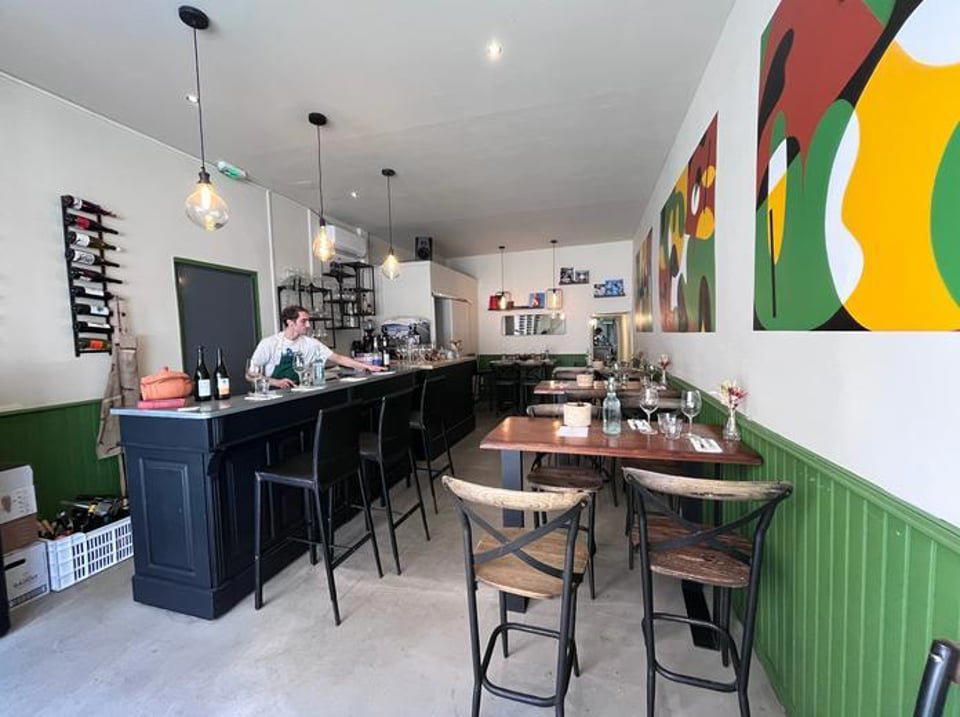
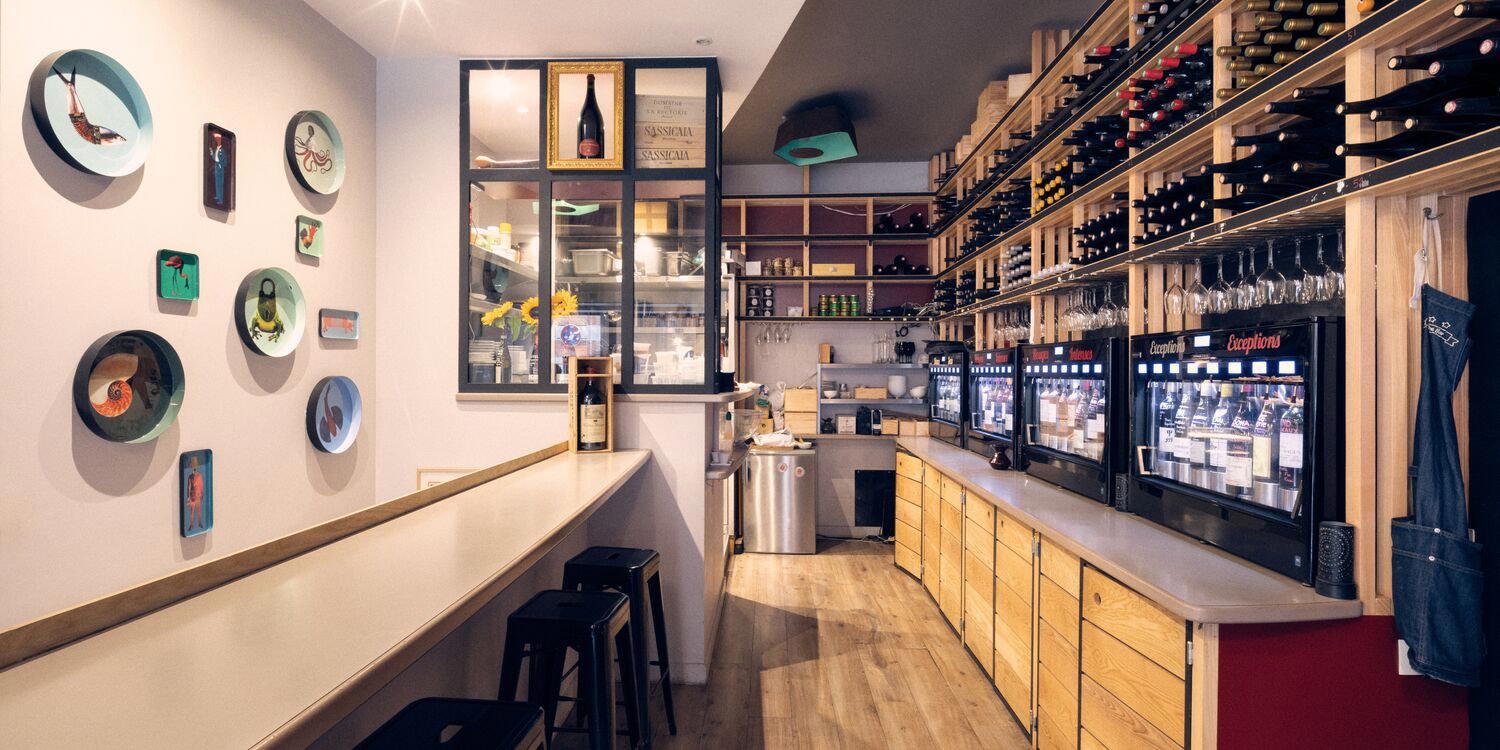
The address is 62 rue Pierre-Paul-Riquet, within easy reach of rue Gabriel Péri. The space is a converted wine cellar, and the room carries that history in its bones: stone walls, contained proportions, a sense that the building had a previous life handling something worth preserving. That physical character sets the register before any food arrives. This is not a room designed to impress through scale or décor budget. It impresses, if it does, through the specificity of what comes out of the kitchen.
The Ducasse Lineage and What It Signals
French kitchens with Ducasse Group training sit inside a recognisable tradition. The group's approach, applied across properties ranging from Monaco to Paris, has always placed seasoning and product quality above complexity for its own sake. Graduates who leave to open smaller rooms tend to carry that discipline forward in condensed form: fewer covers, shorter menus, and a clearer line between ingredient and plate. Chef Léopold Gillen's position at Bistrot August fits that pattern. The Ducasse credential, recorded in the venue's documentation, functions here not as a prestige claim but as a technical reference point. It tells you where the calibration comes from.
That calibration shows in what the kitchen chooses to cook. The pâté en croûte with foie gras, pork, duck, and venison is a dish that requires patience: the pastry-to-filling ratio, the set of the forcemeat, the layering of fat across different proteins. It is the kind of preparation that collapses if any single element is mishandled, and its presence on a short menu signals a kitchen willing to commit to process-intensive work. The hay-smoked duck with squash and juniper juice maps a different register: aromatic rather than textural, seasonal in both its smoke medium and its vegetable, and precise in the way juniper is used as a bitter counterpoint rather than a dominant flavour. These are dishes built around sourcing decisions made before the cooking starts.
Sourcing as the Founding Logic
The editorial angle on Bistrot August is most clearly understood through ingredient sourcing. Seasonal cooking in France is not a novelty pitch; it is a structural decision about when to cook what. A kitchen that commits to seasonality is committing to a moving menu, which means ongoing supplier relationships, daily adjustment, and a willingness to let availability govern the offer rather than the other way around. The hay-smoked duck, as a dish, is only coherent if the hay is present and the duck is at the right point in its season. The squash confirms an autumn or winter anchor. That grounding in what is actually available connects Bistrot August to a longer provincial French tradition where the market determines the menu, not the other way around.
This is also what separates the bistro format from the grand-restaurant format. Rooms like Mirazur in Menton or Bras in Laguiole have the infrastructure to maintain year-round sourcing programs that function almost independently of local seasonal availability. A bistro like August works within tighter constraints, which makes the sourcing choices more visible: what is on the plate is on the plate because it was available, affordable, and worth cooking this week. That transparency is part of the offer.
The Wine List as a Second Argument
A list of around 100 labels, assembled with evident intention, sits at the far edge of what a room this size needs to offer. Most bistros in this price tier work with a short house selection or a regional-only card. A 100-label cellar implies curation: someone has decided which bottles belong and which do not, and that decision-making process is its own form of editorial work. Front-of-house responsibility falls to Maxime Renvaze, whose role covers both service and wine recommendations. That combination is common in small rooms where staffing requires individuals to carry multiple functions, and it works well when the person doing it has genuine knowledge rather than a memorised list. The documentation describes the service as cordial and attentive, which in a room this scale translates to unhurried attention rather than choreographed formality.
Toulouse sits in a wine region with strong local identity: Gaillac to the northeast and Fronton to the north both produce wines that appear rarely on Paris lists, and a cellar curated locally has the option to represent them. Venues in this tier that do not engage with their regional wine context tend to lose something specific to their city. Those that do offer a dimension that places like Agapes also engage with in the modern-cuisine bracket.
Lunch Versus Evening: Two Different Propositions
The structure of a great-value lunch set menu alongside a short evening menu describes two distinct commercial and culinary propositions. The lunch set is designed for accessibility: lower price point, faster pace, a demonstration of what the kitchen can do within tighter constraints. It is also a lower-commitment entry point for guests who want to assess the cooking before committing to a longer evening. The short evening menu is the room operating at its intended register: fewer choices, more focus, and the expectation that guests are there to spend time rather than move through quickly.
For anyone considering Toulouse's dining options in context: the lunch format at August competes with nothing at the €€€€ level occupied by Michel Sarran or Py-r, and offers a different value argument from the mid-tier. The evening menu asks for more from the guest in terms of pace, but returns more in terms of specificity. Booking in advance is advisable for a room this size; small covers and a short menu mean demand exceeds capacity on most service days.
Bistrot August is at 62 rue Pierre-Paul-Riquet, Toulouse. For a broader orientation to what the city offers across all categories maps the field, and, bars guide, wineries guide, and experiences guide cover the rest.
Frequently asked questions
What's the must-try dish at Bistrot August?
The pâté en croûte with foie gras, pork, duck, and venison is the dish that most clearly signals what Léopold Gillen's Ducasse-trained technique looks like on a plate: a labour-intensive preparation where the balance of seasoning and the quality of sourcing are both fully exposed. The hay-smoked duck with squash and juniper juice is the other dish singled out for its specifically constructed flavour logic.
Comparison Snapshot
Comparable venues nearby, for context on price, style, and recognition.
| Venue | Cuisine | Price | Awards | Notes |
|---|---|---|---|---|
| Bistrot AugustThis venue (the venue you are viewing) | Seasonal French Bistro | $30–50 | Michelin Plate | Not listed |
| Solides | Modern French Bistro | $30–50 | Michelin Plate | Capitole / Arnaud Bernard / Carmes |
| Le Servant | Traditional French Bistro | Not listed | Michelin Plate | Saint-Cyprien |
| L'alouette | Market-Led French Bistro | $30–50 | Michelin Plate | Capitole / Arnaud Bernard / Carmes |
| Hito | Modern French with Japanese Influences | $50–100 | Michelin Plate | Capitole / Arnaud Bernard / Carmes |
| Les Sales Gosses | Modern French Bistro | $50–100 | Michelin Plate | Les Chalets / Bayard / Belfort / Saint-Aubin / Dupuy |
Recognition history
Dated appearances from independent guides and award organizations, with the underlying list record or original source where available.
Michelin Plate
Michelin
Continue exploring
More in Toulouse
Restaurants in Toulouse
All restaurants in Toulouse →
Bars in Toulouse
All bars in Toulouse →
Hotels in Toulouse
All hotels in Toulouse →
Wineries in Toulouse
Browse all →
Details
- Intimate
- Cozy
- Modern
- Rustic
- Date Night
- Casual Hangout
- Solo
- Wine Cellar
- Open Kitchen
- Standalone
- Natural Wine
- Sommelier Led
- Local Sourcing
- Organic
- Natural Wine
- Set Menu
- A La Carte
- Small Plates
- Natural Wine
- Wine Pairings
- Vegetarian Friendly
- Organic Focus
Current opening hours
- Monday
- Closed
- Tuesday
- Closed
- Wednesday
- 12–2 PM, 7–10 PM
- Thursday
- 12–2 PM, 7–10 PM
- Friday
- 12–2 PM, 7–10 PM
- Saturday
- 12–2 PM, 7–10:30 PM
- Sunday
- 12–3 PM
Hours can change for holidays and private events. Hours as of .
Intimate and warmly lit with grass-green paneling, a finely crafted Turquin blue bar, and murals by local street artist Oblique; cozy neighborhood atmosphere with attention to detail.