Google: 4.6 · 1,176 reviews
.png)
Set along the Eure river at 21 Rue de la Tannerie, Le Moulin de Ponceau brings a Michelin Plate-recognised modern menu to a city better known for its cathedral than its dining scene. The €€ price point makes serious cooking accessible, and a Google rating of 4.6 across more than 1,000 reviews signals consistent kitchen form. For Chartres, that combination is notably difficult to find.
 Discover on Pearl
Where the River Sets the Pace
The Eure moves slowly through the old tanners' quarter of Chartres, past stone facades that predate the Revolution and mill channels that once drove the city's leather trade. At 21 Rue de la Tannerie, Le Moulin de Ponceau occupies a spot where the waterway's pace feels encoded into the meal itself. This is not the kind of address that rushes. The rhythm here belongs to a French provincial lunch or dinner that unfolds in proper sequence: aperitif, amuse, starter, main, cheese if you have the discipline to wait for it, dessert. The building and the river together enforce a tempo that most urban restaurants have long abandoned.
Chartres is a city that international visitors tend to treat as a day trip from Paris, arriving for the cathedral and leaving before the light changes. That pattern has historically kept its restaurant scene underdeveloped relative to cities of comparable cultural weight. The gap between its architectural significance and its dining options has been wide enough to notice. Le Moulin de Ponceau sits at a part of that gap where the city's kitchens are beginning to close it, offering modern cuisine with enough technical ambition to hold a Michelin Plate in both 2024 and 2025.
What the Michelin Plate Actually Signals
Within the Michelin hierarchy, the Plate designation marks a restaurant where the inspectors find cooking of good quality: fresh ingredients, properly prepared. It is the tier below the star levels occupied by houses like Alléno Paris au Pavillon Ledoyen, Mirazur in Menton, or Troisgros in Ouches, but it is a meaningful credential in a provincial city where recognised kitchens are scarce. Holding the Plate across consecutive years — 2024 and 2025 — indicates a kitchen operating with consistency rather than occasional form. Michelin does not re-award passively; sustained recognition reflects a stable team and a repeatable standard.
In Chartres specifically, that distinction carries extra weight. The city's dining options at the €€ price point tend toward traditional bistro formats. Bistrot Racines covers that traditional ground well. Terra handles Italian at the same price tier. Le Moulin de Ponceau operates in a different register: modern cuisine with a recognisable French structure but a kitchen that has earned external validation. At the €€ price range, this positions it as the address for serious cooking without the financial commitment that Le Georges requires at the €€€€ level.
The Architecture of the Meal
French dining ritual at this level follows a structure that has cultural roots deeper than any individual restaurant. The meal begins with a choice that signals intent: a glass of something local, a kir, or a carefully chosen aperitif that prepares the palate rather than dulls it. The amuse-bouche, where present, is the kitchen's opening statement , a single, small preparation that demonstrates technique and sets expectations for what follows. At a Michelin Plate level in modern cuisine, that statement tends toward precision over generosity.
Starters in this category typically work with seasonal ingredients treated with more care than the price point would suggest possible. Modern French cuisine at the Plate tier often borrows technique from the starred world , emulsions, careful temperature work, composed plates , without the elaborate ceremony that comes with a full tasting menu. The result is cooking that rewards attention without demanding the kind of extended commitment that houses like Flocons de Sel in Megève or Bras in Laguiole require. A main course followed by cheese or dessert is the expected arc. The cheese course in this part of France is not optional in any meaningful cultural sense.
The pace is unhurried. Provincial French dining culture treats speed as an insult. A table at Le Moulin de Ponceau is not a transaction to be completed but a period of time set aside. The river view reinforces that contract. Internationally, kitchens that have mastered similar pacing include Auberge de l'Ill in Illhaeusern, where the Ill river plays much the same environmental role as the Eure does here. The setting is not decoration; it is part of how time is managed at the table.
Chartres as a Dining Destination
The city has more depth than its reputation as a cathedral stop suggests. The old town quarter around Rue de la Tannerie retains genuine architectural character, and the cluster of independent restaurants in this part of the city represents the most concentrated dining circuit Chartres offers. For visitors combining the cathedral with a serious lunch, the geography works: the old town is compact enough to walk between the cathedral quarter and the river addresses without logistical difficulty.
Broader dining context in France has moved toward accessible modern cuisine at the mid-price tier, as kitchens trained in starred environments have opened smaller, less formal operations. This pattern is visible across French cities , in Marseille with AM par Alexandre Mazzia, in Collonges-au-Mont-d'Or with the continued presence of Paul Bocuse - L'Auberge du Pont de Collonges as a reference point for classical tradition, and internationally in the kind of technical ambition found at Frantzén in Stockholm or FZN by Björn Frantzén in Dubai. Le Moulin de Ponceau operates at a different scale and price point than any of those, but it participates in the same broader shift: modern technique made available outside the starred tier.
A Google rating of 4.6 across 1,097 reviews is a meaningful data point in this context. At that volume, the rating is statistically stable rather than the product of a loyal core. It indicates that first-time visitors, day-trippers, and regulars are all arriving at broadly the same conclusion about the kitchen's output.
Planning the Visit
Chartres sits roughly 90 kilometres southwest of Paris, with direct train connections from Paris Montparnasse running under an hour. The address at 21 Rue de la Tannerie places the restaurant in the lower old town, a short walk from the cathedral. For visitors building an itinerary around the city, the full Chartres restaurants guide covers the wider dining options, while the hotels guide handles overnight logistics. Bars, wineries, and experiences in the city are covered separately. The €€ price range makes a full multi-course lunch here financially realistic alongside other spending in the city.
What It’s Closest To
These are the closest comparables we have in our database for quick context.
| Venue | Cuisine | Awards | Notes |
|---|---|---|---|
| Le Moulin de Ponceau | Modern Cuisine | Michelin Plate (2025); Michelin Plate (2024) | This venue |
| Le Georges | Modern Cuisine | Michelin 1 Star | Modern Cuisine, €€€€ |
| Bistrot Racines | Traditional Cuisine | Traditional Cuisine, €€ | |
| Terra | Italian | Italian, €€ |
Continue exploring
More in Chartres
Restaurants in Chartres
Browse all →
At a Glance
- Romantic
- Elegant
- Cozy
- Classic
- Intimate
- Sophisticated
- Date Night
- Special Occasion
- Private Event
- Historic Building
- Terrace
- Private Dining
- Extensive Wine List
- Local Sourcing
- Street Scene
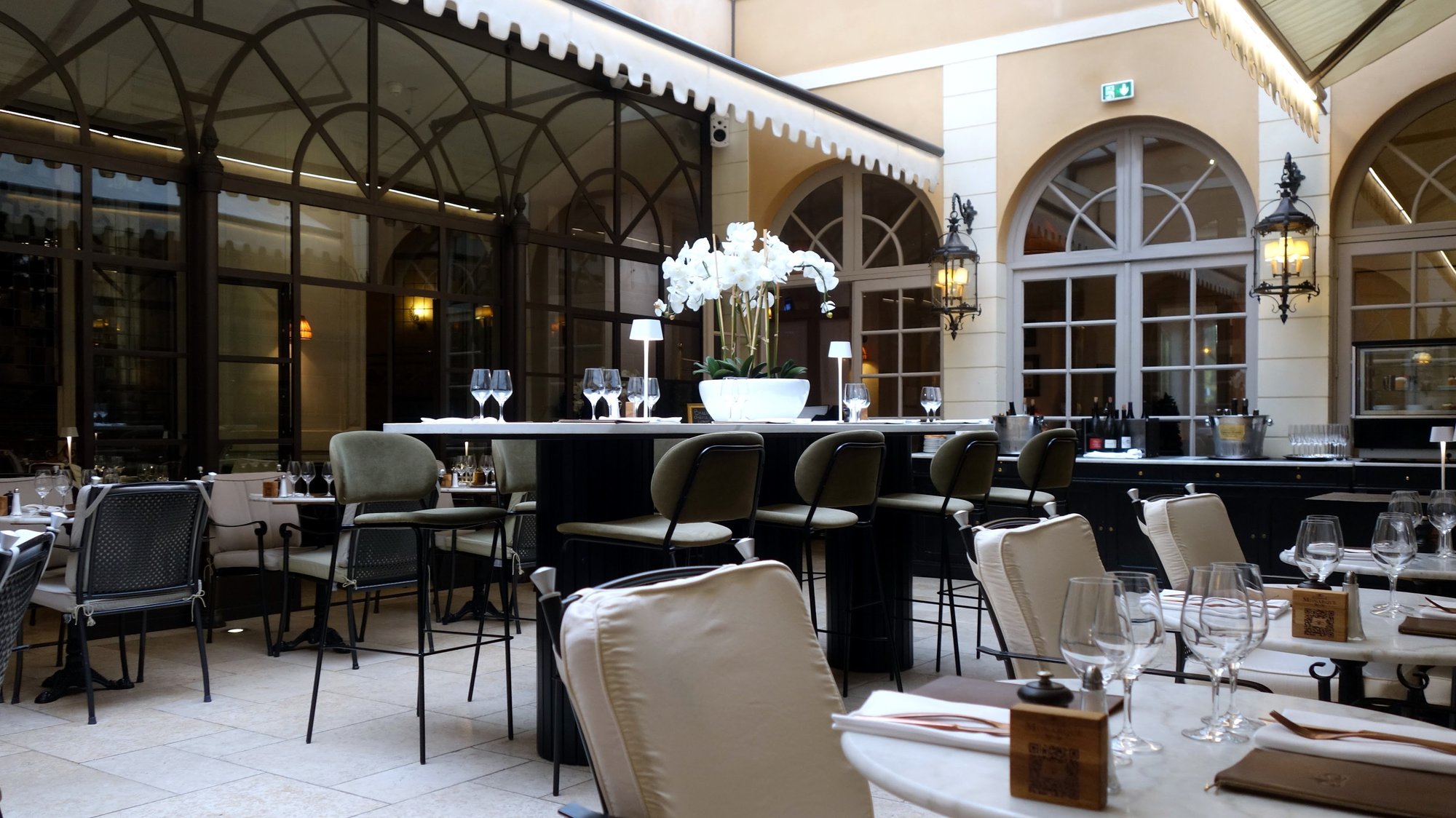
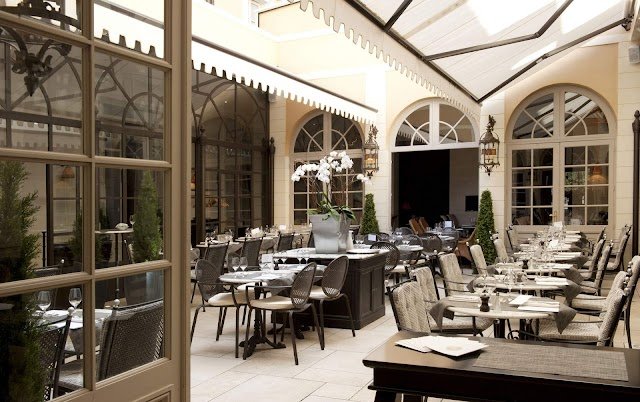
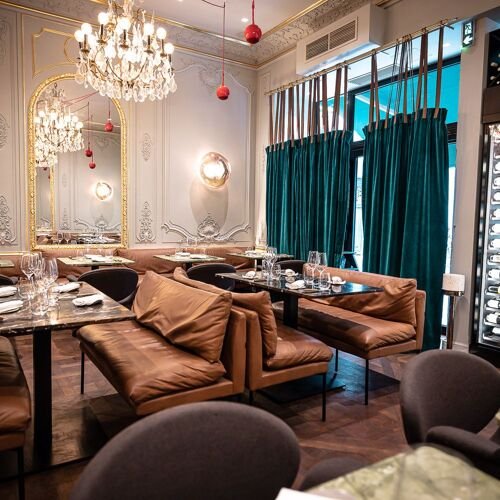
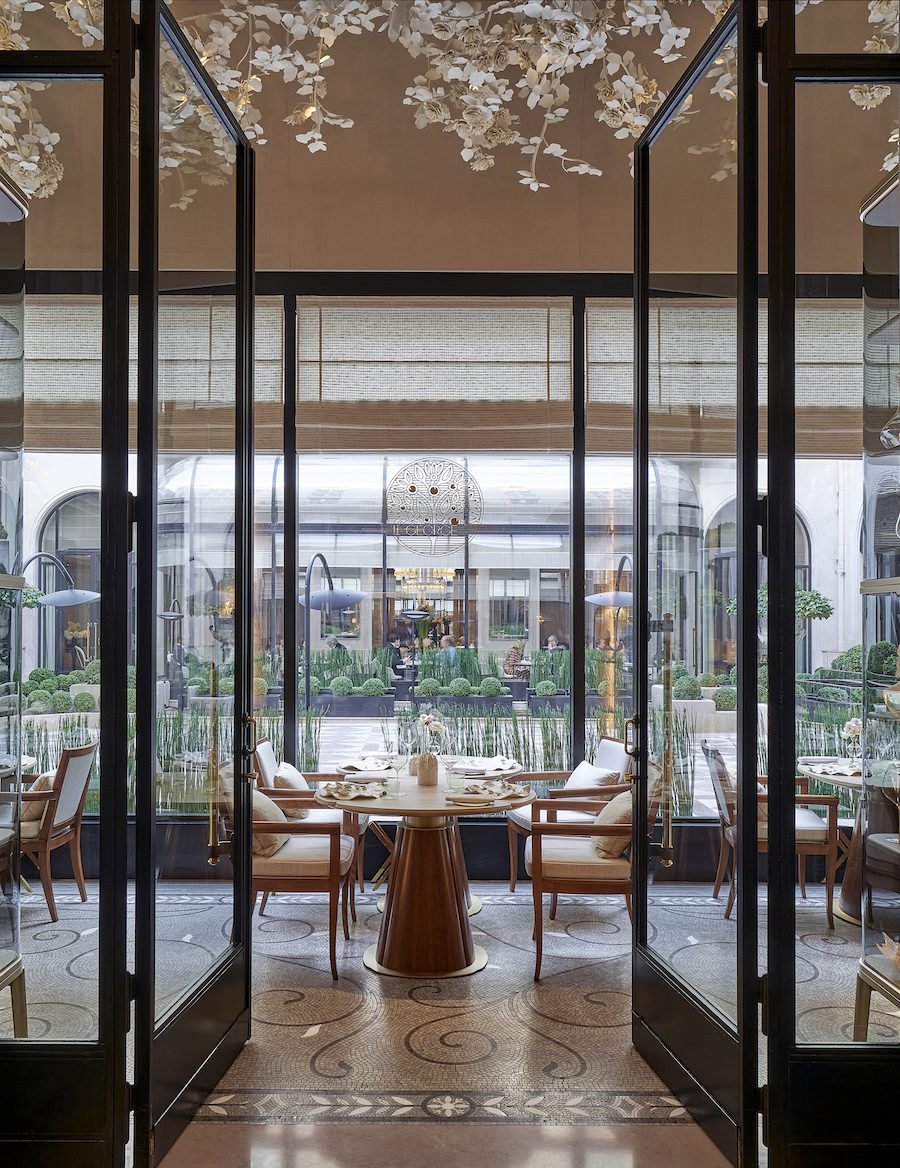
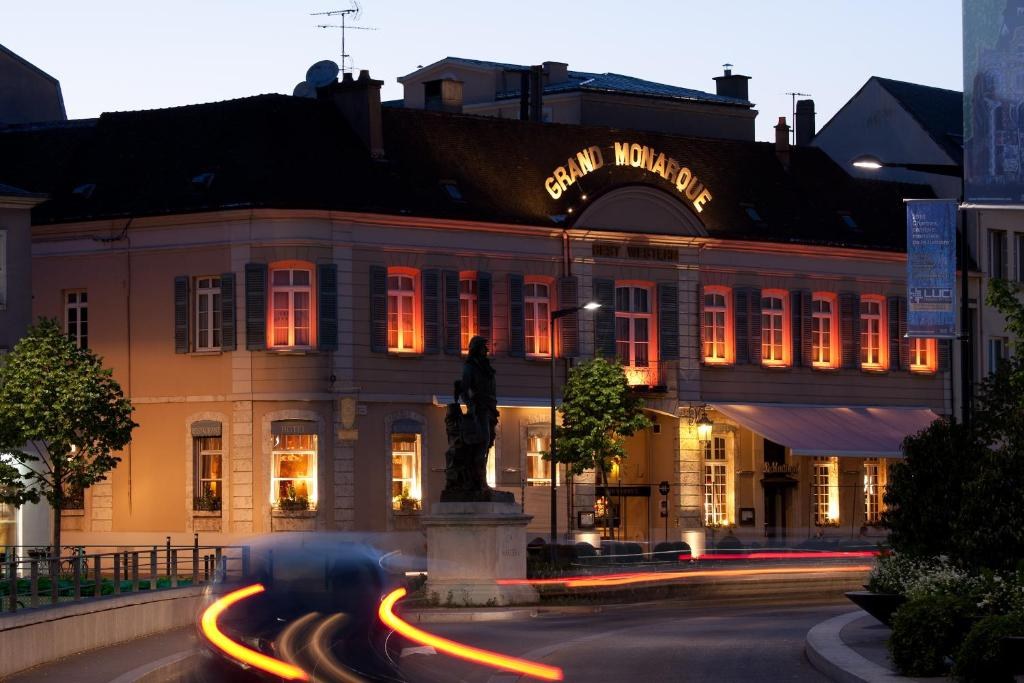
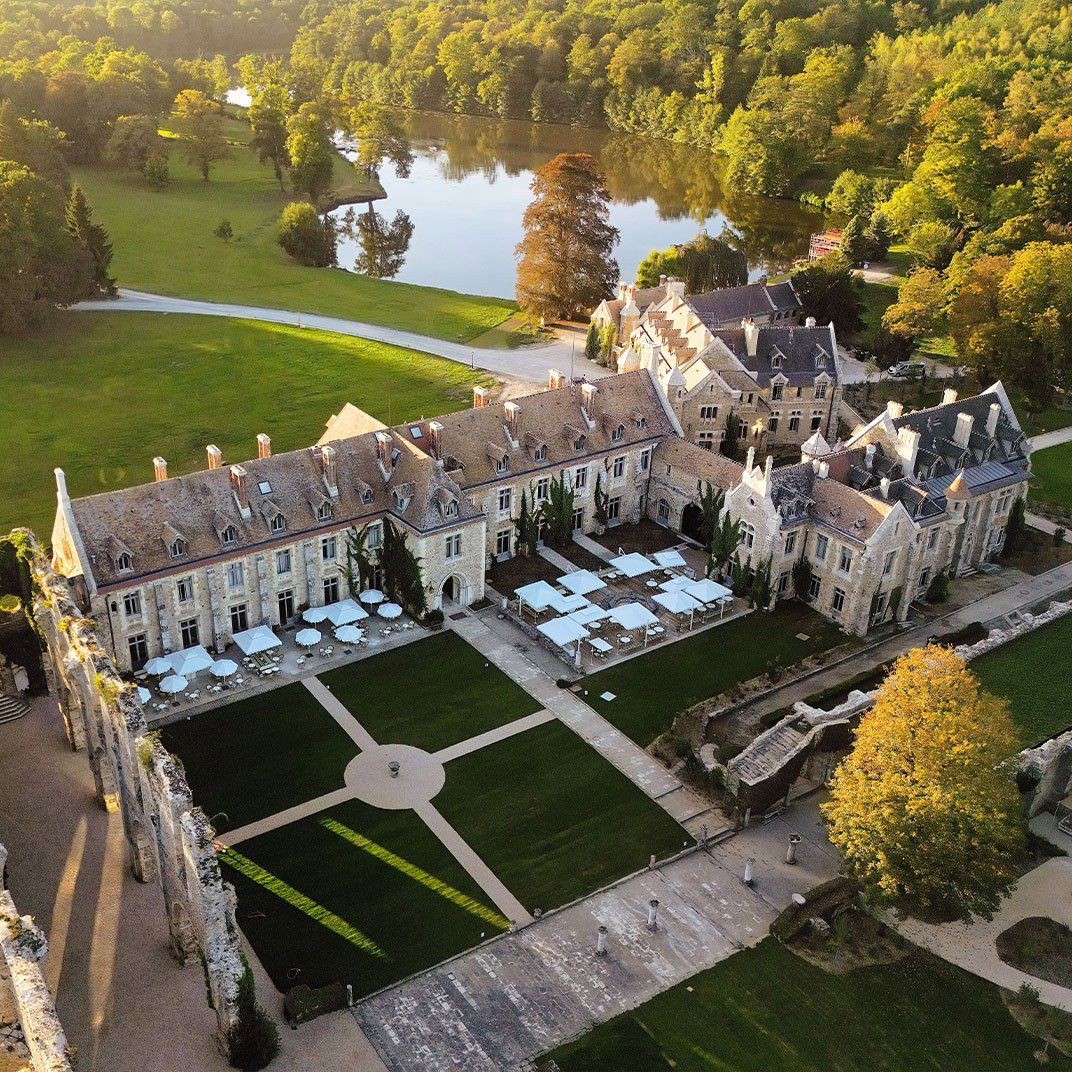
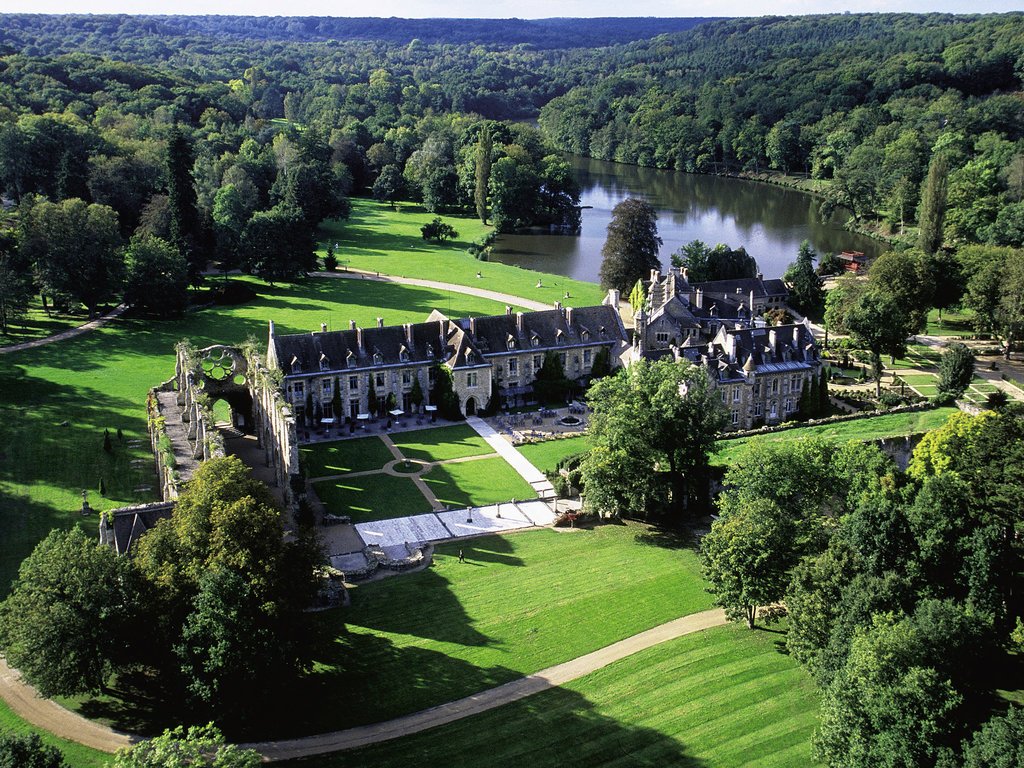
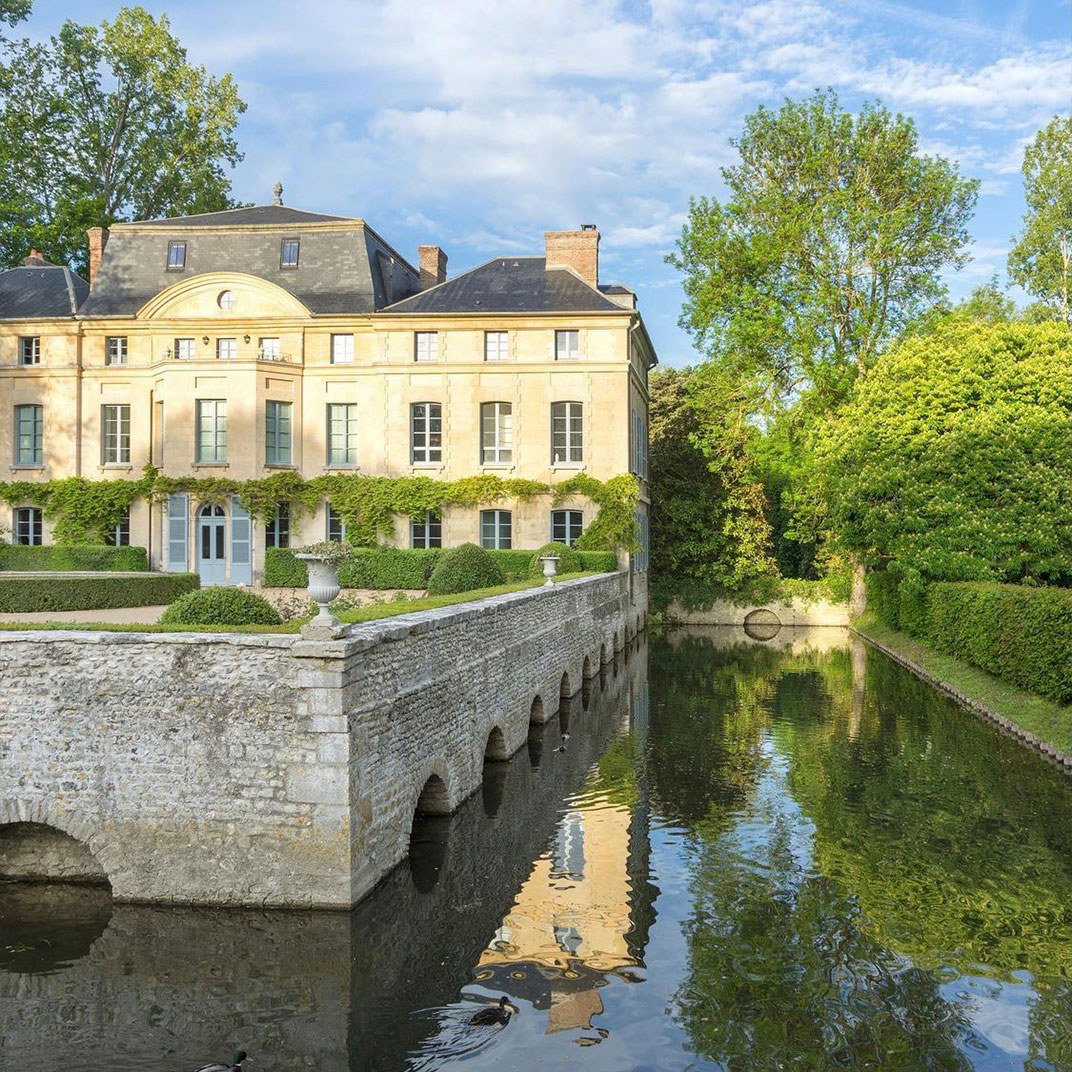
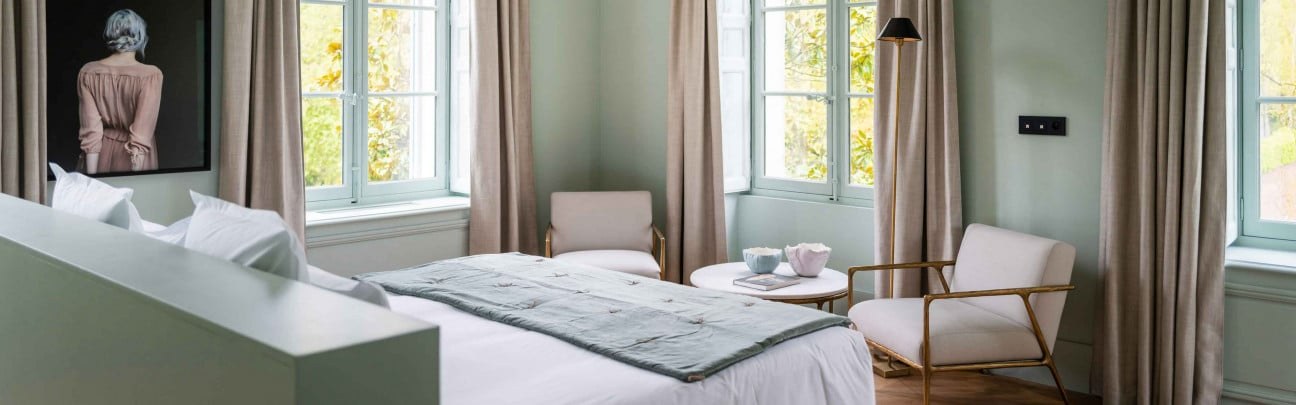
Feutrée atmosphere with exposed beams, stone floors, near fireplace, veranda over river, and large windows overlooking the Eure and historic monuments.