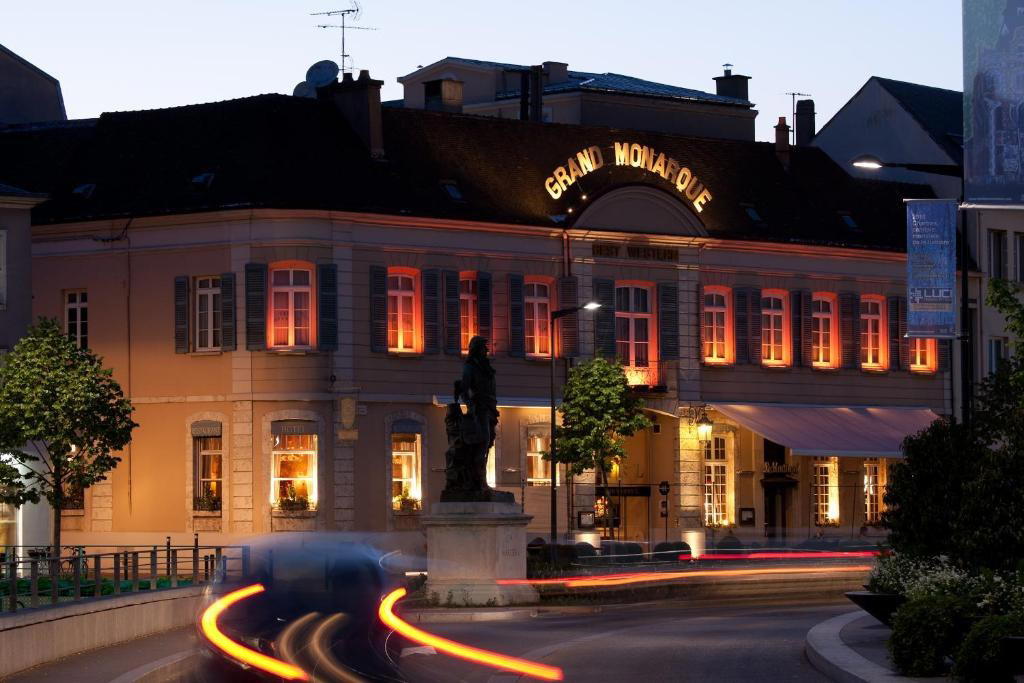
La Cour Brasserie Chartres serves Traditional French Brasserie cooking in a courtyard setting inside Le Grand Monarque, with an extensive wine list for lunch or dinner.
Pearl is the En Primeur Club membership app — saves, bookings, and concierge access live there. Same editors, same standards.
- Address
- 22 Pl. des Épars, 28000 Chartres, France
- Phone
- +33237181507
- Website
- grand-monarque.com
- Directions
- Get directions
 Saves & bookings on Pearl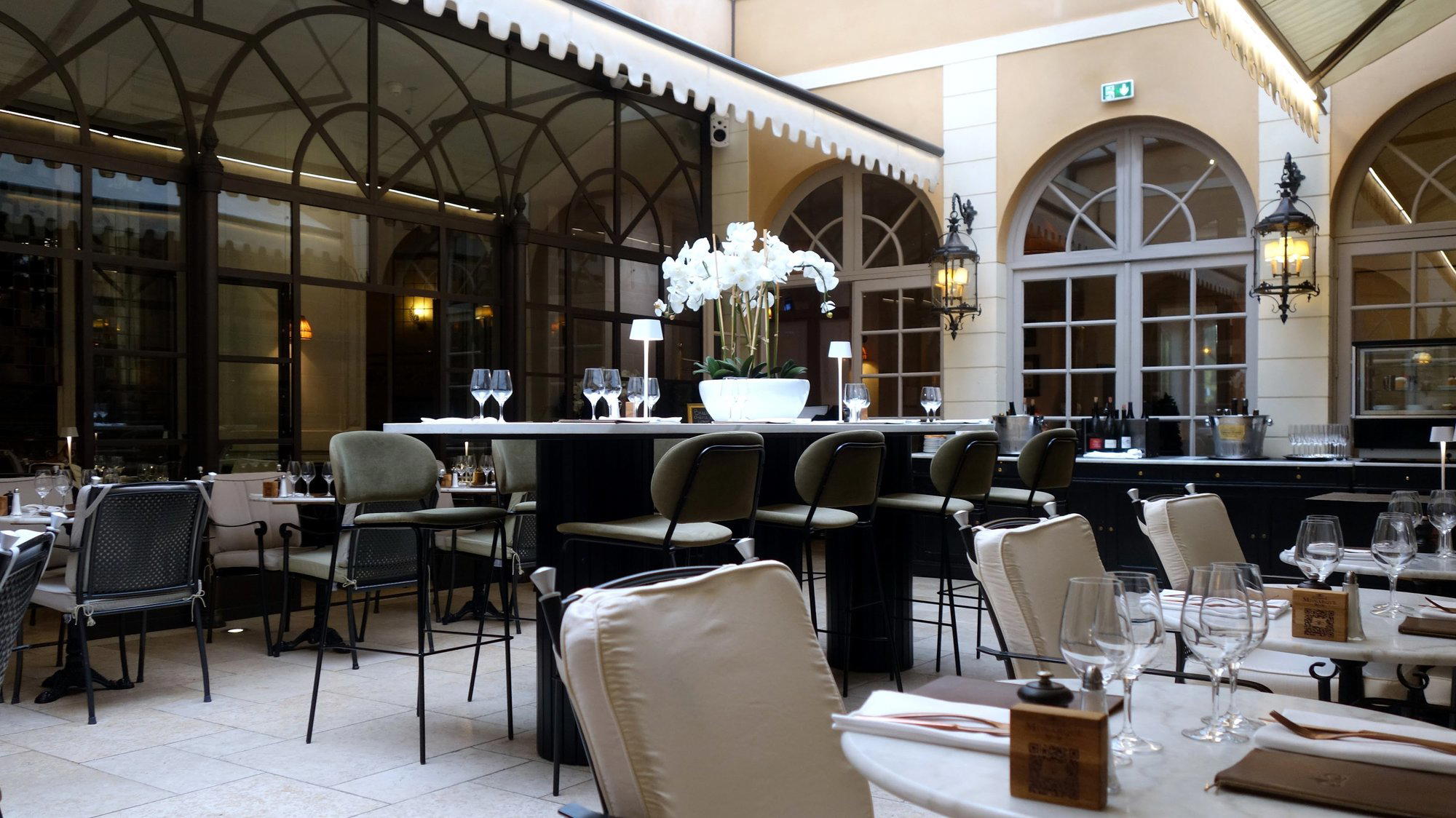
Place des Épars and the Grammar of a French Brasserie
Place des Épars is the civic hinge of Chartres, the broad square where the old town loosens into something more open, and where the rhythm shifts from cathedral-district pilgrimage to everyday French life. Sitting on that square, La Cour Brasserie Chartres occupies the kind of address that demands a certain seriousness: the room is visible from the street, the terrace catches the afternoon light, and the surrounding architecture reminds you, without effort, that you are somewhere with centuries of appetite behind it. A brasserie in this position is not a casual bet. It inherits expectations shaped by a town that has hosted travellers, scholars, and clergy for the better part of a thousand years.
The brasserie format itself carries specific obligations in France. Unlike a restaurant with a single tasting menu and a chef-forward identity, a brasserie answers to a wider constituency. It is expected to serve at pace, to hold a table for a solo traveller arriving late and a family celebrating a birthday at the same time, and to do all of this without the food becoming an afterthought. The leading brasseries in France manage that balance through discipline in sourcing, not spectacle in plating. What arrives on the table should be traceable to a region, a season, a producer, even if those connections are never announced.
Chartres in the Supply Network of the Beauce
Chartres sits at the edge of the Beauce plateau, among the more intensively farmed cereal plains in Europe. The surrounding region feeds Paris as much as it feeds itself, and the agricultural density means that ingredient access in this city is structurally different from many provincial French towns. The proximity to Île-de-France distribution channels, combined with local producers operating in the Eure-et-Loir department, gives Chartres restaurants a supply geography that ranges from local farm gates to the same networks that supply the capital's better tables.
For a brasserie at La Cour's address, that geography matters in practical terms. The Loire Valley, where game, river fish, and early-season vegetables have defined regional cooking for centuries, is within reasonable sourcing distance to the south. Normandy dairy, which underpins much of north-central French cooking including the cream-forward preparations that appear on brasserie menus from Rouen to Orléans, sits to the northwest. A kitchen that takes its supply chain seriously in this location has options that a comparable brasserie in a more isolated town would not.
This is the context in which French brasseries at the mid-to-upper tier distinguish themselves from those operating at volume alone. The question is not whether a terrine or a sole meunière exists on the menu, but whether the ingredient behind it reflects a considered choice about provenance. At the level of the French dining tradition that Chartres inhabits, that distinction is what separates a brasserie worth crossing the city for from one that simply occupies a good address.
Where La Cour Sits in Chartres Dining
Chartres has a dining scene that punches above what its population size might suggest, partly because it draws visitors from Paris throughout the year, and partly because the local population has sustained a culture of proper sit-down meals rather than relying entirely on tourist trade. That creates a comparable set worth mapping. Le Georges operates at the contemporary end of the market, with modern techniques and a more destination-focused proposition at the €€€€ tier. Bistrot Racines anchors the traditional end at the more accessible €€ level. Le Café Serpente and Maleyssie fill distinct niches across the city. Le Moulin de Ponceau brings a modern register to the river-adjacent part of the city.
La Cour Brasserie, positioned on the central square, occupies a different register from all of them. The brasserie format places it in service of a broad public rather than a specialist diner, but location and address signal that it competes for the traveller who has one good meal in Chartres and wants it to mean something. That is a real competitive position, and it is one that brasseries in similar French cities have navigated with varying degrees of success.
For readers building a broader picture of serious French dining, the reference points extend beyond Chartres. The sourcing discipline that defines the upper tier of French regional cooking is visible at different scales, from Bras in Laguiole, where the connection to the Aubrac plateau is the founding principle of the menu, to Auberge de l'Ill in Illhaeusern, where Alsatian produce has anchored three-Michelin-star cooking for generations. At the contemporary end, Mirazur in Menton and AM par Alexandre Mazzia in Marseille demonstrate how regional ingredient logic can be reframed entirely at the highest level. Closer to Chartres in spirit, if not geography, the institutional weight of Paul Bocuse in Collonges-au-Mont-d'Or and the evolution visible at Troisgros in Ouches illustrate what a long-term commitment to French regional sourcing looks like at institutional scale. Further afield, Flocons de Sel in Megève and Assiette Champenoise in Reims each represent the regional-sourcing principle at the starred level. For readers whose frame of reference extends across the Atlantic, Le Bernardin in New York and Atomix in New York offer a useful counterpoint for how ingredient integrity translates across kitchen cultures. Alléno Paris au Pavillon Ledoyen and Au Crocodile in Strasbourg round out the French picture at the capital and regional-city level respectively.
Planning a Visit to Place des Épars
Chartres is 90 kilometres southwest of Paris, and the SNCF Transilien line from Gare Montparnasse covers the distance in roughly an hour, making a day trip from the capital practicable without requiring overnight commitment. For visitors combining a visit to the cathedral with a meal, Place des Épars sits a short walk from the main cathedral square, making sequencing the two direct. The square itself is a landmark that requires no navigation assistance once you are in the city centre. Given the brasserie's central position and the volume of visitors Chartres attracts year-round, arriving with a reservation rather than on speculation is the sensible approach, particularly for weekend midday service when cathedral visitors concentrate. For a full orientation to eating and drinking in the city, the EP Club Chartres restaurants guide covers the full range of options across price points and formats.
Fast Comparison
Comparable venues nearby, for context on price, style, and recognition.
| Venue | Cuisine | Price | Awards | Notes |
|---|---|---|---|---|
| La Cour Brasserie ChartresThis venue — the venue you are viewing | Traditional French Brasserie | $$ | Not listed | Not listed |
| Le Café Serpente | Traditional French Brasserie | $$ | Not listed | Cathédrale |
| Maleyssie | Traditional French Brasserie | $$$ | Not listed | Centre-Ville |
| Bistrot Racines | Traditional French Bistro | $$ | Michelin Plate | Place des Epars |
| Terra | Gastronomic Italian | $$$ | Michelin Plate | Avenue du Maréchal-Maunoury |
| Le Moulin de Ponceau | Modern French Terroir Gastronomy | $$$ | Michelin Plate | historic center |
Continue exploring
More in Chartres
Restaurants in Chartres
Browse all →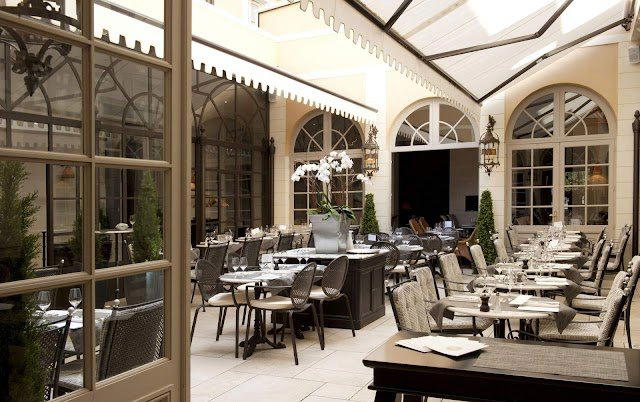
At a Glance
- Cozy
- Elegant
- Classic
- Family
- Casual Hangout
- Brunch
- Courtyard
- Historic Building
- Hotel Restaurant
- Extensive Wine List
- Local Sourcing
Current opening hours
- Monday
- 12–2 PM, 7–11 PM
- Tuesday
- 12–2 PM, 7–11 PM
- Wednesday
- 12–2 PM, 7–11 PM
- Thursday
- 12–2 PM, 7–11 PM
- Friday
- 12–2 PM, 7–11 PM
- Saturday
- 12–2 PM, 7–11 PM
- Sunday
- 12–2 PM, 7–11 PM
Hours can change for holidays and private events. Last verified .
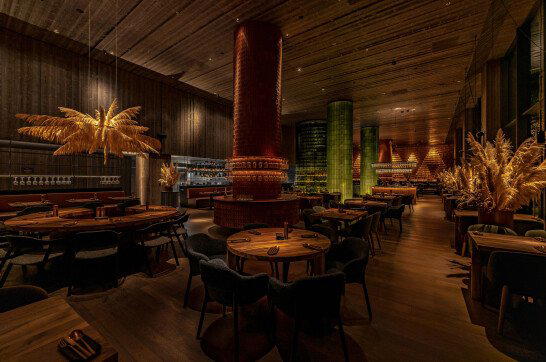
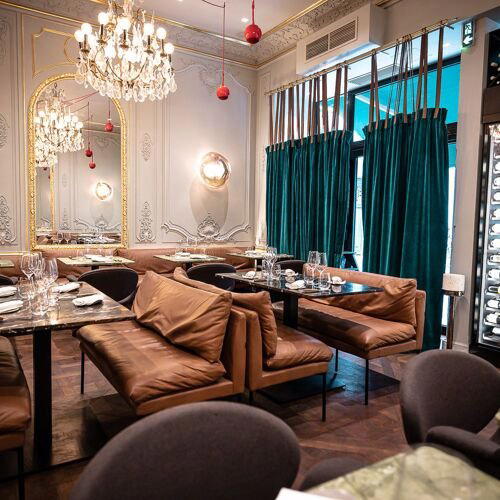
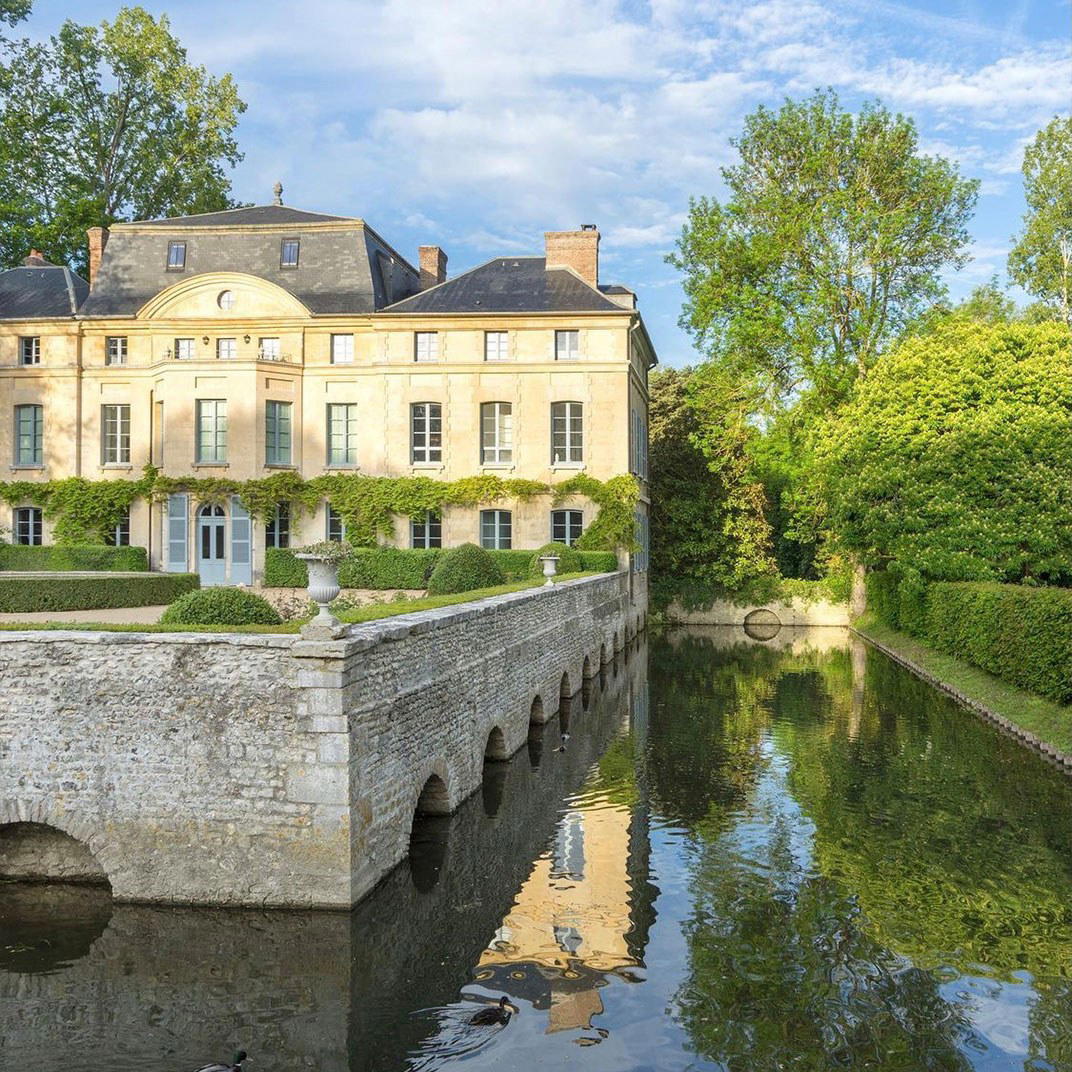
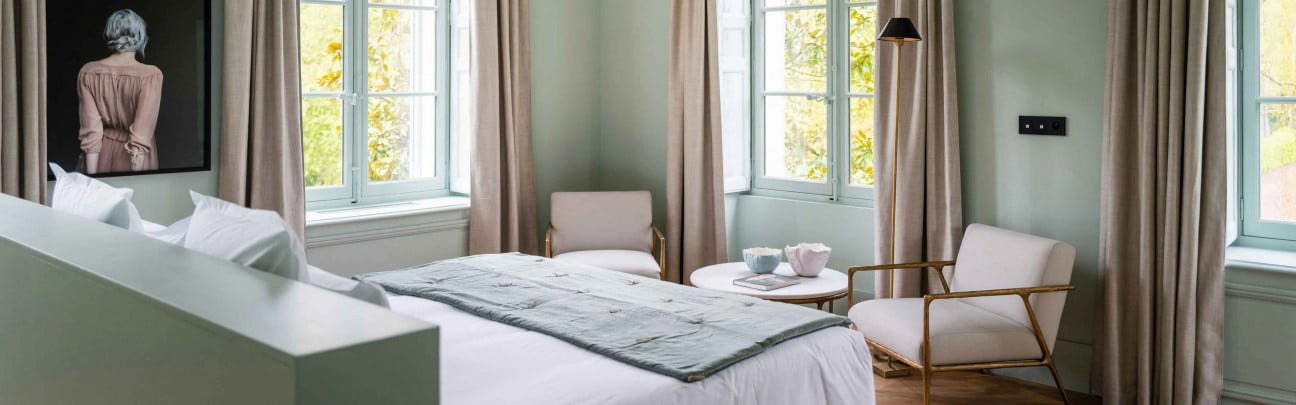
Cozy and warm with natural light from a retractable glass roof, blending convivial and refined atmosphere.