Google: 4.6 · 1,525 reviews
.png)
Bistrot Racines has held the Michelin Plate in both 2024 and 2025, placing it among the more consistent traditional French tables in Chartres. At a €€ price point on the medieval Rue des Changes, it occupies a particular niche: honest regional cooking at a level the guide considers worth noting, without the formality of the starred tier. With 1,240 Google reviews averaging 4.6, the local consensus is unusually strong.
 Discover on Pearl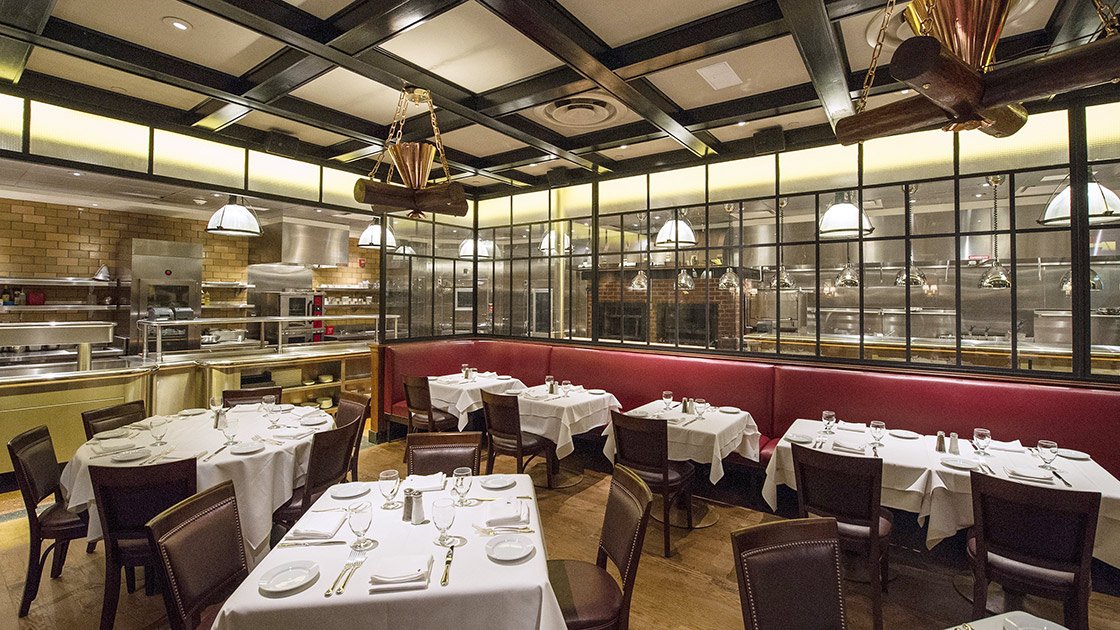
A Medieval Street and What It Expects of Its Kitchens
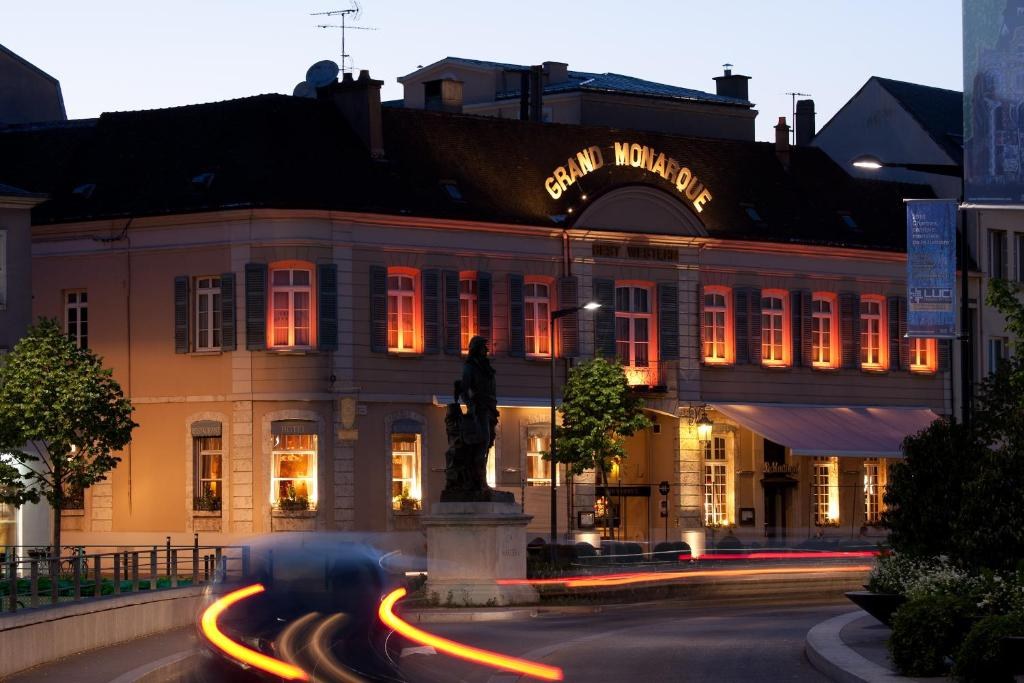
Rue des Changes runs through the oldest fabric of Chartres, a narrow lane of timber-framed buildings whose stone ground floors have housed commerce since the Middle Ages. The cathedral sits close enough that its presence organises the neighbourhood — this is not a restaurant district that grew up around nightlife or a market hall, but one shaped by pilgrimage, tourism, and the rhythms of a provincial city that takes its patrimony seriously. In that context, the restaurants that last tend to be those that align with the street's grain: measured, rooted, not trying to be somewhere else.
Bistrot Racines at number 49 fits that description. The name itself — racines, meaning roots , points toward a culinary position that French dining has returned to with some urgency over the past decade. As natural wine bars and neo-bistrot formats spread outward from Paris into provincial cities, the question of what counts as authentically local sourcing has sharpened. A plate format in that environment signals something specific: the cooking meets a standard the Michelin Guide considers technically competent and consistent, without the architectural ambition of the starred tier.
The Michelin Plate and What It Actually Measures
Bistrot Racines received the Michelin Plate in both 2024 and 2025, a distinction that often gets underreported in favour of the star hierarchy. The Plate indicates that Michelin's inspectors found the food good enough to single out, without the full constellation of elements , service formality, room investment, wine program depth , that typically accompany starred recognition. For a €€ bistrot in a secondary French city, that consecutive recognition matters. It places the kitchen in a tier above the regional average while keeping it accessible to a broader dining public.
To understand where that sits in Chartres specifically, it helps to look at the wider table. Le Georges operates at the €€€€ level with a Michelin star, representing the city's formal fine dining tier. Le Moulin de Ponceau works at a comparable €€ price point with a modern cuisine approach, while Terra covers Italian at the same bracket. Bistrot Racines occupies a distinct position within that peer group: traditional French technique at the city's mid-range, with external validation that neither of its €€ peers currently holds. See the full Chartres restaurants guide for the complete picture across the city.
Sourcing as a Statement: What Traditional Cuisine Means in the Beauce
The Eure-et-Loir department sits at the centre of the Beauce, one of France's primary cereal plains, but the region's agricultural identity extends well beyond wheat. The Perche to the north-west contributes dairy and poultry. River systems including the Eure and the Loir have historically supported freshwater fish. Market gardens around Chartres itself have long supplied the city's kitchens with vegetables that don't travel far to reach the table.
This is the sourcing geography that traditional cuisine in this area draws on when it is operating with any seriousness. The French bistrot tradition at its most grounded is not about novelty; it is about expressing what the surrounding countryside produces, prepared with enough skill that the ingredient is the point rather than the technique. That framing matters when assessing what a Michelin Plate at this price tier actually represents: it suggests the kitchen is doing something with regional raw material that inspectors found worth marking.
Across France, the bistrots that have sustained recognition in the post-pandemic period tend to share a set of characteristics: short menus that change with supply, sourcing relationships that predate the current fashion for provenance, and pricing that reflects regional wage structures rather than destination-restaurant economics. That pattern holds from Auberge Grand'Maison in Mûr-de-Bretagne to Auga in Gijón, both of which operate in the traditional cuisine register with their own regional sourcing logic. The principle is consistent even when the ingredient vocabulary shifts by latitude.
The Reader's Calculation: Bistrot vs. the Starred Room
The decision between Bistrot Racines and Le Georges is less about quality than about what a meal is for. A Michelin-starred room at €€€€ demands a certain investment of time and attention , it is a destination decision. A Michelin Plate bistrot at €€ is a different kind of visit: lunch before the cathedral, dinner after a day in the archives, a meal that does not require advance planning on the scale that the fine dining tier often does.
That division between ceremony and ease runs through French provincial dining more broadly. The great kitchens of France , Troisgros, Auberge de l'Ill, Bras , are built around the proposition that food deserves full attention. The bistrots that sustain those same regions are built around a different proposition: that good cooking can also be ordinary in the leading sense, woven into a working day rather than extracted from it. Flocons de Sel in Megève, Mirazur in Menton, and AM par Alexandre Mazzia in Marseille represent the destination end of that spectrum; Bistrot Racines represents the other. Both have their logic.
Planning a Visit
Bistrot Racines is at 49 Rue des Changes in the old town, walkable from the cathedral square in under five minutes. At the €€ price point with 1,240 Google reviews at 4.6 stars, it draws a consistent local audience alongside visitors to the cathedral. That volume suggests booking ahead for Friday and Saturday evenings is sensible, even if the format feels casual. Current hours and reservation policy are leading confirmed directly through the venue, as these details are not published centrally. For context on what else is open and available in the city, the Chartres hotels guide, bars guide, wineries guide, and experiences guide cover the full picture. Those planning a day around the cathedral and city will find this a natural anchor point for lunch, with the afternoon light on the nave as useful an argument for staying in Chartres as any restaurant recommendation.
The French bistrot at this level is not a format that rewards overthinking. The Michelin Plate, the price point, the address on a medieval street, and 1,240 reviews averaging 4.6 are the relevant signals. Chartres does not have a crowded traditional dining scene , the presence of a consistently recognised kitchen at accessible pricing, within walking distance of one of France's great Gothic interiors, is something worth knowing about. For the full context of what the city's dining scene looks like, see our Chartres restaurants guide.
A Quick Peer Check
A fast peer set for context, pulled from similar venues in our database.
| Venue | Cuisine | Price | Awards | Notes |
|---|---|---|---|---|
| Bistrot Racines | Traditional Cuisine | €€ | Michelin Plate (2025); Michelin Plate (2024) | This venue |
| Le Georges | Modern Cuisine | €€€€ | Michelin 1 Star | Modern Cuisine, €€€€ |
| Le Moulin de Ponceau | Modern Cuisine | €€ | Modern Cuisine, €€ | |
| Terra | Italian | €€ | Italian, €€ |
Continue exploring
More in Chartres
Restaurants in Chartres
Browse all →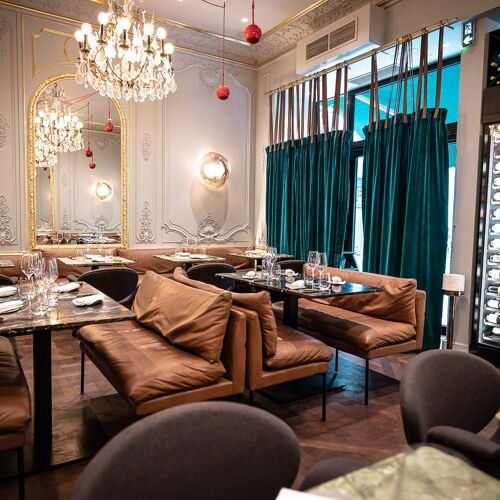



At a Glance
- Cozy
- Classic
- Elegant
- Date Night
- Casual Hangout
- Terrace
- Historic Building
- Natural Wine
- Local Sourcing
- Street Scene
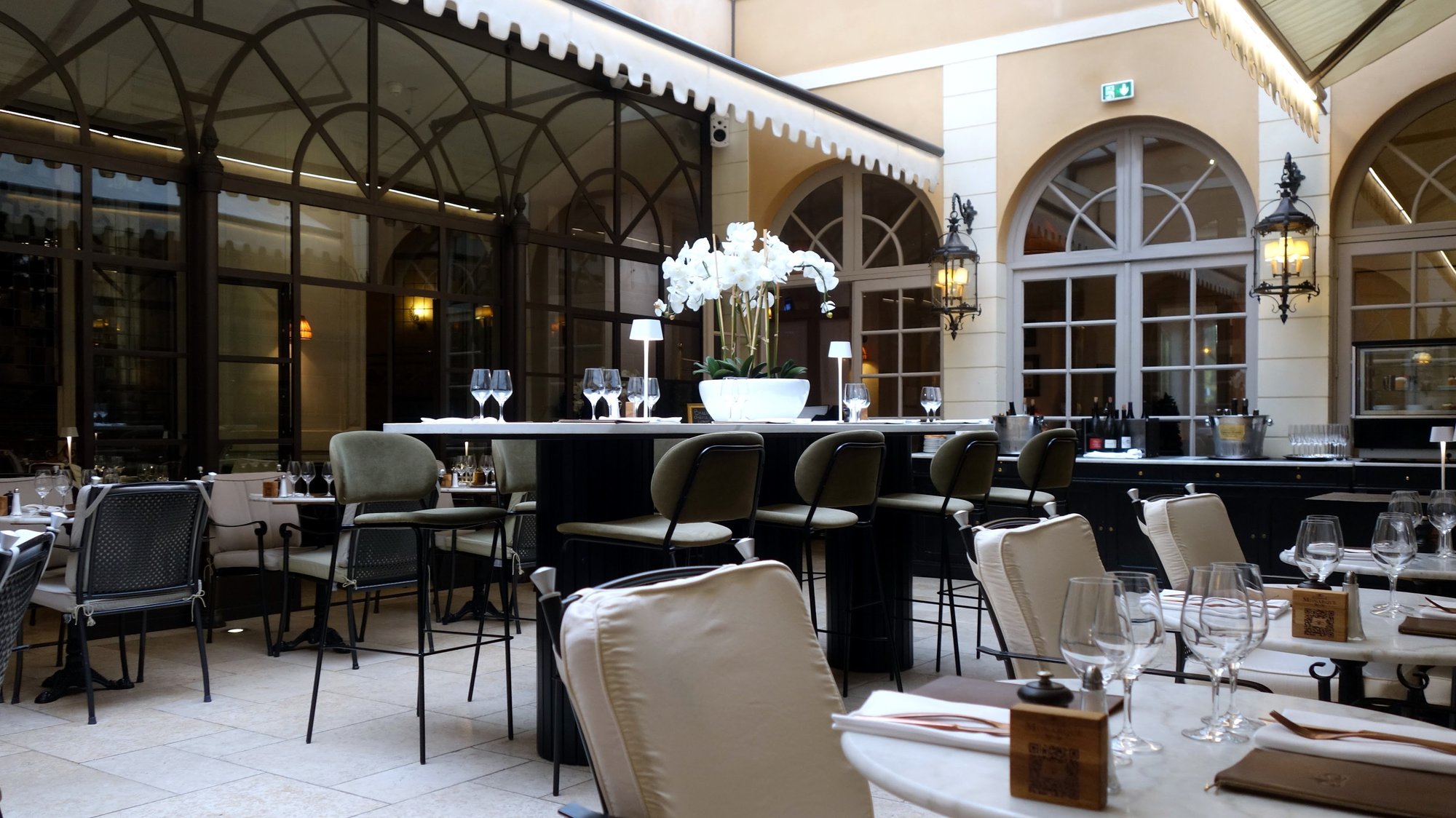
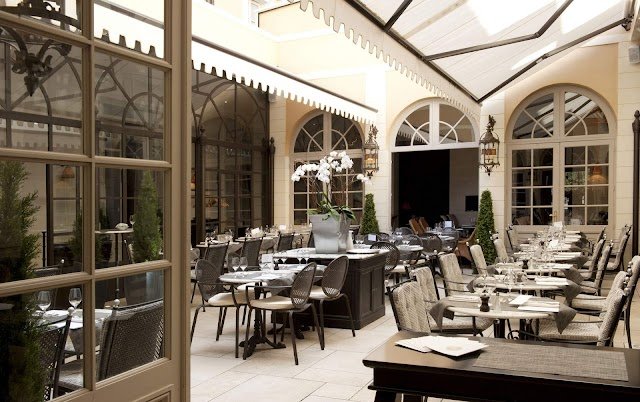
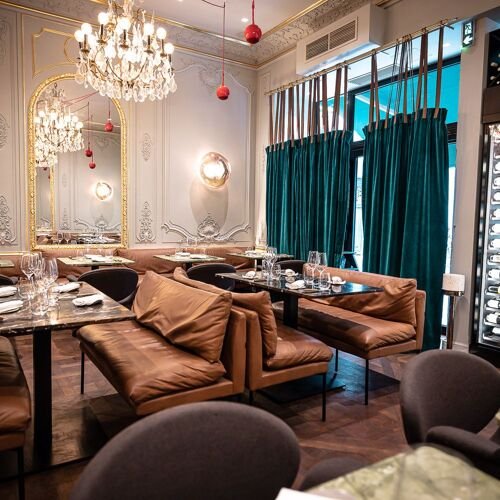
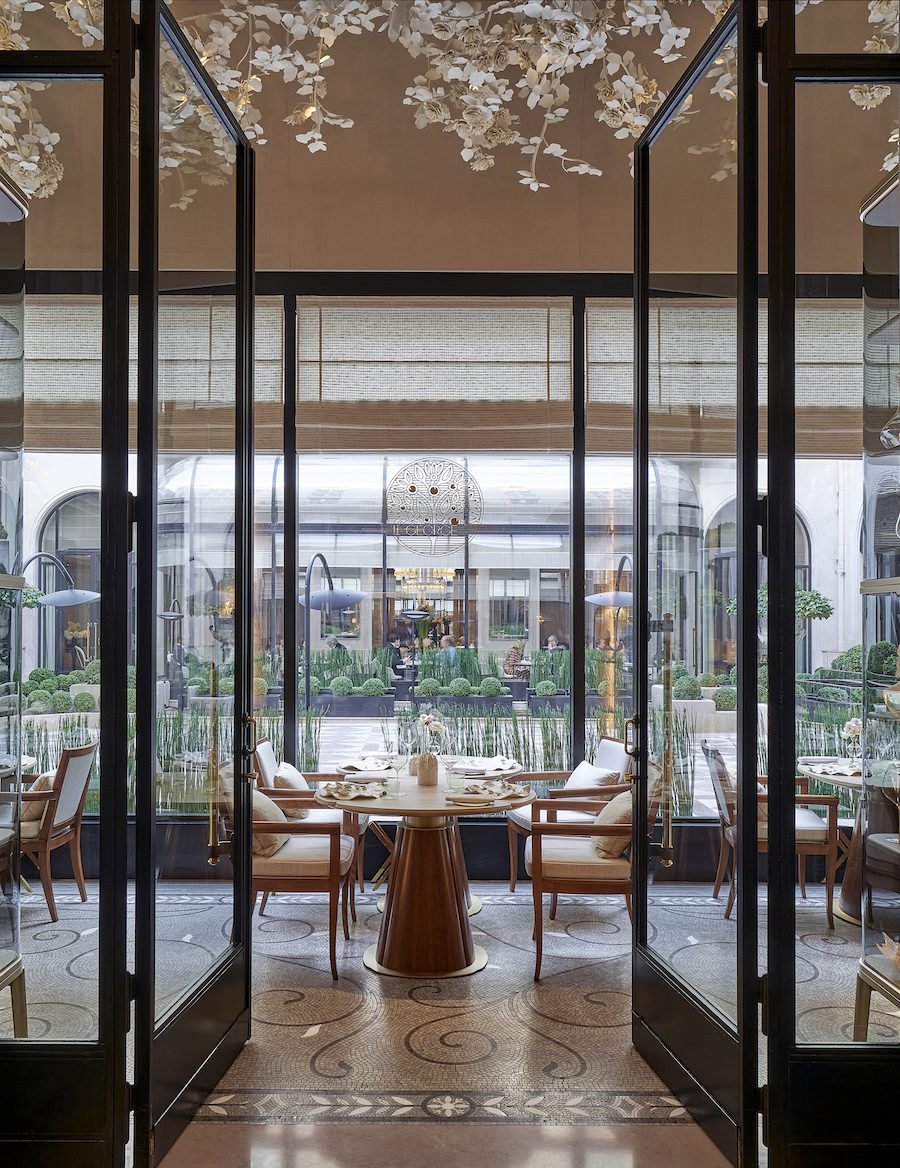
Cozy and well-decorated interior with a relaxed, chic bistro atmosphere and shaded terrace.