Le Hupsa Pfannala

Star Wine List
Our verdict
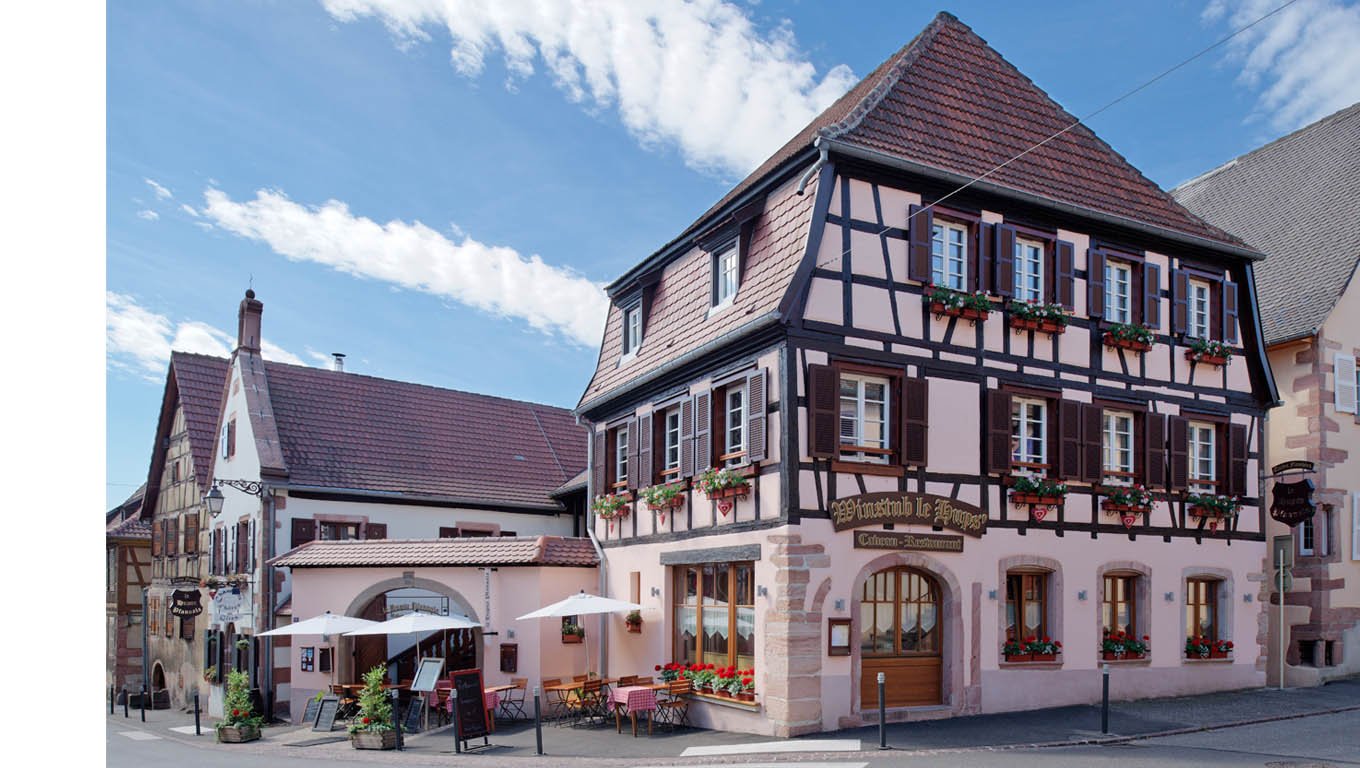
In the shadow of Haut-Koenigsbourg castle, Le Hupsa Pfannala is a traditional family restaurant rooted in the heartland of Alsatian village cooking. The cooking is hearty and the setting speaks directly to the agricultural and winemaking character of the Route du Vin corridor. For travellers moving through Saint-Hippolyte between the castle and the vineyards, it offers a grounded alternative to the region's more polished dining rooms.

Pearl is the En Primeur Club membership app — saves, bookings, and concierge access live there. Same editors, same standards.
- Address
- 59 Rte du Vin, 68590 Saint-Hippolyte, France
- Phone
- +33 3 89 73 03 65
- Website
- hupsapfannala.com
- Directions
- Get directions
The menu
What to order
- Hupsa Pfannala
- Choucroute garnie
- Tartes Flambées
Where the Route du Vin Slows Down
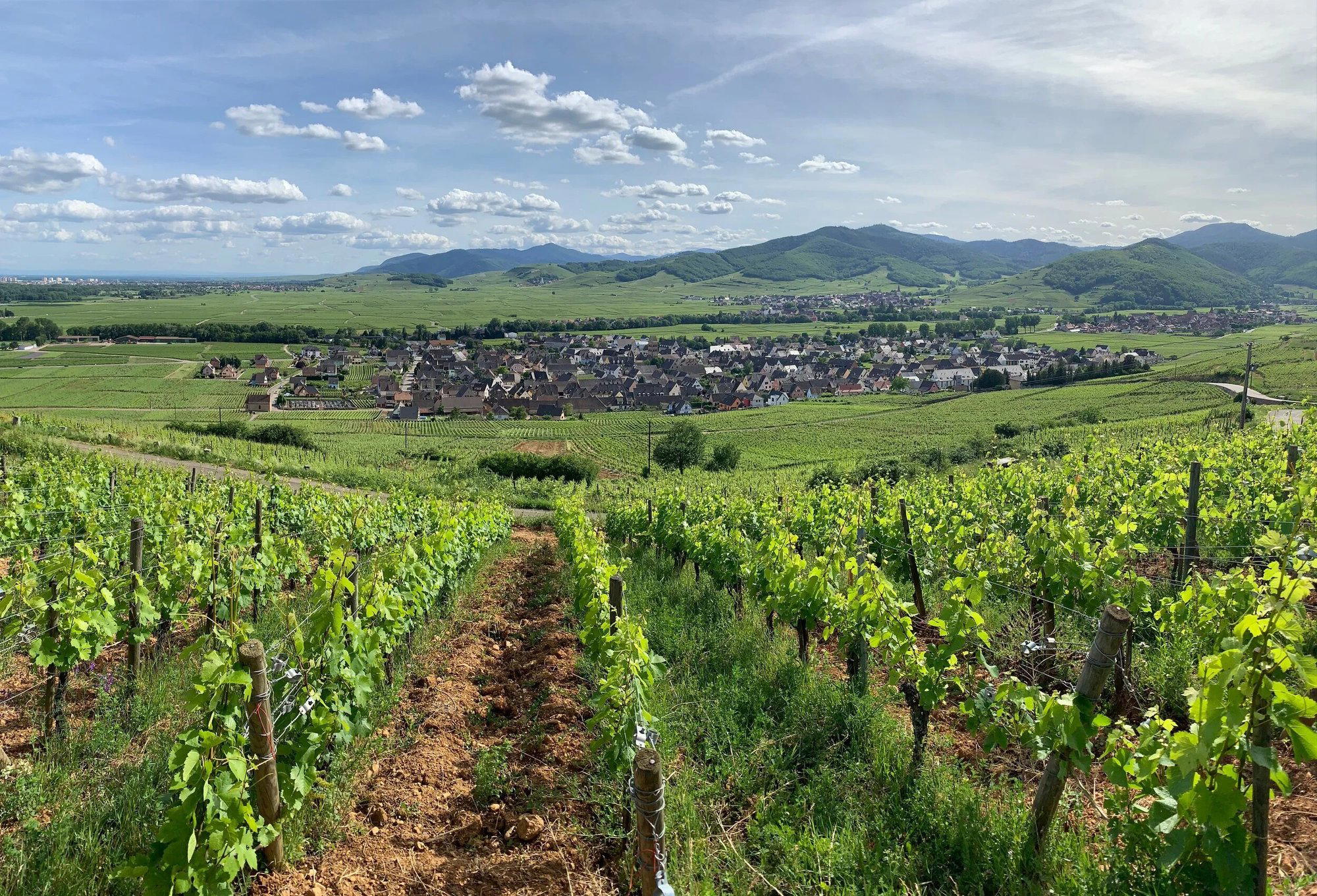
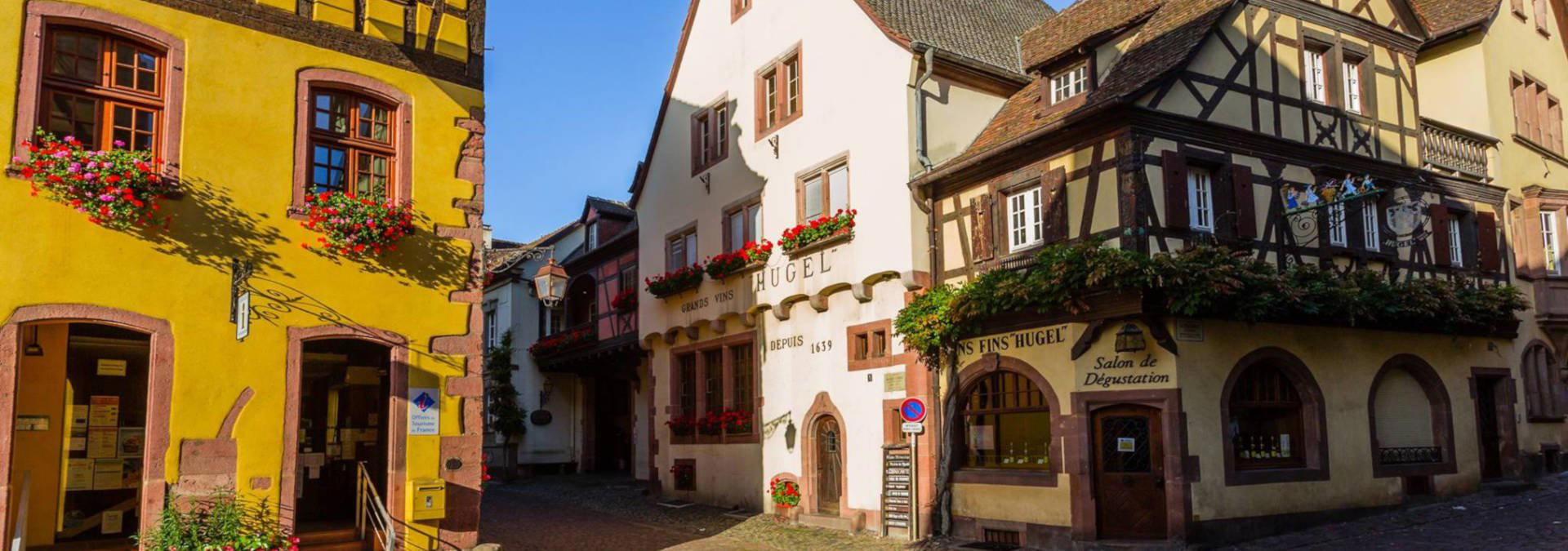
The Alsatian Route du Vin runs for roughly 170 kilometres between Marlenheim in the north and Thann in the south, threading through some of the most intensively cultivated wine country in France. For most of that distance, the villages it passes through share a common character: half-timbered facades, geranium-filled window boxes, and restaurants that have been feeding locals and pilgrims along the route for generations. Saint-Hippolyte sits at an inflection point on that corridor, where the foothills of the Vosges press close enough to the plain that the landscape tightens and the Haut-Koenigsbourg castle becomes unavoidable on the skyline above.
Le Hupsa Pfannala occupies a position on the Rte du Vin itself, address number 59, which places it squarely within the village's working core rather than at its tourist periphery. The name, in the regional Alsatian dialect, signals something about the register of the place before you've seen the menu: this is not a restaurant that has translated itself for outside consumption. The cooking is described in the venue's own record as hearty, which in Alsatian terms carries specific meaning — choucroute built from properly fermented local cabbage, baeckeoffe assembled from cuts that benefit from slow oven time, tarte flambée with a base that chars correctly at the edges. These are not decorative gestures toward a regional tradition; they are the tradition itself.
The Sourcing Logic of Alsatian Family Cooking
Alsace's culinary identity has always been shaped by what grows and raises well in the region's particular microclimate. The plain between the Vosges and the Rhine is one of the driest agricultural zones in France, which produces concentrated vegetables and fruit that carry more flavour per unit than their equivalents grown in wetter northern soils. The cabbage fermented for choucroute benefits from this; so does the Munster cheese that appears on Alsatian tables in various forms throughout a meal.
Family restaurants along the Route du Vin have historically been positioned close to the source of this supply in ways that larger, more formalised dining operations are not. The relationship between a village winstub or auberge and the farms and cellars immediately surrounding it is more transactional and direct than the procurement pipelines that supply restaurants in Strasbourg or Colmar, let alone the three-starred addresses that draw international visitors to Alsace. Auberge de l'Ill in Illhaeusern, which has held three Michelin stars for decades, operates in a different register entirely from a family restaurant in a village of Saint-Hippolyte's scale. The comparison is not unflattering to either: they solve different problems for different travellers.
This sourcing proximity matters practically. The wines poured at a restaurant on the Route du Vin in Saint-Hippolyte are likely to include producers from the village itself or from immediate neighbours such as Rorschwihr and Bergheim. Saint-Hippolyte's own vineyard production, dominated by Pinot Noir grown on the schist and sandstone soils at the foot of the Vosges, gives the village a specific place in the Alsatian appellation map. Pinot Noir from this stretch of the route tends toward a lighter, more mineral expression than Burgundy benchmarks, and a village restaurant is a reasonable place to encounter it without the markup that attaches to it in export markets.
The Castle Above, the Village Below
Haut-Koenigsbourg is the gravitational force that pulls visitors to this part of the Alsatian route in significant numbers. The castle, a medieval fortress reconstructed under Kaiser Wilhelm II in the early twentieth century, receives several hundred thousand visitors annually, which makes Saint-Hippolyte one of the more consistently trafficked villages on the southern stretch of the route. That footfall creates a restaurant environment that has to serve both the local population and a transient visitor stream with very different expectations and timelines.
Restaurants in this structural position along the Route du Vin tend to bifurcate: those that have tilted toward the tourist trade with simplified menus and aggressive throughput, and those that have maintained the pace and substance of traditional Alsatian service. A family restaurant that describes its cooking as hearty is making a positioning statement about which side of that divide it occupies. The hearty register in Alsatian cooking implies generous portions, slow-cooked preparations, and a meal structure that assumes the diner has time to sit through it properly.
For travellers planning a day that combines the castle visit with lunch in the village, this timing consideration is worth thinking through in advance. The castle visit typically runs two to three hours, and arriving at a village restaurant after the main lunch service has closed is a common frustration on this route. Saint-Hippolyte is well covered in our full Saint Hippolyte restaurants guide, which maps the village's options against each other more completely.
Placing Le Hupsa Pfannala in the Regional Picture
Alsace supports a wide range of dining ambitions. At one end of the spectrum sit the destination addresses: Au Crocodile in Strasbourg represents the city's classical fine-dining tradition, while Auberge de l'Ill occupies a category of its own in terms of longevity and recognition. Further afield in France, the ambition of addresses like Mirazur in Menton or Flocons de Sel in Megève represents a different tier of investment entirely, in both kitchen ambition and diner expenditure. Those restaurants are doing something formally distinct from what a village family restaurant along the Route du Vin is doing, and the distinction is worth being clear-eyed about.
Le Hupsa Pfannala belongs to a category that is harder to find well-executed than the awards infrastructure would suggest. Traditional Alsatian family cooking, done without modification for external audiences, is less common than the density of restaurants along the route might imply. Many of the winstubs and auberges that once defined village dining in this corridor have been simplified, sold, or converted into venues that serve a version of regional cooking rather than the thing itself.
For visitors whose itinerary extends beyond Saint-Hippolyte, the broader network of Alsatian experiences, hotels, and wine estates is worth mapping before arrival. Our Saint Hippolyte hotels guide, wineries guide, and experiences guide cover the village's options in detail, while the bars guide maps where to extend an evening after dinner. The Route du Vin rewards slow movement, and Saint-Hippolyte, positioned between the castle and the vineyards, is a reasonable place to spend more than a single meal.
Planning Your Visit
Le Hupsa Pfannala is located at 59 Route du Vin in Saint-Hippolyte, directly on the main village road that doubles as the Route du Vin corridor through this section of the Haut-Rhin. Given the volume of visitors that Haut-Koenigsbourg generates, particularly through the summer months and during the autumn wine harvest period when the route is at its most congested, arriving with a reservation rather than hoping for a walk-in table is the more reliable approach. A traditional family restaurant operating in a village of this scale has finite capacity, and the combination of local regulars and castle visitors creates competition for covers on peak days. Specific booking methods and current hours are best confirmed directly, as service patterns for village restaurants in this corridor often shift seasonally.
Frequently asked questions
Is Le Hupsa Pfannala suitable for children?
A hearty, family-run restaurant in an Alsatian village on the Route du Vin is structurally suited to family dining. The cooking is rooted in regional tradition rather than tasting-menu formality, and the village setting at 59 Route du Vin in Saint-Hippolyte pairs naturally with a day that includes the castle at Haut-Koenigsbourg.
What is the atmosphere like at Le Hupsa Pfannala?
This is a traditional family restaurant in a working Alsatian village, not a destination dining room. Expect the pace and tone of Saint-Hippolyte itself: unhurried, grounded in local habit, and shaped by the foot traffic that Haut-Koenigsbourg sends through the Route du Vin each season. It is the kind of place where the meal reflects the village rather than performing for visitors.
What awards or recognition does Le Hupsa Pfannala have?
Le Hupsa Pfannala has received recognition including: In the shadow of the Haut-Koenigsbourg castle (a major Alsatian tourist attraction), in the heart of the beautiful village of Saint-Hippolyte, lies a traditional family restaurant. The food is hearty....
What's the must-try dish at Le Hupsa Pfannala?
The restaurant is described as serving hearty Alsatian cooking, the regional repertoire that typically centres on choucroute, baeckeoffe, and similar preparations built around local produce and long-standing technique. Order according to what the kitchen is running on the day you visit rather than seeking a fixed signature dish.
What's Le Hupsa Pfannala's location?
Le Hupsa Pfannala is located at 59 Rte du Vin, 68590 Saint-Hippolyte, France, Saint Hippolyte.
Do I need a reservation for Le Hupsa Pfannala?
Haut-Koenigsbourg is one of the most visited monuments in France, and Saint-Hippolyte sits directly on its approach route. A traditional family restaurant with finite capacity absorbs that pressure quickly during the main tourist season. Booking ahead is advisable from spring through autumn.
What is Le Hupsa Pfannala known for?
Le Hupsa Pfannala is a traditional family restaurant in Saint-Hippolyte, rooted in hearty Alsatian cooking. It sits on the Route du Vin corridor at 59 Route du Vin, in the heart of the village directly below Haut-Koenigsbourg castle. The kitchen draws on the agricultural and culinary traditions that have defined this stretch of Alsace for generations.
A Quick Peer Check
Comparable venues nearby, for context on price, style, and recognition.
| Venue | Cuisine | Price | Awards | Notes |
|---|---|---|---|---|
| Le Hupsa PfannalaThis venue — the venue you are viewing | Traditional Alsatian | $30–50 | Star Wine List | Not listed |
| Flamme & Co | Modern Alsatian Flammenkuchen | $20–30 | Not listed | Kaysersberg Vignoble |
| Au Bœuf | French Steakhouse | $20–30 | Not listed | Plobsheim |
| Wistub de la Petite Venise | Traditional Alsatian | $30–50 | Not listed | Petite Venise |
| Auberge Saint Ulrich | Modern French Bistro | $30–50 | Not listed | Haut-Clocher |
| S'geisstuewel | Traditional Alsatian French Bistro | Not listed | Not listed | Geispolsheim |
Recognition history
Dated appearances from independent guides and award organizations, with the underlying list record or original source where available.
Star Wine List
Star Wine List
Continue exploring
More in Saint Hippolyte
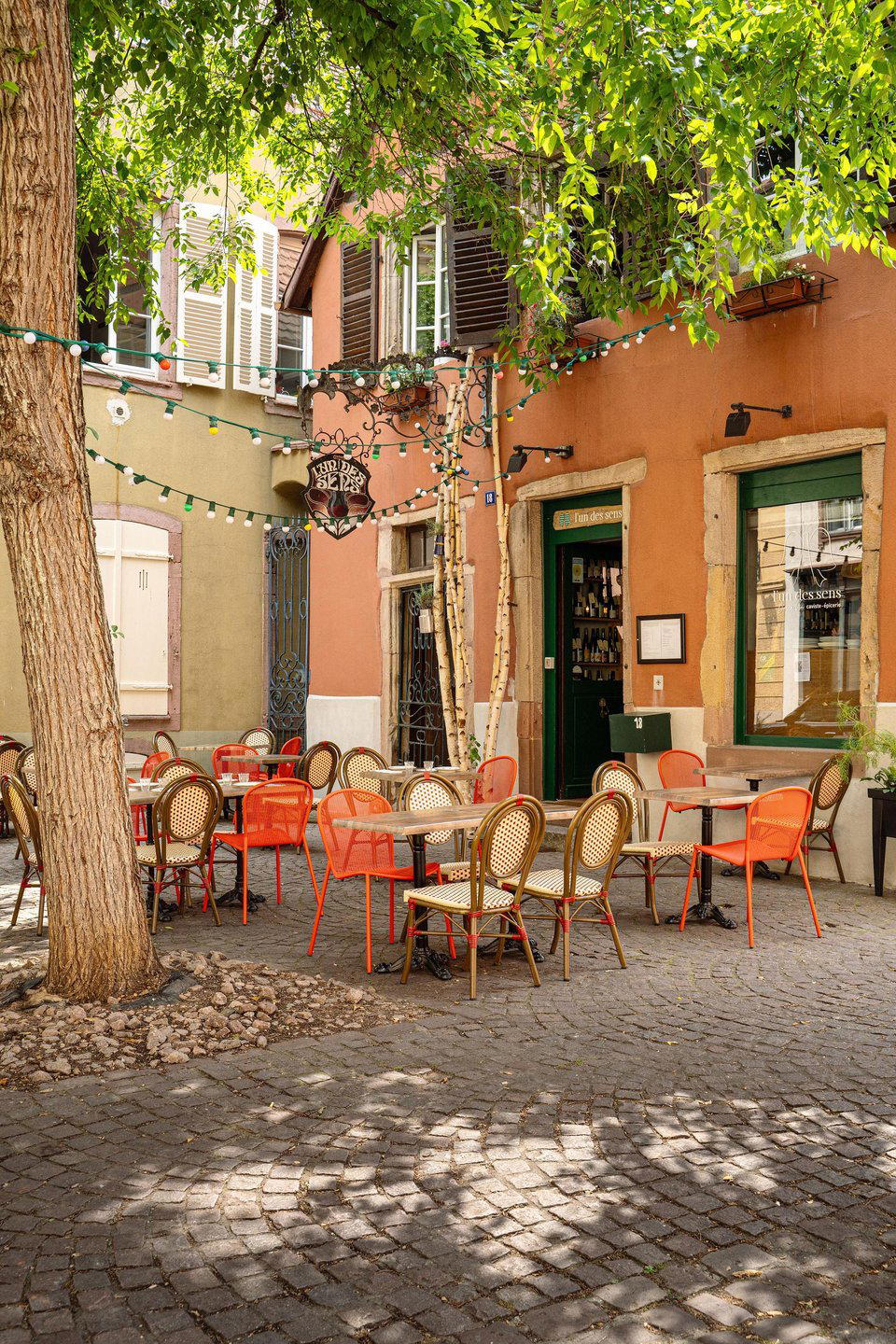
Restaurants in Saint Hippolyte
Browse all →
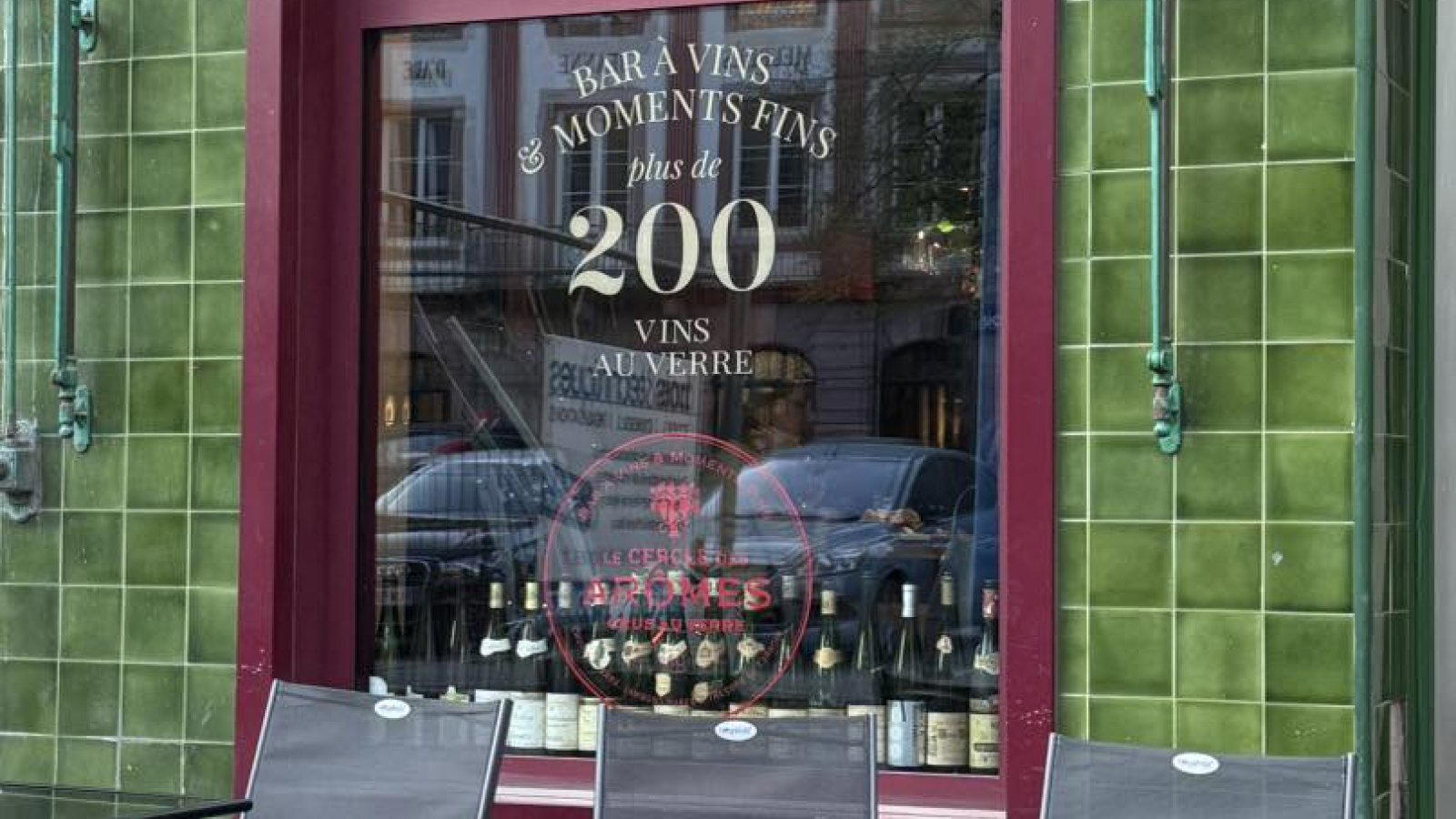
Bars in Saint Hippolyte
Browse all →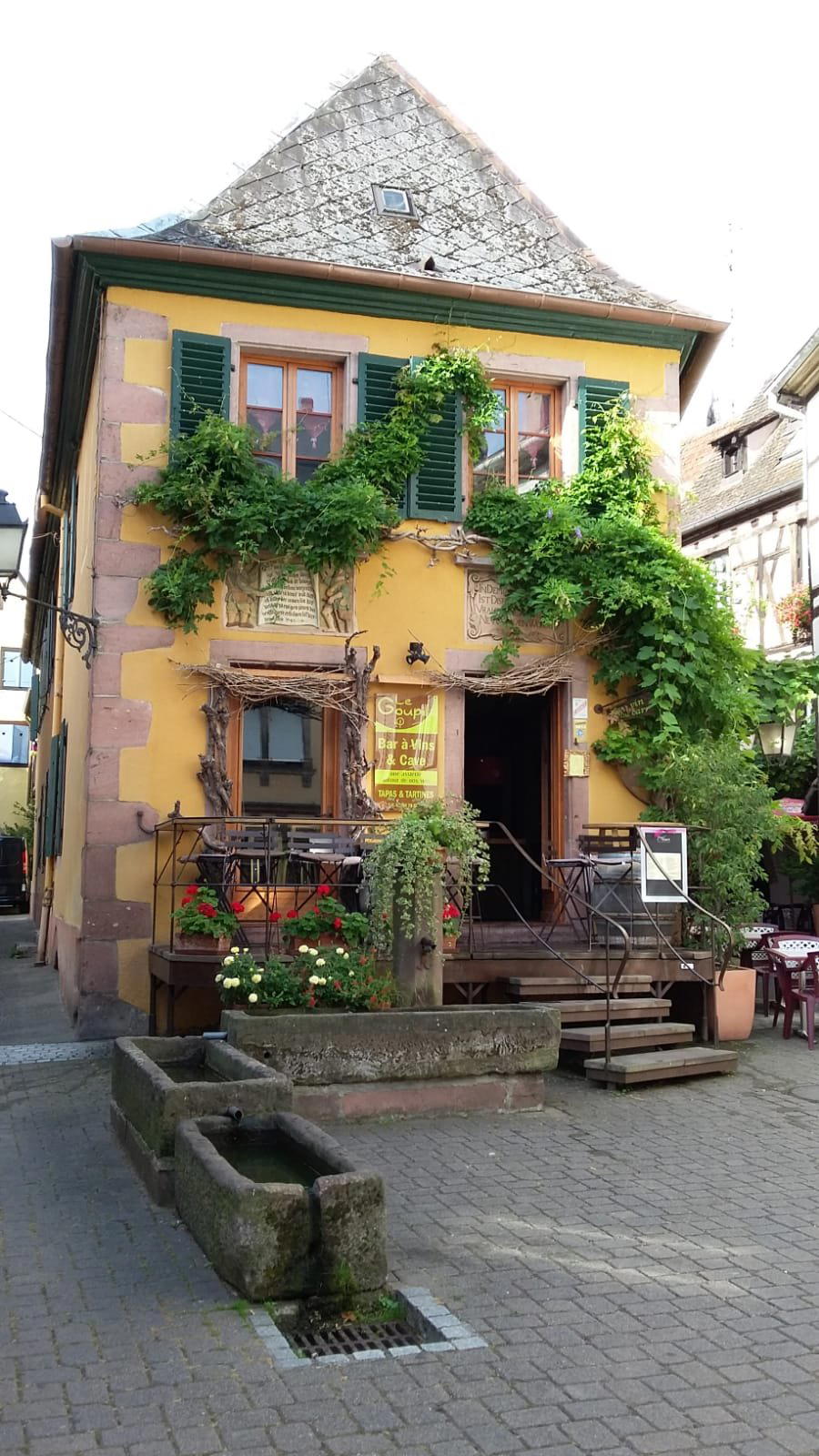
Hotels in Saint Hippolyte
Browse all →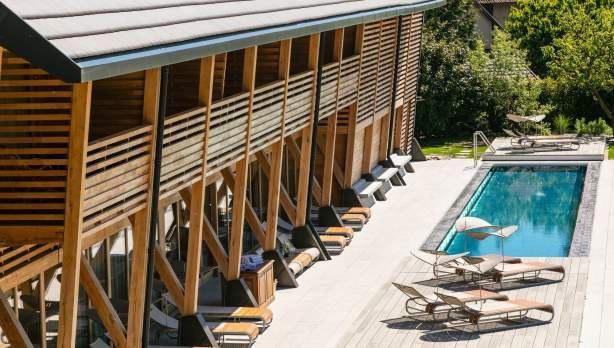
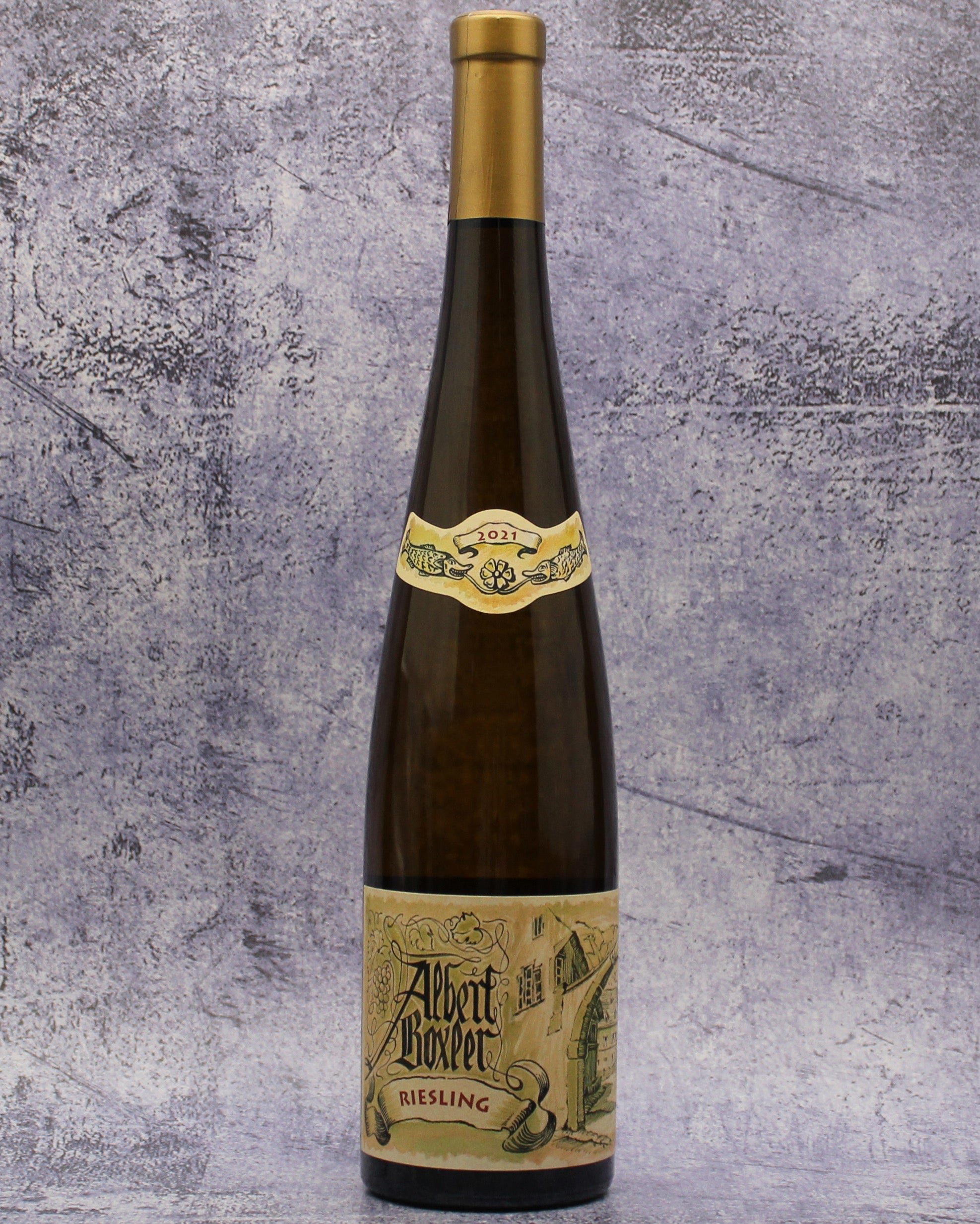
Le Hupsa Pfannala
The wine
- Wine program
- Curated wine list
- Extensive wine list
- Natural wine
Details
- Rustic
- Cozy
- Classic
- Family
- Group Dining
- Casual Hangout
- Historic Building
- Extensive Wine List
- Natural Wine
- Local Sourcing
- Street Scene
- A La Carte
- Alsatian Wines
- Vegetarian Friendly
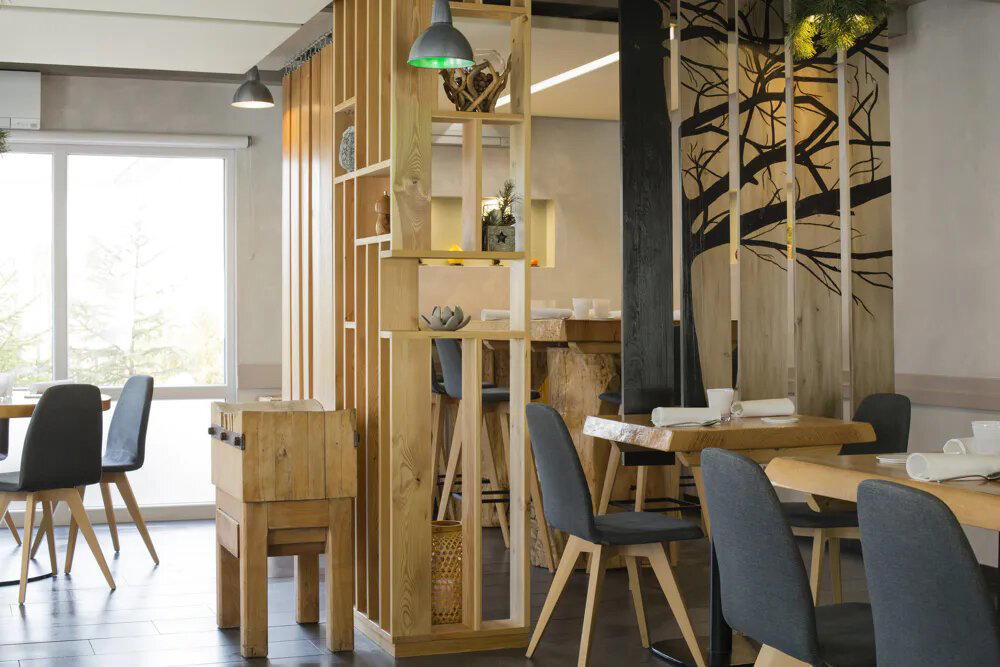
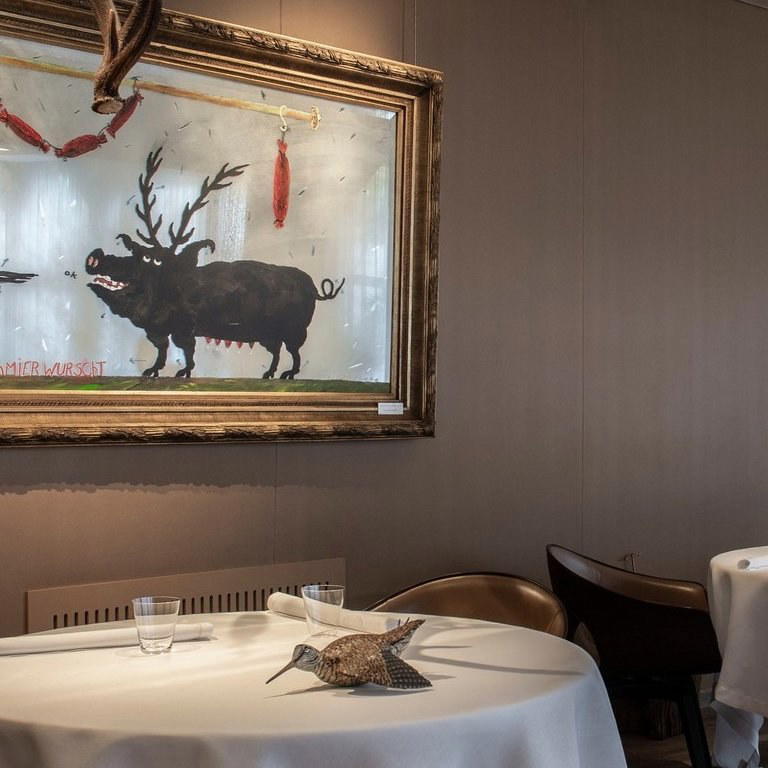
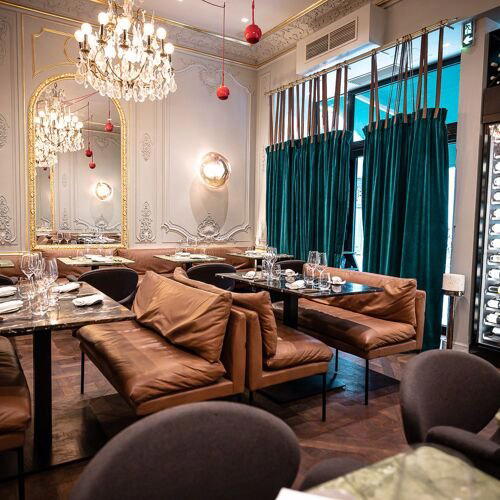
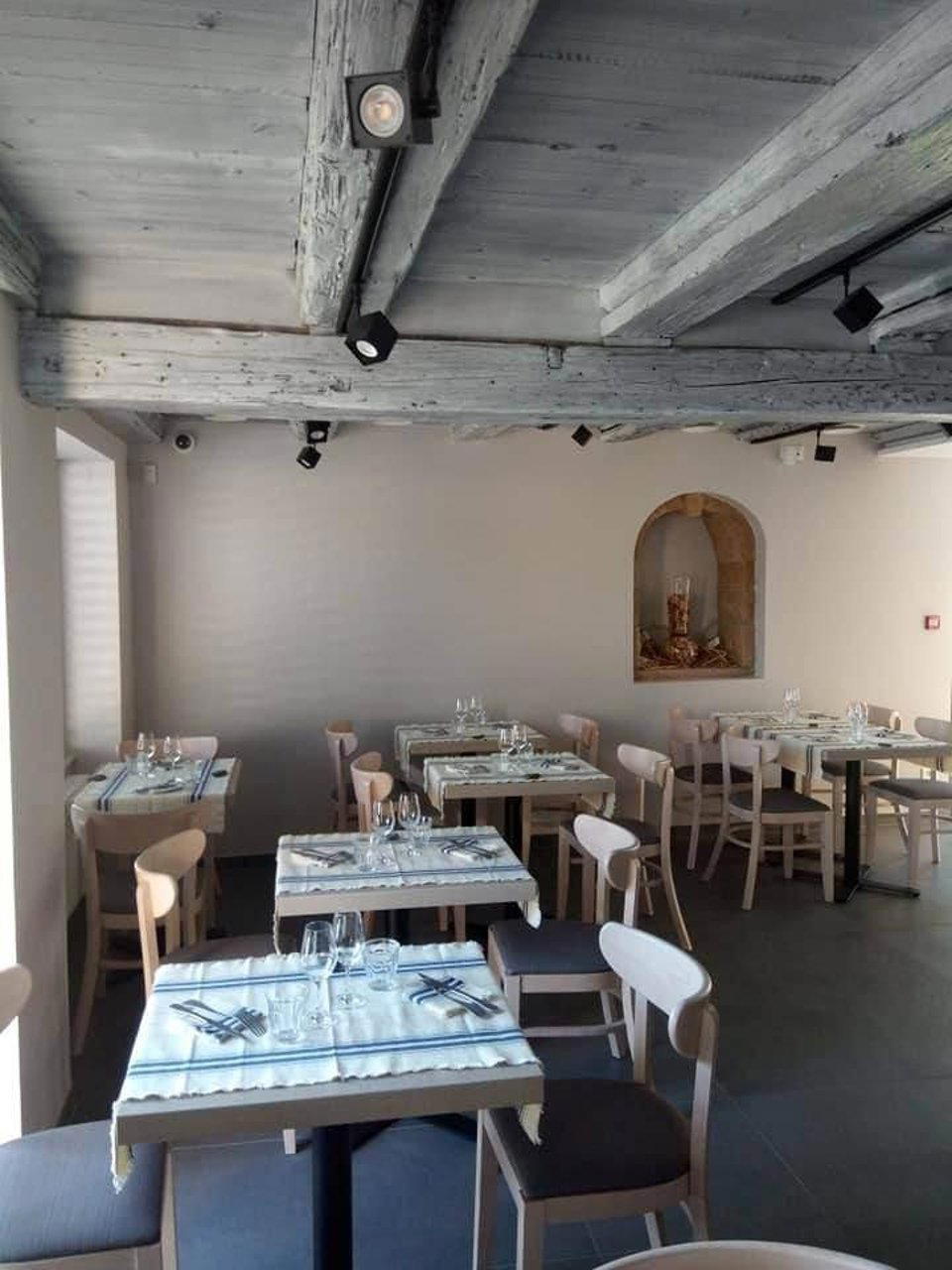
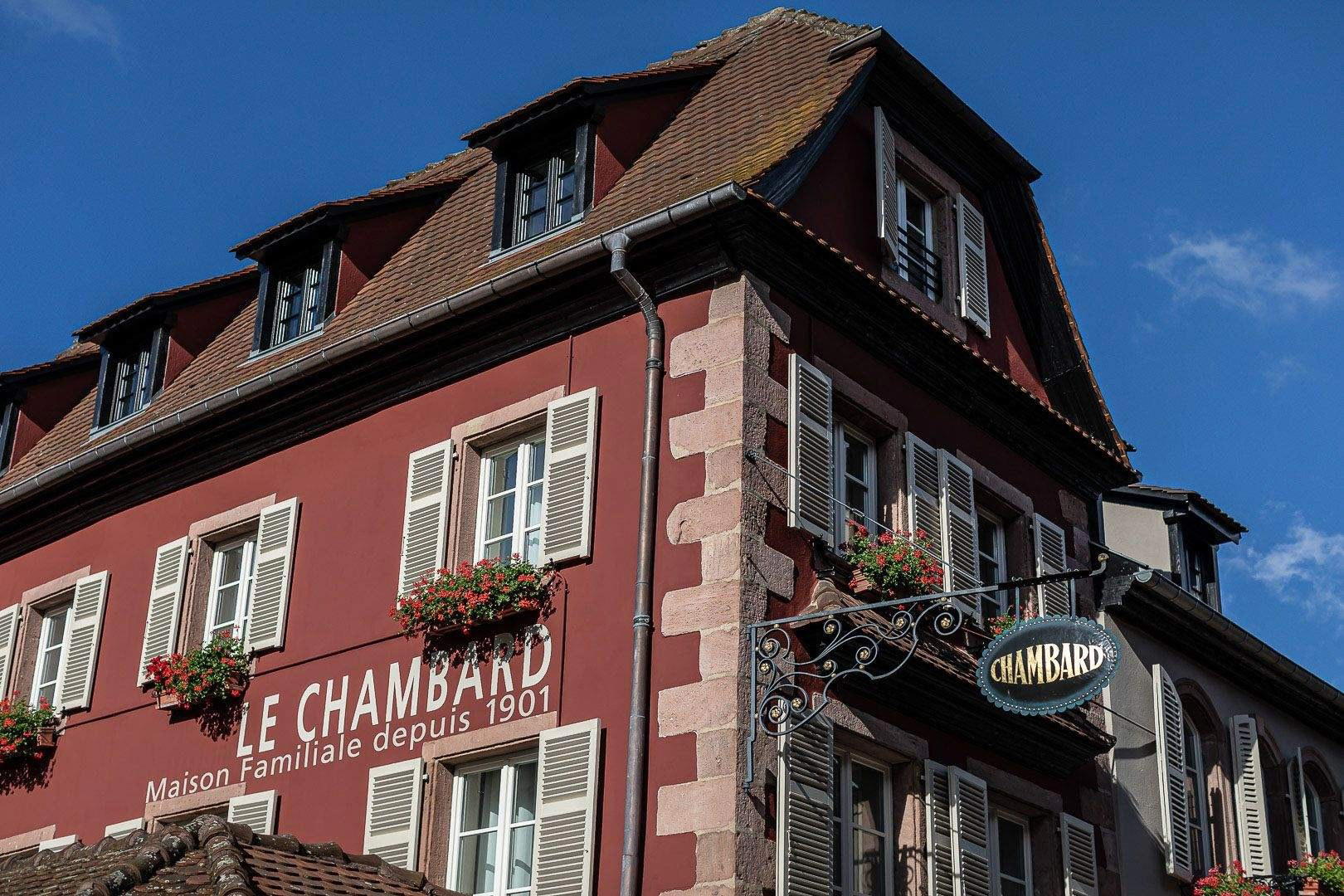
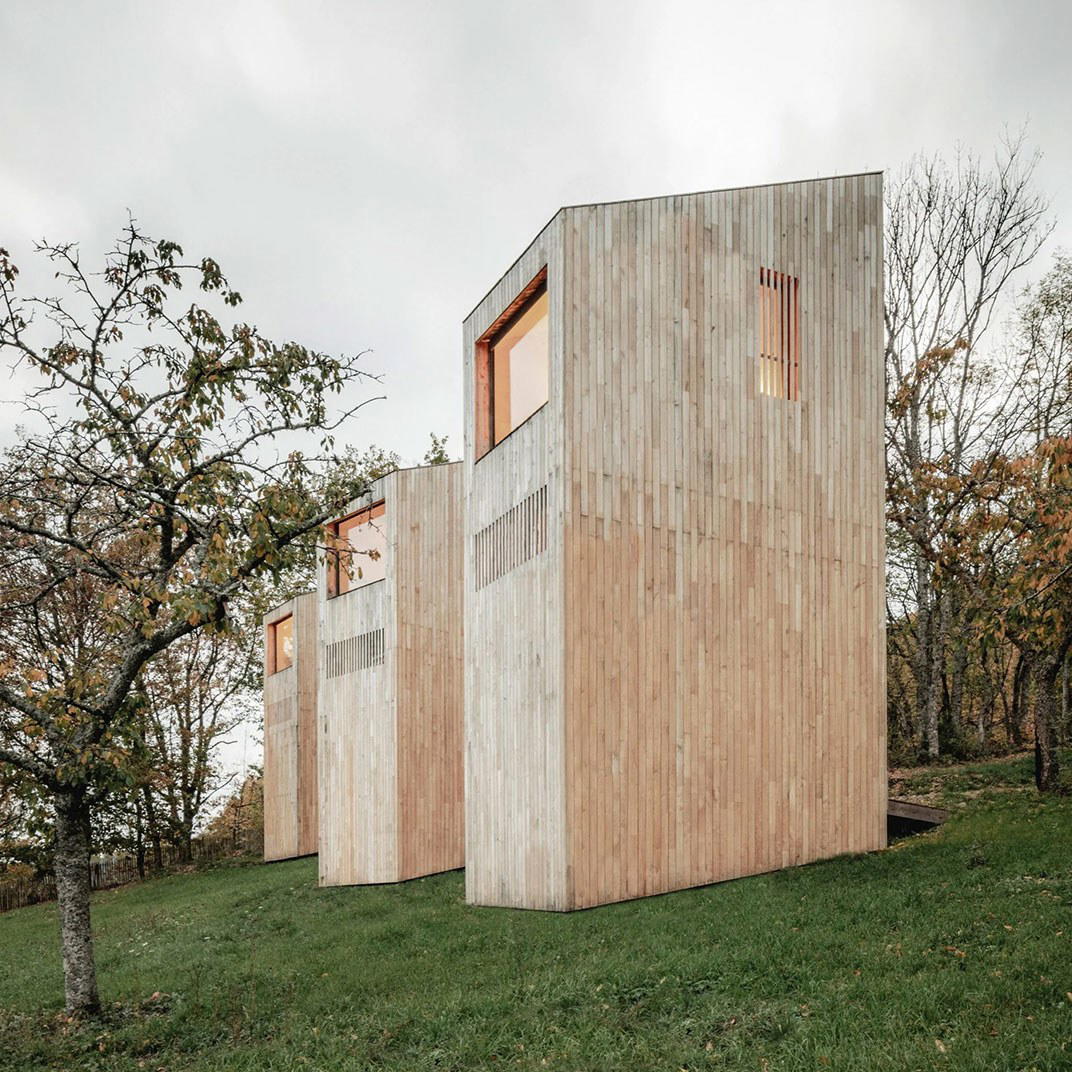
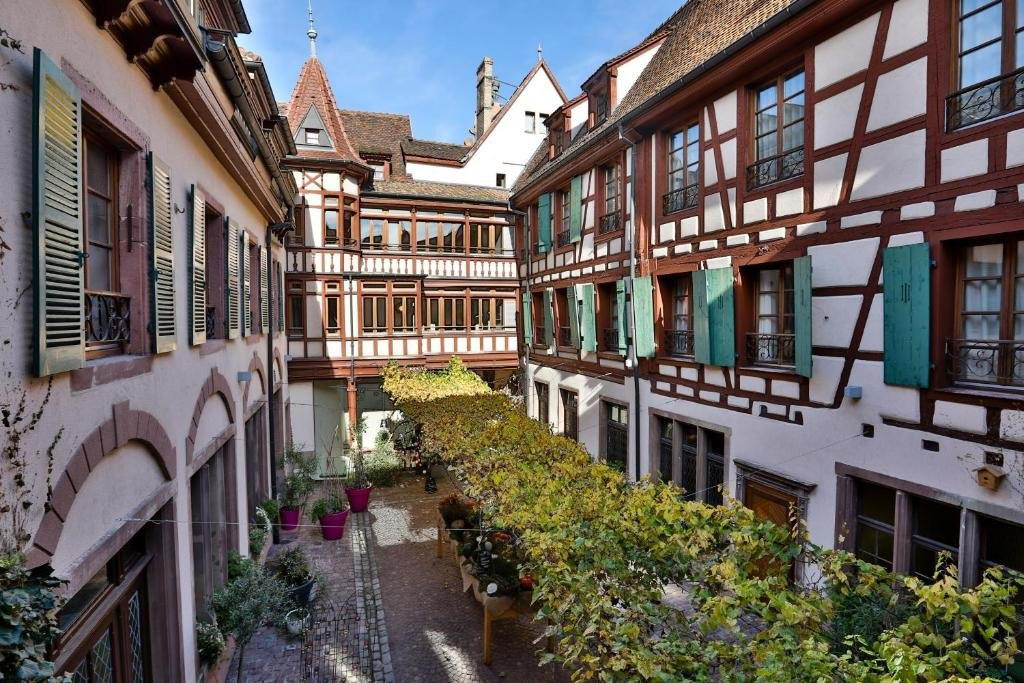
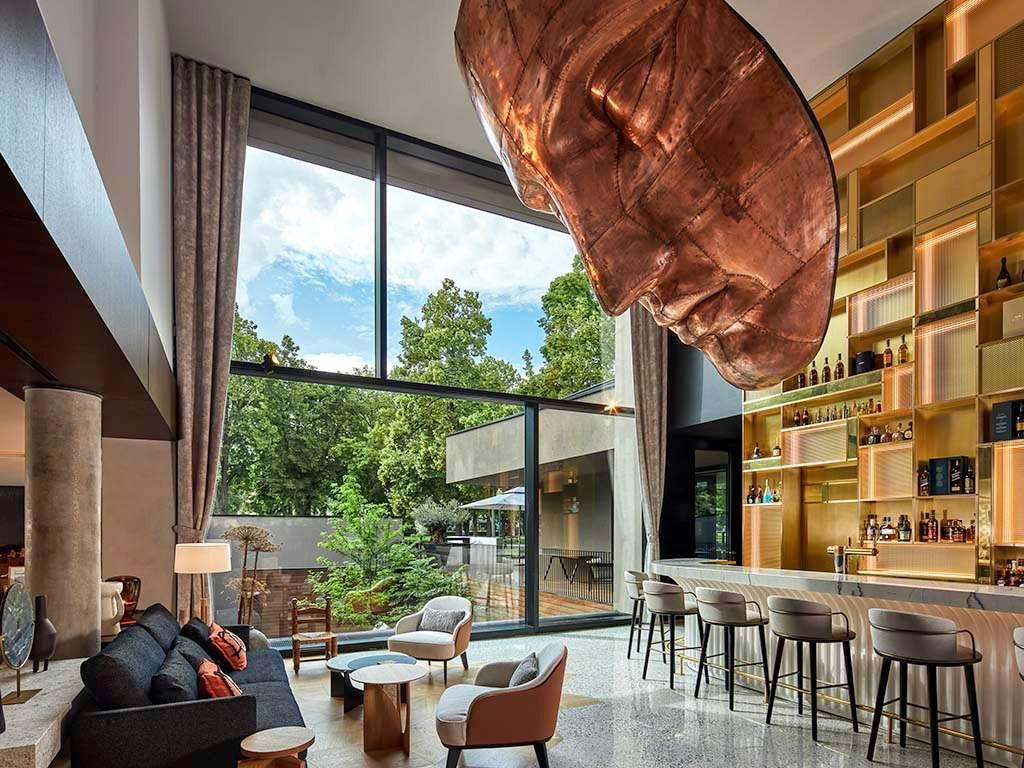
rustic Alsatian authenticity in the old chapel section, light wood Winstub, and contemporary bar area with warm, welcoming atmosphere.