Le Grand Four
On a tidal island where salt marshes define the table as much as the kitchen does, Le Grand Four occupies a historic address in Noirmoutier-en-l'Île's old quarter. The surrounding Atlantic coastline and Vendée hinterland shape a cooking context unlike anywhere else on France's western seaboard. For those willing to cross the Gois causeway, the reward is a dining room rooted in one of France's most particular food-producing territories.
Pearl is the En Primeur Club membership app — saves, bookings, and concierge access live there. Same editors, same standards.
- Address
- 1 Rue de la Cure, 85330 Noirmoutier-en-l'Île, France
- Phone
- +33251396197
- Website
- legrandfour.com
- Directions
- Get directions
 Saves & bookings on Pearl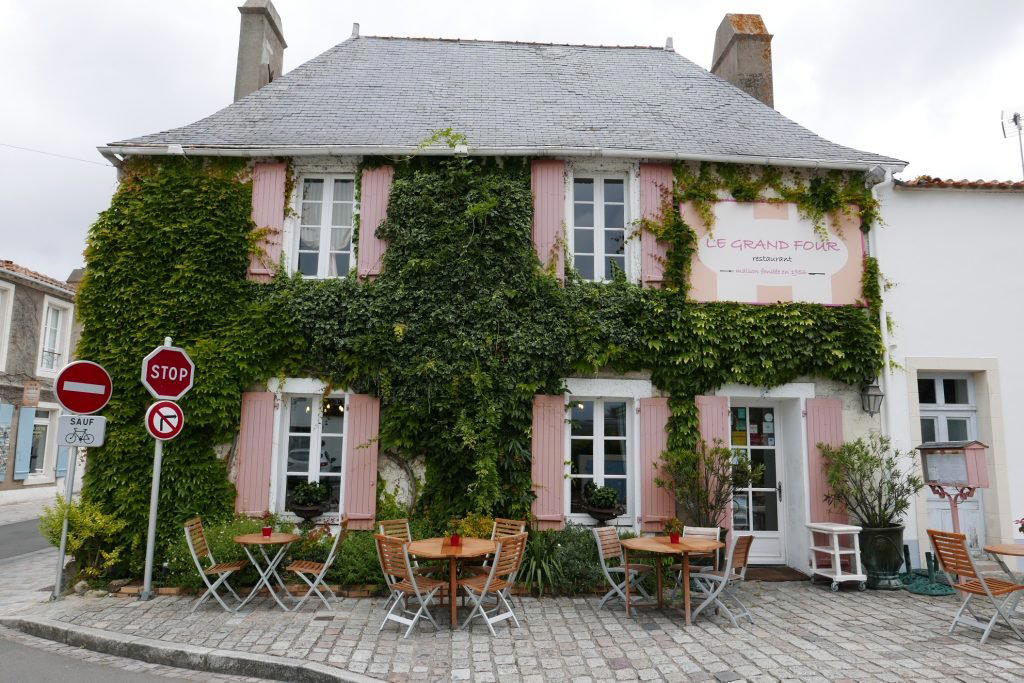
Where Salt, Sea, and Stone Set the Terms
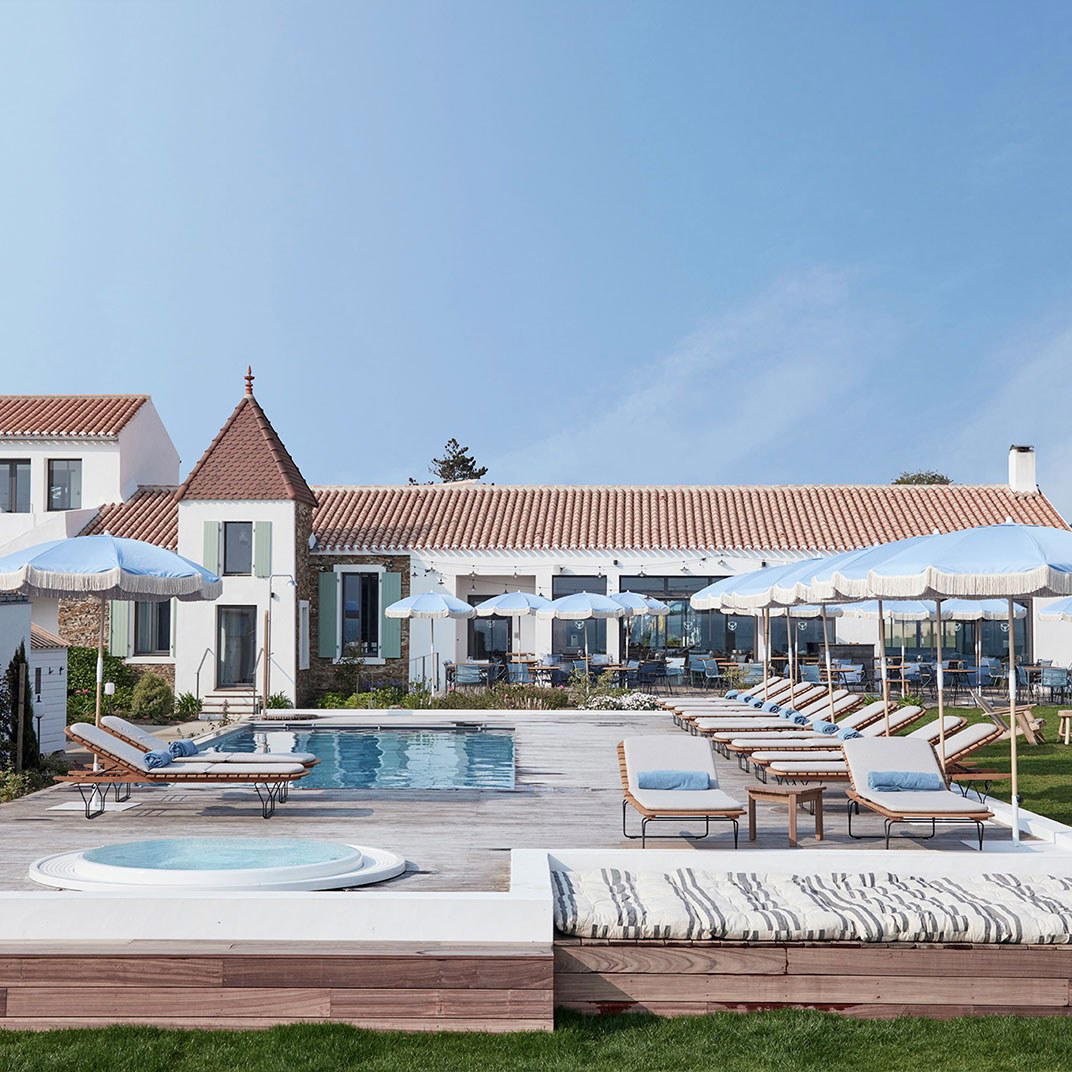
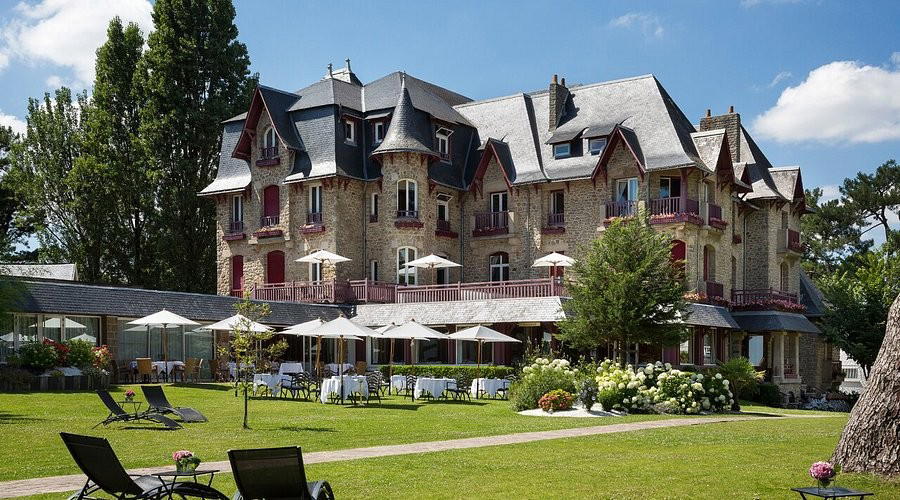
Arriving at 1 Rue de la Cure in the heart of Noirmoutier-en-l'Île, the first thing you register is the weight of the stone. The old quarter of the island's main town is built from the same pale granite that lines the island's windward shore, and the building that houses Le Grand Four shares that geology, low-slung, thick-walled, unhurried. The name itself references a communal bread oven, the kind of civic infrastructure that defined pre-industrial village life across rural France. That reference is not decorative. It signals an orientation toward the gathered, the local, and the slow, a counterpoint to the speed of mainland dining.
Noirmoutier-en-l'Île is a small island commune accessible from the Vendée coast, most dramatically via the Passage du Gois, a tidal causeway that disappears under the Atlantic twice a day. That seasonal and tidal character shapes everything about what grows, swims, or is harvested here. The island's reputation among French food producers rests on three things: its fleur de sel, harvested by hand from the salt marshes in the island's southeast; its Bonnotte potato, a variety so fragile it can only be harvested by hand each May and commands prices that rival truffle on the Paris market; and its proximity to Atlantic waters that yield turbot, sole, and shellfish with a salinity and freshness that kitchens on the mainland pay significant freight to approximate.
An Island Larder That France Comes to Find
The ingredient logic of cooking on Noirmoutier is, in many ways, the inverse of how most destination restaurants operate. Rather than a chef importing premium product to a location, the location is itself the premium product. The Île de Noirmoutier sits within one of France's most particular micro-territories for seasonal produce, and any kitchen operating seriously here is, by necessity, working with ingredients that chefs at Alléno Paris au Pavillon Ledoyen in Paris or Le Bernardin in New York City would source from this coastline if logistics allowed.
That context matters when assessing a restaurant like Le Grand Four. The question is simply whether the kitchen deploys the island's larder with care. The Bonnottes arrive only in a narrow window each spring, their season measured in weeks, not months. The salt marshes that produce the island's fleur de sel are active across the warmer months, and the Atlantic fish that define the western Loire shoreline shift with season and tide. A kitchen working within these rhythms is necessarily a different kind of operation from an urban restaurant drawing on a consolidated supply chain year-round.
This is not a dynamic distinctive to Noirmoutier. Along France's Atlantic coast, from Christopher Coutanceau in La Rochelle to the more remote terroir-anchored tables of the interior, serious cooking tends to orient itself around what the surrounding geography produces rather than what a global supply chain can deliver. The difference on Noirmoutier is that the island's specific outputs, its salt, its Bonnottes, its shellfish, carry a kind of named provenance that functions almost like an appellation. Diners who make the crossing from the mainland are, in a real sense, coming for the source.
Le Grand Four in the Context of French Atlantic Dining
France's Atlantic coast does not concentrate its serious dining in the way that Paris, Lyon, or Alsace do. The western Loire and Vendée regions have historically operated as quieter territory on the national restaurant map, appreciated for produce, less represented in the upper award tiers than Provence or Burgundy. The island's best-known fine dining address is La Marine in Noirmoutier-en-l'île, which has drawn sustained critical attention and Michelin recognition for its technically precise seafood cooking. Against that frame, the restaurant occupies a different register: older in its architectural bones, more rooted in the village character of the island's historic centre, and positioned in a way that implies a different kind of dining proposition.
The broader field of French regional cooking that takes its terroir seriously, from Bras in Laguiole, where the Aubrac plateau defines the menu as completely as any island salt marsh, to Mirazur in Menton with its kitchen garden logic, has established a template in which place-specificity is the primary editorial statement. Auberge de l'Ill in Illhaeusern and Georges Blanc in Vonnas demonstrate how deeply rooted French regional restaurants can hold their position over generations by remaining anchored to what their specific landscapes produce. The restaurant, from its address in the old quarter of a tidal island, inherits that tradition by proximity if not yet by equivalent recognition.
For readers building a broader picture of France's serious regional tables, the Atlantic Loire corridor rewards attention alongside better-documented circuits. Flocons de Sel in Megève, Troisgros - Le Bois sans Feuilles in Ouches, and Auberge du Vieux Puits in Fontjoncouse each illustrate how French fine dining at its most grounded tends to root itself in a specific geography rather than a generalised idea of French cuisine. Noirmoutier fits that pattern.
Planning a Visit
Reaching Noirmoutier requires either the Passage du Gois causeway, passable only at low tide, with crossing times posted locally and checked in advance, or the permanent bridge at Fromentine. The island is small enough that the old town centre, where the restaurant sits at 1 Rue de la Cure, is walkable from most accommodations within Noirmoutier-en-l'Île itself. Given the island's seasonal rhythms, timing a visit around the Bonnotte harvest in May or the peak salt-harvesting months of summer aligns a meal here with the moments when the local larder is at its most active. The restaurant recommends reservations, and the restaurant's hours are Tuesday through Saturday, with lunch from 12:15 to 1:30 PM and dinner from 7:15 to 9 PM.
At-a-Glance Comparison
Comparable venues nearby, for context on price, style, and recognition.
| Venue | Cuisine | Price | Awards | Notes |
|---|---|---|---|---|
| Le Grand FourThis venue — the venue you are viewing | French Gastronomic Seafood | $$$ | Not listed | Not listed |
| Alexandre Couillon | Modern French Marine & Vegetable Fine Dining | $$$$ | Not listed | L’Herbaudière |
| Le Petit Banc | Traditional Lyonnais Bistro | $$ | Michelin Plate | Noirmoutier-en-l'Île center |
| La Maison des Toqués | Contemporary French Market Cuisine | $$$ | Michelin Plate | Noirmoutier-en-l'Île |
| L'Assiette au Jardin | Modern French Market Cuisine | $$$ | Bib Gourmand | Noirmoutier-en-l'Île |
| L'Étier | French Seafood Gastronomy | $$$ | Michelin Plate | L'Épine |
Continue exploring
More in Noirmoutier-en-l'île
Restaurants in Noirmoutier-en-l'île
Browse all →
Bars in Noirmoutier-en-l'île
Browse all →
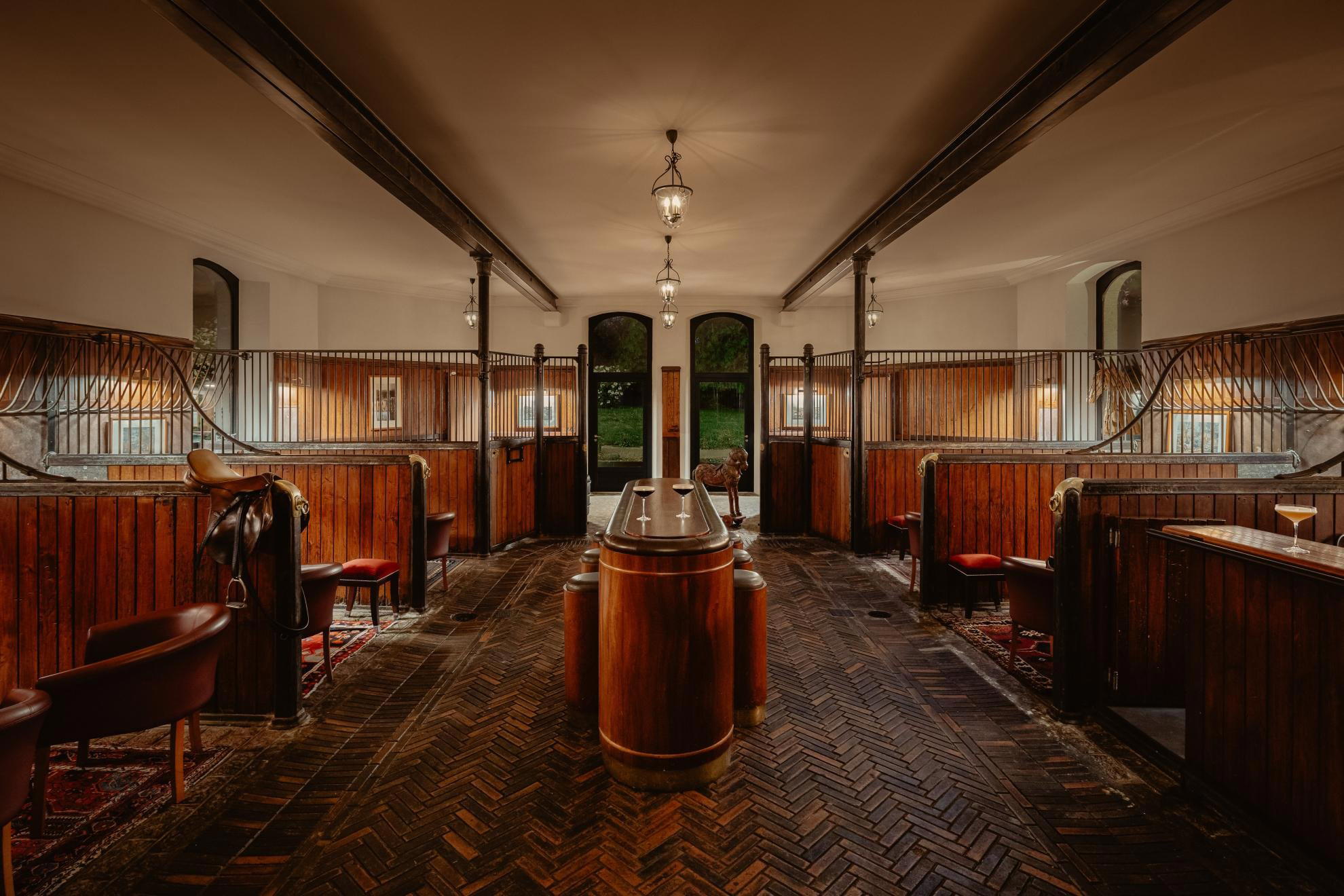
Hotels in Noirmoutier-en-l'île
Browse all →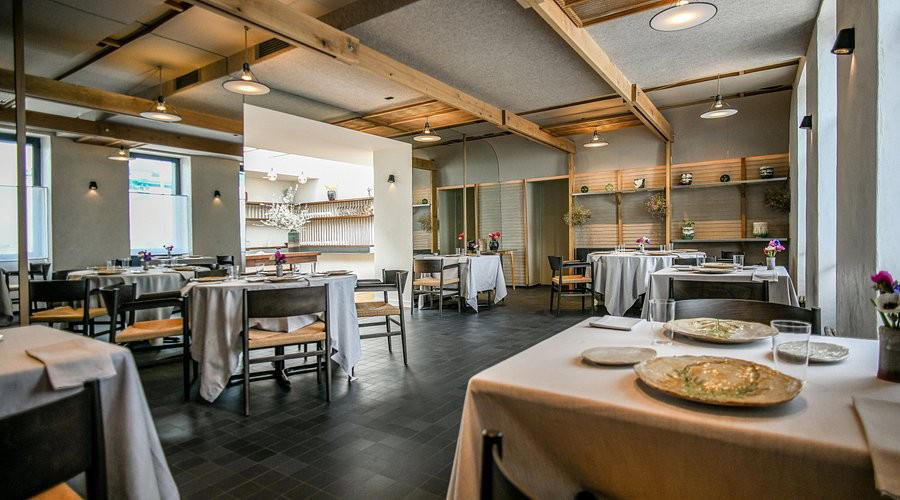
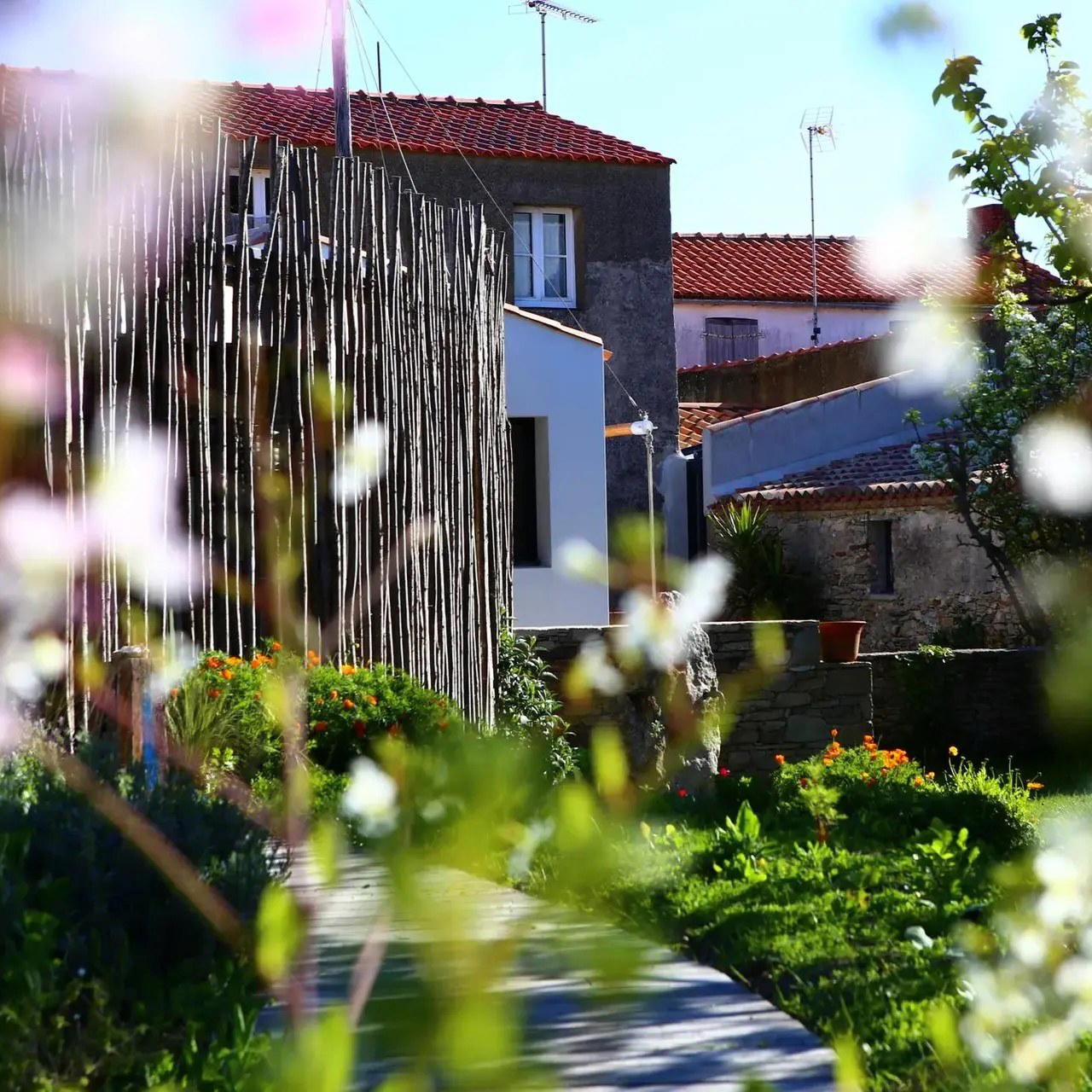
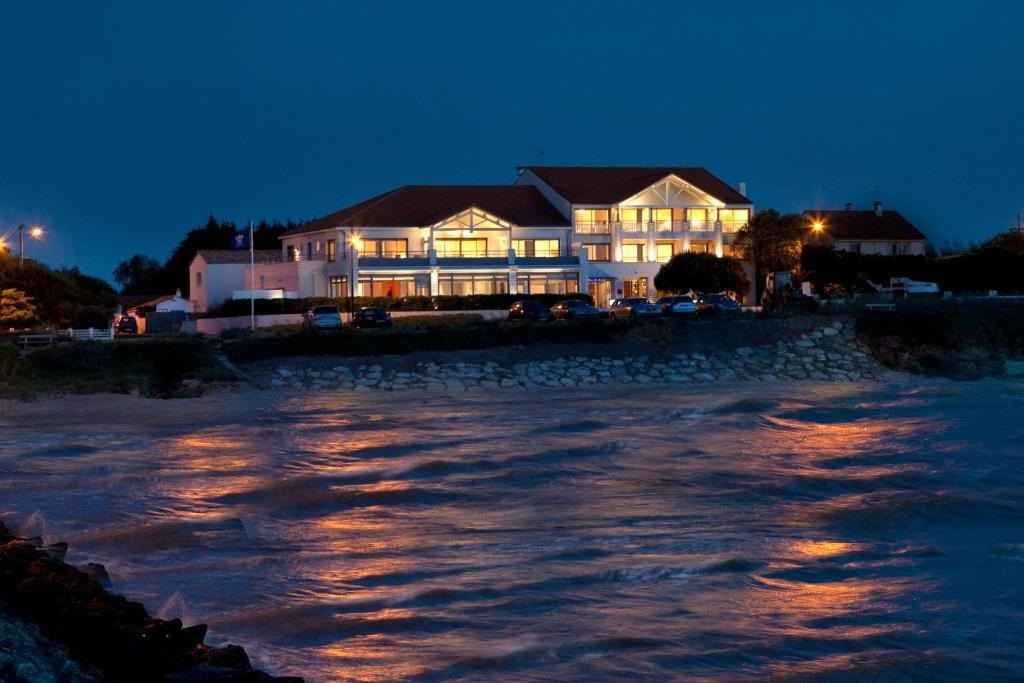
Wineries in Noirmoutier-en-l'île
Browse all →
At a Glance
- Cozy
- Elegant
- Classic
- Special Occasion
- Date Night
- Historic Building
- Extensive Wine List
- Local Sourcing
Current opening hours
- Monday
- Closed
- Tuesday
- 12:15–1:30 PM, 7:15–9 PM
- Wednesday
- 12:15–1:30 PM, 7:15–9 PM
- Thursday
- 12:15–1:30 PM, 7:15–9 PM
- Friday
- 12:15–1:30 PM, 7:15–9 PM
- Saturday
- 12:15–1:30 PM, 7:15–9 PM
- Sunday
- Closed
Hours can change for holidays and private events. Last verified .
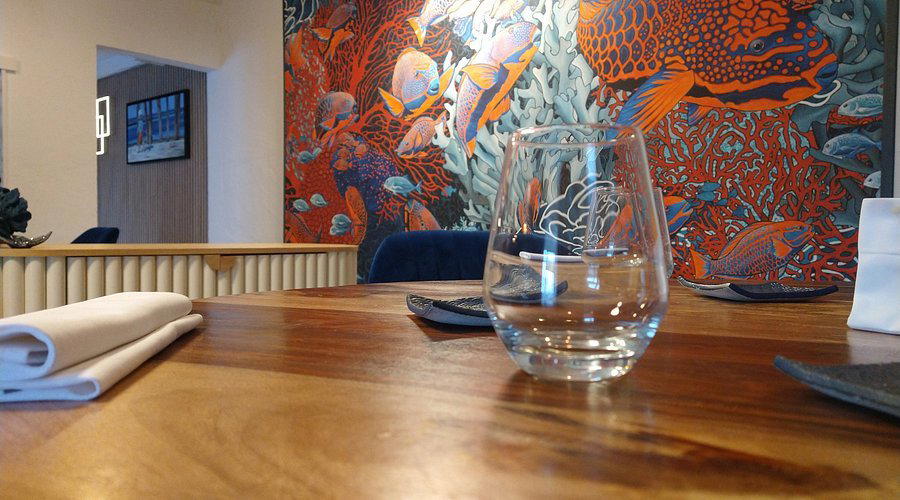
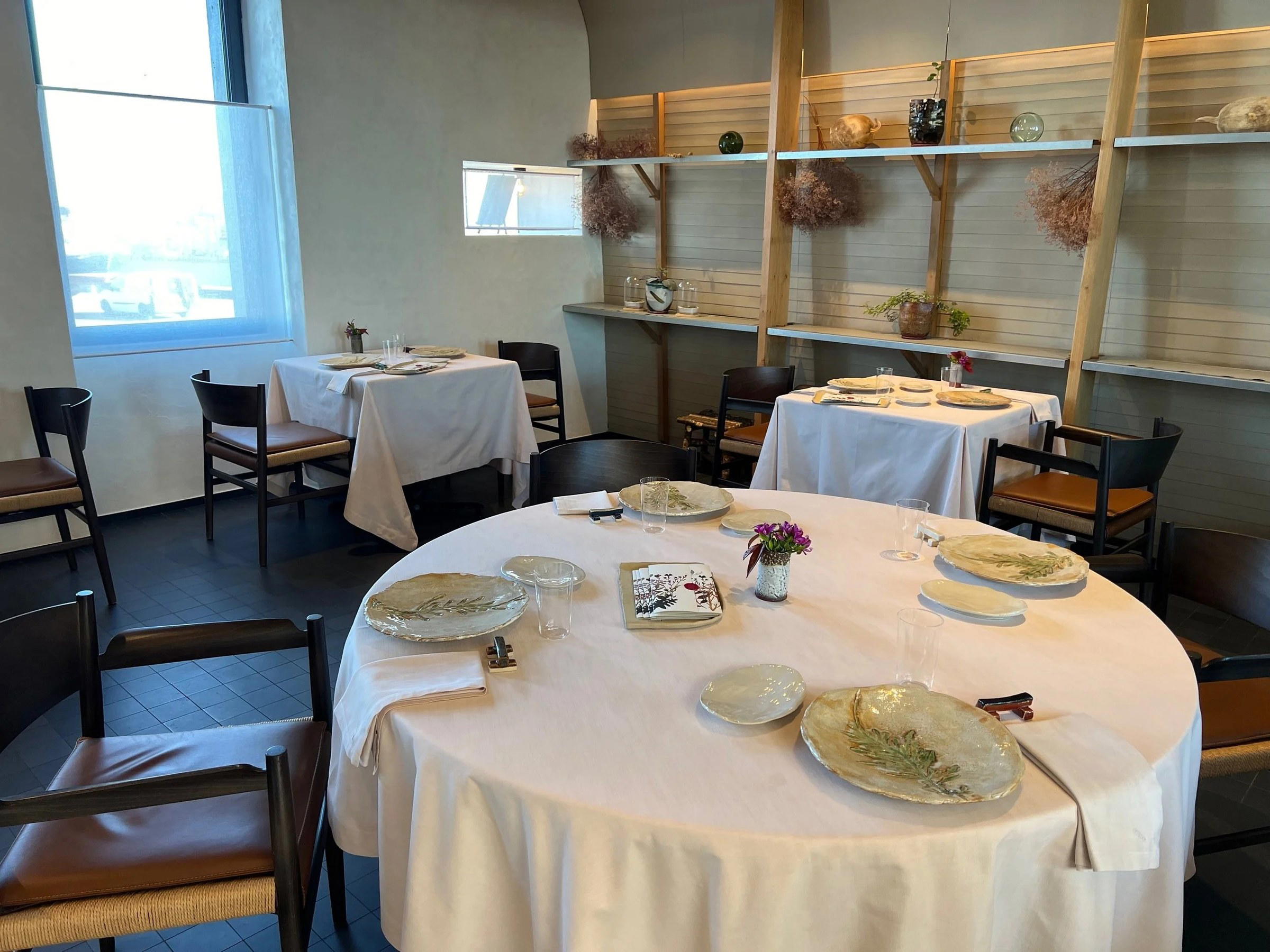
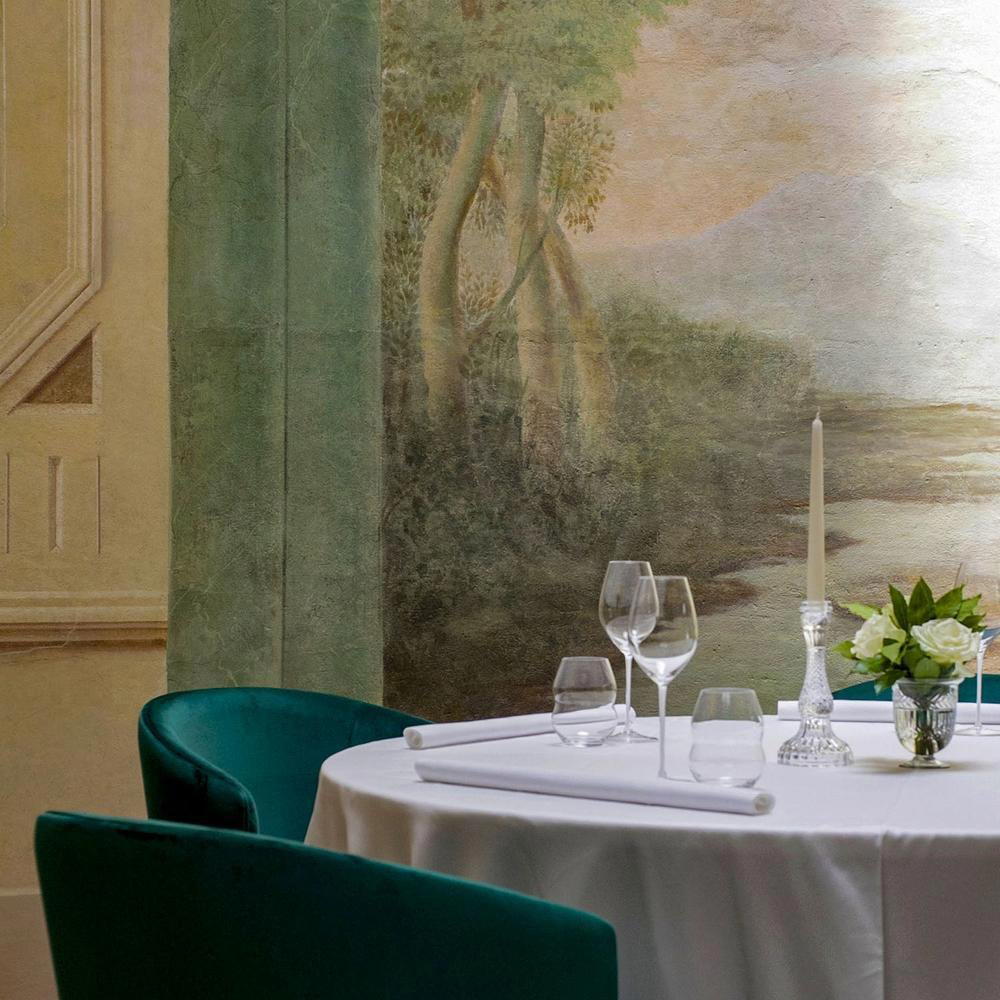
Cozy and elegant contemporary ambiance within old stone walls, described as cossu (posh) and welcoming.