Alexandre Couillon

We're Smart World 3 Radishes
Our verdict
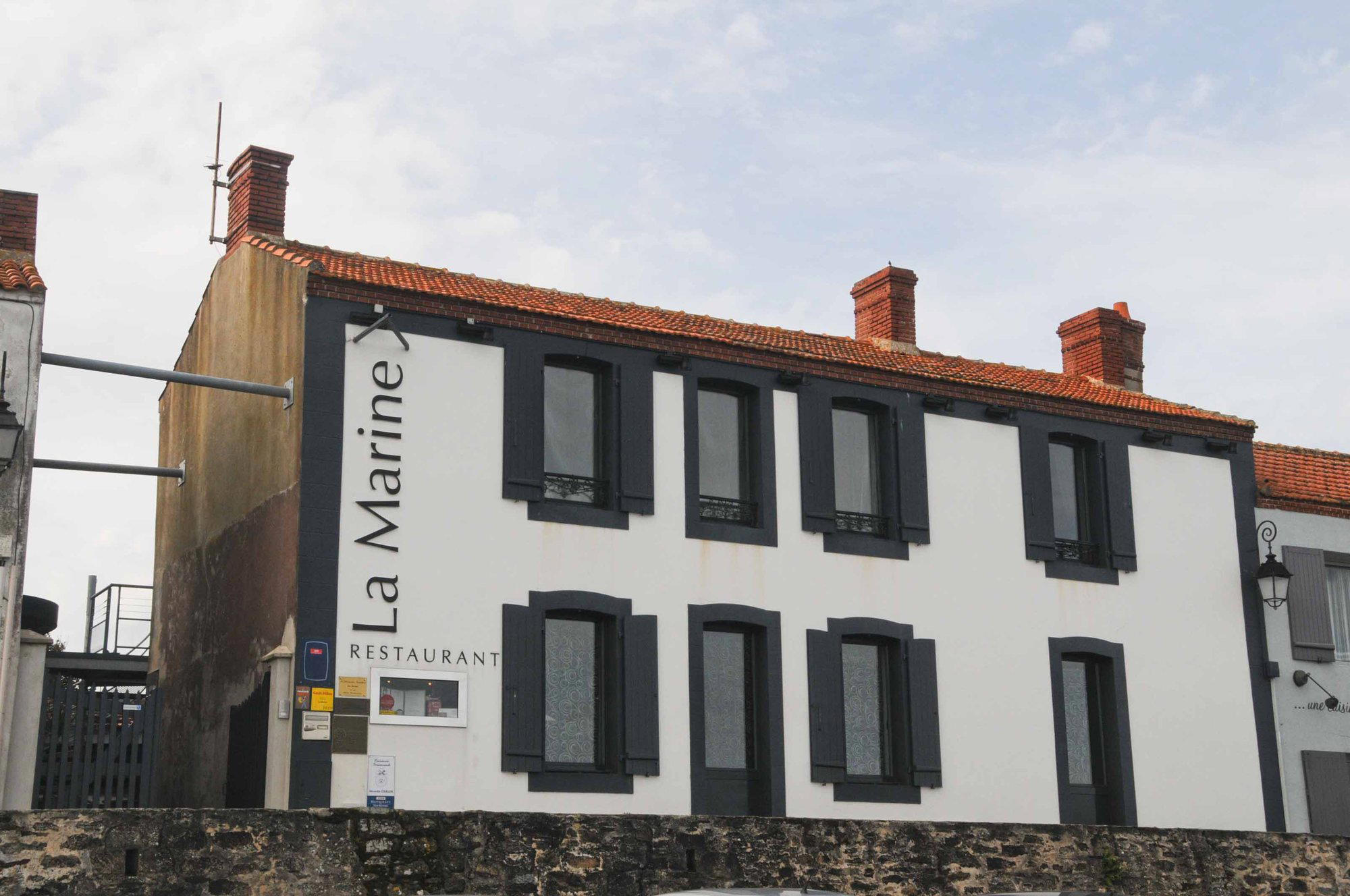
On a salt-flecked island off the Vendée coast, Alexandre Couillon's restaurant frames its cooking around two equal sources: the Atlantic immediately offshore and the kitchen garden on the property. The result is a contemporary French table shaped by Scandinavian clarity and seasonal discipline, where fish and vegetables carry equal narrative weight. It sits among a small cohort of destination restaurants in provincial France where geography drives every plate.

Pearl is the En Primeur Club membership app, where members save venues, book tables and use the concierge.
The menu
What to order
- Maquereau de petite pêche, betterave et persil
- Homard et Caviar, flan au bouillon de crabe vert
- Lieu Jaune de ligne, carottes et beurre de pin
An Island Table Built on Two Sources
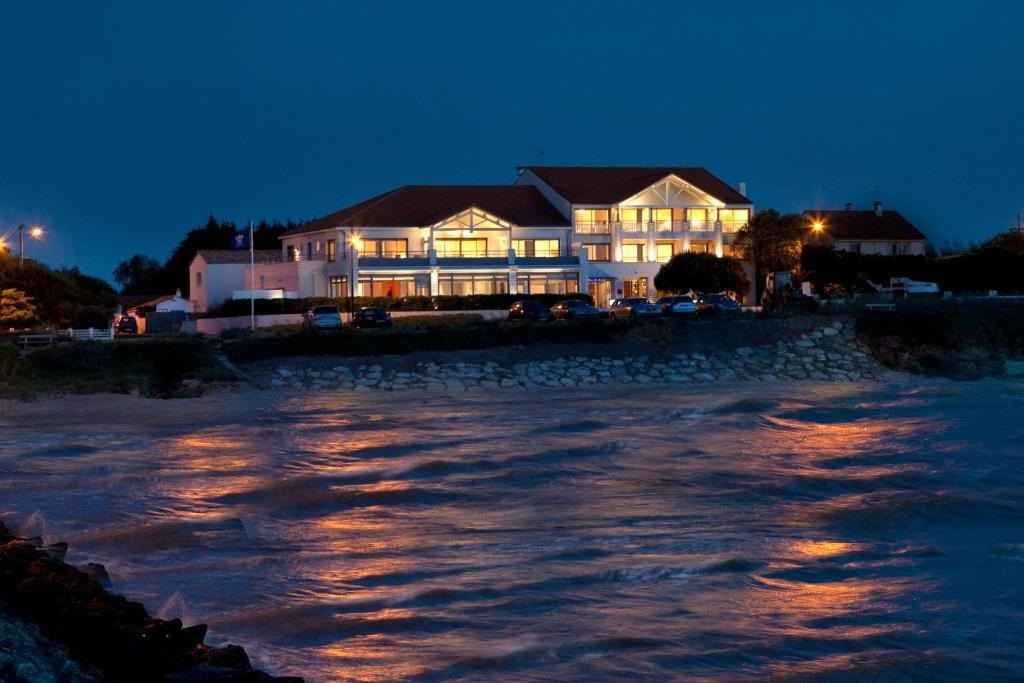
Noirmoutier-en-l'Île sits roughly 70 kilometres south of the Loire estuary, separated from the mainland by a tidal causeway that floods twice daily at high water. The island's identity is structured around salt marshes, oyster beds, and a potato variety, the Bonnotte, that fetches some of the highest prices per kilo in France due to the island's particular soil and seaweed-based fertilisation. It is not a place you pass through. You plan to arrive, and that deliberate geography shapes who ends up at the table at Alexandre Couillon.
Contemporary destination restaurants in provincial France tend to occupy one of two modes: the auberge model, where place and comfort frame the meal, or the precision-led modernist table, where the setting recedes behind technical ambition. Alexandre Couillon occupies neither position cleanly. The kitchen draws on the discipline of contemporary Nordic cooking, particularly in its handling of vegetables as structural elements rather than garnish, while remaining grounded in Atlantic coastal produce.
Where the Food Comes From
The sourcing structure at this address is worth understanding before you eat there. The kitchen draws from the sea directly surrounding the island and from an on-site kitchen garden, and the menu is built around that dual supply rather than supplemented by it. This is not the common restaurant posture of citing one or two local farmers while purchasing the bulk of produce through conventional supply chains. Fish and vegetables hold equal editorial weight in each menu, a commitment that connects to a broader movement in European destination cooking, visible at houses like Bras in Laguiole, where the surrounding landscape operates as both pantry and aesthetic framework.
The Scandinavian reference in the kitchen's character is not superficial. Nordic cooking's most durable contribution to contemporary European gastronomy has been the insistence on treating vegetables with the same technical seriousness applied to protein: fermentation, controlled dehydration, long macerations, and the use of raw or barely-treated produce to deliver acidity and texture contrast. At a coastal address on the Atlantic, that approach intersects with a tradition of fish cookery that values freshness and lightness over reduction-heavy classical sauces. The results, by the restaurant's own framing, prioritise colour, freshness, and purity, which in practical terms means clean flavour lines and a visual clarity on the plate that reads as restraint rather than minimalism.
The Address and the Journey
Restaurant sits at 1 Rue Marie Lemonnier in Noirmoutier-en-l'Île. Getting there requires a degree of planning that self-selects the clientele. The island is accessible either via the Passage du Gois, the tidal causeway that opens at low tide for roughly two hours on each side, or via a toll bridge from Fromentine on the Vendée coast. Both routes concentrate the visit into an event rather than a drop-in, which is appropriate for a table at this level. The nearest TGV connection runs through Nantes, roughly 90 kilometres to the east, making a one or two-night stay the practical default for visitors arriving from Paris or further afield. For accommodation options on the island, our full Noirmoutier-en-l'Île hotels guide covers the current range of properties.
Seasonality is not decorative at a restaurant built on garden and sea supply. The Atlantic fishing calendar, the progression of the kitchen garden, and the island's own tourism cycle all shape when the table is at full operational capacity. Visiting in the shoulder seasons, late spring or early autumn, generally means more settled logistics and produce at a natural peak before or after the height of summer.
Provincial Ambition in a French Context
France's highest-regarded destination restaurants outside Paris tend to cluster in regions with strong local produce identities: Alsace, with Auberge de l'Ill in Illhaeusern and Au Crocodile in Strasbourg; the Auvergne, anchored by Bras in Laguiole; the Rhône corridor, historically defined by Paul Bocuse at L'Auberge du Pont de Collonges; and the Languedoc, home to Auberge du Vieux Puits in Fontjoncouse. The Atlantic Vendée coast has historically operated below that tier in terms of international culinary recognition, which makes the ambition at work in Noirmoutier-en-l'Île worth noting. The island's natural assets, its salt, shellfish, and microclimate, are as strong as anything the Alsatian or Auvergnat larders offer. What has historically been missing is a kitchen that draws them into a coherent, high-level contemporary language. Alexandre Couillon represents the most serious attempt to close that gap.
For those drawing comparisons with French coastal cooking at the highest international tier, Le Bernardin in New York City offers a useful reference point for how Atlantic seafood can operate as the structural premise of a serious kitchen. The register is different, classical versus contemporary-Nordic-inflected, but the underlying commitment to fish as the primary creative material runs through both addresses. Closer to home, AM par Alexandre Mazzia in Marseille and Assiette Champenoise in Reims represent other instances of French regional kitchens building at the highest level outside Paris, each anchored to a distinct geographical identity.
For those planning a broader visit to the island, our full Noirmoutier-en-l'Île restaurants guide maps the wider dining scene, while bars, wineries, and experiences guides cover the rest of the island's offering.
Planning Your Visit
Reservations at this level of provincial French dining typically run several weeks to months ahead, particularly for weekend tables during summer. Arriving from outside the region warrants treating the booking as the anchor of a two-day trip. The island's scale and limited accommodation stock mean that planning the stay alongside the reservation, rather than after, is the practical approach.
Frequently asked questions
Is Alexandre Couillon okay with children?
This is a destination-format table in Noirmoutier-en-l'Île oriented toward adult dining. The awards recognition and the precision-led cooking built around Atlantic fish and kitchen-garden produce set a formal register that does not align well with young children. Families planning a visit to the island would be better served by one of the more casual addresses in town.
Is Alexandre Couillon better for a quiet night or a lively one?
Quiet, without question. The island location requires deliberate travel, and the cooking philosophy, fish and vegetables handled with Nordic-influenced restraint and purity, draws guests who are here to focus on the plate. Expect measured conversation and a room that takes the food seriously.
What awards or recognition does Alexandre Couillon have?
Alexandre Couillon has received recognition including: Fish & Vegetables! They are equally important to chef Alexandre Couillon. The dishes do not only bring the best from the sea but from his own garden also. This is a contemporary cuisine with colours, freshness and purity that calls out Sca….
What's the best thing to order at Alexandre Couillon?
The kitchen's identity rests on two sources: fish from the Atlantic surrounding the island and vegetables from the on-site garden. The awards citation singles out both with equal weight, so courses that put those two elements in dialogue reflect what Couillon has spent years refining. Follow that axis rather than steering toward meat or richer preparations.
Where do I go for Alexandre Couillon?
Alexandre Couillon is located at 1 Rue Marie Lemonnier, 85330 Noirmoutier-en-l'Île, France, Noirmoutier-en-L'Ile.
A Quick Peer Check
Comparable venues nearby, for context on price, style, and recognition.
| Venue | Cuisine | Price | Awards | Notes |
|---|---|---|---|---|
| Alexandre CouillonThis venue (the venue you are viewing) | Modern French Marine & Vegetable Fine Dining | $300–500 | We're Smart World 3 Radishes | Not listed |
| Le Grand Four | French Gastronomic Seafood | $50–100 | Not listed | Noirmoutier-en-l'Île |
| L'Étier | French Seafood Gastronomy | $50–100 | Michelin Plate | L'Épine |
| Le Petit Banc | Traditional Lyonnais Bistro | $30–50 | Michelin Plate | Noirmoutier-en-l'Île center |
| L'Assiette au Jardin | Modern French Market Cuisine | $50–100 | Michelin Bib Gourmand | Noirmoutier-en-l'Île |
| La Maison des Toqués | Contemporary French Market Cuisine | $100–150 | Michelin Plate | Noirmoutier-en-l'Île |
Recognition history
Dated appearances from independent guides and award organizations, with the underlying list record or original source where available.
We're Smart World 3 Radishes
We're Smart World
Continue exploring
More in Noirmoutier-en-l'île
Restaurants in Noirmoutier-en-l'île
All restaurants in Noirmoutier-en-l'île →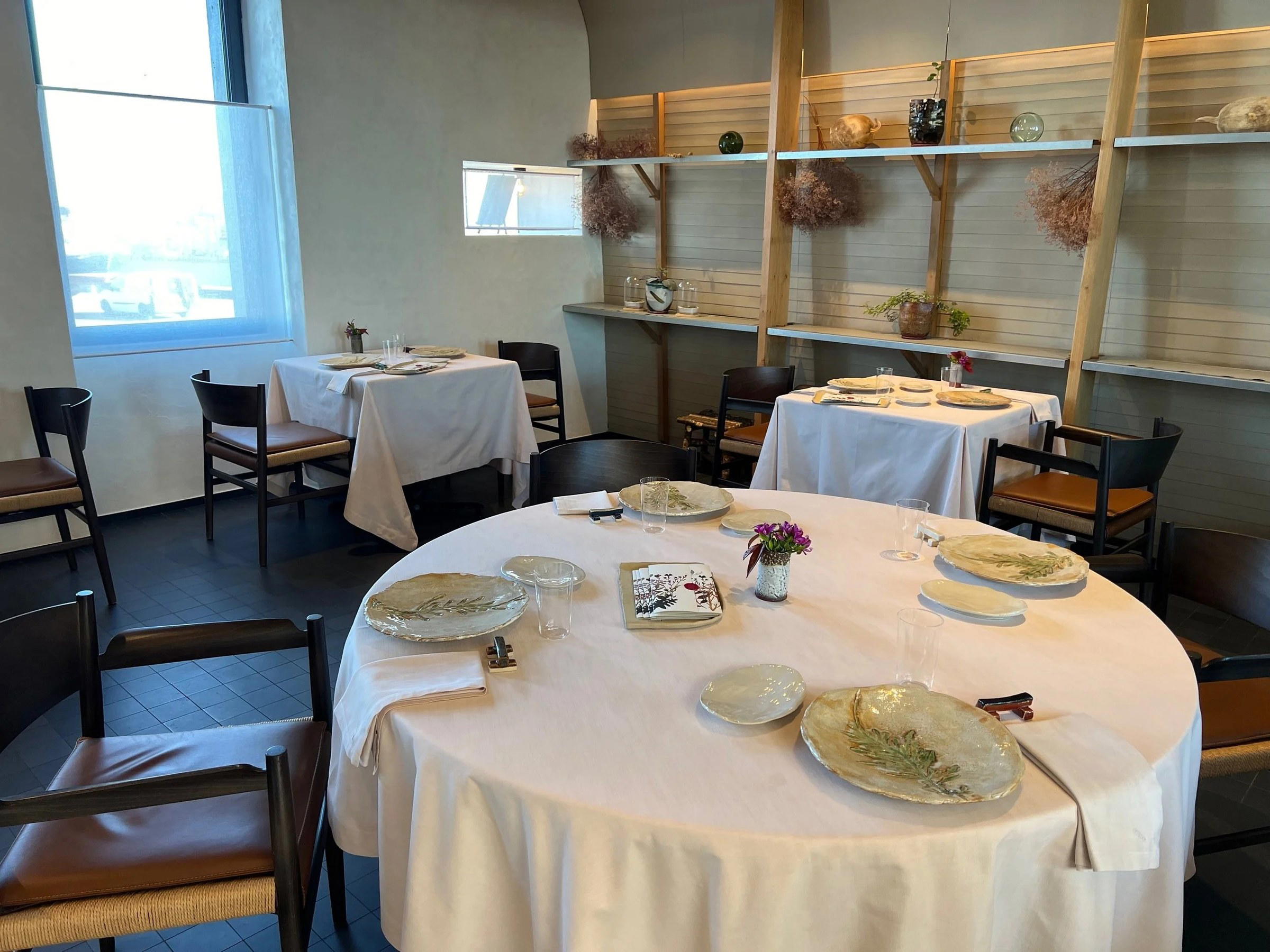
Bars in Noirmoutier-en-l'île
Browse all →
Alexandre Couillon
The wine
- Extensive wine list
- Sommelier-led
Details
- Elegant
- Modern
- Intimate
- Sophisticated
- Special Occasion
- Date Night
- Open Kitchen
- Extensive Wine List
- Sommelier Led
- Local Sourcing
- Farm To Table
- Sustainable Seafood
- Waterfront
- Tasting Menu
- Loire Wines
- Pescatarian Friendly
Current opening hours
- Monday
- Closed
- Tuesday
- Closed
- Wednesday
- 8:30 AM–1 PM, 2–6:30 PM
- Thursday
- 8:30 AM–1 PM, 2–6:30 PM
- Friday
- 8:30 AM–1 PM, 2–6:30 PM
- Saturday
- 8:30 AM–1 PM, 2–6:30 PM
- Sunday
- 8:30 AM–1 PM
Hours can change for holidays and private events. Hours as of .
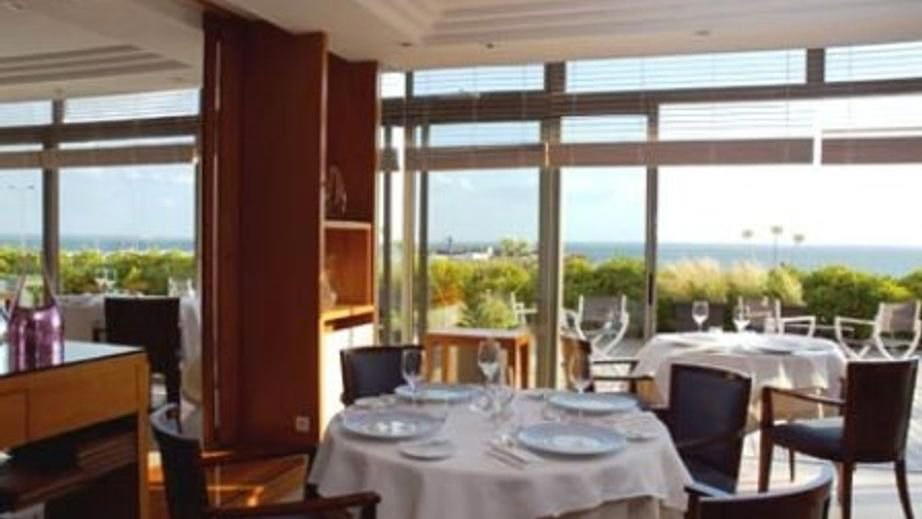
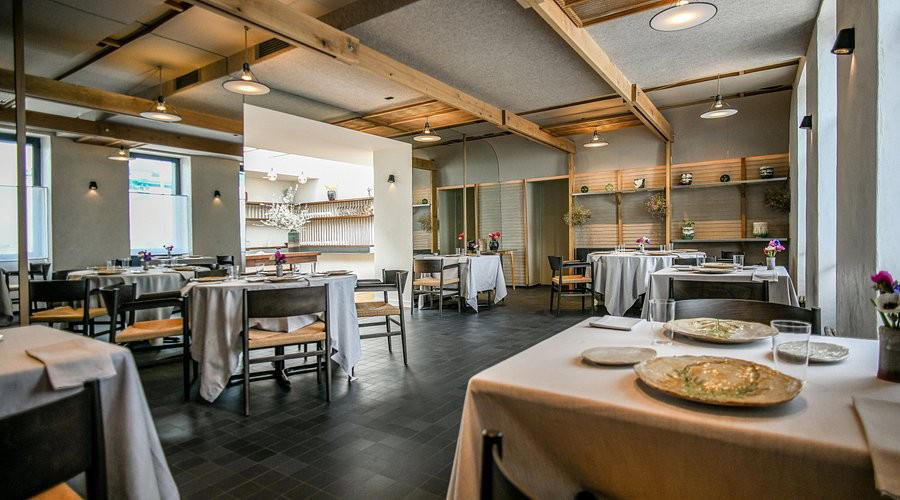
Elegant and modern dining room evoking a luxury cruise, with contemporary decor, well-spaced tables, warm and attentive service, and a focus on sensory culinary experiences.