

Michelin Plate
Our verdict
On the corner of Carrefour de l'Odéon, Le Comptoir du Relais is among the few Paris bistros holding a Michelin Plate alongside a top-250 ranking in Opinionated About Dining's casual European list. Chef Yves Camdeborde channels Basque and southwest French tradition through a compact, high-energy room that runs seven days a week. The €€ price point makes it one of the more accessible addresses for serious bistro cooking in Saint-Germain.

Pearl is the En Primeur Club membership app — saves, bookings, and concierge access live there. Same editors, same standards.
The menu
What to order
- Oeuf mayonnaise
- Soupe à l'oignon
- Pieds de porc
- Steak tartare
The Corner That Anchors Saint-Germain's Bistro Tradition
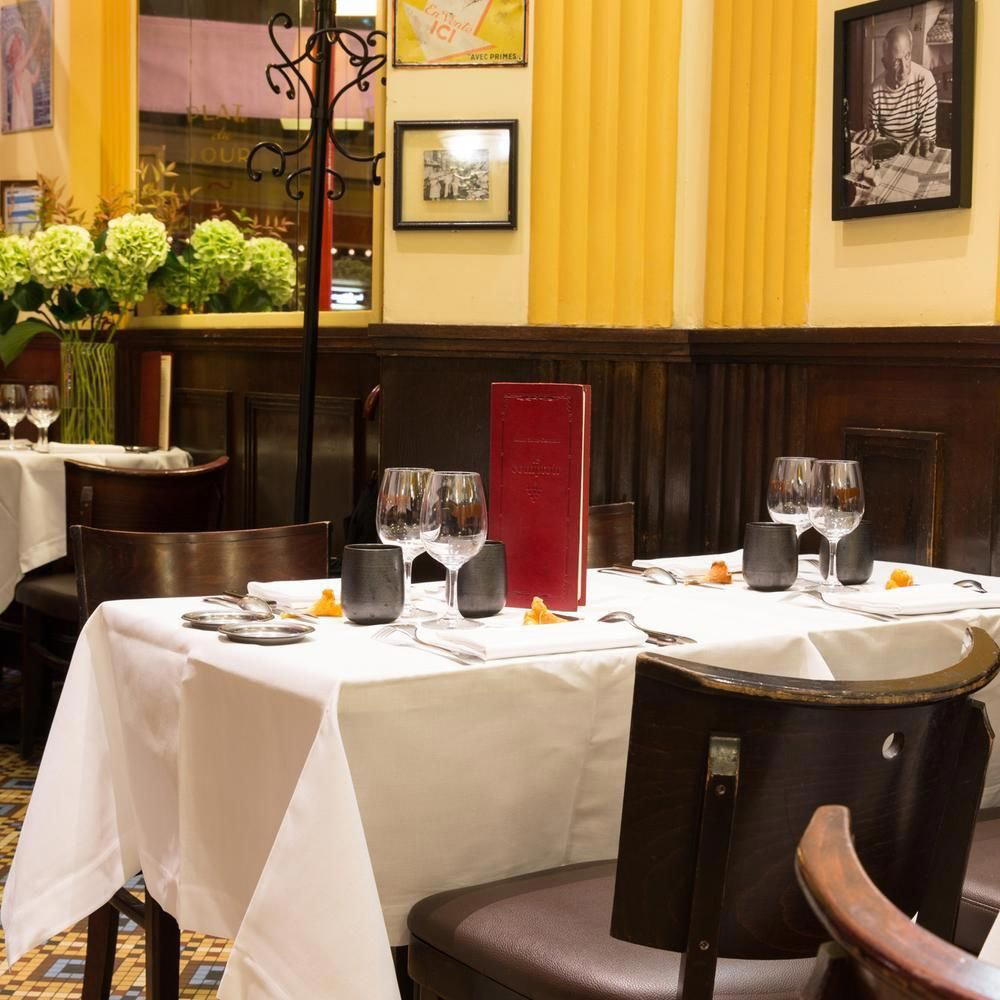
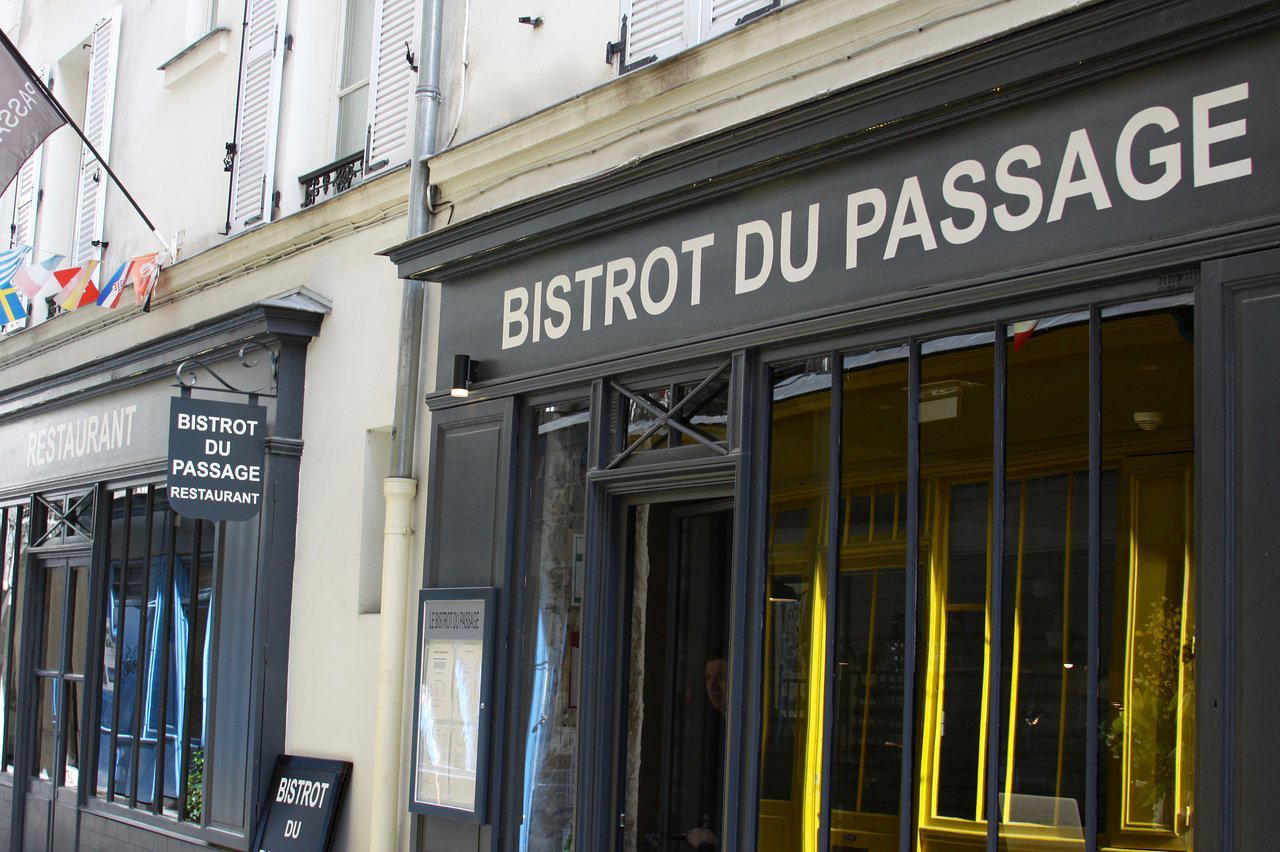
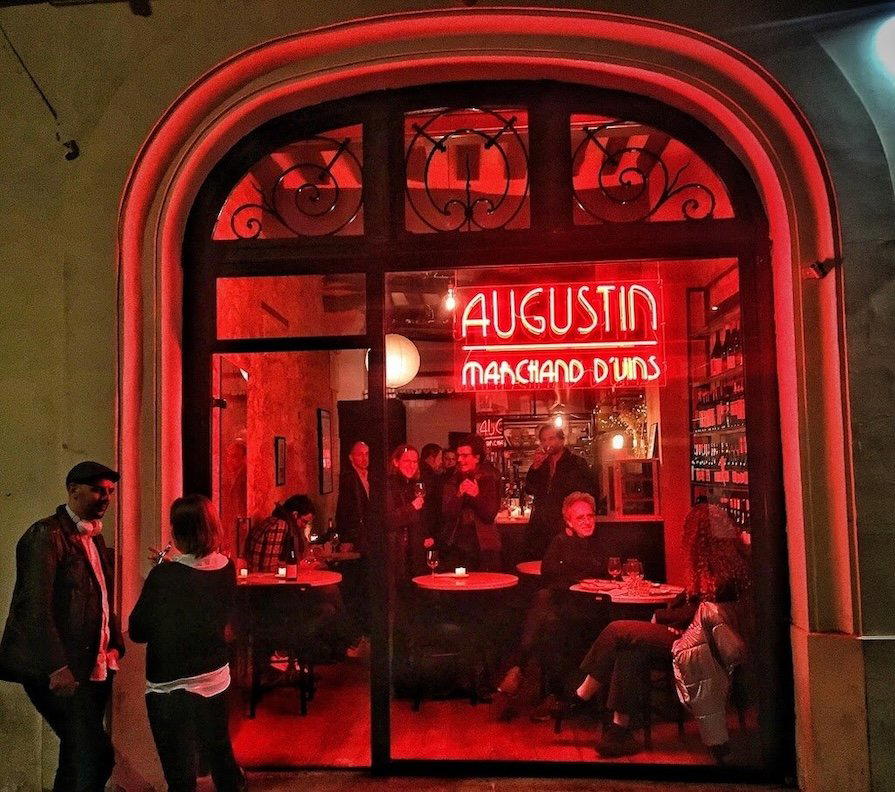
Carrefour de l'Odéon is one of those Paris intersections that resists tourism while remaining fully visible to it. The streets leading off toward the Luxembourg Gardens, the Odéon theatre, and the old bouquiniste strips of the Seine embankment converge here in a way that has kept the neighbourhood's character intact through decades of retail and hospitality turnover. Le Comptoir du Relais sits on this corner, its zinc counter and glass frontage opening onto the pavement in a format that has defined the neighbourhood bistro for over a century. The room is tight, the tables are close, and by midday the noise level confirms that people are here to eat rather than to perform eating.
What Bistro Basquaise Means on a Menu
The bistro tradition in Paris fractures along regional lines more than outsiders often appreciate. The Lyonnais bouchon, the Alsatian winstub, and the southwest-inflected bistro Basquaise occupy distinct culinary positions, drawing on different pantries, preparations, and wine cultures. Le Comptoir du Relais operates in the latter register, with Yves Camdeborde's southwest French and Basque roots shaping the direction of a menu that prioritises offal, cured meats, pipérade-adjacent preparations, and Jurançon and Irouléguy wines over the Burgundy-and-steak axis that dominates most of the 6th arrondissement's competing rooms.
That regional specificity matters for how to read the meal. The sequencing here tends toward the Basque habit of generosity in volume and directness in flavour rather than the restraint-forward approach of, say, the contemporary tasting formats at Arpège or the precision-driven multi-course structures at Kei. Those are different arguments about what French cooking should be, not competing hierarchies. At Le Comptoir, the argument is for abundance, for produce with a clear geographic origin, and for cooking that references a living regional tradition rather than a museum one.
Reading the Meal as a Sequence
The rhythm of eating at a bistro Basquaise differs from both the haute cuisine progression and the casual brasserie format. There is no long amuse-bouche phase, no gradual build from delicate to intense. The meal tends to arrive at full volume early: charcuterie with weight and acidity, a terrine with proper fat content, or a small plate that introduces the kitchen's treatment of piment d'Espelette before the main course commits fully to it.
Mid-meal at addresses working this tradition, the focus shifts to protein treated with confidence rather than technique-for-technique's-sake. Camdeborde trained at La Tour d'Argent and the Ritz before opening this address, and that classical grounding is audible in the structure of a dish even when the flavour register is entirely southwest. The combination produces cooking that is technically literate but not academically inclined, which is exactly what a good neighbourhood bistro should deliver.
The closing sequence at Le Comptoir tends to follow the Basque preference for cheese before or alongside dessert, and for desserts that are not engineered confections. This is not the territory of the multi-element plated desserts that anchor the final act at Alléno Paris au Pavillon Ledoyen or Le Cinq. Here, the close of a meal is a return to register, not an escalation.
Where Le Comptoir Sits Among Its Peers
Paris bistros that hold both Michelin recognition and sustained critical ranking occupy a smaller tier than the sheer number of bistro openings might suggest. The Michelin Plate acknowledges cooking quality without the formality threshold required for a star; Opinionated About Dining's casual Europe list operates with a different methodology, drawing on a large network of regular eaters across the continent to rank restaurants on repeat-visit merit rather than occasion-dining impressiveness. Holding both simultaneously, as Le Comptoir has done across 2023, 2024, and 2025, with rankings improving from Highly Recommended to #198 to #207, indicates a consistent floor of quality that survives the kind of scrutiny applied to genuine regulars rather than first-time visitors.
Within the Saint-Germain bistro category specifically, the address operates at a price point (€€) that places it well below the four-course tasting room tier occupied by L'Ambroisie on the Place des Vosges, and broadly in the same accessible range as serious bistros across the city. For that price tier, the combination of awards, regional specificity, and the kitchen's pedigree makes it one of the stronger cases in its arrondissement.
The comparison extends beyond Paris. Camdeborde's southwest register connects to a broader tradition of French regional cooking that has produced major addresses including Bras in Laguiole and, at the alpine end of French terroir cooking, Flocons de Sel in Megève. Those operate in entirely different formats and price brackets, but they confirm that the southwest and southern French culinary tradition runs deep enough to sustain serious restaurant ambitions at multiple levels of formality.
Saint-Germain in Context
The 6th arrondissement has spent the past decade sorting itself between addresses that function primarily as neighbourhood institutions for local regulars and those that have shifted toward tourist-facing formats regardless of their original character. Le Comptoir du Relais has maintained its position in the first category, partly through the physical reality of a small, high-turnover room that rewards knowing what you want to eat, and partly through the consistency that sustains its critical rankings year over year.
Neighbourhood's other serious dining options span a significant range: haute cuisine at formal addresses, casual Japanese and contemporary European rooms along the side streets, and a wine bar scene that has become one of the denser in Paris for natural and regional French producers. For visitors building a Paris eating itinerary, our full Paris restaurants guide maps the broader range, while our Paris bars guide covers the wine bar options that pair logically with a bistro-anchored evening in the 6th. The Paris hotels guide and experiences guide round out the broader picture for those planning longer stays.
For readers interested in how French regional cooking translates at the highest formality levels, Troisgros in Ouches, Auberge de l'Ill in Illhaeusern, and Paul Bocuse in Collonges-au-Mont-d'Or each represent different chapters in the same argument about what French cuisine draws from its regions. At the international end of French-trained cooking, Le Bernardin in New York and Atomix show how those reference points travel, while Mirazur in Menton shows how the Mediterranean edge of France produces a distinct register again. Le Comptoir du Relais is not in dialogue with those addresses in the sense of competing with them. It is making a different case: that the bistro format, done with regional integrity and technical honesty, remains one of the more coherent arguments for what French cooking is at street level. And in 2025, that argument is holding.
Planning Your Visit
Address: 9 Carrefour de l'Odéon, 75006 Paris. Hours: Monday through Sunday, 12:00–23:00. Budget: €€, placing it in the accessible bistro tier for the 6th arrondissement. Reservations: Booking method not listed; walk-in capacity is limited given the room size, so advance contact with the restaurant is advisable, particularly for weekend lunch and evening service. Awards: Michelin Plate (2024, 2025); Opinionated About Dining Casual Europe #198 (2024), #207 (2025). See our Paris wineries guide if you want to extend the southwest French wine thread beyond the table.
Frequently asked questions
What's the signature dish at Le Comptoir du Relais?
No specific dish has been confirmed through a verified source, so naming one would be speculative. What the cuisine type and chef's background do confirm is that the kitchen works in a bistro Basquaise register: southwest French and Basque preparations, likely including pipérade-influenced dishes, quality charcuterie, and offal treated with regional confidence. Yves Camdeborde trained at classical Paris addresses before channelling that into this neighbourhood format, so the cooking bridges technical grounding with the directness of Basque tradition. The Michelin Plate and Opinionated About Dining rankings both reflect sustained kitchen quality rather than a single standout plate.
Same-City Peers
| Venue | Cuisine | Price | Awards | Notes |
|---|---|---|---|---|
| Le Comptoir du RelaisThis venue — the venue you are viewing | Classic French Bistro | $50–100 | Michelin Plate | Not listed |
| Alléno Paris au Pavillon Ledoyen | Modern French Fine Dining | $150–200 | 3 Michelin Stars · World's 50 Best #79 | Creative |
| Kei | Modern French with Japanese Influences | $300–500 | 3 Michelin Stars · World's 50 Best #93 | Contemporary French, Modern Cuisine |
| L'Ambroisie | Classic French Haute Cuisine | $300–500 | 2 Michelin Stars · World's 50 Best #23 | French, Classic Cuisine |
| Le Cinq - Four Seasons Hôtel George V | French, Modern Cuisine | Not listed | Not listed | Not listed |
| Plénitude | Modern French Sauce-Led Fine Dining | $300–500 | 3 Michelin Stars · World's 50 Best #14 | Contemporary French |
Recognition history
Dated appearances from independent guides and award organizations, with the underlying list record or original source where available.
Michelin Plate
Michelin
Opinionated About Dining Casual in Europe Recommended
Opinionated About Dining
Full recognition history (7 entries)
Michelin Plate
Michelin
Opinionated About Dining Casual in Europe Ranked #207
Opinionated About Dining
Michelin Plate
Michelin
Opinionated About Dining Casual in Europe Ranked #198
Opinionated About Dining
Opinionated About Dining Casual in Europe Highly Recommended
Opinionated About Dining
Continue exploring
More in Paris
Restaurants in Paris
All restaurants in Paris →
Bars in Paris
All bars in Paris →

Le Comptoir du Relais
The wine
- Wine program
- Curated wine list
- Extensive wine list
Details
- Classic
- Cozy
- Elegant
- Intimate
- Date Night
- Casual Hangout
- Terrace
- Hotel Restaurant
- Extensive Wine List
- Street Scene
- A La Carte
Current opening hours
- Monday
- 12–11 PM
- Tuesday
- 12–11 PM
- Wednesday
- 12–11 PM
- Thursday
- 12–11 PM
- Friday
- 12–11 PM
- Saturday
- 12–11 PM
- Sunday
- 12–11 PM
Hours can change for holidays and private events. Last verified .
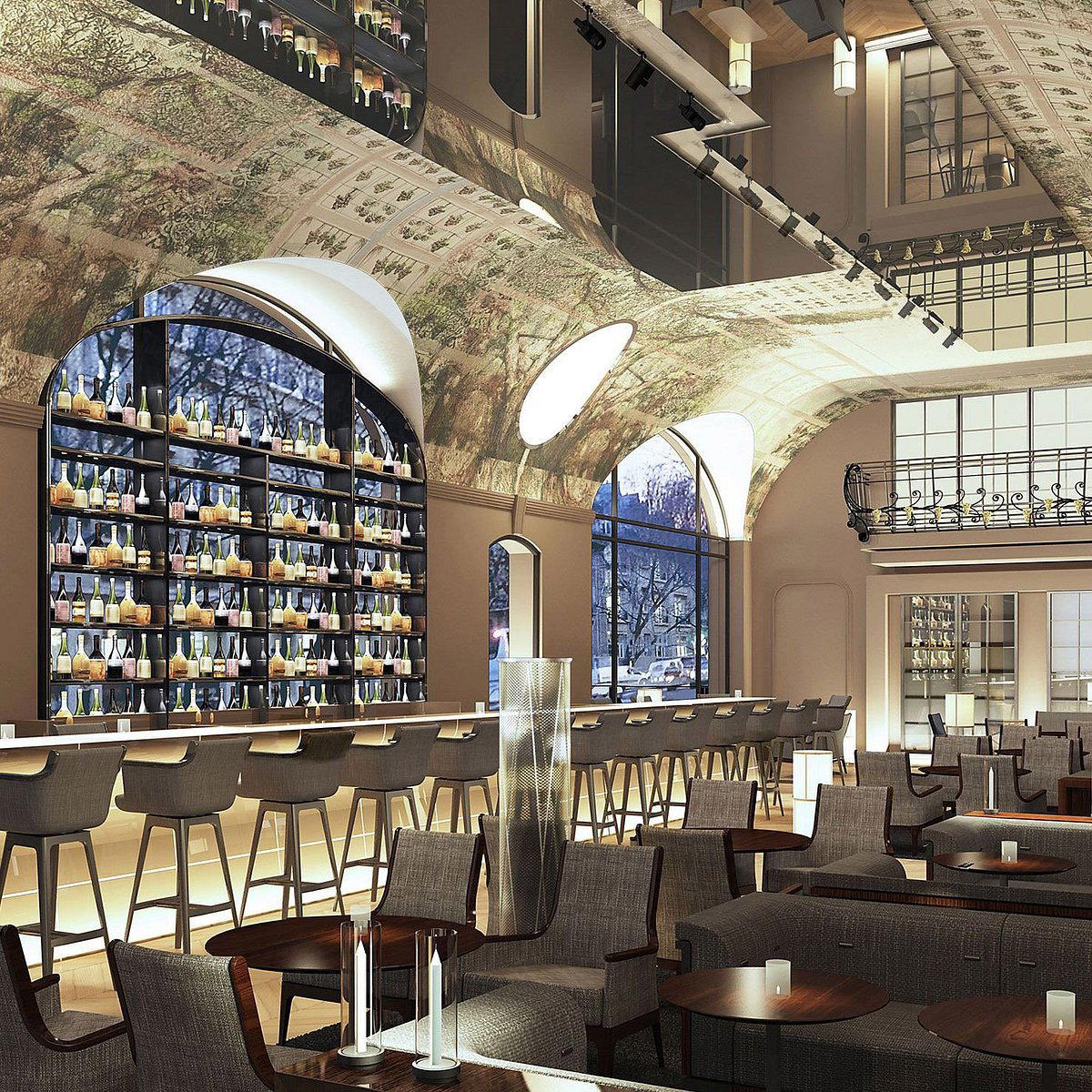
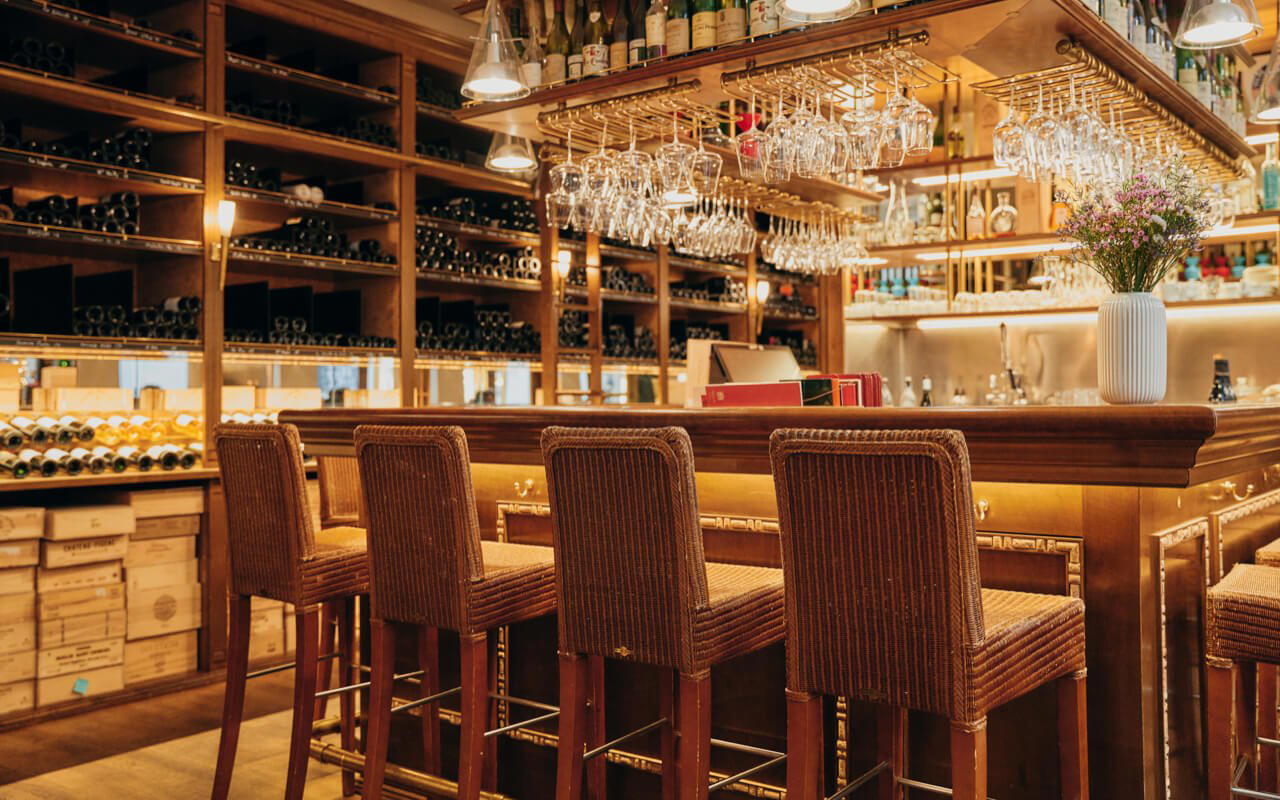
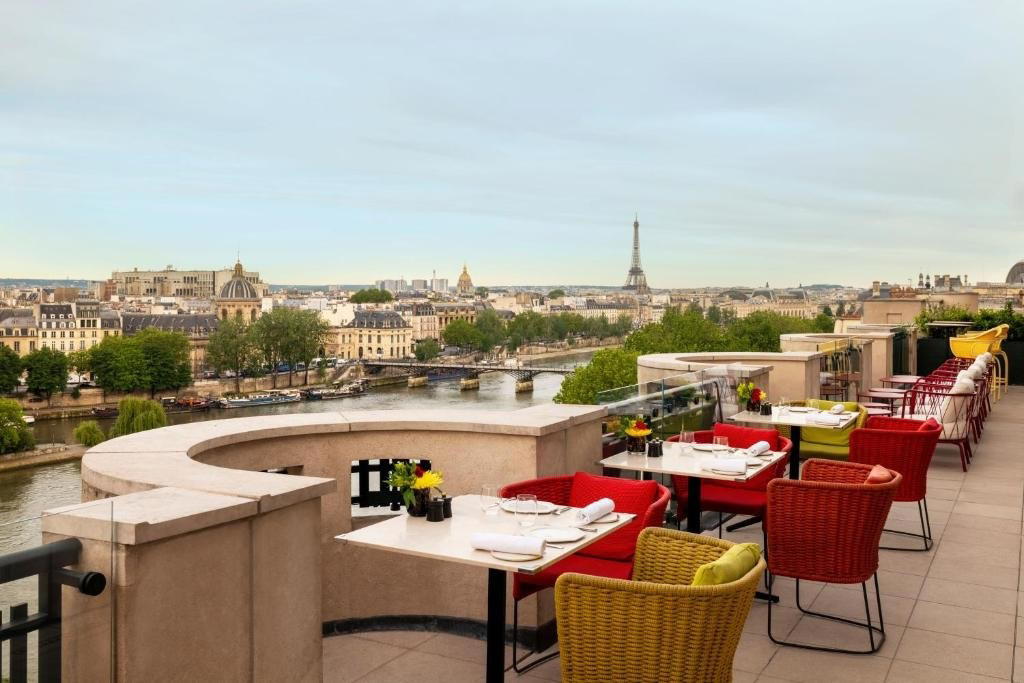
Rétro bistro atmosphere with cramped seating, warm lighting, sidewalk terrace, and an authentic mix of elegance and energy.