
Le Comptoir de Georges serves Traditional Alsatian Brasserie cooking in a historic building on the waterfront, with terrace seating and an extensive wine list.
Pearl is the En Primeur Club membership app — saves, bookings, and concierge access live there. Same editors, same standards.
- Address
- 1 place des Six-Montagnes-Noires
- Phone
- +33 3 89 20 60 72
- Website
- le-comptoir-de-georges.fr
- Directions
- Get directions
 Saves & bookings on Pearl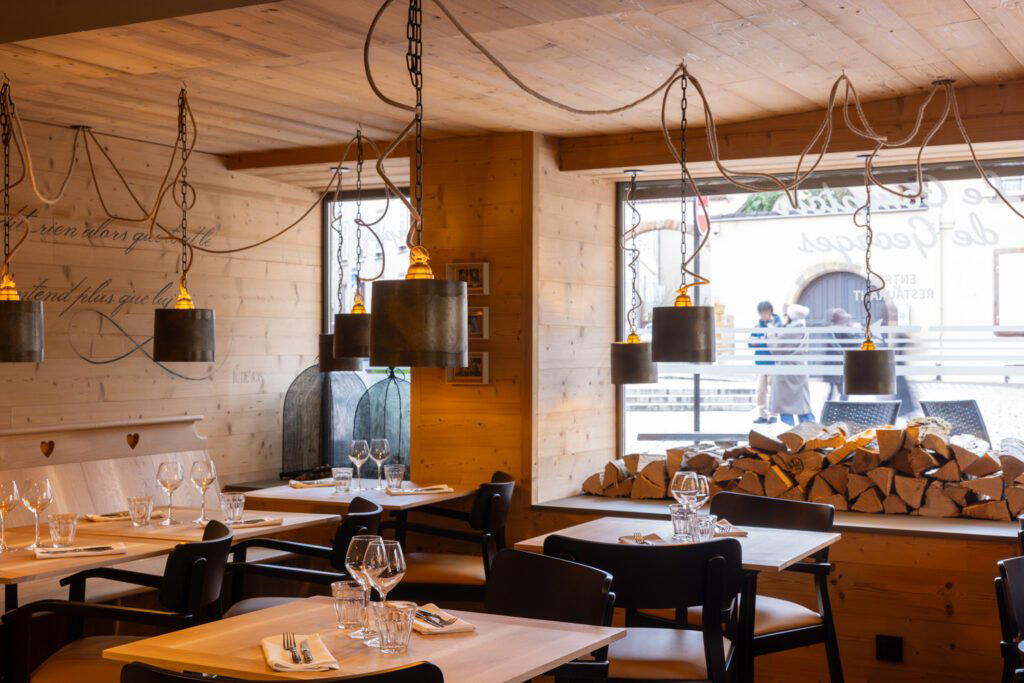
Where Alsace Comes to the Table
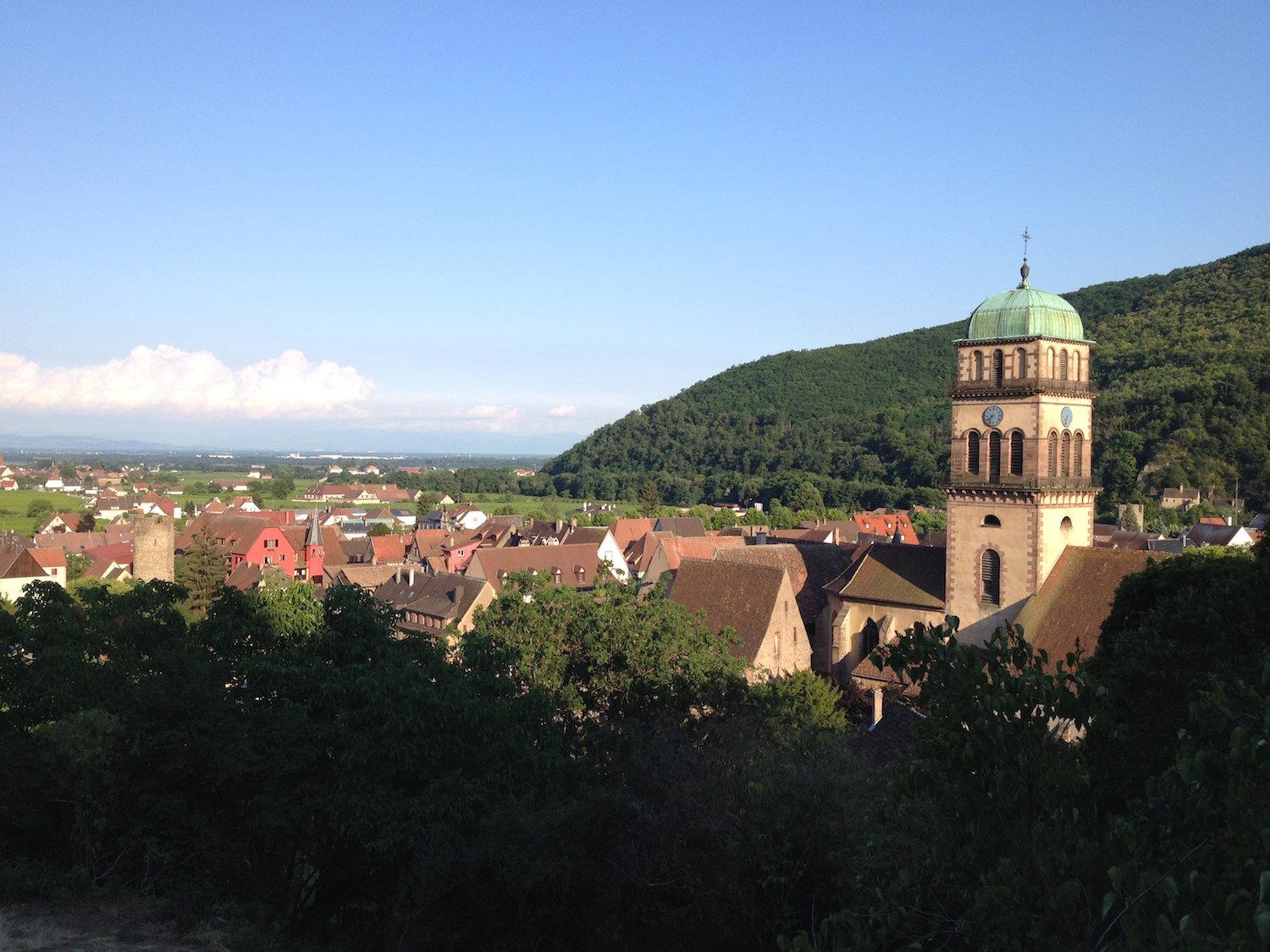
The Little Venice quarter of Colmar is one of those neighbourhoods that earns its reputation through accumulated detail rather than a single landmark. The timber-framed houses along the River Lauch, the weeping willows trailing into the water, the narrow bridges connecting medieval lanes: all of it builds a setting that makes the choice of where to eat feel like an extension of where you already are. Le Comptoir de Georges occupies a former butcher's shop at 1 place des Six-Montagnes-Noires, its terrace opening directly onto the riverbank. On sunny afternoons, that terrace fills quickly, and diners who know to arrive early claim seats with an uninterrupted view of the Lauch. The building's past is written into the menu in a way that feels considered rather than gimmicky: selected cuts of meat sit alongside the broader Alsace specialities, a quiet acknowledgement of what the space once was.
The Winstub Tradition and Where Le Comptoir Sits Within It
Understanding Le Comptoir de Georges requires a brief account of the winstub, the Alsatian institution that has shaped how the region eats for centuries. The winstub, literally a wine room, evolved as a place for local vintners to sell wine by the glass alongside simple, filling food: choucroute garnie, baeckeoffe, tarte flambée, spätzle. The format was never designed for ceremony. Long shared tables, earthenware serving dishes, and a wine list anchored to the Alsace appellations defined the genre. Over time, the winstub became the social infrastructure of Alsatian towns, the place where market traders, tradespeople, and tourists found themselves at the same tables.
What has changed in recent years is the emergence of what might be called the modern winstub: a format that retains the conviviality and the regional menu anchors but introduces a more considered approach to sourcing and preparation. Le Comptoir de Georges sits in this bracket. It presents as a brasserie with the feel and warmth of a traditional winstub, but the preparation of its Alsace specialities reflects a kitchen taking care with the material rather than simply processing volume. That distinction matters in a city with strong competition across price points, from the traditional French provincial approach of La Maison des Têtes to the modern cuisine brackets occupied by Bord'eau and L'Atelier du Peintre. At the higher end of the Colmar scene, JY'S and Restaurant Girardin operate in the creative fine dining tier. Le Comptoir occupies the space where good regional cooking meets genuine atmosphere, without the formality or the price of those upper-tier addresses.
The Menu: Alsace Specialities and the Butcher's Legacy
Alsatian cuisine is the product of a border region that spent centuries alternating between French and German administrations. The food absorbed influences from both sides: the charcuterie traditions, the preference for pork and game, the love of fermented and pickled accompaniments, the wine-led sauces. The result is a regional cuisine that is substantive and specific in ways that French cooking in other regions sometimes is not. There is less room for abstraction on an Alsatian menu; the dishes have names that most locals would recognise immediately, and the quality of any given kitchen is legible in how faithfully and carefully those dishes are executed.
At Le Comptoir de Georges, the menu honours that specificity. The Alsace specialities at the core reflect the region's charcuterie heritage and its seasonal produce, while the inclusion of choice cuts of meat maintains the connection to the building's history as a butcher's shop. That dual register, regional cuisine plus quality meat cookery, gives the kitchen more flexibility than a strictly traditional winstub format would allow. For visitors who have spent the day at the experiences Colmar offers or exploring the wine routes through the surrounding villages, this is the kind of menu that rewards rather than challenges.
The Atmosphere Question
Atmosphere in a restaurant is harder to engineer than it looks. A terrace on a river in a medieval Alsatian town is a notable starting condition, but the interior register matters too. Le Comptoir reads as lively rather than loud, a space where the energy of a well-attended dining room contributes to rather than detracts from the meal. The brasserie format allows for a range of visit types: a full lunch with wine, a shorter evening sitting, a terrace stop on a warm day. That flexibility is not universal across Colmar's dining options, where some of the more formal addresses require advance commitment to a longer format.
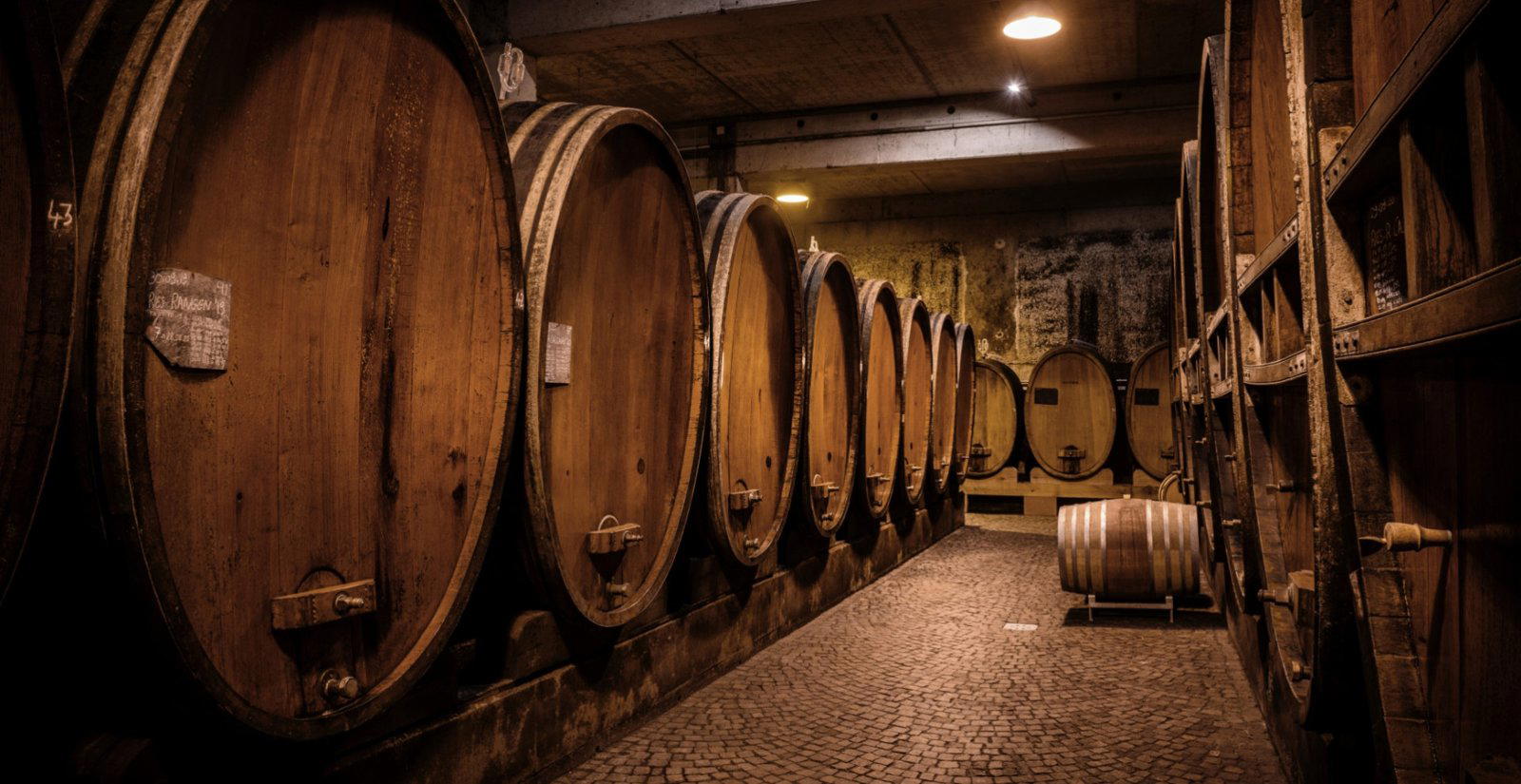
Alsace as a wine region reinforces this kind of dining well. The dry Rieslings, Gewurztraminers, and Pinot Gris produced along the route des vins pair directly with the food traditions of the region, and any serious Alsatian restaurant will carry a list that reflects this. For those who want to explore the wine geography in more depth, Colmar's wineries provide the broader context. The restaurants and wine culture here are intertwined in a way that is less common in French regions where the appellation is geographically distant from the dining centre.
Planning Your Visit
Colmar attracts significant visitor numbers, particularly from spring through the Christmas market season in late November and December. The Christmas market period in particular places considerable pressure on the better-regarded restaurants in the city, and Le Comptoir's terrace position in the Little Venice neighbourhood makes it a natural target for visitors following the waterside walking routes. Booking ahead is advisable for any visit during peak season, and essential for terrace seats. Outside high season, the city is quieter and the pace of a meal in any of its dining rooms reflects that. For broader planning, our full Colmar restaurants guide, hotels guide, and bars guide cover the full range of the city's offer. The Alsace region also sits within a wider context of serious French regional dining: Auberge de l'Ill in Illhaeusern, roughly twenty kilometres north, has held three Michelin stars for decades and remains the regional benchmark for formal dining.
The restaurant is at 1 place des Six-Montagnes-Noires in the Little Venice neighbourhood. Terrace seats face the River Lauch and are the reason to time your visit around suitable weather. The combination of location, accessible price point relative to the more formal tiers above it, and a menu genuinely grounded in Alsatian tradition makes it a practical first choice for visitors who want to read the region through its food rather than through a tasting menu. For further context on what French regional cooking can reach at its most ambitious, the reference points span from Troisgros in Ouches and Bras in Laguiole to Mirazur in Menton, Flocons de Sel in Megève, and Alléno Paris au Pavillon Ledoyen. Outside France entirely, the conversation about what serious regional cooking means continues at addresses like Le Bernardin in New York City and Emeril's in New Orleans. Le Comptoir operates at a different register than any of those, but the underlying principle, that a place and its cuisine should be legible in each other, is the same.
Price Lens
Comparable venues nearby, for context on price, style, and recognition.
| Venue | Cuisine | Price | Awards | Notes |
|---|---|---|---|---|
| Le Comptoir de GeorgesThis venue — the venue you are viewing | Not listed | $$$ | Michelin Plate | Not listed |
| Wistub Brenner | Petite Venise, Traditional Alsatian | $$ | Michelin Plate | Not listed |
| Bord'eau | Not listed | $$$ | Michelin Plate | La Petite Venise, Modern French Bistronomic |
| À l'Échevin | Not listed | $$$$ | Michelin Plate | Petite Venise, Modern French Alsatian Fine Dining |
| La Soï | Not listed | $$ | Not listed | centre-ville, Traditional Alsatian Tarte Flambée |
| La Cocotte de Grand-Mère | Place de l'École, Homemade French Bistro | $$ | Not listed | Not listed |
Recognition history
Dated appearances from independent guides and award organizations, with the underlying list record or original source where available.
Michelin Plate
Michelin
Continue exploring
More in Colmar
Restaurants in Colmar
Browse all →
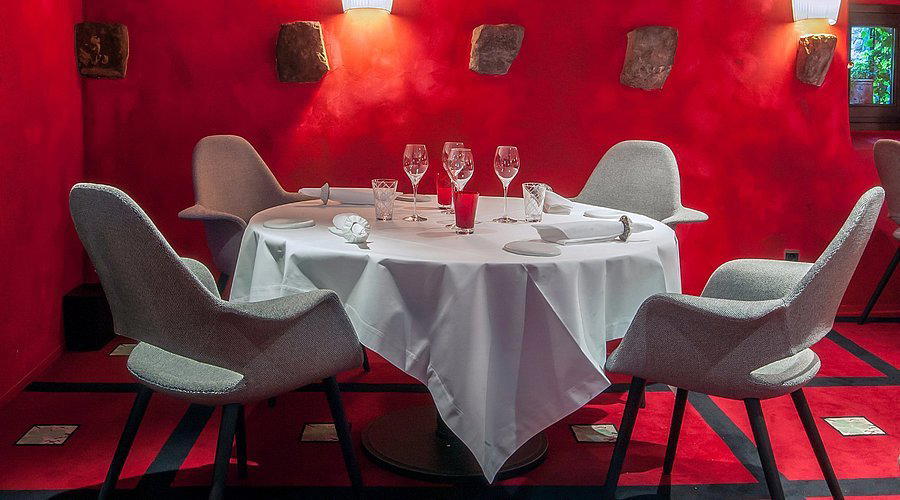
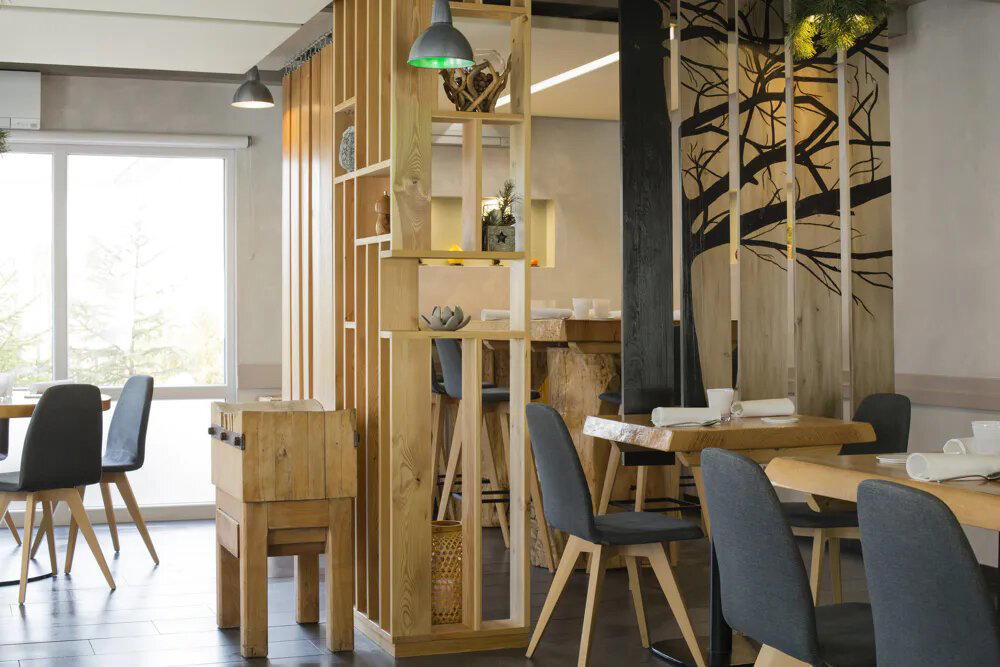
Bars in Colmar
Browse all →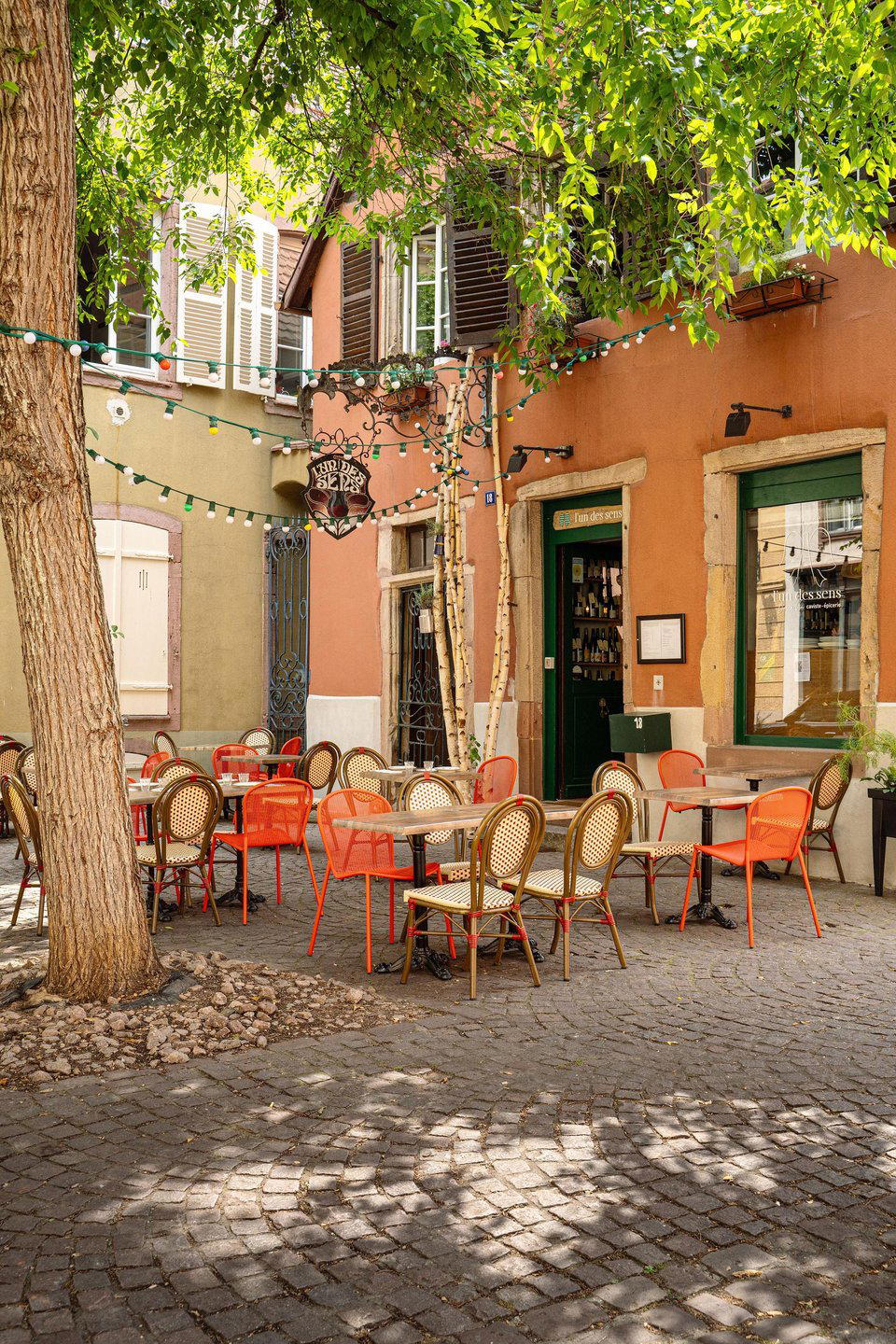
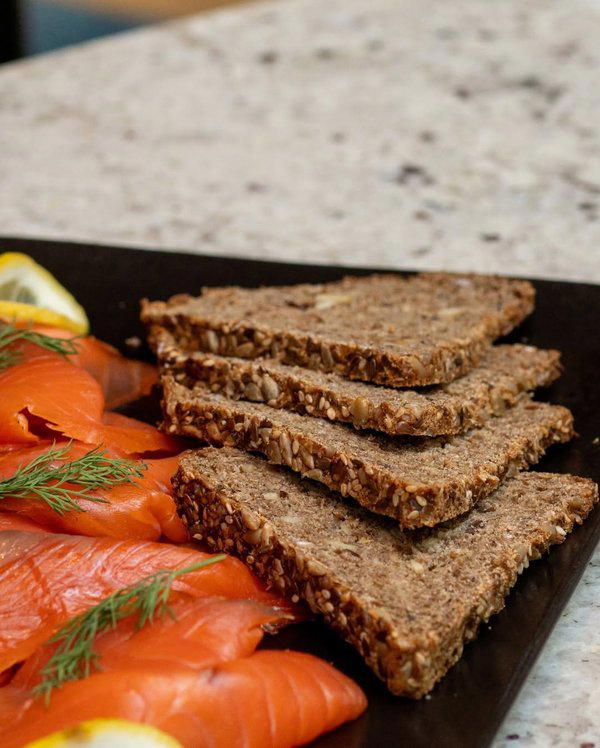
Hotels in Colmar
Browse all →
At a Glance
- Cozy
- Classic
- Scenic
- Elegant
- Family
- Group Dining
- Casual Hangout
- Terrace
- Waterfront
- Historic Building
- Extensive Wine List
- Local Sourcing
- Waterfront
- Street Scene
Current opening hours
- Monday
- 12–4 PM, 7–10 PM
- Tuesday
- 12–4 PM, 7–10 PM
- Wednesday
- 12–4 PM, 7–10 PM
- Thursday
- 12–4 PM, 7–10 PM
- Friday
- 12–4 PM, 7–10 PM
- Saturday
- 12–4 PM, 7–10 PM
- Sunday
- 12–4 PM, 7–10 PM
Hours can change for holidays and private events. Last verified .
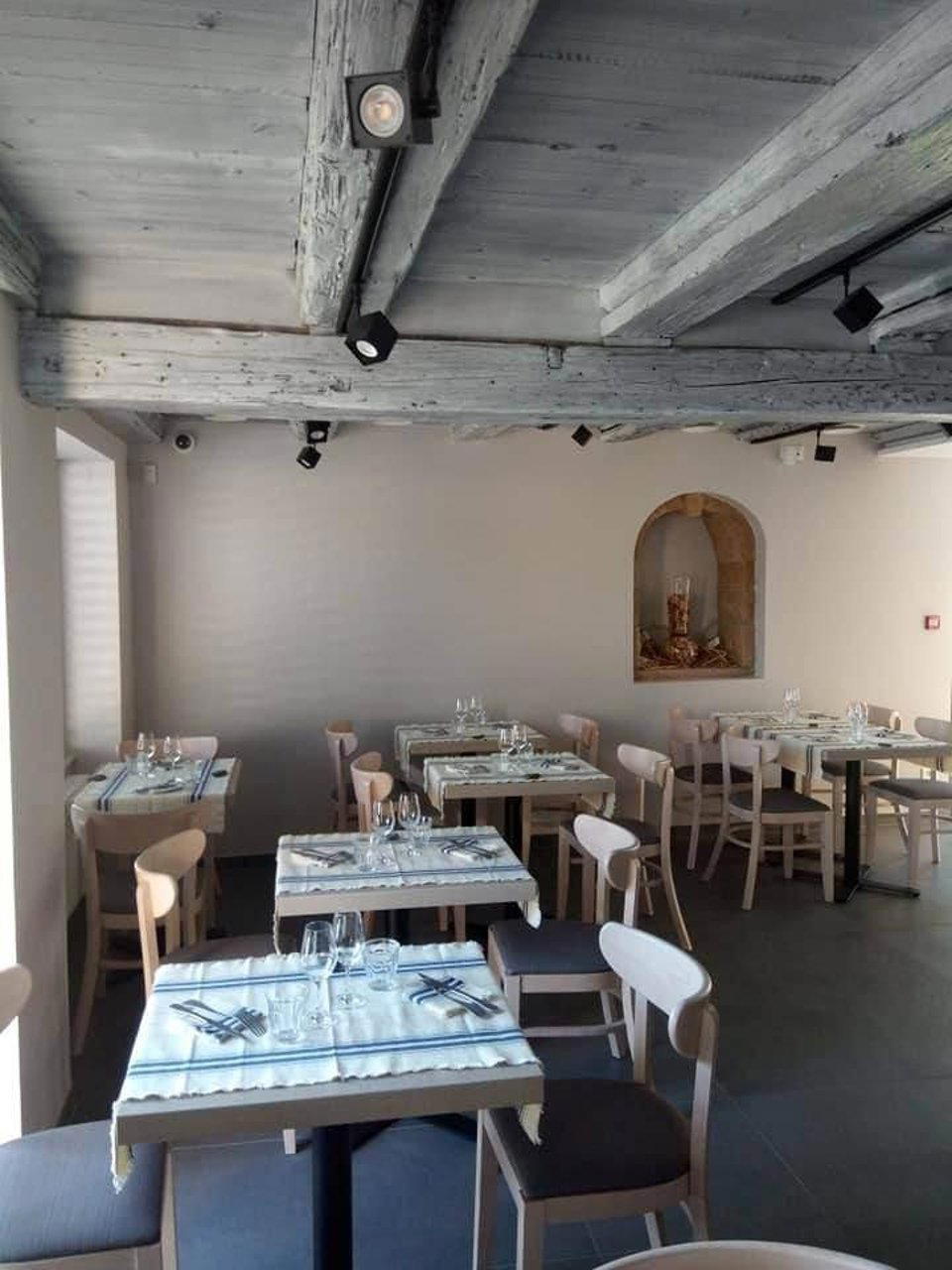
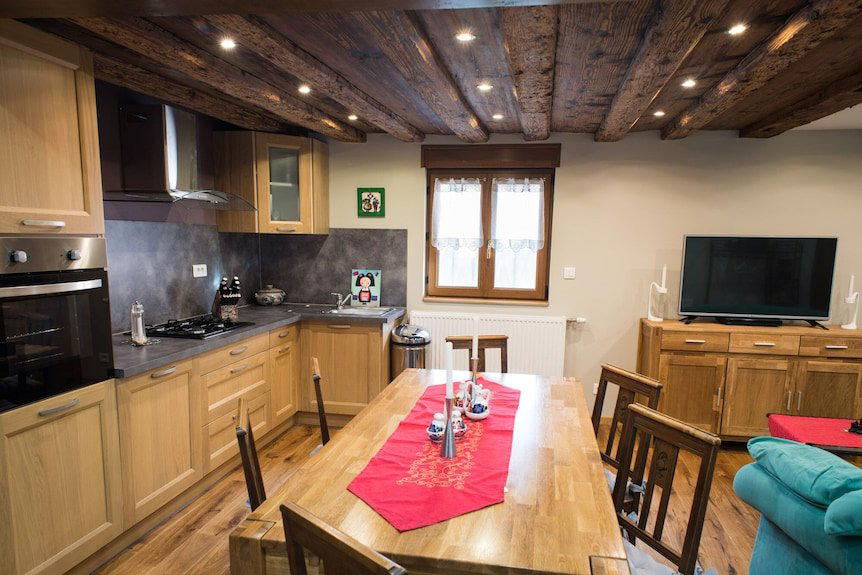
Cozy wooden interiors with light wood walls and floors, busy atmosphere, and charming riverside terrace.