On the Morbihan coast, Le Bistrot de la Mer occupies a direct address at 17 Rue du Port in the small fishing village of Damgan, the kind of place where the sourcing argument writes itself. This is bistrot dining anchored to the Atlantic catch landed nearby, positioned in a coastal register that prioritises provenance over ceremony. It belongs to a seafood-forward tradition that defines this stretch of southern Brittany.
Pearl is the En Primeur Club membership app — saves, bookings, and concierge access live there. Same editors, same standards.
- Address
- 17 Rue du Port, 56750 Damgan, France
- Phone
- +33297410097
- Website
- lebistrotdelamer.com
- Directions
- Get directions
 Saves & bookings on Pearl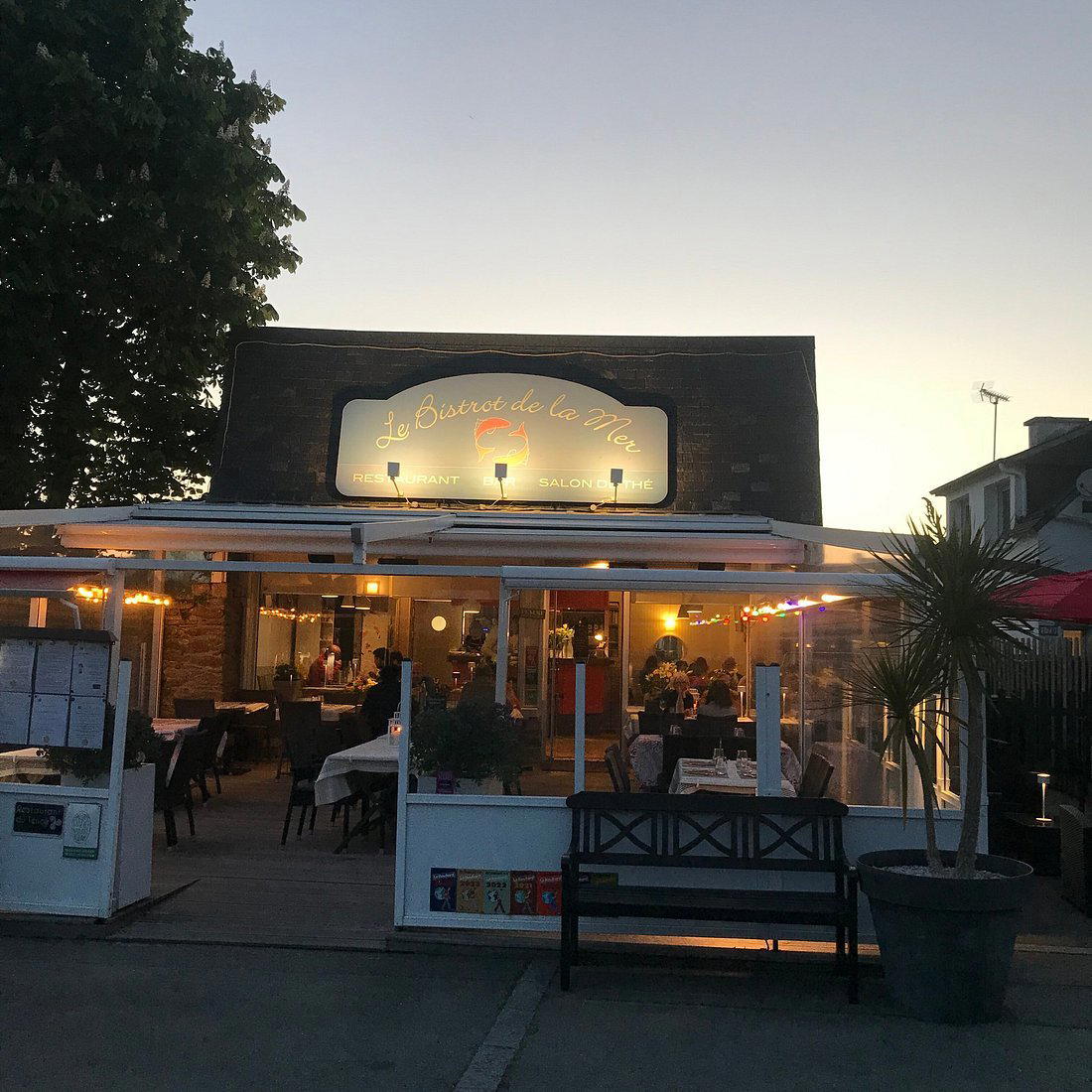
Where the Morbihan Coast Sets the Menu
Damgan is not a dining destination in the way that coastal towns with festival calendars and Michelin maps tend to be. It is a small, quiet village on the southern Brittany shoreline, where the rhythm of the tide governs daily life more reliably than any restaurant week. Along this stretch of the Morbihan coast, the logic of seafood cooking is geographic before it is culinary: what arrives at the port shapes what appears on the plate, and the distance between the two is rarely more than a few hundred metres. Le Bistrot de la Mer, addressed at 17 Rue du Port, sits inside that logic directly.
The bistrot format, as it operates along the Atlantic coast of France, is a distinct register from the white-tablecloth seafood institutions you find further inland or in major cities. It trades ceremony for directness. The sourcing argument is made by proximity rather than by provenance statements on the menu. Diners arriving via the port road in Damgan are already inside the supply chain before they sit down. That geographical compression, between ocean, landing, and table, is what the bistrot coastal tradition does well when it is working honestly.
The Sourcing Logic of Southern Brittany
Southern Brittany produces particularly sought-after shellfish in France. The Morbihan Gulf, enclosed and tidal, is a nursery environment for oysters, clams, and mussels; the open Atlantic waters beyond Damgan bring in line-caught fish and crustaceans that supply restaurants from Nantes to Paris. At this level of the market, informal, port-adjacent, operating in a village of modest scale, the supply chain is typically short and seasonal. A bistrot like Le Bistrot de la Mer draws from the same regional ecosystem that feeds Christopher Coutanceau in La Rochelle, though at a different register of ambition, price, and format.
The contrast is instructive. Coutanceau operates at the formal end of Atlantic seafood cooking, with the accolades and tasting-menu architecture to match. Bistrot cooking along the Breton coast makes a different argument: that the same ingredients, handled with less intervention, can carry equal conviction. That argument is most persuasive when the sourcing is genuinely local and the season is respected. In a village like Damgan, the conditions for it are present. Whether any individual establishment fulfils the argument is a matter of execution, not geography.
France's most-discussed seafood tables tend to cluster in better-connected coastal cities or in the formal dining tier. La Marine in Noirmoutier-en-l'île represents one trajectory for coastal ingredient-led cooking in the west of France: serious, celebrated, demanding forward planning. The bistrot tier in Damgan addresses a different reader, one who wants proximity to the source without the reservation lead times or price points that accompany destination-level kitchens. That reader is not making a compromise; they are choosing a different relationship with the same raw material.
The Atlantic Bistrot in Context
France's coastal bistrot tradition does not have the critical infrastructure that surrounds the country's formal dining tier. There are no Michelin stars here, no 50 Best placements, and no chef-profile journalism from publications with Paris correspondents. What defines the category is functional: a short menu, a dependence on daily supply, and a room that reflects the working character of the port town it serves. That absence of critical apparatus is not a deficit, it is a category definition. The bistrot in a fishing village is not a lesser version of a formal seafood restaurant; it is a different institution with different obligations.
The broader French dining conversation is dominated by houses with significant critical histories: Mirazur in Menton, Alléno Paris au Pavillon Ledoyen, Bras in Laguiole, Auberge de l'Ill in Illhaeusern, Paul Bocuse in Collonges-au-Mont-d'Or. These institutions operate at the apex of a system that also includes thousands of smaller, quieter rooms where French cooking is practised without ceremony or recognition. Le Bistrot de la Mer belongs to that broader, less-photographed tier, one that accounts for most of the daily eating that actually happens in France.
For travellers who have also spent time at Flocons de Sel in Megève, Assiette Champenoise in Reims, or Auberge du Vieux Puits in Fontjoncouse, a village bistrot in Damgan represents a deliberate gear change, a recalibration toward the informal and the locally anchored. That shift has its own pleasures, particularly when the sourcing is honest and the season is right.
Planning a Visit to Damgan
Damgan sits on the southern coast of the Morbihan department, accessible by road from Vannes, roughly 30 kilometres to the north, and within reasonable driving distance of the Nantes Atlantique airport for travellers arriving by air. The village draws visitors during the summer months, when the coastal population increases significantly and demand for tables at local restaurants tends to rise accordingly. Arriving outside peak season, late spring or early autumn, typically means easier access and a more local character to the room. The restaurant is addressed at 17 Rue du Port.
Travellers combining Damgan with a longer itinerary through western France will find natural pairings along the Loire-Atlantique and Vendée coasts. Those with an interest in how Atlantic seafood cooking scales from the informal to the formally ambitious might also consider time at Le Bernardin in New York City, which treats the same raw category of ingredient, ocean fish, crustaceans, coastal shellfish, with a precision and institutional weight that offers a useful counterpoint to the bistrot register. The ingredient logic is related; the surrounding architecture is not.
How It Stacks Up
Comparable venues nearby, for context on price, style, and recognition.
| Venue | Cuisine | Price | Notes |
|---|---|---|---|
| Le Bistrot de la MerThis venue — the venue you are viewing | French Seafood Bistro | $$$ | Not listed |
| Atypique | French Seafood with Global Twists | $$$ | La Turballe |
| Au Fil des Saisons | Seasonal French Bistro | $$$ | Saint-Nicolas-des-Eaux |
| Le Grand Four | French Gastronomic Seafood | $$$ | Noirmoutier-en-l'Île |
| Le Petit Canard | Traditional French Duck Bistro | $$$ | 9th arrondissement |
| Restaurant Nao | Inventive French Fusion with Breton Terroir | $$$ | historic heart |

At a Glance
- Cozy
- Rustic
- Intimate
- Classic
- Family
- Date Night
- Casual Hangout
- Terrace
- Waterfront
- Extensive Wine List
- Local Sourcing
- Waterfront
- Street Scene
Current opening hours
- Monday
- Closed
- Tuesday
- Closed
- Wednesday
- 12–2 PM, 7–8:30 PM
- Thursday
- 12–2 PM, 7–8:30 PM
- Friday
- 12–2 PM, 7–9 PM
- Saturday
- 12–2:30 PM, 7–9 PM
- Sunday
- 12–2:30 PM, 7–9 PM
Hours can change for holidays and private events. Last verified .
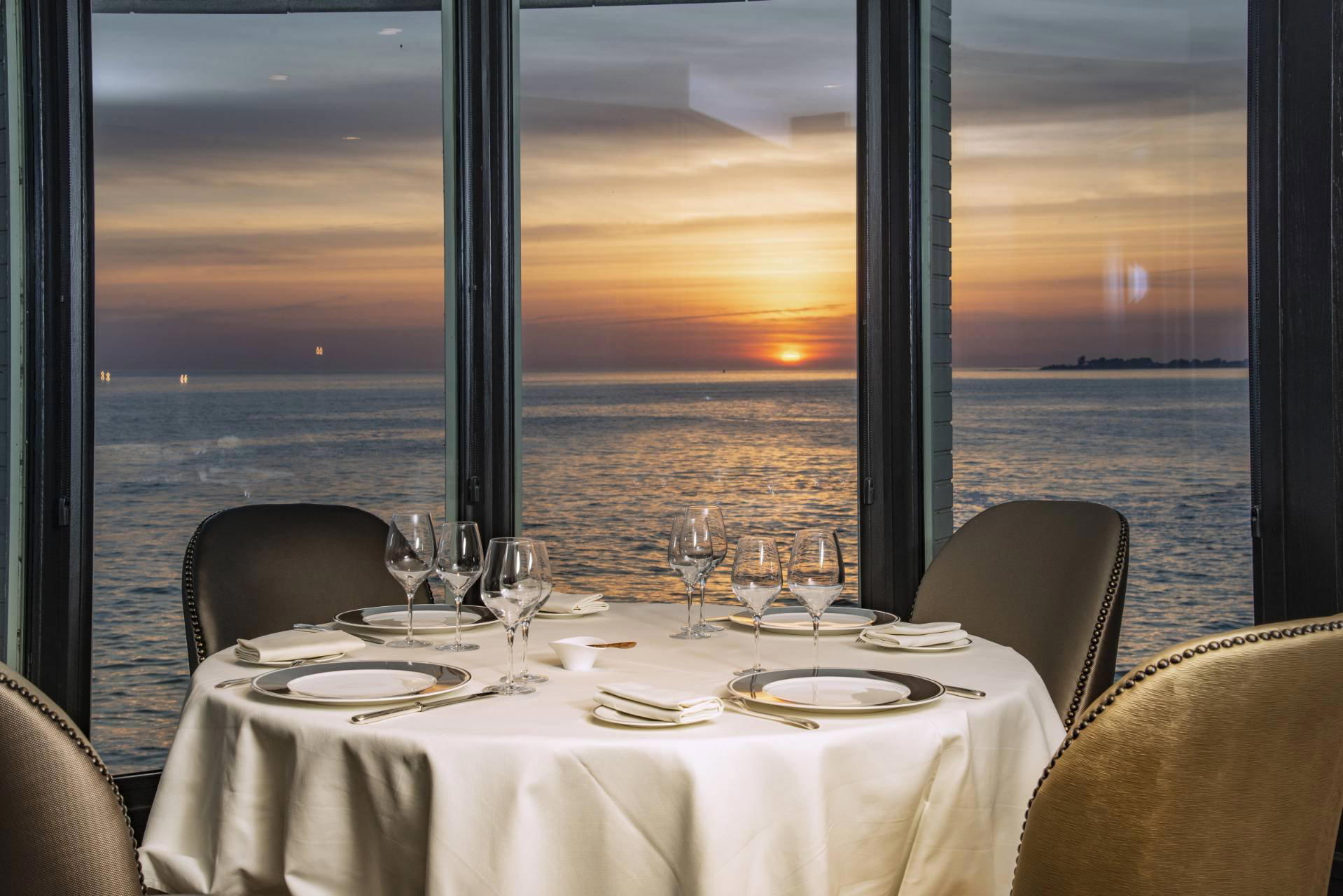
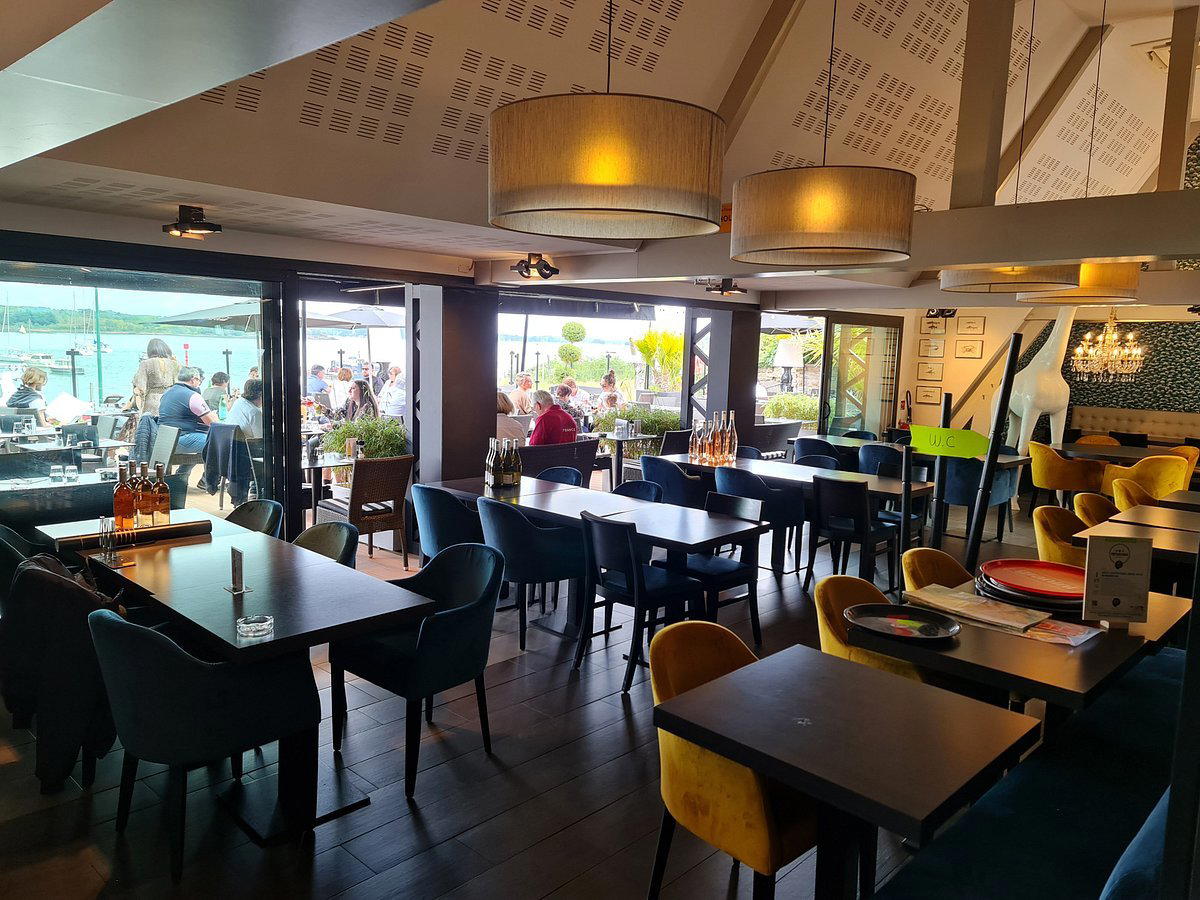
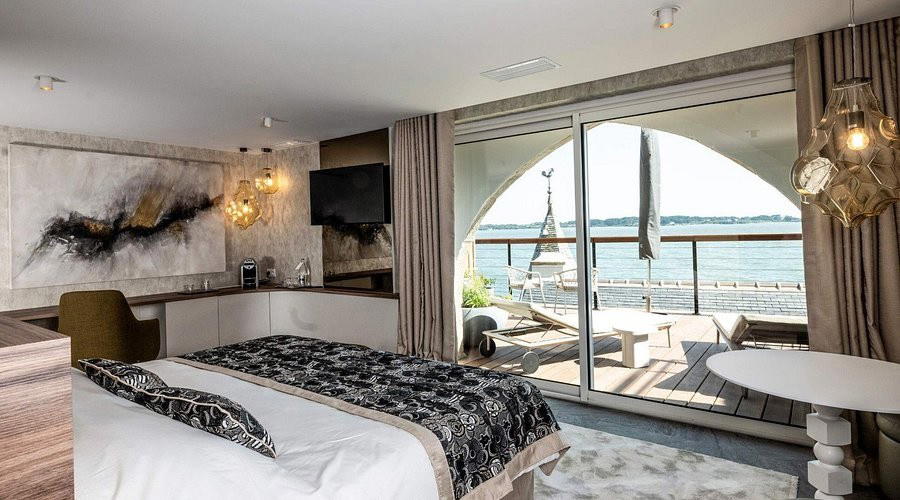
Ambiance familiale et décontractée avec terrasse ombragée protégée des vents, tables espacées pour intimité, éclairage chaleureux et décor fleuri.