Le Beau Site sits on Avenue du Maréchal Foch in Cabourg, the Normandy resort town whose Belle Époque seafront has drawn Parisian visitors for over a century. The address places it within easy reach of the coast's fishing supply chains and the region's dairy-rich interior, both of which define what serious Norman cooking looks like at the table. For visitors building a Cabourg dining itinerary, it belongs on the shortlist alongside the town's other distinct formats.
Pearl is the En Primeur Club membership app — saves, bookings, and concierge access live there. Same editors, same standards.
- Address
- 30 Av. du Maréchal Foch, 14390 Cabourg, France
- Phone
- +33231244288
- Website
- lebeausite.fr
- Directions
- Get directions
 Saves & bookings on Pearl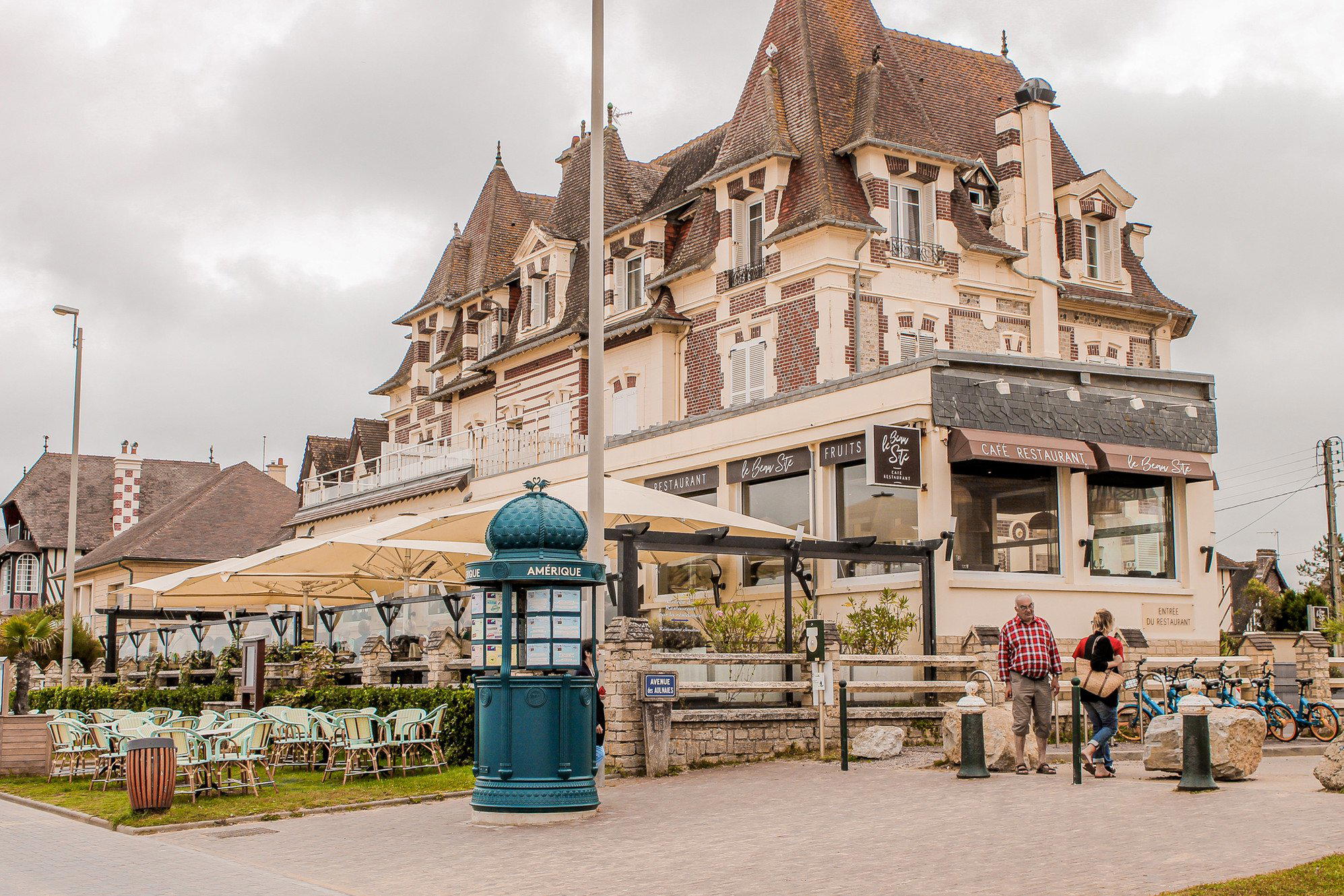
Cabourg and the Ingredient Logic of the Normandy Coast
The Normandy coast operates on a short, direct supply chain that most French resort towns can only approximate. Fishing boats work out of Courseulles-sur-Mer, Port-en-Bessin, and the smaller landing points along the Côte de Nacre, delivering scallops, sole, turbot, and oysters within hours of catch. Inland, the Pays d'Auge produces some of France's most referenced dairy: cream, butter, and Camembert and Livarot that carry protected designation status. This geography, sea to the north, bocage to the south, means that a kitchen in Cabourg with the discipline to source locally is working with a larder that most of France would envy. Le Beau Site is a traditional French seafood restaurant at 30 Avenue du Maréchal Foch, Cabourg, with.
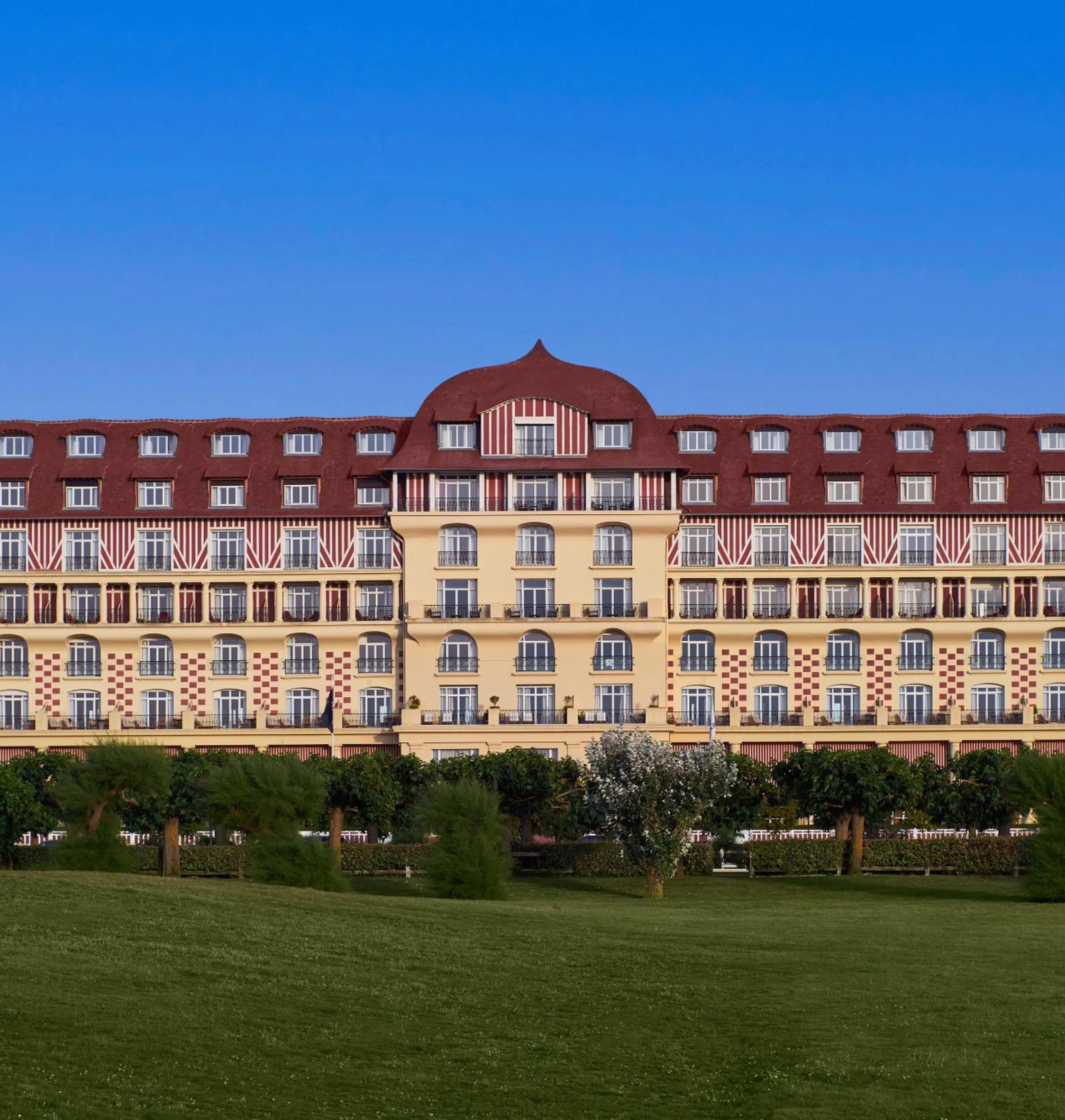
Cabourg itself is a planned Belle Époque resort, its radiating avenues laid out in the 1850s with the Grand Hôtel at the centre of a semicircular grid. The town's identity has always been tied to the Parisian leisure class, and its dining scene reflects that: there is an expectation of quality, but also of a certain relaxed register that separates it from the more formal dining rooms of Paris or Lyon. That context matters when assessing any restaurant here. The question is not whether a kitchen can match a capital-city standard, but whether it is drawing honestly from what the region provides.
Where Le Beau Site Sits in the Cabourg Dining Picture
Cabourg's restaurant options span a clear range of formats and price tiers. At the upper end, Le Balbec at the Grand Hôtel de Cabourg operates at the €€€€ level with modern cuisine inside the town's most architecturally significant dining room. A step down in formality and price, Symbiose works the €€€ bracket with a contemporary approach, while Le Baligan anchors the seafood tier at €€, serving the coast's catch in a more direct format. I Fratelli rounds out the town's options with an Italian offer. Le Beau Site's position within this set is shaped by its address and its proximity to the same regional supply networks that define what the better kitchens here are cooking.
For visitors approaching Cabourg from Paris, the town sits roughly two and a half hours by road via the A13, or reachable by train to Dives-Cabourg, the dining decision often comes down to format: how formal, how seafood-forward, and how deeply the kitchen is engaging with Norman ingredients rather than running a generic brasserie menu. These are the questions worth asking of any table in the region.
The Normandy Ingredient Tradition and What It Demands of a Kitchen
Sourcing seriously in Normandy is not a marketing position, it is a structural commitment that changes what a kitchen can and cannot do. Cream-based sauces are not retro here; they are the logical output of a region where butter fat content runs higher than anywhere else in France and where dairy co-operatives have been operating continuously for generations. Sole à la normande, the canonical preparation of local sole with cream, cider, and shellfish, remains a reference point precisely because it encodes the region's actual produce rather than borrowing from another tradition.
The same applies to the apple-based products, calvados, cidre bouché, pommeau, that function in Norman cooking the way wine does in Burgundy or Bordeaux. A kitchen that uses these ingredients with accuracy is making a different statement than one that deploys them as local colour. French regional restaurants that have sustained serious reputations over time, from Auberge de l'Ill in Illhaeusern to Bras in Laguiole, share a common discipline: the ingredient logic of the surrounding territory shapes the menu, not the reverse. That standard is the relevant benchmark for any serious Norman table.
Further afield, the conversation about ingredient sourcing and regional fidelity runs through some of France's most discussed kitchens. Troisgros in Ouches, Auberge du Vieux Puits in Fontjoncouse, and Flocons de Sel in Megève each demonstrate how deeply a kitchen can go when the surrounding territory provides the editorial logic. Internationally, the same sourcing discipline appears in kitchens as different as Le Bernardin in New York, where the product itself is treated as the argument, and Mirazur in Menton, where garden-to-table sourcing is a structural feature of the tasting format. These comparisons frame what rigorous ingredient sourcing actually looks like at the operational level, and they set a useful reference point for assessing what a Norman coastal kitchen can reasonably achieve.
Planning a Visit
The restaurant is located at 30 Avenue du Maréchal Foch, Cabourg 14390. The address sits within the town's central grid, close to the seafront and accessible on foot from the main hotel district. As with most restaurants in Normandy's resort towns, the busiest periods run from late spring through September, when Parisian visitors arrive in volume and reservations at the better tables move faster. Outside that window, autumn and early spring offer a quieter experience of the town, and the regional produce calendar shifts toward game and root vegetables from the bocage interior.
Fast Comparison
Comparable venues nearby, for context on price, style, and recognition.
| Venue | Cuisine | Price | Awards | Notes |
|---|---|---|---|---|
| Le Beau SiteThis venue — the venue you are viewing | Traditional French Seafood | $$$ | Not listed | Not listed |
| Le Balbec - Grand Hôtel de Cabourg | Modern French Gastronomic | $$$$ | Michelin Plate | Cabourg |
| I Fratelli | Italian Pizzeria | $ | Not listed | Cabourg |
| Le Baligan | French Seafood | $$$ | Michelin Plate | Cabourg |
| Symbiose | Modern French Fine Dining with Norman Influences | $$$$ | Michelin 1 Star | centre-ville |
| Auberge de la Touques | Traditional Norman French Bistro | $$$ | Not listed | Pont-L'Evêque |
Continue exploring
More in Cabourg
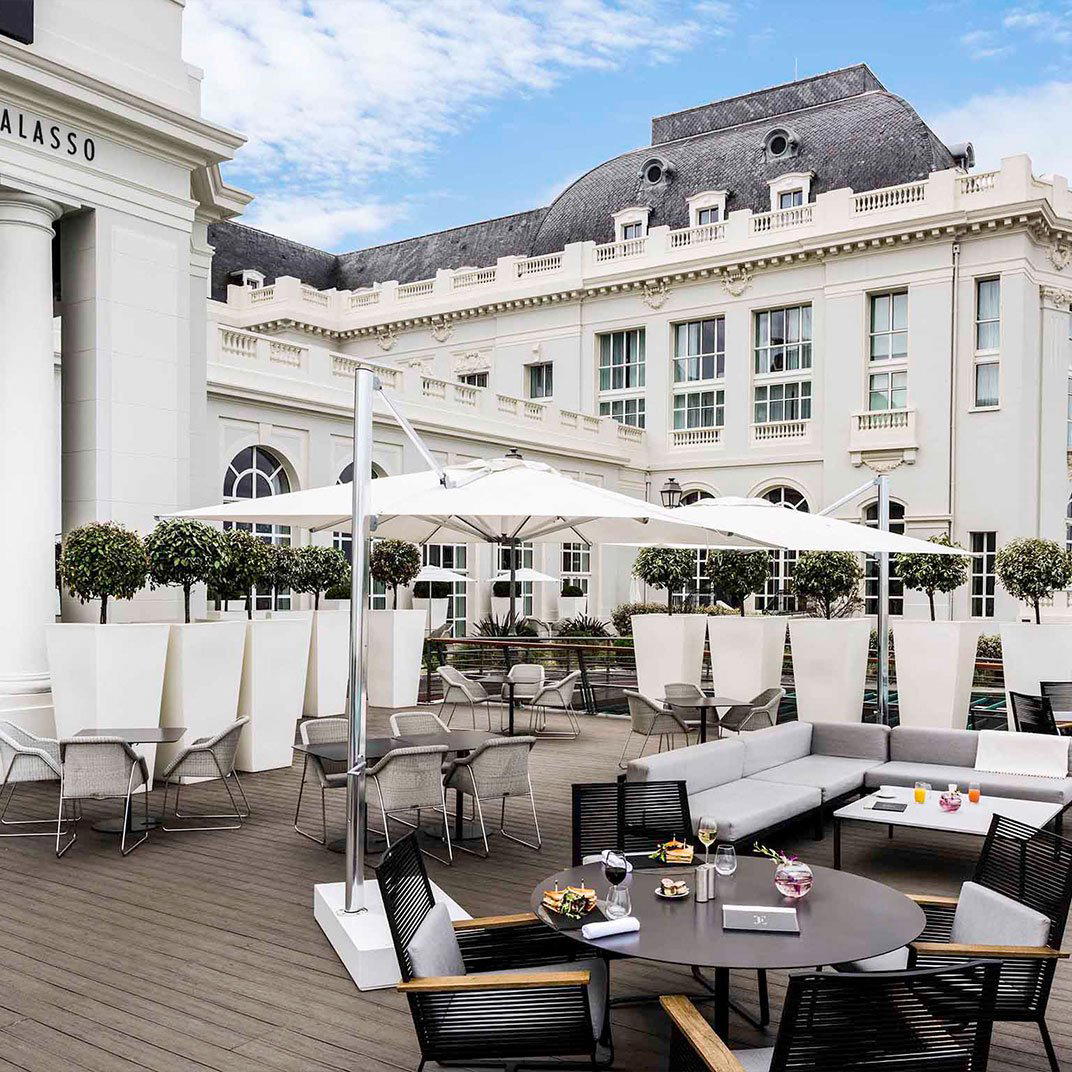
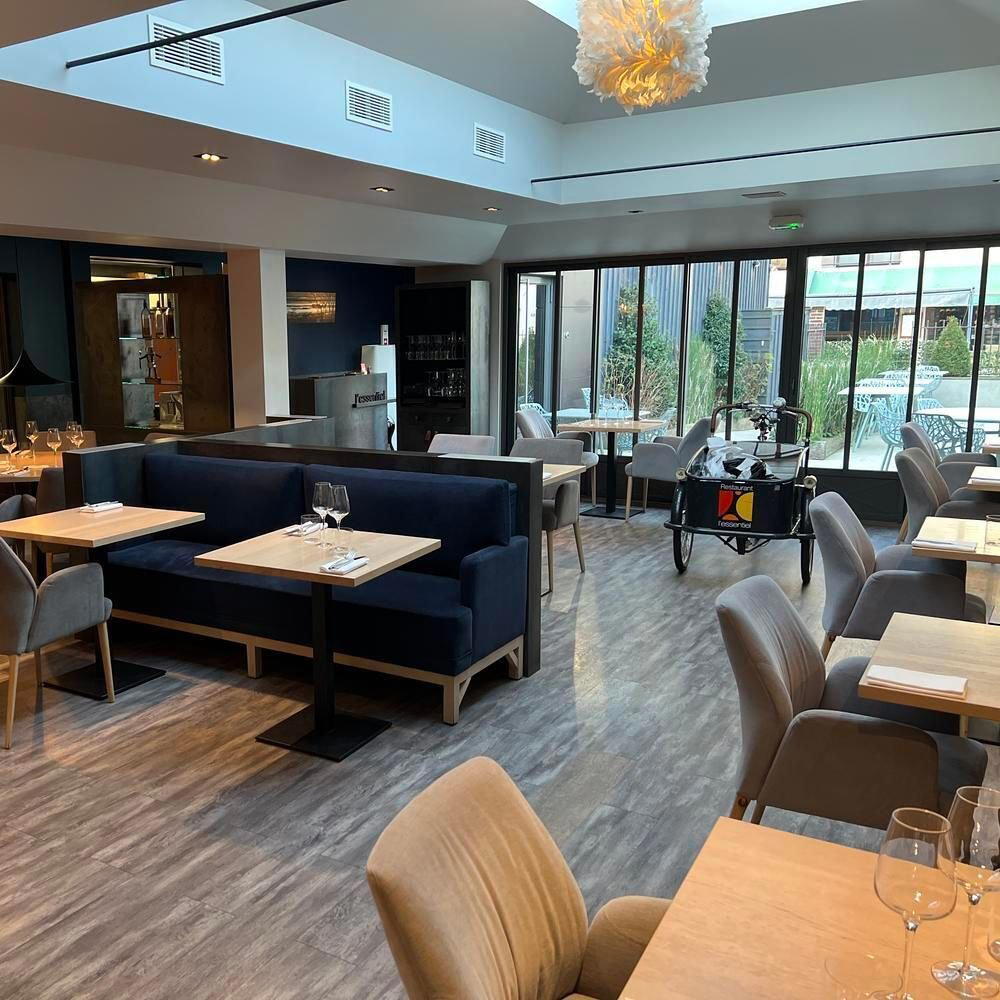
Restaurants in Cabourg
Browse all →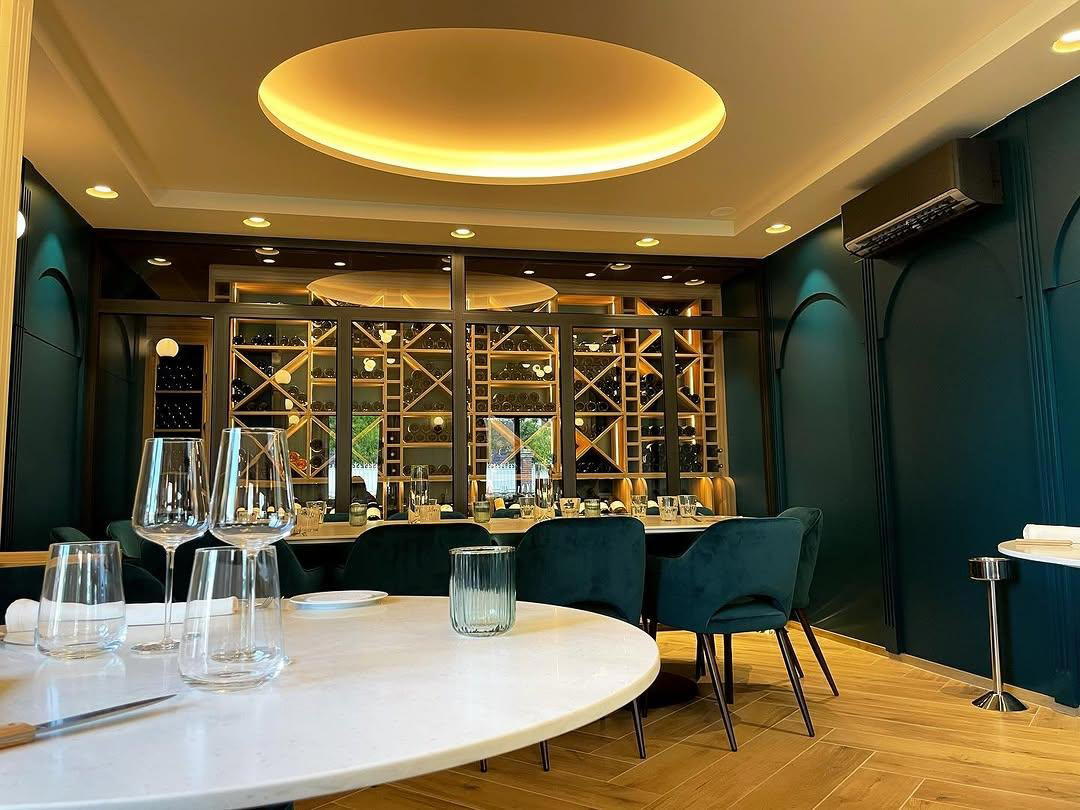
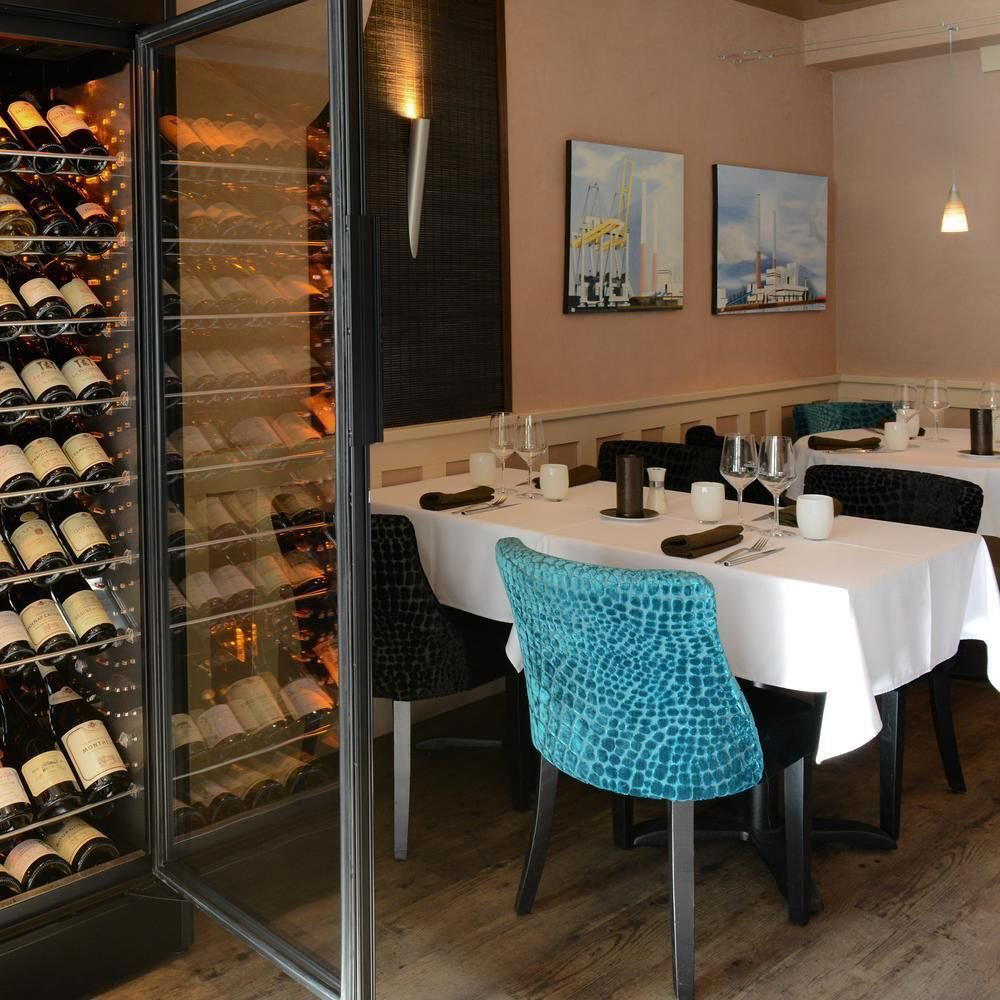
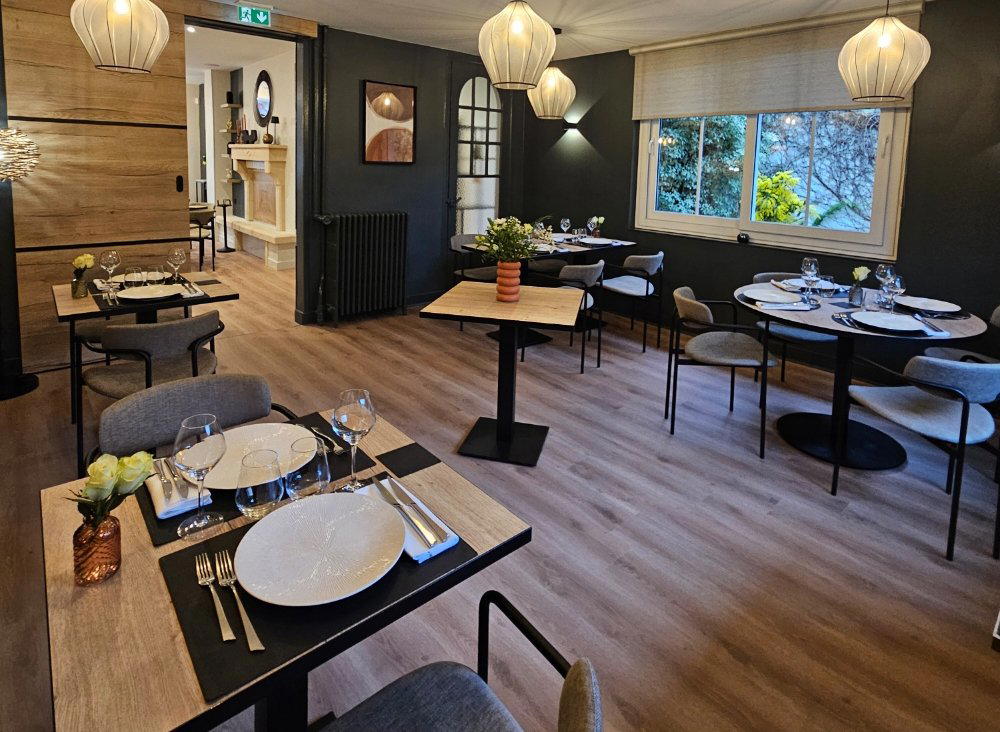
Bars in Cabourg
Browse all →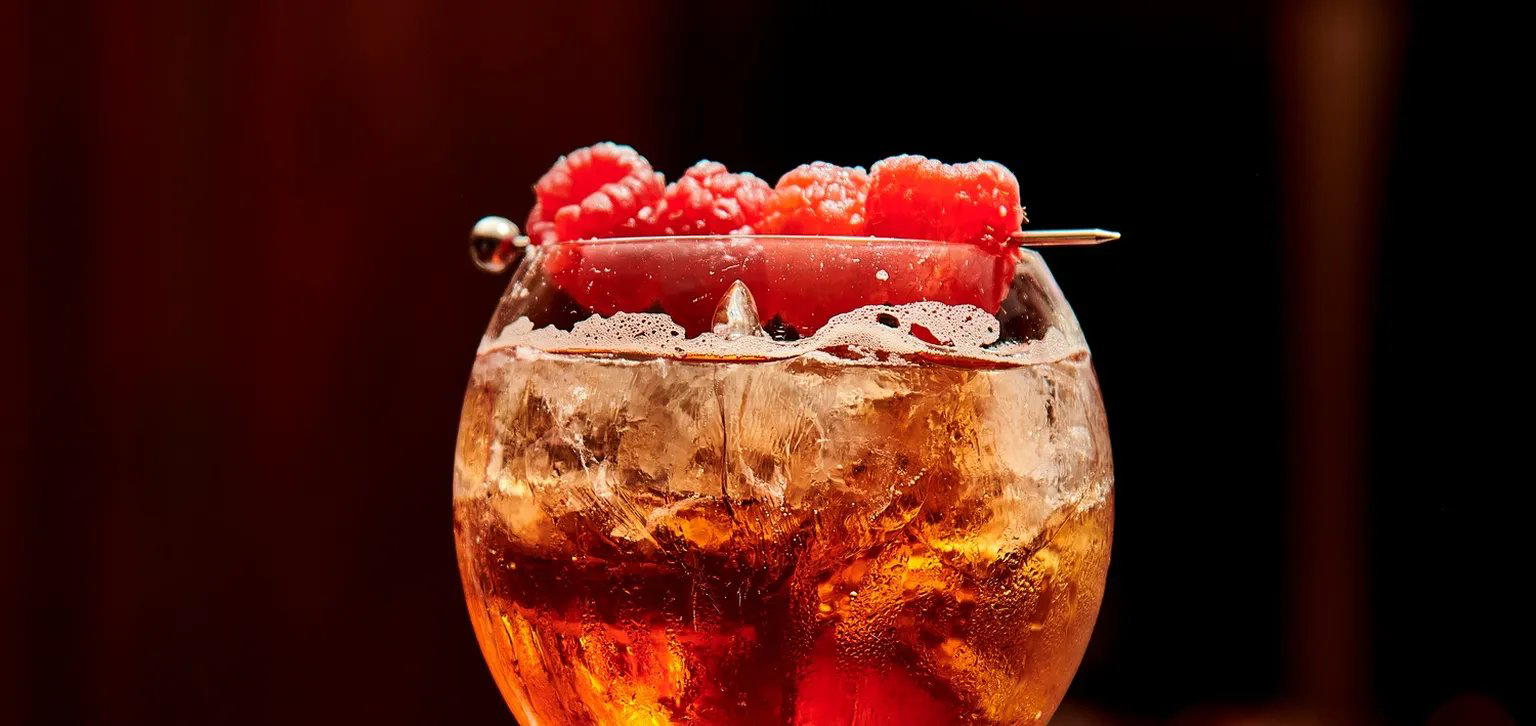
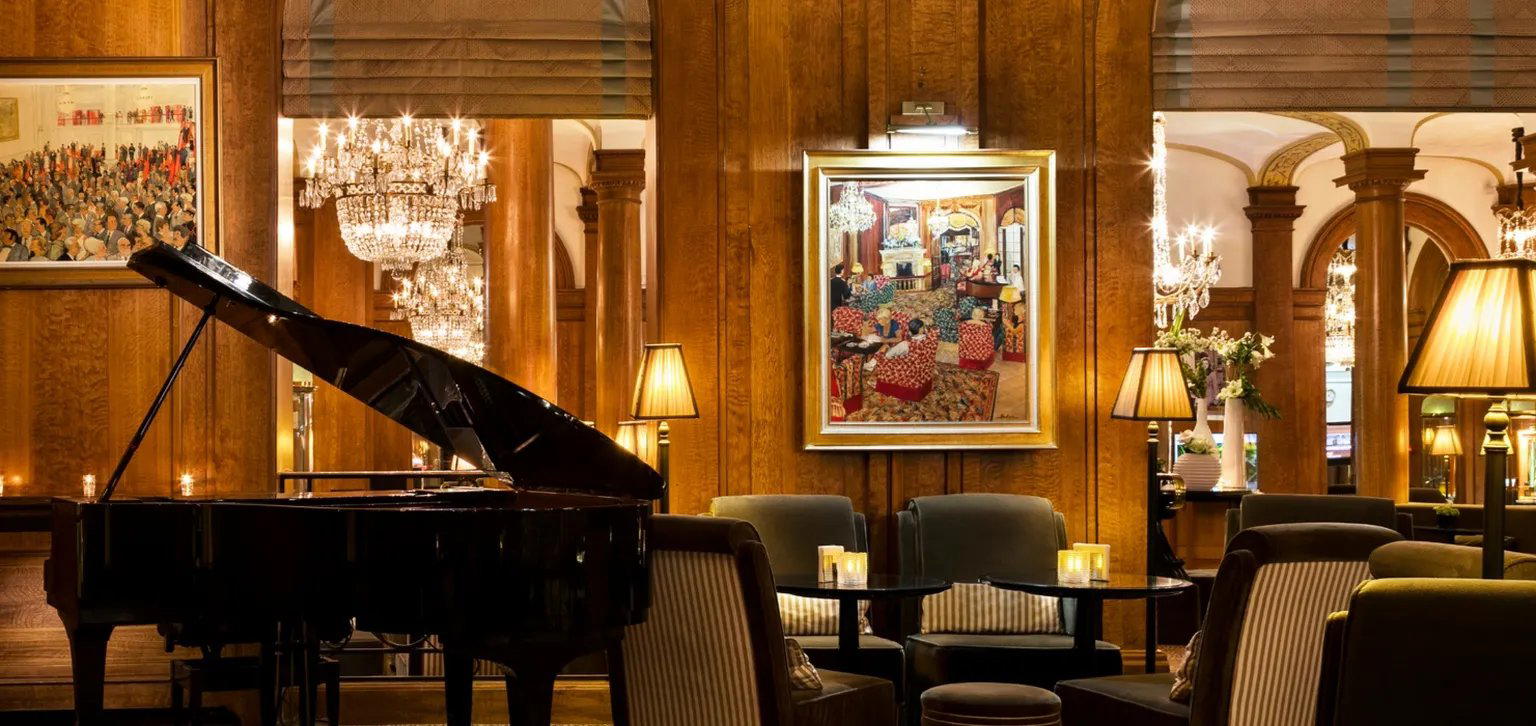
Hotels in Cabourg
Browse all →
At a Glance
- Scenic
- Classic
- Cozy
- Family
- Casual Hangout
- Waterfront
- Terrace
- Local Sourcing
- Waterfront
Current opening hours
- Monday
- 10 AM–10 PM
- Tuesday
- 10 AM–10 PM
- Wednesday
- 10 AM–10 PM
- Thursday
- 10 AM–10 PM
- Friday
- 10 AM–10 PM
- Saturday
- 10 AM–10 PM
- Sunday
- 10 AM–10 PM
Hours can change for holidays and private events. Last verified .
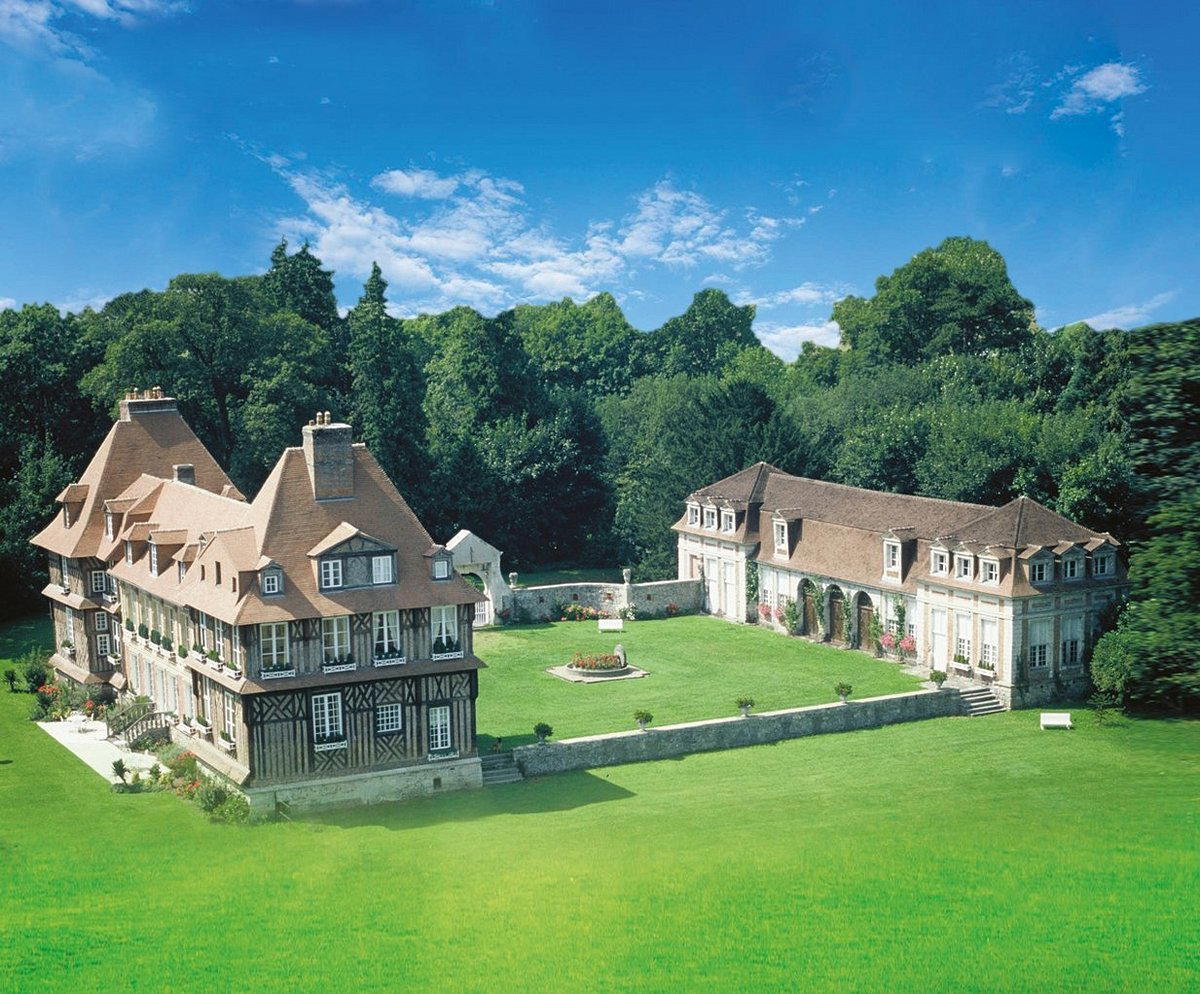
Bright and scenic with panoramic beach and English Channel views, cozy window seating inside, and a sunny terrace.