L'Auberge de St-Remy

In Saint-Rémy-de-Provence, where Provençal produce defines the plate, L'Auberge de St-Remy puts olive trees, fresh herbs, and edible flowers at the centre of its cooking philosophy. Chefs Fanny Rey and Jonathan Wahid bring a well-earned reputation to a town already dense with culinary ambition, and the results justify the detour. Expect inventive finishes: pralines of apple, radish, grapefruit, and dill; a gherkin served like candy.
Pearl is the En Primeur Club membership app — saves, bookings, and concierge access live there. Same editors, same standards.
- Address
- 12 Bd Mirabeau, 13210 Saint-Rémy-de-Provence, France
- Phone
- +33 4 90 92 15 33
- Website
- aubergesaintremy.com
- Directions
- Get directions
 Saves & bookings on Pearl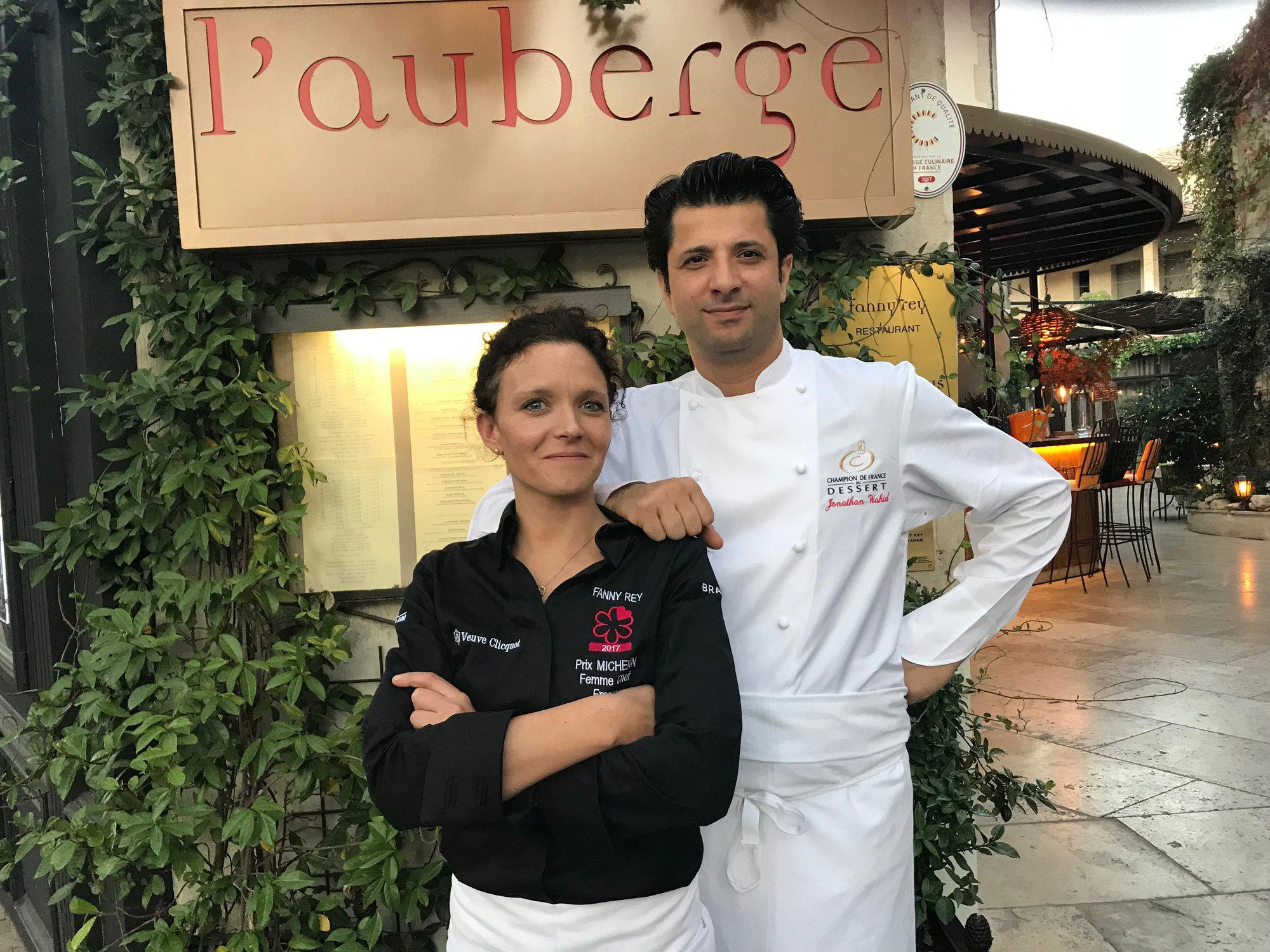
Where Provençal Ingredients Set the Terms
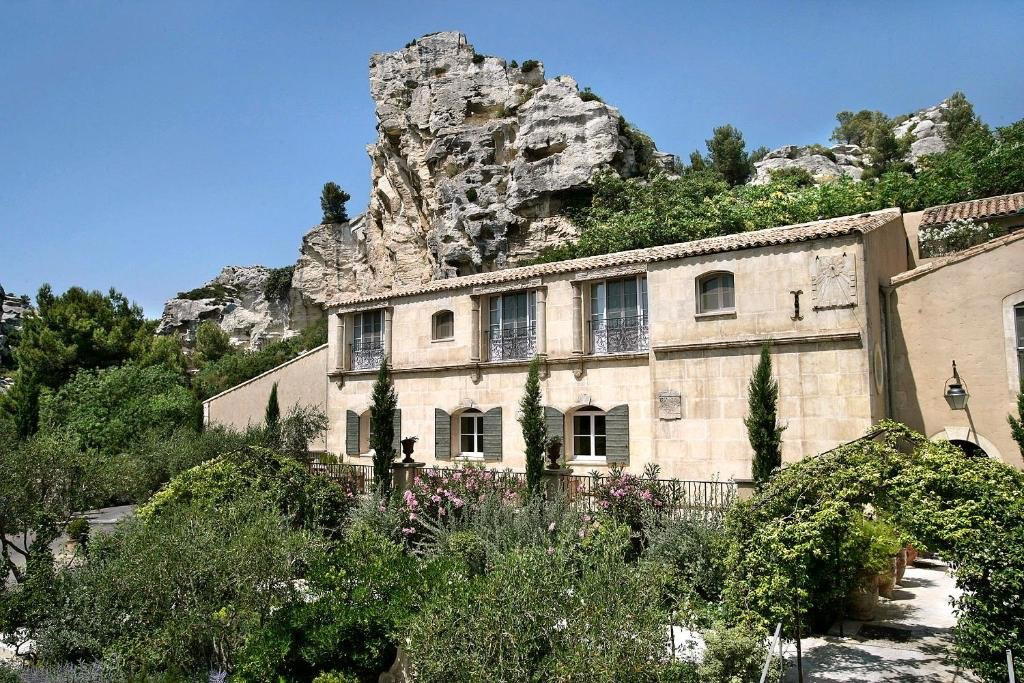
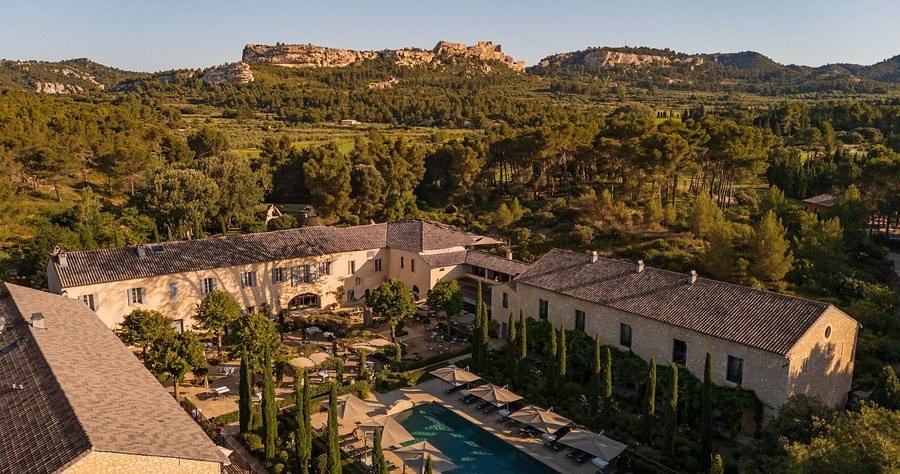
The boulevard Mirabeau in Saint-Rémy-de-Provence is the kind of address that does a lot of the atmospheric work before you even sit down. Plane trees filter afternoon light into something softer, the town's compact historic core pulls foot traffic in one direction, and the air carries the faint resinous edge that characterises the Alpilles in warm months. Saint-Rémy has long occupied a different register from the mass-market Provençal circuit: it is well-visited, yes, but the restaurants here tend to answer to an ingredient-literate crowd rather than to tourist throughput alone. L'Auberge de St-Remy, at 12 Boulevard Mirabeau, sits in that context and works with it rather than against it.
The cooking at L'Auberge is grounded in a specific Provençal grammar: olive trees as a structural symbol, fresh herbs as the primary flavour lever, edible flowers as a finishing register that tilts the plate toward something lighter and more feminine. That approach is not incidental — it reflects a genuine alignment with what grows within reach in the Alpilles and the broader Rhône corridor. In a region where the gap between field and kitchen can be measured in kilometres rather than supply chains, that alignment carries real weight. For a broader look at where Saint-Rémy's restaurant scene sits right now, our full Saint-Rémy-de-Provence restaurants guide maps the territory in detail.
The Sourcing Logic Behind the Plate
Provence's ingredient calendar is among the more legible in France. The Alpilles produce olives, thyme, rosemary, and stone fruits on a cycle that any serious kitchen in the area builds around. What distinguishes L'Auberge's approach is how explicitly the sourcing logic surfaces in the dish — not as a marketing position but as a structural choice that shapes flavour. The olive tree appears as a symbol partly because the olive itself, in its oil, its flesh, and its brine, runs through so much of what the region actually tastes like at source.
Chefs Fanny Rey and Jonathan Wahid arrived at this address carrying a reputation already established elsewhere, which places L'Auberge in an interesting position for the town. Saint-Rémy is not short of capable kitchens, but a team with pre-existing critical standing working from a Provençal ingredient base is a different proposition from a neighbourhood bistro executing the regional canon. The question any serious diner asks is whether the reputation survives the translation to a new room, and the evidence here points toward yes. The energy in the dining room, by most accounts, reads as enthusiasm rather than formality, which suits the ingredient-forward approach: food built on good herbs and good oil rarely benefits from stiff service.
For reference on how France's most decorated kitchens handle the relationship between regional identity and creative ambition, it is worth looking at what Mirazur in Menton does with the Ligurian-Provençal border or how Bras in Laguiole has spent decades articulating what an Aubrac meadow actually tastes like. L'Auberge operates at a different scale and in a different register, but the underlying discipline, knowing your ingredient territory and building menus that make it legible, is the same.
What Arrives on the Table
The details that emerge from the dining experience at L'Auberge are telling precisely because they are specific. A praline of apple, radish, grapefruit, and dill is not a dish that happens by accident: the combination requires a confident hand with acidity, a willingness to let vegetable-forward flavour carry a course traditionally reserved for sweetness, and a kitchen culture that takes textural contrast seriously. A crunchy mini gherkin served in the format of a sweet, arriving where a chocolate or petit four might otherwise appear, signals the same disposition. These are finishing moments that hold attention, which in a well-fed room is exactly what they need to do.
That creative register places L'Auberge in a broader conversation about where French regional cooking is moving. Across the country, particularly interesting kitchens in second-tier cities and market towns are doing something similar: using hyper-local sourcing as a foundation and then exercising real creative latitude in how those ingredients are arranged and presented. The Auberge du Vieux Puits in Fontjoncouse is one southern French example of that tradition at its most committed; AM par Alexandre Mazzia in Marseille pushes the same boundary from a more urban base. L'Auberge de St-Remy occupies a cozier, more intimate position on that spectrum, the word used in critical accounts is genuinely apt, but the creative ambition is in the same direction.
Saint-Rémy as a Dining Destination
Understanding L'Auberge requires placing it inside what Saint-Rémy actually is as a dining town. This is not a village that happened to develop a good restaurant. It is a market town with a sustained interest in food and a visitor profile that skews toward travellers who plan meals in advance. Staying in the area while building an itinerary around food and wine makes practical sense: our Saint-Rémy-de-Provence hotels guide, bars guide, wineries guide, and experiences guide cover the surrounding options across all categories.
For comparison, the southern French table at a broader level is tracked by restaurants including Alléno Paris au Pavillon Ledoyen, Flocons de Sel in Megève, Troisgros in Ouches, Auberge de l'Ill in Illhaeusern, Paul Bocuse in Collonges-au-Mont-d'Or, Assiette Champenoise in Reims, and Au Crocodile in Strasbourg, all operating at the upper end of French regional dining and providing useful context for calibrating expectations when moving between cities. Further afield, Le Bernardin in New York and Emeril's in New Orleans represent how French culinary training has translated across the Atlantic.
Planning Your Visit
L'Auberge de St-Remy sits at 12 Boulevard Mirabeau, which is walkable from most of the town's accommodation and from the central market. Saint-Rémy's restaurant calendar follows the Provençal agricultural rhythm, meaning spring and summer bring the fullest expression of the herb and flower work the kitchen is known for; visiting between May and September puts you in range of the ingredients that define the menu's character. The town itself is busy in peak season, and a kitchen with Rey and Wahid's reputation draws bookings ahead of the curve, planning at least several weeks in advance for an evening sitting in high summer is prudent. Current hours and reservation options are best confirmed directly via the address or local booking platforms, as operational details were not available at time of publication.
How L'Auberge de St-Remy compares with similar nearby venues.
| Venue | Cuisine | Price | Awards |
|---|---|---|---|
| L'Auberge de St-Remy | Not listed | Not listed | We're Smart World 2025, 4 Radishes |
| L'Auberge de Saint-Rémy - Fanny Rey & Jonathan Wahid | Modern Cuisine | €€€€ | Not listed |
| Chapeau de Paille - Bistrot Provençal | Provençal | €€ | Not listed |
| Le V | Modern Cuisine | €€€ | Not listed |
Recognition history
Dated appearances from independent guides and award organizations, with the underlying list record or original source where available.
We're Smart World 4 Radishes
We're Smart World
Continue exploring
More in Saint-Rémy-de-Provence
Restaurants in Saint-Rémy-de-Provence
Browse all →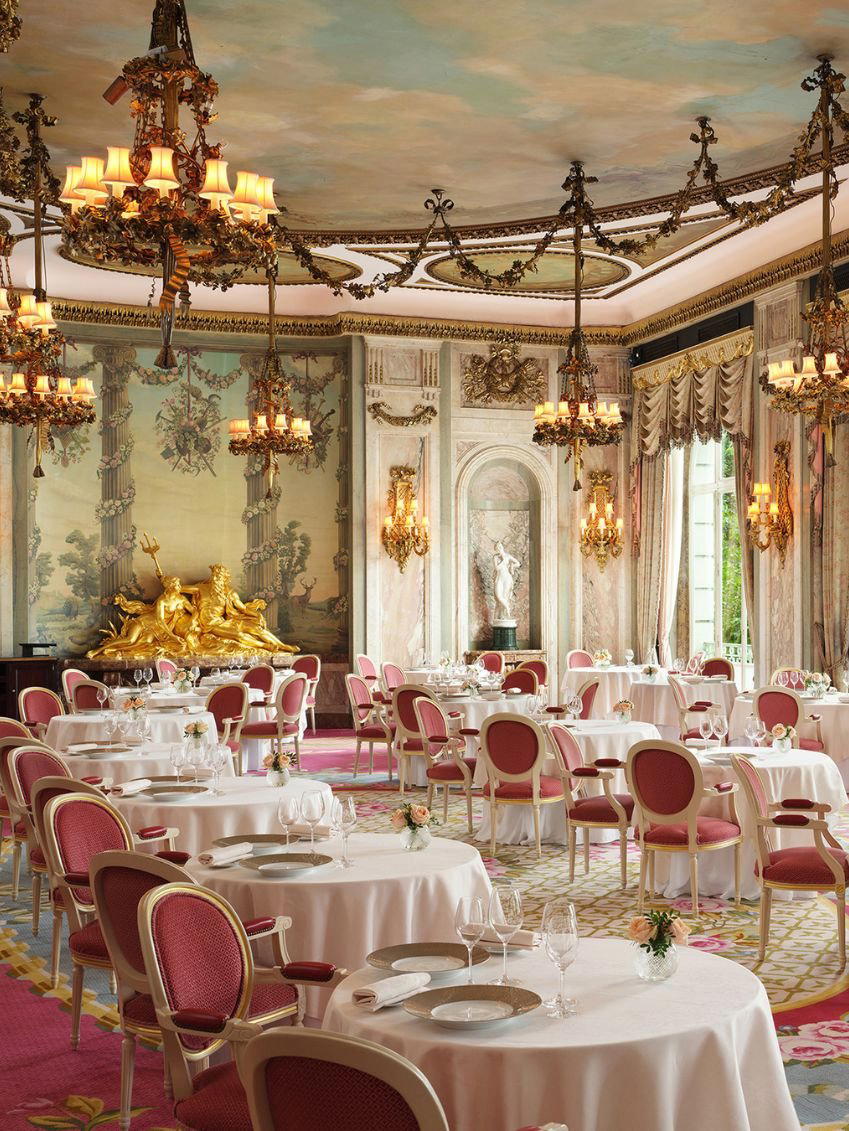
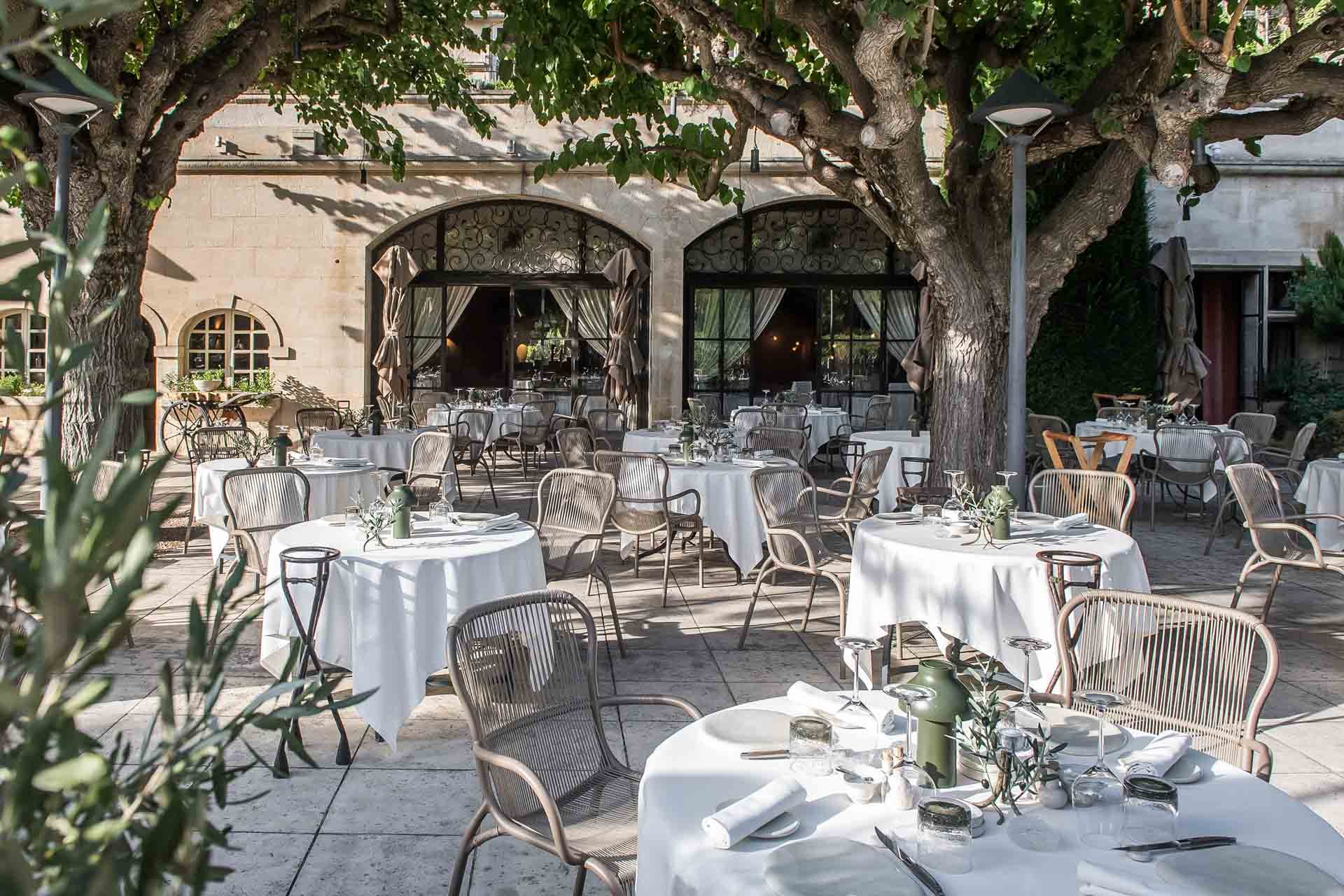
Bars in Saint-Rémy-de-Provence
Browse all →
Hotels in Saint-Rémy-de-Provence
Browse all →
At a Glance
- Elegant
- Intimate
- Sophisticated
- Rustic
- Date Night
- Special Occasion
- Hotel Restaurant
- Extensive Wine List
- Sommelier Led
- Farm To Table
- Local Sourcing
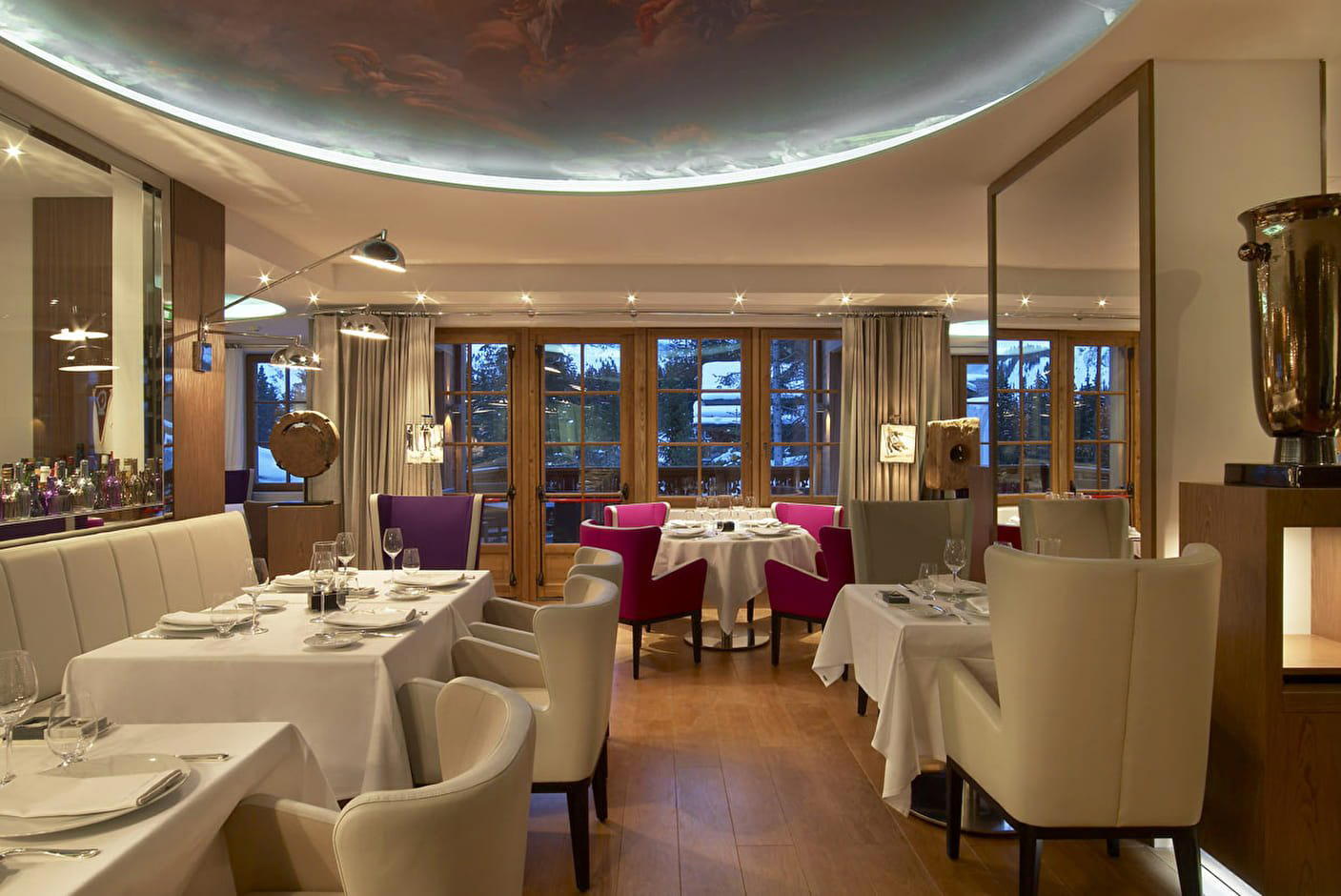
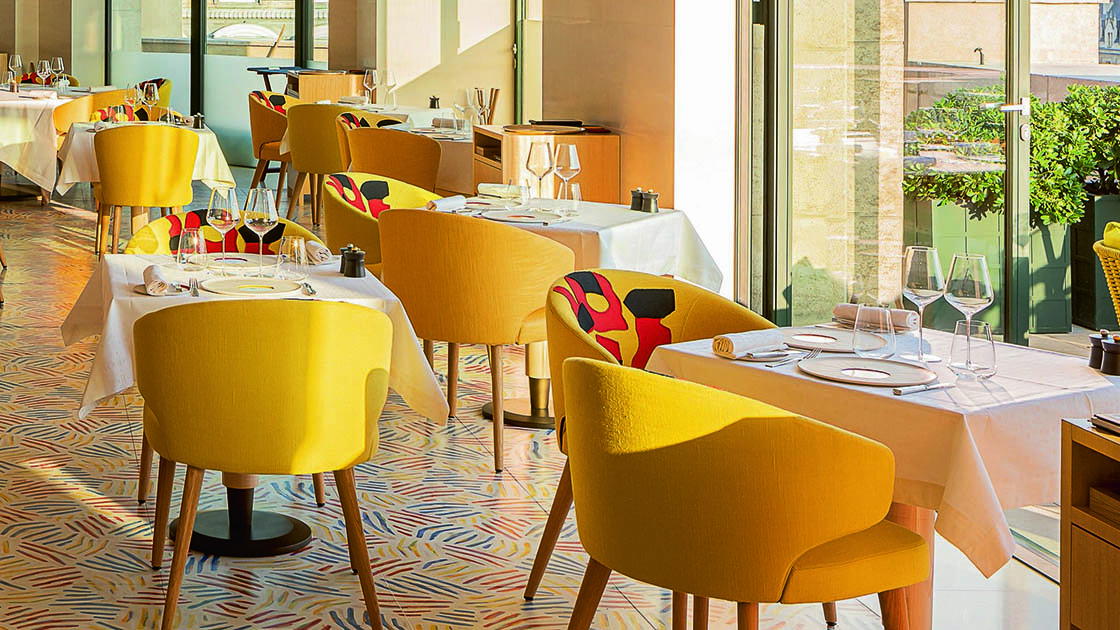
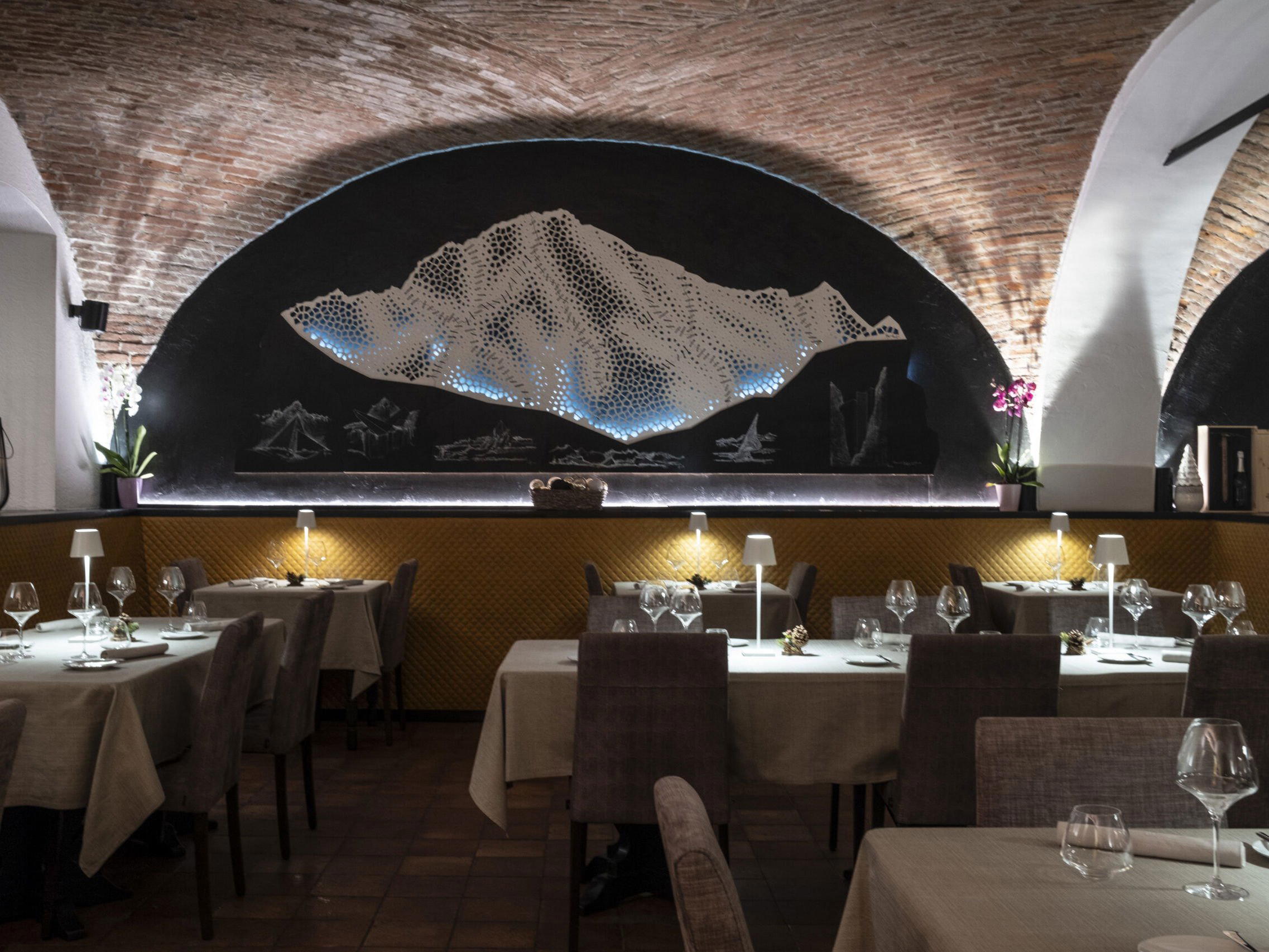
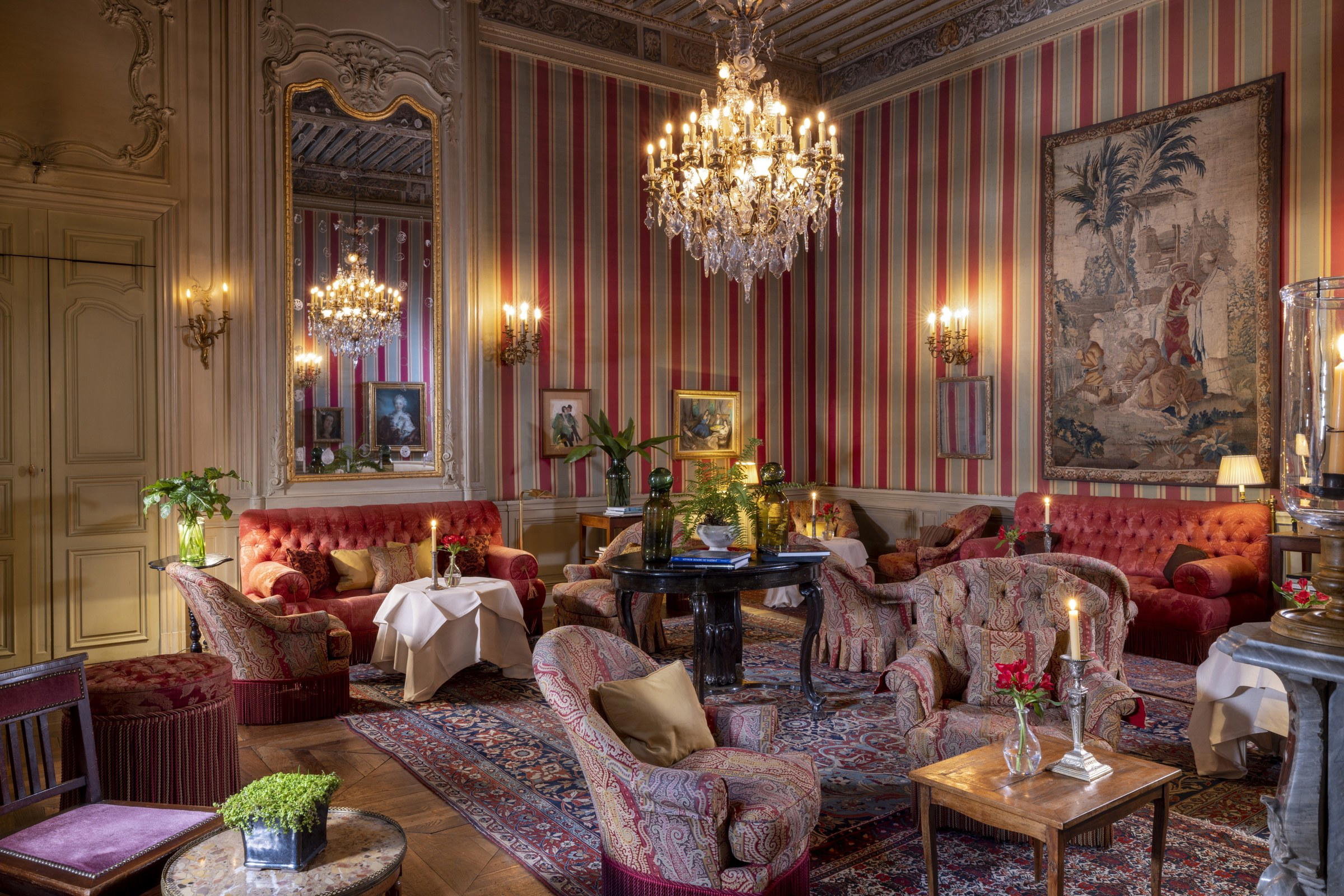
Snazzy designer decor with curved white ceiling, exposed stone walls, and artwork; described as elegant, sober, warm, comforting, and tastefully decorated.