L'Atelier de Nicolas

Michelin Plate
Our verdict
A Michelin Plate-recognised address on a medieval street in Aigues-Mortes, L'Atelier de Nicolas brings a modern cuisine sensibility to one of the Camargue's most atmospheric walled towns. Worth a reservation if you are already in the Gard.

Pearl is the En Primeur Club membership app — saves, bookings, and concierge access live there. Same editors, same standards.
- Address
- 28 Rue Alsace Lorraine, 30220 Aigues-Mortes, France
- Phone
- +33 4 34 28 04 84
- Hours
- Mon–Tue 12–1:30 PM, 7–9 PMWed–Thu ClosedFri–Sat 12–1:30 PM, 7–9 PMSun Closed
- Directions
- Get directions
- Booking
- Book on Zenchef
The menu
What to order
- Tom kha kung
- Kushikatsu de taureau
- Signature Menu
Where the Camargue Ends and the Plate Begins
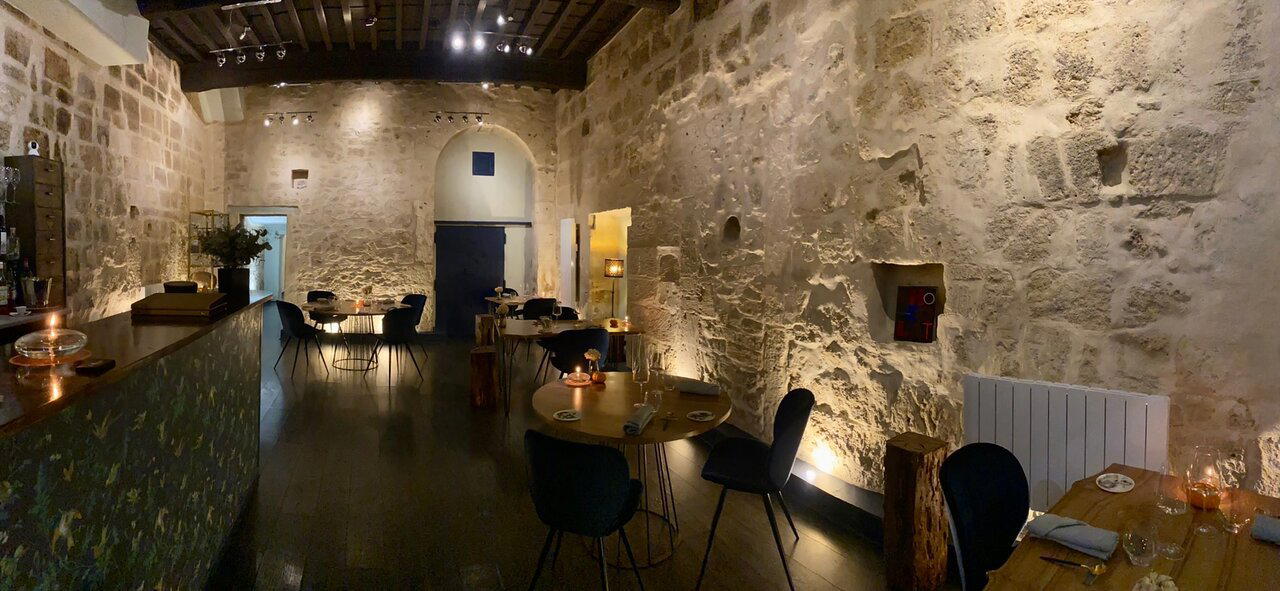
Aigues-Mortes occupies a particular kind of stillness. The walled medieval town, surrounded by salt flats and marshland on the edge of the Petite Camargue, does not announce itself like a resort destination. Its streets are narrow, its stone facades unadorned, and the light that comes off the étangs in the late afternoon gives the whole place an amber density that the coast nearby never quite produces. It is into this context that L'Atelier de Nicolas arrives at 28 Rue Alsace Lorraine — not a grand room, not a gastronomic temple, but a neighbourhood address where the physical setting does as much work as anything on the plate.
The Camargue region is one of the more compelling frames for thinking about ingredient sourcing in southern France. Unlike the Provence highlands, where the storytelling tends to run toward olive oil, lavender, and truffle, the flatlands around Aigues-Mortes are defined by salt, rice, and the livestock that grazes the marshes. The Camargue produces two ingredients that carry genuine appellation weight: fleur de sel from the Salins du Midi, harvested a few kilometres from the town walls, and Camargue rice, France's only commercial rice cultivation, grown in the flooded paddy fields that stretch toward the sea. Any serious modern cuisine kitchen in this geography has a meaningful relationship with those two products by default. The question is how consciously that relationship is built.
Modern Cuisine in a Region Defined by Its Raw Materials
France's broader modern cuisine movement has, over the past decade, split increasingly between two tendencies: kitchens that use technical vocabulary — reductions, emulsions, low-temperature proteins, as the end point, and those that deploy the same tools in service of a regional ingredient argument. The more interesting direction, particularly in areas with the kind of provenance that the Camargue offers, is the latter. Addresses like Bras in Laguiole built their entire identity around a specific terroir, while Mirazur in Menton pushed the sourcing argument to the level of kitchen gardens and biodynamic calendars. At the other end of the ambition and price spectrum, accessible modern cuisine restaurants in regions like this carry a different but related responsibility: to connect what is on the plate to what surrounds the town.
L'Atelier de Nicolas holds Michelin Plate recognition for both 2024 and 2025, a signal that the guide's inspectors consider the cooking to meet the standard of good food, without the refined technique or conceptual ambition that stars require. In the Michelin hierarchy, the Plate sits below the Bib Gourmand (which signals good food at moderate prices) and well below starred recognition, but it is a positive indication of culinary seriousness at this level. For context, the €€ price range positions the kitchen among accessible regional restaurants rather than the €€€€ tier occupied by addresses like Alléno Paris au Pavillon Ledoyen or Assiette Champenoise in Reims. The relevant comparisons are regional addresses that take their cooking seriously without pricing out the town's own visitors.
The consistency implied by that score, across a likely varied demographic of local diners and passing travellers, suggests the kitchen delivers reliably on its core proposition.
The Regional Sourcing Argument and Why Aigues-Mortes Makes It Easy
Few French towns of this size have immediate access to the range of premium local products that Aigues-Mortes does. The Salins du Midi salt operation on the southern edge of town is one of the oldest in the Mediterranean basin; the pink-tinged fleur de sel it produces is a finishing product used by kitchens across France and exported internationally. Camargue rice, specifically the red and white varieties grown in the surrounding paddies, carries European Protected Geographical Indication status. The marshes produce gardiane de taureau, the slow-cooked bull meat stew that functions as the region's signature dish, drawing on the semi-wild Camargue cattle herds. Tellines, the small clams found along the local coastline, appear regularly on menus throughout the Gard and Hérault.
For a modern cuisine kitchen in this location, these are not obscure sourcing choices that require supply chain development, they are the default larder. The editorial interest lies in how a kitchen at the Michelin Plate level uses that access: whether the regional products are treated as flavour foundations or merely as garnish-level gestures. Southern French addresses that do this most convincingly, such as Auberge du Vieux Puits in Fontjoncouse, tend to build menus where the regional product is structural rather than decorative. The Languedoc-Roussillon corridor, of which Aigues-Mortes sits at the eastern edge, has produced several kitchens in recent years working in this mode, though the starred addresses tend to cluster further west or along the coast toward Marseille, where AM par Alexandre Mazzia operates at a very different register.
Planning a Visit
Aigues-Mortes is most easily reached by car from Montpellier (around 30 minutes) or Nîmes (approximately 45 minutes), with limited public transport options into the old town. The town's tourist season peaks in summer, when the medieval walls and Camargue proximity draw significant visitor numbers; booking ahead for L'Atelier de Nicolas during July and August is advisable. The €€ price positioning makes it accessible as either a standalone lunch destination or an evening reservation anchoring a wider exploration of the town. For those spending time in the Gard, the full Aigues-Mortes restaurants guide maps the broader dining options in the walled city, while the hotels guide and bars guide cover the wider stay. The wineries guide and experiences guide round out the picture for visitors planning more than a day in the area.
Among France's broader constellation of serious regional kitchens, from Flocons de Sel in Megève to Auberge de l'Ill in Illhaeusern and Troisgros in Ouches, L'Atelier de Nicolas operates in a quieter register, without the institutional weight or starred ambition of those addresses. That is precisely what makes it relevant to this part of the Camargue. The town does not need another destination restaurant chasing international recognition; it has more use for a kitchen that takes its immediate geography seriously and delivers it consistently at a price that keeps local dining culture intact.
Frequently asked questions
What does dinner at L'Atelier de Nicolas typically cost?
Pricing at L'Atelier de Nicolas is listed as €€.
Comparison Snapshot
| Venue | Cuisine | Price | Awards |
|---|---|---|---|
| L'Atelier de NicolasThis venue — the venue you are viewing | Modern French with Asian Influences | $30–50 | Michelin Plate |
| Alléno Paris au Pavillon Ledoyen | Creative | Not listed | Michelin 3 Star |
| Kei | Contemporary French, Modern Cuisine | Not listed | Michelin 3 Star |
| L'Ambroisie | French, Classic Cuisine | Not listed | Michelin 3 Star |
| Le Cinq - Four Seasons Hôtel George V | French, Modern Cuisine | Not listed | Michelin 3 Star |
| Plénitude | Contemporary French | Not listed | Michelin 3 Star |
Recognition history
Dated appearances from independent guides and award organizations, with the underlying list record or original source where available.
Michelin Plate
Michelin
Full recognition history (2 entries)
Michelin Plate
Michelin
Continue exploring
More in Aigues-Mortes
Restaurants in Aigues-Mortes
Browse all →
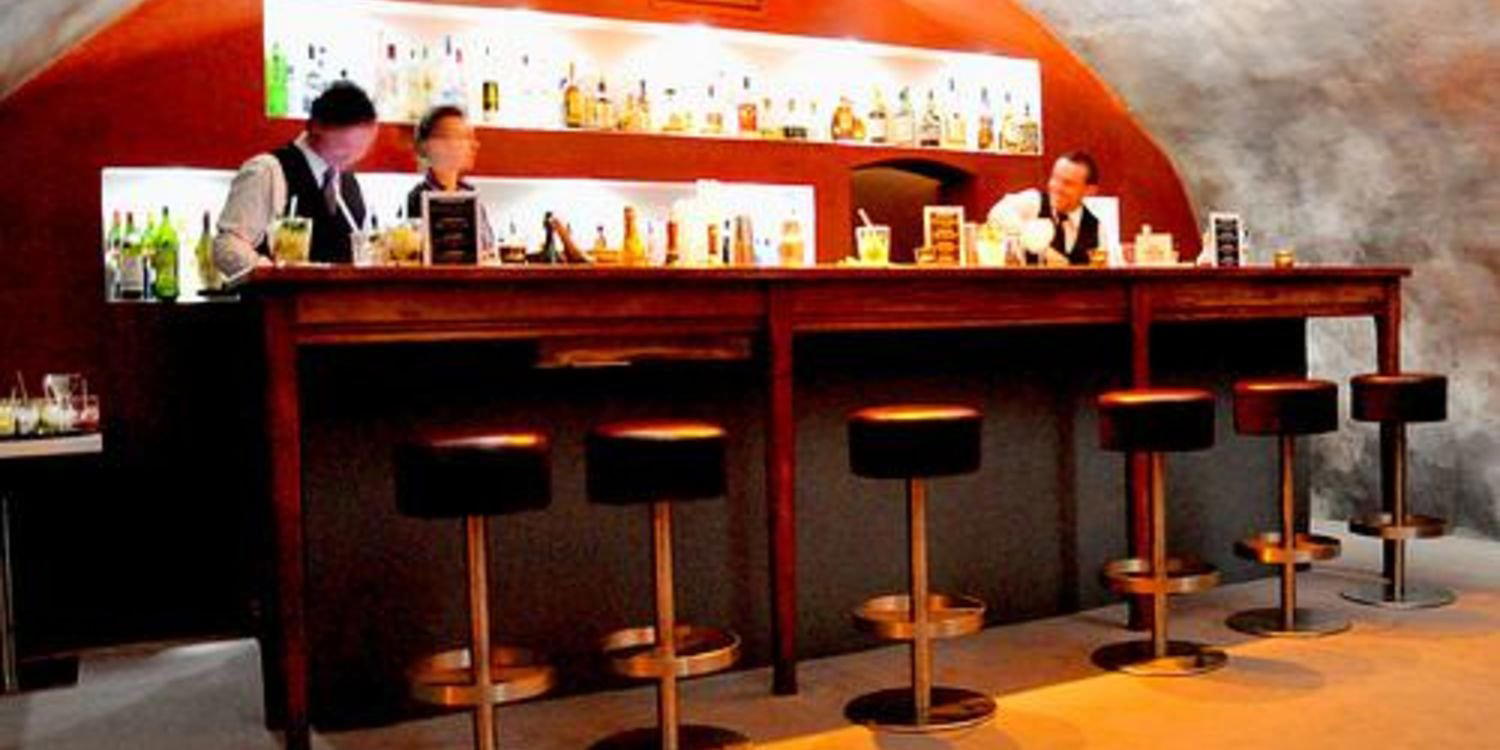
Bars in Aigues-Mortes
Browse all →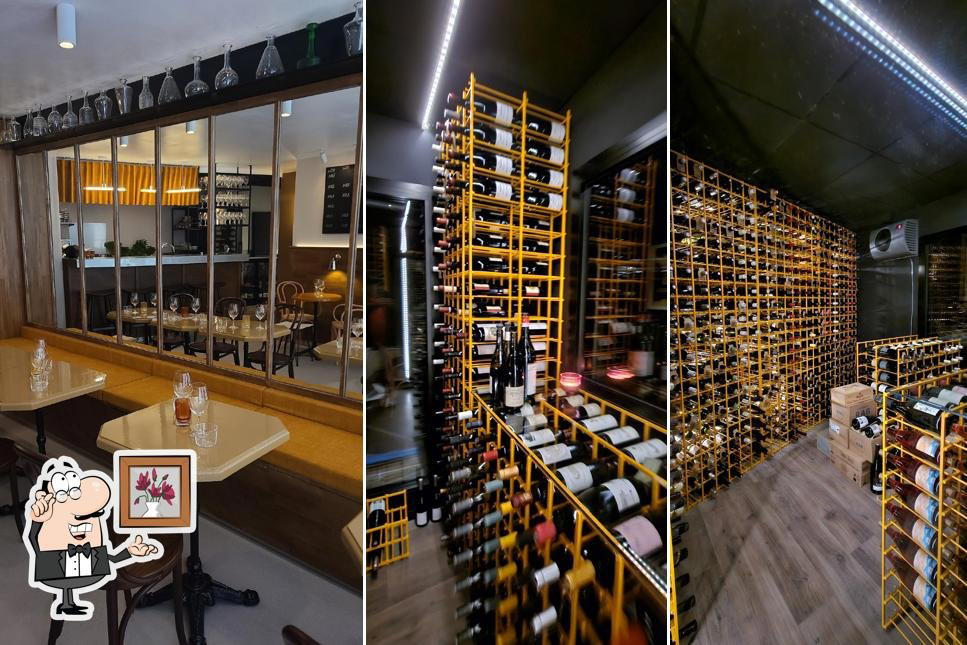
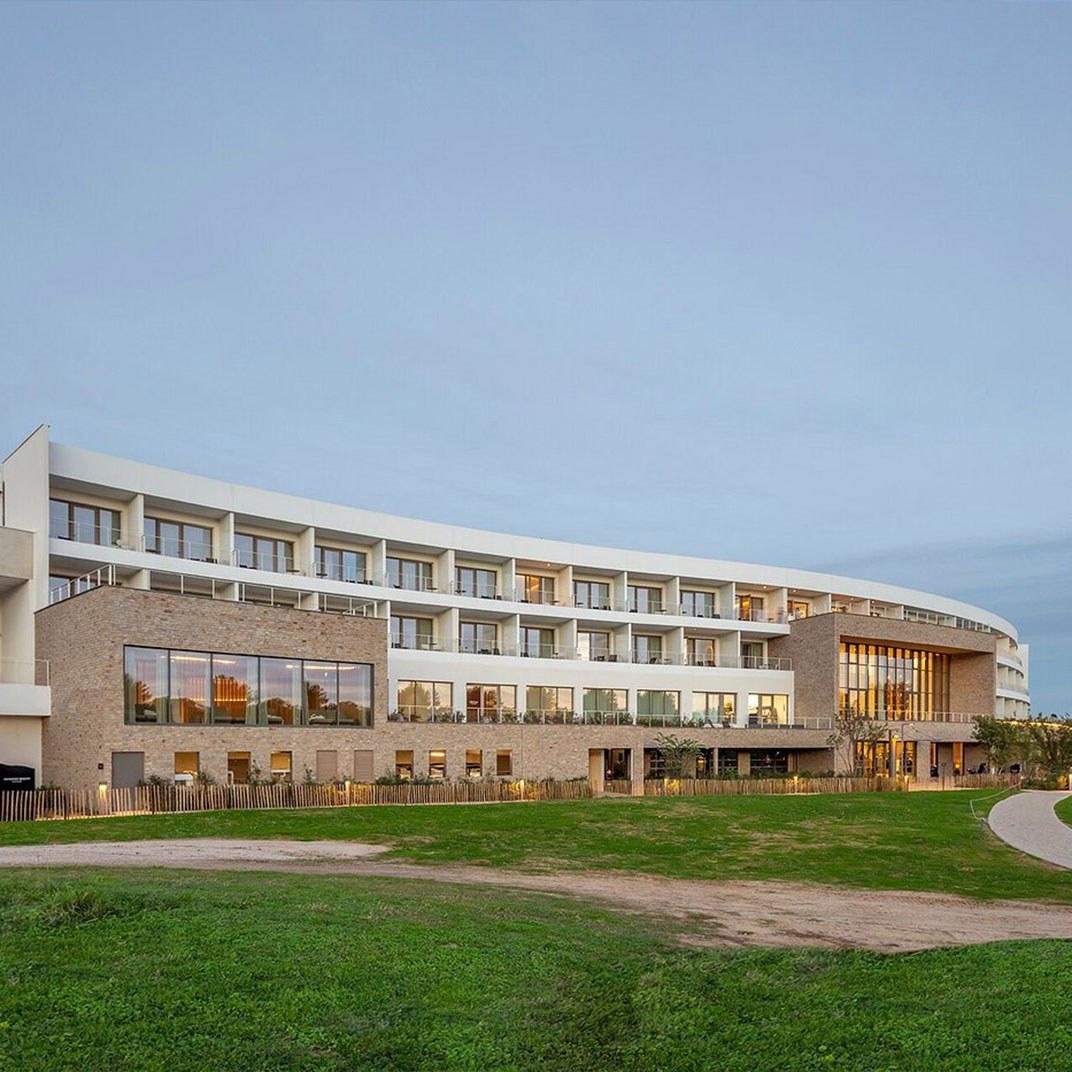
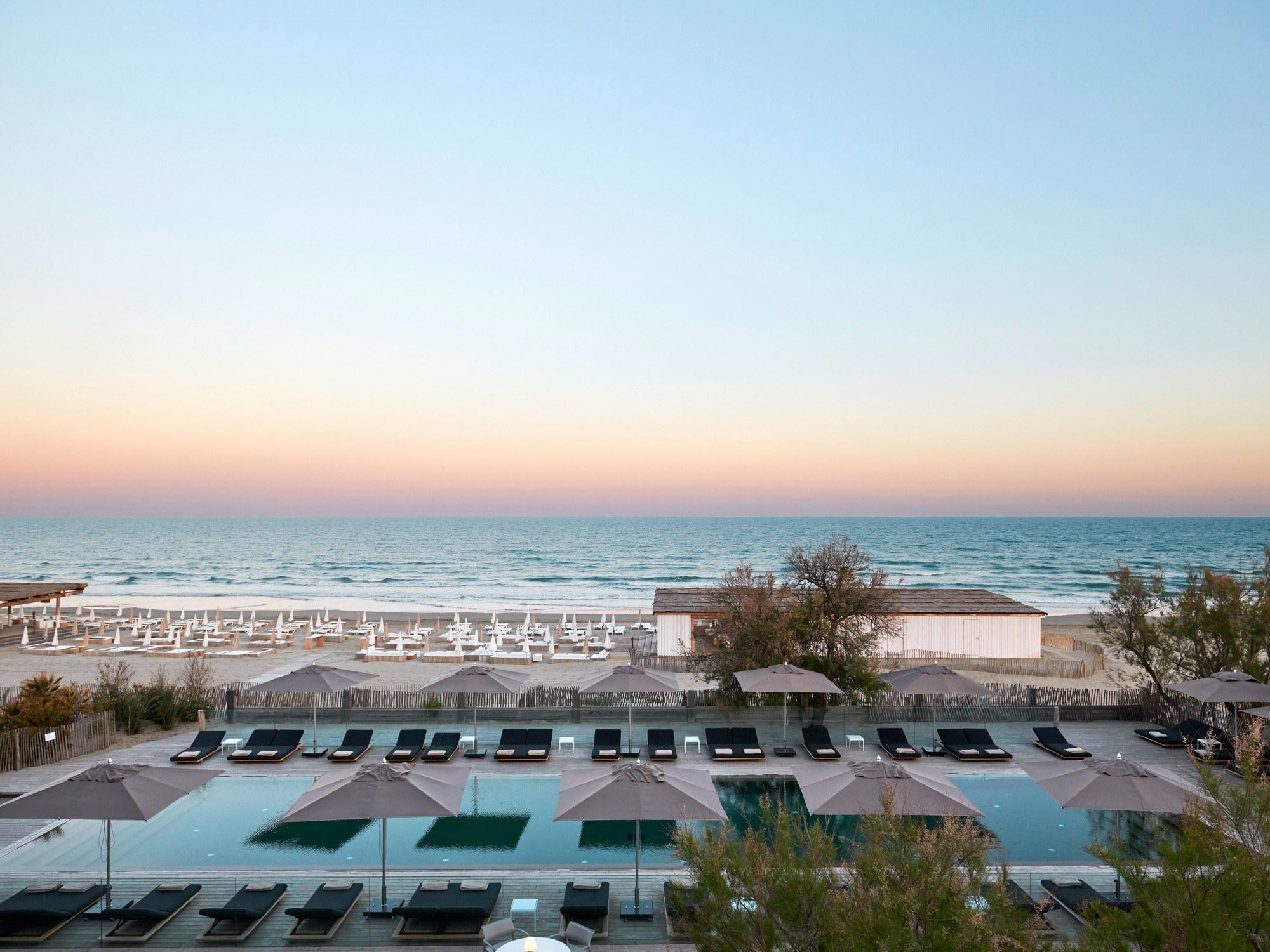
Hotels in Aigues-Mortes
Browse all →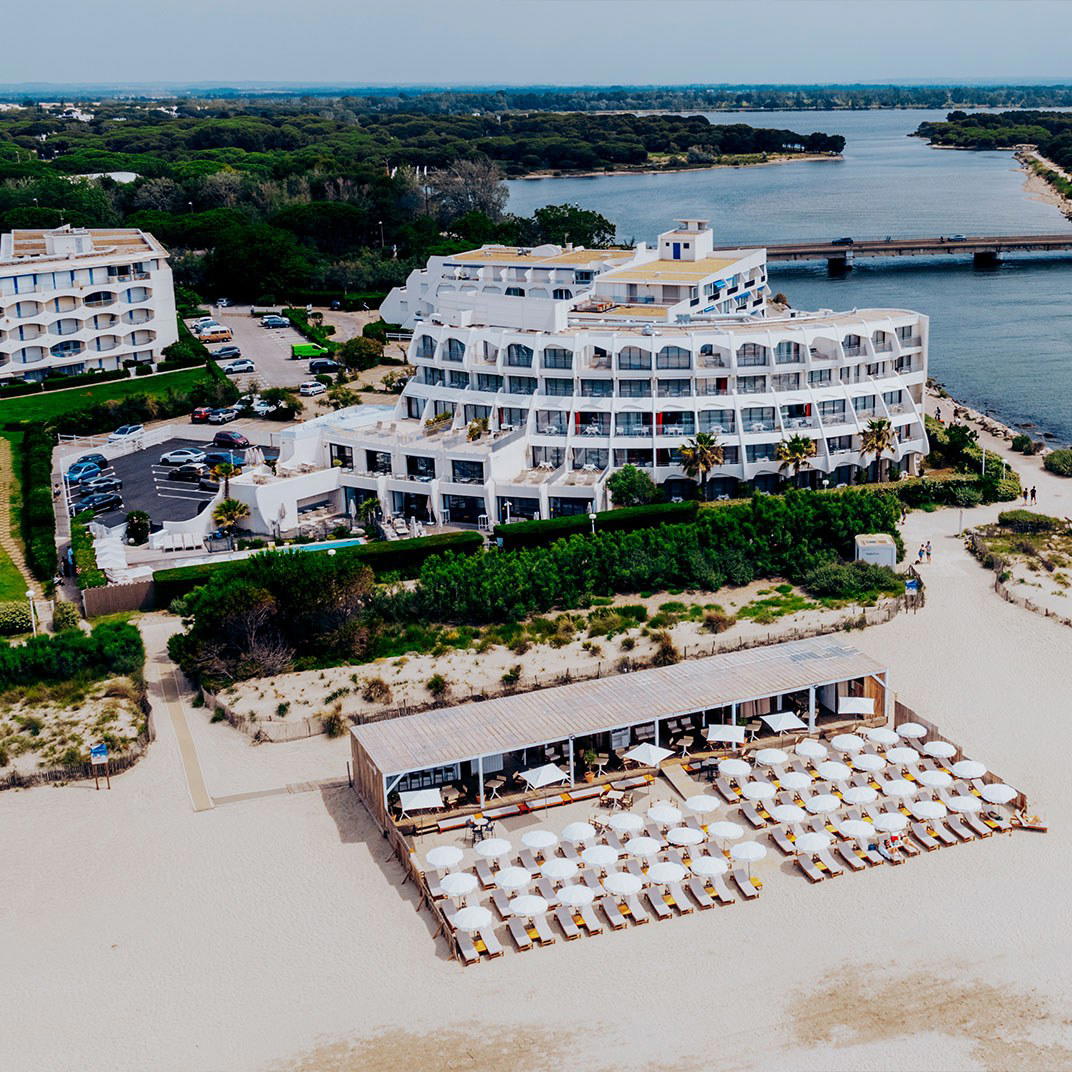

L'Atelier de Nicolas
The wine
- Wine program
- Curated wine list
- Extensive wine list
Details
- Elegant
- Intimate
- Sophisticated
- Date Night
- Special Occasion
- Open Kitchen
- Extensive Wine List
- Local Sourcing
- Organic
- A La Carte
- Prix Fixe
- Tasting Menu
- Vegetarian Friendly
Current opening hours
- Monday
- 12–1:30 PM, 7–9 PM
- Tuesday
- 12–1:30 PM, 7–9 PM
- Wednesday
- Closed
- Thursday
- Closed
- Friday
- 12–1:30 PM, 7–9 PM
- Saturday
- 12–1:30 PM, 7–9 PM
- Sunday
- Closed
Hours can change for holidays and private events. Last verified .
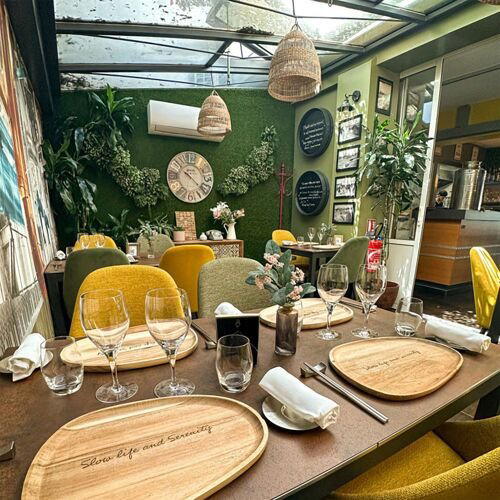
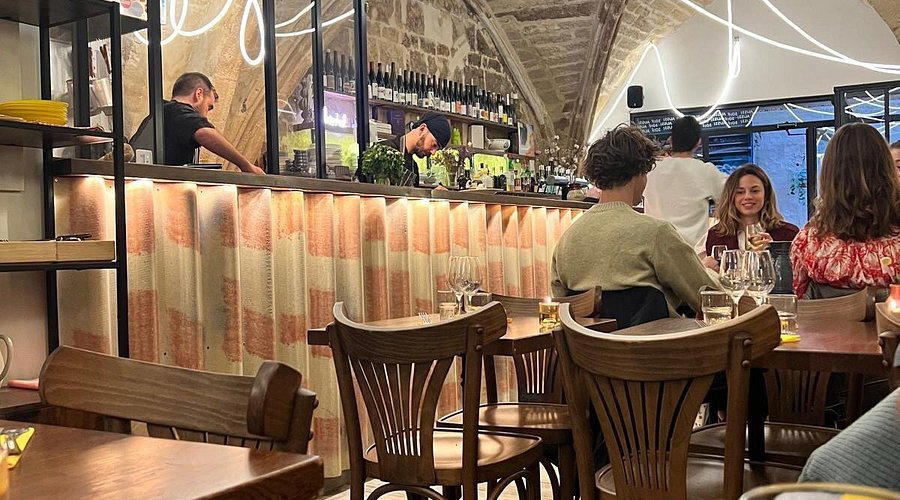
Relaxed bistro with industrial style, open kitchen, and vegetal decorations creating a convivial and modern atmosphere.