

On a narrow street in Bilbao's Abando district, Lasai takes its name from the Basque word for calm, and the room earns it. A 2025 Michelin Plate holder, it runs three formats: the weekday 'Hiria' set menu, and two tasting menus rooted in regional Basque tradition. Demand consistently outpaces availability, so advance booking is the practical starting point for any visit.
Pearl is the En Primeur Club membership app — saves, bookings, and concierge access live there. Same editors, same standards.
- Address
- Printzipe Kalea, 4, Abando, 48001 Bilbao, Bizkaia, Spain
- Phone
- +34 944 05 37 36
- Website
- lasaibilbao.com
- Directions
- Get directions
 Saves & bookings on Pearl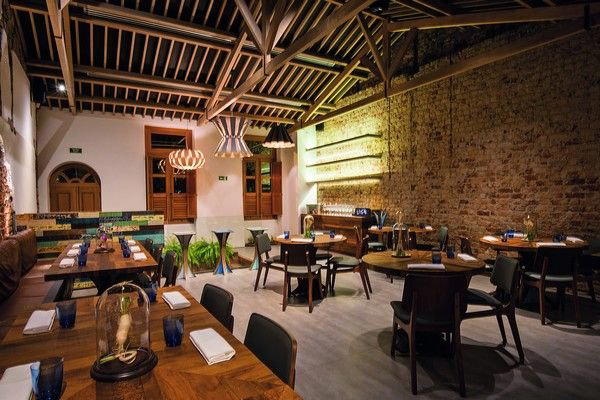
A Street, a Word, a Register
Printzipe Kalea runs close enough to the Nervión that on quiet mornings you can sense the river before you see it. The street is narrow by Bilbao's already compressed Abando standards, and Lasai sits within it with the kind of discretion that in this city tends to signal intent. The name is Basque for calm or tranquillity, and it functions less as a branding exercise than as an operating philosophy made visible: the room is a deliberate counterpoint to Bilbao's louder, more theatrical dining register.
This matters as context. The Basque Country has spent decades producing restaurants that announce themselves, from the grand institutional houses of San Sebastián to Bilbao's own high-end creative tier, where venues like Ola Martín Berasategui and Al Margen operate at €€€€ price points with formats designed to impress. Lasai prices at €€ and runs three menus simultaneously, which is a structurally different proposition. The question it answers is not how much a kitchen can do, but how precisely it can do what it chooses to do.
Three Menus, One Kitchen's Argument
The structure at Lasai is deliberate. The weekday lunch menu, called Hiria, the Basque word for city, runs Monday through Friday excluding public holidays. It is the most accessible entry point by price and commitment, and it functions as the restaurant's daily conversation with the neighbourhood rather than an occasion-dining set piece. The two tasting menus, named Lasai and Crystal, extend the kitchen's range into deeper Basque culinary territory, moving through dishes anchored in regional tradition and flavour profiles that predate modernist Spanish cooking by generations.
What this structure reflects is a broader pattern in how serious traditional-cuisine restaurants operate across northern Spain. The tasting menu format, long dominated by avant-garde kitchens at venues like Arzak in San Sebastián or El Celler de Can Roca in Girona, has increasingly been adopted by kitchens whose argument is conservation rather than invention. Lasai sits in this cohort. Its menus are not showcases of technique for its own sake but structured cases for why the flavours of the Basque interior and coastline remain worth experiencing on their own terms, without heavy reframing.
Traditional Cuisine as a Critical Position
The Michelin Plate awarded to Lasai in 2025 positions it within Michelin's recognition tier as a restaurant of quality cooking, without the star designation carried by peers such as Azurmendi in Larrabetzu. That is a meaningful distinction. In Bilbao's current dining scene, the Plate places Lasai in a cluster of serious but not spectacle-oriented kitchens, alongside addresses like La Despensa del Etxanobe and Las Lías Bilbao, where the emphasis falls on the food itself rather than on the dining occasion as performance.
Traditional cuisine as a category carries a specific weight in the Basque Country. The region's food identity was formed through centuries of fishing, agricultural cycles, and a domestic cooking culture in which ingredient quality and seasonal availability were not marketing concepts but practical constraints. The pintxo bars of the Casco Viejo, the fish-market relationships of the coastal towns, the sidrerías of Gipuzkoa: each of these structures produced a knowledge base about local produce that contemporary kitchens working in the traditional register are drawing on rather than overwriting. Lasai's approach fits that pattern, and within Bilbao, it is one of the clearer expressions of it at a price point that does not require a special-occasion budget.
That orientation toward rootedness in place rather than in trend also connects to how sustainability operates in serious Basque kitchens. At the more prominent end of the Spanish scene, restaurants like Aponiente in El Puerto de Santa María and Quique Dacosta in Dénia have made environmental consciousness an explicit part of their public identity. Traditional-cuisine restaurants like Lasai occupy a quieter version of the same territory: sourcing from within established regional networks, working with seasonal rhythms that predate any sustainability marketing, and treating ingredient integrity as the foundation rather than the finish. Comparable traditional houses at a similar register, such as Auberge Grand'Maison in Mûr-de-Bretagne and Auga in Gijón, operate on the same principle: that cooking from a specific place is inseparable from treating that place responsibly.
Where It Sits in Bilbao's Dining Structure
Bilbao's restaurant offer has diversified considerably since the Guggenheim opened in 1997 and reset the city's international profile. The upper tier now includes creative Spanish kitchens operating at the scale of DiverXO in Madrid, and progressively minded restaurants like Al Margen working at the edge of what Basque ingredients can do in contemporary formats. Lasai does not compete with that tier. It operates at €€ with a format structured around accessibility and depth of flavour rather than spectacle, and it draws a different type of repeat customer: one who is less interested in the event of dining out and more interested in eating well at a consistent register.
For comparison within Bilbao, San Mamés Jatetxea and addresses like Zarate work the seafood-forward tradition at the €€€ level.
Planning a Visit
Lasai is on Printzipe Kalea 4 in the Abando district, a few minutes' walk from the Nervión and within easy reach of Bilbao's metro and tram network. The Hiria lunch menu runs Monday through Friday, excluding public holidays, making it a weekday proposition only. The Lasai and Crystal tasting menus are the formats for anyone approaching this as a planned occasion rather than a working lunch. Demand for tables is consistent enough that booking well ahead is the only reliable approach, particularly for the tasting menus. The €€ price range sits meaningfully below Bilbao's starred and creative-tier kitchens, making it the kind of address worth planning around rather than treating as a fallback.
For a fuller picture of what Bilbao offers across dining, drinking, and accommodation, see our full Bilbao restaurants guide, our full Bilbao bars guide, our full Bilbao hotels guide, our full Bilbao wineries guide, and our full Bilbao experiences guide.
| Venue | Cuisine | Price |
|---|---|---|
| LasaiThis venue — the venue you are viewing | Traditional Cuisine | €€ |
| Nerua Guggenheim Bilbao | Progressive Spanish, Progressive | €€€ |
| Mina | Modern Spanish, Creative | €€€€ |
| Zarate | Seafood | €€€ |
| Ola Martín Berasategui | Traditional Cuisine | €€€€ |
| Irrintzi | Tapas Bar | Tapas Bar |
Recognition history
Dated appearances from independent guides and award organizations, with the underlying list record or original source where available.
Michelin Plate
Michelin
Opinionated About Dining Newly Added European Restaurants
Opinionated About Dining
Opinionated About Dining Top Restaurants in Europe Recommended
Opinionated About Dining
Michelin Plate
Michelin
Continue exploring
More in Bilbao
Restaurants in Bilbao
Browse all →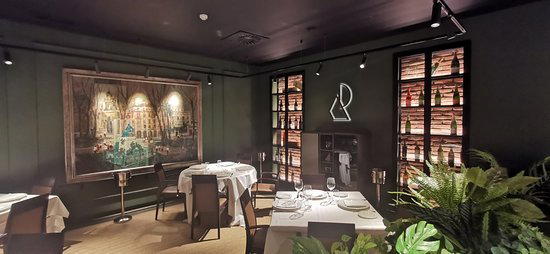
Bars in Bilbao
Browse all →
Hotels in Bilbao
Browse all →
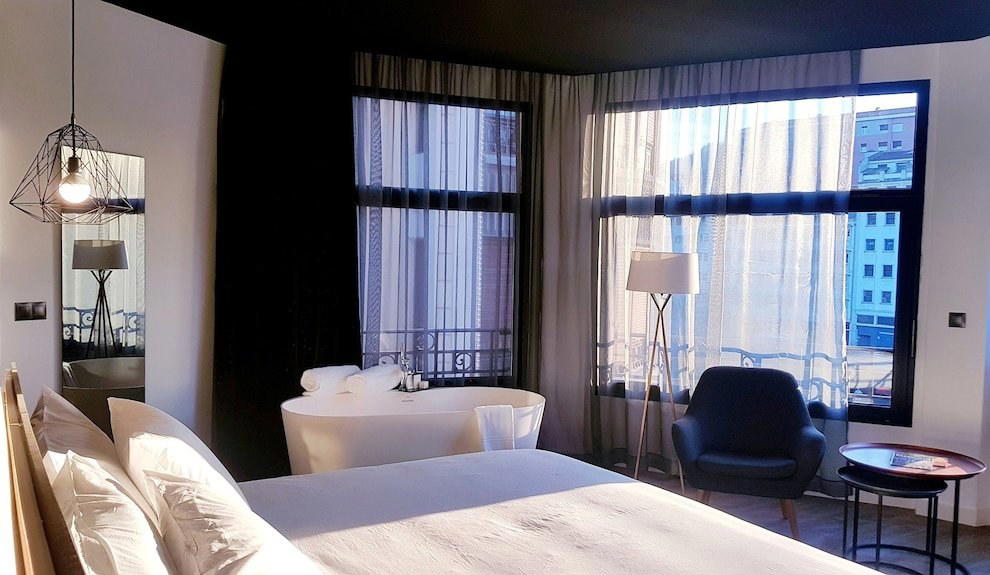
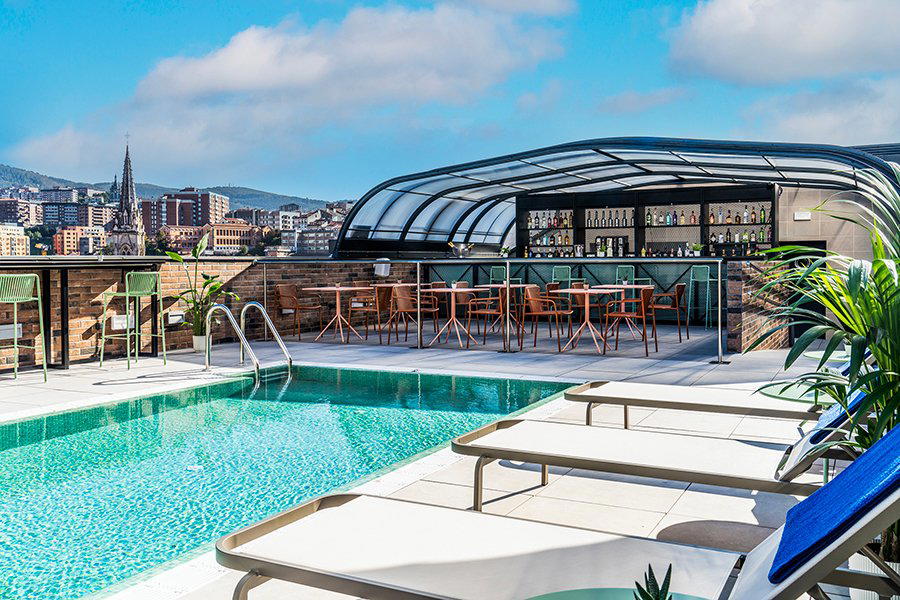
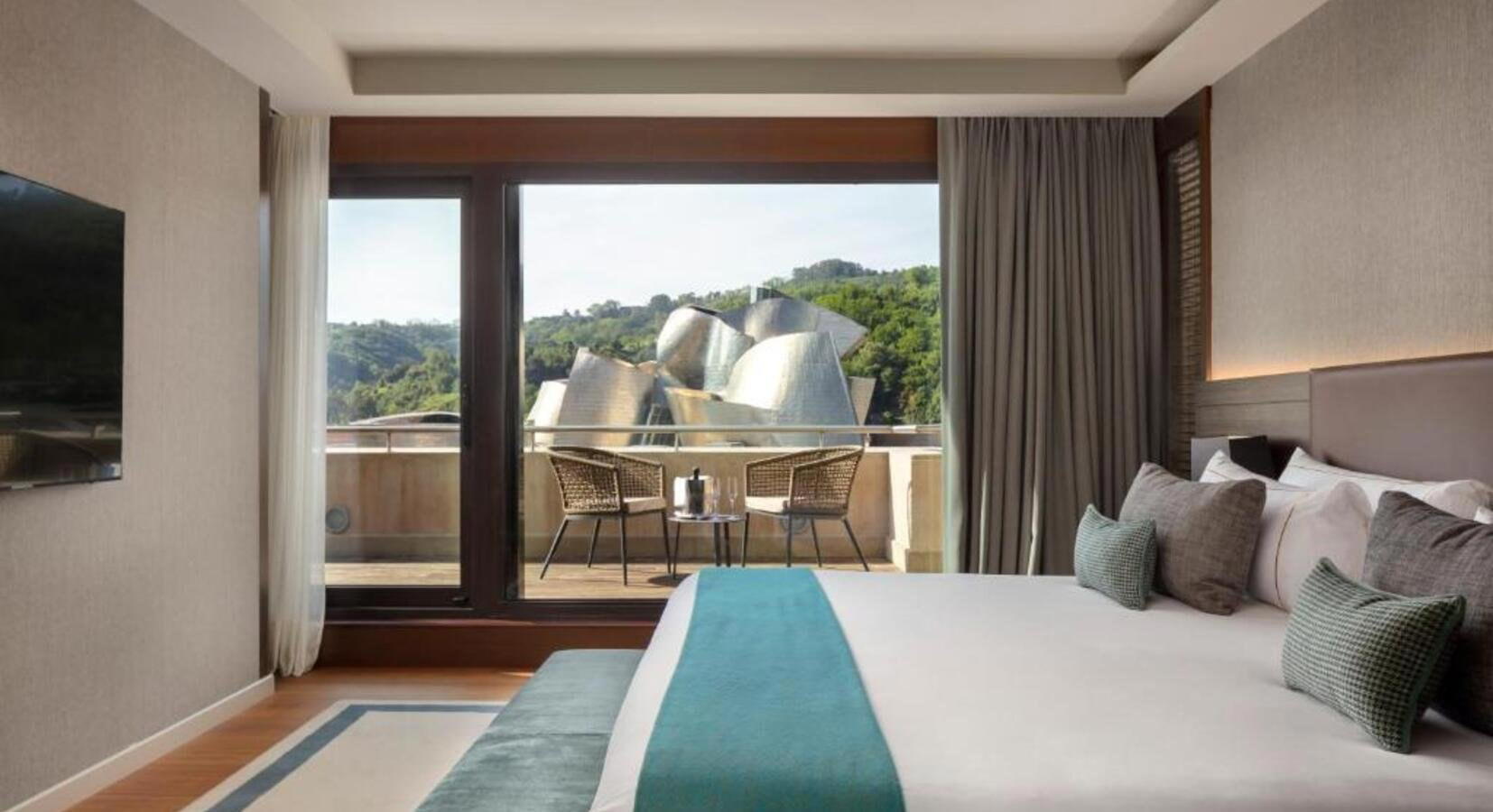
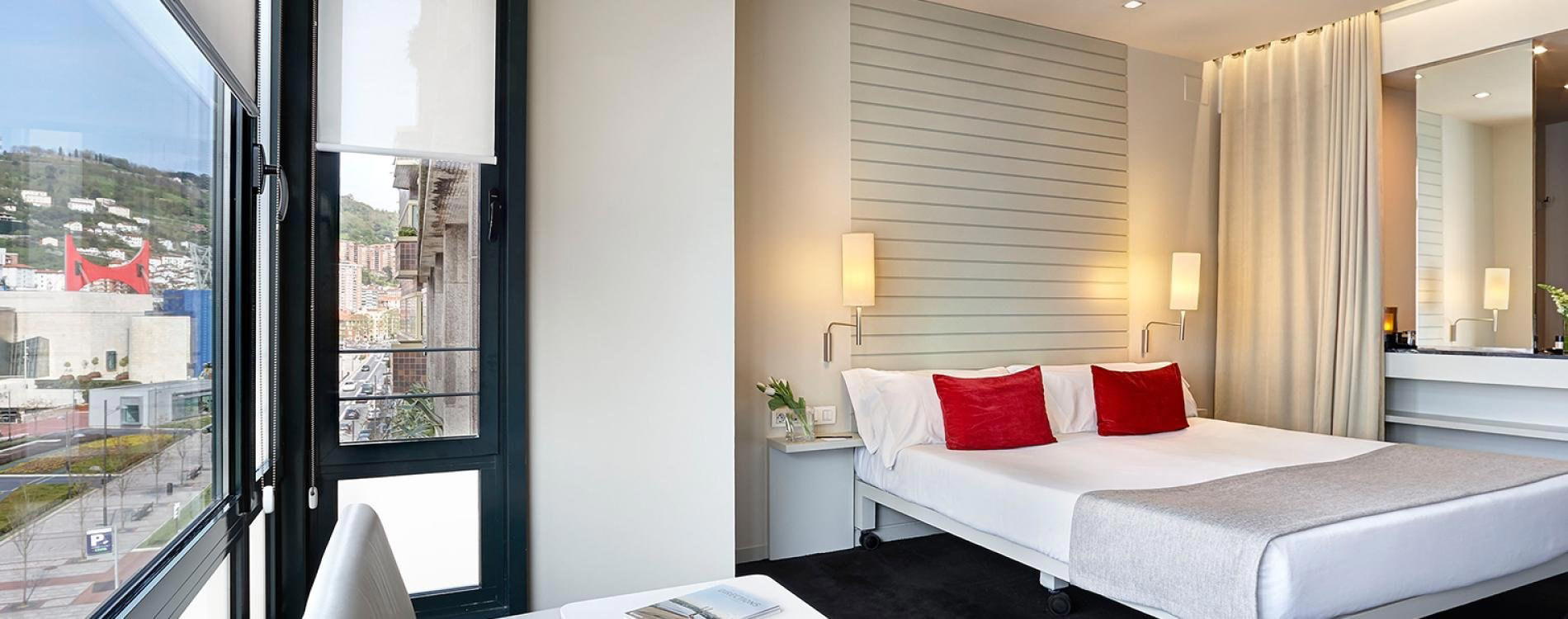
Wineries in Bilbao
Browse all →
At a Glance
- Relaxed
- Elegant
- Intimate
- Modern
- Sophisticated
- Date Night
- Special Occasion
- Open Kitchen
- Extensive Wine List
- Local Sourcing
- Street Scene
Current opening hours
- Monday
- 1:30–3:15 PM
- Tuesday
- Closed
- Wednesday
- 1:30–3:15 PM
- Thursday
- 1:30–3:15 PM, 7:45–10 PM
- Friday
- 1:30–3:15 PM, 7:45–10 PM
- Saturday
- 1:30–3:15 PM, 7:45–10 PM
- Sunday
- 1:30–3:15 PM
Hours can change for holidays and private events. Last verified .
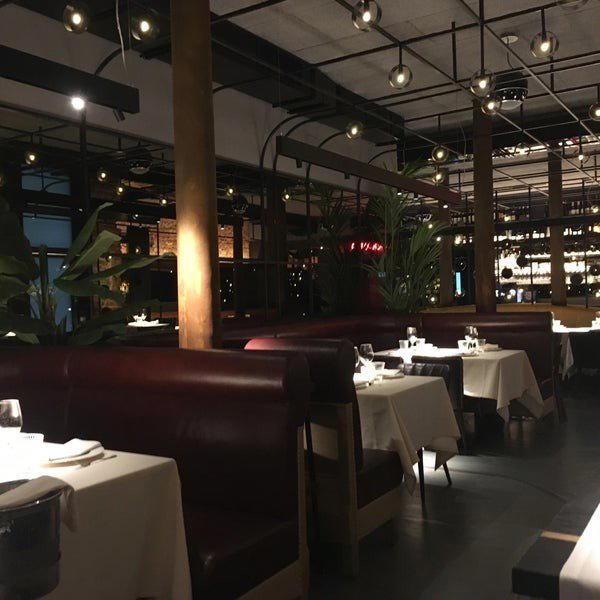
Lovely relaxed vibe with soft lighting, wood-panelled dining room featuring art murals and an open kitchen.
Know Before You Go
- Getting there
- Printzipe Kalea, 4, Abando, 48001 Bilbao, Bizkaia, Spain