L'Armoricain sits on the Rue de l'Église in Pénestin, a small Atlantic coast commune in southern Brittany where the Vilaine estuary meets the open sea. The address places it squarely within one of France's most productive shellfish and fishing territories, giving any kitchen here access to ingredients that larger city restaurants pay considerable premiums to import. For visitors exploring the Breton coast, it represents the kind of neighbourhood address worth tracking down through our full Penestin restaurants guide.
Pearl is the En Primeur Club membership app — saves, bookings, and concierge access live there. Same editors, same standards.
- Address
- 46 Rue de l'Église, 56760 Pénestin, France
- Phone
- +33299903890
- Website
- larmoricain-restaurant.fr
- Directions
- Get directions
 Saves & bookings on Pearl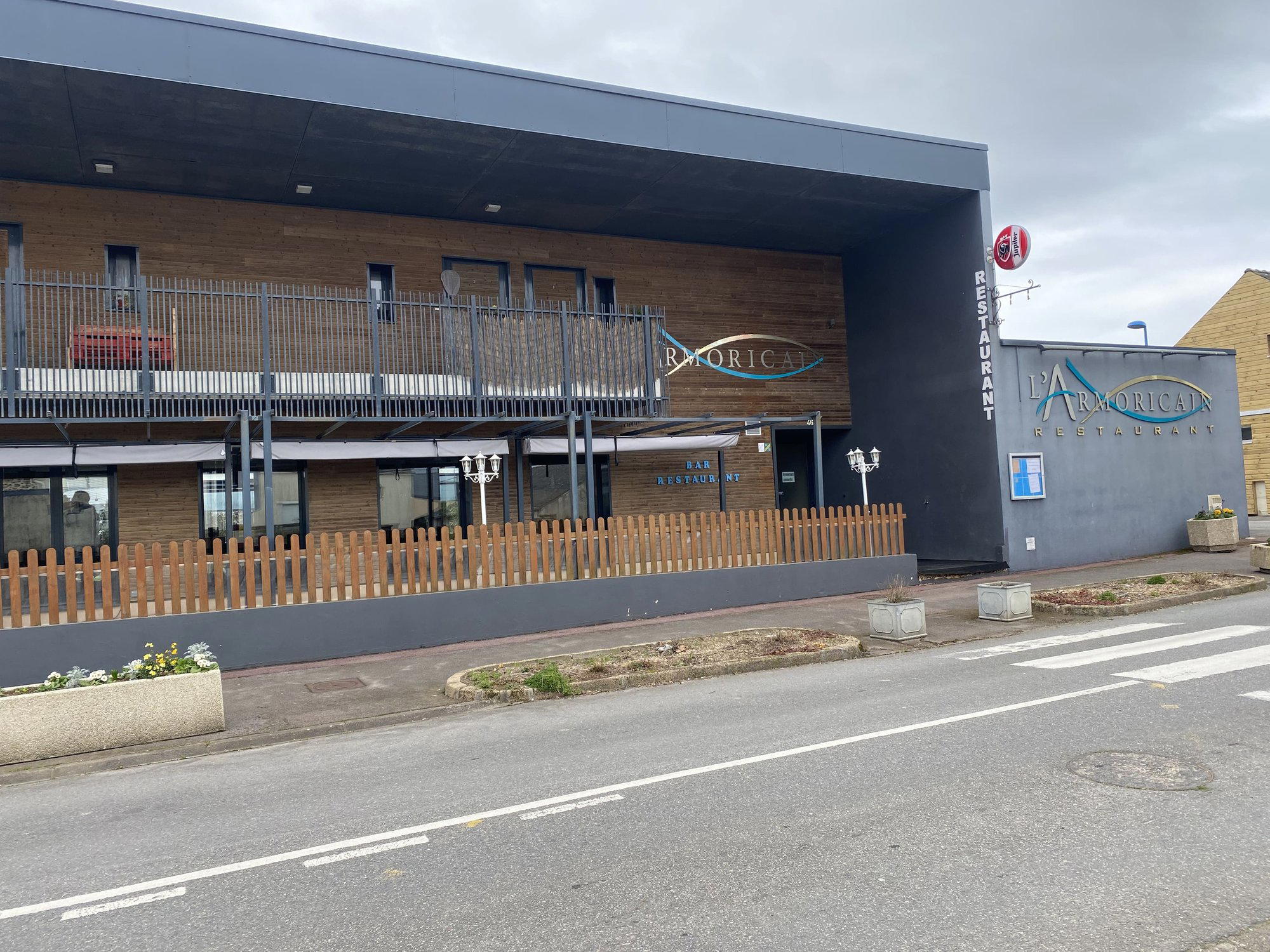
Where the Atlantic Sets the Menu
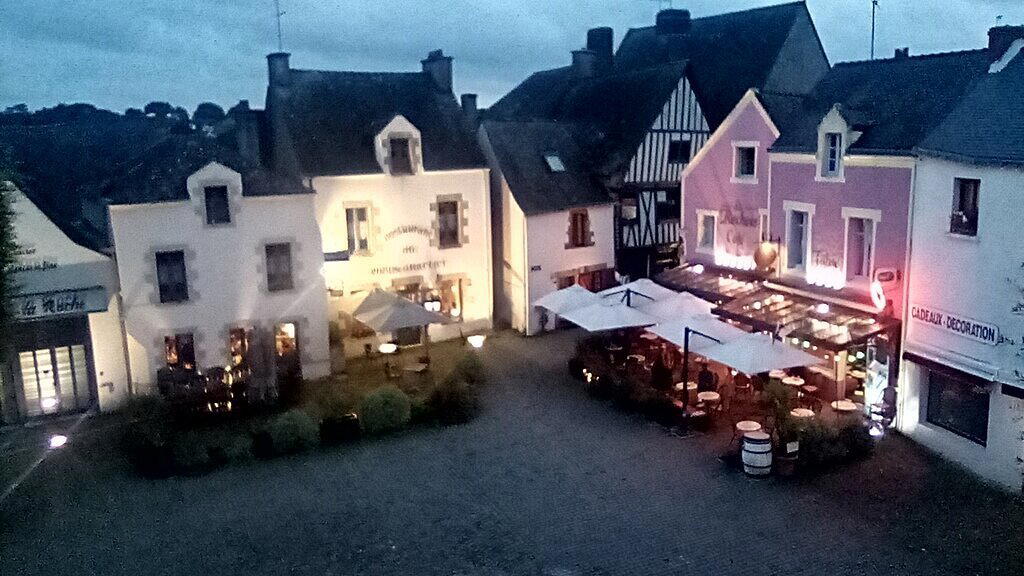
Pénestin sits at the southern edge of the Morbihan department, where the Vilaine river broadens into the Atlantic and the coastline fractures into salt marshes, oyster beds, and sandy inlets. This is not a town that announces itself loudly. The church on Rue de l'Église anchors the small village centre, and L'Armoricain occupies a position just off that street — the kind of address that functions as a local constant rather than a destination engineered for visitors. Arriving here, the context does most of the work: the smell of salt air, the flatness of the surrounding marshland, and the sense of a community built around tidal rhythms rather than tourist seasons.
The name itself signals geography before anything else. Armorica is the ancient Gaulish and Latin term for the coastal region of northwestern France — the land facing the sea, and Brittany has always claimed it as a cultural identifier. A restaurant bearing that name in a Breton fishing commune is making a statement about where it stands, both literally and in terms of culinary orientation.
The Ingredient Logic of the Breton Coast
France's Atlantic coast from the Loire-Atlantique up through Finistère produces some of the country's most closely watched shellfish and finfish, and the area around Pénestin sits within that productive arc. The Vilaine estuary and the nearby Guérande salt pans, the latter just a short drive south, define the local ingredient story as precisely as any appellation defines a wine region. Salt from Guérande carries protected geographic status and appears on tables across Europe; in its home territory, it is simply the default seasoning.
Oyster cultivation in the Morbihan and the adjacent Pays de la Loire waters is extensive, with the region producing a significant share of France's total output. The specific salinity of these Atlantic-fed beds produces oysters with a mineral, iodine-forward profile distinct from those raised in the more sheltered waters of Cancale to the north. For a kitchen in Pénestin, sourcing shellfish means choosing between a set of highly specific local producers rather than importing from elsewhere, a structural advantage that kitchens in Paris or Lyon cannot replicate, regardless of budget.
This is the defining condition of serious coastal French cooking, and it separates addresses like this one from the high-concept restaurants in major cities. Alléno Paris au Pavillon Ledoyen in Paris or Mirazur in Menton command considerable resources to source notable ingredients; a well-run kitchen in Pénestin is already standing next to the source. The question is what is done with that proximity. In the stronger cases across Brittany's smaller communes, the answer is disciplined simplicity: preparation that respects the quality of the raw material rather than obscuring it.
Pénestin in the Context of Atlantic France Dining
Brittany and the Loire-Atlantique coast do not carry the same dining infrastructure as Normandy or the Basque coast, but they have produced serious kitchens over the decades. The region's contribution to French gastronomy tends to be quiet and product-led rather than technique-driven. Compare this to the approach at Christopher Coutanceau in La Rochelle, where Atlantic seafood becomes the foundation for a fully articulated fine-dining program, or La Marine in Noirmoutier-en-l'île, which has built international recognition from an island address smaller than Pénestin. These examples demonstrate that Atlantic coastal France has produced restaurants operating at the highest level of French gastronomy from addresses with no urban infrastructure at all.
L'Armoricain operates at a different register, a neighbourhood restaurant in a village of fewer than 2,000 residents rather than a destination with national media coverage. That distinction matters for how a visitor should approach it. The comparable set is not Bras in Laguiole or Auberge de l'Ill in Illhaeusern, addresses that have held Michelin recognition across generations and draw international visitors specifically for the meal. The comparable set is the network of solid regional tables across rural Brittany that serve local produce with competence and without theatrical ambition. In that grouping, proximity to notable raw materials is the primary trust signal.
L'Armoricain operates within this same French logic at a more intimate scale. For international reference points where Atlantic seafood drives kitchen ambition at the highest tier, Le Bernardin in New York City and Atomix in New York City show how a singular ingredient focus can sustain a long-running critical reputation across a different context.
Planning a Visit
Pénestin is most naturally reached by car, sitting roughly 75 kilometres south of Vannes and about 30 kilometres east of La Baule along the Atlantic coast. The village has limited public transport connections, and the surrounding salt marshes and coastal paths make a car the practical choice for anyone combining a meal with the broader landscape. The summer season from June through September brings the highest visitor numbers to this part of southern Brittany, and a restaurant at this address is likely to reflect that rhythm, busier in peak summer, quieter and more local-facing outside of it. Booking ahead is recommended.
Side-by-Side Snapshot
Comparable venues nearby, for context on price, style, and recognition.
| Venue | Cuisine | Price | Notes |
|---|---|---|---|
| L'ArmoricainThis venue — the venue you are viewing | Bistronomic French Market Cuisine | $$ | Not listed |
| La Marine | Breton Crêperie | $$ | Historic Centre |
| Crêperie les 2 Marais | Breton Crêperie | $$ | Intra-muros |
| Le Gourmandin | Traditional French Revisited | $$ | Challans |
| La Bourriche | French Seafood Oyster Bar | $$ | Graslin |
| La Passagère | French Tea House & Bistro | $$ | Graslin |
At a Glance
- Rustic
- Cozy
- Elegant
- Date Night
- Special Occasion
- Terrace
- Garden
- Local Sourcing
- Garden
Current opening hours
- Monday
- Closed
- Tuesday
- Closed
- Wednesday
- 12:15–1:15 PM, 7:15–8:15 PM
- Thursday
- 12:15–1:15 PM, 7:15–8:15 PM
- Friday
- 12:15–1:15 PM, 7:15–8:15 PM
- Saturday
- 12:15–1:15 PM, 7:15–8:15 PM
- Sunday
- 9 AM–1:15 PM, 7–8:15 PM
Hours can change for holidays and private events. Last verified .
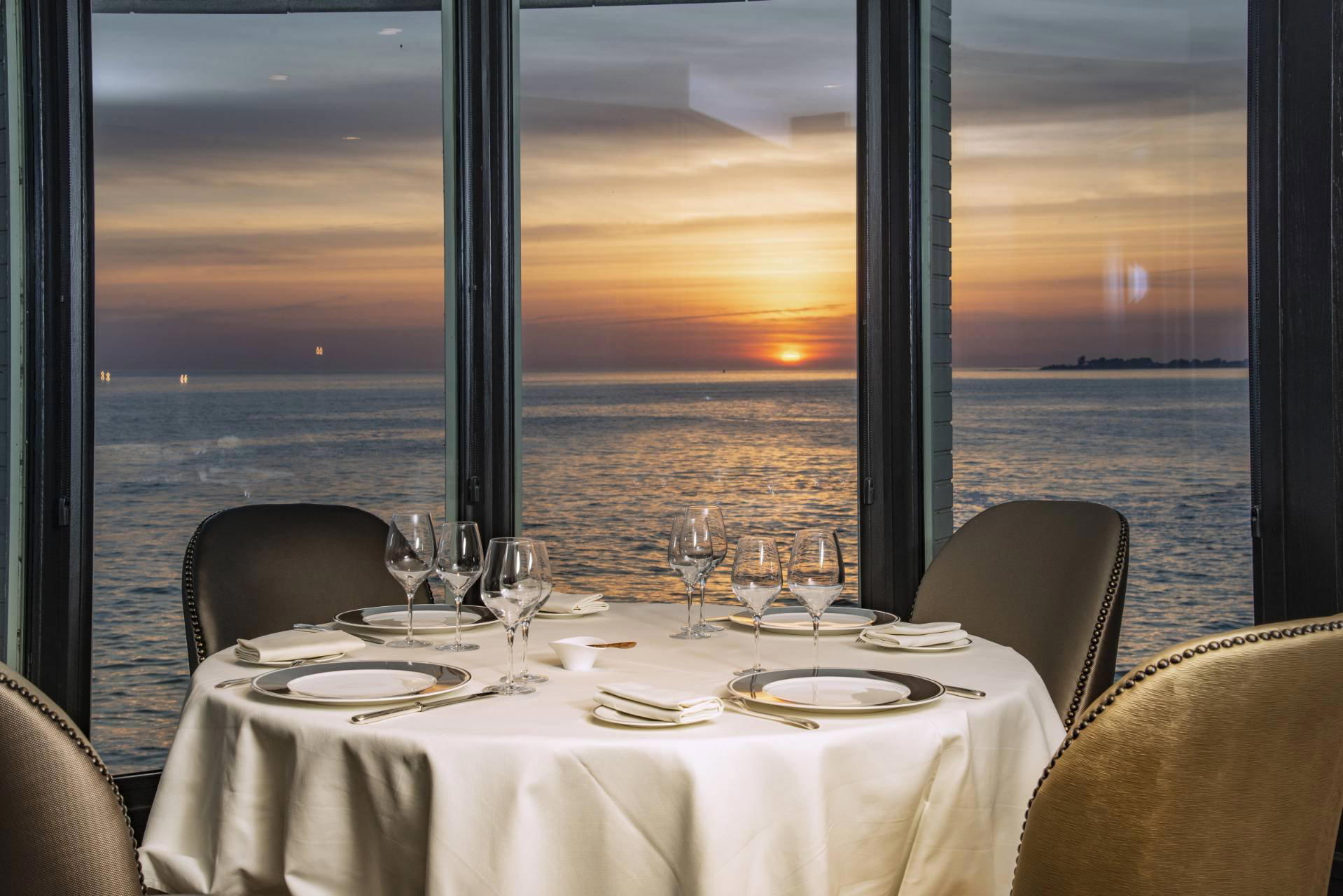
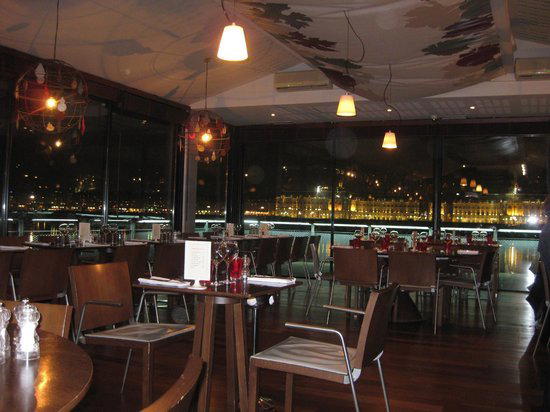
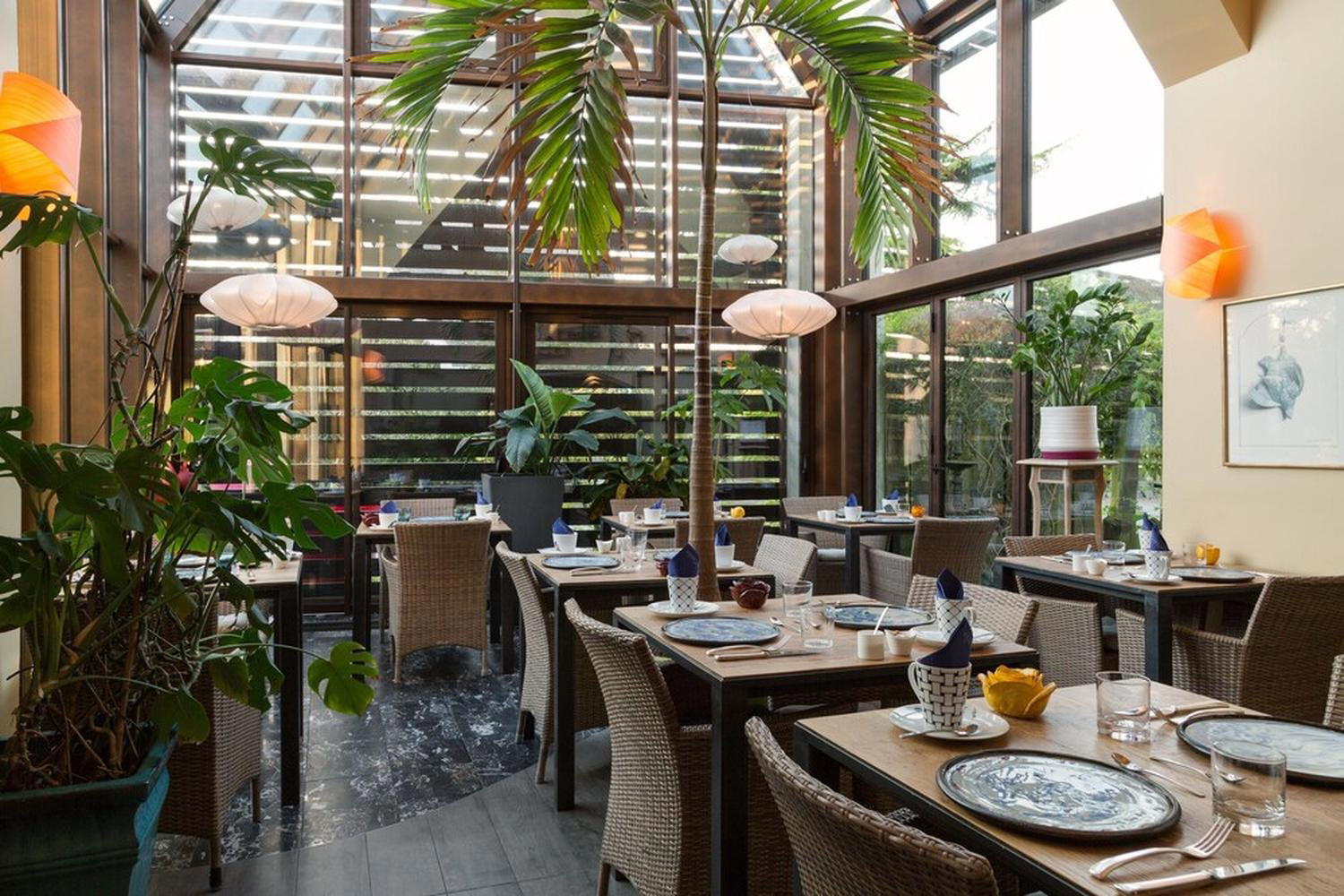
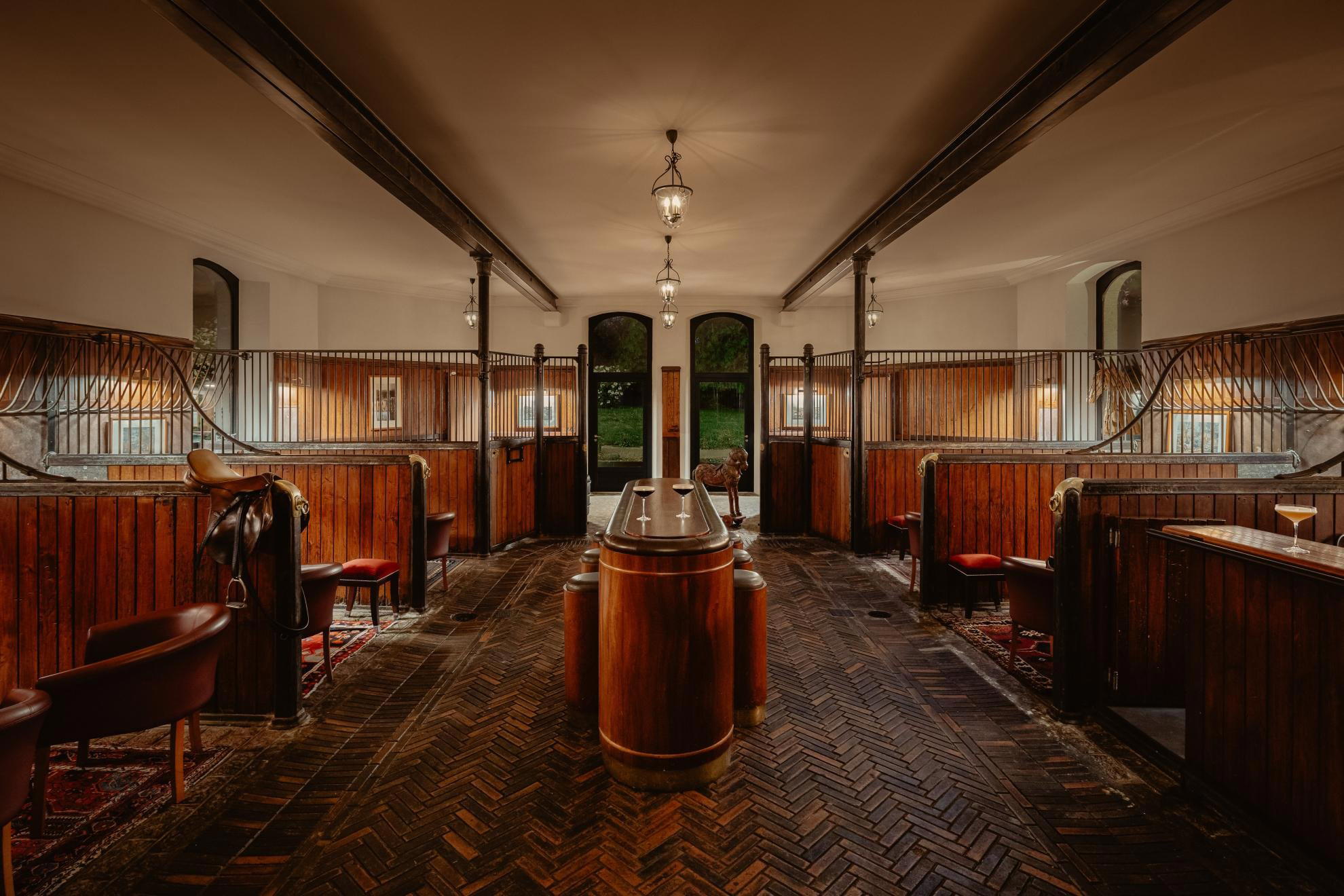
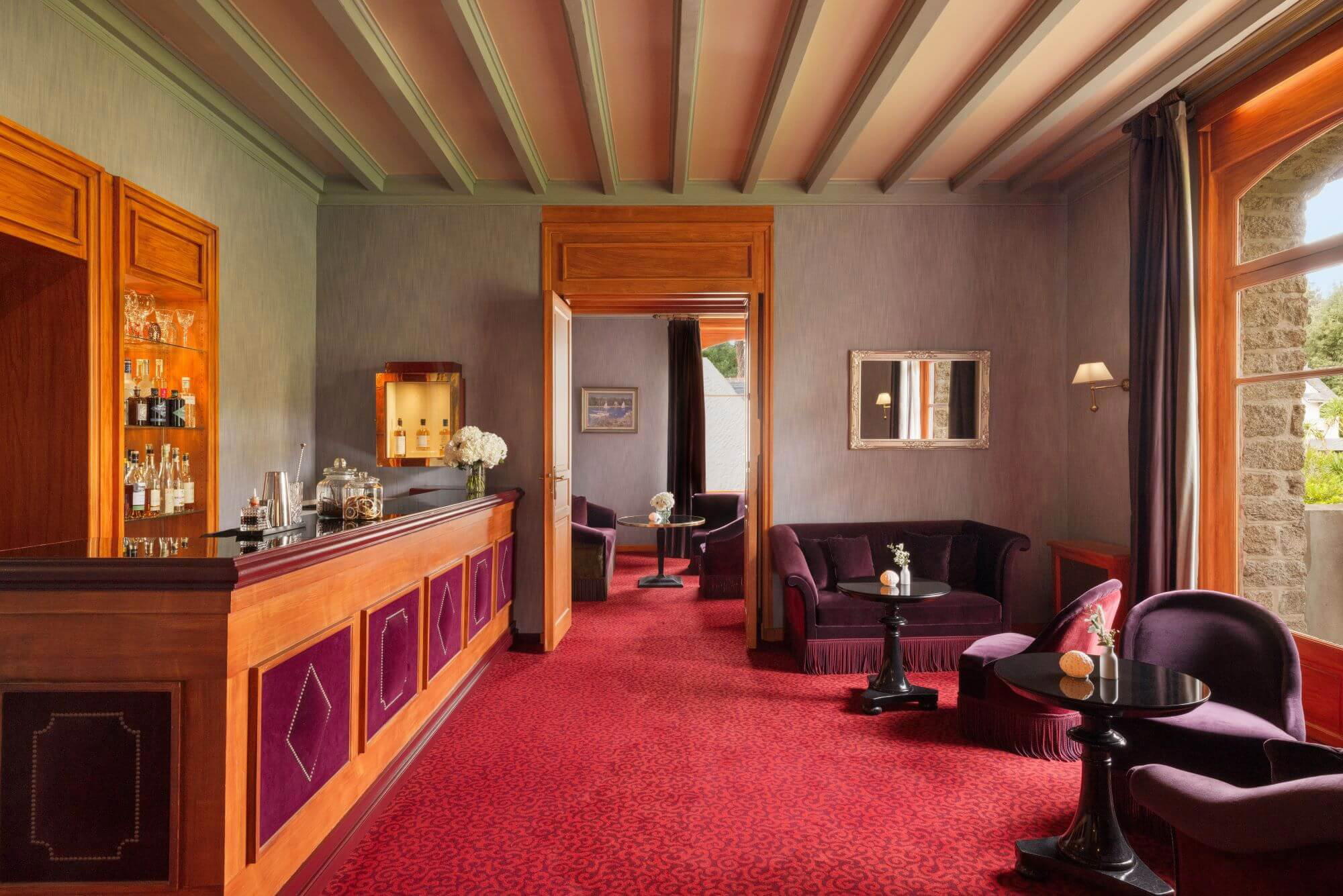
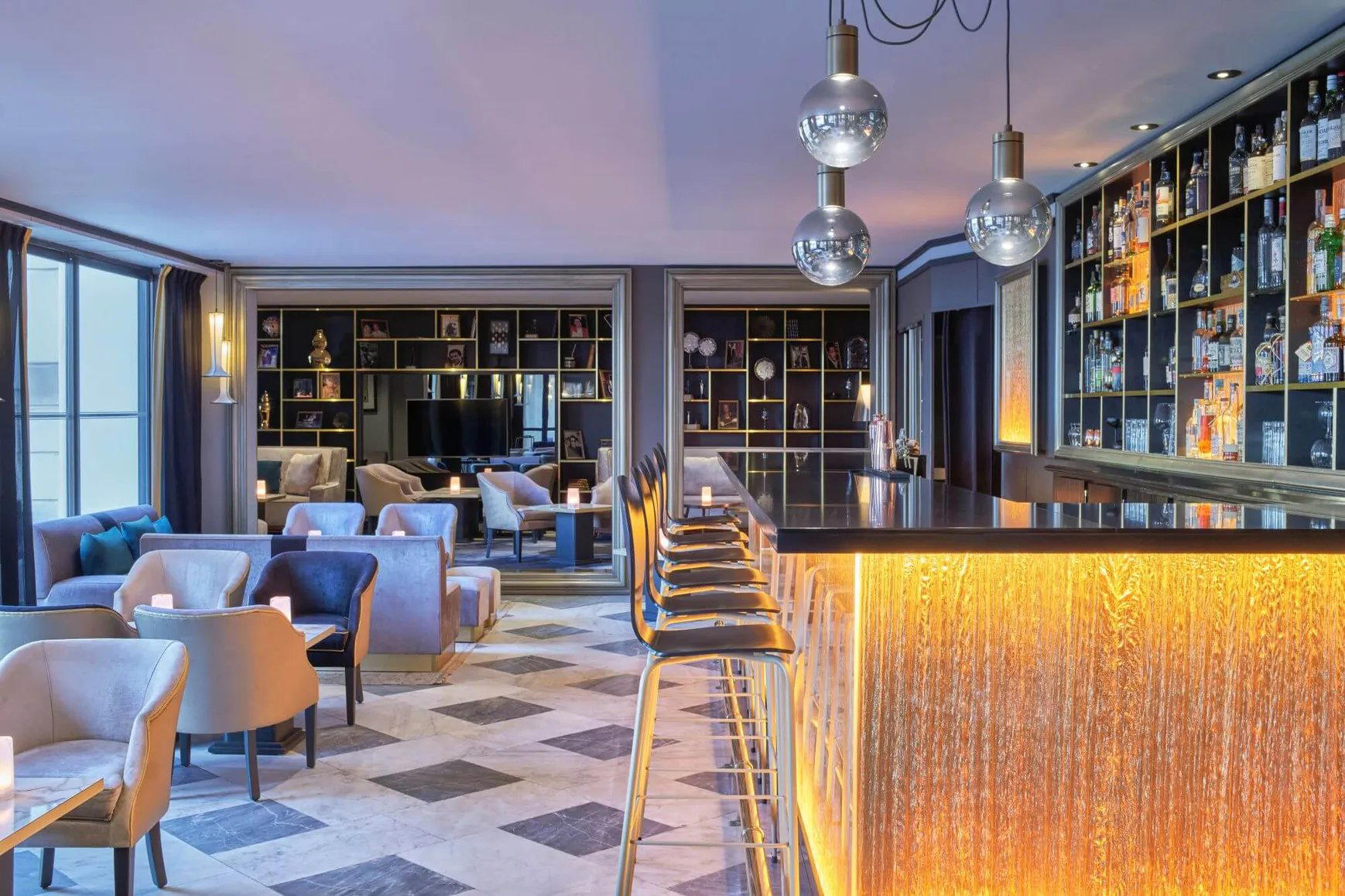
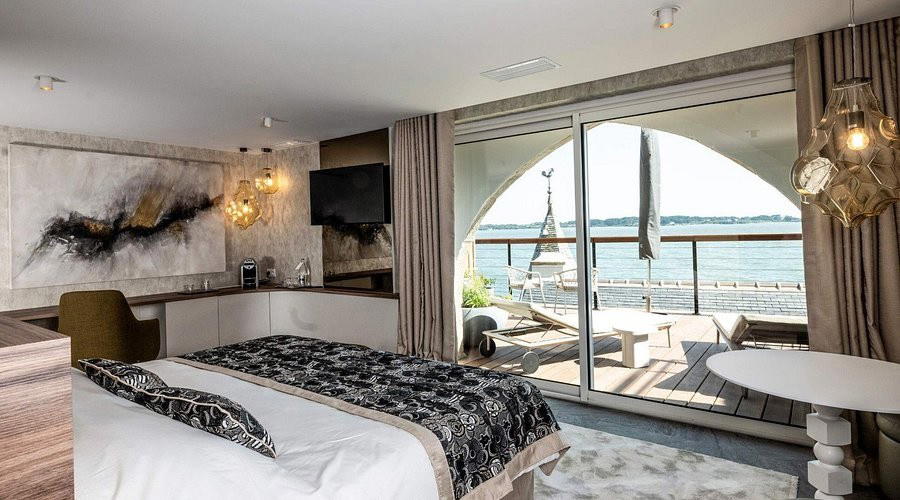
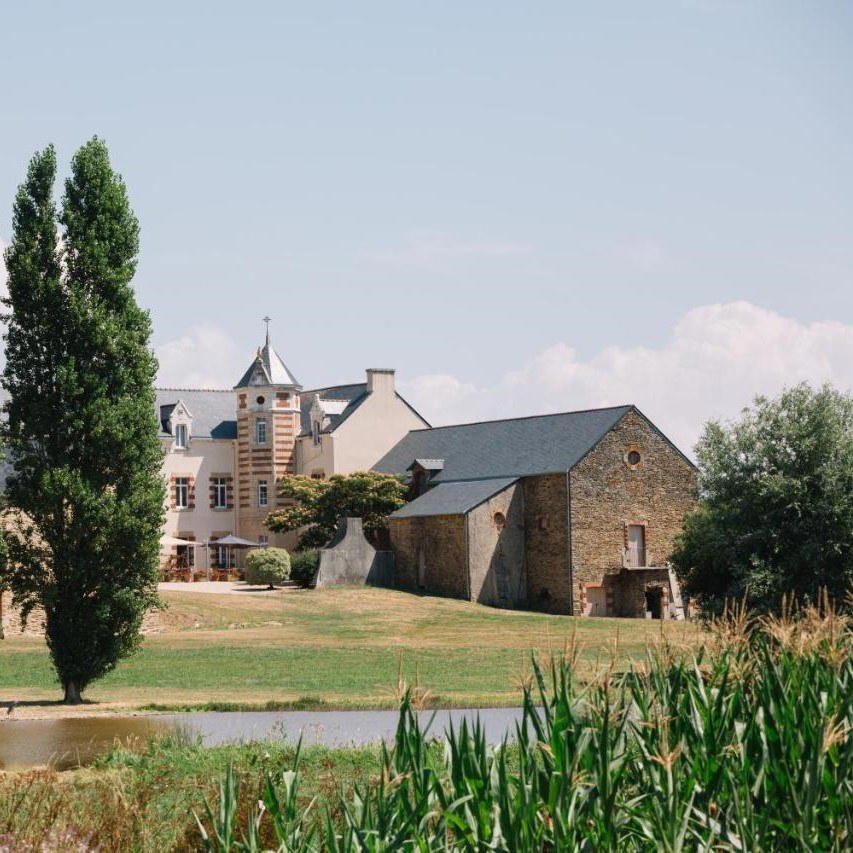
Magnificent interior beautifully decorated with a lovely terrace and garden.