L'Arbalaise
Our verdict
L'Arbalaise sits on Rue Michelet in Saint-Brieuc, a city where Brittany's coastal larder, shellfish, seaweed, salt-meadow lamb, sets the terms for serious cooking. The restaurant draws on that regional supply chain in a way that places it within a broader tradition of ingredient-led French dining, making it a point of reference for visitors tracing the character of the local table.

Pearl is the En Primeur Club membership app, where members save venues, book tables and use the concierge.
The menu
What to order
- Andouillette sauce Arbalaise
- Tartare au couteau
Saint-Brieuc and the Breton Larder
Brittany's food identity is built on geography as much as technique. The Côtes-d'Armor department, of which Saint-Brieuc is the capital, sits at the junction of a coastline dense with shellfish beds and an interior where salt-meadow livestock and heritage vegetables have been cultivated for generations. That proximity to primary produce has shaped the cooking culture of the city in ways that distinguish it from France's more abstract, technique-first dining scenes. Here, the ingredient is the argument, the cook's job is to clarify it, not to obscure it.
This is the broader context in which L'Arbalaise, at 12 Rue Michelet, operates. Saint-Brieuc's restaurant scene is relatively compact by French urban standards, which means that individual addresses carry more weight in defining the city's culinary character. A restaurant that commits to sourcing with rigour will register differently here than it would in Lyon or Bordeaux, where competition normalises a high floor. In a mid-sized Breton city, ingredient-led cooking reads as a deliberate position, not a baseline expectation.
The Address on Rue Michelet
Rue Michelet sits within Saint-Brieuc's central grid, close enough to the old town to benefit from the pedestrian character of the historic core without being absorbed by tourist-facing commerce. Approaching the address, the street has the texture of a working city neighbourhood, residential buildings, a rhythm of small businesses, rather than a designated restaurant district. In France, this is often where the more serious dining happens: kitchens that rely on word-of-mouth and repeat local custom rather than foot traffic from visitors unfamiliar with the city.
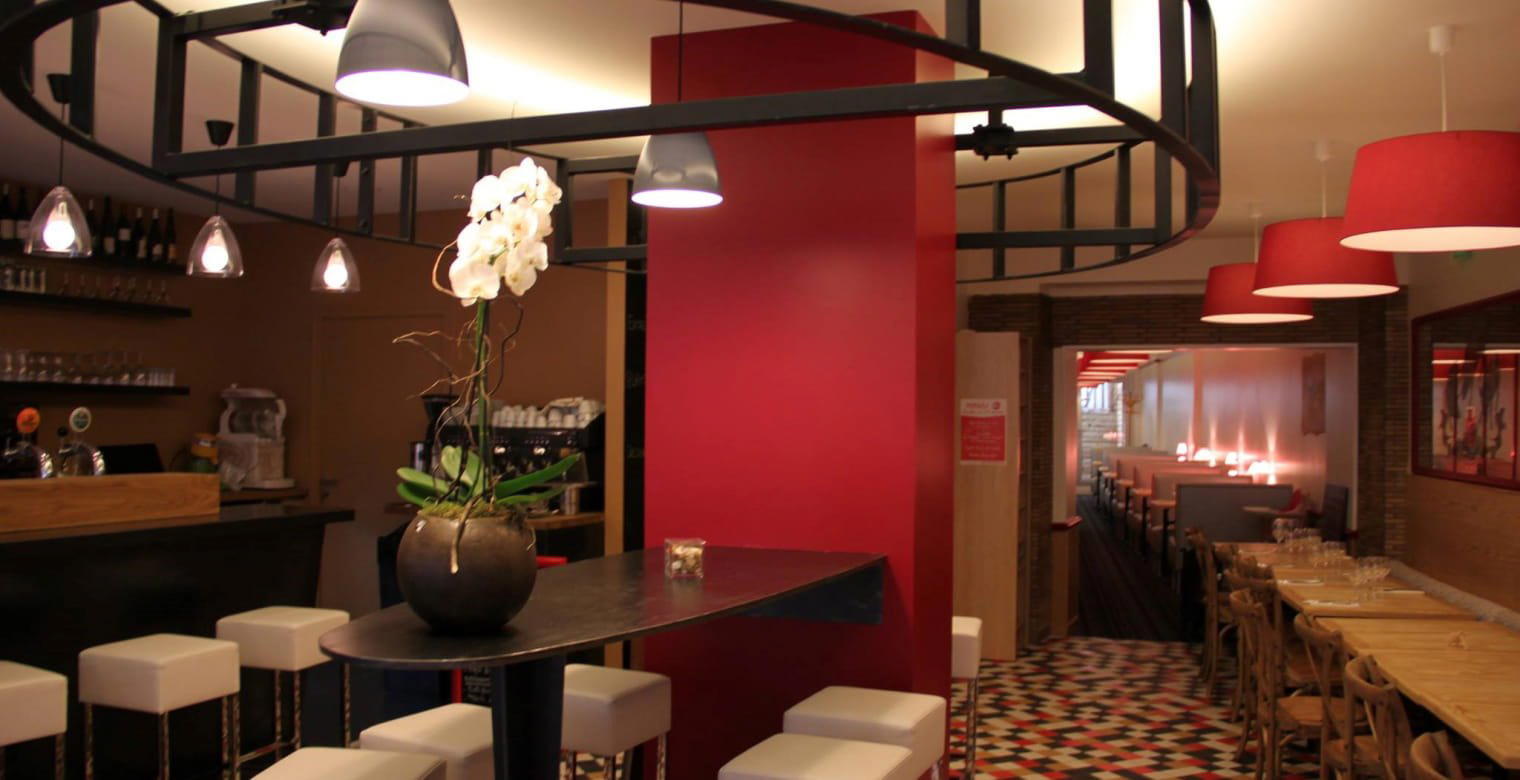
That kind of location tends to self-select for a particular dining culture. The room is not performing for passers-by. The kitchen can assume a degree of engagement from its guests, which in turn allows a more focused approach to the plate. At L'Arbalaise, this translates to a setting where the physical environment supports attention to the food rather than competing with it.
Sourcing as Editorial Stance
Across France's most committed kitchens, from Bras in Laguiole, where the Aubrac plateau has defined the menu for decades, to Mirazur in Menton, where the garden sits metres from the dining room, the decision about where ingredients come from is itself an editorial act. It determines the seasonal calendar, the relationship between kitchen and supplier, and ultimately the flavour profile of the menu. Brittany offers a particularly rich set of options in this regard.
The bay of Saint-Brieuc is one of France's most productive scallop grounds, with the coquille Saint-Jacques de la baie de Saint-Brieuc carrying Protected Designation of Origin status. The season runs from October through May, during which period local kitchens that choose to engage with it are working with a product of genuine provenance. Beyond shellfish, the hinterland supplies artichokes from the Camus de Bretagne tradition, early-season vegetables from the Léon region to the west, and lamb from the salt meadows that fringe the coast. These are not interchangeable commodities; they carry the specific mineral character of the Atlantic seaboard.
For a restaurant in Saint-Brieuc that aligns itself with this regional supply chain, the sourcing decision connects directly to what arrives on the plate and when. The menu is not fixed by preference but by availability, which is a stricter discipline than it sounds, and one that separates kitchens genuinely engaged with the local larder from those that gesture toward regionality as a marketing note.
Where L'Arbalaise Sits in the Saint-Brieuc Scene
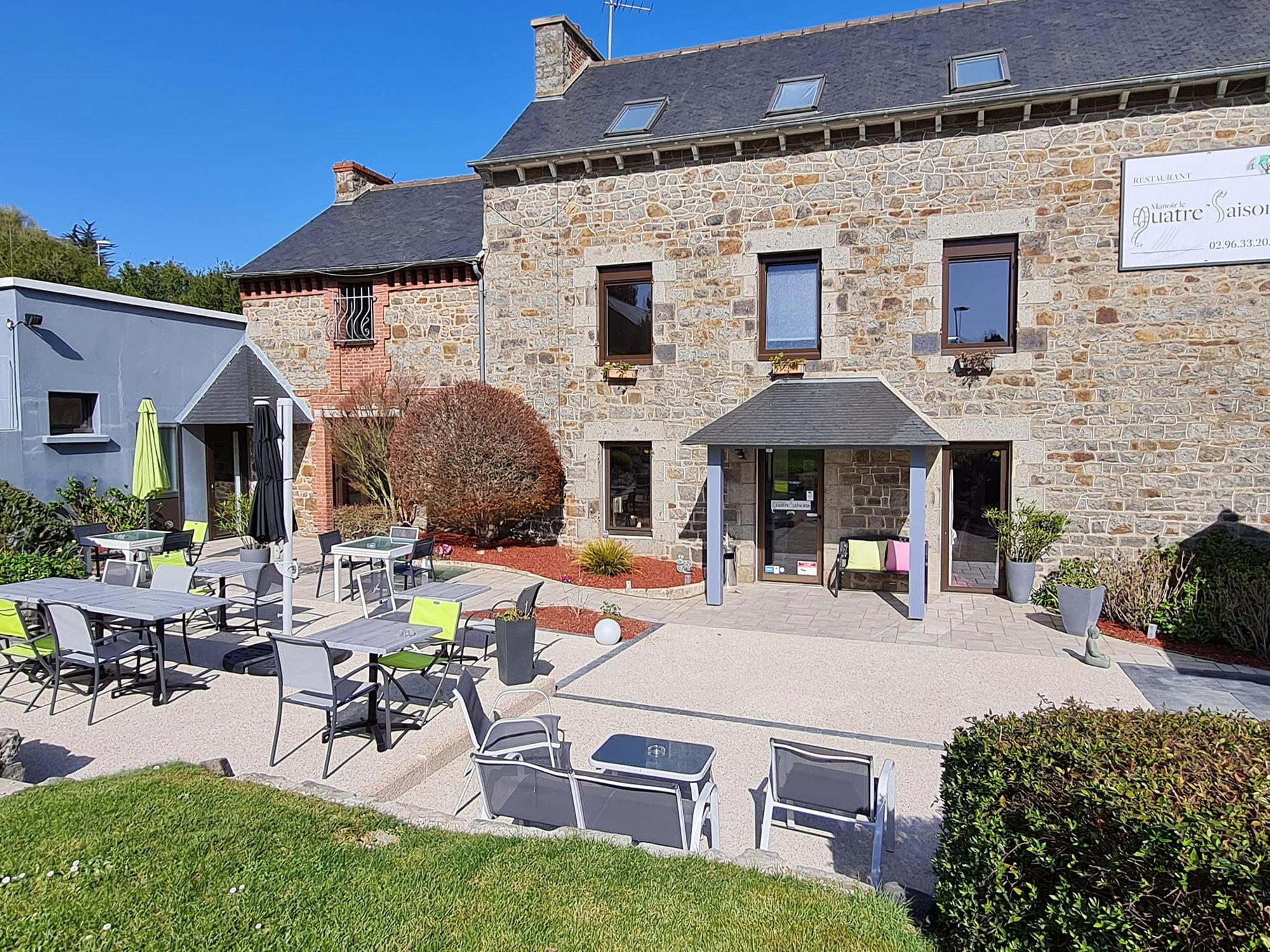
Saint-Brieuc's dining options span a range of approaches and price points. Aux Pesked occupies the premium seafood tier at €€€, with a formal commitment to coastal produce. Le Monde des Chimères takes a creative angle at the €€ level, while La Table d'Edgar and L'Air du Temps represent modern cuisine at mid-range and entry price points respectively. Manoir Le Quatre Saisons adds a property-based dining dimension to the city's offer.
Within this set, an address on Rue Michelet with a traditional-sounding name and a city-centre location suggests a kitchen positioned toward the neighbourhood bistro or regional restaurant end of the spectrum rather than the destination-dining tier. This is not a lesser position, in French culinary terms, the restaurant de quartier that executes classical regional cooking with integrity has as legitimate a claim on serious attention as the tasting-menu format that structures the conversation in larger cities. The peer comparison that matters for L'Arbalaise is less Alléno Paris au Pavillon Ledoyen or Assiette Champenoise in Reims, and more the category of committed regional French cooking where place and produce define the terms of engagement.
For a broader picture of what Saint-Brieuc offers across price tiers and cooking styles, the full Saint-Brieuc restaurants guide maps the city's dining character in more detail.
Planning a Visit
Saint-Brieuc is accessible by TGV from Paris Montparnasse, with journey times of around two to two and a half hours depending on the service. Rue Michelet is within walking distance of the city centre and reachable from the main train station on foot or by a short taxi. For visitors combining the restaurant with a wider Brittany itinerary, the bay of Saint-Brieuc itself, and the coastal paths of the Côtes-d'Armor, makes a logical day-trip frame around an evening meal.
Frequently asked questions
Does L'Arbalaise work for a family meal?
L'Arbalaise sits on Rue Michelet within Saint-Brieuc's central grid, close to the pedestrian character of the old town, which makes the approach straightforward for groups. The address is a considered choice for a shared meal rather than a quick stop, so families who eat at a measured pace will find it better suited than those with young children on a tight schedule. Confirm current arrangements directly when booking.
Is L'Arbalaise formal or casual?
The setting on Rue Michelet places L'Arbalaise within Saint-Brieuc's central dining zone, closer in register to a serious neighbourhood table than a grand-occasion room. Without a published dress code on record, the reasonable read is a relaxed but considered atmosphere, the kind where effort in the cooking is matched by effort at the table, without requiring a jacket.
Is L'Arbalaise a good option for visitors arriving by train from Paris?
Saint-Brieuc is served by TGV from Paris Montparnasse in roughly two to two and a half hours, making a day trip or overnight stay in the Côtes-d'Armor capital straightforward. Rue Michelet, where L'Arbalaise is located at number 12, is within the central grid and accessible from the station without significant distance. For visitors using the train as the primary route, L'Arbalaise sits in a sensible position relative to where most arrivals will already be headed.
What's the best thing to order at L'Arbalaise?
Côtes-d'Armor sits at one of France's most productive coastlines, and kitchens in Saint-Brieuc with any regional commitment tend to build around what the department provides: shellfish from the bay, inland dairy, and market vegetables. At L'Arbalaise, the honest answer is to follow what's freshest on the day, in Brittany, that principle consistently points toward the sea. Specific current dishes are worth confirming when you reserve.
What part of town is L'Arbalaise in?
L'Arbalaise is located at 12 Rue Michelet, 22000 Saint-Brieuc, France, Saint-Brieuc.
Comparable Spots, Quickly
Comparable venues nearby, for context on price, style, and recognition.
| Venue | Cuisine | Price | Awards | Notes |
|---|---|---|---|---|
| L'ArbalaiseThis venue (the venue you are viewing) | Traditional French Bistro | $10–20 | Not listed | Not listed |
| La Table d'Edgar | Modern French | $50–100 | Michelin Plate | centre-ville |
| Manoir Le Quatre Saisons | Traditional French Bistro | $30–50 | Not listed | Saint-Brieuc |
| Le Monde des Chimères | Modern French Bistronomique | $50–100 | Michelin Plate | Saint-Brieuc |
| Ô Saveurs | Modern French Fine Dining | $50–100 | Michelin Plate | centre-ville |
| L'Air du Temps | Traditional French Bistrot | $30–50 | Michelin Plate | centre-ville |
Continue exploring
More in Saint-Brieuc
Restaurants in Saint-Brieuc
All restaurants in Saint-Brieuc →
Hotels in Saint-Brieuc
All hotels in Saint-Brieuc →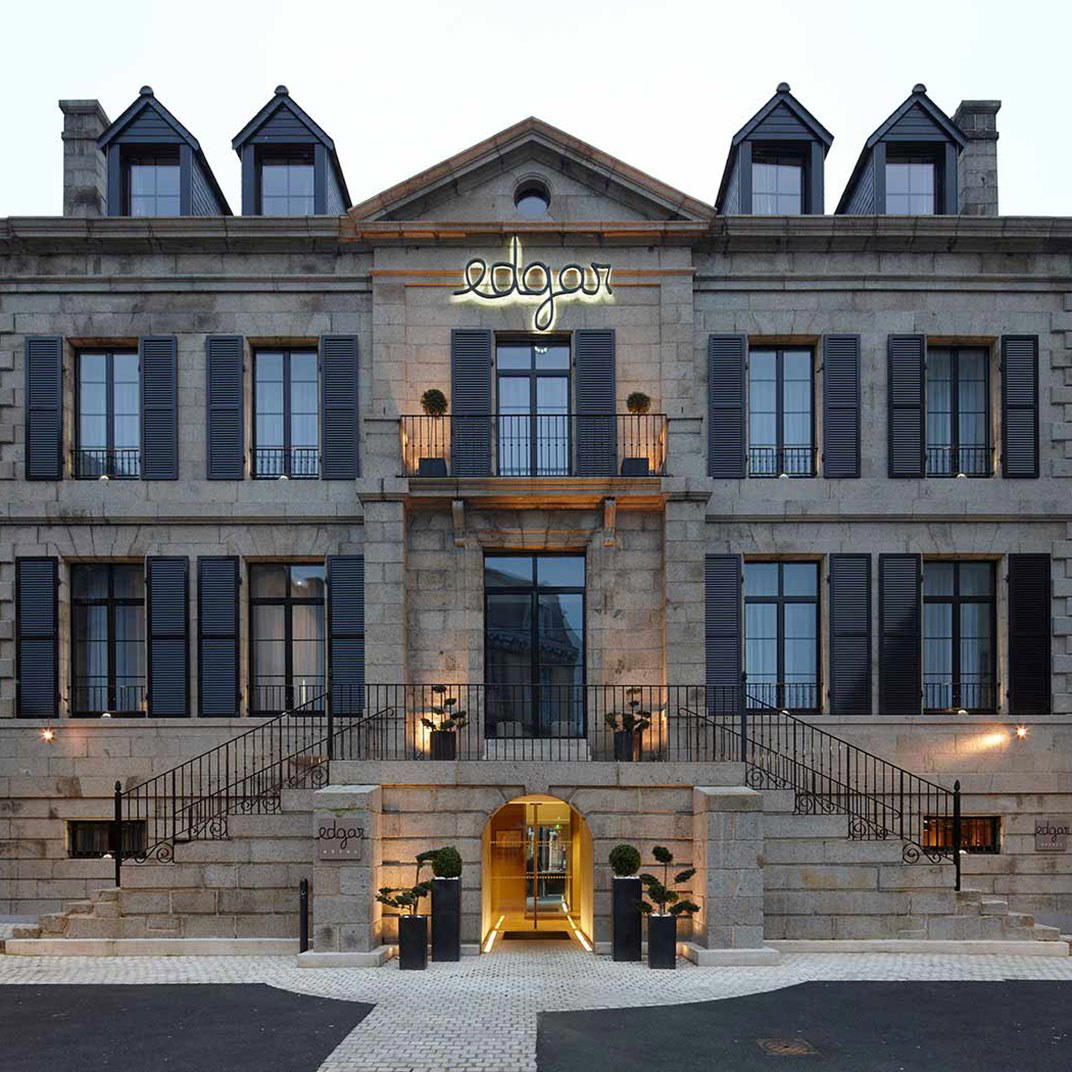
Details
- Classic
- Cozy
- Family
- Casual Hangout
- Terrace
- Local Sourcing
- A La Carte
- Vegetarian Friendly
Current opening hours
- Monday
- 10 AM–2 PM
- Tuesday
- 10 AM–2 PM
- Wednesday
- 9 AM–2 PM
- Thursday
- 10 AM–2 PM
- Friday
- 10 AM–2 PM, 7–9 PM
- Saturday
- 8 AM–3 PM
- Sunday
- Closed
Hours can change for holidays and private events. Hours as of .
Casual bistro atmosphere with a welcoming vibe suitable for families and friends.