A vaishno (strictly vegetarian) Punjabi dhaba operating near the Judicial Court Complex in Pathankot, Lal ji shudh vaishno Punjabi dhaba represents the enduring dhaba tradition of northern India, unfussy, filling, and rooted in the everyday food culture of Punjab. It occupies the lower end of the price spectrum where home-style dal, sabzi, and roti remain the point, not the occasion.
Pearl is the En Primeur Club membership app — saves, bookings, and concierge access live there. Same editors, same standards.
- Address
- Judicial Court Complex, Chotti Nehar, opp. New, Sarna, Pathankot, Punjab 145025, India
- Phone
- +917888533325
- Website
- g.co
- Directions
- Get directions
 Saves & bookings on Pearl
The Dhaba as a Cultural Institution
Punjab's roadside and neighbourhood dhabas are not a casual dining category, they are the foundational layer of the state's food culture. Long before restaurant culture arrived in north Indian cities, the dhaba was where truck drivers, pilgrims, court workers, and local families ate the same food at the same hour. The format has changed little: a no-frills setup, communal seating, and a short menu anchored in dal, sabzi, roti, and rice. What distinguishes one dhaba from another in Punjab is almost never the format or the price point. It is the consistency of execution and the commitment to a particular register of cooking.
Lal ji shudh vaishno Punjabi dhaba, positioned near the Judicial Court Complex in Pathankot's Sarna neighbourhood, operates squarely within this tradition. The "vaishno" designation matters in context: it signals a strictly vegetarian kitchen, a commitment that in Punjabi food culture carries weight both for devout Hindu diners and for those who want certainty about what enters the kitchen. Across north India, vaishno establishments hold a specific trust relationship with their regulars that goes beyond menu preference.
Pathankot's Dining Position
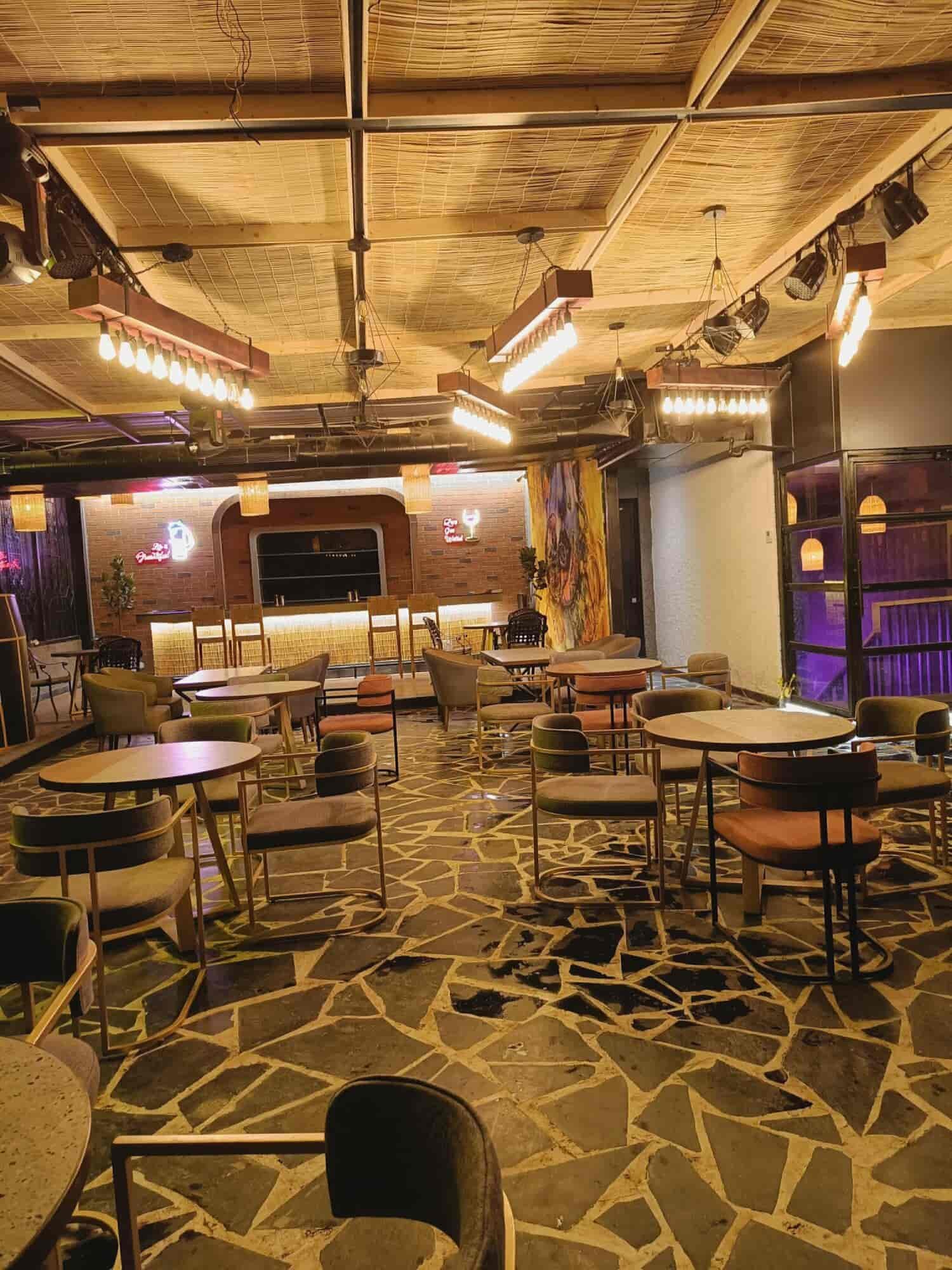
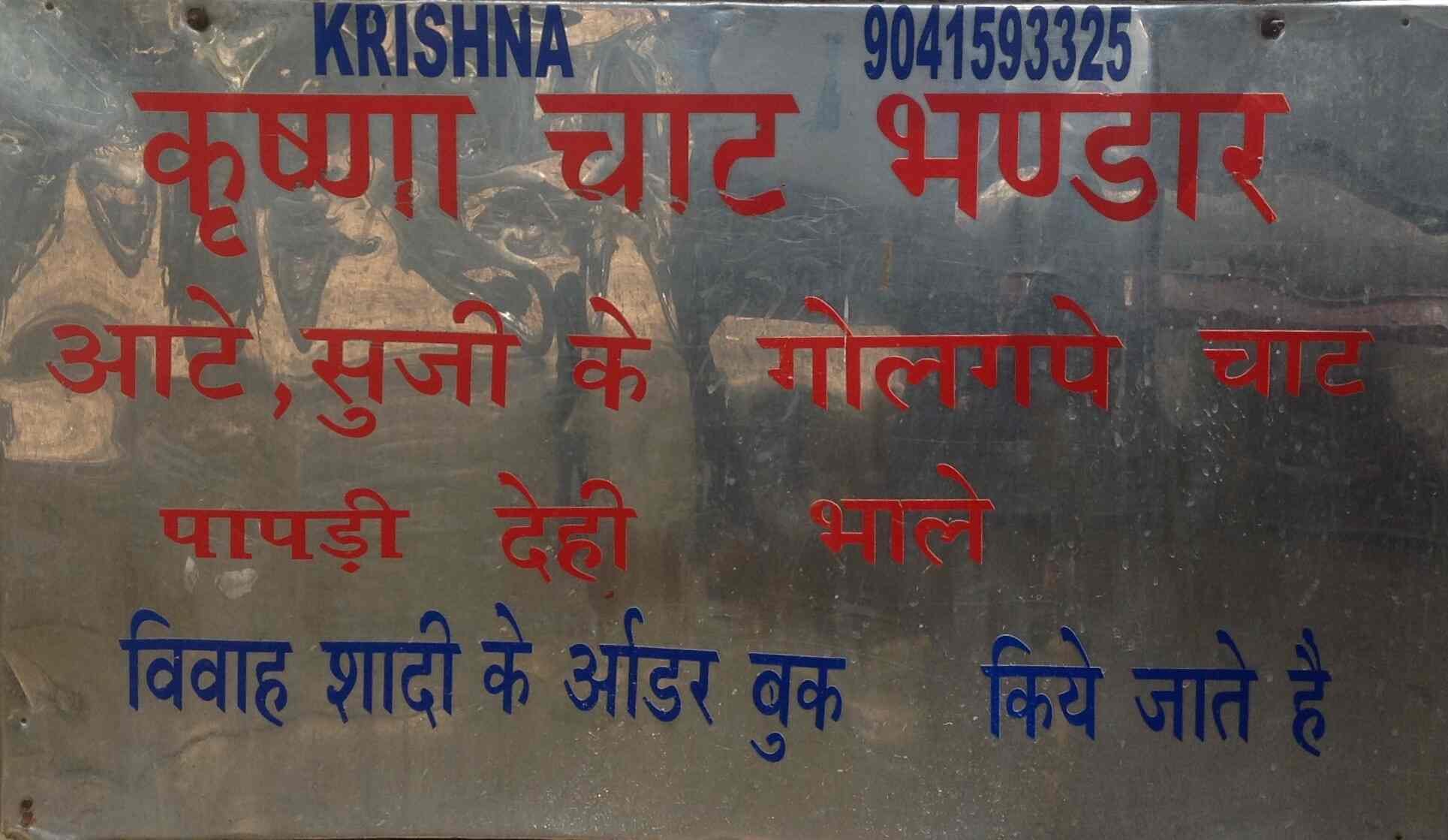
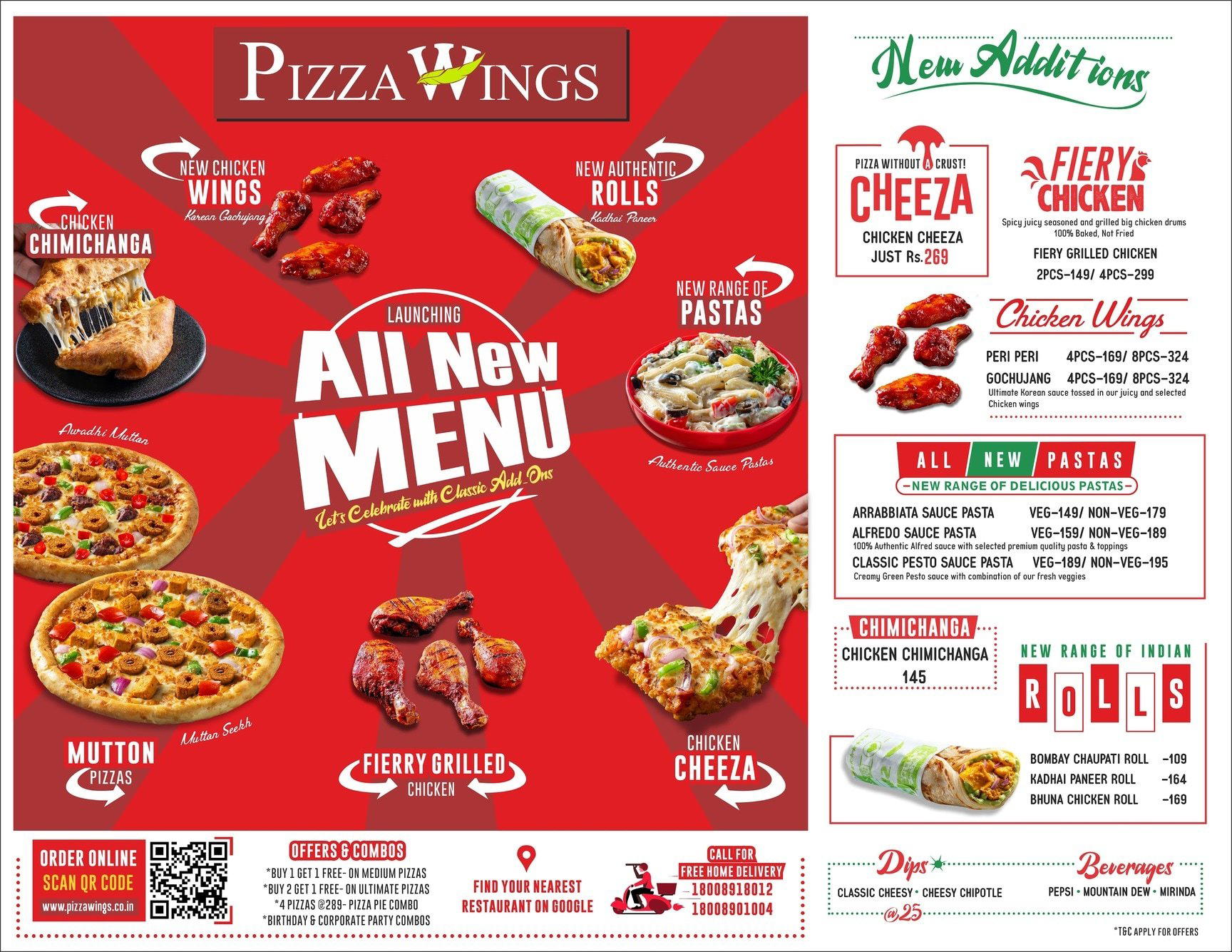
Pathankot sits at the edge of Punjab, functioning as a gateway city for travellers moving toward Himachal Pradesh and Jammu. Its food culture reflects this transit character: there is a dense layer of functional, affordable eating places serving the court complex, the railway station catchment, and the military cantonment. The dhaba format dominates this layer. Higher-end options like The Brew Estate Pathankot represent a newer, leisure-oriented tier that has emerged in parallel, while street-food counters such as Krishna Chat Bhandar occupy a snack-specific niche. Fast-casual formats like Pizza Wings Pathankot address a younger demographic. Lal ji sits in none of those sub-categories, it belongs to the meal-centric, everyday dhaba tier that predates all of them and still feeds the largest daily volume of diners in cities like this one.
What Vaishno Punjabi Cooking Actually Means
The Punjabi vegetarian kitchen is not a reduced or compromised version of the full Punjabi table. It operates on its own terms: dal makhani, chana masala, aloo gobi, paneer preparations, and seasonal sabzis form the core, supported by tandoor-baked breads, roti, paratha, naan, and rice preparations such as jeera rice or plain boiled rice served alongside. The cooking fat is typically ghee or refined oil, and the spice approach in the vaishno tradition tends toward comfort rather than heat, built on cumin, coriander, turmeric, and a restrained use of dried chillies.
This is food that traces a direct line to domestic Punjabi cooking rather than restaurant adaptation. The dhaba kitchen, unlike a hotel restaurant or a fine-dining setting, is not translating regional cuisine for an outside audience. It is simply producing it. That directness is why dhabas retain loyal local followings even as the restaurant tier above them grows. Compare this foundational register with how Indian cuisines are interpreted elsewhere on the spectrum: Bukhara in New Delhi has turned the dal bukhara and tandoor tradition into a fine-dining reference point, while Farmlore in Bangalore applies a research-led, ingredient-first methodology. The dhaba occupies the opposite end: no reinterpretation, no curation, no ceremony.
Across north India, the vaishno dhaba format appears wherever there is a significant Hindu vegetarian population alongside a transit or working population. Dadi Ki Rasoi in Budaun operates in a comparable register, a pure vegetarian kitchen serving everyday food in a utilitarian format in a smaller north Indian city. The comparison is instructive because it shows how this model replicates across the region independently of any chain or brand logic.
The Court Complex Location
The address, opposite a court complex, near Chotti Nehar in Sarna, places this dhaba in a working environment rather than a leisure one. Court complexes in Indian cities generate a consistent, time-pressured lunch demand from lawyers, litigants, clerks, and support staff. Dhabas in these locations typically serve a concentrated midday rush with a menu calibrated for quick service and high turnover. Dinner trade may be lighter and more neighbourhood-dependent. This location logic is worth understanding for anyone planning a visit: the kitchen is likely operating at its highest energy and freshest preparation during the late morning and early afternoon period.
Pathankot's position as a transit hub also means the broader region's food culture is accessible from here. Travellers moving toward Amritsar might consider Beera Chicken House in Amritsar, which represents a different register of Punjab's food culture, meat-centric, celebrated, and with a long local reputation. For those heading into Himachal, Naar in Kasauli represents the design-led, mountain-hospitality direction that the hill stations have developed.
How to Approach This Dhaba
Walk-in is the expected format at establishments in this category. Walk-in is the expected format at establishments in this category. Arrival during peak hours means joining the existing flow rather than securing a table in advance.
Dress code is not a consideration. The environment is functional and the expectation is that food, not occasion, is the purpose of the visit. For diners accustomed to the formal register of restaurants like Esphahan in Agra or Le Bernardin in New York City, the contrast is direct: these are simply different points on the same spectrum of eating.
Budget Reality Check
Comparable venues nearby, for context on price, style, and recognition.
| Venue | Cuisine | Price | Notes |
|---|---|---|---|
| Lal ji shudh vaishno Punjabi dhabaThis venue — the venue you are viewing | Sarna, Punjabi Dhaba | $ | Not listed |
| The Brew Estate Pathankot | Not listed | $$ | Dhangu Road, Indian Gastropub with Global Fusion |
| Krishna Chat Bhandar | Not listed | $ | New Shastri Nagar, Abrol Nagar, Patel Nagar, Delhi-Style Chaat |
| Pizza Wings Pathankot | Patel Chowk, Pizza and Wings | $ | Not listed |
| Beera Chicken House | Bhawani Nagar, Punjabi Tandoori Chicken | $ | Not listed |
| Zing | Not listed | $$ | Chikalthana MIDC, World of Flavors Buffet - Asian, Italian, Indian & Maharashtrian |
Continue exploring
More in Pathankot
At a Glance
- Rustic
- Cozy
- Family
- Casual Hangout
- Standalone
Current opening hours
- Monday
- 7 AM–2 AM
- Tuesday
- 7 AM–2 AM
- Wednesday
- 7 AM–2 AM
- Thursday
- 7 AM–2 AM
- Friday
- 7 AM–2 AM
- Saturday
- 7 AM–2 AM
- Sunday
- 7 AM–2 AM
Hours can change for holidays and private events. Last verified .
Cozy and refined with warm lighting and tasteful decor.