Our verdict
The address places it in an evolving quarter of Rouen where industrial heritage and serious dining have begun to converge. For visitors tracing the city's current restaurant generation, it is a reference point worth knowing.

Pearl is the En Primeur Club membership app, where members save venues, book tables and use the concierge.

The menu
What to order
- Assiette Saumon 4 saveurs
- Gravlax marinated salmon
- Pavé d'Elan de Finlande
A Quayside Setting That Signals Intent
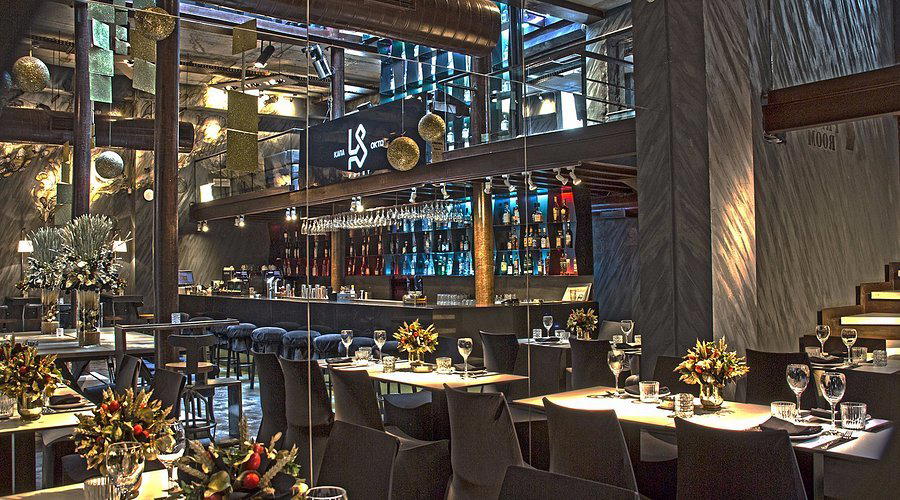
The Seine in Rouen is not the manicured riverfront of Paris. In French regional dining, the shift of serious restaurants into post-industrial riverside buildings has tracked closely with a broader movement away from the velvet-and-linen formality of traditional Norman gastronomy and toward something more architecturally honest. The room tells you, before the first course arrives, that the cooking is likely to follow a similar logic.
Rouen's dining scene sits in an interesting position relative to the rest of Normandy. The city has historically operated in the shadow of its own heritage, with visitors arriving for the Gothic cathedral, the Joan of Arc history, and a general sense of medieval gravity, then eating wherever was convenient. That pattern has shifted over the past decade. For comparison, the creative end of the Rouen dining bracket includes addresses like L'Odas (Creative), which operates at the €€€ tier and represents the city's most technically ambitious cooking, and more mid-range propositions such as ACQUA & FARINE. Laksøn occupies its own position within that spread, defined in part by its location and the logic of its space.
Norman Produce, Continental Technique
The editorial angle that makes Laksøn legible in 2024 is one shared by a number of the more interesting French regional addresses: the application of imported technical methods to products that are deeply, specifically local. The dairy output is well documented, the apple culture runs from table fruit through cidre to calvados, the coastal proximity delivers shellfish and flatfish that arrive with a provenance advantage that no urban restaurant can replicate. What has changed in the current generation is the willingness to run those raw materials through techniques that owe as much to Scandinavian minimalism, Japanese precision, or Spanish avant-garde methodology as to the classical French canon.
This intersection of indigenous product and global technique is not Rouen-specific. You see the same tension playing out at addresses across the provincial tier of French dining, from the terroir-focused intensity of Bras in Laguiole to the regional-meets-modern programme at Flocons de Sel in Megève. At the Parisian summit, addresses like Alléno Paris au Pavillon Ledoyen have made extraction and sauce-making methodologies into a full intellectual programme. The regional version of this movement is often less codified, more instinctive, but the underlying question is the same: what does a place taste like when you apply serious modern technique to what grows or swims or grazes there?
For Laksøn, the quayside setting reinforces that reading. It implies an aesthetic position: less ornamentation, more material honesty, a preference for letting the cooking carry the room rather than relying on decorative atmosphere. Other notable French addresses that have built reputations through a similar commitment to place and product include Mirazur in Menton, where garden-to-plate proximity is central to the restaurant's identity, and the long-established Auberge de l'Ill in Illhaeusern, which has anchored Alsatian regionalism for decades. Both demonstrate how a strong sense of geographical rootedness can function as a sustained editorial position rather than a marketing device.
The Rouen Context
Understanding where Laksøn sits requires a sense of what surrounds it. Rouen's restaurant ecology covers a wide range. At the traditional end, Brasserie Paul represents the classic Norman brasserie format, and addresses like Chez L'Gros and Au Flaméron hold down the more approachable mid-market tier. The creative bracket, where Laksøn appears to operate, is smaller and more recent in its formation. This is typical of mid-sized French cities that have not historically sustained a large fine-dining economy: a handful of serious addresses, often younger and more informal in register than their Parisian equivalents, working with similar ambition but at a different price altitude.
The international frame of reference matters here too. The current French regional generation has absorbed influences from programmes well outside the classical tradition. AM par Alexandre Mazzia in Marseille represents one version of this, with a cooking vocabulary that draws on multiple continents while remaining anchored in Mediterranean produce. Assiette Champenoise in Reims and Au Crocodile in Strasbourg show how deep regional identity and technical ambition can coexist in cities of comparable scale to Rouen. The question for any new entry in this space is always the same: does the local anchoring feel genuine, or is it a styling exercise applied over technique that could be happening anywhere?
Internationally, the conversations around product-led cooking and industrial-space dining have been running for years, with addresses like Le Bernardin in New York City demonstrating at the highest level what sustained focus on a single product category can produce, and Atomix in New York City showing how rigorous technique applied to culturally specific ingredients can generate a distinct dining language. Closer to home, the generational ambition of Troisgros in Ouches and Paul Bocuse's L'Auberge du Pont de Collonges map the longer arc of French provincial dining that current operators are both inheriting and revising. The quayside address is direct to reach from the city centre on foot or by taxi, and the Seine-adjacent setting makes it a natural endpoint for an afternoon spent in the historic quarter. Given the growing visibility of the address within Rouen's tighter fine-dining bracket, booking ahead is advisable, particularly for weekend services. Direct contact or online reservation channels are the most reliable approach. For a fuller picture of what the city offers across price points and styles, the EP Club Rouen restaurants guide covers the scene in detail.
Frequently asked questions
What part of town is Laksøn in?
Laksøn is located at Hangar n°, 10 Quai Ferdinand de Lesseps, 76000 Rouen, France, Rouen.
Is Laksøn suitable for a dinner in Rouen if I'm visiting from Paris for the day?
Rouen is around 80 minutes from Paris Saint-Lazare by intercity rail, which makes an evening visit to Laksøn logistically possible, though it requires attention to last-train departure times. The Hangar n°10 address on Quai Ferdinand de Lesseps is reachable on foot from Rouen's city centre, avoiding the need for additional transport once you arrive. For visitors coming specifically to eat rather than to overnight, this is one of the Rouen addresses that justifies the trip on culinary grounds, given its position in the city's more considered cooking scene.
What should I eat at Laksøn?
Laksøn's editorial identity centres on Norman produce interpreted through continental technique, which points toward dishes rooted in the region's larder, dairy, seafood, and orchard ingredients that define Normandy's table. The quayside hangar setting at Quai Ferdinand de Lesseps in Rouen positions the kitchen firmly in the working-port tradition rather than the tourist-facing brasserie circuit. For the most representative experience, order from whatever the kitchen emphasises that season, as the approach favours produce-led rotation over fixed signatures.
Should I book Laksøn in advance?
Reservations ahead of your visit are advisable. Rouen's more considered restaurant addresses, those operating outside the brasserie-volume model, typically run at capacity on weekend evenings, and Laksøn's converted hangar space on Quai Ferdinand de Lesseps is not a large-format room. Contacting the venue directly or checking their current booking channel before arrival will confirm lead times.
What makes Laksøn worth seeking out?
The combination of address and approach is the core argument. Rouen's Quai Ferdinand de Lesseps is working industrial riverfront, not a curated pedestrian zone, which means Laksøn is a deliberate destination rather than a footfall capture. Within Rouen's restaurant spectrum, which runs from historic brasseries to a small number of more technically ambitious rooms, the Hangar n°10 address represents the city's contemporary register, applying continental cooking discipline to Norman raw materials.
Do they accommodate allergies at Laksøn?
Standard practice at French restaurants operating at this level is to discuss requirements at the time of booking rather than on arrival, so contact the venue at Hangar n°10, Quai Ferdinand de Lesseps, Rouen before your visit to confirm what can be accommodated.
Peers You’d Cross-Shop
Comparable venues nearby, for context on price, style, and recognition.
| Venue | Cuisine | Price | Notes |
|---|---|---|---|
| LaksønThis venue (the venue you are viewing) | Scandinavian Seafood | $30–50 | Not listed |
| Comptoir des Halles | French Seafood & Oyster Bar | $30–50 | Vieux Marché |
| Le Veau d'Or | Traditional French Offal Bistro | $20–30 | Not listed |
| ACQUA & FARINE | Italian Pizza and Pasta | $20–30 | Vieux Marché Cathédrale |
| Chez Yulin | Authentic Chinese & Korean | $20–30 | Vieux Palais |
| Lé Là Restaurant | Réunion-Norman Fusion | $30–50 | Centre Ville |
Continue exploring
More in Rouen
Restaurants in Rouen
All restaurants in Rouen →

Details
- Modern
- Scenic
- Lively
- Date Night
- Waterfront
- Open Kitchen
- Terrace
- Local Sourcing
- Waterfront
- Street Scene
- A La Carte
Current opening hours
- Monday
- Closed
- Tuesday
- 12–2:30 PM
- Wednesday
- 12–2:30 PM, 7–10 PM
- Thursday
- 12–2:30 PM, 7–10 PM
- Friday
- 12–2:30 PM, 7–10:30 PM
- Saturday
- 12–2:30 PM, 7–10:30 PM
- Sunday
- 12–7 PM
Hours can change for holidays and private events. Hours as of .
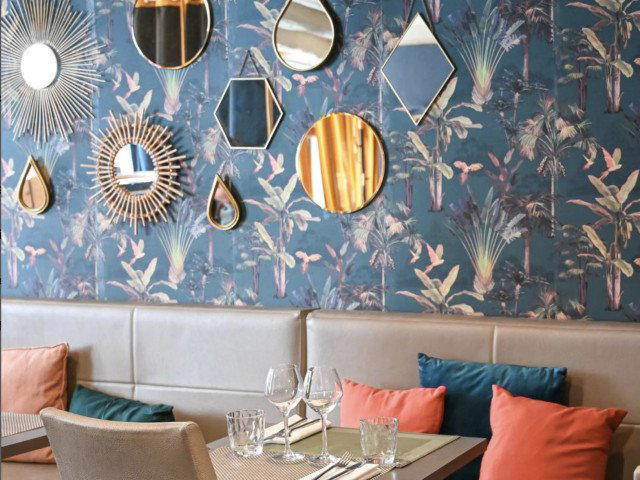
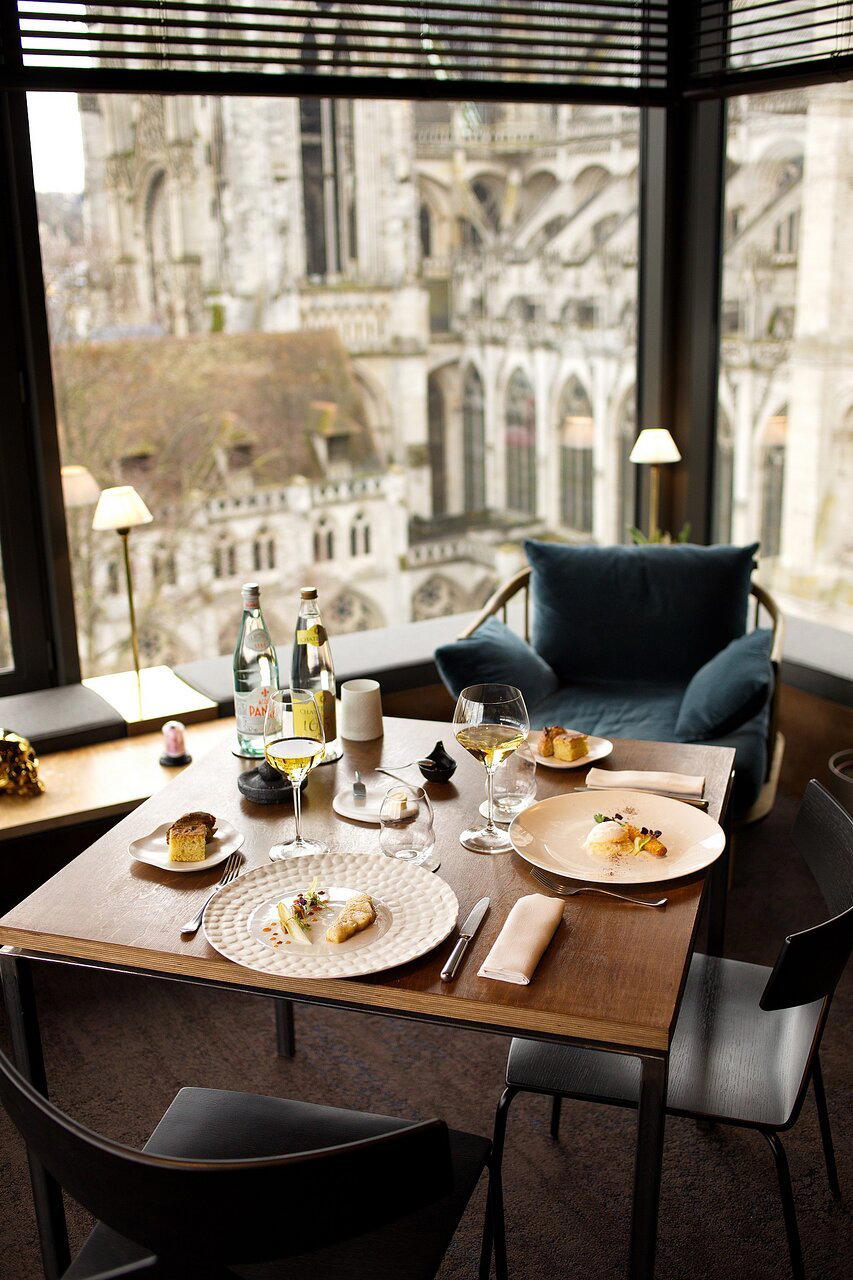
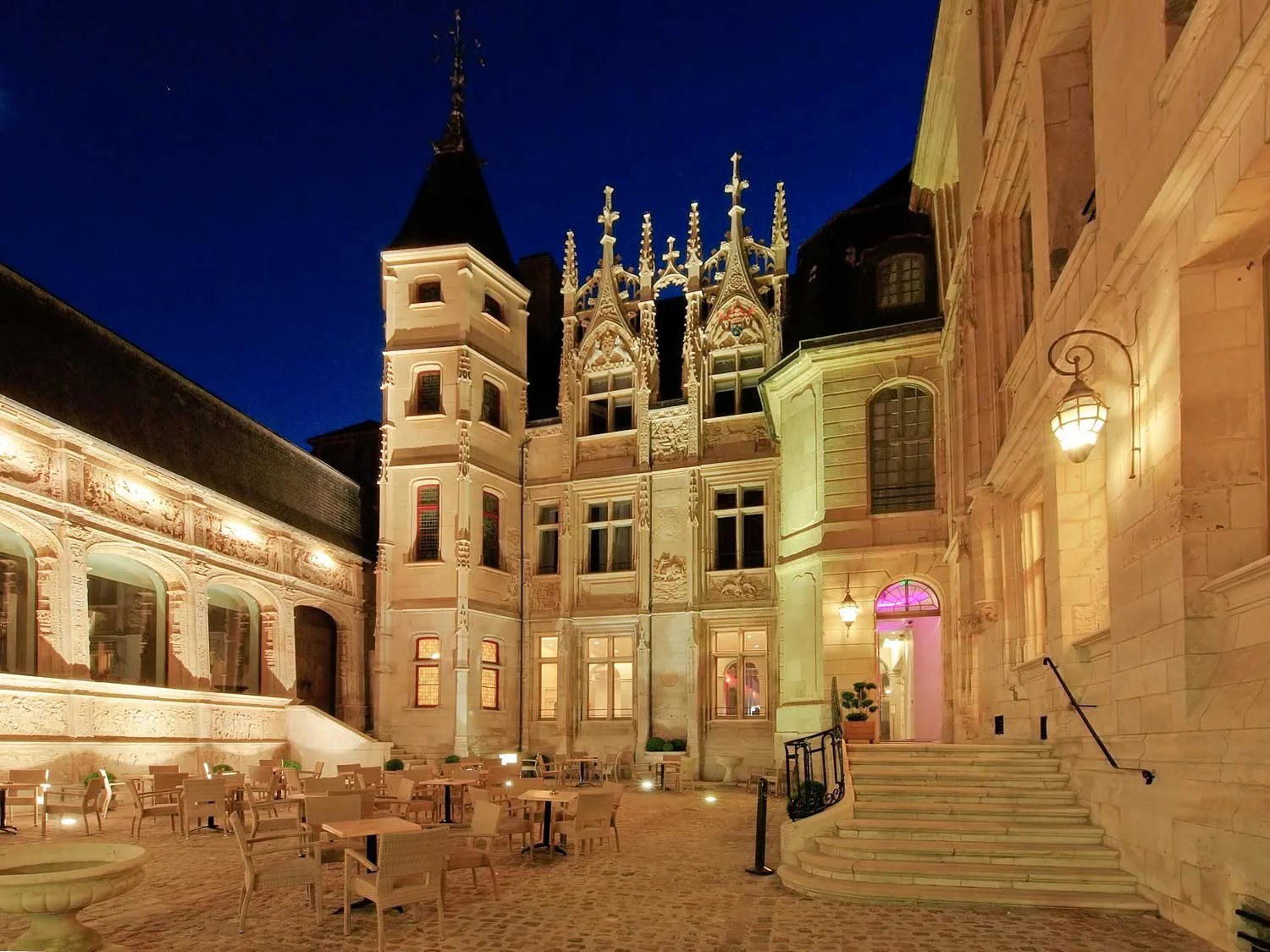
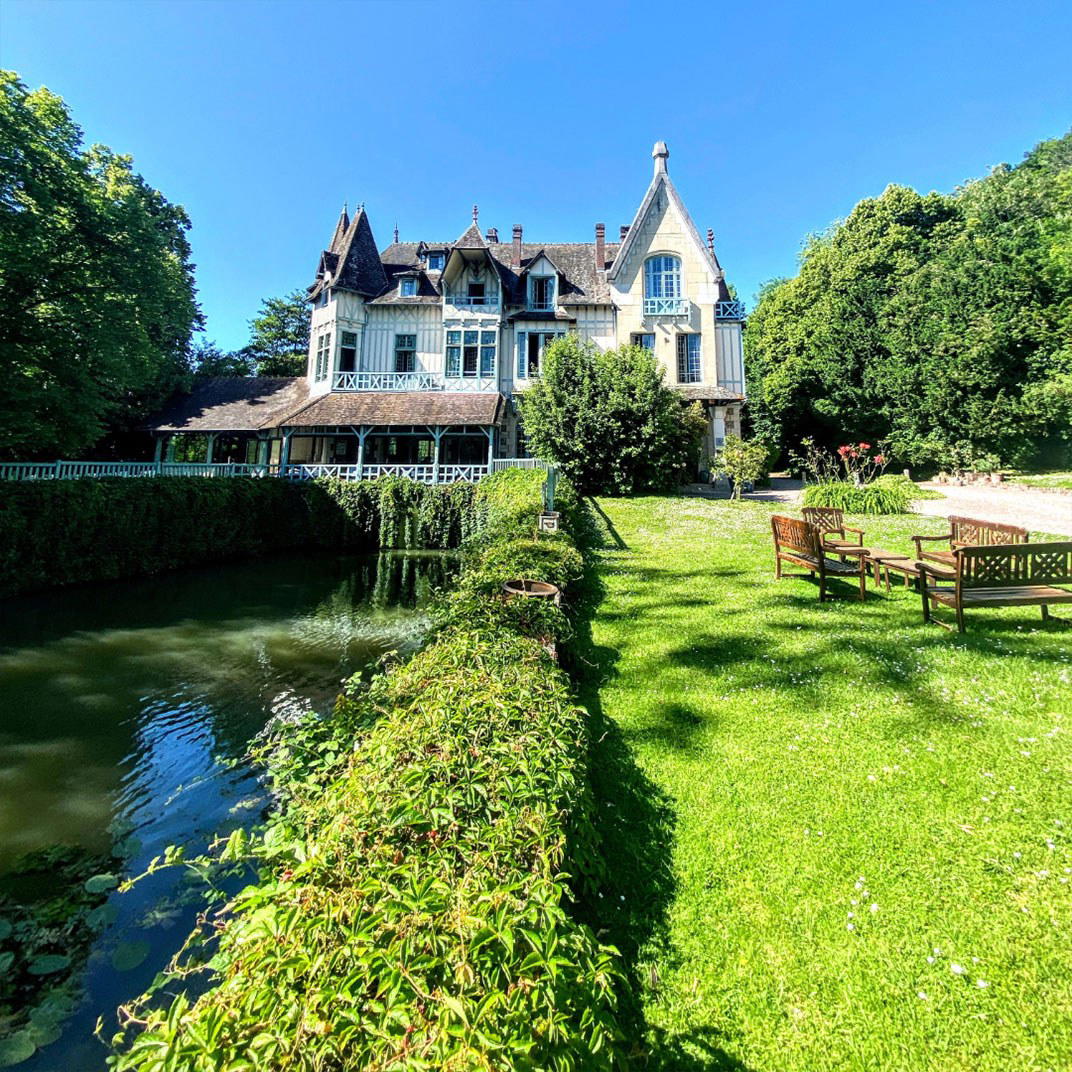
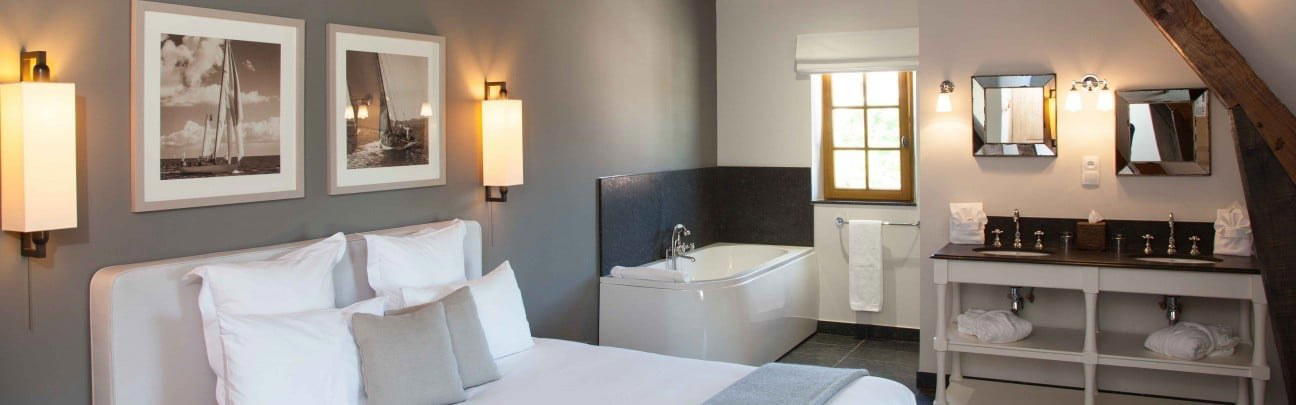
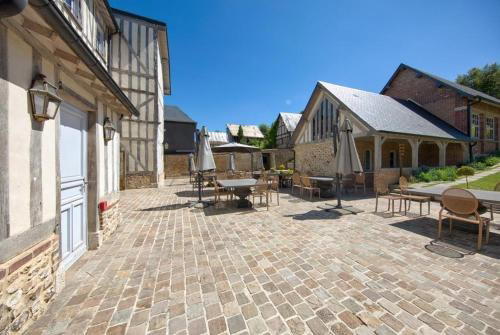
Sleek modern interior with open kitchen, large windows overlooking the river, and lively terrace atmosphere.