
Michelin Plate
Our verdict
La Vallée holds a Michelin Plate for 2024 and 2025, placing it among the recognised traditional dining addresses in Dinard. Priced at the accessible €€ tier, it occupies a different position from the town's higher-priced modern cuisine options.

Pearl is the En Primeur Club membership app — saves, bookings, and concierge access live there. Same editors, same standards.
- Address
- 6 Av. George V, 35800 Dinard, France
- Phone
- +33 2 99 46 94 00
- Website
- hoteldelavallee.com
- Directions
- Get directions
- Booking
- Book on Zenchef
The menu
What to order
- Grilled lobster
- Seafood platter
- Oysters from Cancale
- Scallop carpaccio
- Lobster ravioli
Traditional French Cooking on the Côte d'Émeraude
Dinard sits across the Rance estuary from Saint-Malo, close enough to share a ferry crossing but distinct enough to maintain its own pace. The resort town built its reputation on Belle Époque villas, a sheltered beach, and a particular kind of unhurried Breton life that still shapes how people eat here. Restaurants in Dinard tend to follow two tracks: a handful of modern cuisine addresses pushing into contemporary French territory, and a quieter tier of traditional houses that keep faith with the regional larder, the slow-braised cuts, the shellfish pulled from nearby waters, and the classic sauces of coastal Brittany. La Vallée, at 6 Avenue George V, belongs firmly to the second category.
That distinction matters on this stretch of the Emerald Coast. Dining in Brittany has long been anchored by the quality of its primary ingredients rather than the complexity of its technique. Lobster from the Breton coast, oysters from the Cancale beds a short drive east, butter from Isigny, salt from Guérande — these are the materials around which traditional Breton cuisine organises itself. A kitchen working in this tradition is judged on sourcing and execution, on whether the béarnaise holds, on whether the fish has been handled with care or overworked. That framework is different from the one applied to, say, a modern tasting-menu counter in Paris where technique is the argument. Here, restraint and fidelity to the ingredient are the argument.
Where La Vallée Sits in the Local Dining Order
Dinard's recognised restaurant tier includes several addresses worth comparing directly. Le Pourquoi Pas holds a Michelin Star and prices at €€€€, placing it at the top of the town's formal dining hierarchy with a modern cuisine format. Didier Méril operates in the €€€ modern cuisine bracket, offering a middle tier between the starred table and the traditional end of the market. Ombelle also works in modern cuisine at the €€ price point, sharing La Vallée's accessible tier but from a different culinary direction.
La Vallée's position is the one most closely tied to the town's culinary heritage. At the €€ price range with a Michelin Plate awarded in both 2024 and 2025, it sits in the recognised-but-accessible bracket of traditional French cooking, a category that Michelin has used its Plate designation to signal quality worth seeking out without the full starred apparatus. That sustained recognition across consecutive years is a consistent signal that the kitchen has not drifted or declined.
For a broader sense of what the Michelin Plate tier represents in French dining, it is worth understanding where traditional cuisine addresses sit nationally. Houses like Auberge Grand'Maison in Mûr-de-Bretagne occupy similar territory in Brittany, anchoring traditional cooking to specific regional identity. Further afield, the full range of French restaurant ambition runs from neighbourhood bistros through to operations like Troisgros in Ouches, Auberge de l'Ill in Illhaeusern, and Bras in Laguiole, each of which has defined a regional identity through decades of sustained commitment. La Vallée operates in a more modest register, but the logic — cuisine shaped by its geography, is the same.
The Cultural Weight of Traditional Cuisine in Brittany
Traditional French cuisine, as a category, carries a different cultural charge in a coastal Breton town than it does in Lyon or Bordeaux. Brittany's culinary identity is not primarily built on wine (the region produces little), nor on the rich butter and cream sauces associated with Norman cooking to the east, though fat and dairy do feature. It is built above all on the sea. The department of Ille-et-Vilaine, where Dinard sits, has direct access to some of France's most productive shellfish waters. A traditional restaurant on this coastline is, in effect, a direct argument for the quality of that supply chain.
Traditional cuisine addresses in France tend to generate this kind of steady, broad-based goodwill when they do their job well. The question a review aggregate answers for a traditional house is different from the one it answers for a progressive or avant-garde kitchen. For the latter, novelty and surprise drive scores. For the former, consistency and honest cooking do.
Planning Your Visit
La Vallée is located at 6 Avenue George V in central Dinard, within easy reach of the seafront and the town's main residential and hotel district. The €€ price bracket puts it at an accessible point for lunch or dinner without the advance commitment required at the starred end of the market. For those exploring the wider town, the full Dinard restaurants guide covers the complete recognised dining picture, while the Dinard hotels guide, bars guide, wineries guide, and experiences guide provide a fuller picture of what the Côte d'Émeraude offers beyond the table.
Visitors who want to place La Vallée within a broader sweep of serious French regional cooking might also consider the contrasts offered by Mirazur in Menton, Flocons de Sel in Megève, AM par Alexandre Mazzia in Marseille, Alléno Paris au Pavillon Ledoyen, and Paul Bocuse in Collonges-au-Mont-d'Or, addresses that sit at very different points on the spectrum of French cuisine but collectively illustrate the range of what the country's culinary tradition encompasses. At the other end of that spectrum from the grand maisons, a traditional Breton address like La Vallée is where the daily practice of French regional cooking is kept in motion. For regional comparison beyond France, Auga in Gijón offers a useful parallel from the Cantabrian coast: another northern European seafood tradition expressed through direct, ingredient-led cooking at an accessible price point.
What La Vallée Is Famous For
The kitchen operates under a traditional French cuisine classification with Michelin Plate recognition, which in coastal Brittany typically centres on local seafood, classical sauces, and regionally sourced produce. Given the setting and the culinary tradition of the Ille-et-Vilaine coast, the kitchen's strengths are most plausibly rooted in the area's shellfish supply and the classical French preparations that have accompanied it for generations. Any specific dish attribution beyond that framing would require verified source material not currently held in the record.
Frequently asked questions
Is La Vallée more mid-range or high-end?
Pricing at La Vallée is listed as €€.
What awards or recognition does La Vallée have?
La Vallée has received recognition including: Michelin Plate (2025); Michelin Plate (2024).
What dish is La Vallée famous for?
The kitchen operates under a traditional French cuisine classification, which in a Breton coastal town typically means market-driven plates shaped by local catch and regional produce. The Michelin Plate recognition in both 2024 and 2025 confirms consistent kitchen standards, making the broader repertoire the draw rather than a single headline dish.
How do I find La Vallée?
La Vallée is located at 6 Av. George V, 35800 Dinard, France, Dinard.
Price and Positioning
| Venue | Cuisine | Price | Awards | Notes |
|---|---|---|---|---|
| La ValléeThis venue — the venue you are viewing | Traditional French Seafood | $50–100 | Michelin Plate | Not listed |
| Le Pourquoi Pas | Modern French Gastronomique | $100–150 | 1 Michelin Star | Modern Cuisine |
| Didier Méril | Modern French Fine Dining | Not listed | Michelin Plate | Not listed |
| Ombelle | Modern French Bistronomique | $50–100 | Michelin Plate | Not listed |
Recognition history
Dated appearances from independent guides and award organizations, with the underlying list record or original source where available.
Michelin Plate
Michelin
Full recognition history (3 entries)
Michelin Plate
Michelin
Michelin Plate
Michelin
Details
- Romantic
- Elegant
- Scenic
- Cozy
- Intimate
- Sophisticated
- Date Night
- Special Occasion
- Waterfront
- Terrace
- Historic Building
- Hotel Restaurant
- Extensive Wine List
- Sommelier Led
- Local Sourcing
- Waterfront
- A La Carte
- Wine Pairings
- Pescatarian Friendly
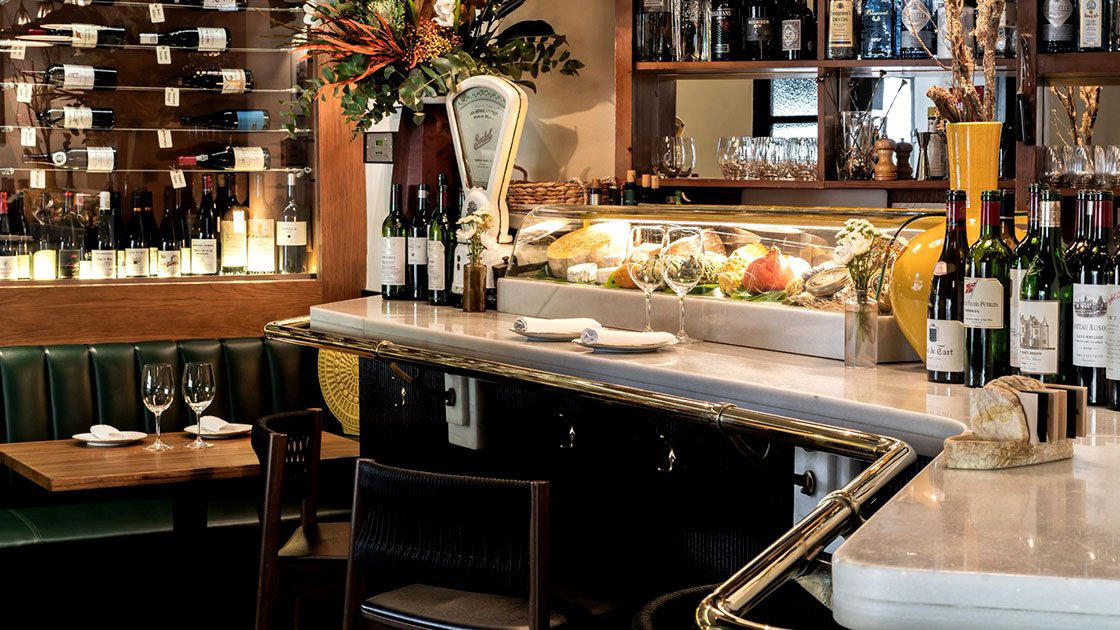
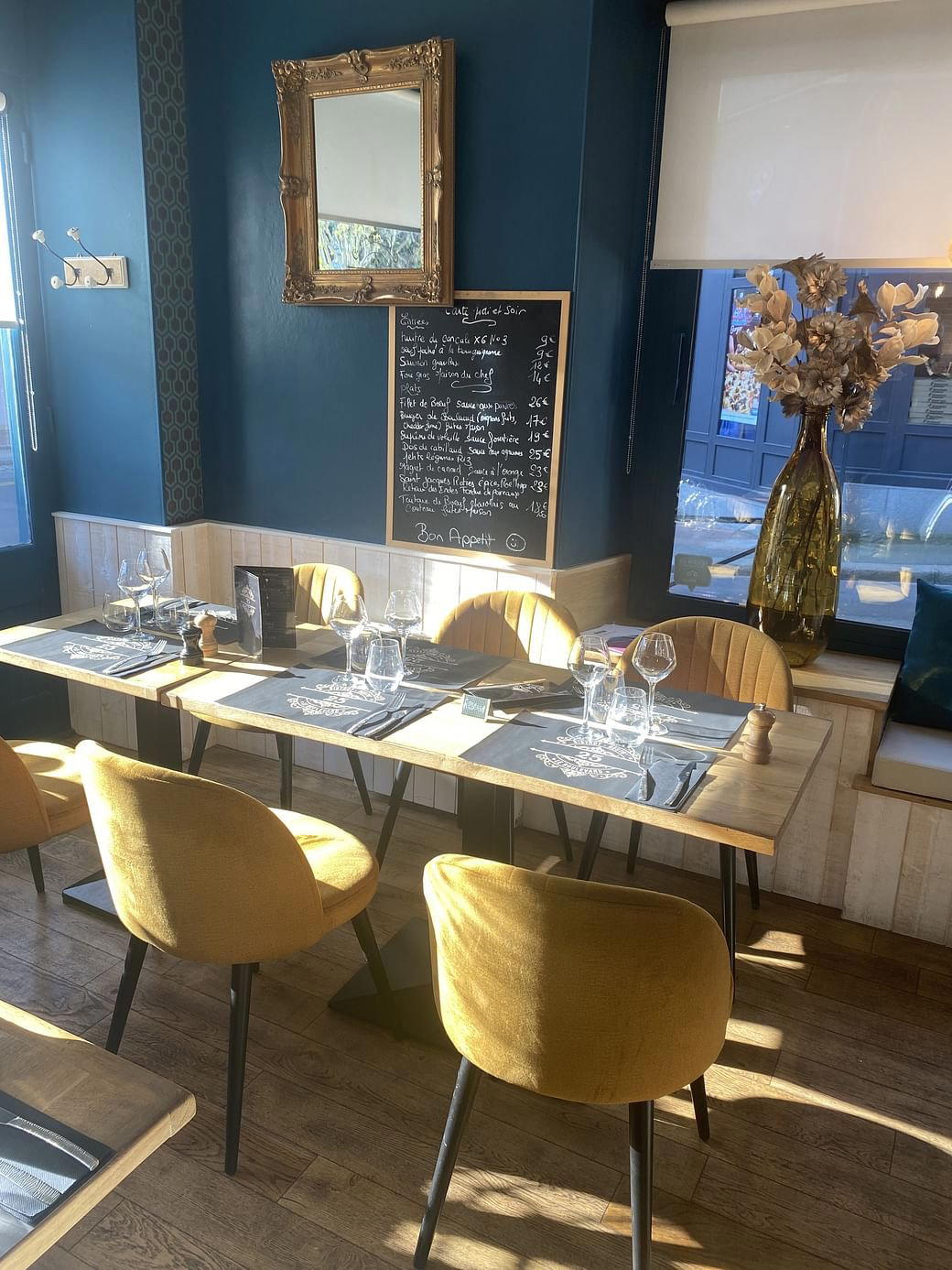
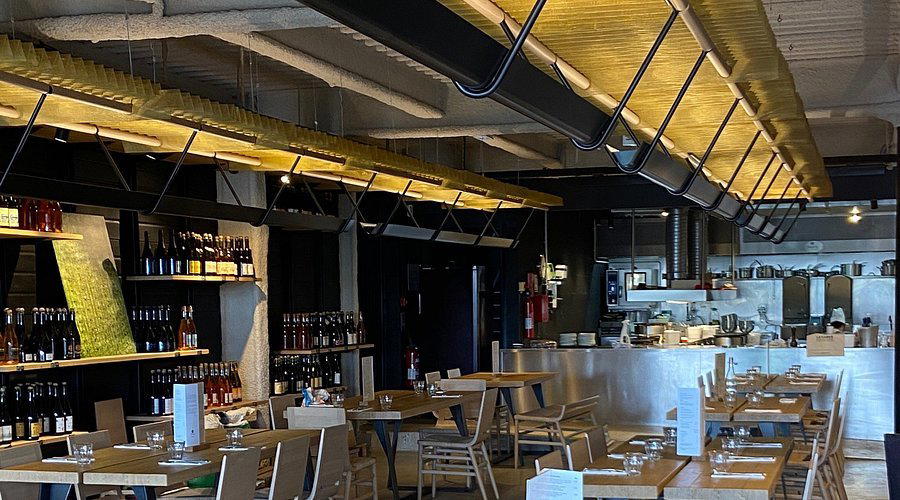
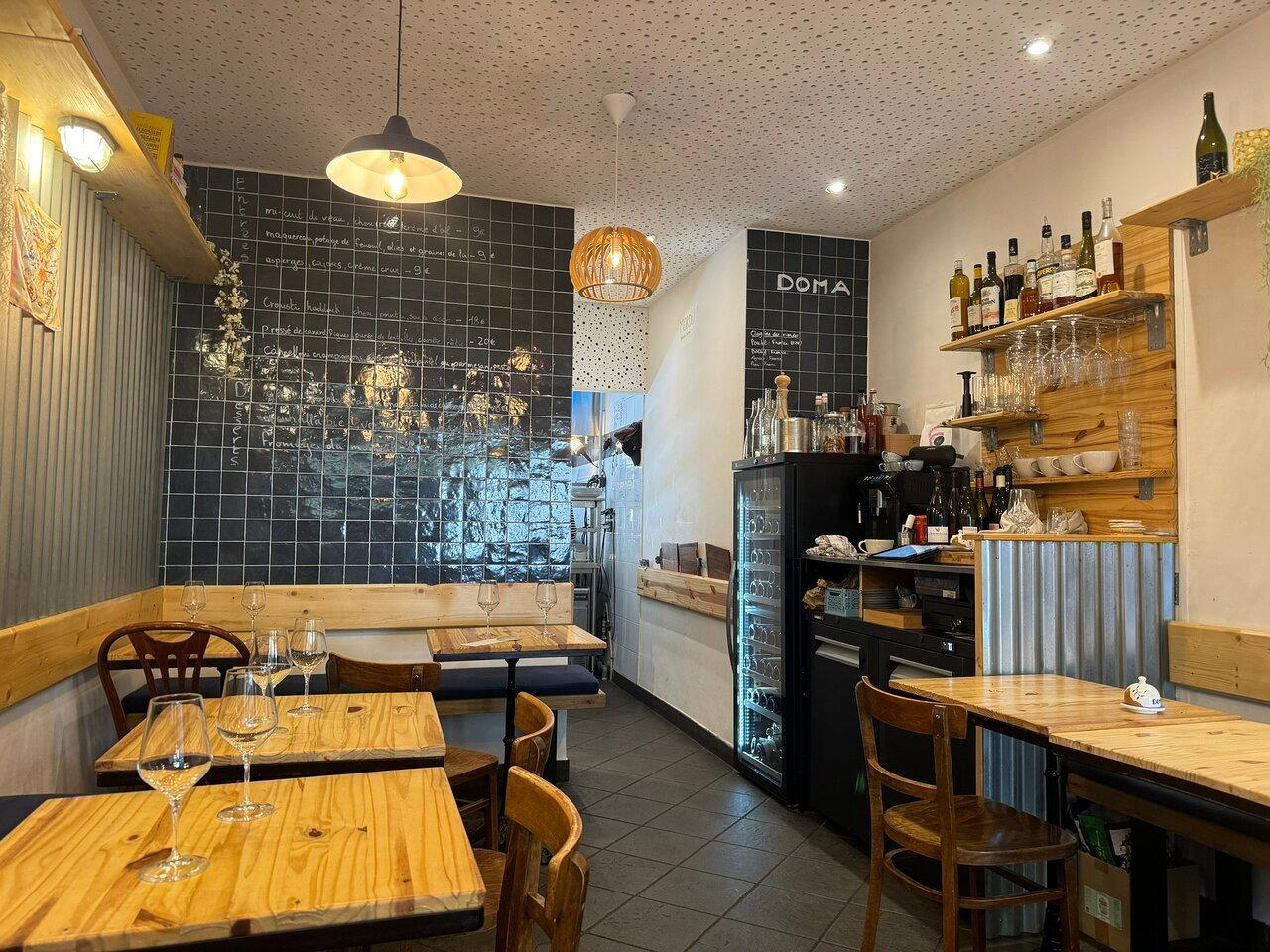
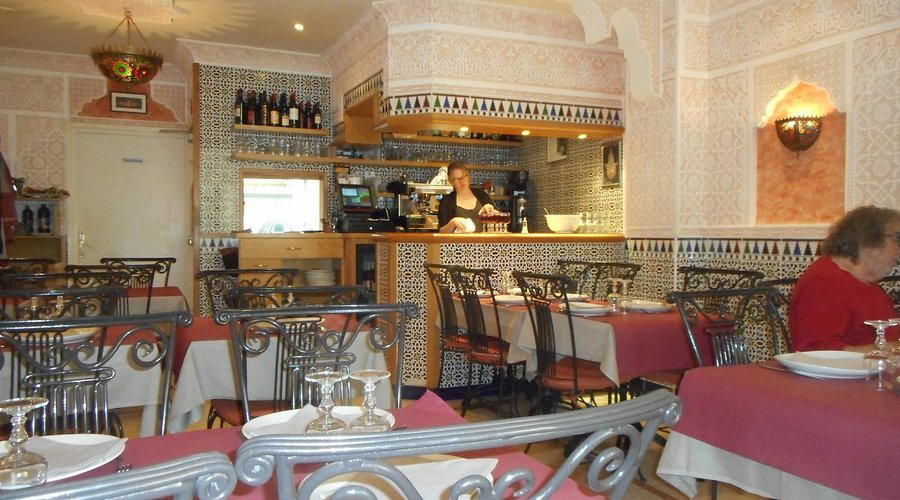
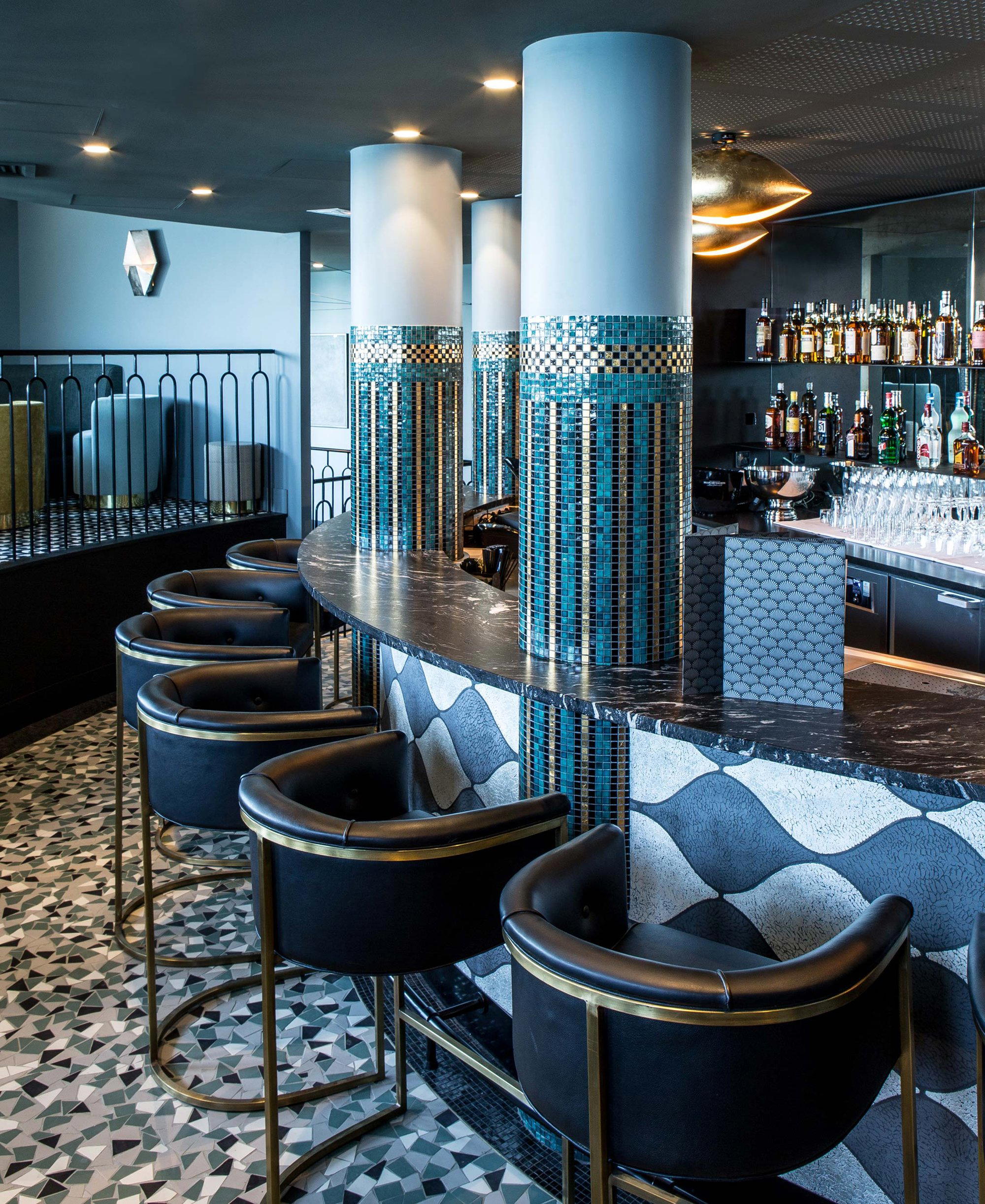
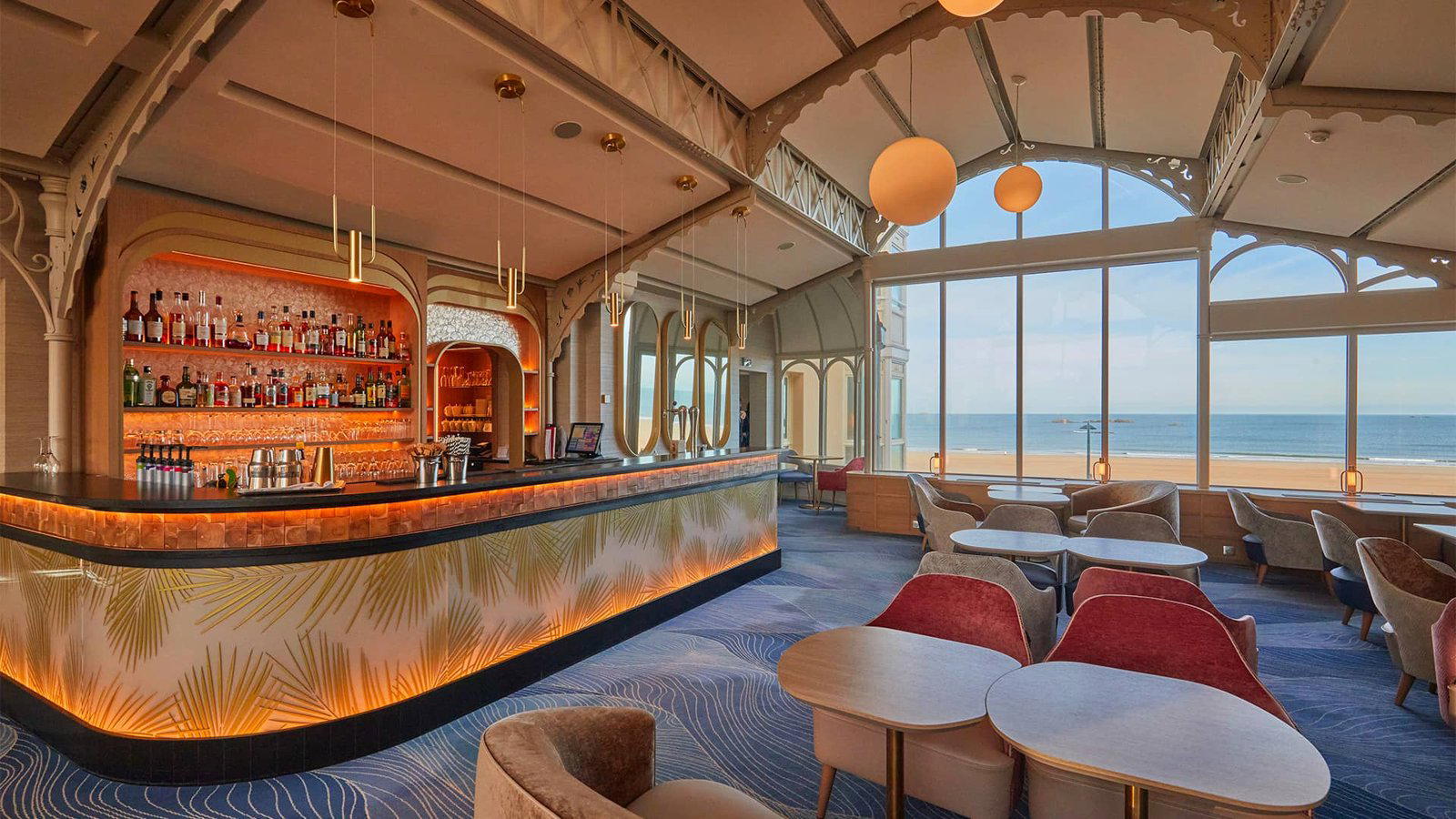
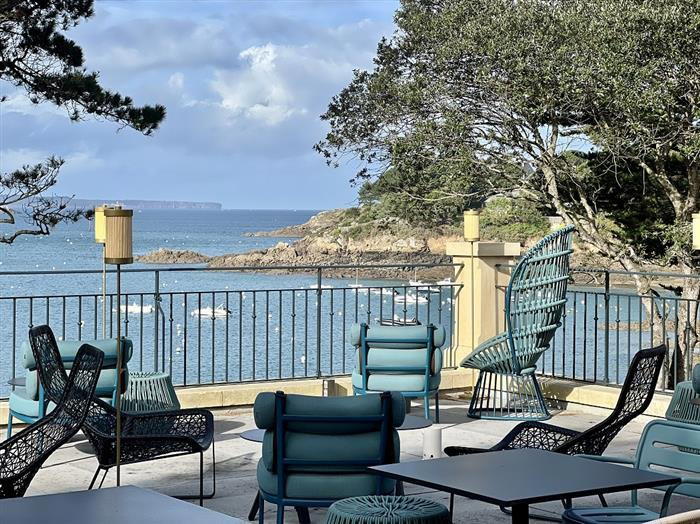
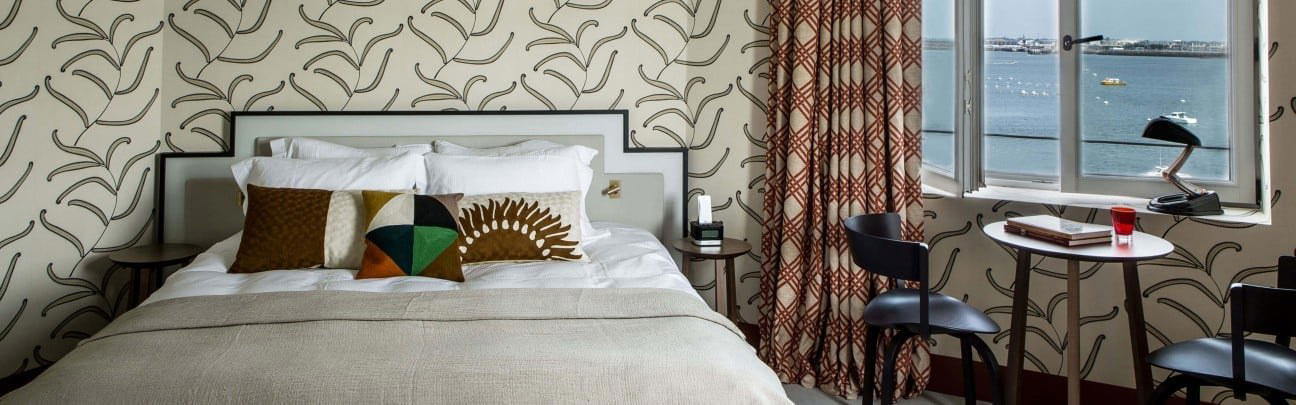
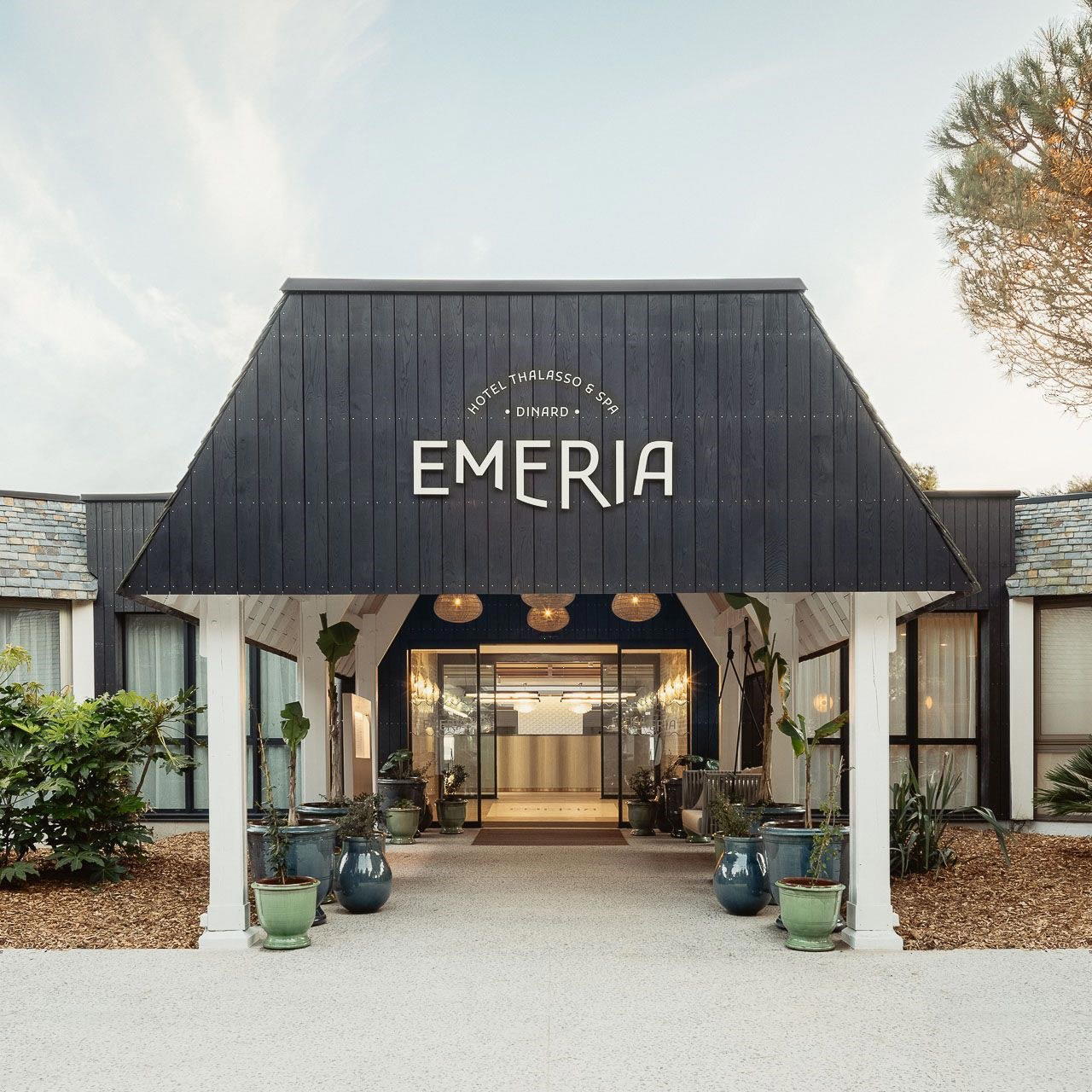
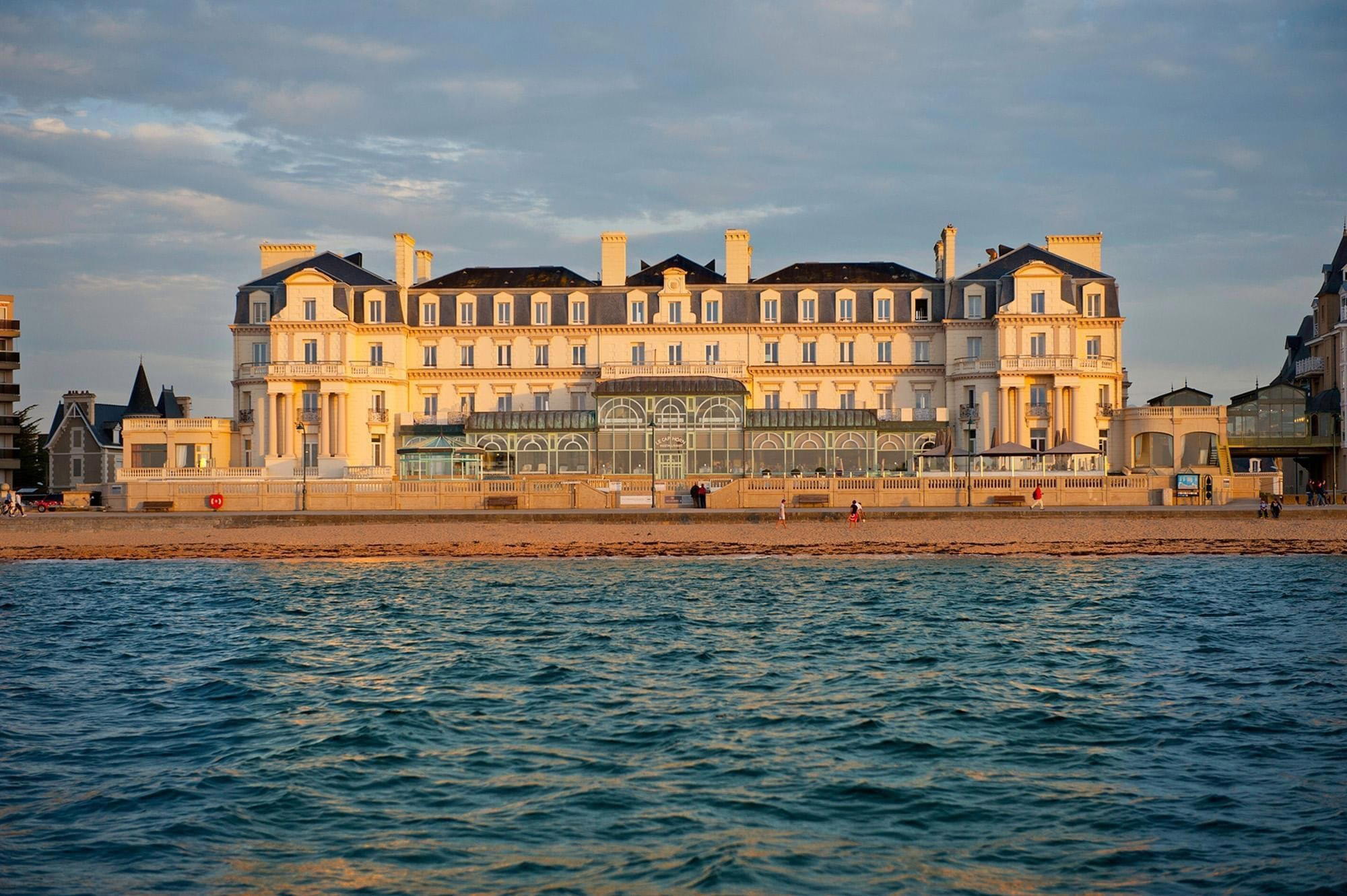
Soothing oceanic atmosphere with pastel blues and greens, large windows flooding the loft-like space with natural sea light, creating a serene and romantic setting.