La Torta Cafe
La Torta Cafe sits on Allison Avenue in La Mesa, California, representing the casual Mexican sandwich tradition that runs deep across San Diego County's eastern suburbs. The torta format, a category that demands more editorial attention than it typically receives, structures the entire operation around a single, disciplined idea. For the neighbourhood, that focus is the point.
- Address
- 8356 Allison Ave, La Mesa, CA 91942
- Phone
- +1 619 741 6230
 Saves & bookings on Pearl
Allison Avenue and the Logic of the Single-Format Kitchen
La Mesa's dining strip along and around Spring Street has accumulated a range of neighbourhood restaurants over the years, from the seafood-forward Brigantine La Mesa to the Italian rooms at Antica Trattoria and Aromi Italian Cuisine. But just off that main axis, on Allison Avenue, La Torta Cafe operates according to a different logic entirely. Where most neighbourhood restaurants try to cover as much menu ground as possible, the torta-focused format signals a commitment to depth over breadth. The name alone is a declaration of intent.
The cafe is permanently closed, so the story of that menu architecture now reads as a record of what the kitchen once aimed to do. The torta, Mexico's pressed or stacked sandwich tradition, is a format with real regional variation. In Mexico City, it tends toward the telera roll, piled with cold cuts, avocado, and pickled jalapeños; in Guadalajara, the torta ahogada emerges from a completely different lineage, drowned in salsa de arbol. San Diego County's version draws on the Tijuana corridor, where flour-forward bolillo rolls and grilled meats create their own distinct expression. A cafe that places this category at the centre of its identity is implicitly taking a position on that tradition, curating it rather than diluting it across a broader menu of unrelated items.
Menu Architecture as Editorial Statement
In a county where Mexican food ranges from fine-dining elaboration (see Addison in San Diego for a sense of the upper register across the region's restaurant spectrum) to corner taquerias, the torta occupies an interesting middle distance. It is street food by origin but demands real technique to execute well. The bread has to be right: a bolillo or telera that holds structure against filling and sauces without going soggy in the first two minutes. The protein has to be cooked to order or held with enough care to retain texture. The balance of fat, acid, and heat inside the sandwich has to work as a closed system.
Cafes built around this format are, in structural terms, closer to a ramen-ya or a smash-burger specialist than to a general Mexican restaurant. They succeed by doing one thing with enough consistency and precision that the repetition becomes a feature. The limited format also means the kitchen knows its produce cycles, its bread suppliers, and its protein specifications at a granular level that a broader menu rarely permits.
This contrasts noticeably with the format at Casa De Pico, La Mesa's more established Mexican dining room, which operates across a wide traditional menu. Neither approach is inherently superior, but they are aimed at different moments: Casa De Pico works for the two-hour family dinner; La Torta Cafe operates in the register of a fast, satisfying midday meal built around a specific craft object.
La Mesa's Neighbourhood Context
La Mesa sits in San Diego County's eastern inland suburbs, roughly eight miles from downtown San Diego. The city's dining identity has been shaped partly by its proximity to the Mexican border corridor and partly by the steady suburban growth that has brought a mix of independent operators and small chain outposts to the area. In that environment, specialists tend to find their footing by serving the immediate neighbourhood reliably rather than drawing destination traffic from across the county.
Allison Avenue, where La Torta Cafe is addressed, is a residential-commercial zone that functions as a local service strip. For a venue in this position, the competitive set is not the fine-dining tier represented elsewhere in the EP Club catalog (venues like Le Bernardin in New York City, Lazy Bear in San Francisco, or Providence in Los Angeles operate in an entirely different category of hospitality and format). The relevant comparable set is the local lunch counter, the neighbourhood taqueria, and the other casual operators that line suburban San Diego's side streets. Within that frame, the single-format discipline is a meaningful differentiator.
Other La Mesa operators worth situating in the broader picture include 6126 Lake Murray Blvd, which represents yet another strand of the area's casual dining. For a fuller map of how the neighbourhood's restaurants distribute across cuisines and formats, the full La Mesa restaurants guide provides the wider view.
Where This Format Sits in the Wider Tradition
The torta's cultural position in Mexican food is worth taking seriously. It does not receive the same editorial attention as tacos, which have been translated, hybridised, and aestheticised into a global format over the past two decades. The torta remains closer to its working-lunch origins. In Tijuana and its San Diego border-county extension, it is a midday staple sold from small dedicated counters, often with a short printed menu and fast service. The format rewards return visits precisely because the menu is narrow enough to memorise: regulars develop preferences between specific fillings rather than scanning a sprawling menu each time.
That model of repeat-visit loyalty is, in economic terms, more durable than destination-visit excitement. It builds a neighbourhood anchor rather than a media moment. Compared to the kind of ambitious, multi-element tasting experiences documented at venues like Smyth in Chicago, Atomix in New York City, or Blue Hill at Stone Barns in Tarrytown, a torta cafe operates at the opposite end of the hospitality register. Neither is more legitimate; they are answering different questions about what restaurants are for.
Planning Your Visit
La Torta Cafe is located at 8356 Allison Avenue, La Mesa, CA 91942. Given the limited data publicly available for this venue, visitors would do well to check current hours before travelling, as casual neighbourhood cafes of this type frequently operate on condensed schedules or adjust hours seasonally. No booking infrastructure is listed, which is consistent with a walk-in counter format. Arriving during off-peak hours, mid-morning or mid-afternoon, typically reduces wait times at counters like this. Parking on Allison Avenue and its surrounding residential streets is generally accessible.
Accolades, Compared
Comparable venues nearby, for context on price, style, and recognition.
| Venue | Cuisine | Price | Awards | Notes |
|---|---|---|---|---|
| La Torta CafeThis venue — the venue you are viewing | Mexican Torta Sandwiches | $$ | , | |
| Casa Gabriela | Elevated Mexican | $$ | , | La Mesa Village |
| Casa De Pico | Authentic Mexican | $$ | , | Grossmont Center |
| Mario's De La Mesa Restaurant | Traditional Mexican | $$ | , | La Mesa Village |
| Swami's Cafe La Mesa | California Breakfast & Lunch Cafe | $$ | , | Old La Mesa |
| Brigantine La Mesa | Seafood & Steakhouse | $$ | , | La Mesa |

At a Glance
- Cozy
- Relaxed
- Casual Hangout
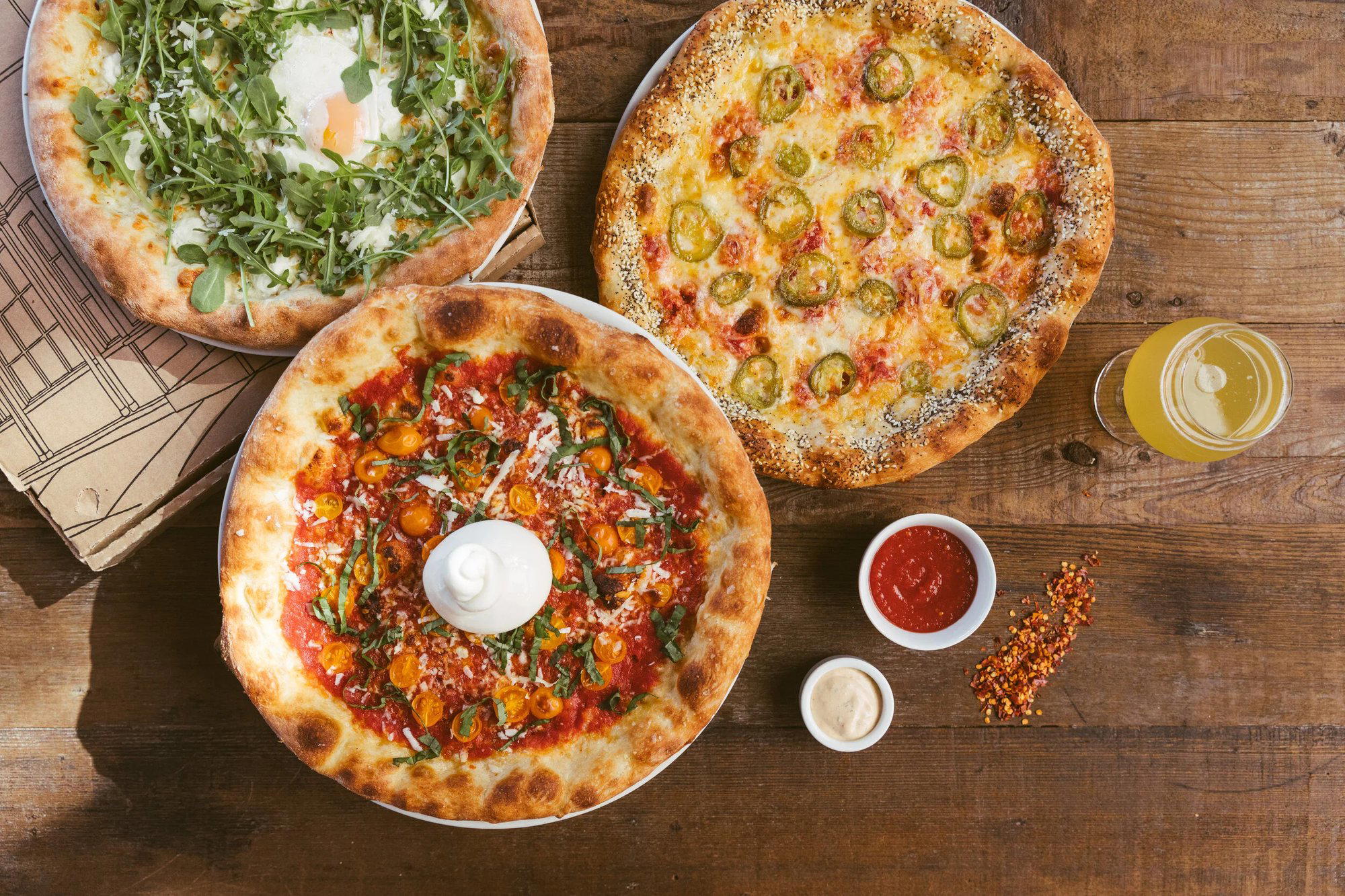
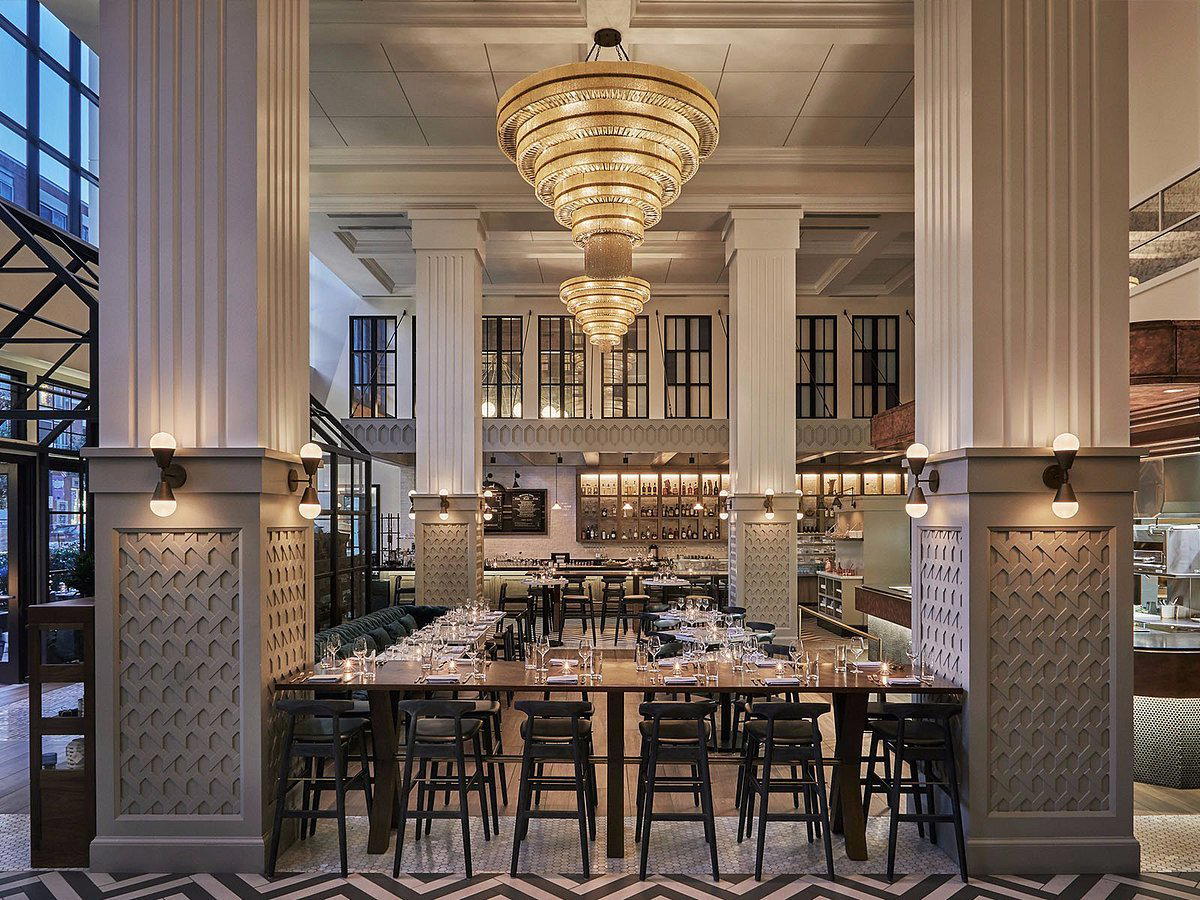
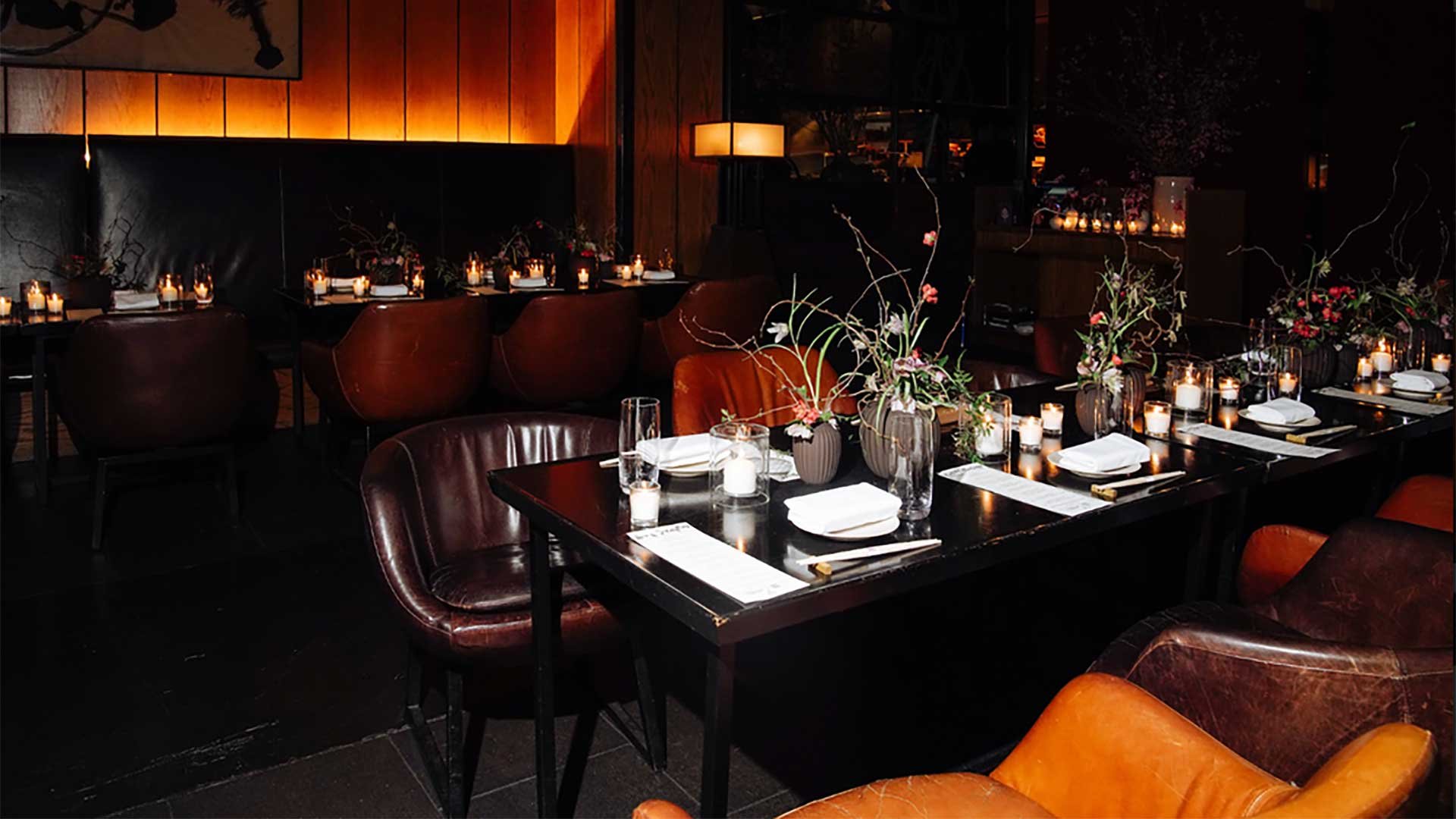
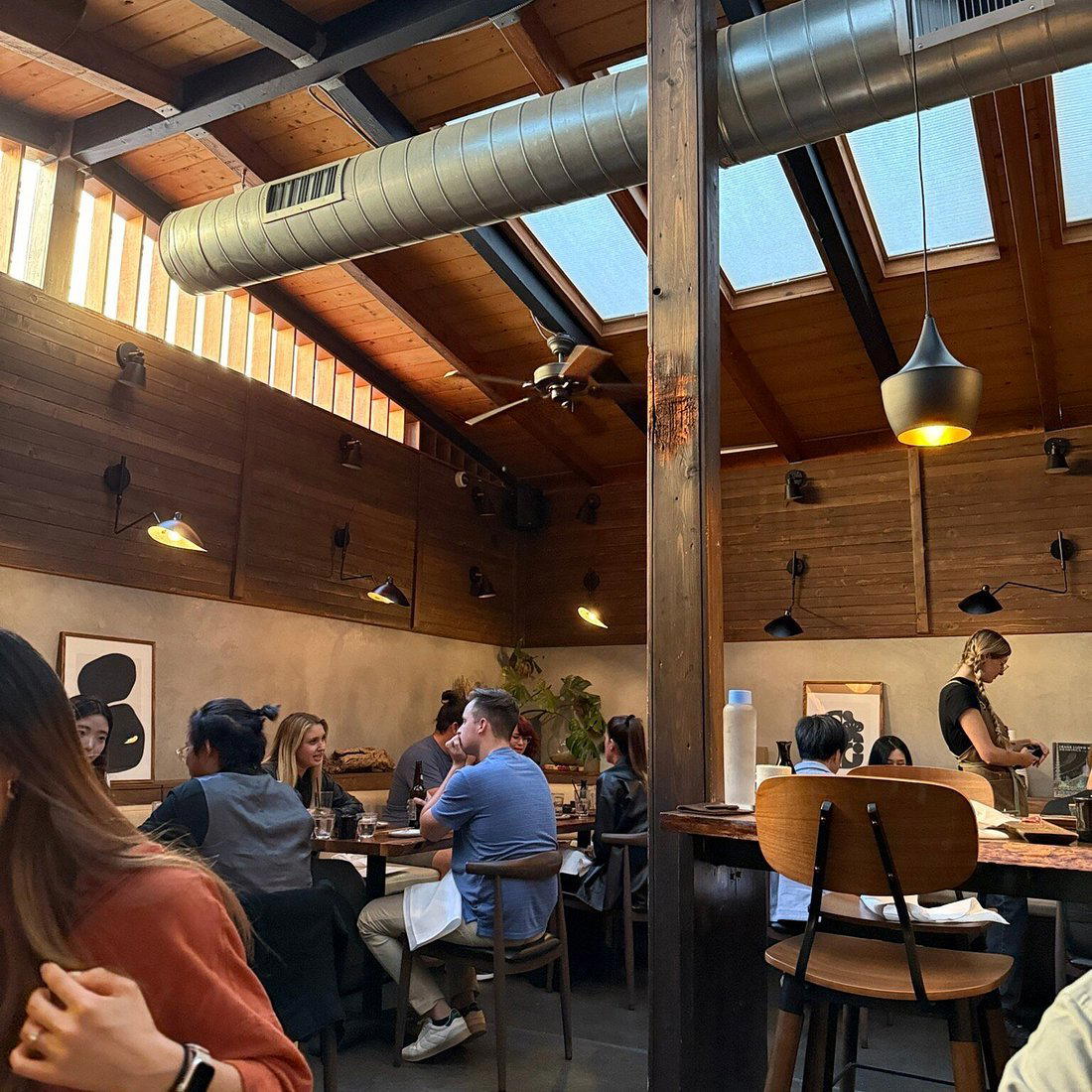
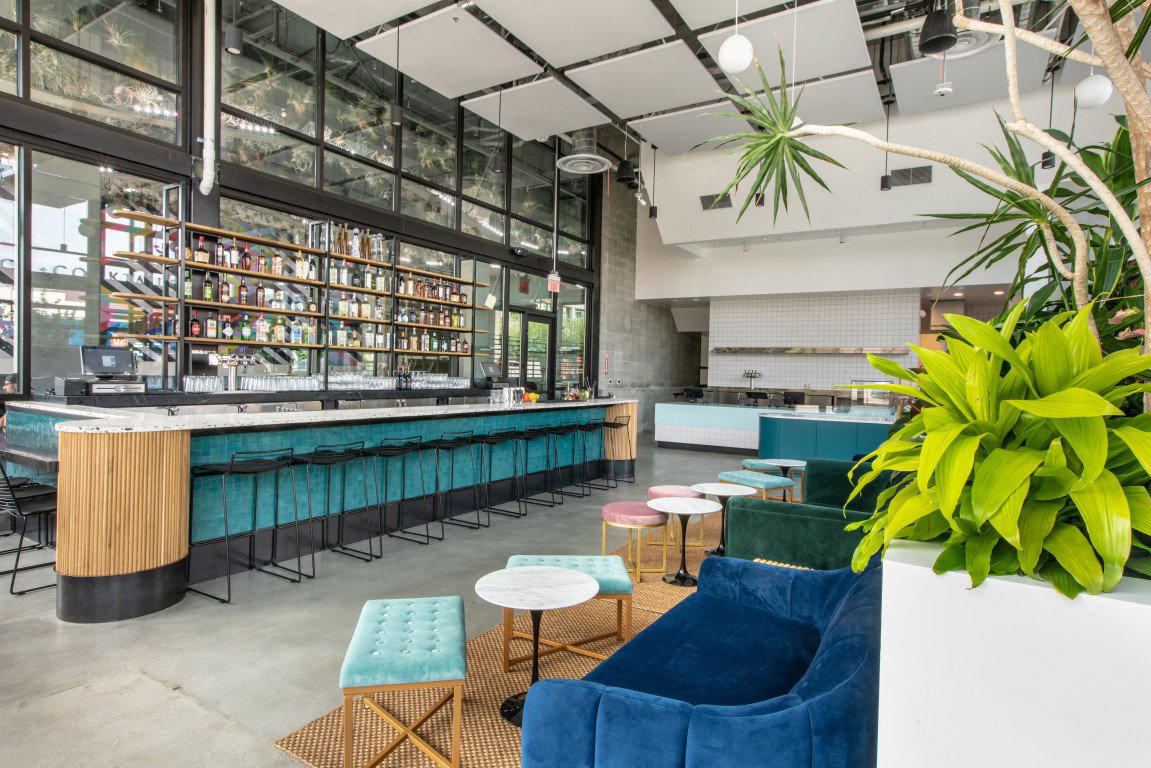
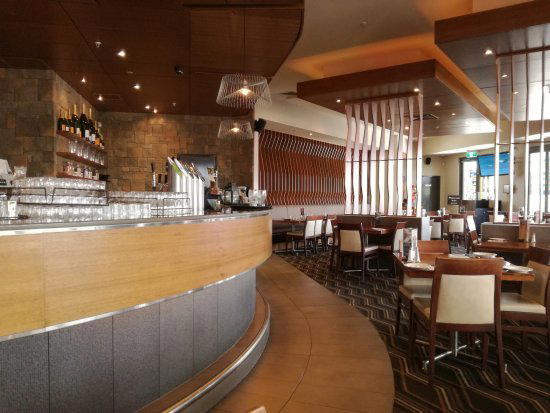
Low-key relaxing vibe with cool tiled interior and outdoor patio under a canopy of trees.