Our verdict
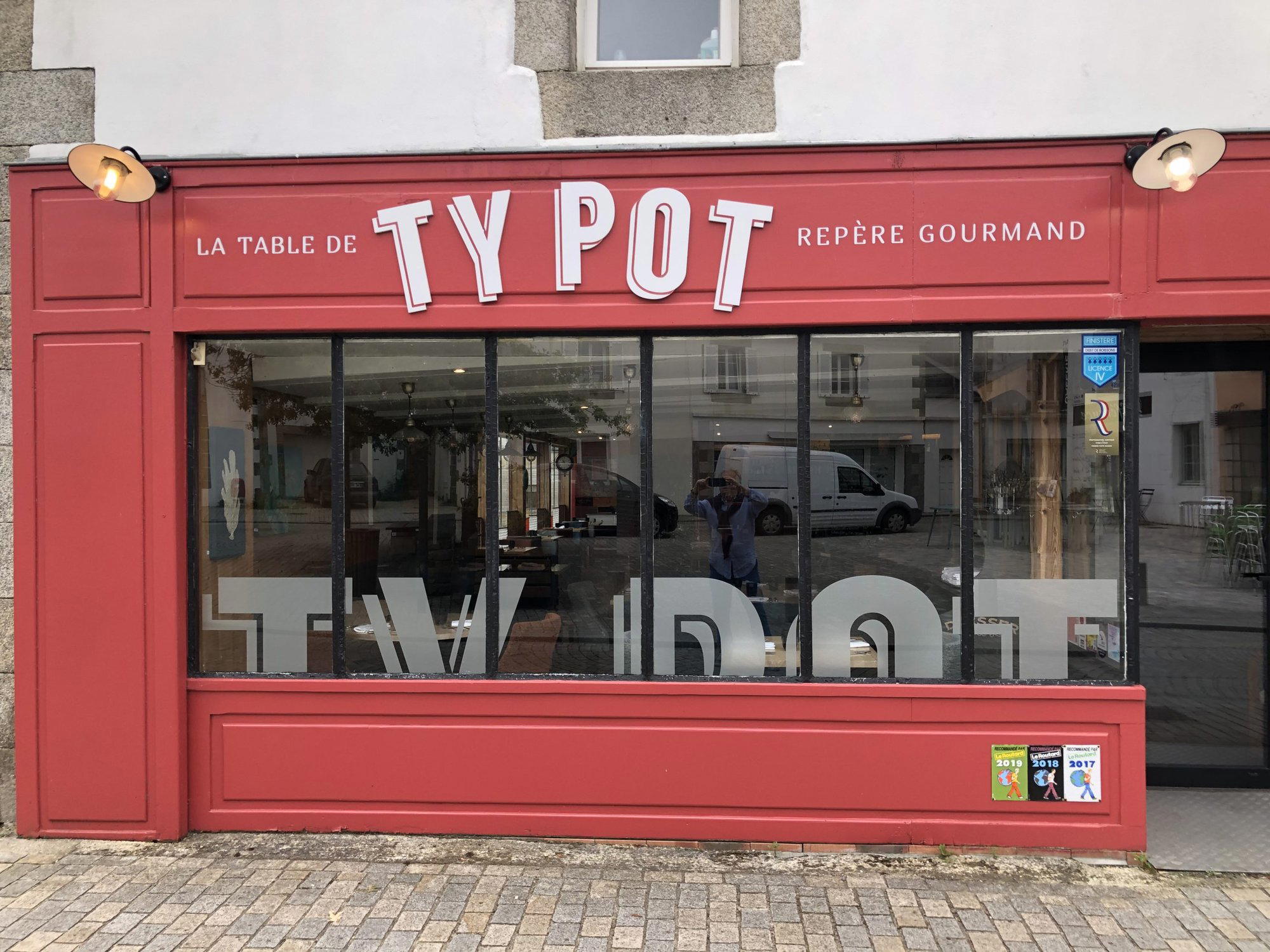
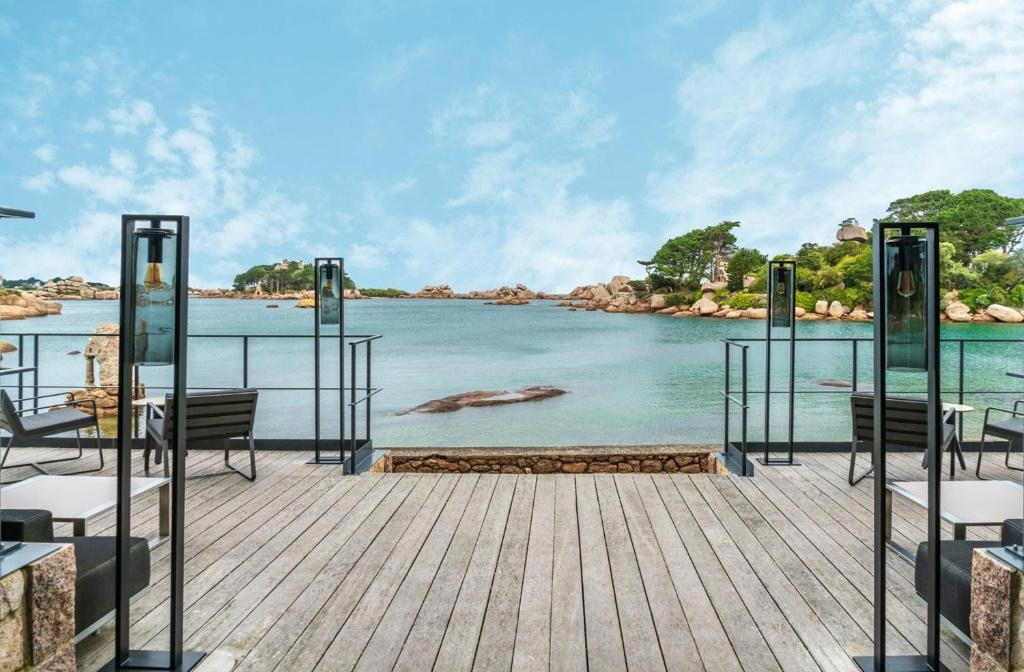
In the small Breton port town of Carantec, La Table de Ty Pot draws on the immediate coastline for its kitchen priorities. Positioned on Place de la République, the restaurant operates within a dining tradition where proximity to the Atlantic defines what appears on the plate. For travellers approaching Finistère's seafood circuit, it represents a grounded, locally anchored option in a town with a serious culinary reputation.

Pearl is the En Primeur Club membership app — saves, bookings, and concierge access live there. Same editors, same standards.
- Address
- 5 Pl. de la République, 29660 Carantec, France
- Phone
- +33298698008
- Hours
- Mon ClosedTue–Sat 12–1:30 PM, 7–9 PMSun 12–1:30 PM
- Website
- reservations.zenchef.com
- Directions
- Get directions
- Booking
- Book on Zenchef
The menu
What to order
- Langoustines à la confiture de poivrons
- Betterave rôtie en croûte de sel
Where the Atlantic Sets the Menu
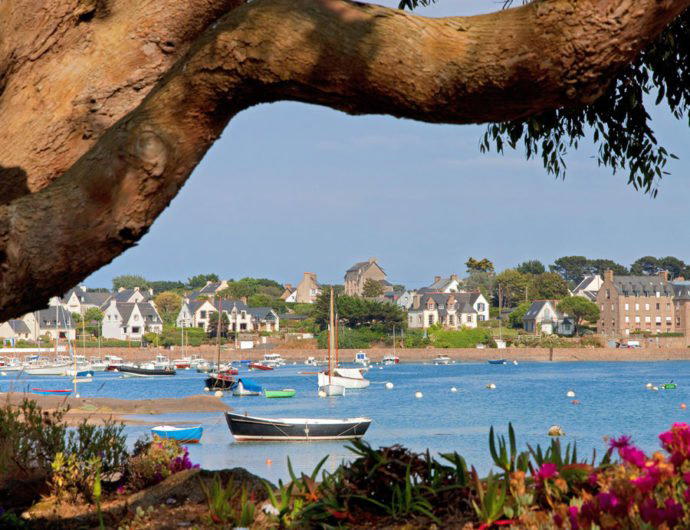
Carantec sits on a narrow peninsula between the Morlaix estuary and the Bay of Saint-Pol-de-Léon, a geographical position that has shaped its kitchen culture far more than any single chef or trend. The waters here are cold, tidal, and productive: oysters from the Penzé river, lobsters from local traps, sea bass and turbot drawn from grounds within sight of the shoreline. In this part of Finistère, the distance between ocean and plate is not a marketing concept but a working reality, and the restaurants that have earned the town's reputation are the ones that understand that constraint as an asset. La Table de Ty Pot, at 5 Place de la République, occupies that tradition directly.
Arriving at Place de la République, you find the modest, unhurried centre of a Breton port town that has not over-renovated itself for tourism. The square is small, the architecture matter-of-fact, and the sea is never far from the frame. This is not the kind of setting that announces itself loudly, which is precisely why the dining in Carantec tends to be product-led rather than theatrically composed. The leading kitchens here let the source material carry the weight, and the physical proximity to that source material is the first thing a visitor notices.
Ingredient Geography: Why Carantec Is a Reference Point for Breton Seafood
Brittany's position as France's primary seafood supply region is not incidental. The region accounts for a disproportionate share of French oyster, mussel, and crustacean production, with the north Finistère coast, where Carantec sits, providing some of the most sought-after shellfish in the country. The Penzé river estuary, a few kilometres south, produces flat oysters with a mineral salinity that is distinct from the rounder Atlantic oysters of the Morbihan further south. Turbots from this stretch of the English Channel are among the reference specimens for French fine dining: the cold, current-driven waters produce fish with firm flesh and clean flavour that require almost no kitchen intervention to be compelling.
This ingredient geography explains why small towns like Carantec can support serious restaurants that would be unremarkable if relocated to a city further from the source. The supply chain here is abbreviated in ways that matter: a turbot landed at Roscoff in the morning can plausibly reach a kitchen in Carantec the same day. That proximity is the structural advantage that underlies the town's culinary standing, and it is the lens through which La Table de Ty Pot's kitchen priorities make most sense.
For a broader view of how this plays out across the Carantec dining scene, the full Carantec restaurants guide maps the town's kitchens against this shared ingredient context. A useful peer reference within the town is Restaurant Nicolas Carro at the Hôtel de Carantec, which operates at the higher end of the local market with a more formal structure, and Ty Brizec, which takes a more casual approach to the same coastal larder.
Carantec in the Wider Frame of French Regional Dining
France's regional fine dining geography tends to cluster recognition around a handful of well-documented addresses. At the institutional end of the spectrum, houses like Auberge de l'Ill in Illhaeusern and Paul Bocuse in Collonges-au-Mont-d'Or represent the historic anchor of French gastronomy. The more recent generation of regionally rooted cooking, where terrain and local supply chain define the menu structure, is visible at addresses like Bras in Laguiole and Mirazur in Menton, where the kitchen's relationship to a specific geography is the organising principle of the food.
Brittany's contribution to this tradition is substantial, if less internationally profiled than some other regions. The coast's seafood-driven kitchens, from Christopher Coutanceau in La Rochelle on the Atlantic coast to the restaurants of Saint-Malo and Roscoff, represent a coherent strand of French regional cooking where the Atlantic is the dominant creative influence. Carantec sits within that lineage, at a scale and register that suits its size: not competing for the recognition of the grandes tables, but operating with the conviction that access to exceptional raw material is its own form of distinction.
At the other end of the ambition range, addresses like Alléno Paris au Pavillon Ledoyen and AM par Alexandre Mazzia in Marseille demonstrate how French fine dining has evolved towards highly technical, concept-driven work. Carantec's leading kitchens, La Table de Ty Pot included, operate from a different premise: that the discipline lies in sourcing and restraint rather than transformation.
For travellers whose reference points extend beyond France, the logic of ingredient-proximity cooking is visible in internationally recognised addresses like Le Bernardin in New York, where the argument for exceptional seafood rests entirely on sourcing rigour and precise, unobstructive technique.
Planning a Visit: What to Know Before You Go
Carantec is a seasonal destination in the clearest sense: the town's rhythm is tied to Breton summers, when the peninsula fills with French holidaymakers and the restaurants operate at full capacity. Visiting between June and August means accepting that tables will be in demand; arriving outside that window gives a quieter experience of the town and, often, better access to the fishing boats that supply the kitchens. Spring and early autumn are logical alternatives for travellers who want the seafood at its finest without the peak-season booking pressure.
The town is accessible by car from Morlaix, approximately fifteen kilometres to the south, which connects to Paris by TGV in roughly three and a half hours. There is no train station in Carantec itself. Given the sparse public transport links, a car is the practical choice for exploring the peninsula, and it opens access to the wider north Finistère coast, including Roscoff's fish market and the oyster beds of the Penzé estuary, which provide useful context for understanding what the local kitchens are working with.
For specific booking details, hours, and current menus at La Table de Ty Pot, the most reliable approach is to contact the restaurant directly or check current listings, as operational details at this scale can shift seasonally.
Frequently asked questions
How do I find La Table de Ty Pot?
La Table de Ty Pot is located at 5 Pl. de la République, 29660 Carantec, France, Carantec.
Is La Table de Ty Pot worth visiting outside the summer season in Carantec?
Carantec's off-season offers a different register entirely: the peninsula quiets considerably after August, and the Morlaix estuary's oyster and shellfish harvests run through autumn and winter. For a table focused on Breton coastal produce, the cooler months can align well with peak shellfish condition. Confirming seasonal opening dates directly with La Table de Ty Pot at its Place de la République address is advisable before making the journey.
What dish is La Table de Ty Pot famous for?
Dishes built around that immediate coastal geography are the reasonable expectation. Confirming current menu focus directly with the restaurant is the practical step before visiting.
How far ahead should I plan for La Table de Ty Pot?
Carantec operates on a pronounced seasonal rhythm: the peninsula draws French holidaymakers through the Breton summer, which compresses demand into a short window. Booking several weeks in advance for July and August is a sound approach. Outside peak season, lead times are likely shorter, though the restaurant's current availability is best confirmed through direct contact.
What's La Table de Ty Pot best at?
La Table de Ty Pot's address at 5 Place de la République, Carantec, puts it at the centre of a town whose kitchen identity is defined by proximity to two distinct marine environments: the Morlaix estuary and the Bay of Saint-Pol-de-Léon. Brittany accounts for a substantial share of France's oyster and mussel production, and restaurants in this position tend to build their identity around that supply advantage. The cooking here draws on that geography rather than working against it.
Is La Table de Ty Pot good for vegetarians?
Given Carantec's culinary identity as a Breton seafood peninsula, the kitchen's focus is almost certainly marine-led. Vegetarians with strict requirements should check the venue's official channels before booking.
Fast Comparison
Comparable venues nearby, for context on price, style, and recognition.
| Venue | Cuisine | Price | Awards | Notes |
|---|---|---|---|---|
| La Table de Ty PotThis venue — the venue you are viewing | Modern French Bistro | $20–30 | Not listed | Not listed |
| Ty Brizec | Breton Crêperie | $20–30 | Not listed | Place de la Libération |
| Restaurant Nicolas Carro - Hôtel de Carantec | Modern French Fine Dining | $150–200 | 1 Michelin Star · Gault & Millau Remarkable Restaurant | Carantec |
| ANTAN | Modern French Bistro | $30–50 | Not listed | Trébeurden |
| Le Chat Botté | Modern French Bistronomic | $30–50 | Not listed | centre-bourg |
| Saturne | Modern French with Nordic Influences | Not listed | Not listed | 2nd Arrondissement |
Continue exploring
More in Carantec
Restaurants in Carantec
Browse all →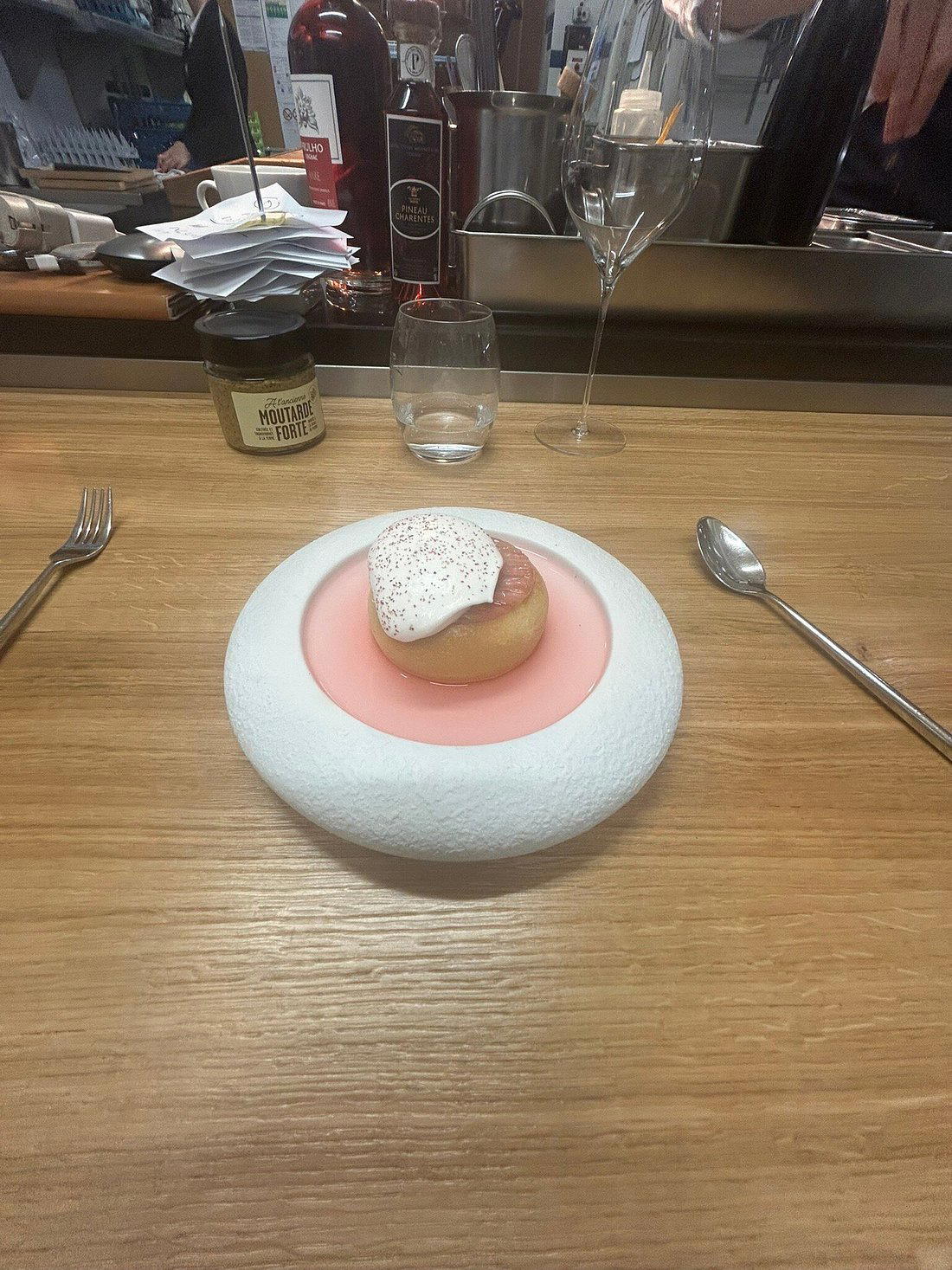
Details
- Cozy
- Modern
- Intimate
- Family
- Casual Hangout
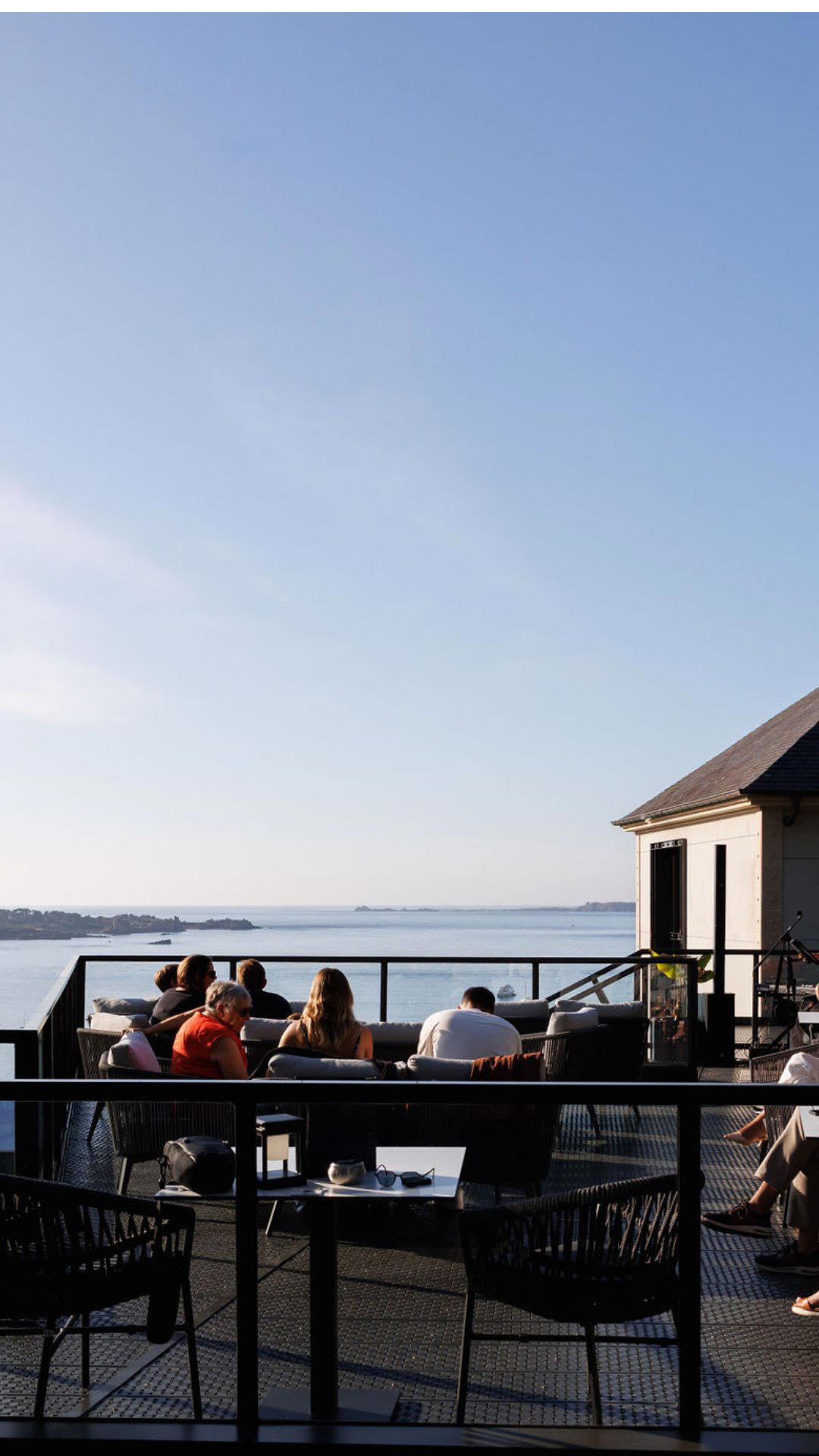
- Terrace
- Street Scene
- A La Carte
- Vegetarian Friendly
Current opening hours
- Monday
- Closed
- Tuesday
- 12–1:30 PM, 7–9 PM
- Wednesday
- 12–1:30 PM, 7–9 PM
- Thursday
- 12–1:30 PM, 7–9 PM
- Friday
- 12–1:30 PM, 7–9 PM
- Saturday
- 12–1:30 PM, 7–9 PM
- Sunday
- 12–1:30 PM
Hours can change for holidays and private events. Last verified .
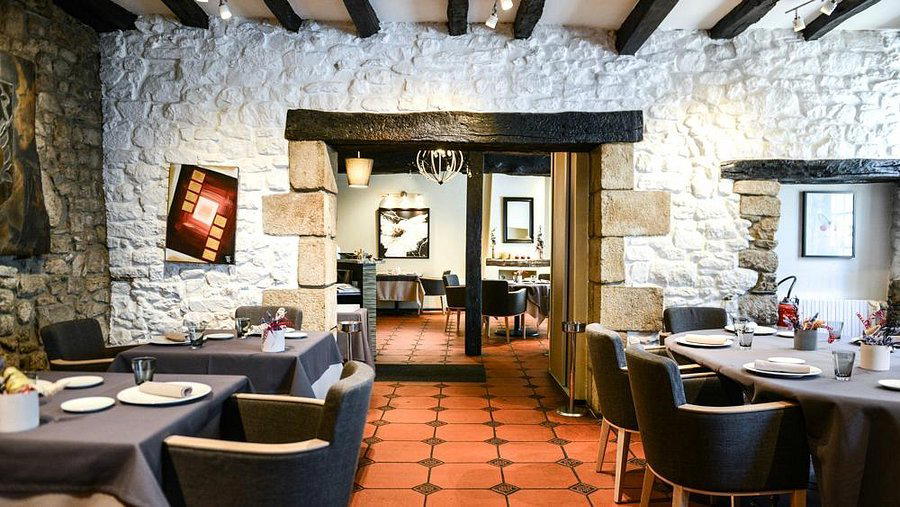
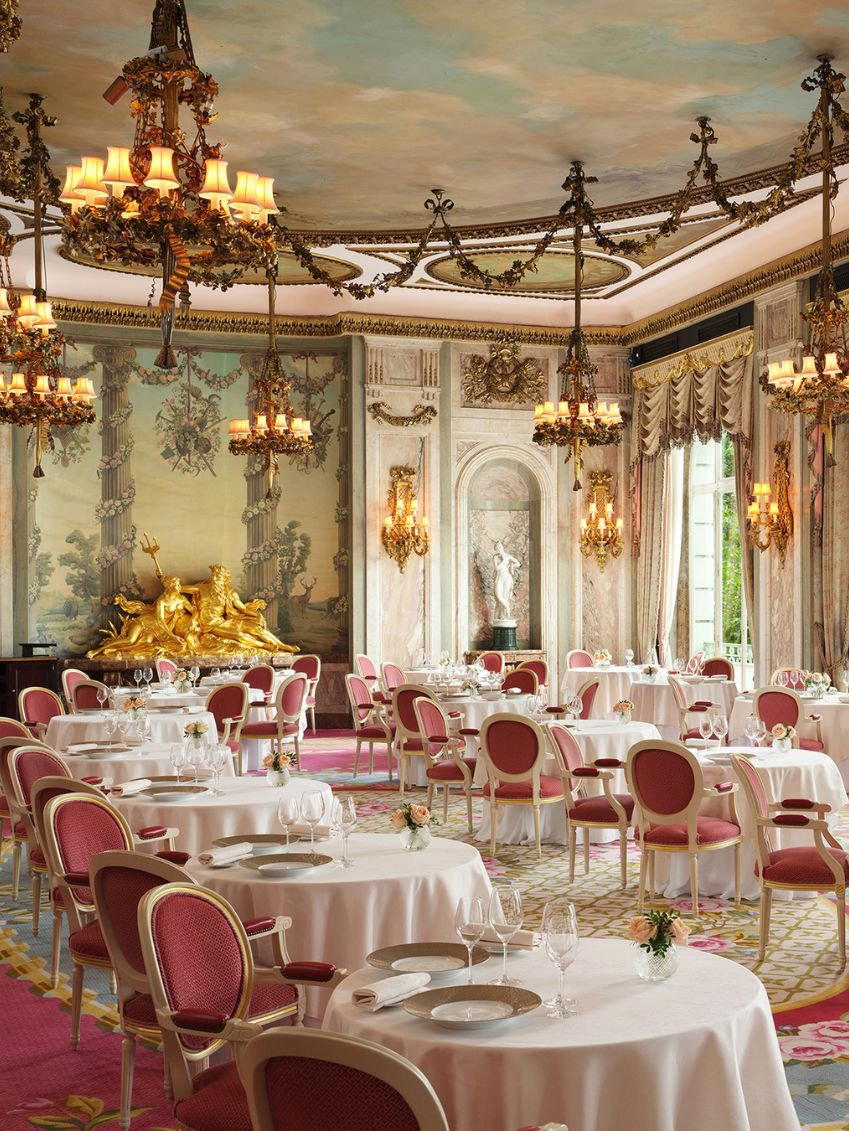
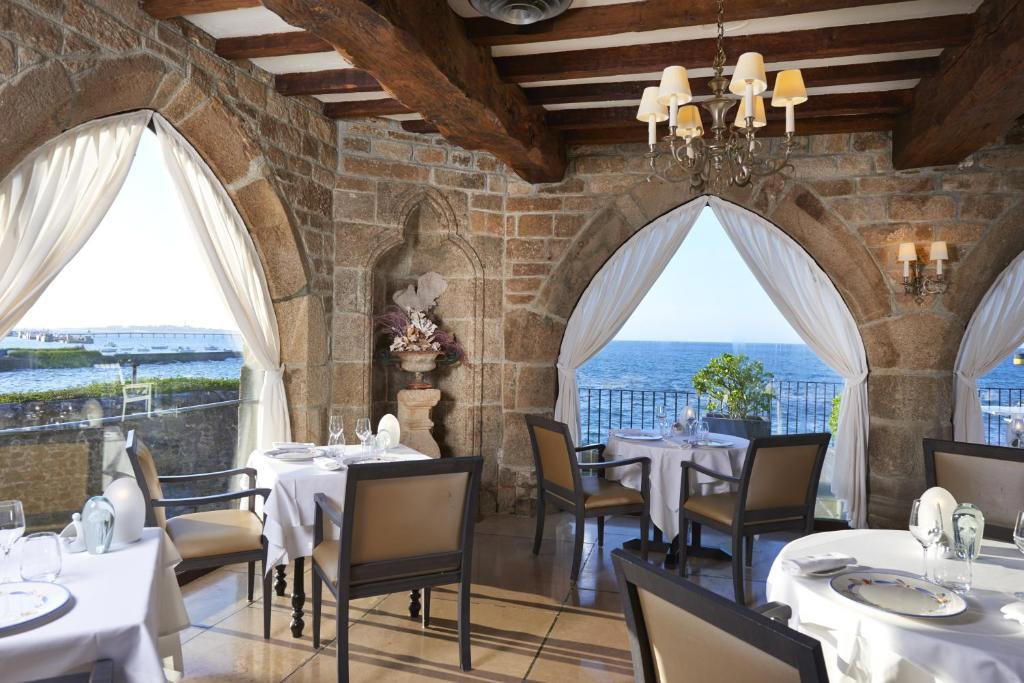
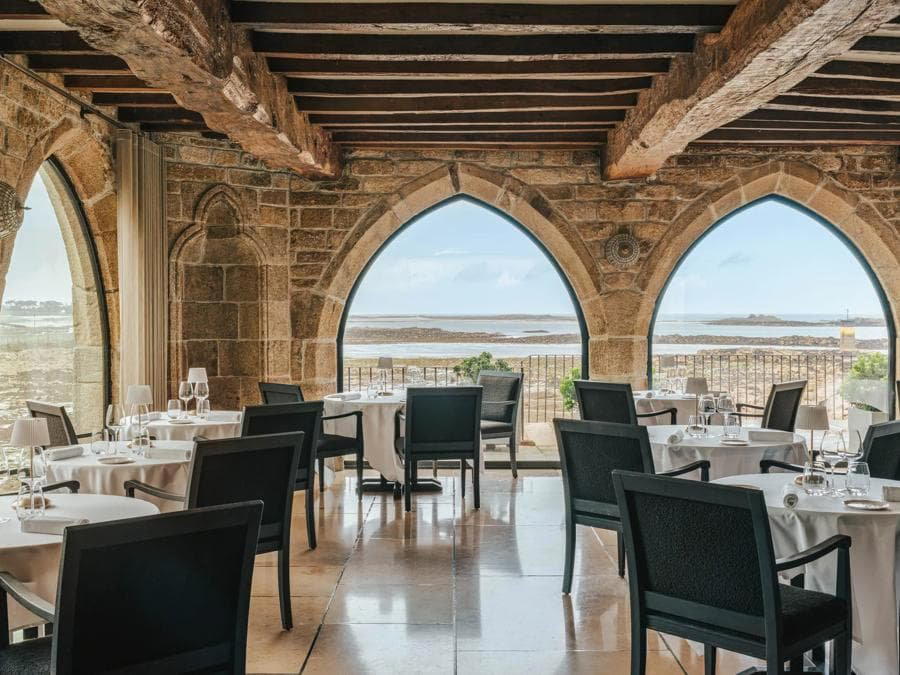
Modern simplicity with wooden bar counter, spaced tables, cushioned seating, velvet armchairs, and a welcoming, convivial atmosphere.