La Route Bleue
Our verdict
La Route Bleue sits on Rue du Vernay in La Fouillouse, a commune on the industrial-residential fringe south of Saint-Étienne. The Loire department's dining scene is defined more by honest regional produce than by haute ambition, and La Route Bleue occupies that quieter, neighbourhood-facing register. Specific menu, pricing, and booking details are best confirmed directly before visiting.

Pearl is the En Primeur Club membership app, where members save venues, book tables and use the concierge.
The menu
What to order
- L'agneau fermier
- Le cabillaud
- L'assiette autour de la mangue
The Loire Fringe: Dining Away from the Spotlight
France's most decorated restaurant addresses cluster around Paris, the Alpine valleys, and the Mediterranean coast. Venues like Mirazur in Menton, Alléno Paris au Pavillon Ledoyen, and Troisgros in Ouches define the country's upper tier, drawing international visitors and critical attention in roughly equal measure. But the Loire department, running through the industrial interior south of Lyon, operates on a different register entirely. Saint-Étienne and its satellite communes have historically been working cities, and the restaurants that serve them tend toward the practical and the rooted rather than the theatrical. La Fouillouse, a quiet residential commune pressed against Saint-Étienne's southern edge, fits that pattern precisely.
La Route Bleue, at 40 Rue du Vernay, sits in this context. The address places it in a neighbourhood without the foot traffic of a city centre or the postcard appeal of a Provençal village. What tends to define restaurants in this register across provincial France is a relationship with local supply chains that is less a marketing decision than a practical one: proximity to farms, markets, and producers shapes the menu because those are the ingredients available, affordable, and fresh.
Provincial Supply and What It Signals
Across rural and peri-urban France, the sourcing conversation that now dominates fine-dining marketing has long been a quiet default for neighbourhood restaurants. The Loire department produces decent charcuterie, lentils from Le Puy are among the most geographically protected legumes in the country (holding an AOC designation since 1996), and the Auvergne-Rhône-Alpes region that surrounds this part of the Loire delivers a broad seasonal larder: cheeses from the Auvergne plateau, game from the Massif Central foothills, river fish from tributaries feeding south toward the Rhône.
Restaurants anchored to this kind of regional supply rarely carry the same dish week to week in any meaningful way. The menu shifts with what arrives, and what arrives depends on season and producer relationship rather than a fixed concept. This is the dominant mode of serious provincial cooking in France, and it contrasts sharply with the high-concept tasting formats at addresses like Bras in Laguiole or the elaborate classicism of Paul Bocuse's Auberge du Pont de Collonges. Those restaurants are destinations. Places like La Route Bleue, in communes like La Fouillouse, serve a different function: they are the connective tissue of French provincial eating.
For a wider picture of the regional dining scene and comparable addresses in the area, see our full La Fouillouse restaurants guide.
What the Setting Suggests
Approaching a restaurant on a rue like Vernay, you are not walking through a curated arrondissement or a heritage market town. The architecture is post-war functional, the streets are designed around car movement, and the restaurant exists within a community rather than as a draw to it. That physical context tends to reward a specific kind of visitor: one who is not looking for performance, but for a meal that reflects the eating habits of the people who actually live in the Loire department.
Provincial French dining rooms of this type typically balance a short menu against a modest room, prioritising turnover and familiarity over ceremony. The wine list, where present, will lean toward regional bottles, possibly Côtes du Forez from the local volcanic slopes, or broader Loire Valley labels that travel well enough to appear on lists at this price level across the department. For comparison, the kind of coastal-produce focus seen at Christopher Coutanceau in La Rochelle or the garden-driven sourcing at La Marine in Noirmoutier represents one end of the French sourcing spectrum; the other end is quieter, less theorised, and often more honest about what a given patch of French soil actually produces.
Placing La Route Bleue in the French Regional Picture
France's provincial restaurant culture is not a monolith. On one axis, you have destination kitchens in unlikely locations, the model established by Auberge du Vieux Puits in Fontjoncouse or Auberge de l'Ill in Illhaeusern, where the restaurant itself justifies the detour and the surrounding village is incidental. On another axis sit the neighbourhood anchors: restaurants where the food is shaped by the community it feeds, where the sourcing is local by default and the cooking is reliable rather than revelatory.
La Route Bleue sits closer to the latter. The Loire department does not draw significant dining tourism. Saint-Étienne registers in conversations about French football and industrial heritage rather than gastronomy. That absence of external pressure tends to keep neighbourhood restaurants oriented toward their actual customers, which, in practice, means portions calibrated for appetite, menus priced for regulars, and a kitchen that is not performing for critics. Whether that produces cooking worth a special journey from Lyon (roughly an hour's drive north) depends on what the visitor is seeking. For those already in the Saint-Étienne conurbation, or travelling the A72 corridor, the address on Rue du Vernay represents the kind of embedded local option that rarely appears in guidebooks but defines how provincial France actually eats day to day.
The broader Auvergne-Rhône-Alpes region, for context, contains some of France's most awarded kitchens: Georges Blanc in Vonnas and the Troisgros family's long-running operations both operate within a reasonable radius. The Loire department itself sits in the shadow of those addresses, which may be the most honest way to describe La Fouillouse's position in the regional dining hierarchy. It is not a competitor to the starred rooms; it is something else, the quieter alternative that serves a function those rooms cannot.
Planning Your Visit
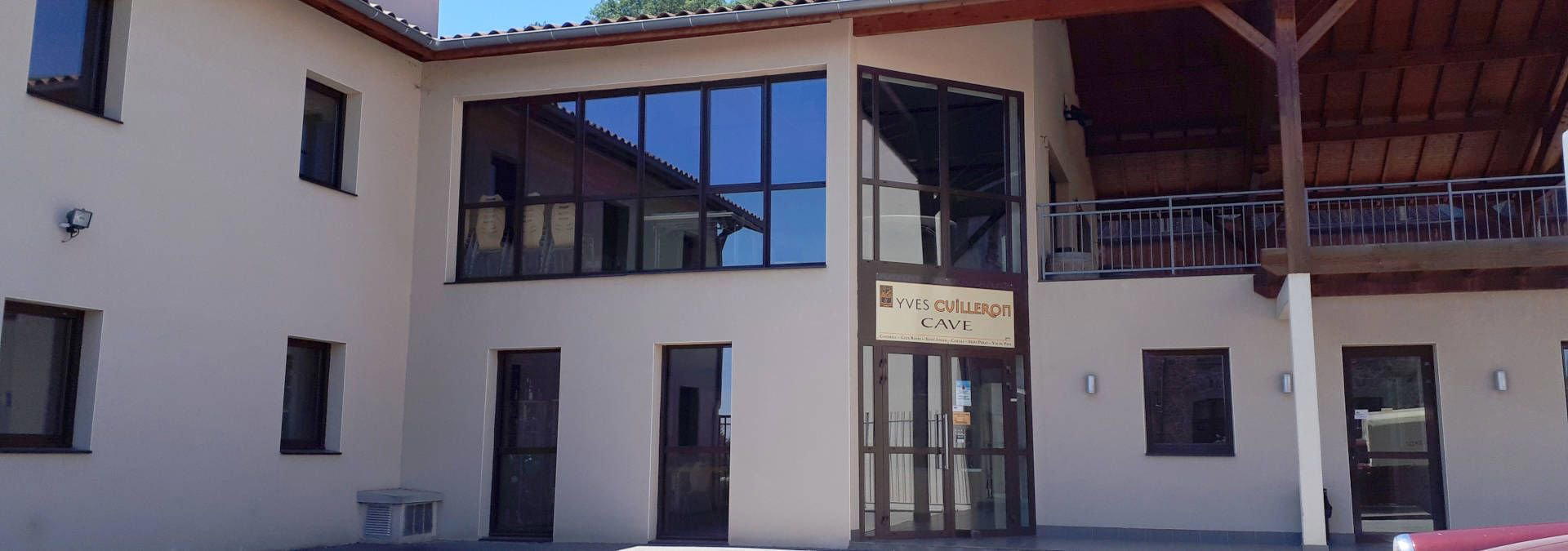
La Route Bleue is located at 40 Rue du Vernay, 42480 La Fouillouse, on the southern edge of the Saint-Étienne urban area. Given the commune's residential character, parking directly on or near Rue du Vernay is likely the most practical arrival approach for visitors coming from Saint-Étienne or the A47/A72 motorway network. Specific pricing, current menu formats, and booking policies should be confirmed directly with the restaurant before making the journey, particularly for weekend visits or larger groups.
Frequently asked questions
Would La Route Bleue be comfortable with kids?
La Route Bleue sits on Rue du Vernay in La Fouillouse, a residential commune rather than a tourist destination. Neighbourhood restaurants in this type of peri-urban French setting tend to run at a relaxed pace and draw local families as their primary crowd.
What should I expect atmosphere-wise at La Route Bleue?
The address at 40 Rue du Vernay places La Route Bleue in a working residential part of La Fouillouse, not a heritage town centre or tourist circuit. Rooms in this setting are typically modest and oriented toward regulars rather than passing visitors.
Is La Route Bleue worth the drive from central Saint-Étienne?
La Fouillouse sits on the southern edge of the Saint-Étienne urban area, making La Route Bleue a short drive rather than a destination detour.
What dish is La Route Bleue famous for?
Restaurants in the Loire department and the Saint-Étienne orbit have historically drawn on Auvergne-Rhône-Alpes produce, lentils from Le Puy, Charolais beef, and regional charcuterie, though whether any of that features here is unconfirmed. For an accurate picture of the current menu, contacting the restaurant directly is the only reliable route.
Where do I go for La Route Bleue?
La Route Bleue is located at 40 Rue du Vernay, 42480 La Fouillouse, France, La Fouillouse.
A Quick Peer Check
Comparable venues nearby, for context on price, style, and recognition.
| Venue | Cuisine | Price | Notes |
|---|---|---|---|
| La Route BleueThis venue (the venue you are viewing) | Bistronomic French | $30–50 | Not listed |
| Le Comptoir d'Ainay - Fermé Définitivement | French Bistronomic with Lyonnais Specialties | Not listed | Quartier Bellecour Carnot |
| Comme A la Maison | Modern French Bistro | $30–50 | Old Town |
| Chez Germaine | Regional French Bistro | $20–30 | Macheville |
| Le Relais Bourbonnais | Traditional French with Greek Touches | $30–50 | Broût-Vernet |
| Le Mandajors | Traditional Cévennes Regional French Bistro | $30–50 | Alès |
Continue exploring
More in La Fouillouse
Restaurants in La Fouillouse
All restaurants in La Fouillouse →
Bars in La Fouillouse
Browse all →

Details
- Warm
- Modern
- Cozy
- Special Occasion
- Family
- Terrace
- Local Sourcing
- A La Carte
- Gluten Free Options
Current opening hours
- Monday
- Closed
- Tuesday
- 10 AM–3 PM, 6:30–10:30 PM
- Wednesday
- 9 AM–3 PM
- Thursday
- 10 AM–3 PM, 6:30–11 PM
- Friday
- 10 AM–3 PM, 6:30–11 PM
- Saturday
- 10 AM–3:30 PM, 6:30–11:30 PM
- Sunday
- Closed
Hours can change for holidays and private events. Hours as of .
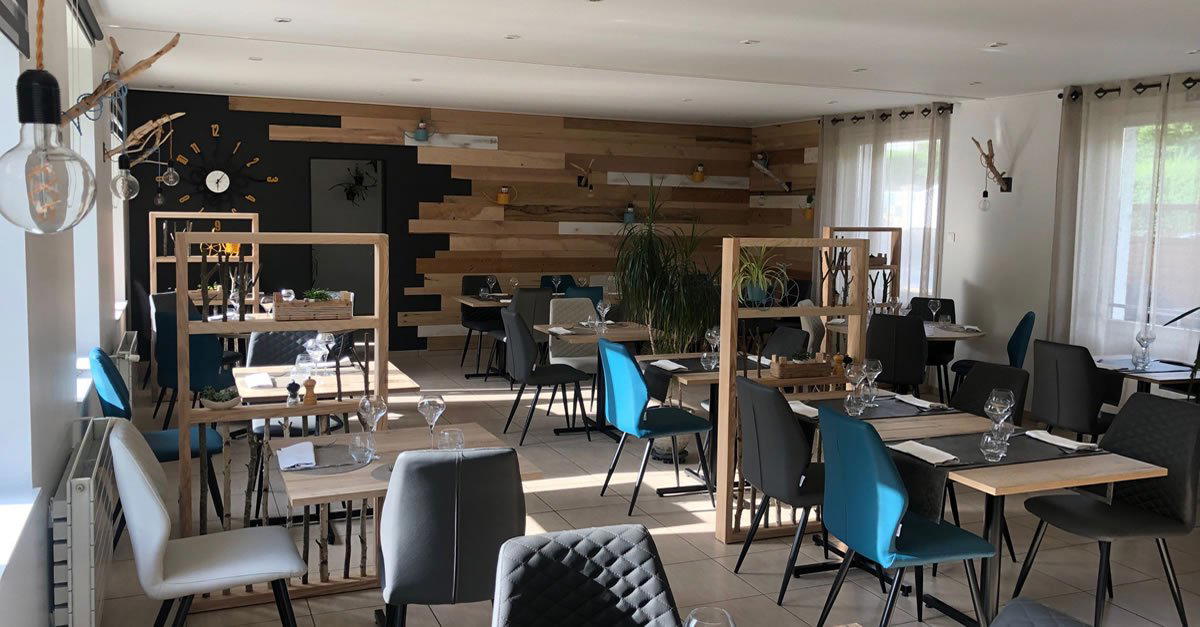
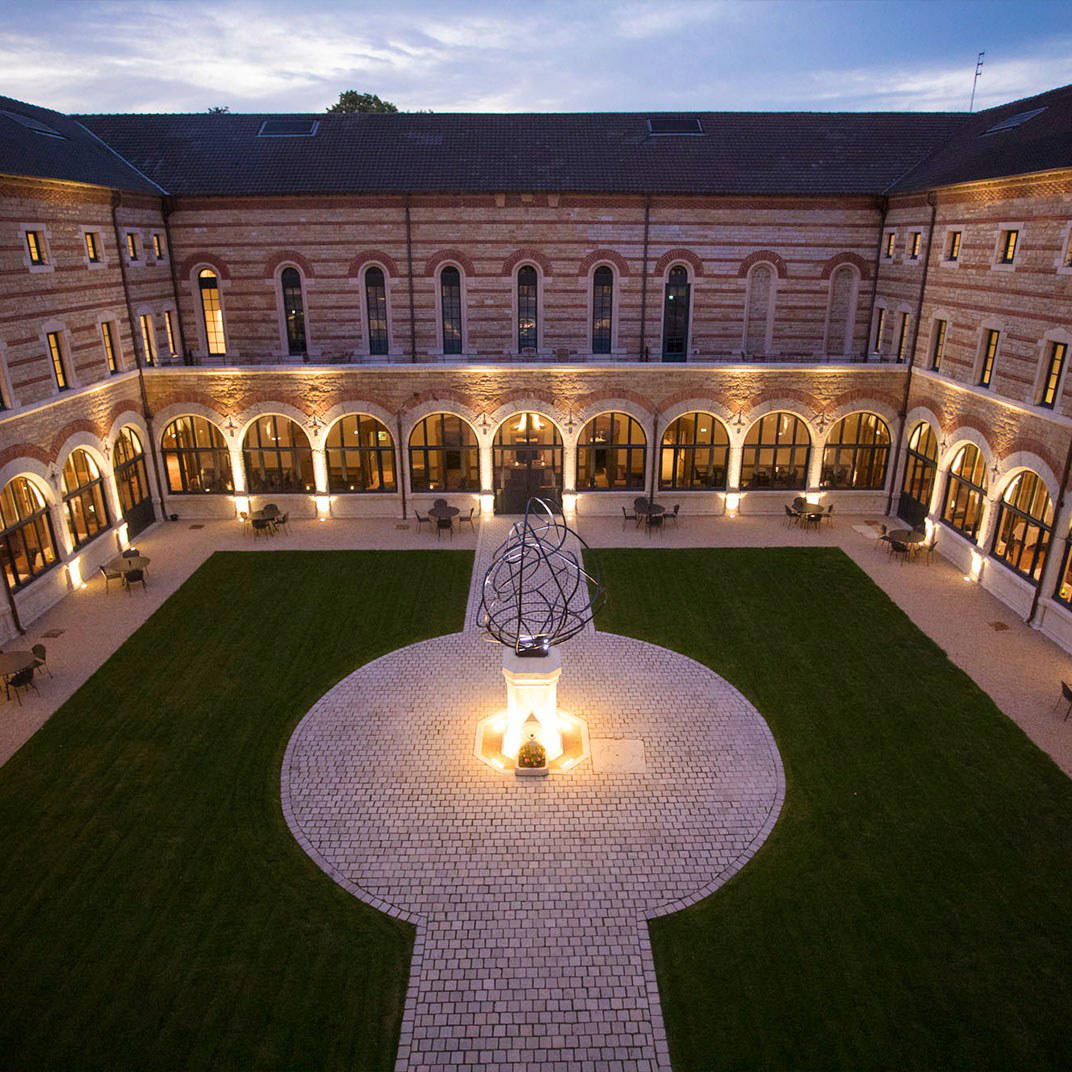
Warm and modern atmosphere with a welcoming and convivial service.