Domaine du Vissoux

Falstaff Winery - Listed
Domaine du Vissoux, now operating as Domaines Chermette, belongs to the production-led side of southern Beaujolais rather than the hospitality-heavy wine route. Its interest lies in Gamay on granite, manual harvest, semi-carbonic fermentation, and a family tenure that reaches back centuries in Saint-Vérand.

Pearl is the En Primeur Club membership app — saves, bookings, and concierge access live there. Same editors, same standards.
- Address
- Saint-Vérand, Auvergne-Rhône-Alpes, Frankreich
- Directions
- Get directions

The approach to a serious Beaujolais estate is often quieter than outsiders expect: no theatrical cellar door, no lunch terrace built for tour buses, no staged tasting ritual. In Saint-Vérand, the draw is the working rhythm of a family domaine in the Pierres Dorées, where old cellars, foudres, stainless steel, and granite-grown Gamay matter more than hospitality choreography. Domaine du Vissoux, now operating as Domaines Chermette, sits in that tradition: production first, visitor experience second, terroir before spectacle.
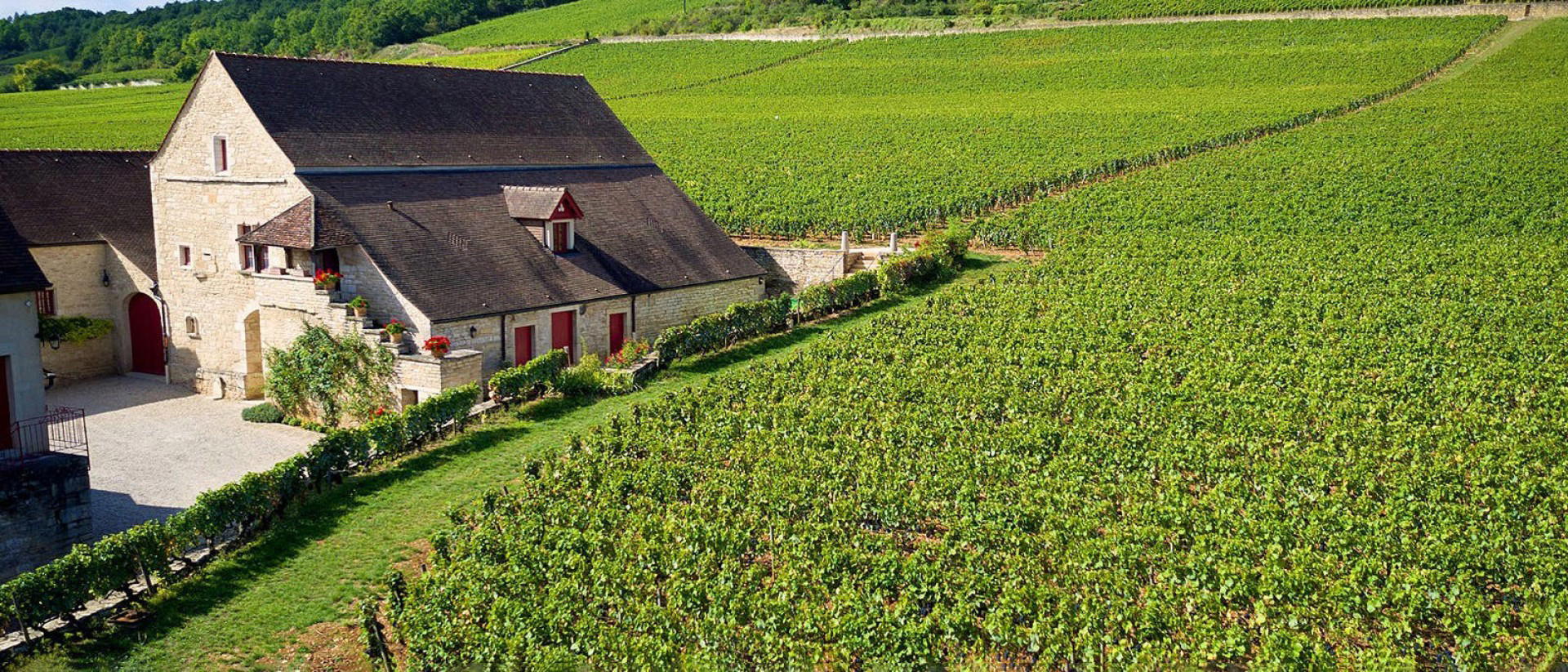
That distinction matters in Beaujolais. The region still carries the commercial shadow of Nouveau, yet its serious estates have spent decades arguing for site, vine age, and cellar restraint. Here, the argument is unusually clear. The domaine works 53.2 hectares of planted vineyard, with 46.6 hectares of Gamay and 6.6 hectares of Chardonnay, across Beaujolais, Brouilly, Fleurie, Moulin-à-Vent, Saint-Amour, and Crémant de Bourgogne. That range gives the estate a wider Beaujolais grammar than a single-village producer, without turning it into a hospitality brand.
Granite, Gamay, and the southern Beaujolais register
Southern Beaujolais can be misunderstood by drinkers who read the region only through its crus farther north. Saint-Vérand lies in the Pierres Dorées, where warmer summers and granite soils pull Gamay toward ripe fruit while keeping the wines dry, lifted, and structurally lean. The local distinction is not power for its own sake. It is the tension between sun and acidity, between aromatic ease and the mineral edge that granite can give when farming and extraction stay measured.
The estate’s cellar choices follow that logic. Manual harvest preserves whole bunch integrity; semi-carbonic fermentation runs for 5 to 12 days; fermentations rely on local yeasts rather than commercial inoculation. Aging moves between stainless steel, tanks, and large oak foudres depending on cuvée. That is not a minimalist slogan dressed up for export. It is a practical Beaujolais method: protect fruit, avoid heavy oak signatures, and let the difference between young-vine immediacy, old-vine concentration, and cru structure remain legible in the glass.
Old vines play a specific role here. The average vine age is 35 years, while the Cœur de Vendanges cuvée draws from vines over 100 years old. In a region where volume and early release have often dominated the public image, that kind of vine age changes the conversation. It shifts attention from simple freshness to density, texture, and the capacity of Gamay to carry detail without losing its natural clarity.
A family domaine with a modern Beaujolais footprint
The family has cultivated the original Le Vissoux site since the 17th century, but the modern chapter began in 1982, when Pierre-Marie Chermette took over and moved toward direct sales rather than relying on intermediaries. Martine Chermette joined the estate full-time in 1990, and Jean-Étienne Chermette now works alongside the family as the next generation. Those dates matter because Beaujolais’ reputation has been rebuilt by estates willing to treat Gamay as a terroir grape, not only as a seasonal commodity.
The shift from Domaine du Vissoux to Domaines Chermette also signals how the property now presents itself: less as a single historic lieu-dit, more as a family name attached to a broad Beaujolais portfolio. The expansion into Fleurie and Moulin-à-Vent, followed by vineyards in Brouilly in 2008, gives the domaine a multi-cru footing. One-third of production is exported, while two-thirds is sold in France and not through supermarkets. About one-third is sold as Beaujolais Nouveau, a reminder that the estate has not rejected the region’s commercial tradition; it has placed it beside cru wines, old-vine bottlings, still whites, and sparkling wine.
Recognition has followed the same producer-led path. La Revue du Vin de France’s 2025 Readers’ Prize placed the domaine in recent critical circulation, while Burgundy Report has covered the wines and the estate’s vintage perspective. Those signals are useful because Beaujolais remains a category where labels can look deceptively similar from a distance. For the reader deciding what to seek out, the stronger cue is the full combination: long family tenure, old vines, manual harvest, semi-carbonic fermentation, foudre aging, HVE certification, and a portfolio that reaches beyond Nouveau without disowning it.
How to treat the visit: serious buying, not wine tourism theater
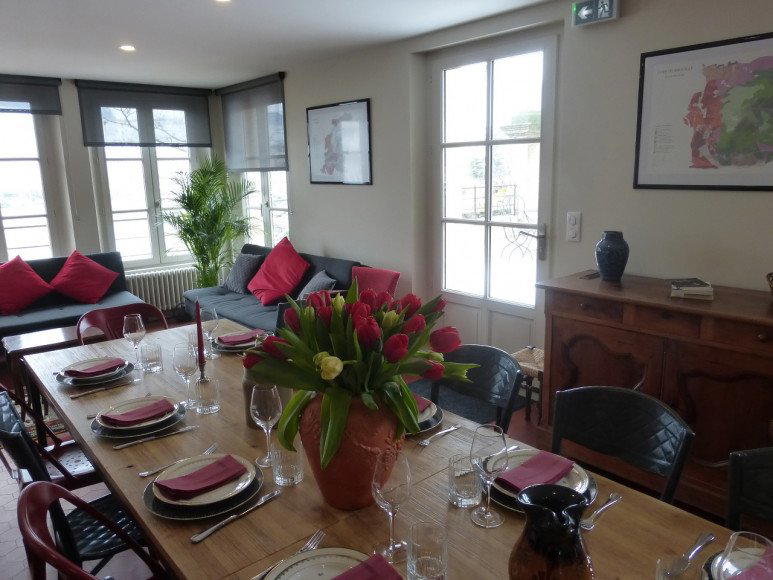
This is not the address to choose for a polished tasting-room circuit. The estate operates on an appointment-only model, with private visits and property sales rather than a public drop-in counter, restaurant, accommodation, picnic setup, or food-pairing program. That makes it better suited to travelers who already care about Beaujolais and want a focused producer encounter, or to buyers building a cellar around Gamay with regional nuance.
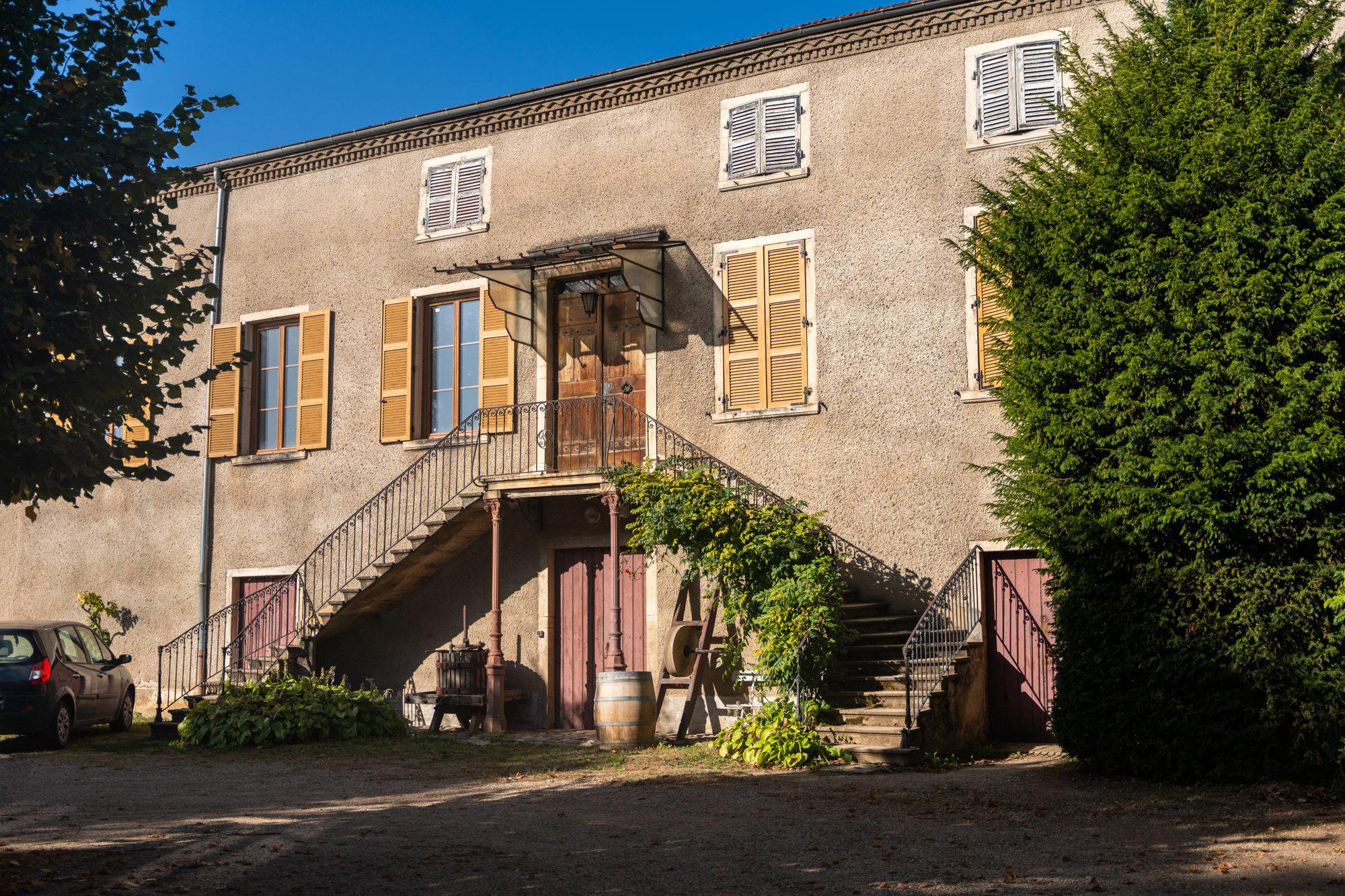
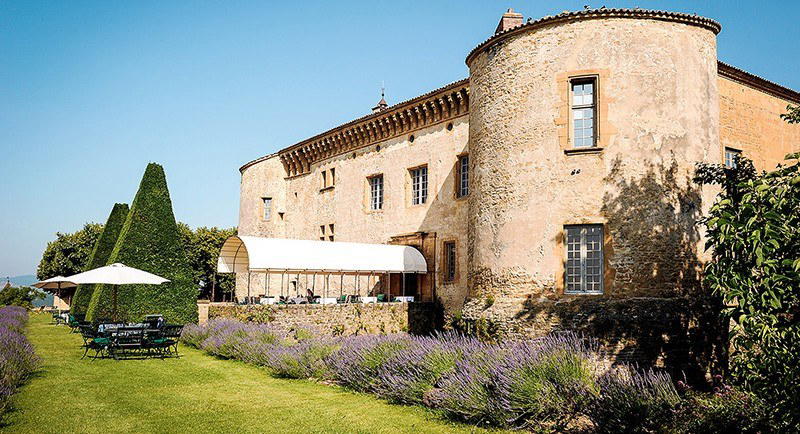
The setting is quiet and rustic in the practical sense: a working wine estate in Saint-Vérand, with an old cellar and modern cuverie rather than a destination complex. Dress can remain casual, groups are a reasonable fit when arranged properly, and the visit format is listed around 60 to 90 minutes. Payment by credit card and shipping availability make the purchase side less cumbersome than at some small family cellars, though the point remains the wines rather than leisure infrastructure.
For wider planning around the city, start with Our full Saint Verand wineries guide, then map meals, stays, and post-tasting plans through Our full Saint Verand restaurants guide, Our full Saint Verand hotels guide, Our full Saint Verand bars guide, and Our full Saint Verand experiences guide. Readers building a broader European winery itinerary can also compare regional formats through A. Margaine in Villers-Marmery, Abbaye de Fontfroide in Narbonne, Abbotts & Delaunay in Marseillette, Advini in Saint Felix De Lodez, Agrapart & Fils in Avize, Alain Brumont in Castelnau Riviere Basse, Alain Gras in Saint-Romain, Albert Boxler in Niedermorschwihr, »der Steiner« Hans Steiner in Podersdorf am See, and & Handwein in Mannheim.
Recognition history
Dated appearances from independent guides and award organizations, with the underlying list record or original source where available.
Falstaff Winery - Listed
Falstaff
Continue exploring
More in Saint Verand
Wineries in Saint Verand
Browse all →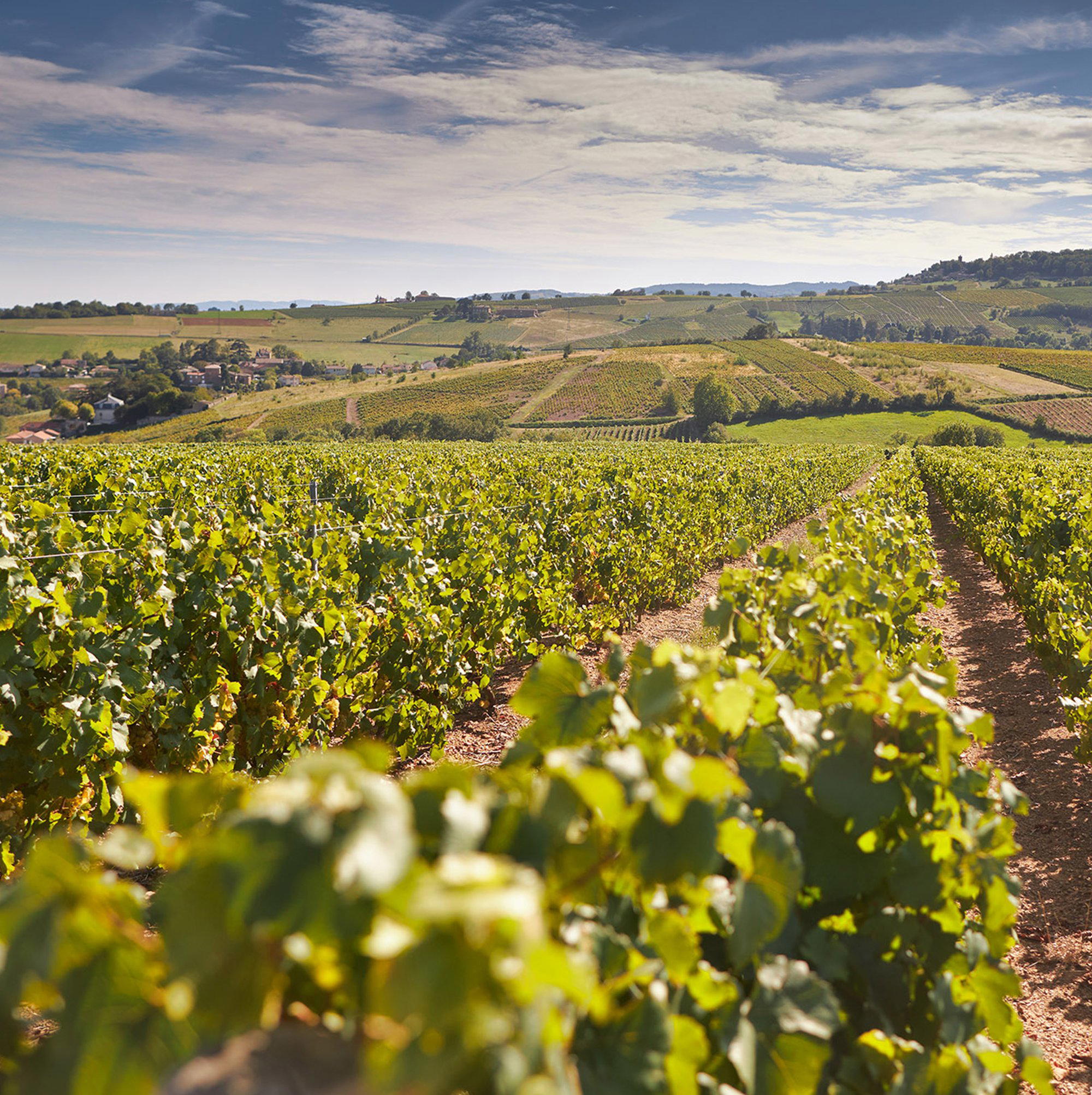
Bars in Saint Verand
Browse all →
Restaurants in Saint Verand
Browse all →
Details
- Rustic
- Quiet
- Classic
- Solo Exploration
- Wine Education
- Special Occasion
- Group Outing
- Historic Building
- Private Tasting
- Cave Tasting
- Vineyard Tour
- Vineyard
- Gamay
- Chardonnay
- Still Red
- Still White
- Sparkling
- Tasting Room
- Private Tasting
Family-run, artisanal, and terroir-focused; the press describes a modern but respectful estate with a natural-winemaking philosophy and a cold old cellar atmosphere.