La Pistache at Hotel Balm

La Pistache at Hotel Balm sits in Meggen, a quiet residential commune on Lake Lucerne's northern shore, and carries a Star Wine List White Star recognition for its cellar depth. The restaurant operates within the Hotel Balm property alongside the more casual Balm Bistro, positioning it as the formal dining address of the two. For wine-focused diners in the Central Switzerland region, that recognition places it in a specific peer conversation.
Pearl is the En Primeur Club membership app — saves, bookings, and concierge access live there. Same editors, same standards.
- Address
- Balmstrasse 3, 6045 Meggen, Switzerland
- Phone
- +41 41 377 11 35
- Website
- balm.ch
 Saves & bookings on Pearl
Lake Lucerne's Quieter Dining Register
The lakeside communes east of Lucerne, Meggen among them, operate on a different frequency from the city's tourist-facing dining circuit. There are no tram routes delivering diners from cruise terminals, no hotel-bar crowds spilling onto the pavement. What exists instead is a residential calm that suits a certain kind of restaurant: one that relies on a committed local clientele and destination visitors willing to cross the lake for something specific. La Pistache at Hotel Balm, on Balmstrasse in Meggen, Switzerland, sits within that register. The Hotel Balm property positions it as the more formal of two dining addresses on site, with the Balm Bistro (Traditional Cuisine) occupying the more relaxed tier alongside it.
That two-format structure, a bistro and a named restaurant within the same property, is a pattern common to Swiss hotels that serve both passing guests and repeat local diners. It allows the kitchen to operate at different levels of ambition without cannibalising either audience. The formal room, in this case Balm - La Pistache (Classic French), carries the wine credentials that distinguish it from the broader regional offering.
The Wine List Argument
Star Wine List, a Scandinavian-founded platform that evaluates restaurant cellars by depth, range, and curation quality, awarded La Pistache a White Star when it published the venue in December 2021. The White Star tier on Star Wine List signals a cellar worth travelling for, a recognition that functions independently of food awards and speaks directly to the seriousness of the wine program. In the Central Switzerland region, where the dining conversation is more often anchored by city-centre restaurants in Lucerne, that kind of wine-specific recognition at a lakeside commune address carries weight.
For context: wine-focused diners planning a Swiss itinerary frequently orient around the country's decorated food addresses, venues like Schloss Schauenstein in Fürstenau, Cheval Blanc by Peter Knogl in Basel, or Memories in Bad Ragaz. Those venues operate in the €€€€ tier with Michelin recognition driving their cellar ambitions. La Pistache's White Star places it in a different but adjacent conversation: a property where the wine list is doing significant work, in a town most visitors pass by on the way to Lucerne. That gap between recognition and visibility is the reason it warrants attention.
Ingredient Sourcing and the Classic French Frame
The Classic French classification that appears in the restaurant's category signals a kitchen committed to a particular discipline. Classic French cooking, at its most rigorous, is an ingredient-sourcing argument as much as a technique argument. The cuisine depends on primary materials, butter, cream, stock, protein, that arrive at a quality level the finished dish cannot compensate for. A brown butter sauce tells you precisely what the butter tasted like. A consommé is transparent about its base. That transparency places pressure on supply chains in a way that more heavily seasoned or component-driven styles of cooking can partially obscure.
In Switzerland, that pressure has historically been easier to meet than in most European markets. The country's dairy supply is among the most regulated and shortest-chain in the world, with alpine grazing systems that produce cream and butter of a specific richness. Proximity to French culinary regions, the canton of Vaud and the Valais border France directly, means that sourcing relationships with producers across the Franco-Swiss corridor are structurally simpler than they would be for a restaurant in a landlocked central European city. A Classic French kitchen in this geography has advantages its Parisian counterpart sometimes lacks: the ability to work with Swiss dairy, Central Swiss lake fish, and cross-border French produce without the logistics costs that erode quality at distance.
Whether La Pistache exploits that geography fully is a question the menu specifics would answer, and those specifics are not available here. What the Classic French classification does suggest is that the kitchen has committed to a culinary tradition that rewards, and in many respects demands, short supply chains and high-quality primary ingredients. In Meggen, on Lake Lucerne, the geography is there to support it.
Where It Sits Regionally
The Central Switzerland dining circuit runs from Lucerne west toward the Bernese Oberland and east into the Zug and Schwyz cantons. Within Lucerne itself, Colonnade represents the city-centre hotel dining offer. Further afield, focus ATELIER in Vitznau, also on the lake's eastern shore, operates at the Modern Swiss Creative tier with Michelin recognition. IGNIV Zürich by Andreas Caminada in Zurich represents Switzerland's sharing-format fine dining at the €€€€ level. At the international reference points, Hotel de Ville Crissier in Crissier remains the country's most-decorated French-tradition address.
La Pistache does not compete directly with those venues on awards volume. Its competitive position is more specific: a Classic French restaurant with a recognised wine cellar, operating in a lakeside hotel format, in a commune that offers tranquility rather than urban convenience. For diners drawn to that combination, formal French cooking, serious wine, Lake Lucerne setting, without the Lucerne city-centre pricing pressures and crowd density, the address has a logic that stands on its own terms. Those interested in the broader Swiss fine dining picture should also consider 7132 Silver in Vals and Da Vittorio in St. Moritz for a sense of what the country's hotel-dining tier looks like at its most ambitious.
Planning a Visit
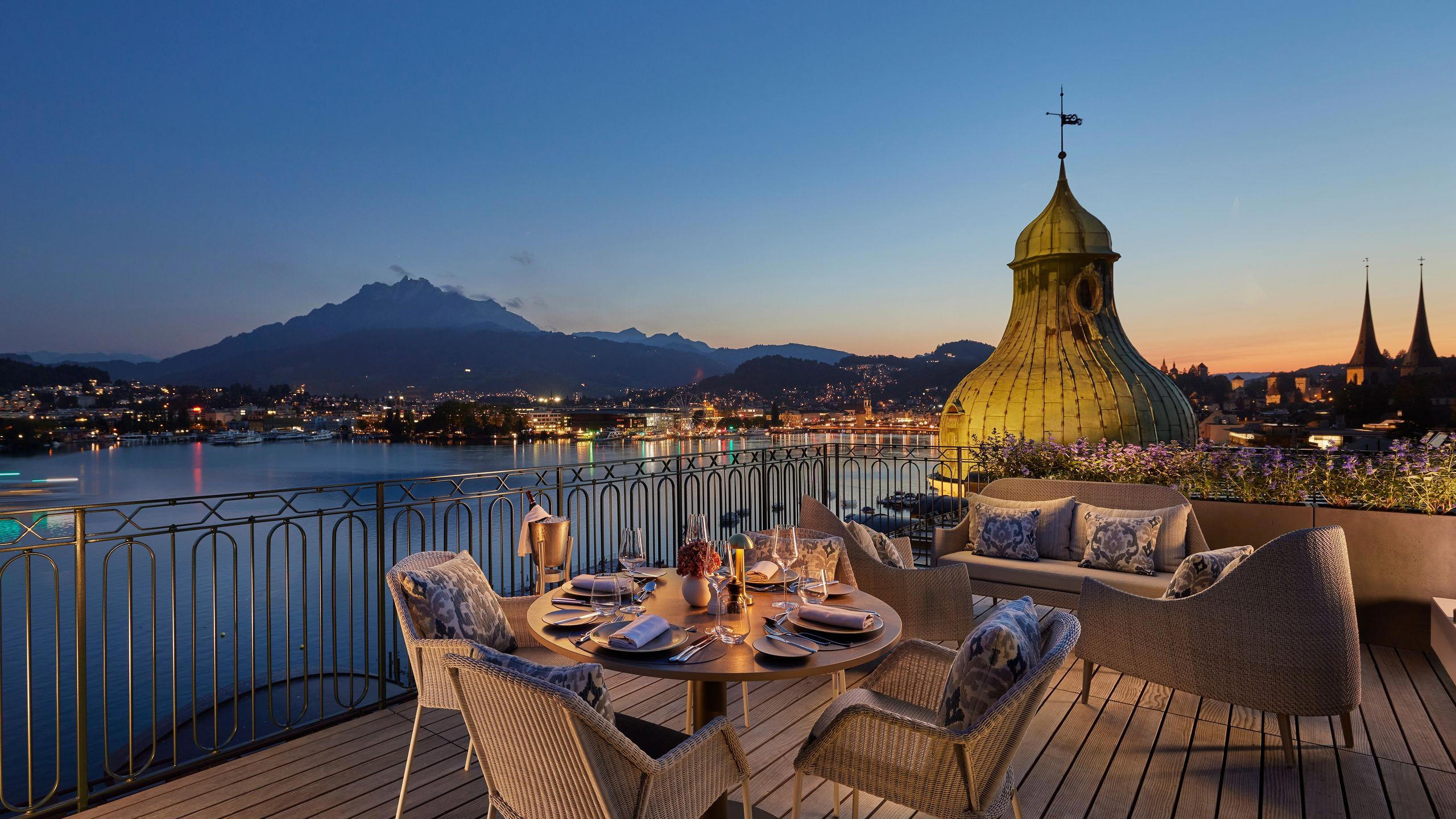
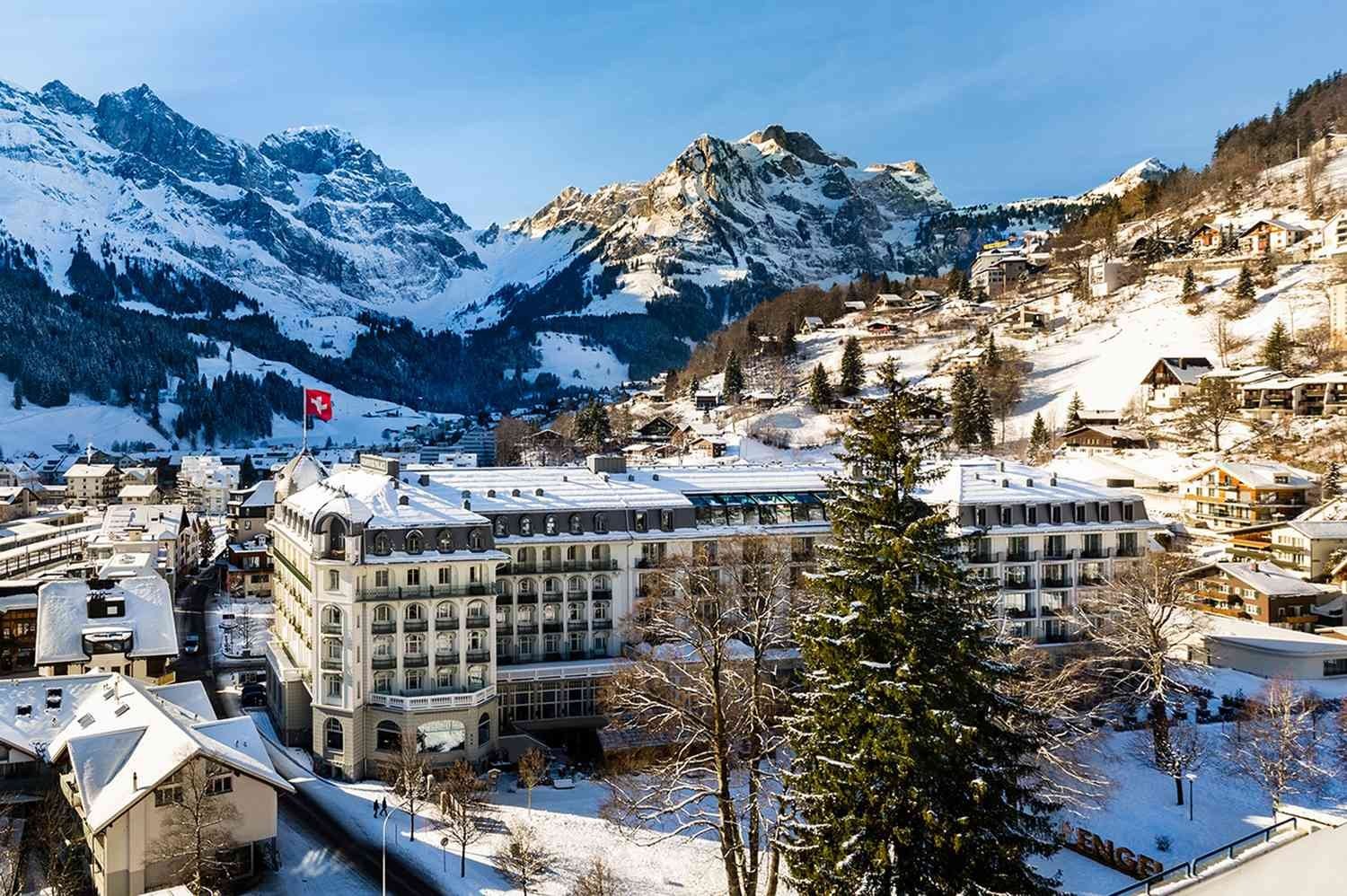
Meggen is accessible from Lucerne by road and, seasonally, by lake boat services that run the northern shore route. The Hotel Balm address on Balmstrasse places it directly on the lakeside, which shapes the approach: arriving by water is the natural choice when the schedule allows. For diners travelling from Zurich, the rail journey to Lucerne takes under an hour, with Meggen a short transfer from the city. Booking logistics, hours, and current pricing should be confirmed directly with the hotel. Given the White Star wine recognition and the venue's relatively low national profile, advance planning is advisable rather than optional; the cellars at properties with this kind of wine-list depth tend to attract collectors and sommeliers who book purposefully.
A Quick Peer Check
Comparable venues nearby, for context on price, style, and recognition.
| Venue | Cuisine | Price | Awards | Notes |
|---|---|---|---|---|
| La Pistache at Hotel BalmThis venue — the venue you are viewing | Classical French Fine Dining | $$$$ | ||
| Balm - Bistro | Swiss Bistro | $$$ | Bib Gourmand | Meggen |
| Balm - La Pistache | Classical Mediterranean Fine Dining | $$$$ | Michelin Plate | Meggen |
| Brasserie Ritzcoffier at Bürgenstock Hotels & Resort Lake Lucerne | Modern French Brasserie | $$$$ | Obbürgen | |
| Baur au Lac | Modern French Brasserie | $$$$ | Enge | |
| Le Mirage | Classic French Brasserie | $$$ | , | Stans |


At a Glance
- Elegant
- Classic
- Cozy
- Sophisticated
- Date Night
- Special Occasion
- Business Dinner
- Hotel Restaurant
- Terrace
- Private Dining
- Extensive Wine List
- Local Sourcing
- Mountain
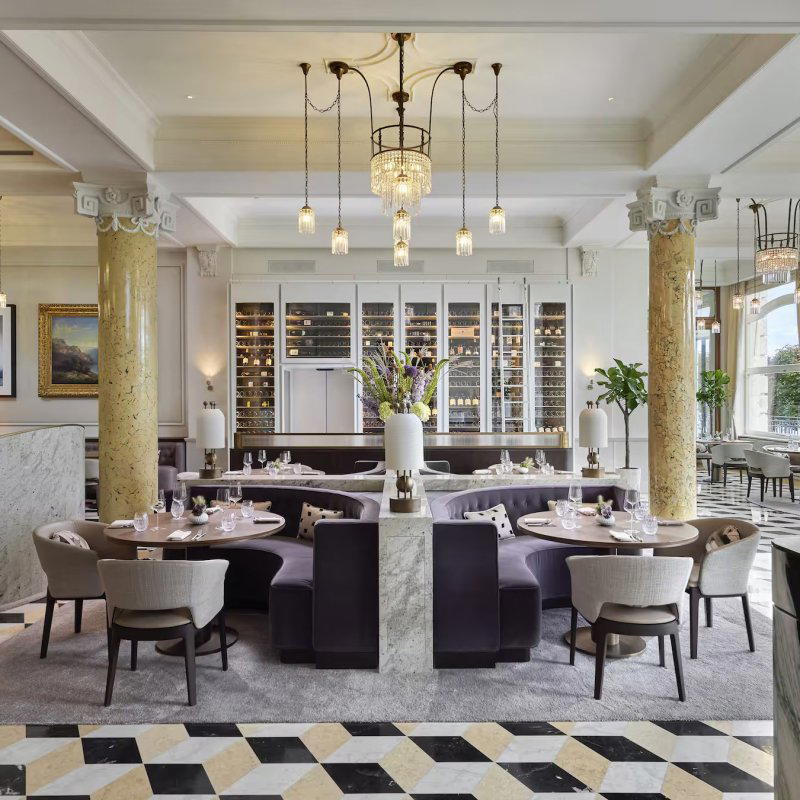
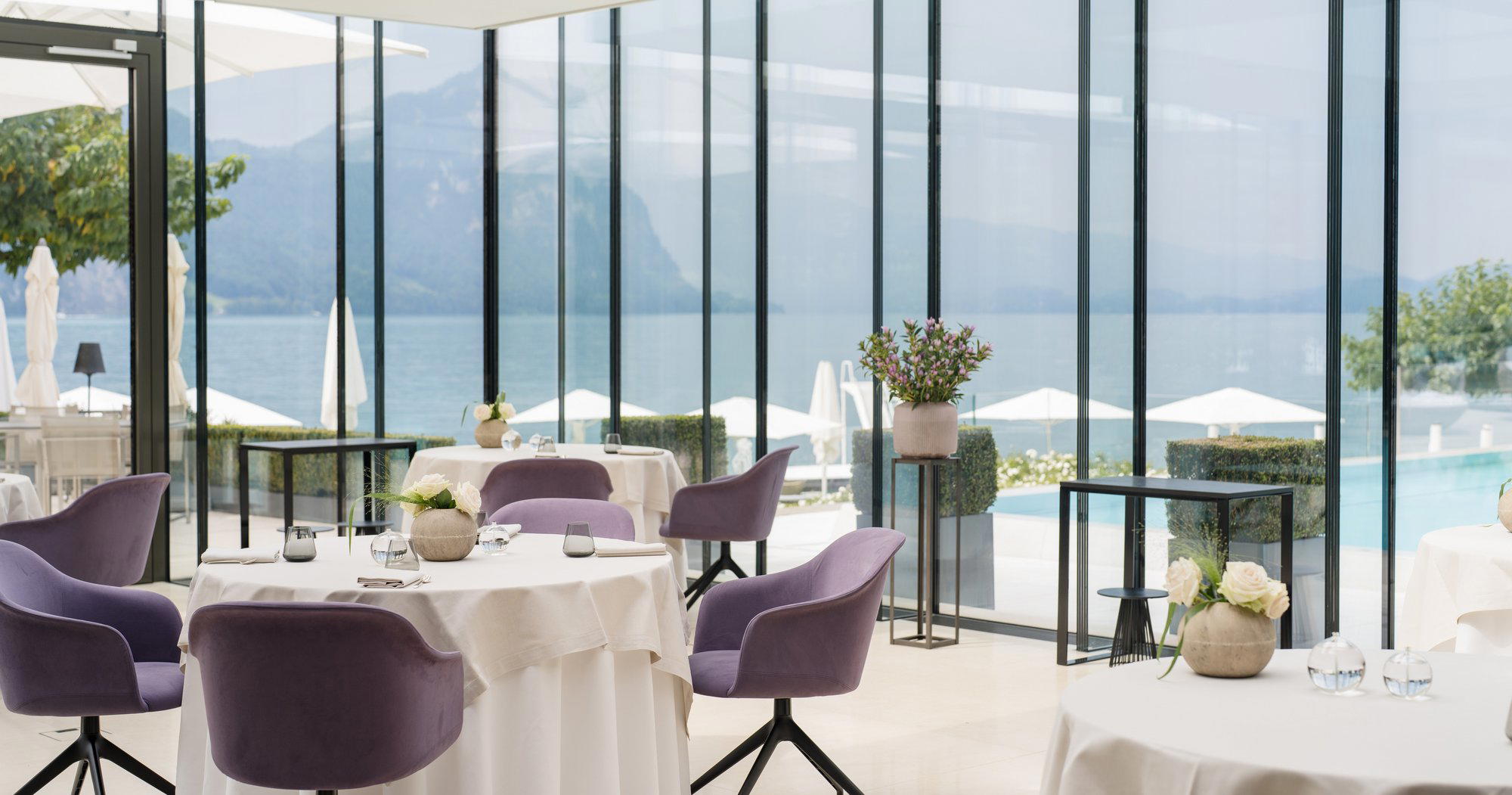
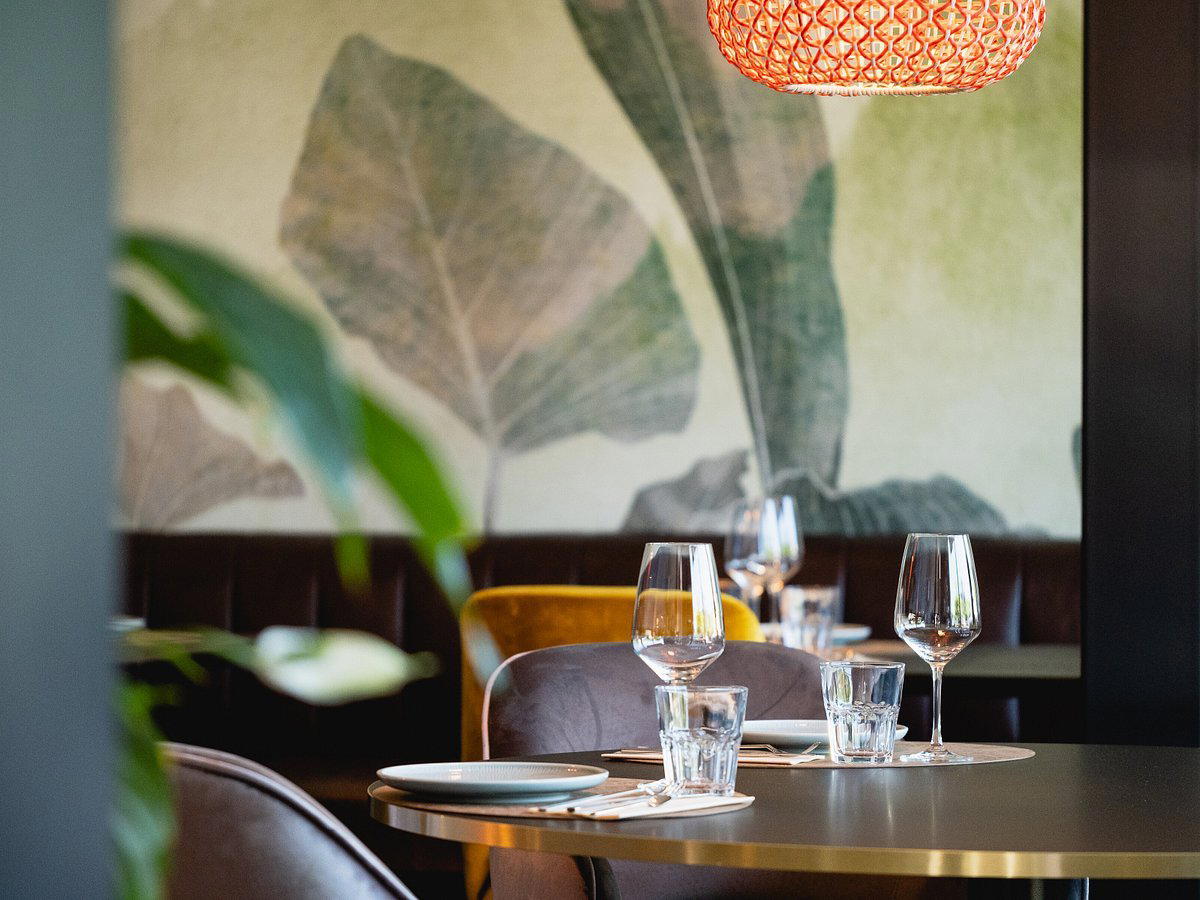
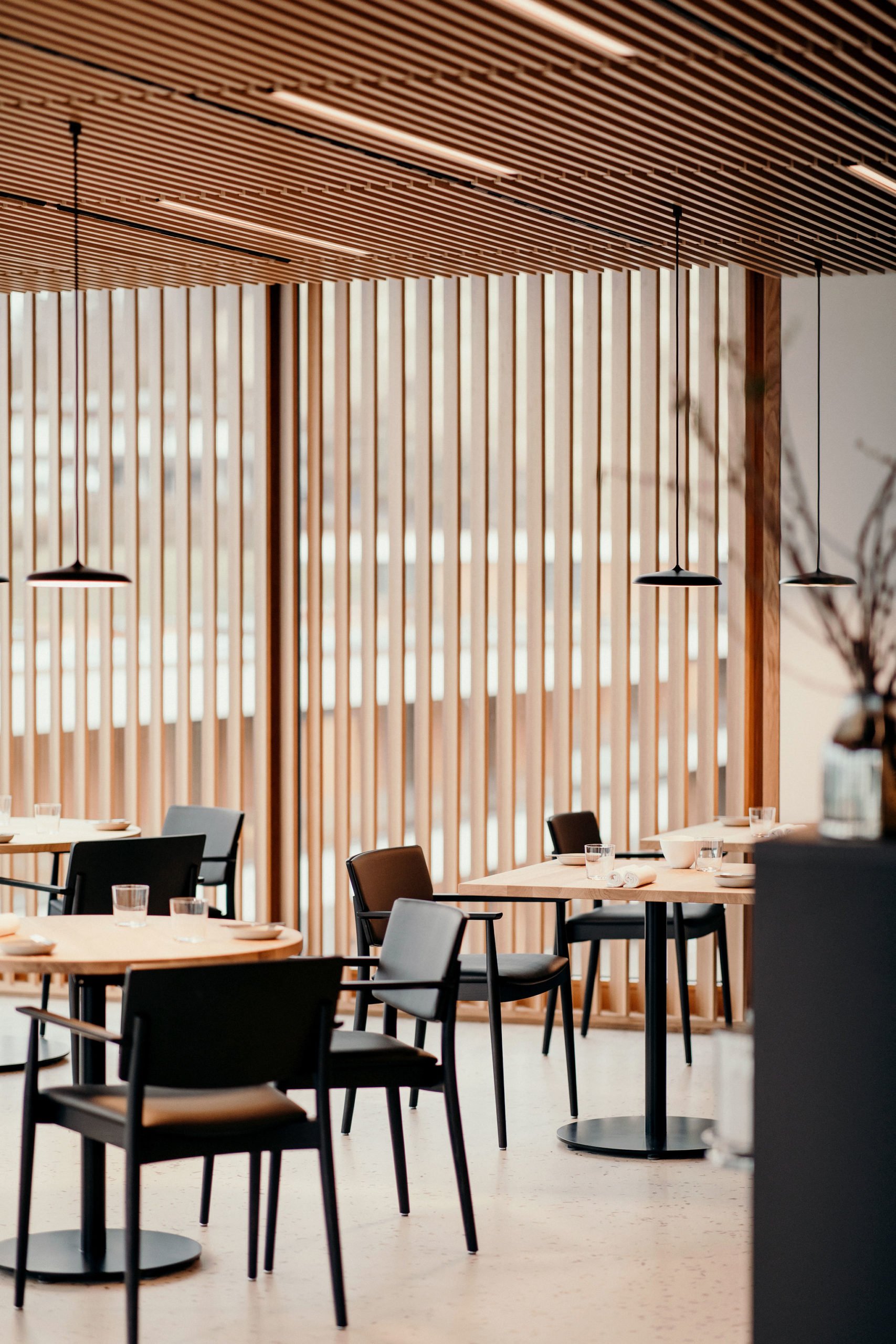
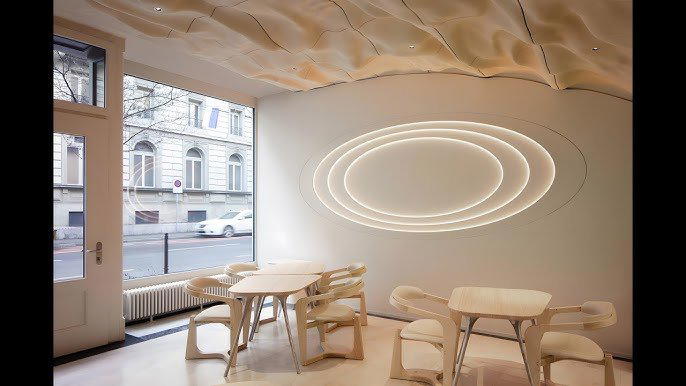
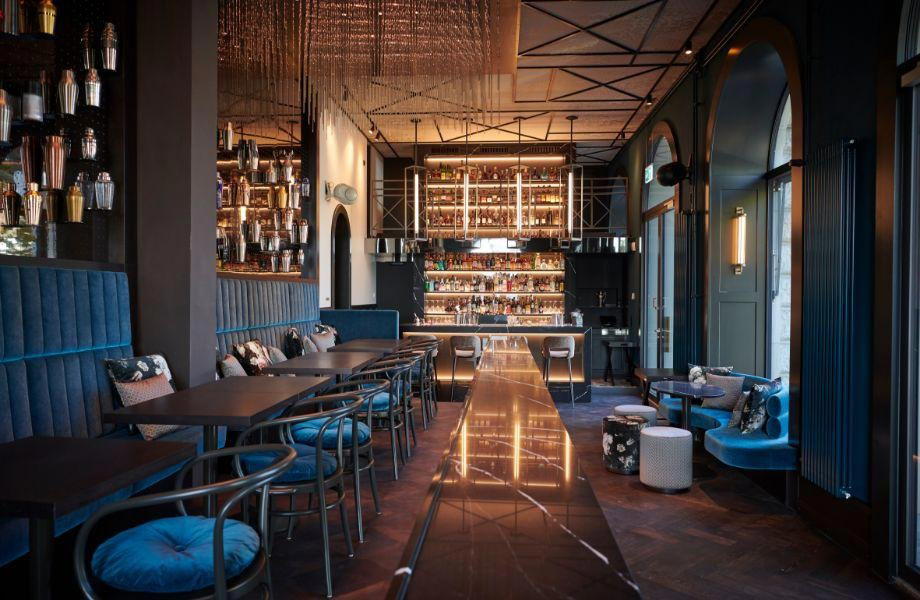
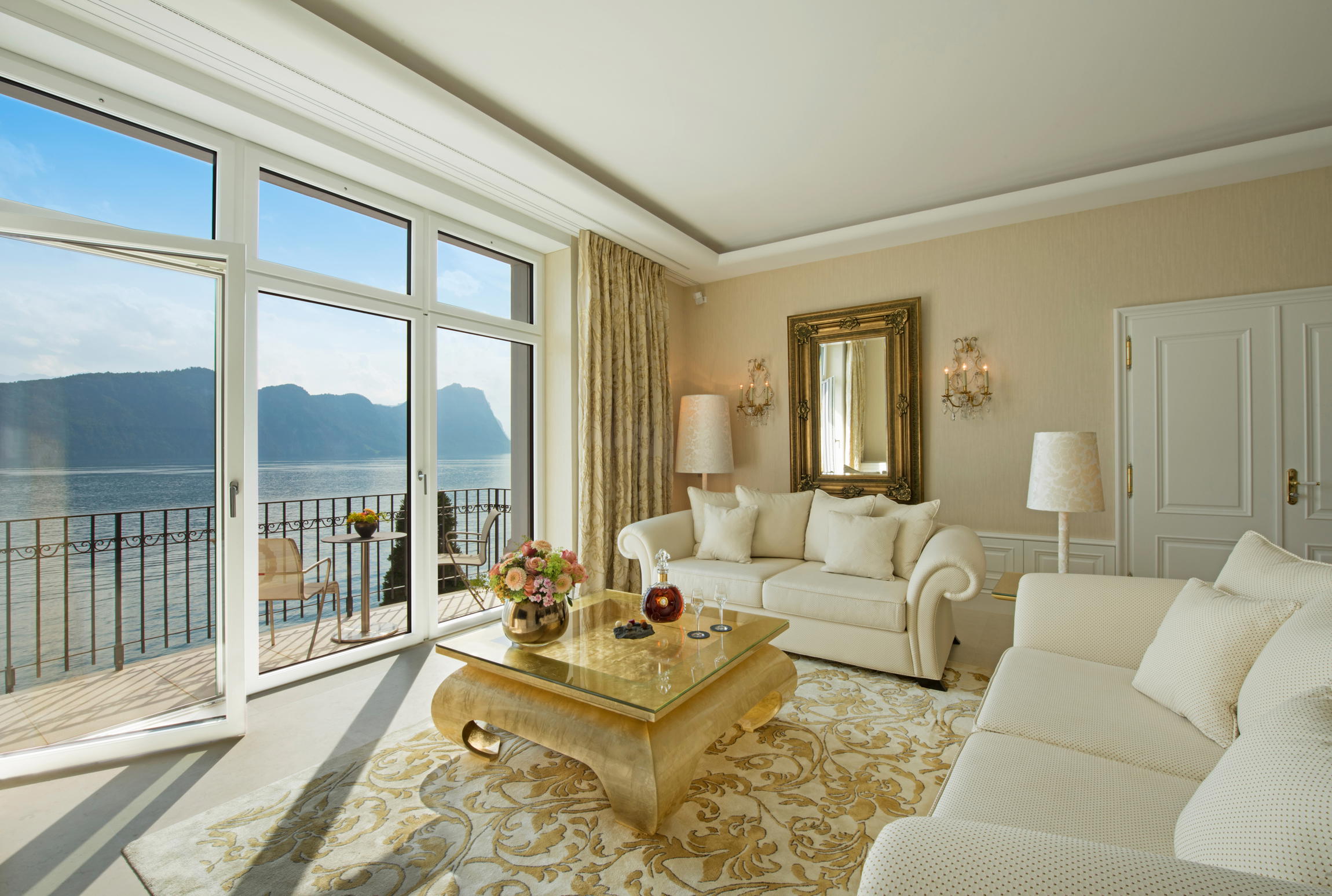
Elegant classical atmosphere with attention to detail in furnishings and attentive service.